When I first saw this Scrawled Filefish, I tried and failed to get any decent photos, so I carried on swimming. When I looked behind me a bit later, I saw the fish following me as they sometimes do, and I got this photo.
Scrawled Filefish are not just curious looking, they’re also curious fish. They will often trail swimmers, checking them out.
I don’t see sharks a lot, but when I do they’re usually Whitetip Reef Sharks, which are fairly common around the island. I’ve seen others, including a few Blacktip Reef Sharks, but haven’t got photos of them before.
A few days ago, snorkeling out of Lapakahi, this Blacktip Reef Shark emerged out of hazy waters, heading my way. When it saw me, it veered off to the side, zipped past, and continued on its way. The shark was no more than four feet long, but there was no mistaking it with those markings.
It was a short encounter, so I only took a few photos and, given the conditions, had no great hopes that the photos would be any good, or that the shark would even be in them! So I was pleased that this one shot turned out halfway decent.
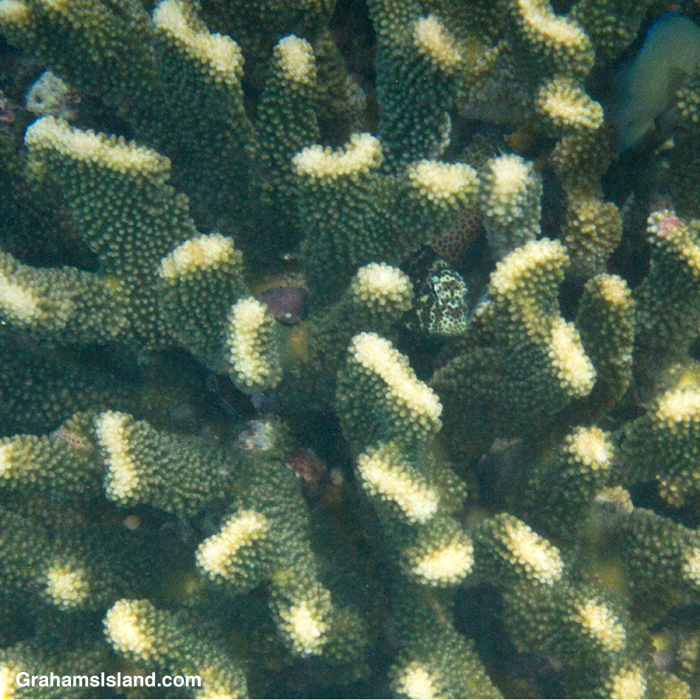
I took this photo of a head of Cauliflower Coral because I was happy about how healthy it looked. Then I saw that I was being watched. This Spotted Coral Blenny was wedged into the coral head, as they do, clearly waiting for me to move on.
Well, it is the last of the month, so time for me to move forward into June and for the blenny to go about his business.
Posted for Becky’s Squares: Move Forward, Reconstruct, Renew, and/or are Burgeoning. See more responses here.
A Bristle-thighed Curlew moves forward to grab a breakfast snack.
The idea of The Numbers Game is to enter a number into the search bar of your computer and then post a selection of the photos that turn up. This week’s number is 143. Captions are on the photos. You can see more responses here.
Also posted for Becky’s Squares: Move Forward, Reconstruct, Renew, and/or are Burgeoning. See more responses here.
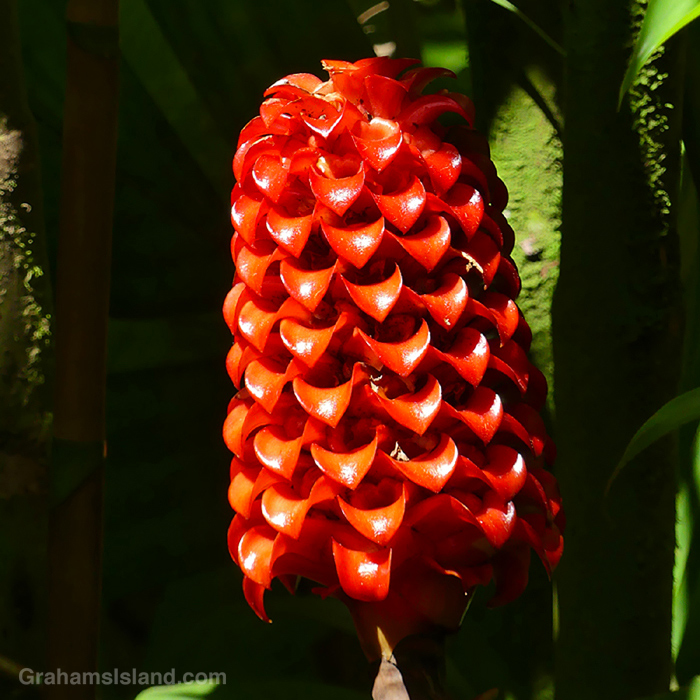
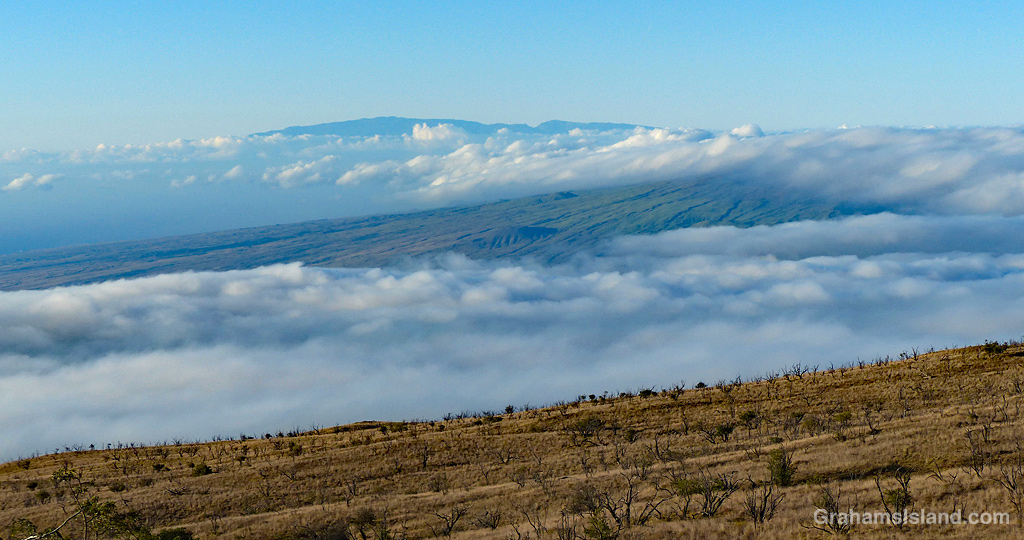
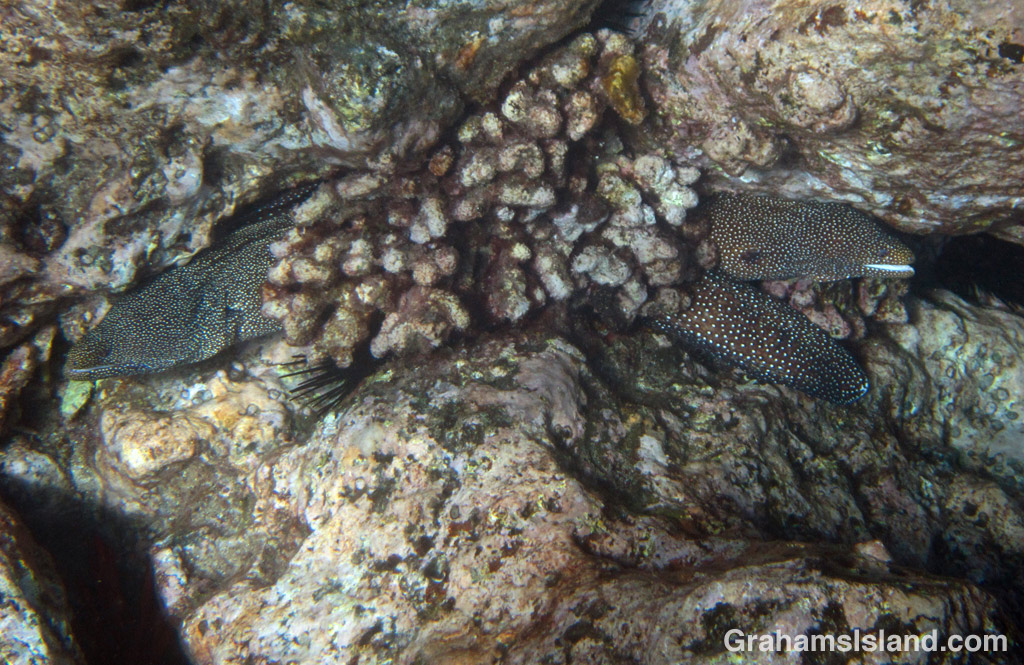
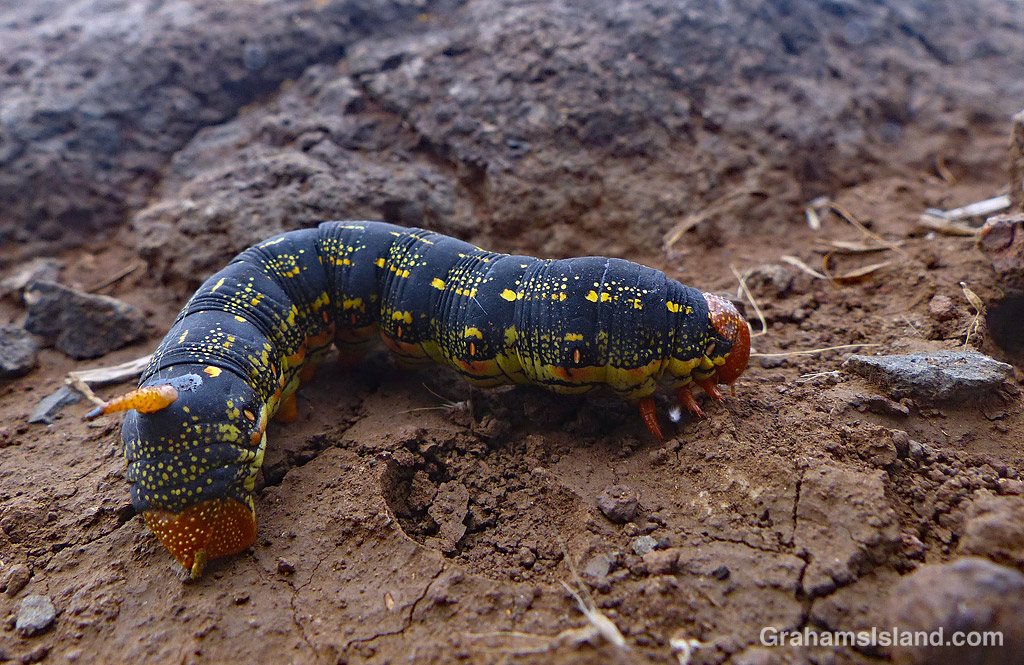
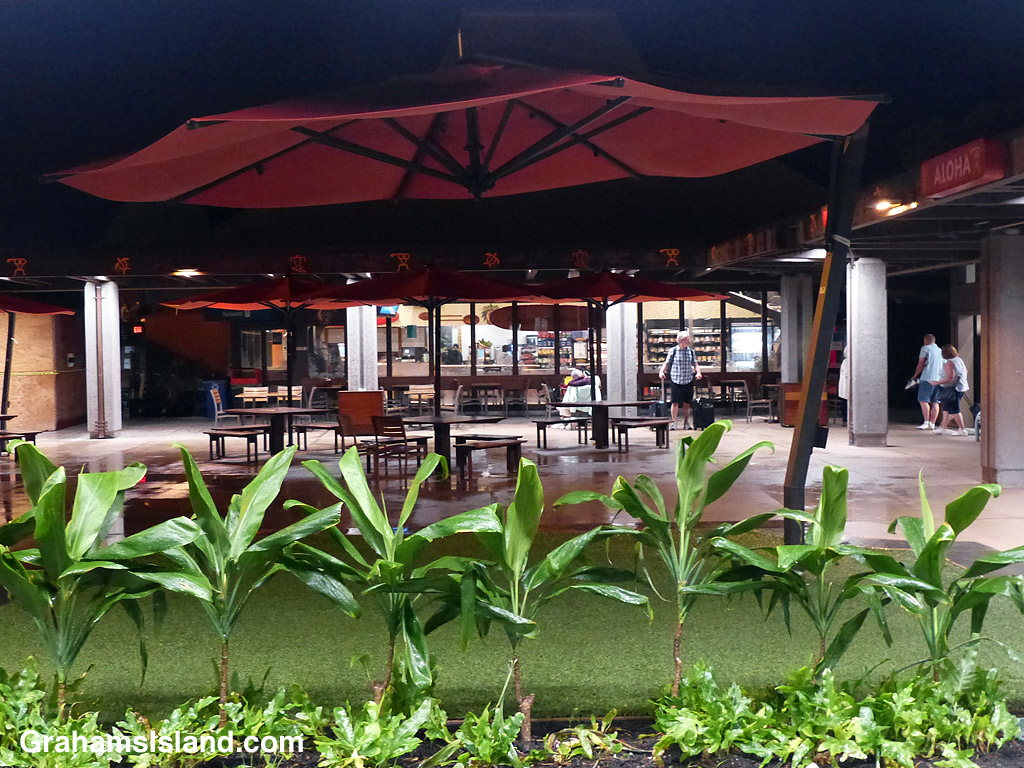
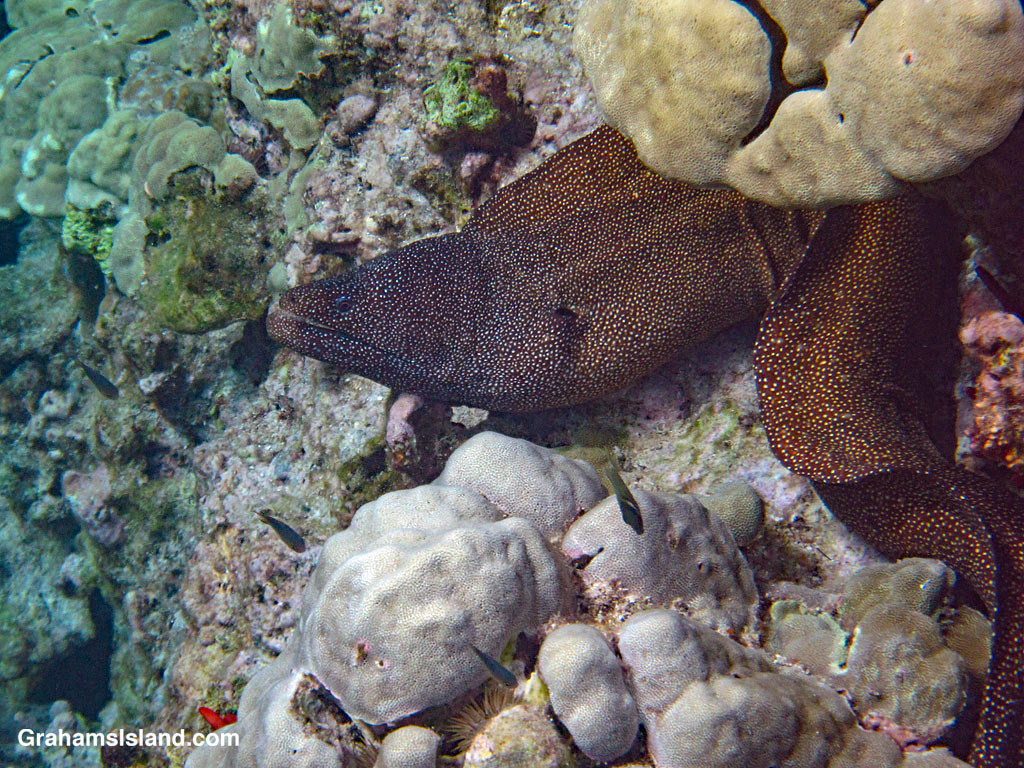
A burgeoning Indonesian Wax Ginger catches the light.Sometimes you have to move back after moving forward too boldly!A view of Maui from the lower slopes of Mauna Kea.Two Whitemouth Moray Eels in a tight spot.A White-lined Sphinx Moth caterpillar on the move.Passengers waiting for the first flight of the day from Kailua Kona Airport.
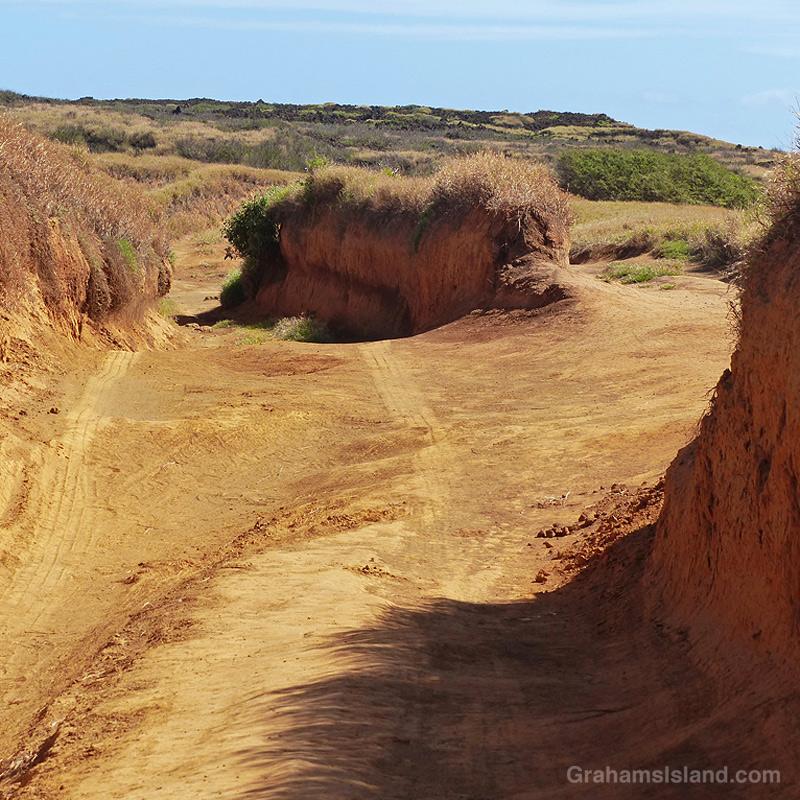
Sometimes, the way to move forward is unclear, as when navigating these roads at South Point.
The idea of The Numbers Game is to enter a number into the search bar of your computer and then post a selection of the photos that turn up. This week’s number is 142. Captions are on the photos. You can see more responses here.
Also posted for Becky’s Squares: Move Forward, Reconstruct, Renew, and/or are Burgeoning. See more responses here.
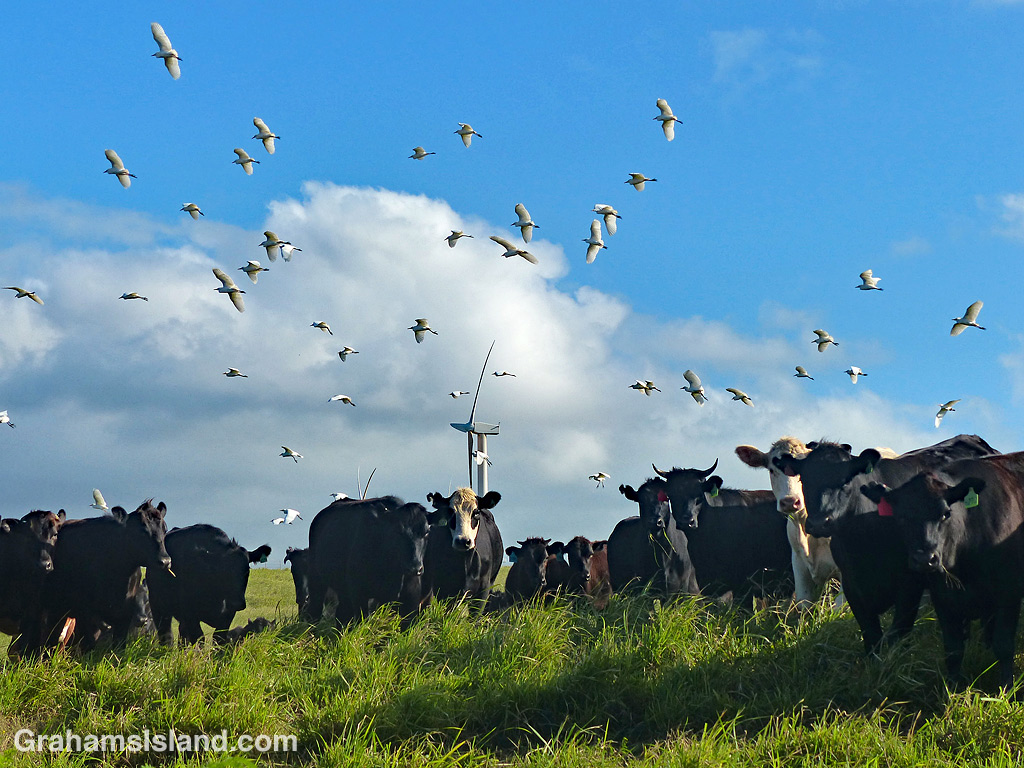
Cattle and their egrets near Hawi Wind Farm.A lunar eclipse a few years ago.Two Asian Swallowtail butterflies frolic on the wing.A Whitemouth Moray Eel.Acute Halfbeaks swim just below the surface in the waters off the Kohala coast.
I saw this Dwarf Moray Eel moving forward at a good clip. Then it spotted me, gave me a look, turned around, and headed right back where it came from. Just its head peeked out as it waited for me to move along and leave it to go its own way.
Posted for Becky’s Squares: Move Forward, Reconstruct, Renew, and/or are Burgeoning. See more responses here.
Floating marine debris can be a menace to ocean wildlife, being swallowed by, or wrapping around everything from fish to turtles to whales. But it can also be repurposed by little fish into a relatively safe haven for them as they negotiate those dangerous early days of life.
Here, a variety of small sergeant fishes have found some cover under a clump of line.
Posted for Becky’s Squares: Move Forward, Reconstruct, Renew, and/or are Burgeoning. See more responses here.
The photo number isn’t 140, but this still works. Watch out for that tub!
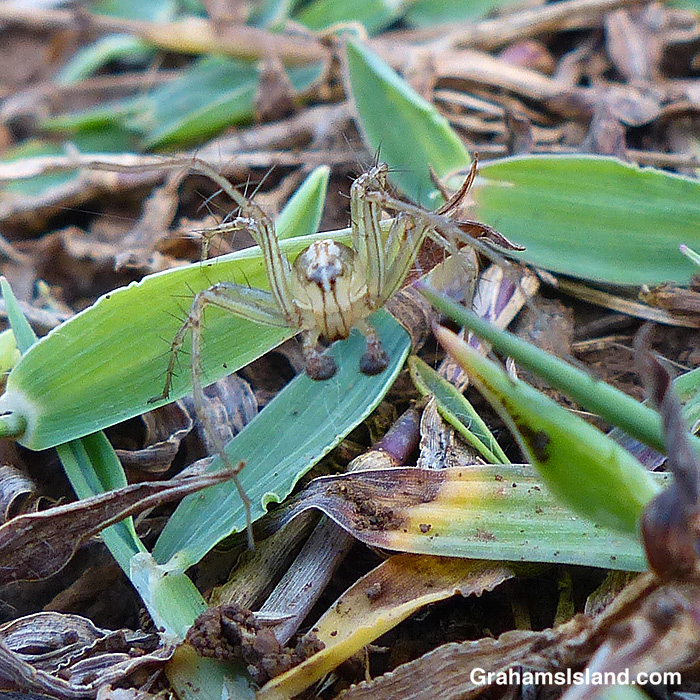
An itsy bitsy, teeny weeny Striped Lynx Spider.
The idea of The Numbers Game is to enter a number into the search bar of your computer and then post a selection of the photos that turn up. This week’s number is 140. Captions are on the photos.
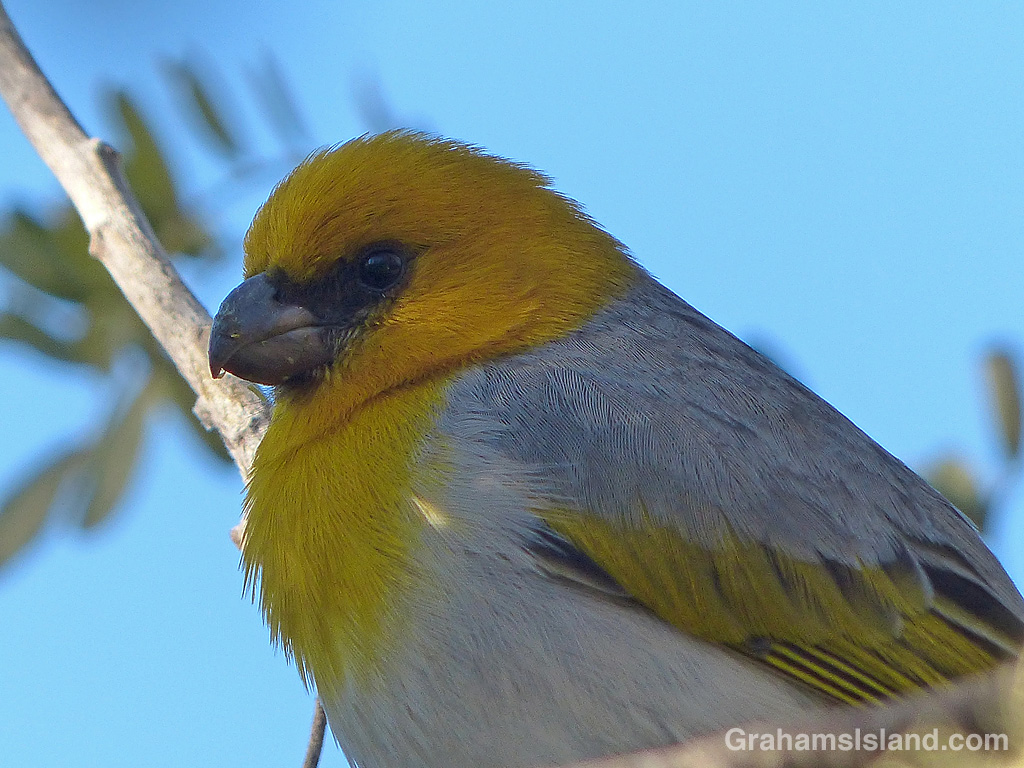
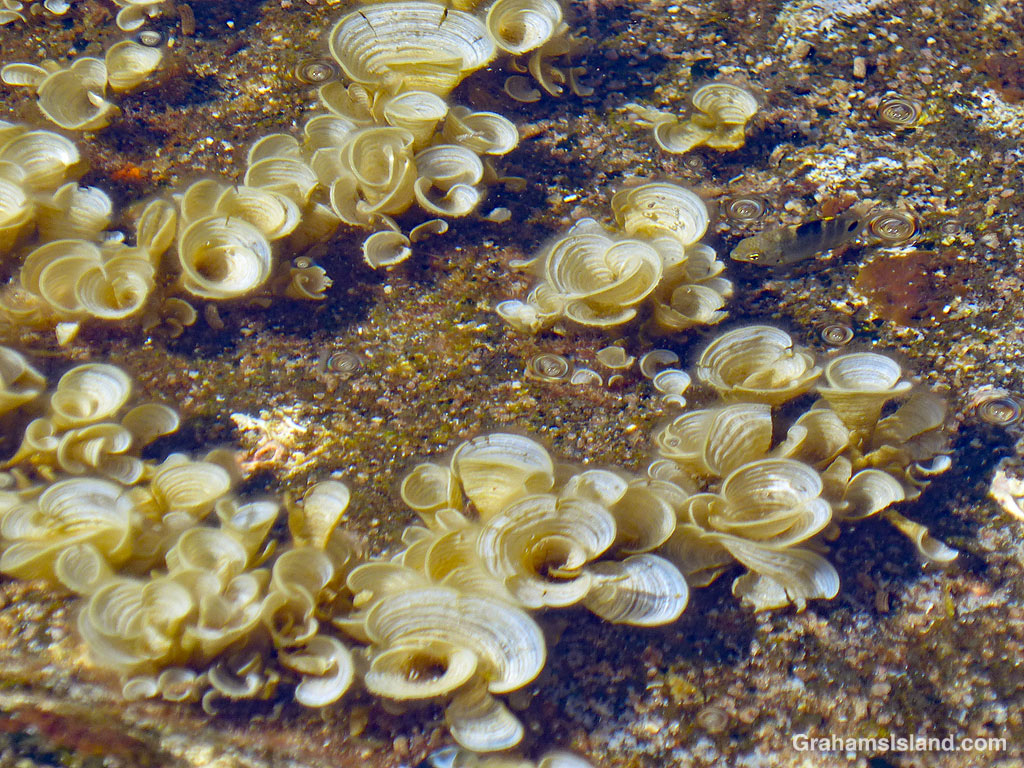
An endangered Palila, a bird found only on the Big Island, Hawaii.Rainbow over North Kohala.Little fish and Padina japonica seaweed in a tide pool.A fireweed control moth (Secusio extensa).Sunrise over North Kohala.












 Graham's Island