

 The trick to spotting an octopus is to see it in motion. I’ve seen one or two when they’ve been stationary, but only by accident, watching something else and realizing that there was something slightly odd about that ‘rock’ next to it.
When I do see an octopus, one of the first things I tend to notice is the siphon and the outdated facial recognition software that is my brain thinks, ‘that’s an eye.’ Except it isn’t.
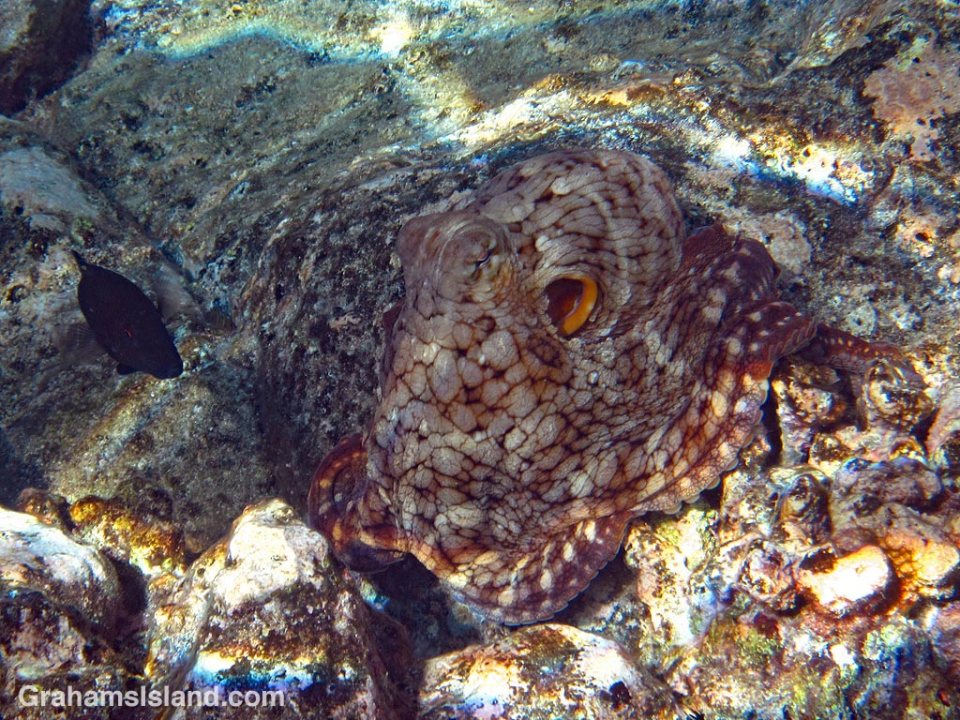
In the top photo, the eyes of this day octopus can be seen at the highest point of the view. The siphon, orange on the outside and white inside, is below and a little to the right. The siphon, also known as the funnel or hyponome, is used for respiration, waste disposal, and discharging ink. It’s also used for locomotion. Water is taken in through the aperture around the siphon and then expelled out of the siphon, propelling the octopus in the opposite direction.
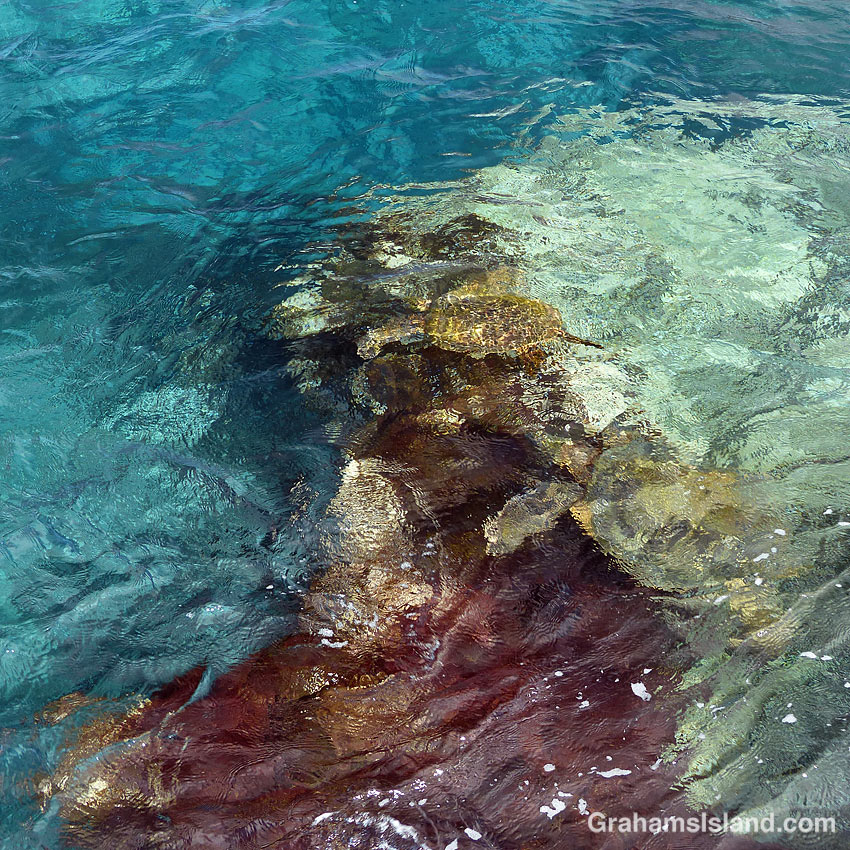
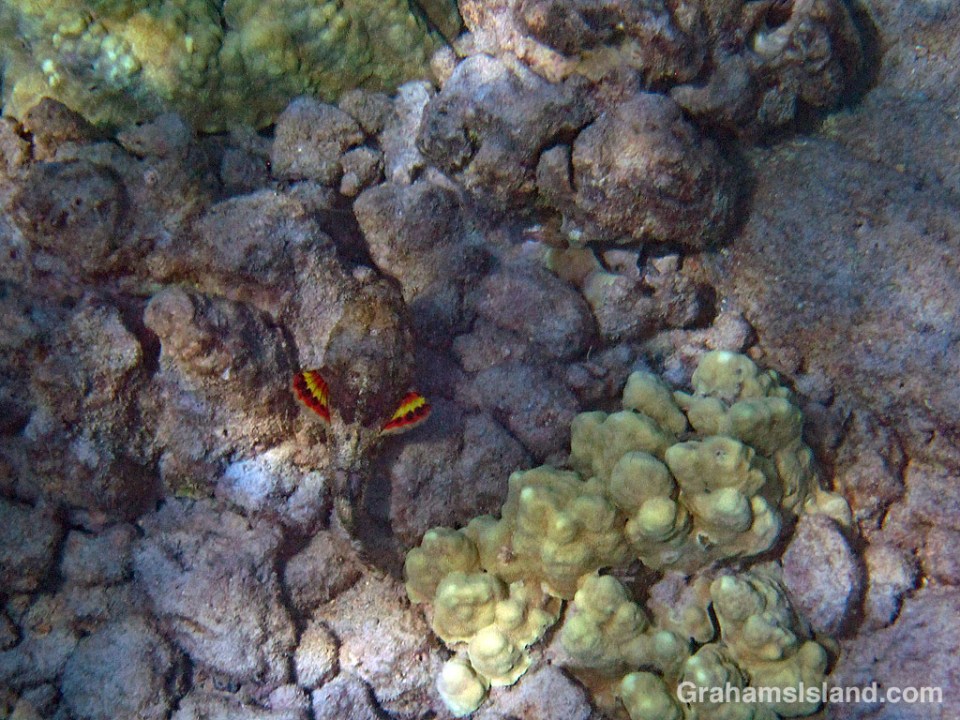
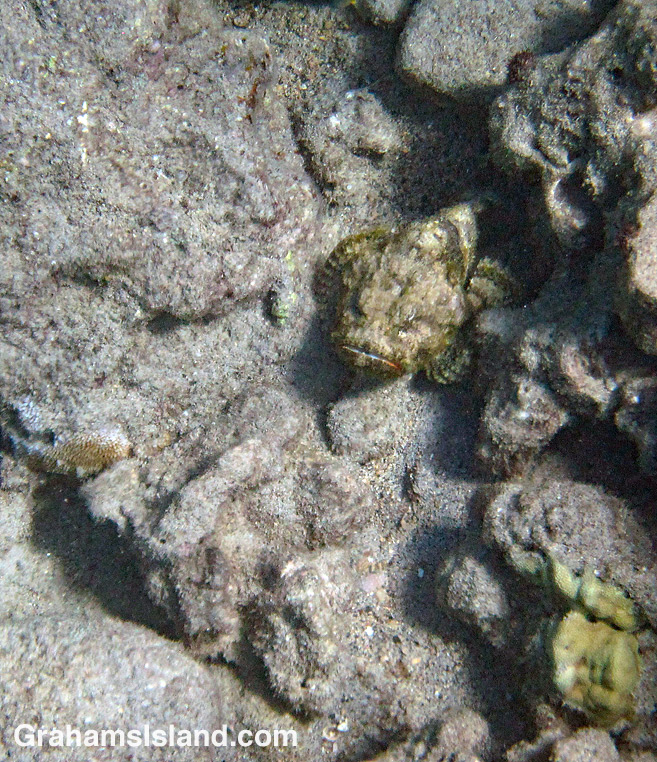
The bottom photo shows the octopus changing its coloration. They can change their color and texture to blend in with their surroundings. The middle photo shows the octopus saying ‘I’ve had enough of this. Arrivederci.’


 I was swimming one day when I realized I was being watched. Peeking up from a crevasse in the reef, was this giant porcupinefish. These fish do seem to be quite curious and this is a look I’ve seen before. The difference here was that the water was quite shallow, so the fish was not as deep as they usually are. If I got too close, the fish would dip deeper into the crevasse. If I moved away, it would pop up again.
 Another response to the last edition of the WordPress photo challenge with a theme of ‘
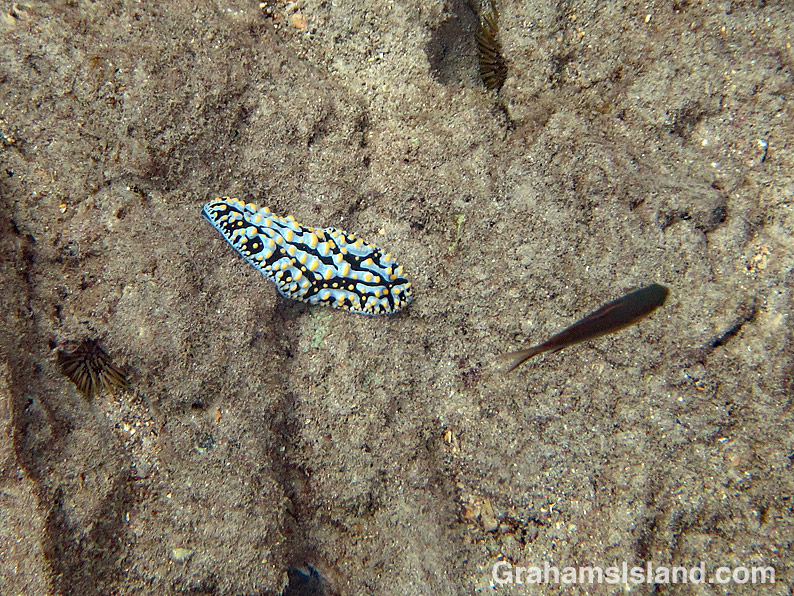
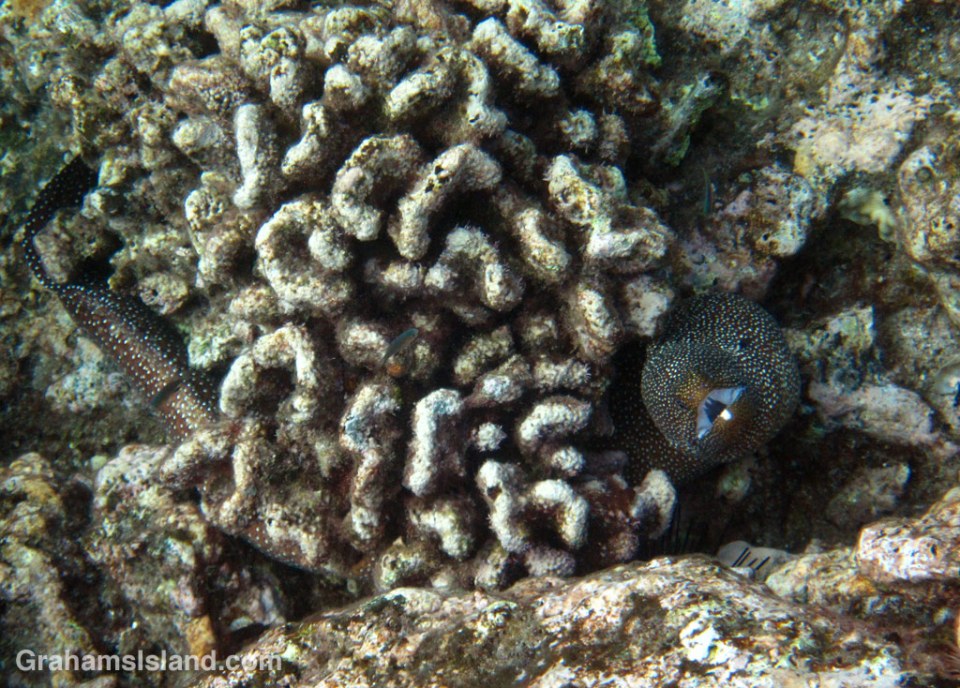
 I’m always amazed and entertained by the ability of eels to disappear into a seemingly solid lump of coral or rock and then, a few moments later, emerge from some unexpected location. I mean, how do they know they’re going to find a way out? There must not be too many claustrophobic eels in the world.

