The idea of The Numbers Game is to enter a number into the search bar of your computer and then post a selection of the photos that turn up. This week’s number is 146. Captions are on the photos. You can see more responses here.
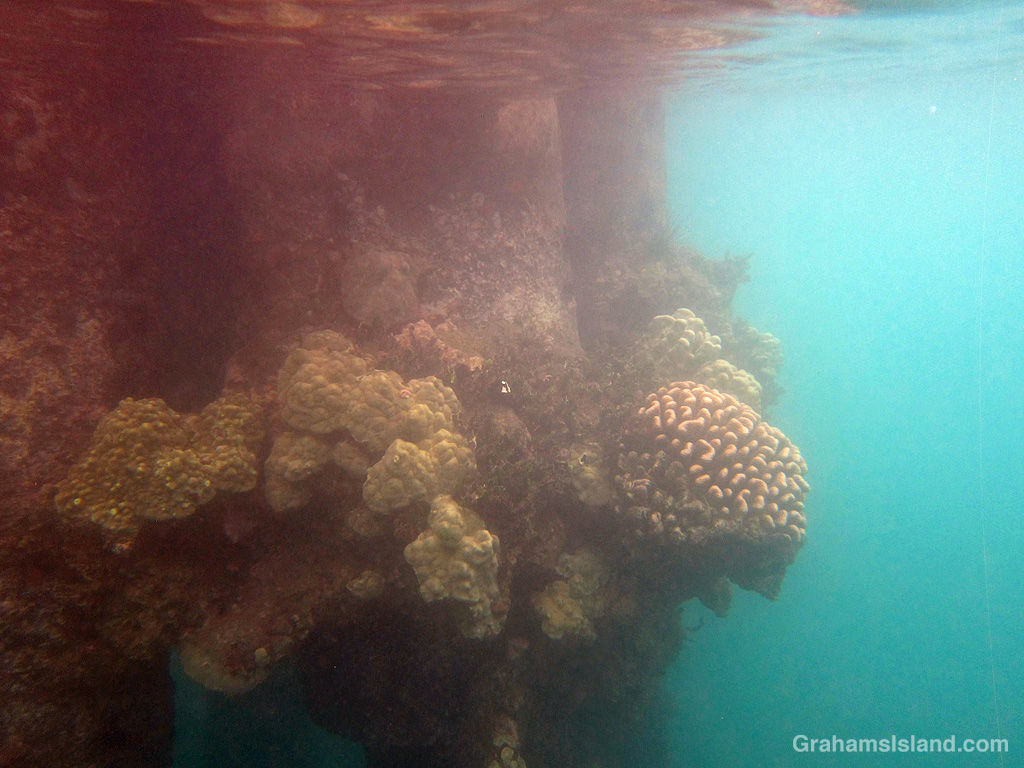
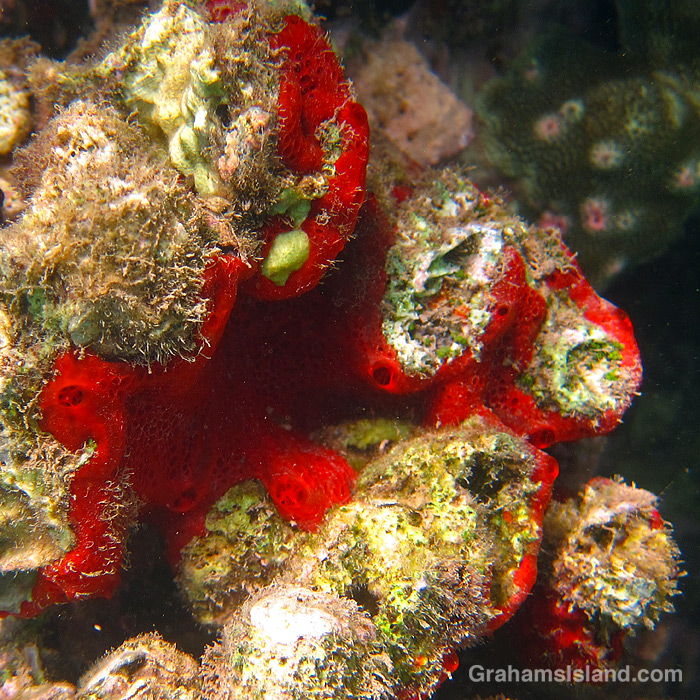
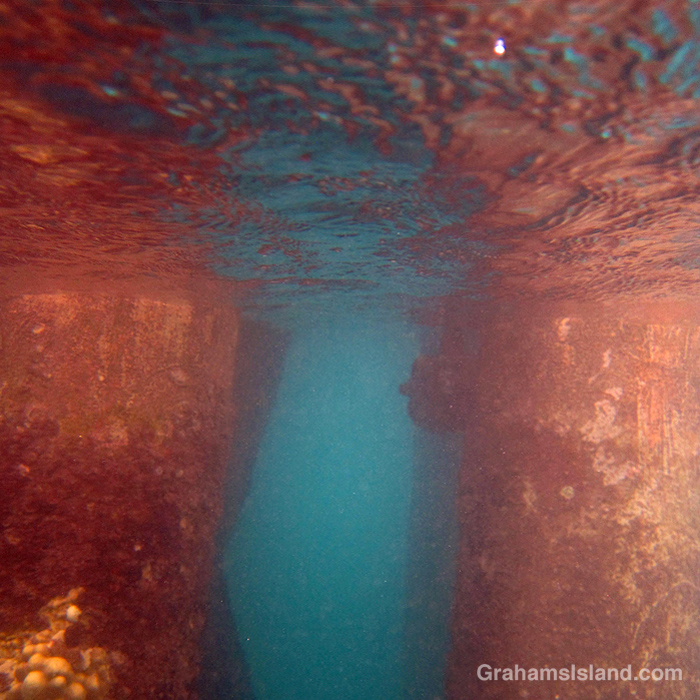
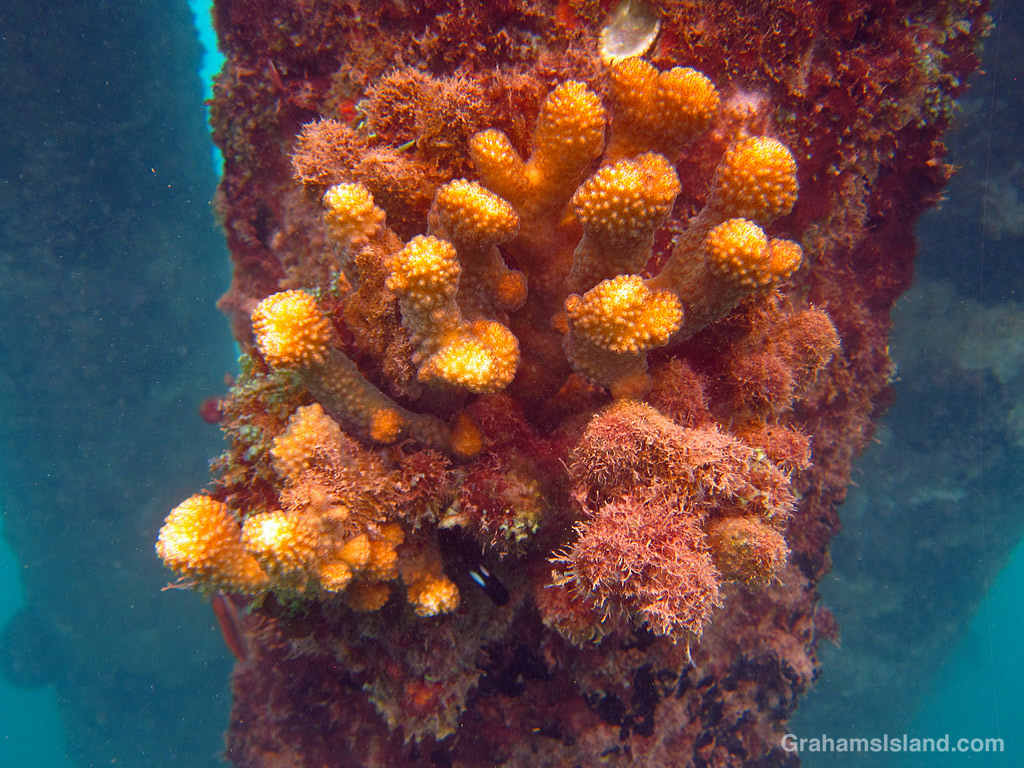
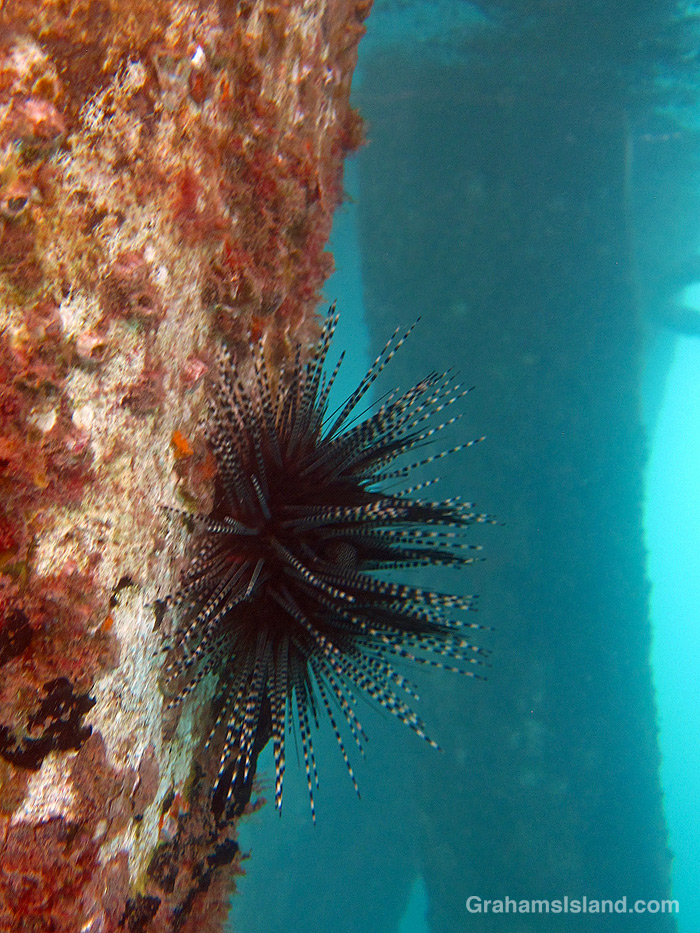
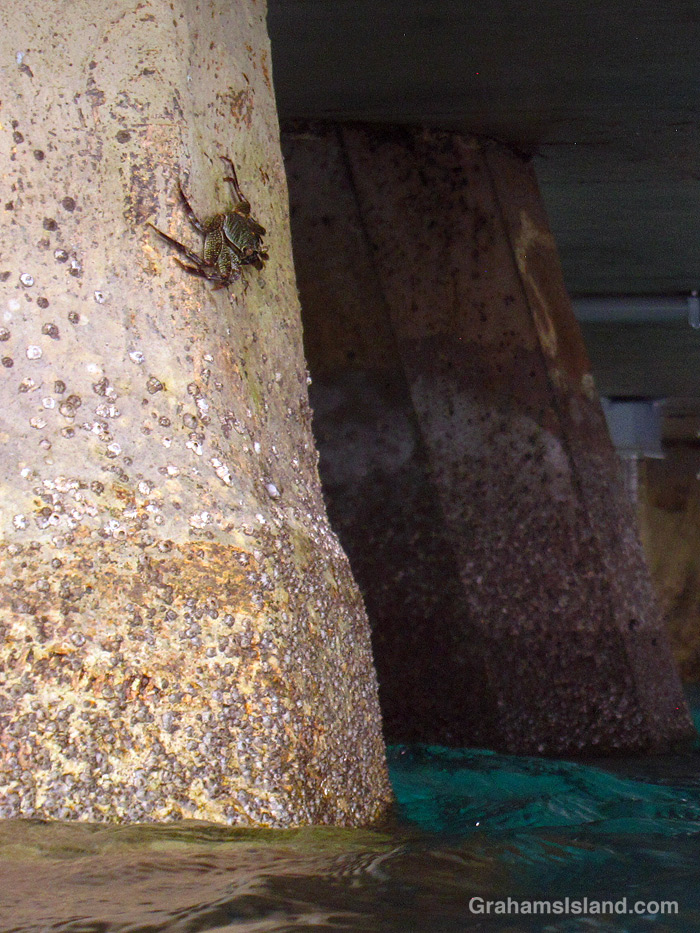
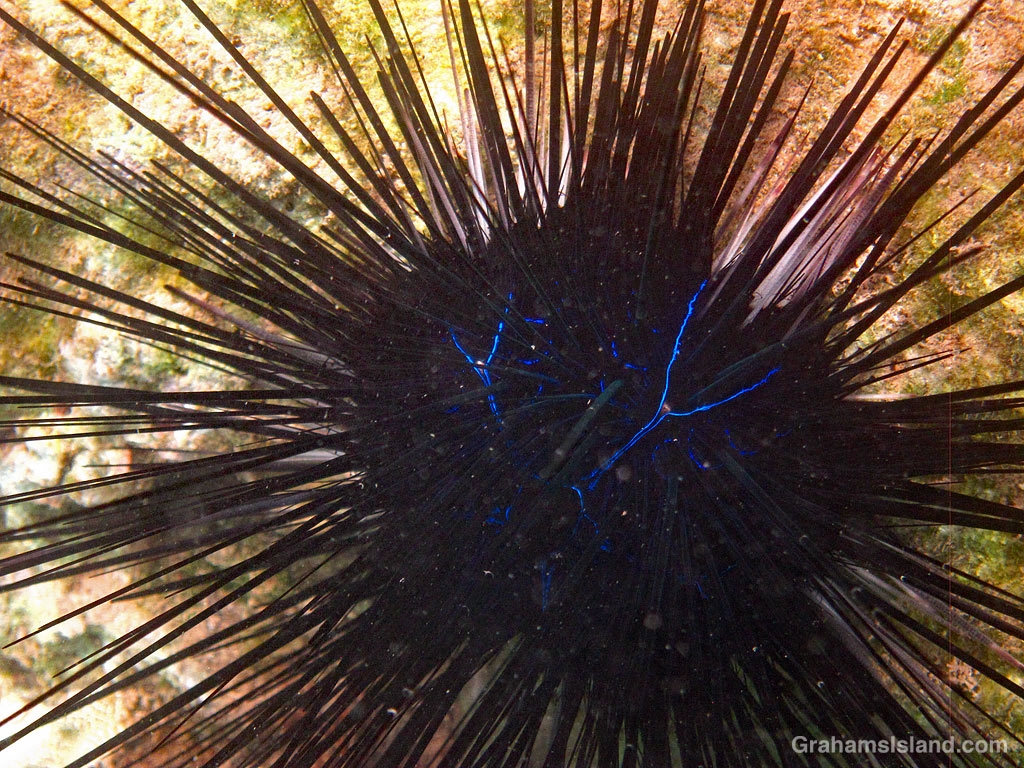
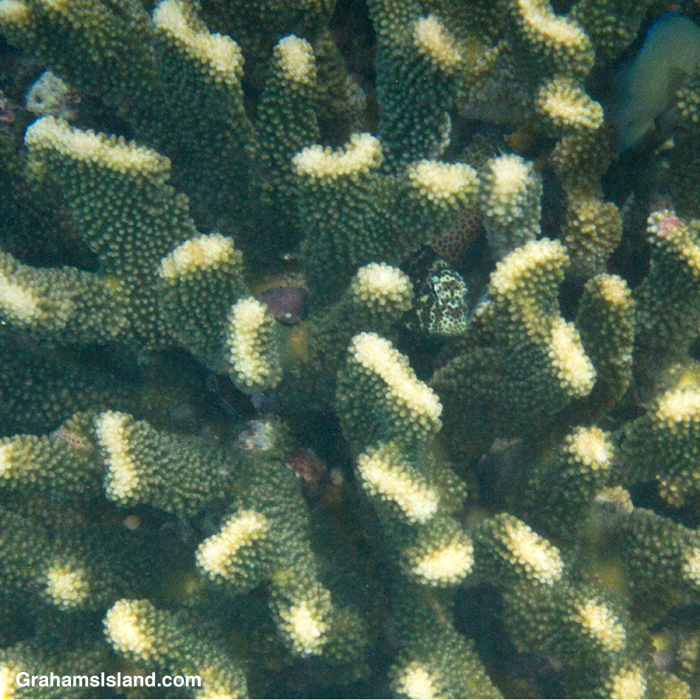
These photos, all with a 146 in their numeric identification, are from a snorkel in murky water in Kawaihae Harbor.
I think this is Orange-red Didemnid, a kind of tunicate.Pilings in murky water.Antler Coral grows on a piling in Kawaihae Harbor.A Banded Urchin on a piling.Above the water, A’ama crabs move around on the pilings.A rare Diadema savignyi Urchin, with its electric blue lines on the test.
I took this photo of a head of Cauliflower Coral because I was happy about how healthy it looked. Then I saw that I was being watched. This Spotted Coral Blenny was wedged into the coral head, as they do, clearly waiting for me to move on.
Well, it is the last of the month, so time for me to move forward into June and for the blenny to go about his business.
Posted for Becky’s Squares: Move Forward, Reconstruct, Renew, and/or are Burgeoning. See more responses here.
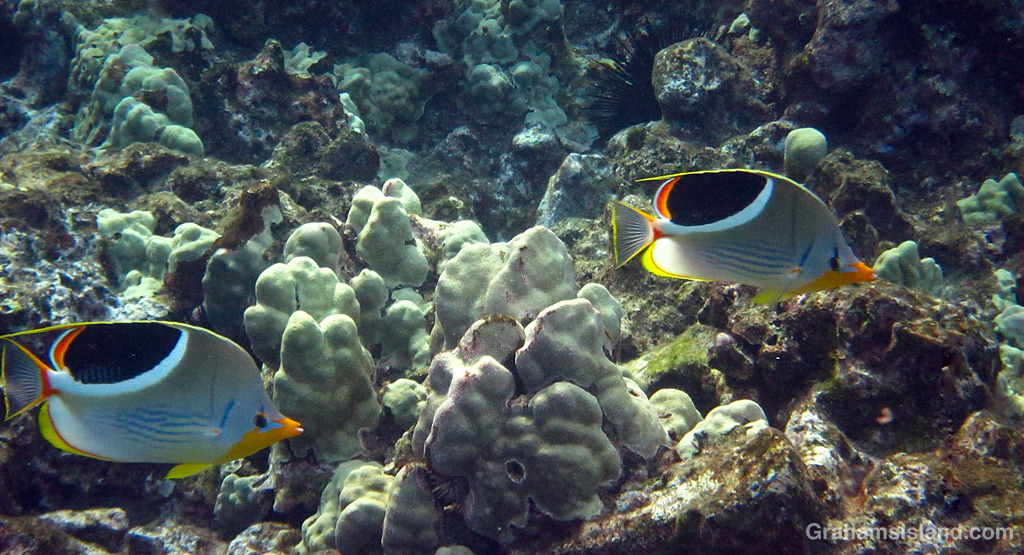
Saddleback Butterflyfish are easily identified with their bold and colorful markings. They’re almost always seen in pairs, and have a fairly wide range when it comes to the depths of water they inhabit. They feed mostly on coral polyps and, like Yellow Tangs, don’t do well in captivity.
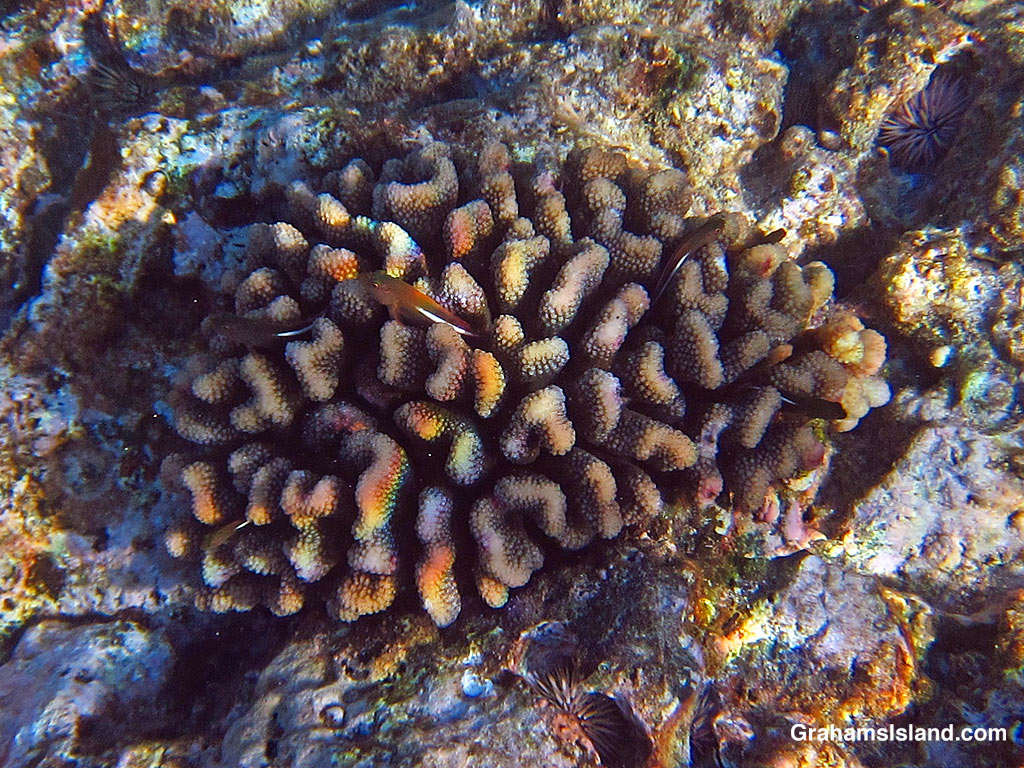
How many Arc-eye Hawkfishes can you fit in a head of Cauliflower Coral? I count six here, though there could be more, and who knows what else besides. Corals like this offer vital shelter for small fish and other creatures seeking to avoid the many predators out hunting.
A pair of Fourspot Butterflyfishes disturbed a pair of Arc-eye Hawkfishes perched in a head of Cauliflower Coral, as they often do. The coral head is doing OK, but areas of it have died off, probably during one of the coral bleaching events that have happened in the past few years, where the water gets too warm.
I can get chilly fairly easily when I go swimming, but for me, it’s more distressing when the water feels oddly warm because I know this is bad news for the corals.
Another beach find to follow up yesterday’s post. When I saw this I thought, ‘skull,’ though it’s possible it’s just a lump of bleached and weathered coral.
Posted in response to this month’s Becky’s Squares challenge theme of ‘Odd.’ See more responses here.
The easiest way to spot an octopus is to see it swimming (top photo). They’re not large creatures but they’re quite distinctive when they swim.
If they’re not swimming, one thing to look for is certain fish, such as goatfishes and jacks, just hanging around in a spot for no apparent reason. When these fish are hunting alone, they tend to be more active in probing the rocks and trying to disturb prey. But when they’re hunting with an octopus, they seem more content to let the octopus do the work and snapping up whatever emerges. I’ve found that goatfishes are particularly helpful as an octopus indicator.
A while back, there were videos online of an octopus apparently punching a goatfish. I wasn’t surprised by this. The octopuses I’ve seen don’t seem best pleased by the presence of goatfishes. Part of this might be down to feeling that the goatfishes are not pulling their weight in the hunt. But another factor might be that if goatfishes give away their position, for the octopus that can be fatal.
Octopus is a popular food in Hawaii and has long been so. If I’ve learned to look for goatfish as an indicator of their presence, then no doubt spear fishermen have too. These days, if I see an octopus when anyone’s spear fishing nearby, I don’t do anything to draw attention to it.



 Graham's Island