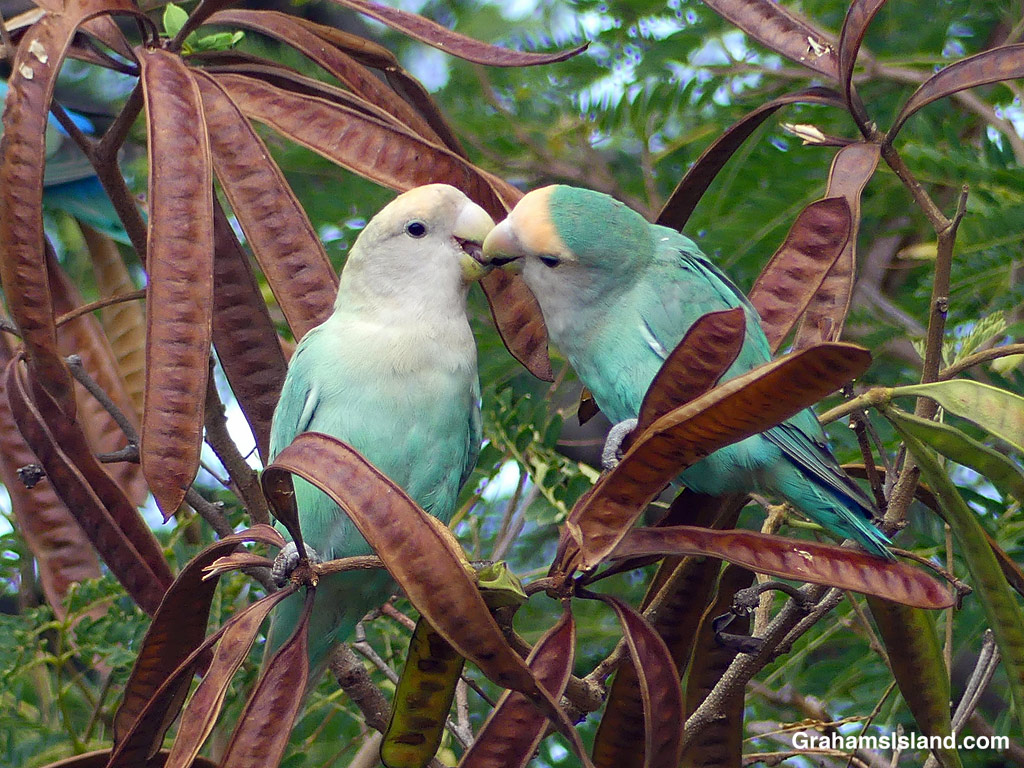
I saw these two Rosy-faced Lovebirds in a tree at work and wondered, is this why they’re called lovebirds?

I saw these two Rosy-faced Lovebirds in a tree at work and wondered, is this why they’re called lovebirds?

Who cares if the greenhouse is in disrepair? It’s still good for growing plants.

I saw this vehicle in distress on an early morning walk at Spencer Beach Park. I’m happy to report that, the next morning, I saw the vehicle again. It was parked among the bits and pieces of a family camping there. I’m not sure if it was theirs or they just found it on the beach. Either way, the vehicle was in good condition and ready to go for more beach reshaping.
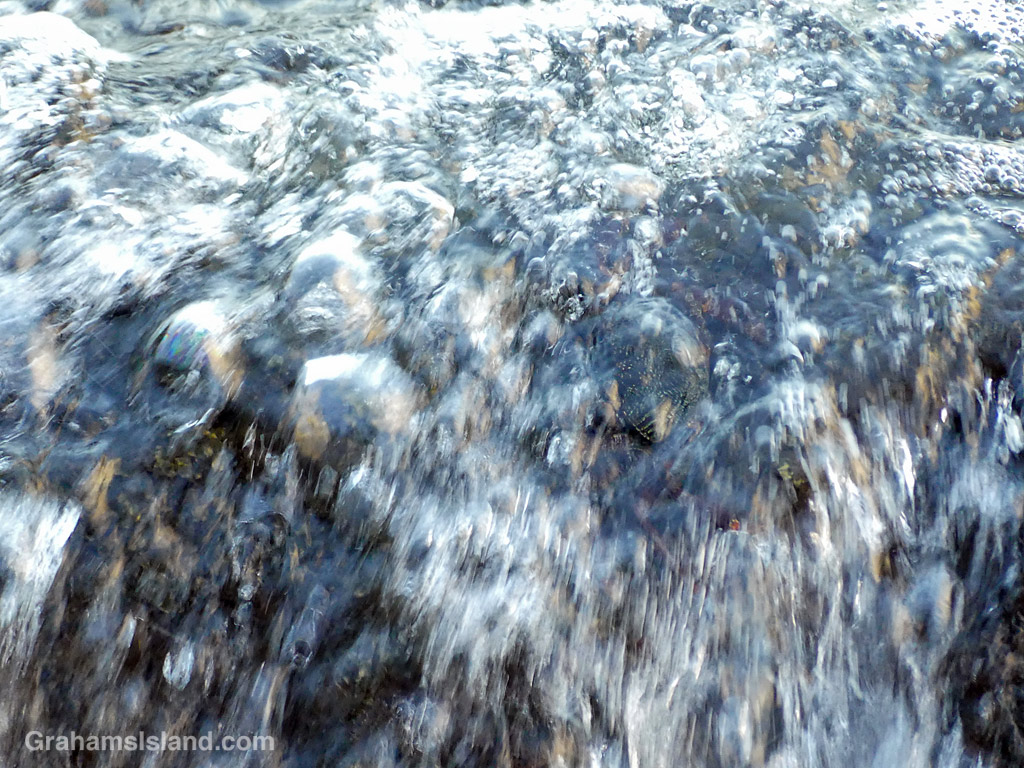
One recent early morning, I spent a while watching A’ama Crabs on the rocks at Spencer Beach Park. This one held its position as the waves washed over it and then receded ….
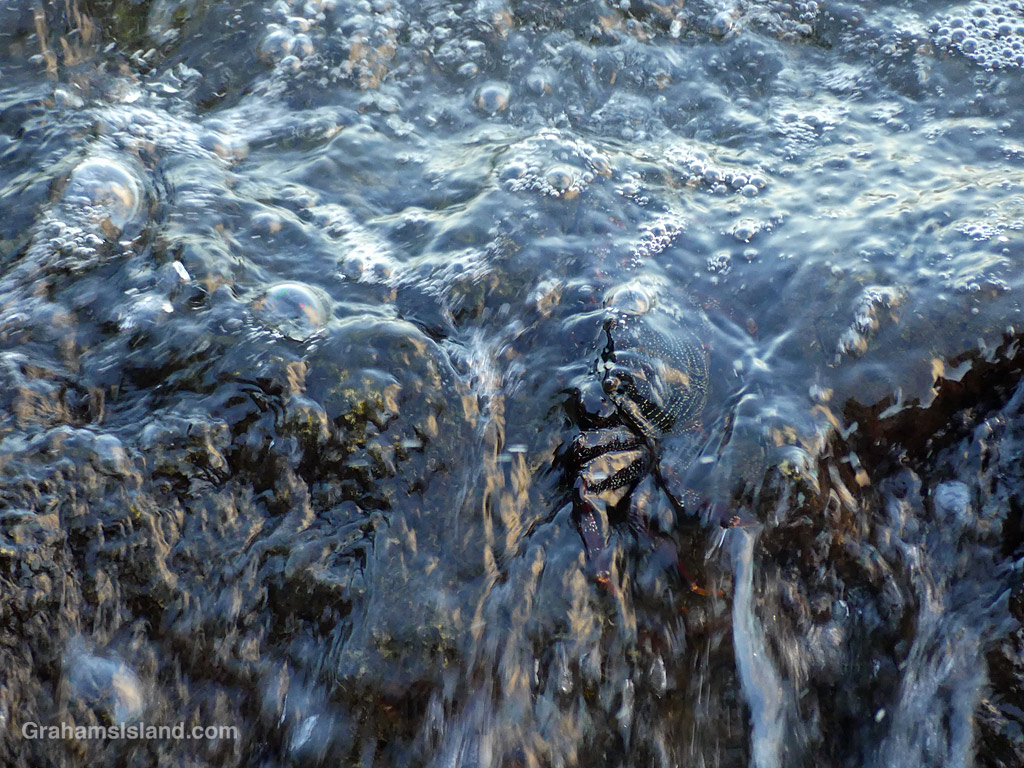
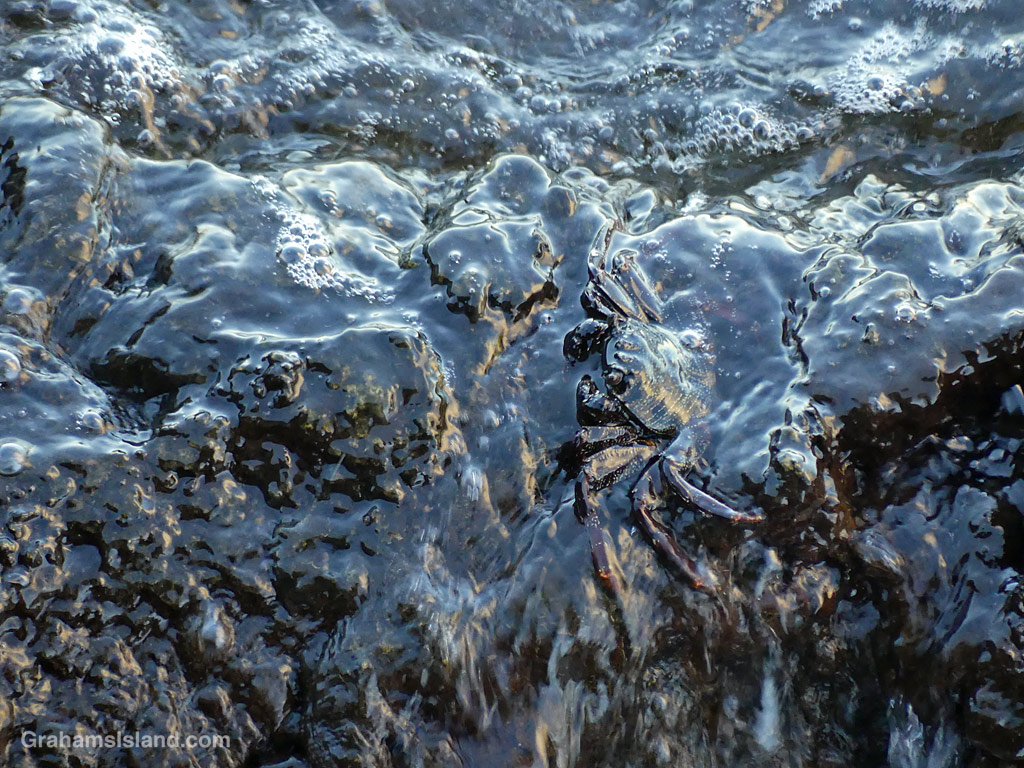
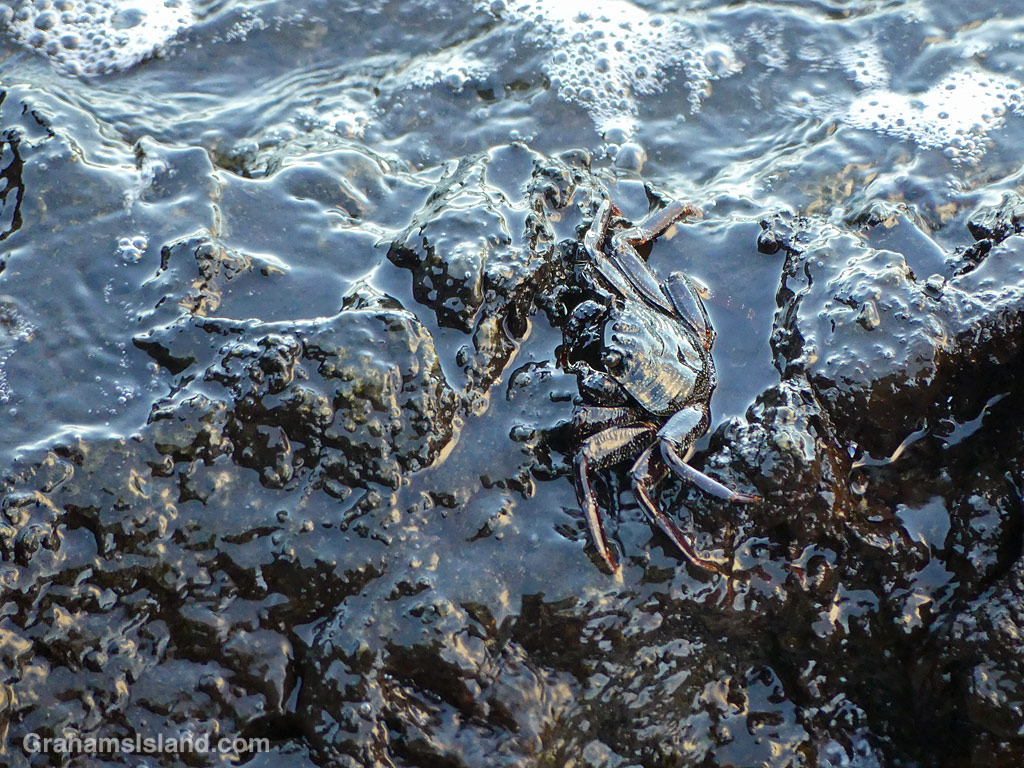
…. Time after time.

I was trying to take photos of this gecko on the lanai at eye level, but by the time I got myself organized, it disappeared between the boards. But I waited, knowing that often times they will just wait a while and then pop up again. Sure enough, this Gold Dust Day Gecko did just that. And then we watched each other for a while, and that was the end of that!
Posted for Bushboy’s Last on the Card photo challenge. See more responses here.
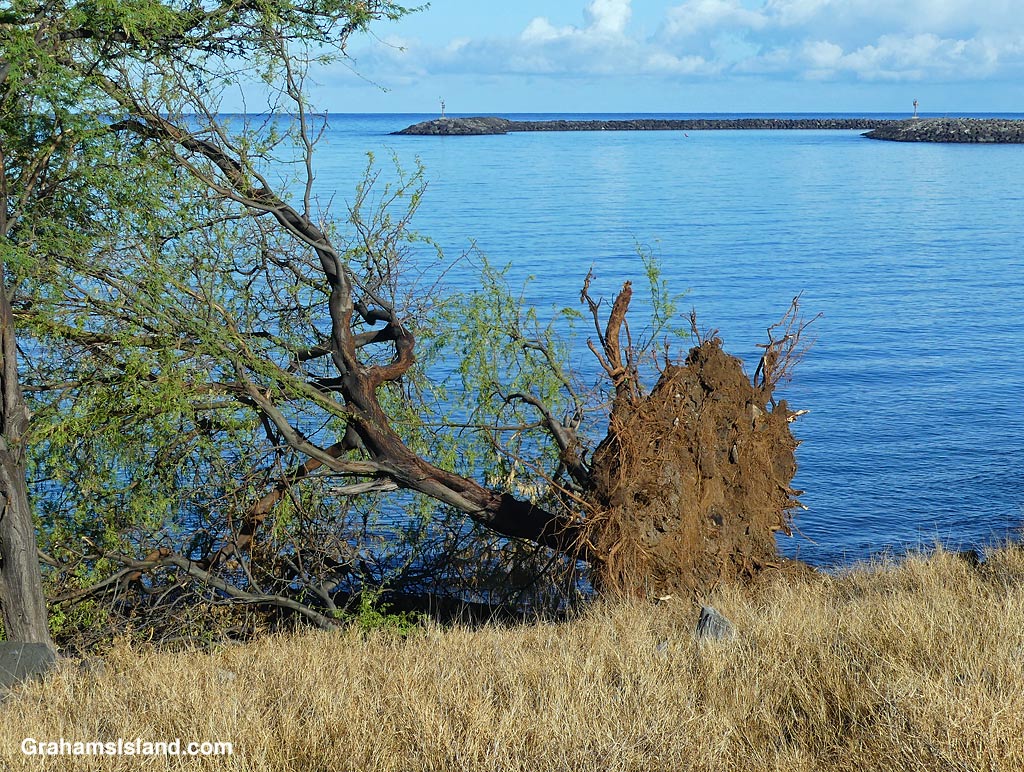
Since the big windstorm of a few weeks ago, I’ve seen a number of Kiawe trees looking like this, on their sides with a disc of roots and dirt exposed. They’ll get cut up and probably used for smoke meat, but it will take a while to clear all of them. This one was below the trail at Pu’ukohola Heiau National Historic Site in Kawaihae.
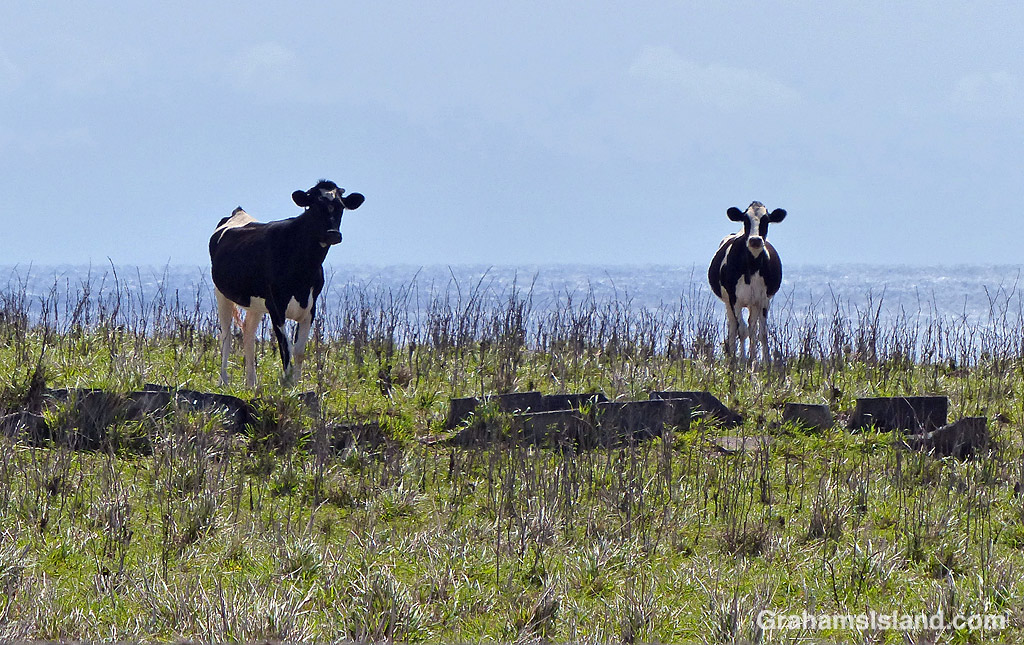
There are four reasons why I took this photo and why I like it. The ears!

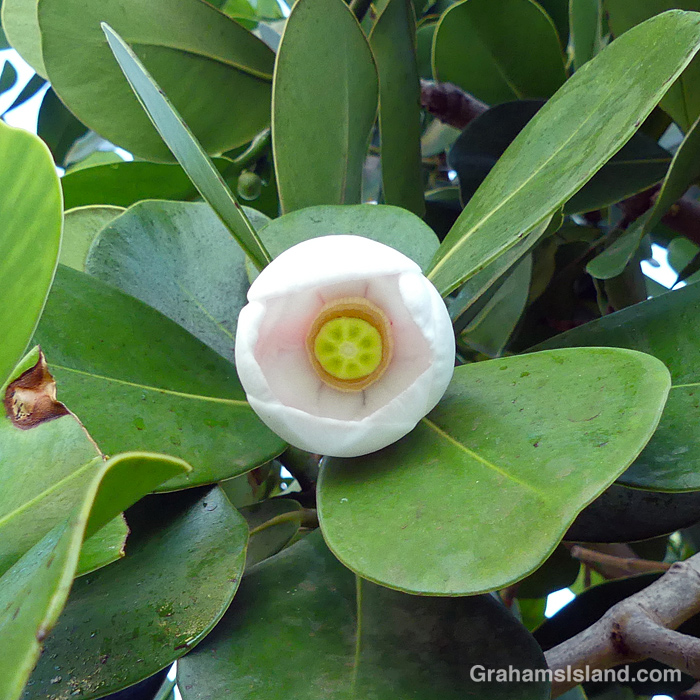
The Autograph tree (Clusia rosea) is native to Florida and the Caribbean. Its curious name stems from the fact that, when its leaves are scarred, the marks remain visible for a long time. So if someone scratches their name into a leaf, it will stay there!
In Hawaii, it’s popular with commercial landscapers because it’s hardy and salt tolerant, so does well on the coast and in other difficult areas. But like all popular things it has a downside. It’s considered an invasive species here because it spreads prolifically and can crowd out native plants. It often starts out as an epiphyte and strangles its host plant. Anything else? Oh yes, the fruit and sap are poisonous, so getting rid of them requires considerable care.
 Graham's Island