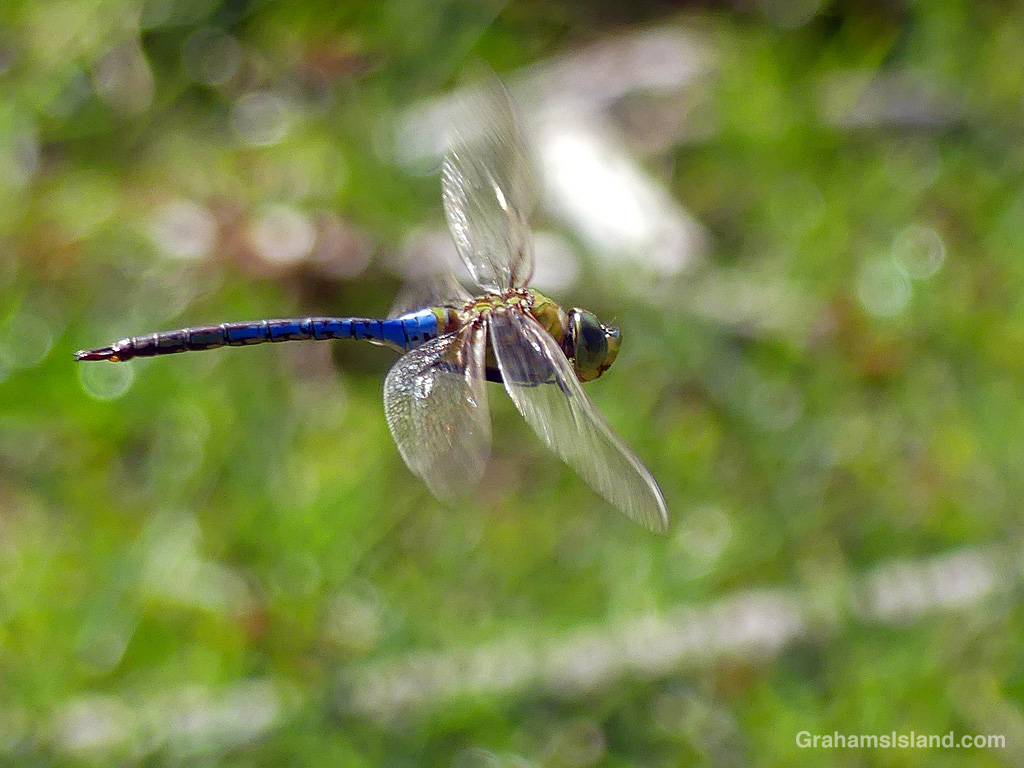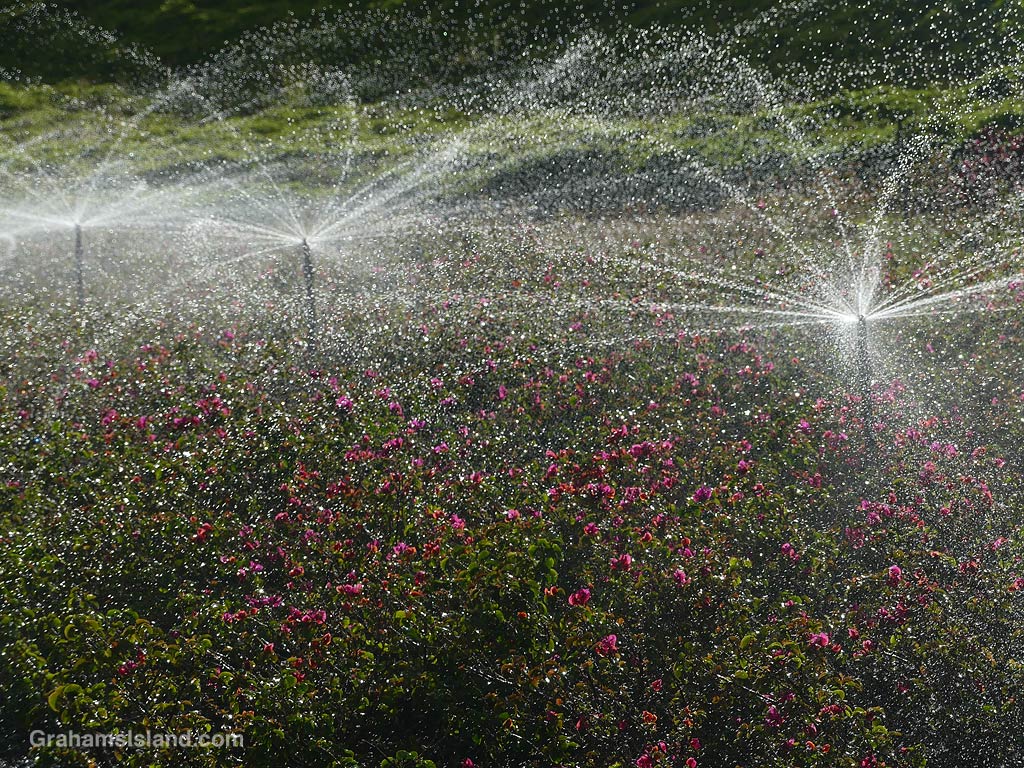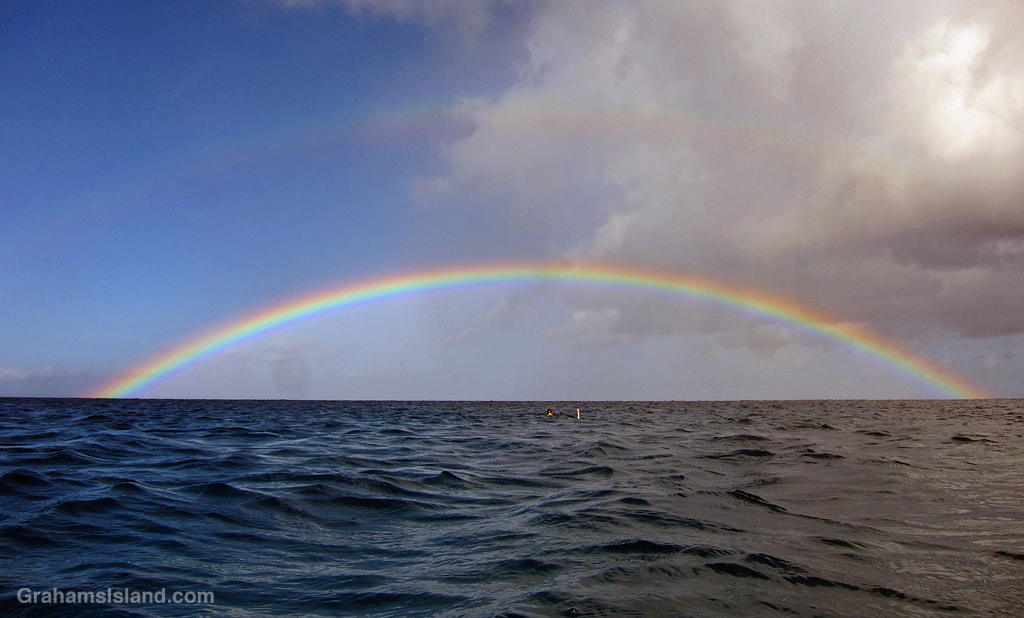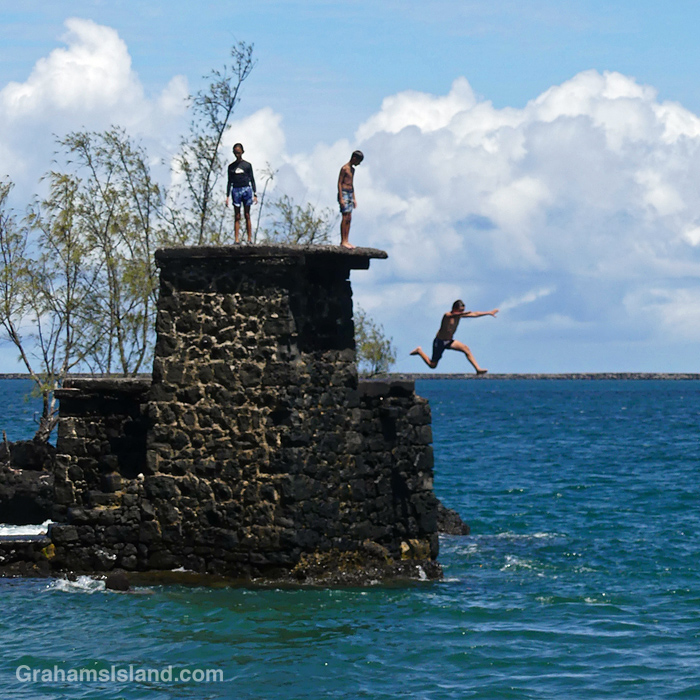
This week’s Sunday Stills challenge theme is ‘Summer insects.’ See more responses here.
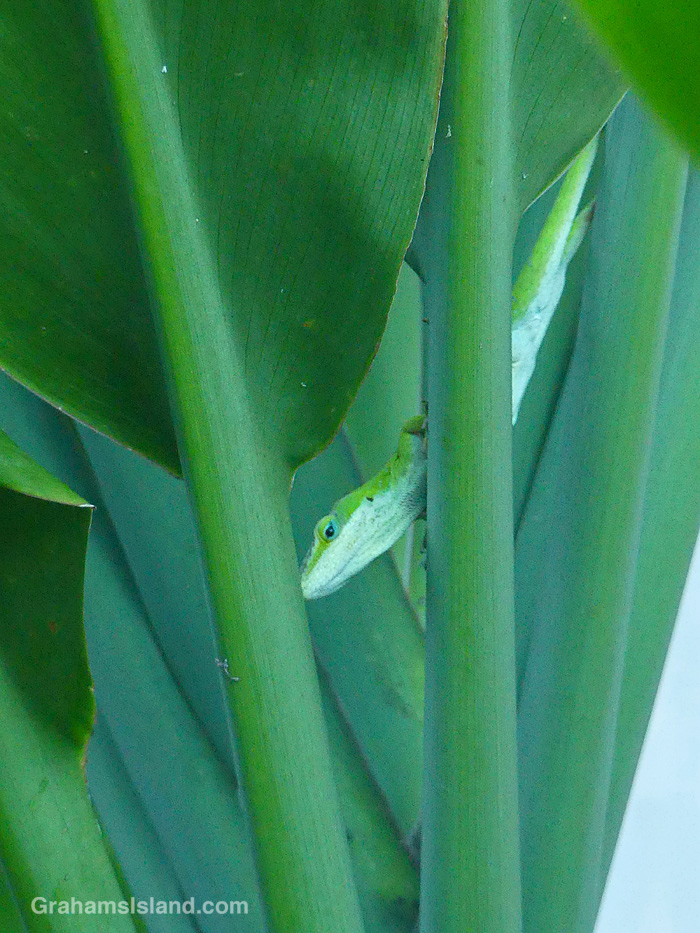
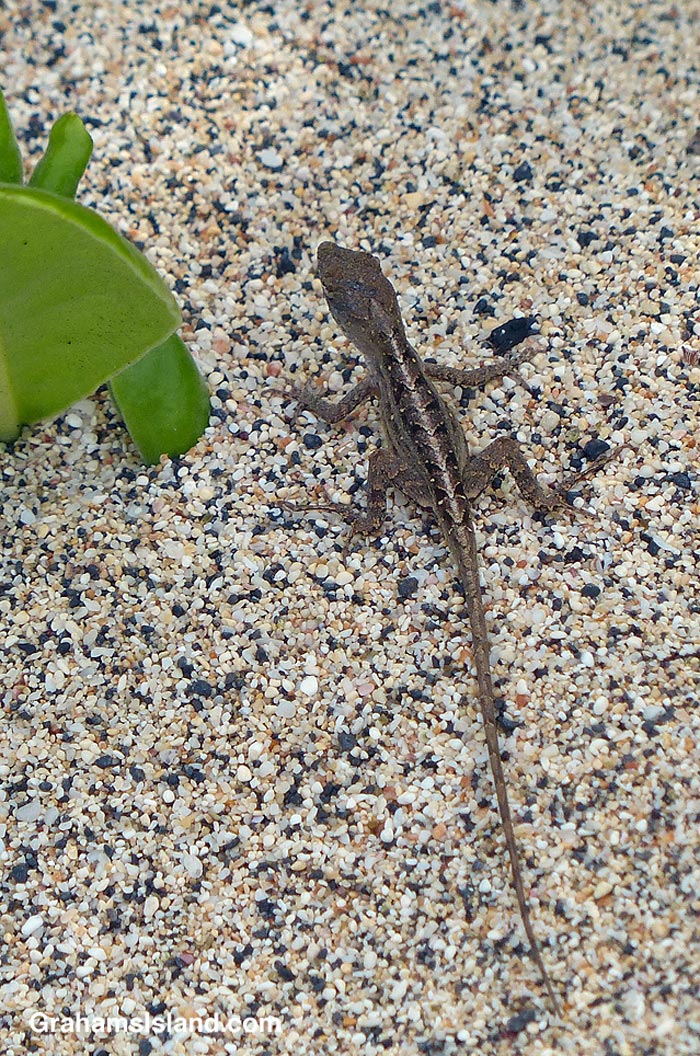
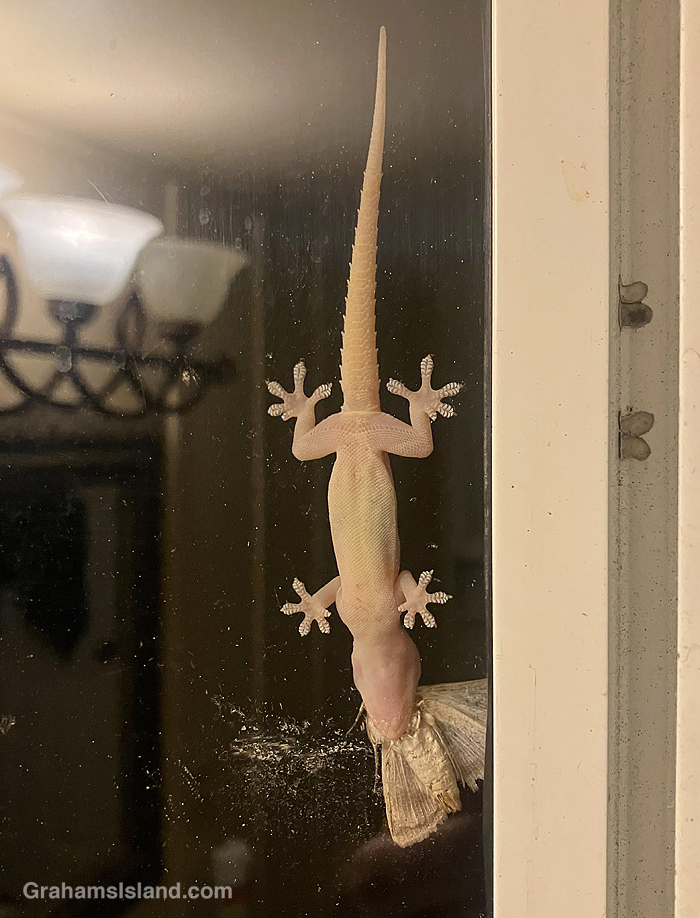
In addition to their vital roles in the world, insects are also food for other creatures. Here, a House Gecko snags a good-sized moth.

This week’s Sunday Stills challenge theme is ‘Summer insects.’ See more responses here.
In addition to their vital roles in the world, insects are also food for other creatures. Here, a House Gecko snags a good-sized moth.


A little over a week ago, at the warehouse where I work, I had to get a spool of wire from the top shelf of an outside rack. I brought it down with a forklift and ran it into the warehouse to measure the wire. When I went to prep the spool, what I saw was the second photo!
I jumped back on the forklift and took the spool outside again, trying not to bump anything. It was then I noticed bees buzzing around the shelf where the spool had been, no doubt wondering what had happened to their queen and home!
I put a warning sign on the spool and began looking for someone who might be able to collect the bees, with not much luck. I enlisted my wife in the effort and she found JD at Superbees, a juice bar in Kona that uses their honey in their drinks. He said he’d come by and take a look.
When JD saw the situation, it was obvious the first thing that needed to happen was to remove the top of the spool to access the interior. The goal was to locate the queen and move her to the hive he’d brought, and then the rest of the bees would follow. He donned his gear and set to work. Luckily, the nuts on the rods holding the spool together came off easily. He then eased the top off the spool. It was immediately obvious the bees had been there for a considerable time. The underside of the lid dripped with honeycombs. He set the lid to one side, examining it closely to see if the queen was there, but he couldn’t find her.

Next up was an examination of the interior. This wasn’t easy as it was thick with bees and more combs. He spent quite a while looking, pulling more combs from the interior, but still he couldn’t find the queen. He said it was possible the queen had drowned in honey dislodged when the lid came off.
In the end, he gathered some of the bees and some brood combs and said to let him know if a new hive was forming.
Next morning, I found a bunch of bees clustered under the remains of the spool. Was the queen amongst them? If so, she should be easier to find. I let JD know and he said he’d come by. A while later, I looked out and the bees were all up in the air, buzzing around. Five minutes later all was quiet again.

When he arrived, the bees were quiet, but he still had no luck spotting the queen. The remains of the spool were pulled apart and examined closely. Still nothing. In the end, he set his hive down and gathered as many bees into it as he could. he said he’d leave them to settle in if they were so inclined and he’d pick them up the next morning.
About half an hour after he left, I looked outside and saw the bees swarming as they had in the morning. But this time they were moving over the parking area. I went inside for a few minutes and when I came back out they were gone. I wasn’t sure whether, as in the morning, they’d returned to the hive. But when JD returned the next morning his hive was empty. The bees had gone. What I’d seen the previous late afternoon was them relocating. It’s possible the queen was amongst them. If not, and if there are enough bees to sustain a hive, a new queen could be developed. (I wanted to say elected, but it’s a much different process!)
I thanked JD for his efforts. I was hoping he’d get a new hive for his efforts, but maybe some of the brood stock he got will do well. He was kindness personified, treating the bees with as much gentleness and care as was possible in difficult circumstances. And he left us with some honey. It was quite pale, which he thought meant it was from plumerias. There’s a row of them across the street so that’s likely the case. And the taste? It was a little smoky from the smoker he used, but he said that will fade quickly.
Posted for this week’s Sunday Stills challenge theme of ‘Smoky.’ See more responses here.

I think this Monarch Butterfly is one of the pale morphs that can be found on the island. They’re also on Oahu, while Kauai has a brown morph.

An eye to eye encounter with a Gold Dust Day Gecko.

The idea of The Numbers Game is to enter a number into the search bar of your computer and then post a selection of the photos that turn up. This week’s number is 750. Captions are on the photos. You can see more responses here.


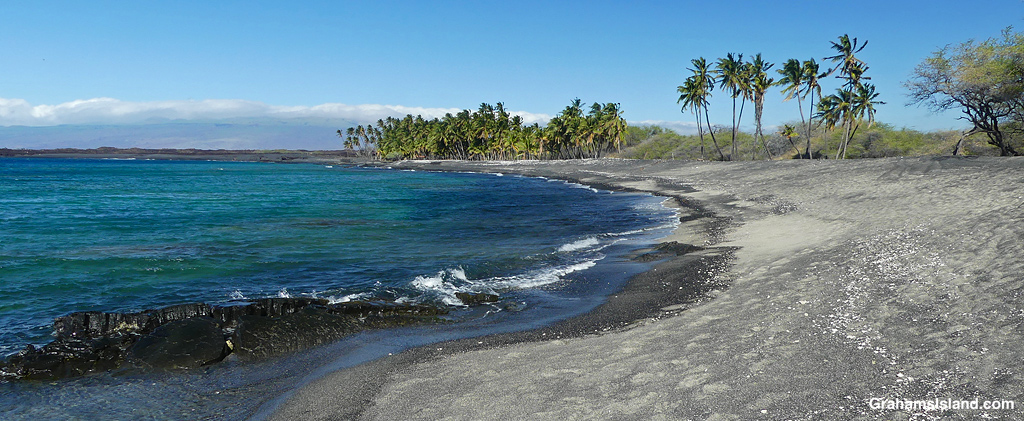
A few weeks ago now, I hiked the Ala Kahakai Trail from Keawaiki to Kiholo returning along the coast. Back in the days of the Hawaiian Kingdom, the Ala Kahakai Trail ran from the northern tip of the island down the west coast and around to the southeastern tip, a distance of about 175 miles (282 kilometers). These days, the trail is broken into shorter lengths with private property in between, though more segments of trail are slowly being added. This section is about 4 miles long.


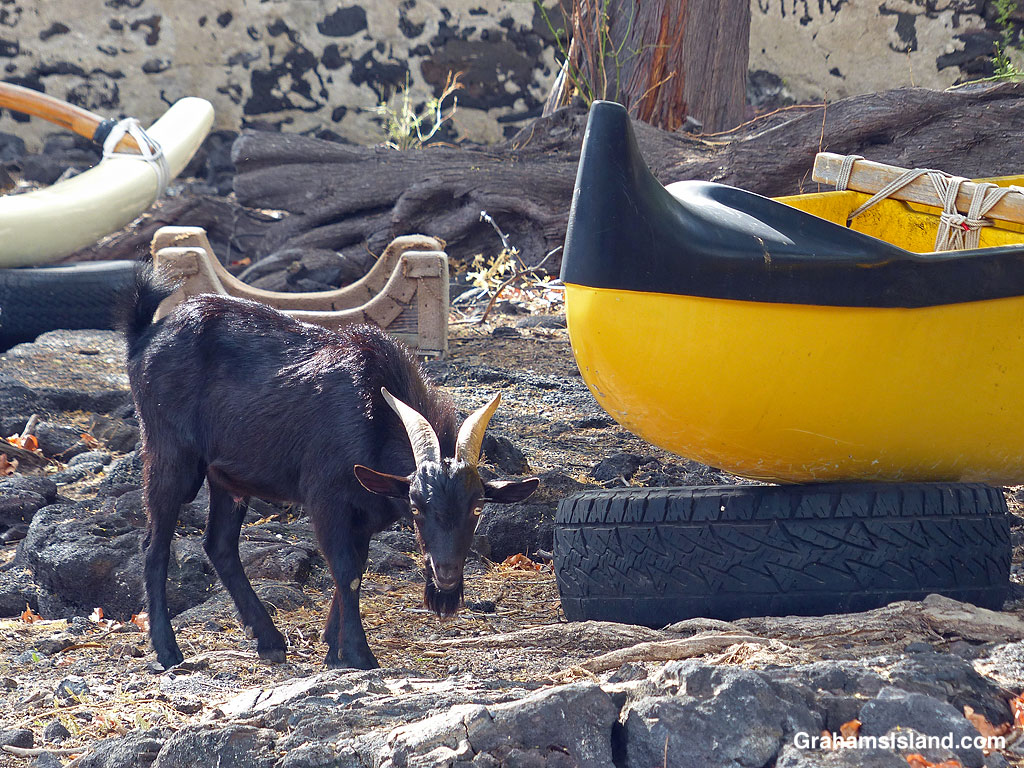
The trail starts out clearly marked and very straight, with goats your most likely companion. But after half a mile or so a tree marks the end of this stretch and the way forward is erratically marked by cairns. I did this hike several years ago without a problem, but this time I couldn’t remember which way to go. There was a cairn up to the left and another up to the right. The one on the right was the bigger one so I figured that was the one to go for. Size matters, right? But when I reached it, I couldn’t make out where the next one was. A smart person would have backtracked to the tree and followed the other option. I chose to carry on. It’s not like I was going to get lost. To my right was the coast and to the left the highway with little more than a mile between the two at the widest spot. However, hiking across lava fields is tricky. Lava tubes can be a matter of inches below the surface and collapsed tubes can have cliff-like walls. A wrong step could pose a challenge for search and rescue!


The landscape is stark, crossing the 1859 lava flow from Mauna Loa, the most recent flow in this direction from the volcano. Eventually, I saw houses at Kiholo ahead and figured out I was too far makai (towards the ocean) so I cut inland and found the trail again, marked by lumps of white of bleached coral and a slightly worn look.


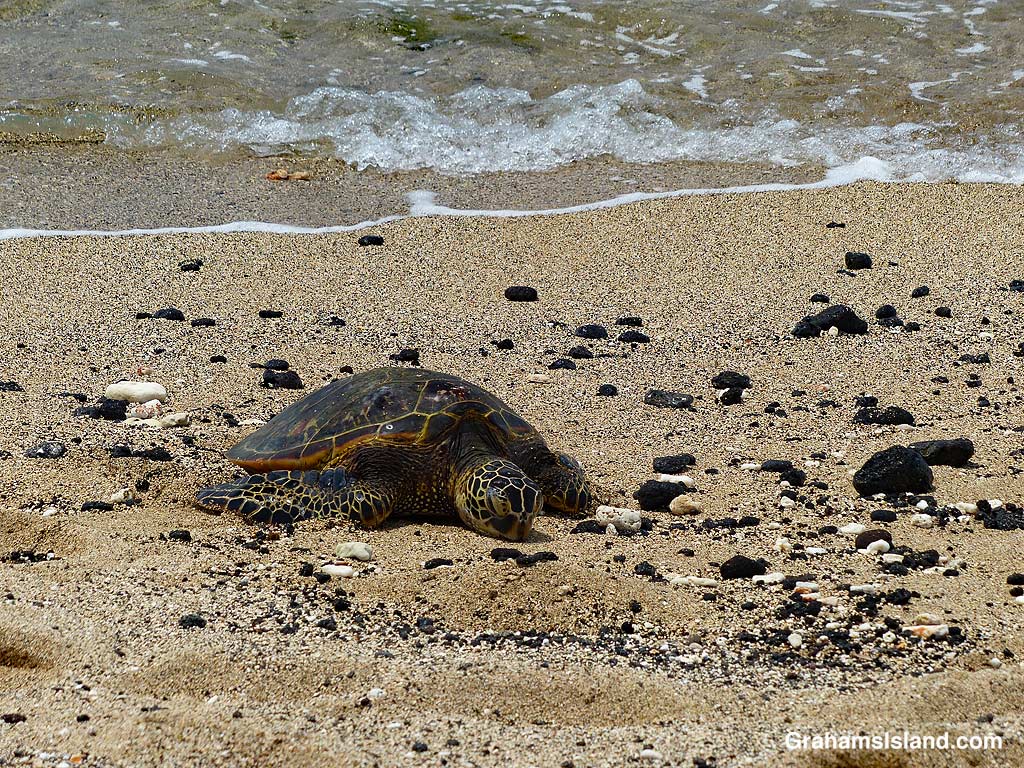
There’s a park, with limited facilities, at Kiholo, but the trail I took turned back north near the mouth of Kiholo lagoon. The lagoon was once part of a huge fishpond built by King Kamehameha I in 1810, but the 1859 flow wiped it out. The lagoon has a wonderful color and is a great spot to see turtles both in and out of the water, but give them plenty of space. It’s also good place for a swim, but not for snorkeling because freshwater intrusion makes for poor visibility.


At the head of the lagoon, the trail mostly follows the coast north. It’s a bit easier to follow than the Ala Kahakai Trail, but one still has to pay attention. I came to one spot where the coast was lower with little rounds of pahoehoe lava surrounded by water. Out near the waves, I saw what I first thought was another lump of lava, but then wondered if it was perhaps a monk seal. I decided to walk down and sure enough it turned out to be a resting monk seal in what I thought was an excellent spot for it: Easy access and very little chance of being disturbed. After I got home, I reported the sighting and learned that the seal was likely RA20. She’s a monk seal that I’ve seen several times before, twice at Kekaha Kai Park with new pups, and also at Upolu. It was good to see that she was in great shape and looked like she had recently molted.


A little farther north, the coast opens to some beaches and an array of tide pools that can be quite colorful. There’s more birds here, feeding or bathing in the pools, and I even saw a Humpback Cowrie getting washed by the waves.

Finally, Keawaiki came into view. At the southern end, some scrubby trees provided shade and a swing, though I didn’t try it since it was only about six inches off the ground. Beyond that is the private Brown Estate, surrounded by palms and fencing, and then Keawaiki beach and a short walk back to the car.
Posted for Jo’s Monday Walk. See more responses here.

This week’s Sunday Stills challenge theme is ‘Animal or Bird in farm or zoo.’ See more responses here.
Pana’ewa Rainforest Zoo, in Hilo, is the only zoo on the island. It’s quite small, but is definitely a family-friendly destination. We like to visit once in a while to see the zoo’s star attractions, Sriracha and Tzatziki, a pair of Bengal Tigers. Captions are on the photos.


This is one of the many benches in the zoo representing animals that live there. These are ‘Alalās, the endemic Hawaiian Crow. There are no longer any ‘Alalās in the wild and just over a hundred in captivity. The building behind this bench is one of the few places where these birds are bred, with a view to reintroducing them in the wild. So far, attempts to do this have failed, for a variety of reasons including disease and predation. One of the current projects is a release on Maui where Ios, Hawaiian hawks, a major predator of ‘Alalās, are no longer found.

This donkey was striding purposefully in the pasture, after his friend, who I featured last month (here).