Category Archives: In The Water

Blue Goatfishes

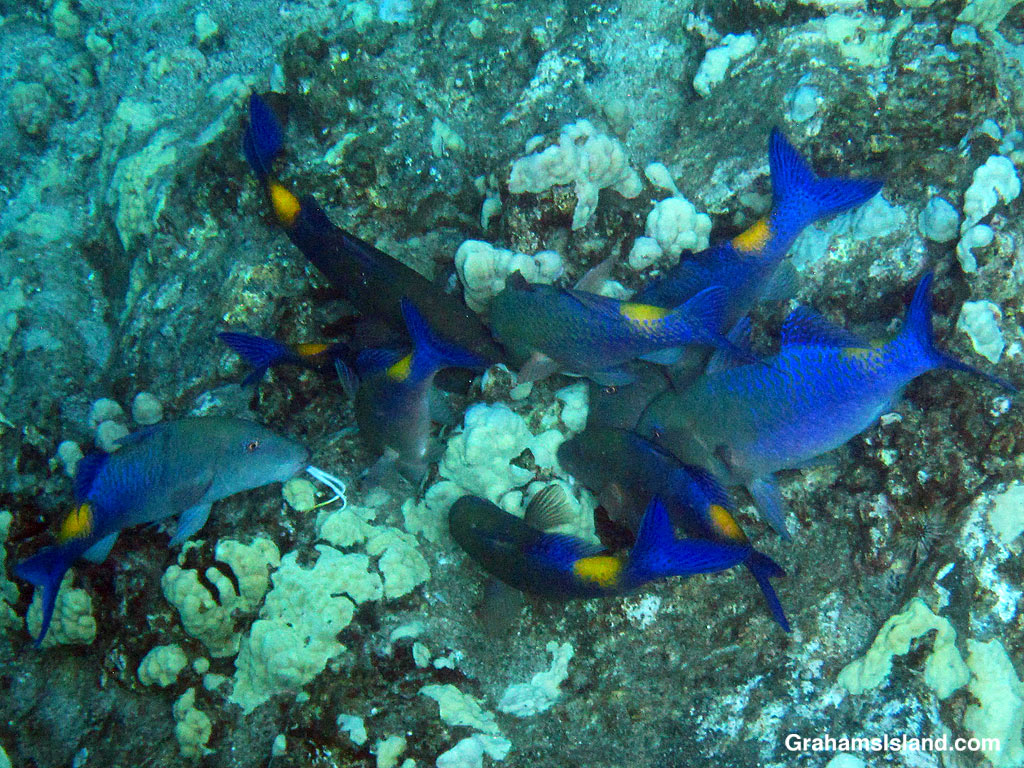
Blue Goatfishes hunt in the waters off Hawaii

This is a scene I like to refer to as ‘gang activity.’ Blue Goatfishes are predators and hunt in packs, often in the company of other fish, such as Bluefin Trevallies and Pacific Trumpetfishes, as well as eels and octopuses.

The fish on the left is showing its barbels, which are used to ‘sense’ prey and also can be poked into tight spots to flush out prey.
A plethora of purple

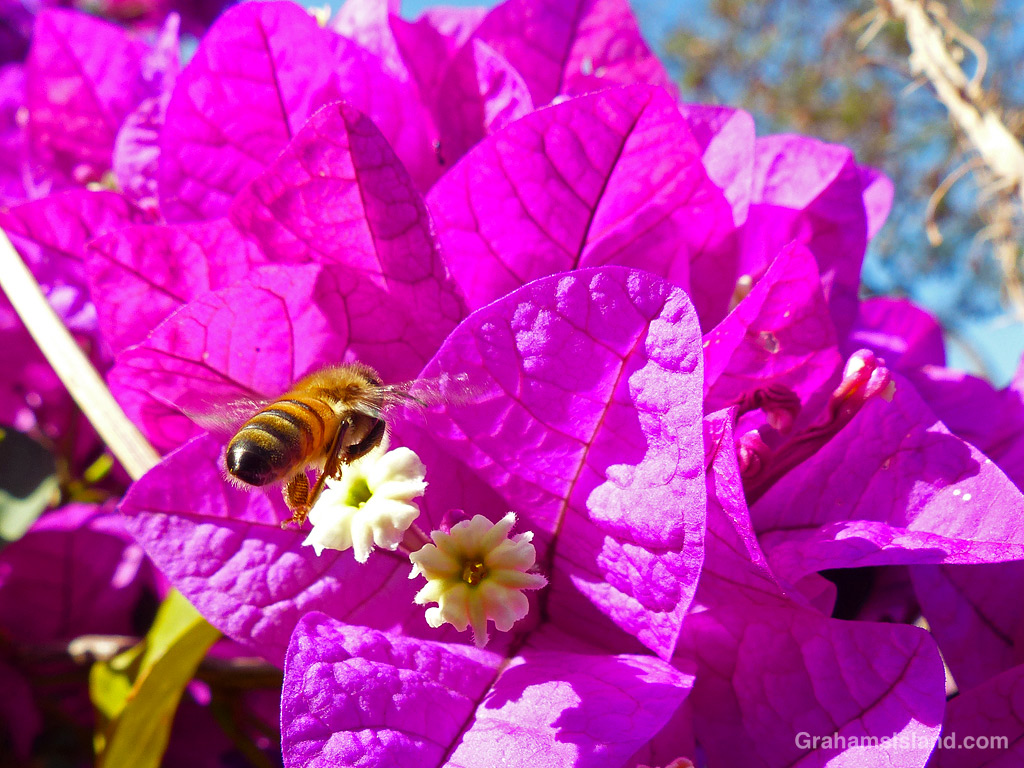
A Bee approaches a purple bougainvillea

This week’s Sunday Stills Monthly Color Challenge is ‘Purple.’ See more responses here.

I’d like to say I have some kind of theme going here, but I don’t, outside the color.

First up is a bee approaching a very purple bougainvillea.

In the gallery, we have a Fiery Skipper butterfly feeding on a Blue Heliotrope (Heliotropium amplexicaule) flower, a purple and white spider lily, and some dark purple Helmet Urchins clinging tenaciously to a rock.

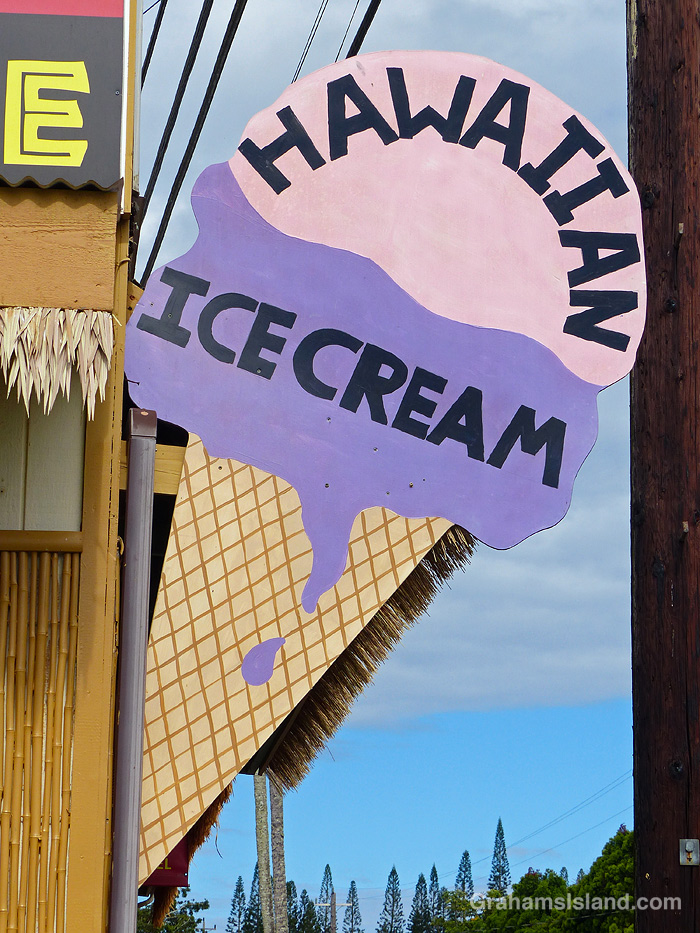
A Purple Ice Cream sign at Kapaau, Hawaii

Then there’s a sign advertising purple ice cream. Not sure what flavor that is, but I’m a bit wary.

And finally, a lush purple orchid.

A purple orchid in Hawaii

Yellow Tangs

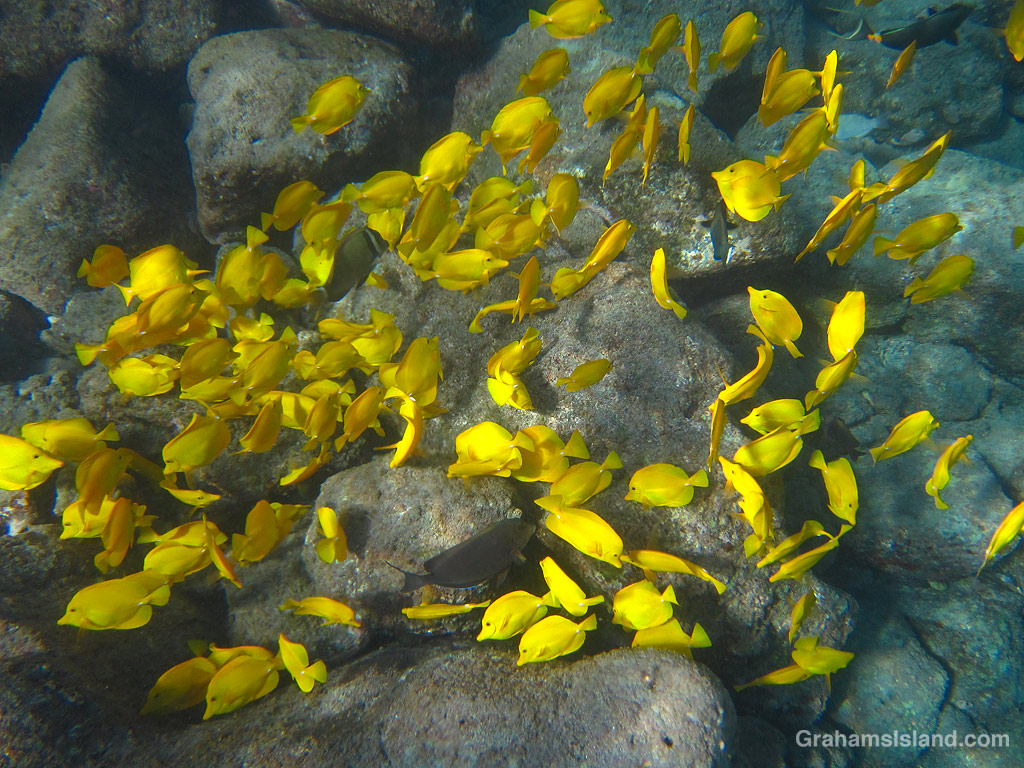
Yellow tangs swim in the waters off Hawaii

Yellow Tangs are about the most easily identified reef fish. They’re easily spotted from shore, puttering about in the shallows in large schools. In the water, their bright yellow color stands out even in murky water.

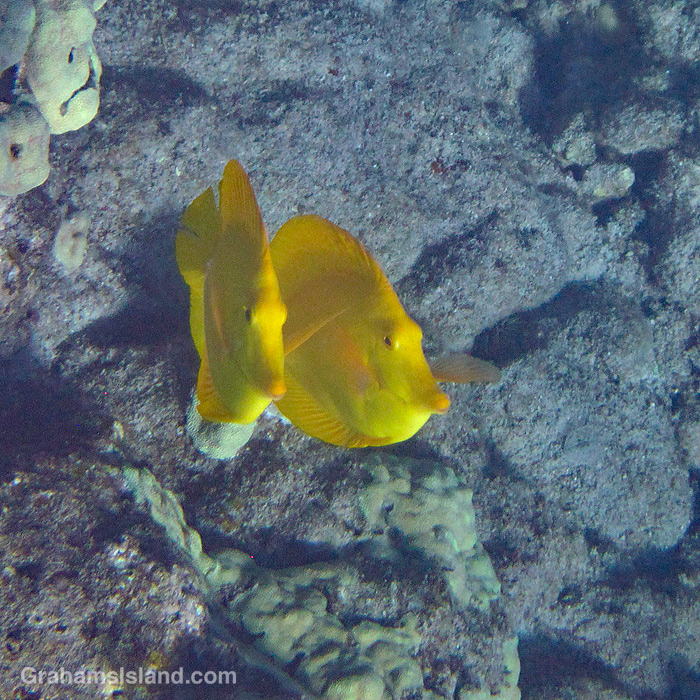
These fish are almost entirely yellow except for the white scalpel at the base of the tail. One or the other of these sharp spines can be flicked out and can inflict a serious cut on the unwary. When they spar with each other, they go round in circles trying to keep the exposed scalpel of the other fish away from them while trying to maneuver their own into a dangerous position.

Yellow tangs are a prime target of the aquarium fish industry. They don’t breed in captivity so every yellow tang in an aquarium is one taken from the wild. While these fish can been found around the Pacific, Hawaii is where they are most numerous and where most of these yellow tangs are taken. There have been a few bans on the trade in some places, affording some respite from the steady decline in numbers. Alas, our elected representatives have yet to exhibit enough backbone to impose a ban that is permanent and significant enough to allow fish stocks to truly rebound.

Yellow tangs swim in the waters off Hawaii