
I’m tall, but I was standing up straight when I took this photo, so maybe that means I’m not tall. That’s all.
Posted in response to Becky’s July Squares challenge theme of ‘Perspective.’ See more responses here.

I’m tall, but I was standing up straight when I took this photo, so maybe that means I’m not tall. That’s all.
Posted in response to Becky’s July Squares challenge theme of ‘Perspective.’ See more responses here.
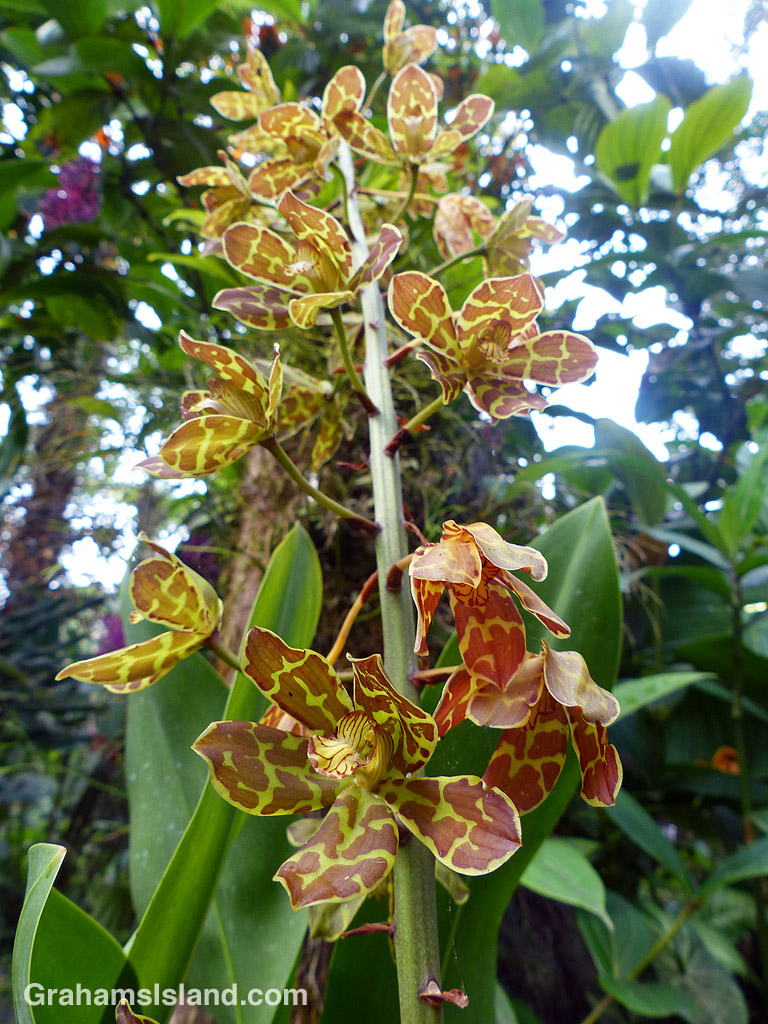
Leopard orchids (Grammatophyllum scriptum) come from the low-lying coastal areas of Southeast Asia. They produce abundant, showy flowers, but can grow to be quite large. Because of this growth habit, they’re most often seen in botanical gardens rather than domestic gardens.
This one was at Hawai’i Tropical Bioreserve & Garden. For more information about Hawai’i Tropical Bioreserve & Garden, go to htbg.com.
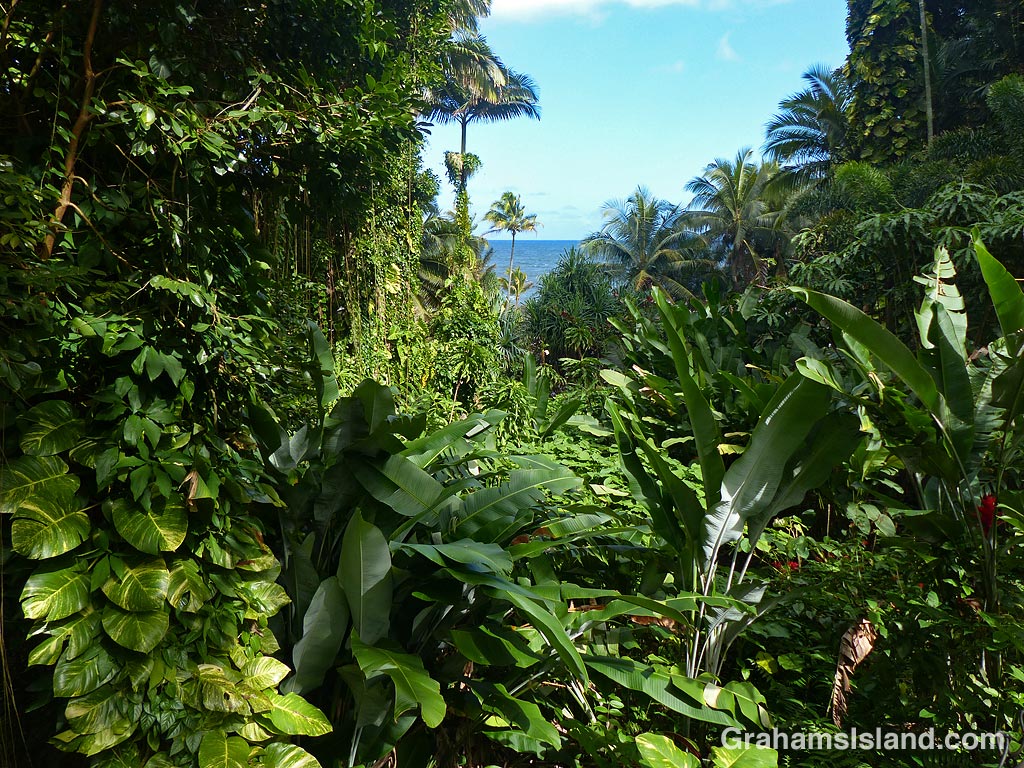
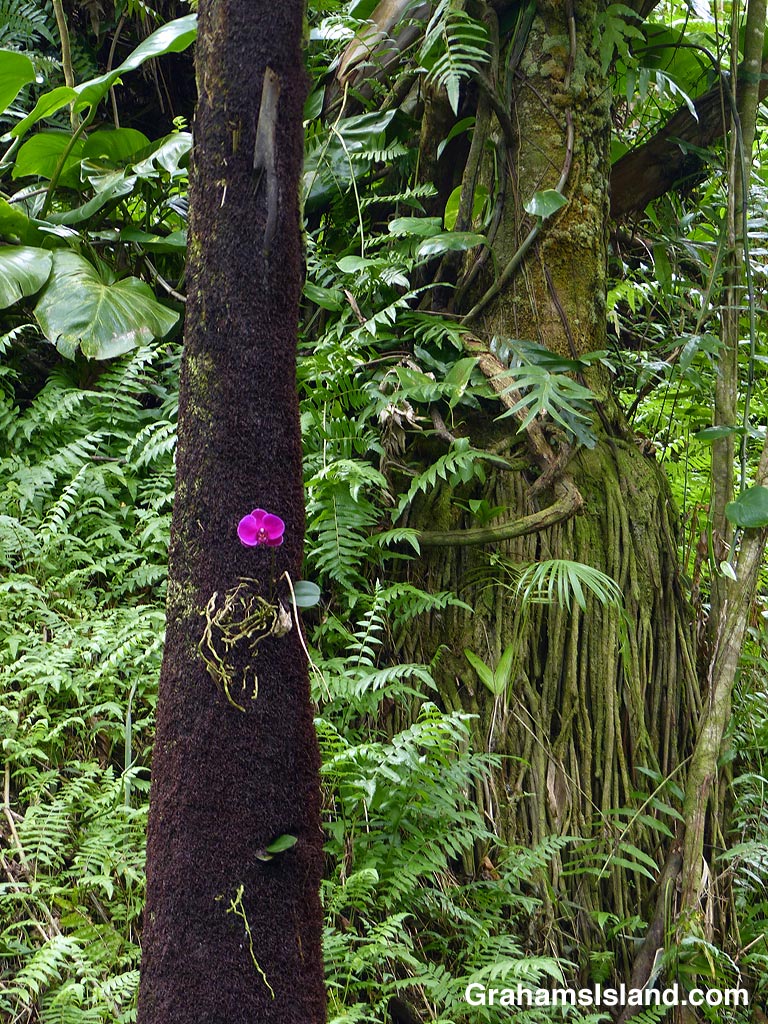
This week’s Sunday Stills challenge theme is ‘Plant Life.’ See more offerings here.
The east side of the Big Island is the place for plant life thanks to good soils, warmth, and abundant rainfall. These photos were taken on my last visit to Hawai’i Tropical Botanical Garden, before it closed because of the Covid-19 virus.
This doesn’t mean they’ve been slacking during the closure. Instead they appear to have launched a new name and new website. The new name is Hawai’i Tropical Bioreserve & Garden and, I think reflects more of the purpose behind the garden. The new name, conveniently, means they didn’t have to change their website. It’s still htbg.com.
The new website is definitely a spiffier looking production, but it comes with a drawback. They used to have a plant database that I found very useful in identifying what I saw there. I can’t find it on the new website. Hopefully, this is just an issue with transitioning the information. Otherwise, I’ll be in a bit of difficulty.
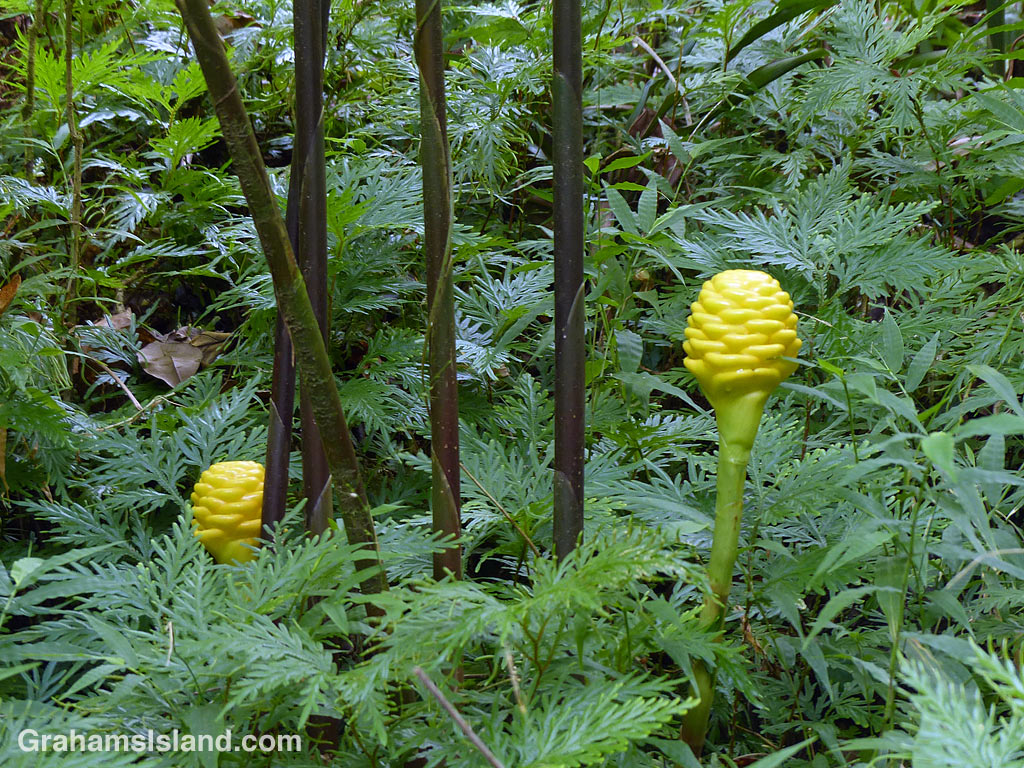
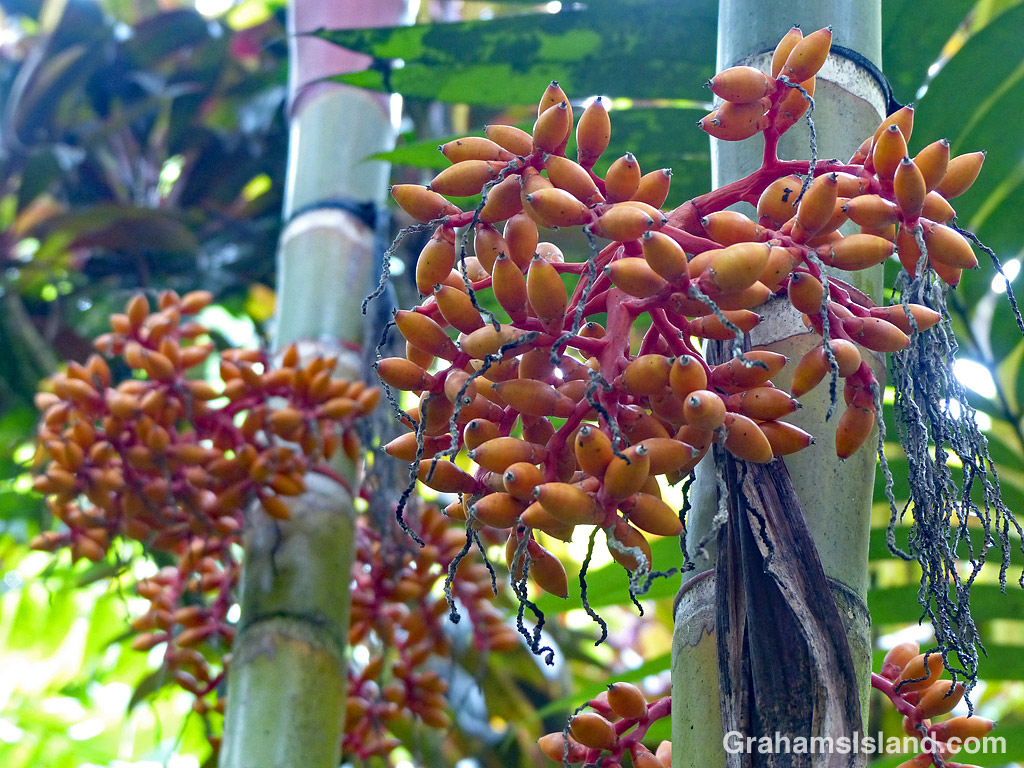
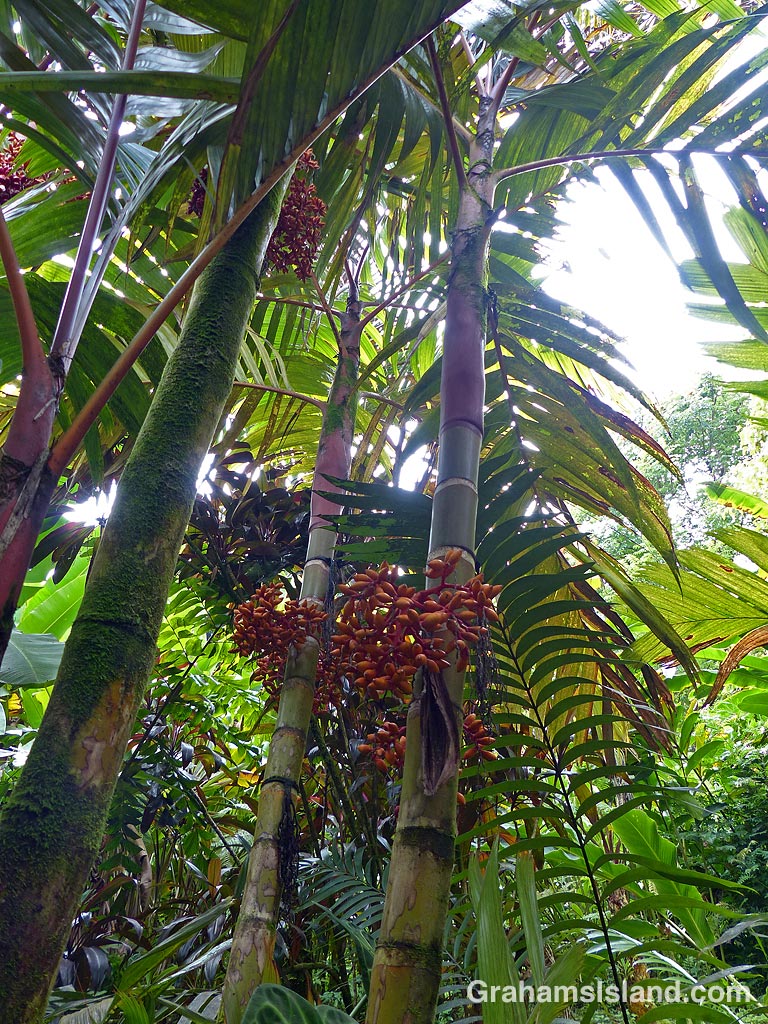
Pinang Yaki (Areca vestiaria) is originally from eastern Indonesia. With its red crownshaft and orange fruits, it’s a colorful palm. But these colors vary depending on the tree’s elevation with a higher elevation leading to more vibrant colors.
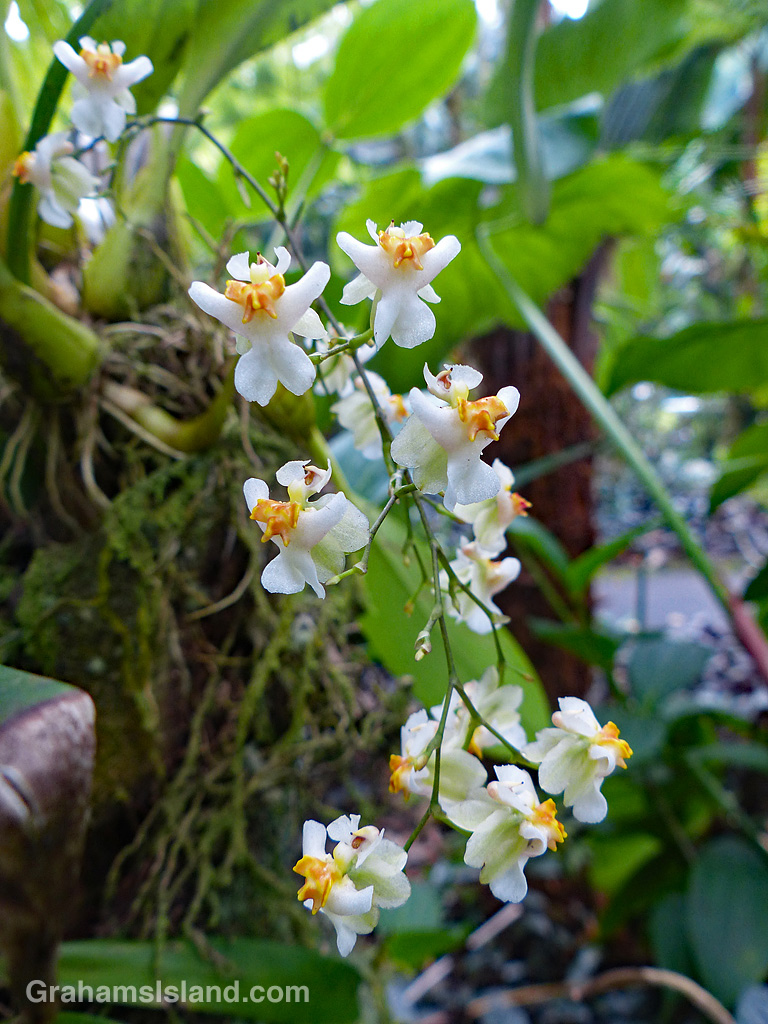
The tag on this orchid read Onc. ‘Tsuiki Margaruite’ #1, but I see it mostly described as ‘Tsiku Marguerite,’ so take your pick. But it’s a delicate looking orchid with cream to apricot flowers that are highly fragrant.
This one was at Hawaii Tropical Botanical Garden. For more information about Hawaii Tropical Botanical Garden, go to htbg.com.



This week’s Sunday Stills challenge theme is ‘Fantastic Florals.’ See more offerings here.
This seemed like a good theme to post a few photos, of different colored flowers, from my last visit to Hawaii Tropical Botanical Garden, back in February.
Top photo: It took me a while to identify this as Petrea volubilis, also known as purple wreath, queen’s wreath, and sandpaper vine, because the long blue parts are actually calices, not petals. The flowers are the smaller darker blue centers most easily seen on the blooms to the left side.
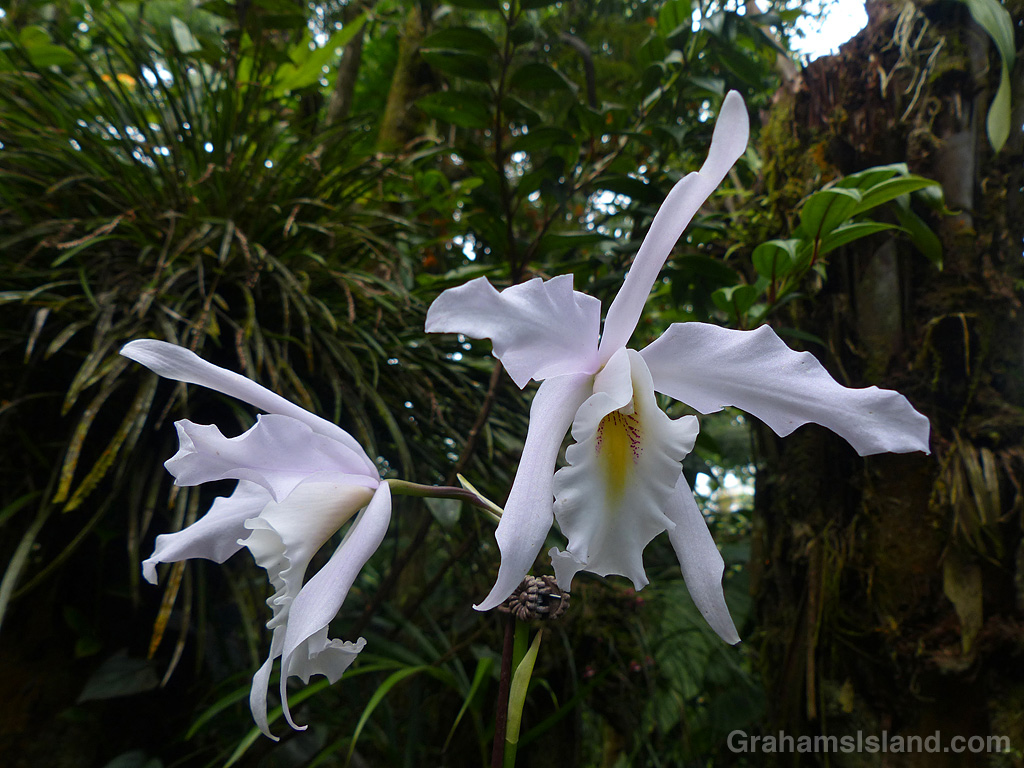
Second Photo: A lavender version of the cattleya maxima orchid was first found in Ecuador in 1777. The yellow stripe down the center of the lip is characteristic of all forms of cattleya maxima, of which this alba variation is one. For more information about the history of cattleya maxima, visit chadwickorchids.com/content/cattleya-maxima.
Third photo: Yellow plume flower (Justicia aurea) is a blaze of color in a sea of green.
Fourth photo: Yes, there are green flowers, including this Anthurium ‘Princess Alexia Jade.’
Bottom: New Guinea Trumpet Vines (Tecomanthe dendrophila) produce a fantastic array of white-tipped pink flowers.
For more information about Hawaii Tropical Botanical Garden, go to htbg.com.
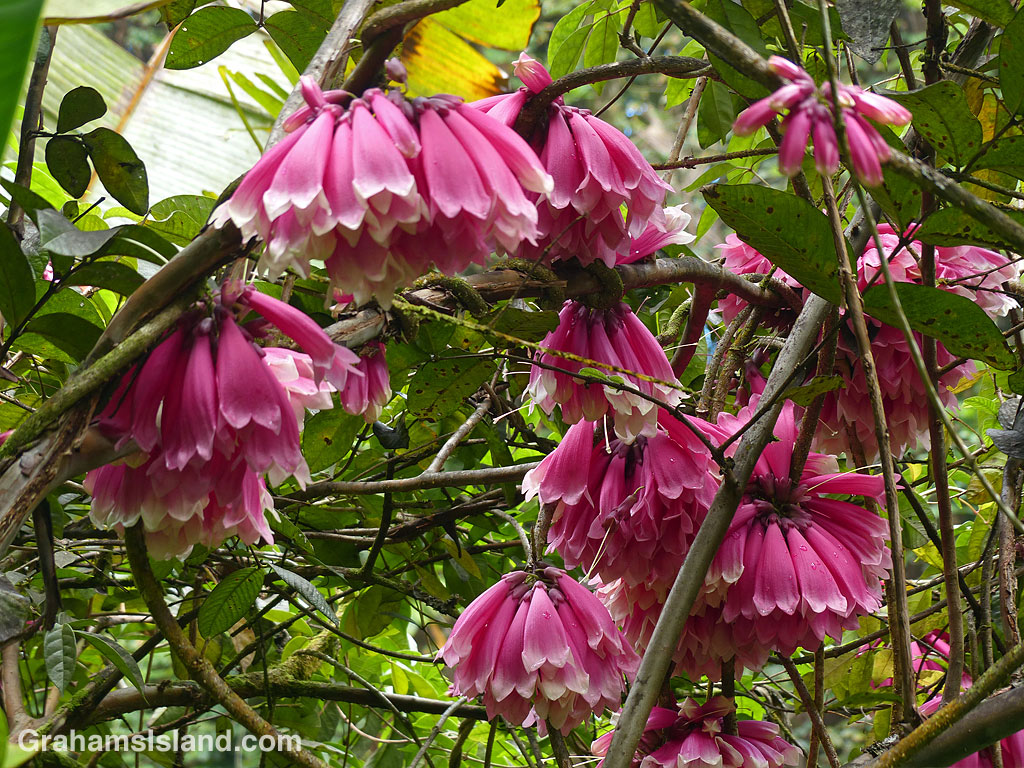

The rather showy display of a heliconia colgantea at Hawaii Tropical Botanical Garden. For more information about Hawaii Tropical Botanical Garden, go to htbg.com.

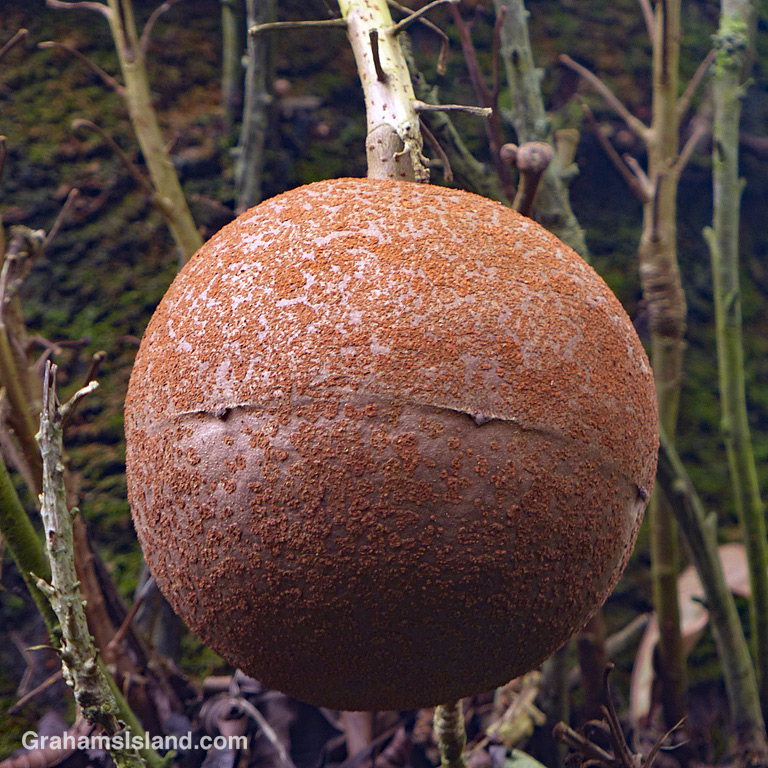
I have posted photos of the flower of the cannonball tree (Couroupita guianensis) before (here, here, and here). But the flowers aren’t what gives the tree its name. It’s the woody cannonballs that are its fruit.
In these photos, a cannonball tree is loaded with fruit. The flowers, and subsequent fruits, grow directly off the trunk. And the fruit itself, well it’s not hard to see why it gets its name. When the fruit falls from the tree it usually breaks open. The pulp and seeds are eaten by animals which go on to disperse the seeds.
 Graham's Island