
The idea of The Numbers Game is to enter a number into the search bar of your computer and then post a selection of the photos that turn up. This week’s number is 132.
You can see more responses here.
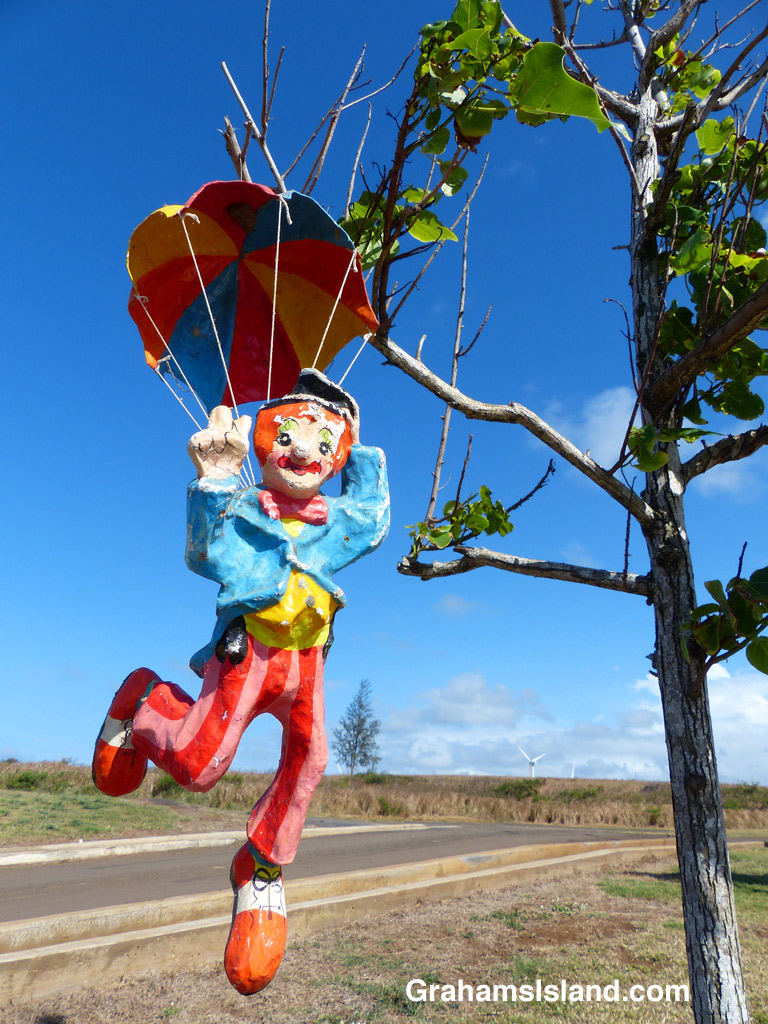
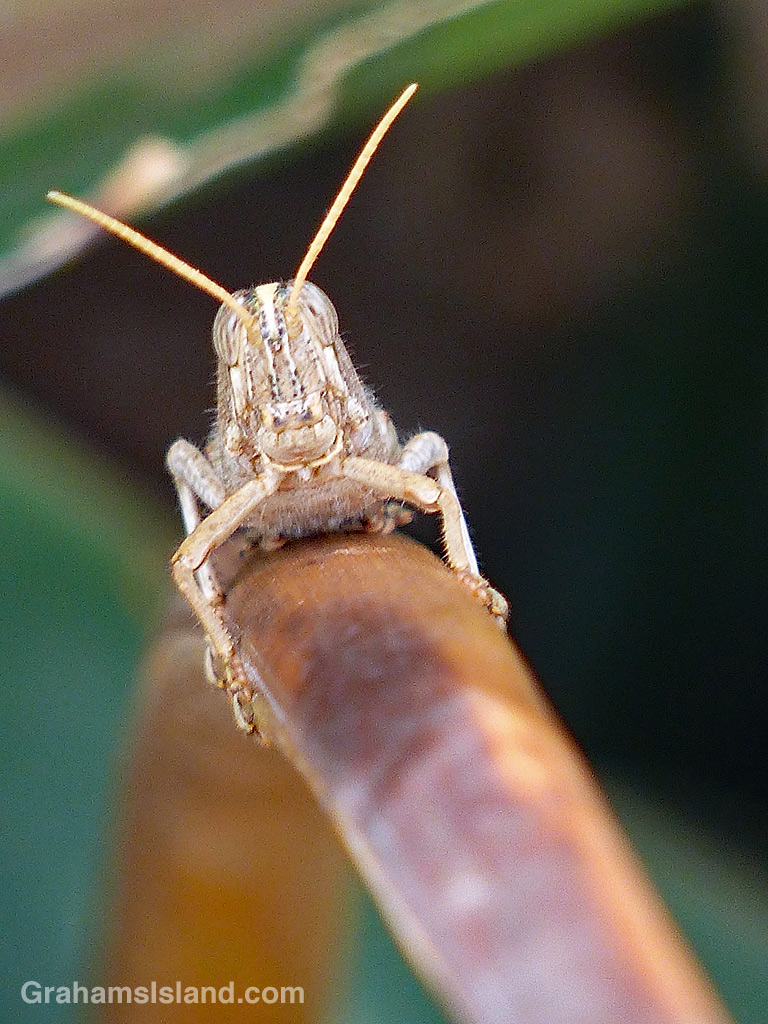
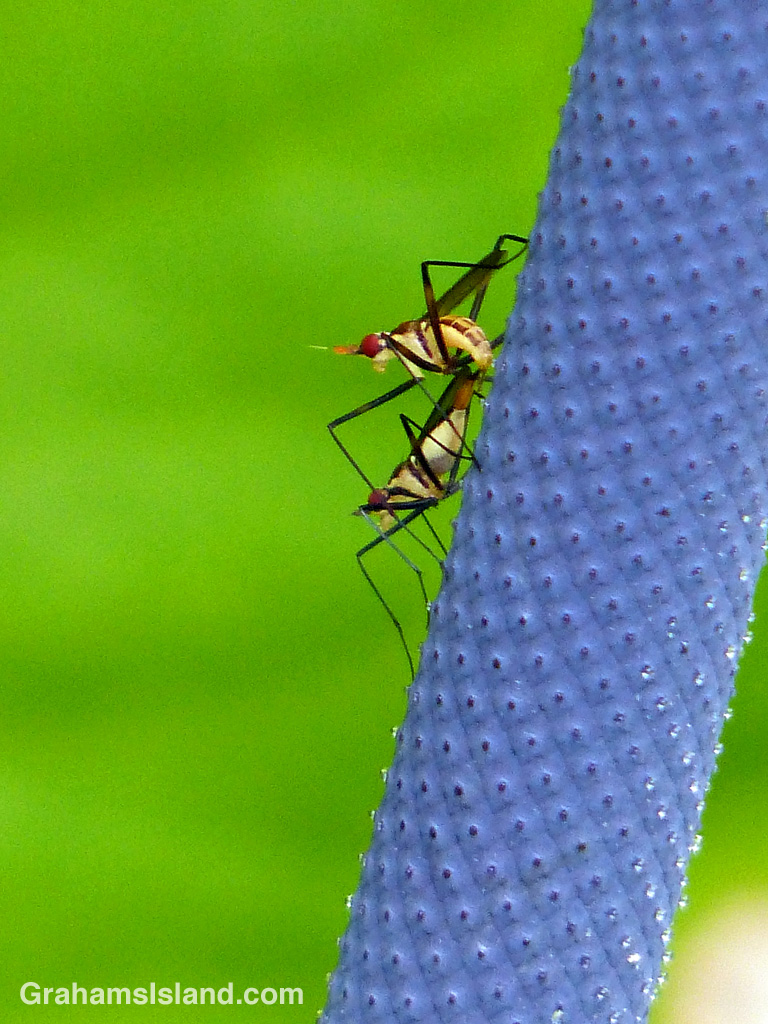



The idea of The Numbers Game is to enter a number into the search bar of your computer and then post a selection of the photos that turn up. This week’s number is 132.
You can see more responses here.
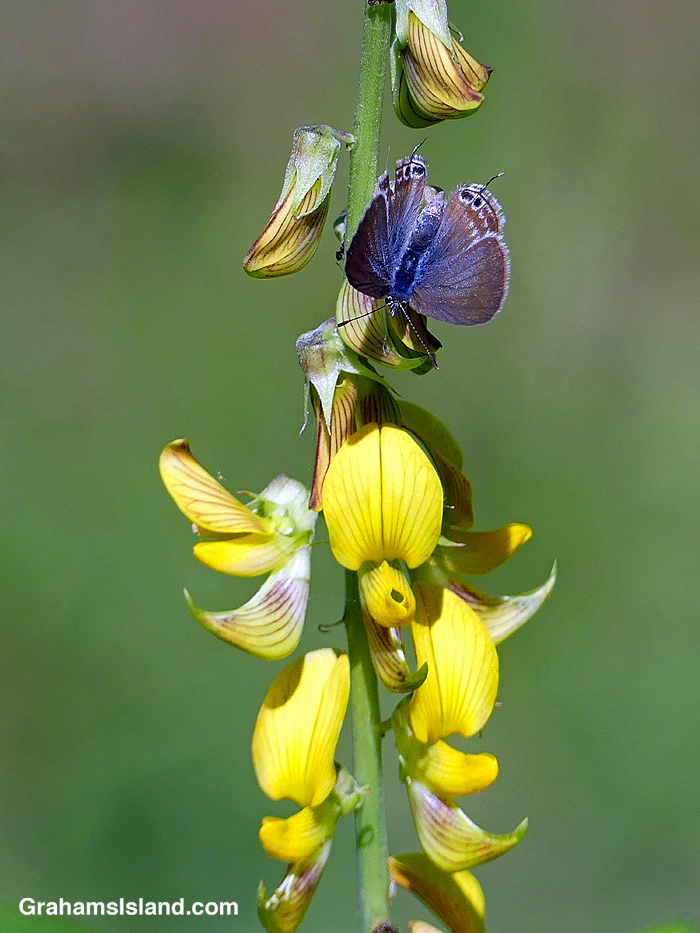
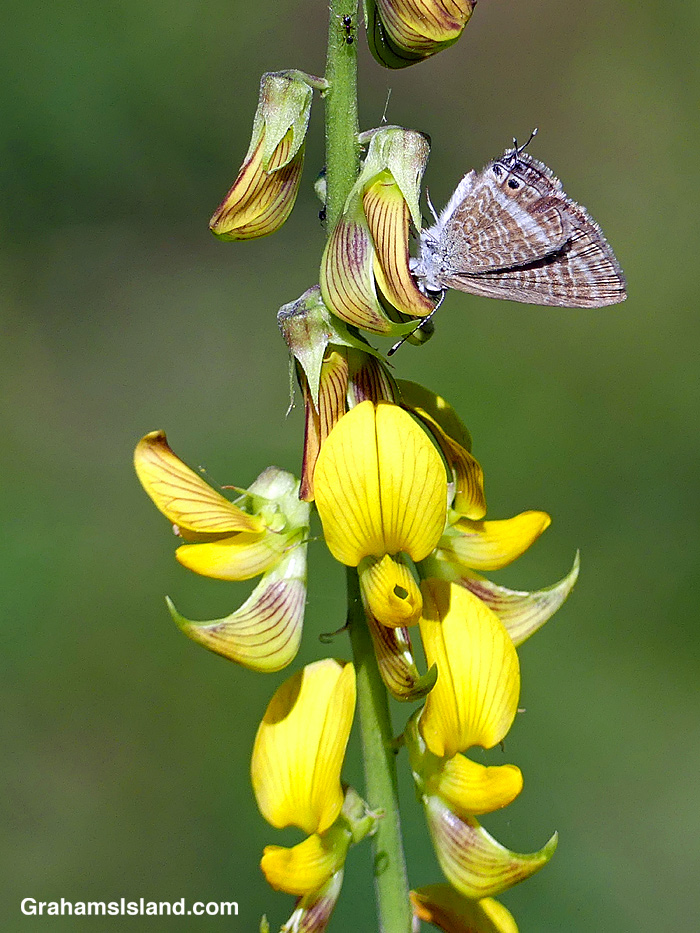
A Long-tailed Blue Butterfly on what I think is a rattlepod, one of the Crotileria family. The Long-tailed Blue is common in Hawaii having been accidentally introduced back in the 1880s.
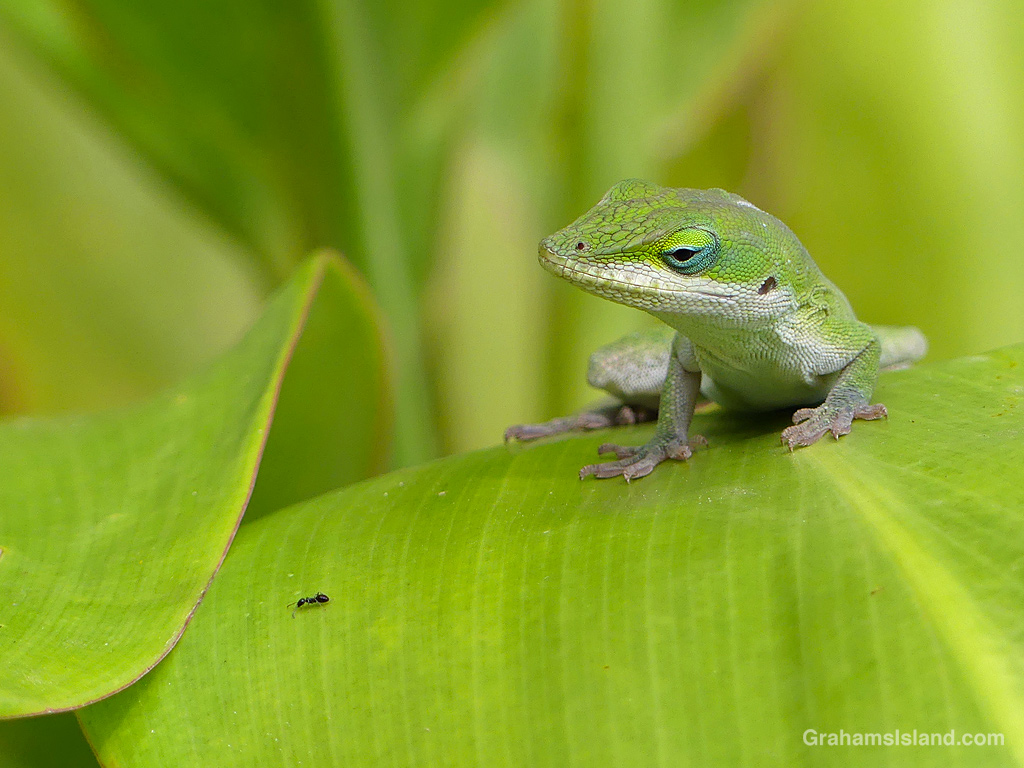
I was photographing this green anole on a ti leaf when an ant appeared on the scene. The anole gave it the ‘Is that a snack?’ look, but decided that maybe that wasn’t a good idea. Some ants are not good eating.
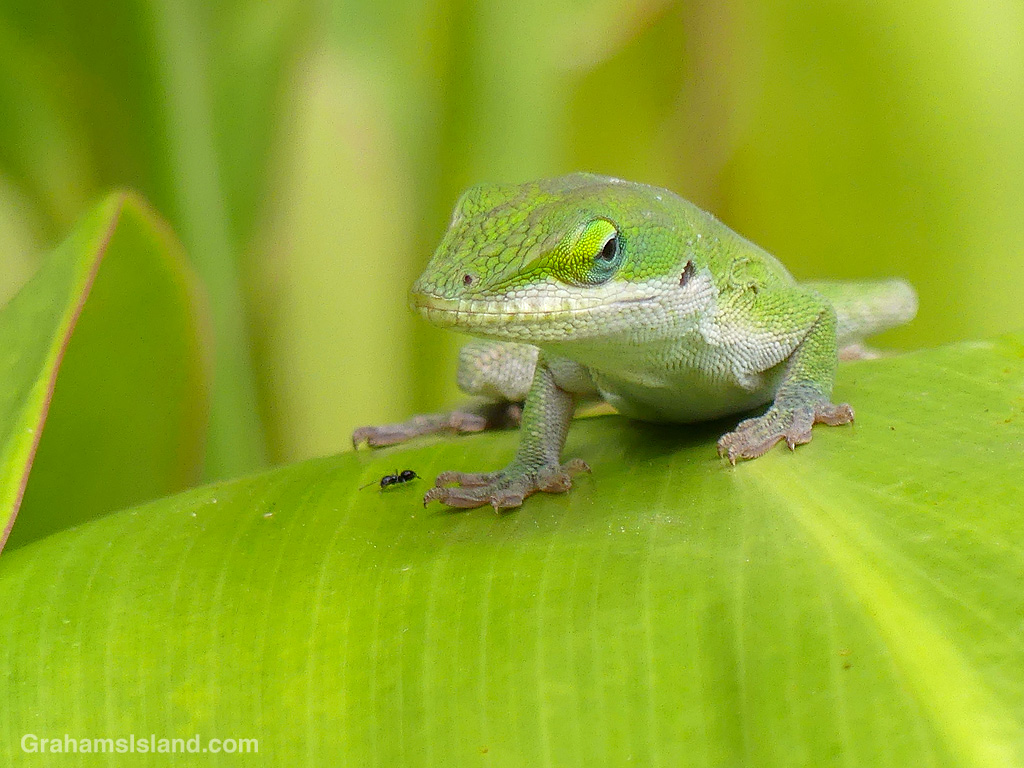
The anole resumed keeping an eye on me, while the ant meandered around getting closer. At one point, the ant bumped into the anole’s foot and the anole flinched and yanked its foot away, as a person might do.
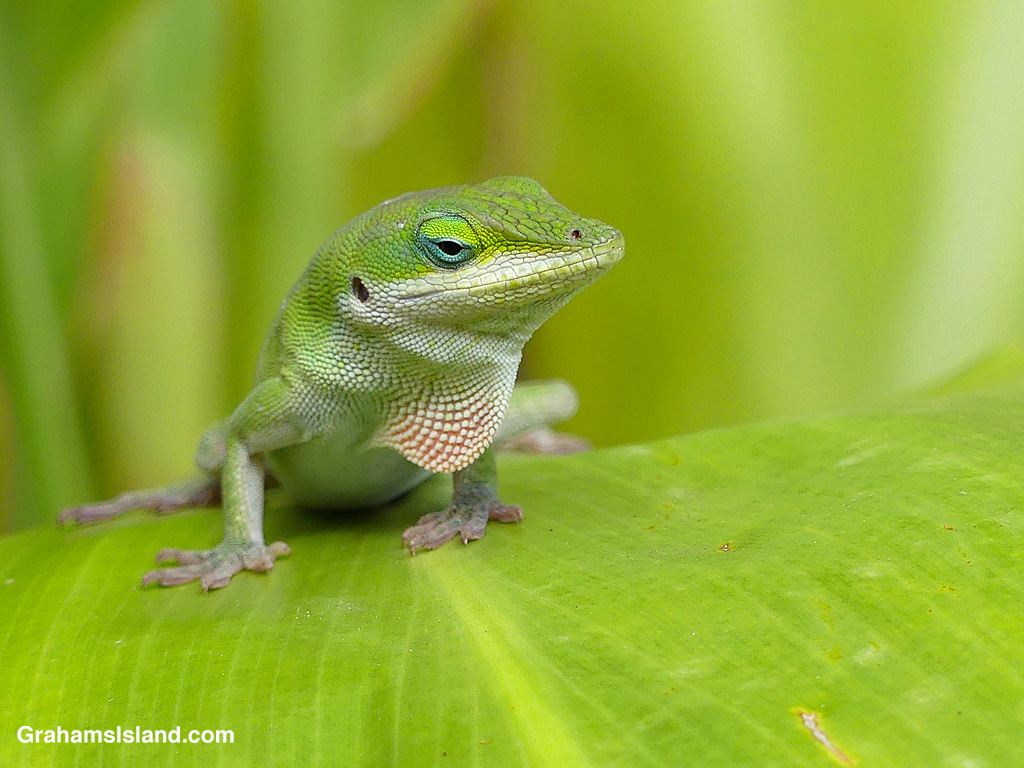
Following that incident, the anole began a half-hearted sequence of displaying its dewlap to show that this was his territory, but it seemed more aimed at wishing I would go away rather than doing anything about it!
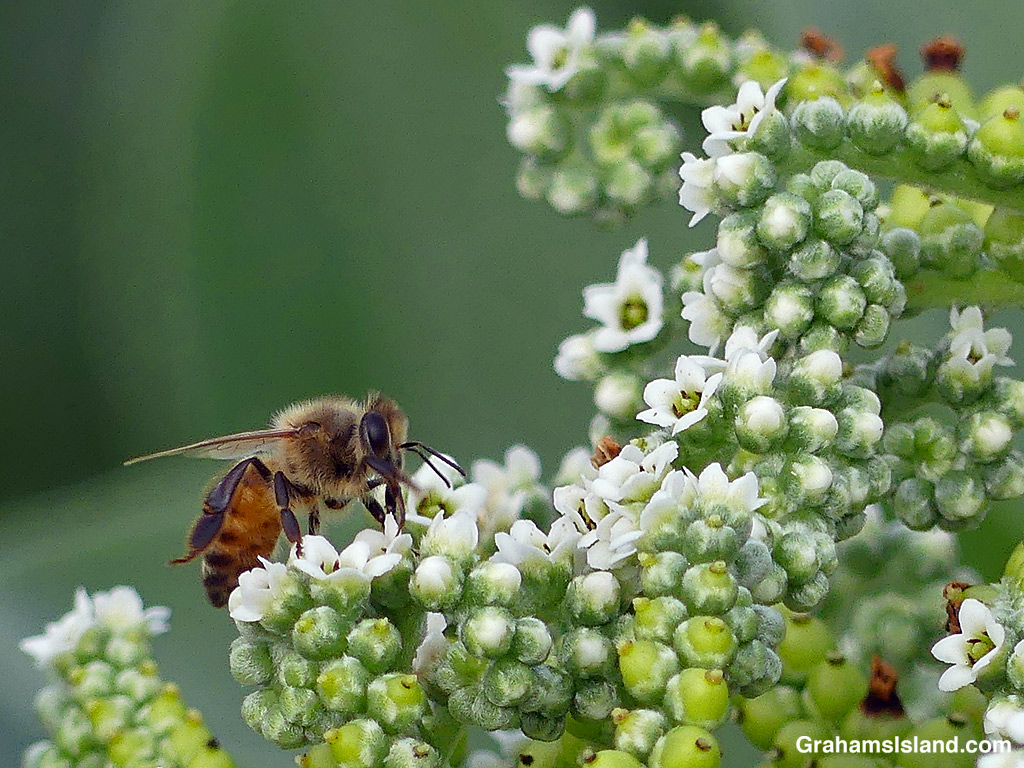
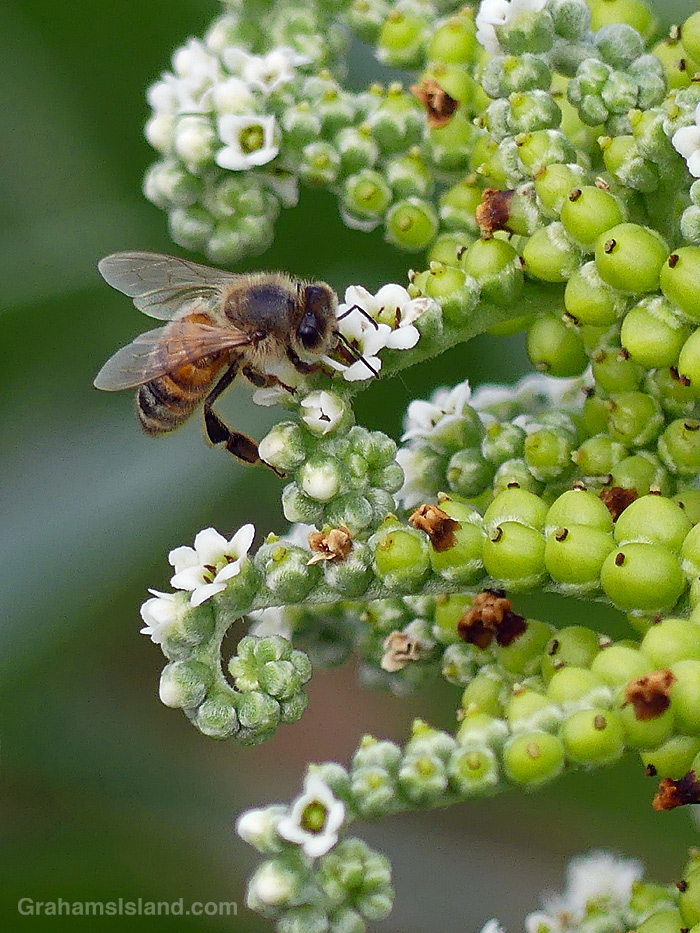
Last week I posted photos of a Feather-legged Fly (here). What I was taking photos of, at that time, were these bees foraging on a Tree Heliotrope. I like Tree Heliotropes because they look like molecular models put together by a scientist trying to explain the meaning of life!
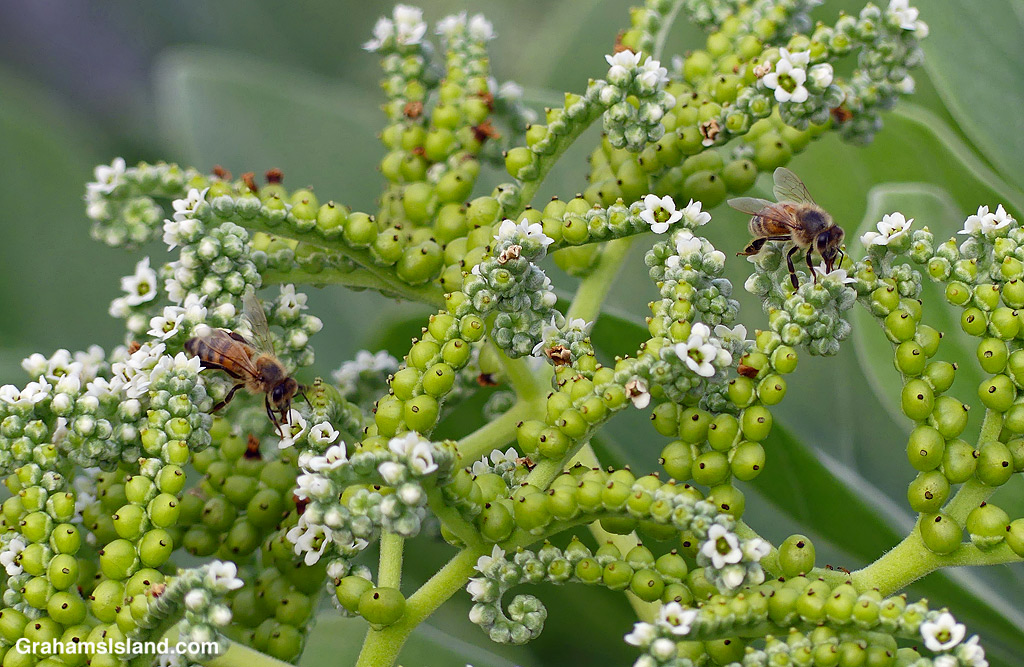
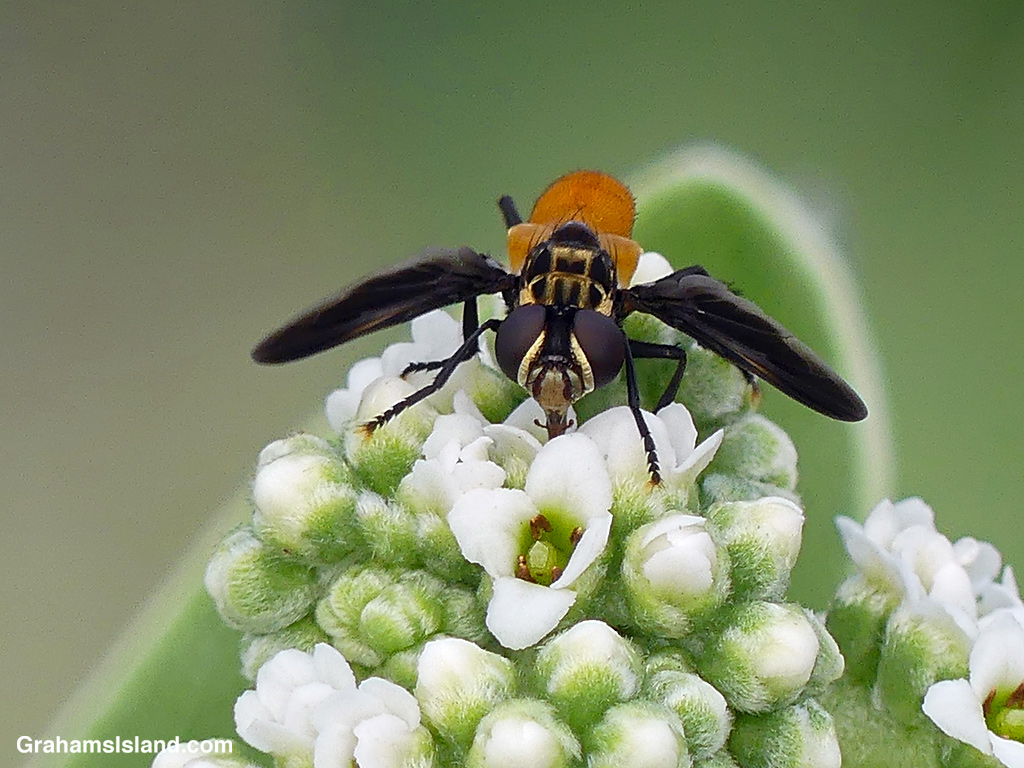

I was photographing bees on a tree heliotrope in Kawaihae when I saw this fly. It’s a new one for me, so I was happy to get decent photos and to be able to identify it afterwards.
This is a Feather-legged Fly (Trichopoda pennipes). It’s one of those flies which lays its eggs on host bugs, such as leaf-footed bugs and stink bugs. On hatching, the larvae make for the bug’s interior and develop safely within. The end product is a new fly and a dead bug. Because some of the bugs it uses as hosts are crop pests, it’s considered a beneficial insect.
The bottom photo shows why it got its name!

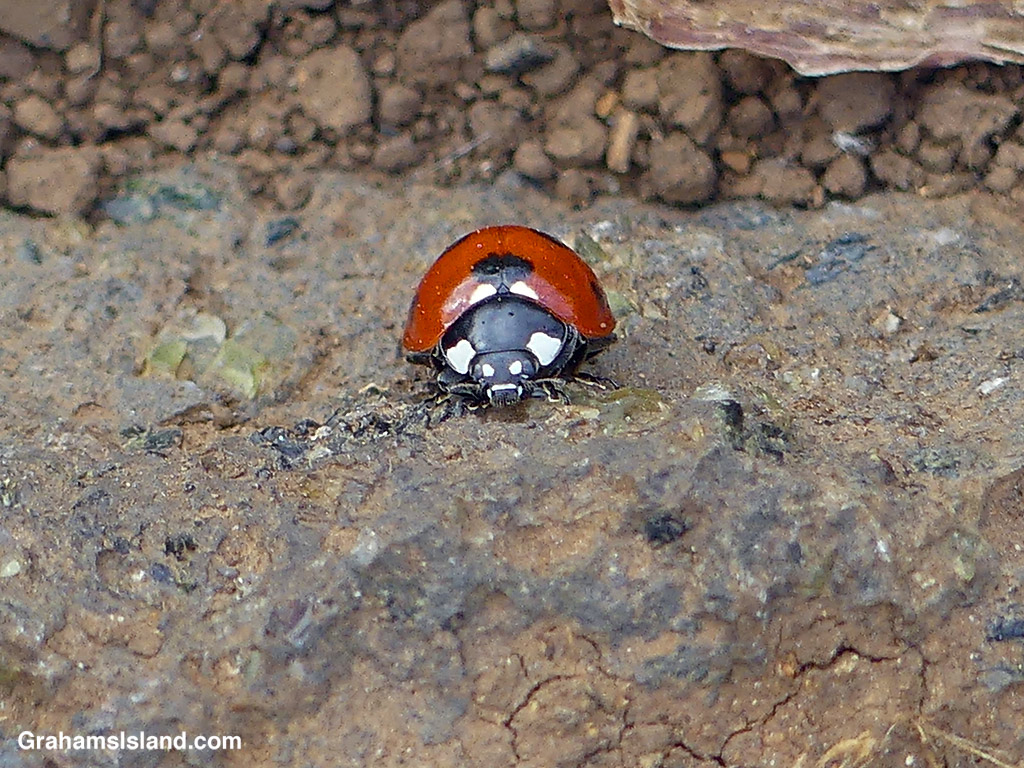
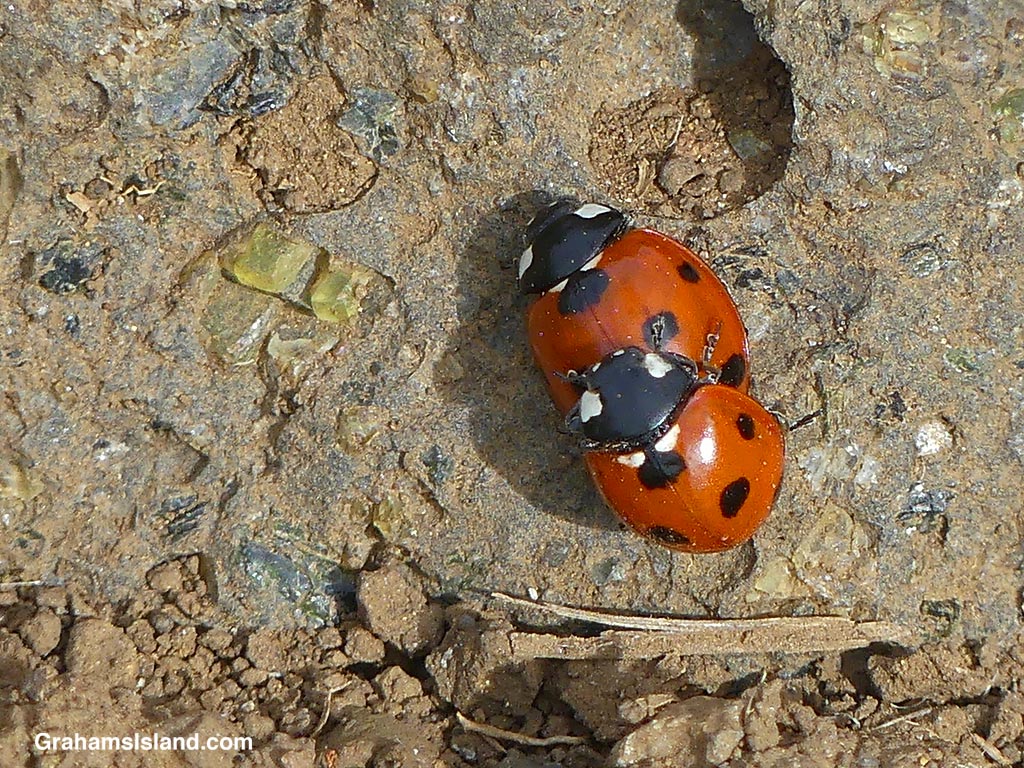
On a recent walk, I noticed the Seven-spotted Lady Beetle in the top photo, wandering around on the ground.
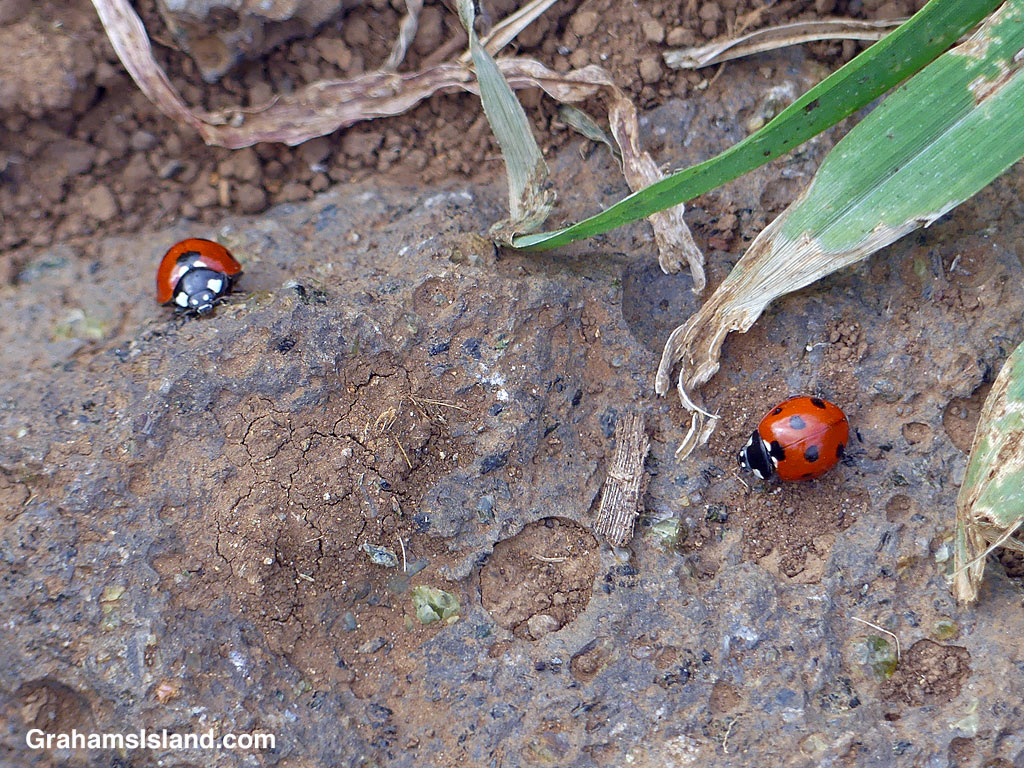
Soon, a second one came into view, then turned around and headed off again.
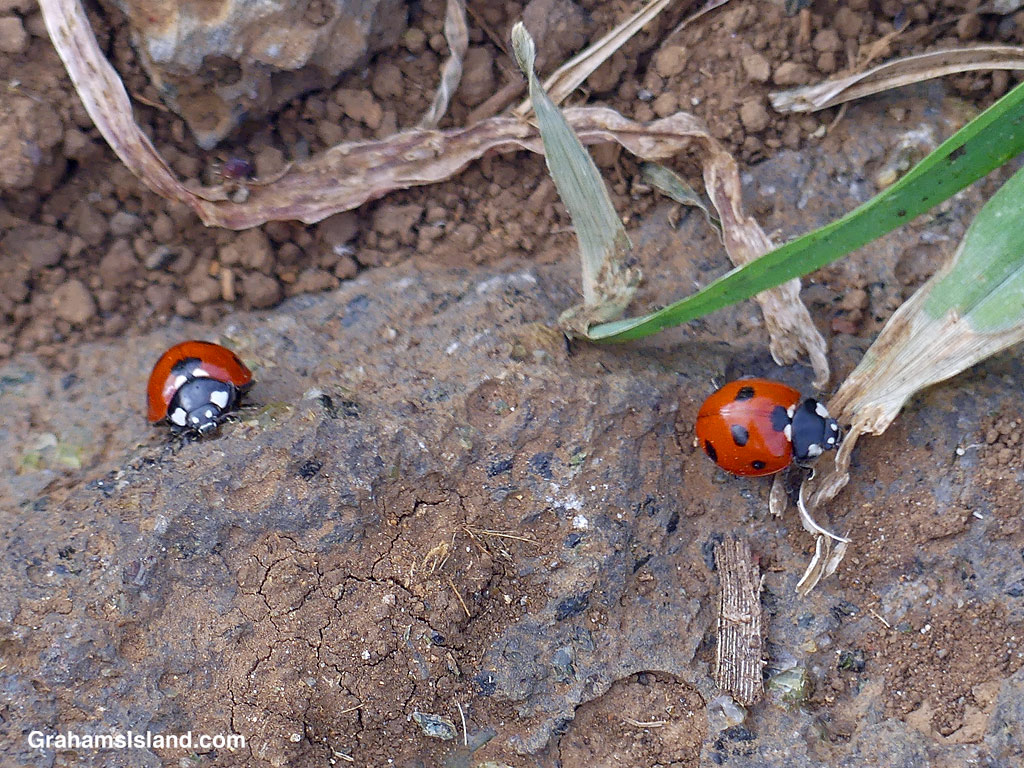
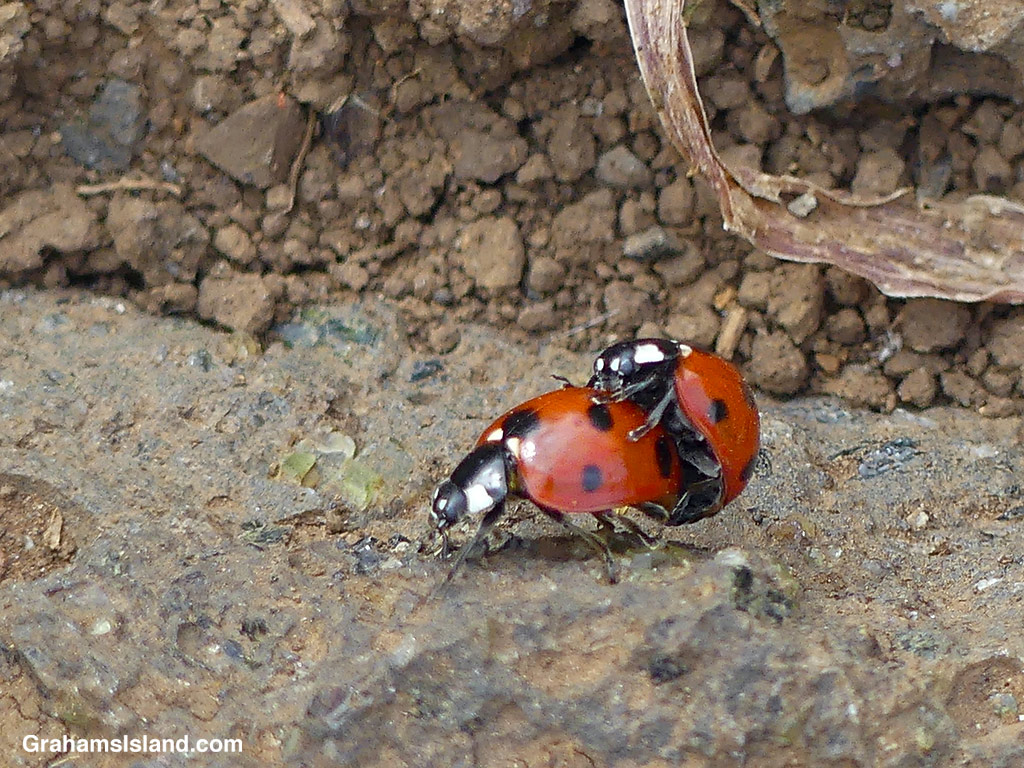
A minute or so later, it reappeared and, without so much as a “Hi, my name’s Frank. And you?’ he climbed aboard. The two of them lurched about on the little rock, so I took my leave, and left them to it.

On a recent visit to Waimea, I found these Agapanthus flowers in bloom. They seem to flower year round in that area.
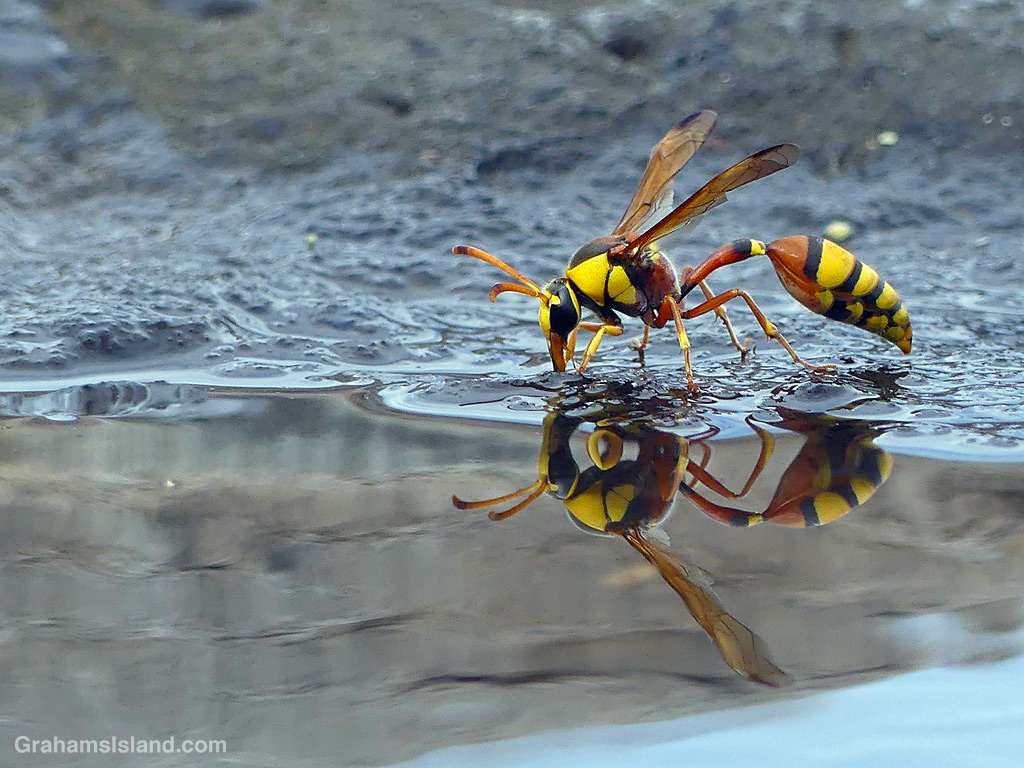

A couple of days ago I posted a Yellow-billed Cardinal bathing at this pool of water. It’s popular with insects too.
 Graham's Island