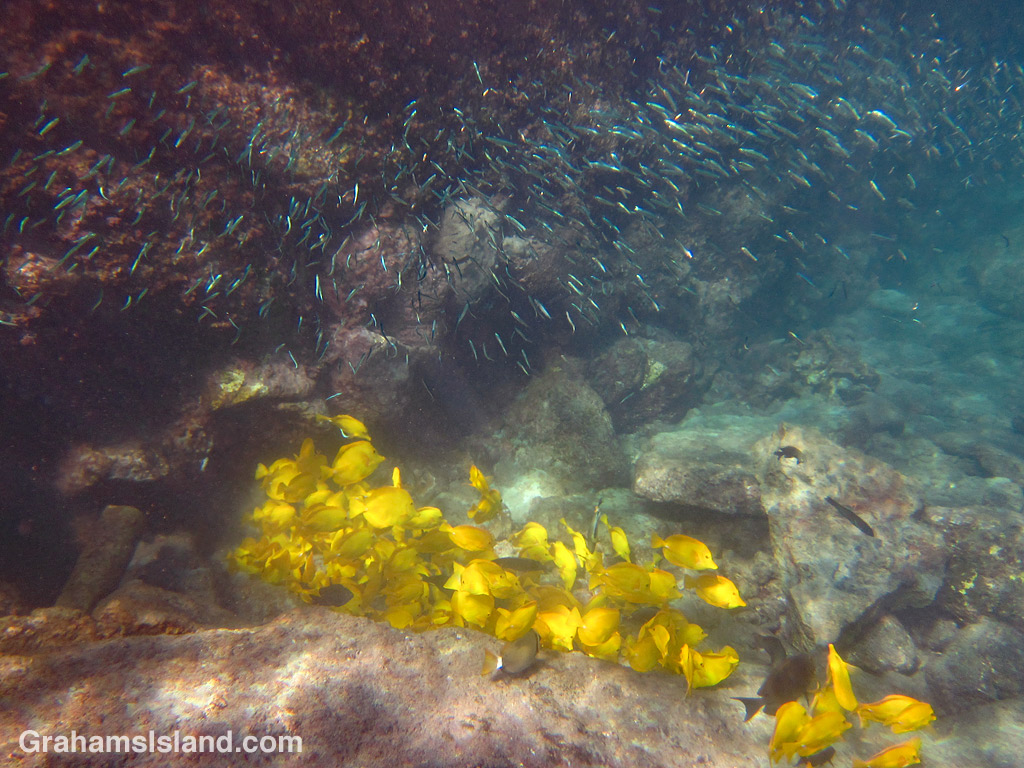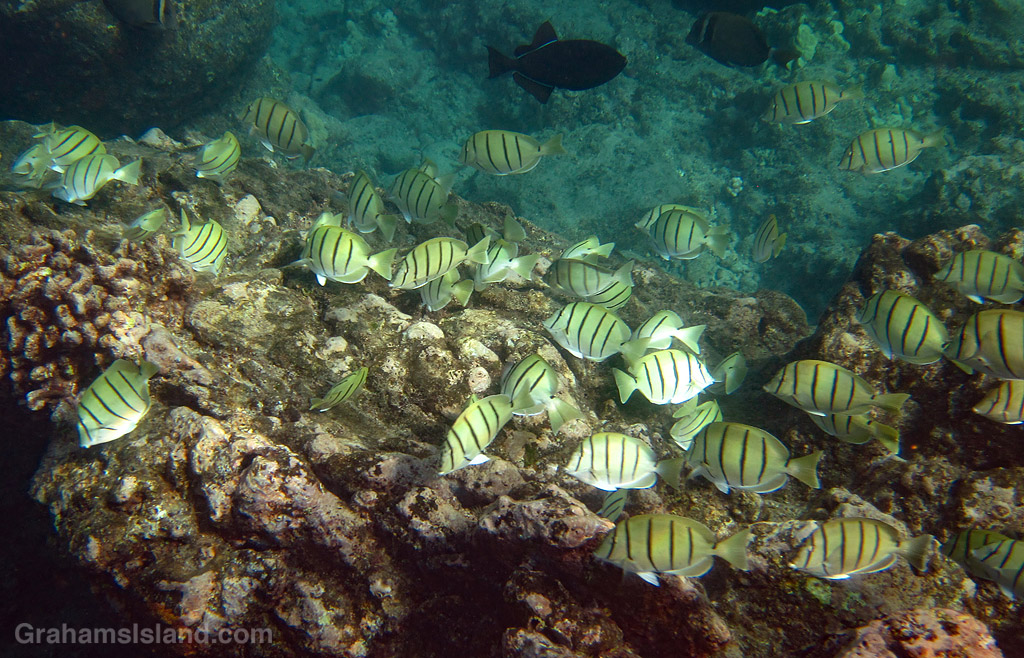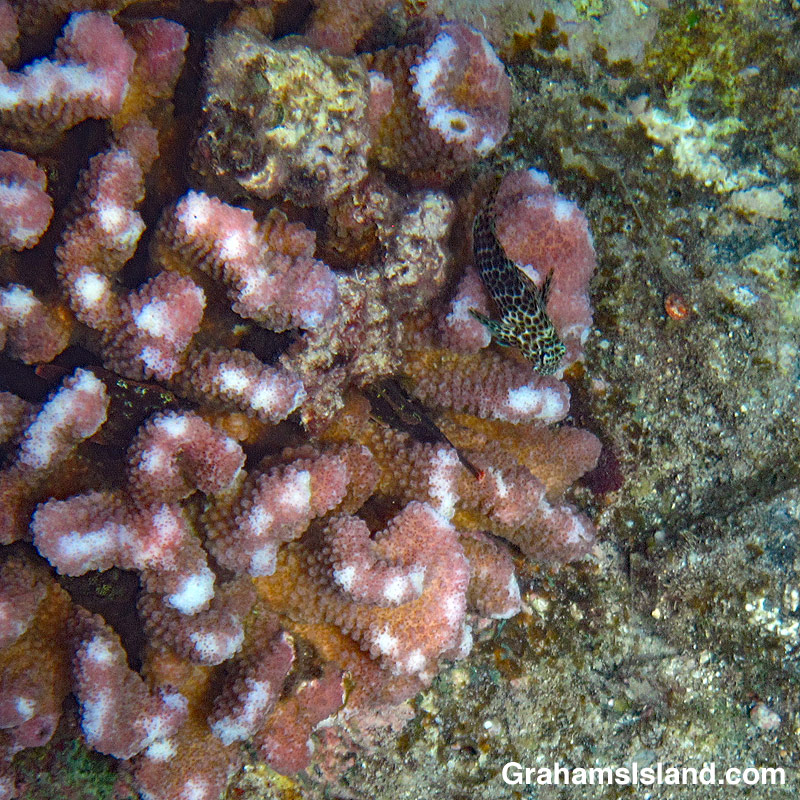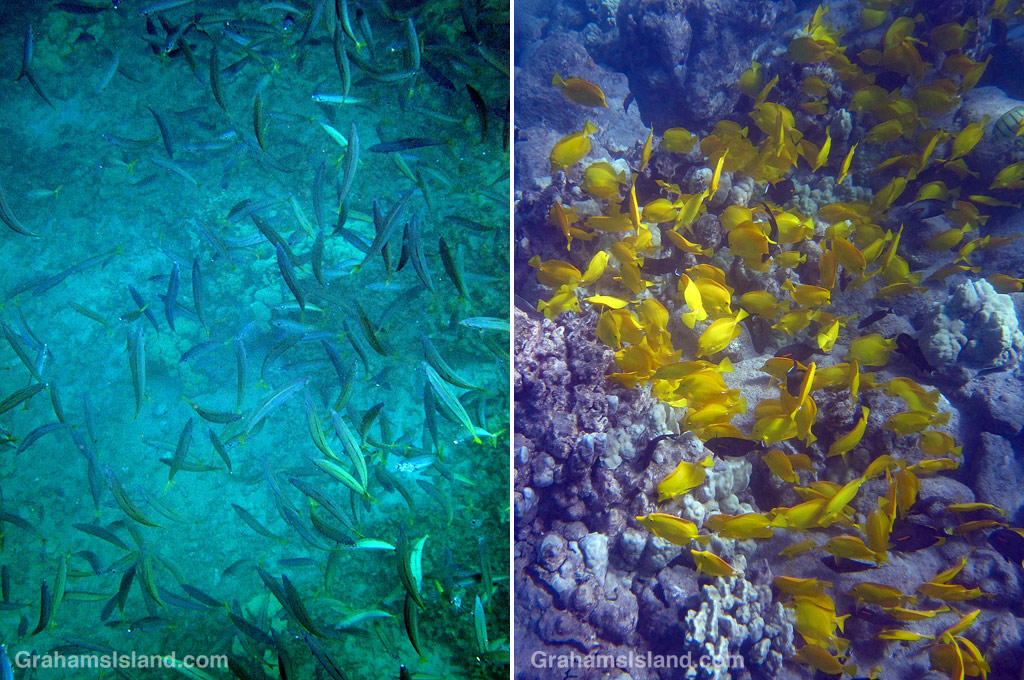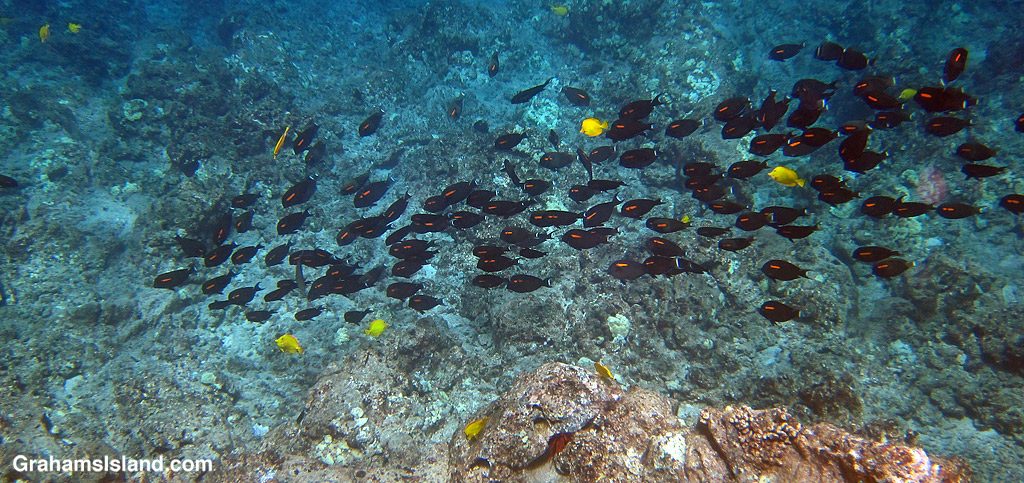
A variety of reef fish – including yellow tang, goldring surgeonfish, whitebar surgeonfish, brassy chub, and ember parrotfish – forage on a shallow rocky shelf.

A variety of reef fish – including yellow tang, goldring surgeonfish, whitebar surgeonfish, brassy chub, and ember parrotfish – forage on a shallow rocky shelf.

This week’s Friendly Friday challenge theme is ‘Re-imagine Orange.’ See more responses here.
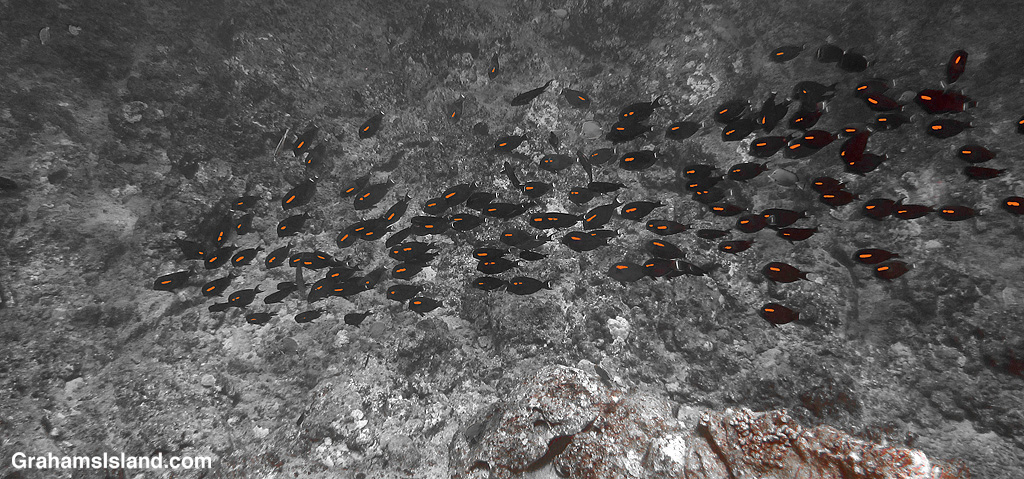
A shoal of orangeband surgeonfish is fun to see with their orange bands making them easy to identify and follow. For the purpose of this challenge, I took the photo below, desaturated the other colors, then boosted the orange to emphasize their defining feature. These changes virtually eliminated the other fish, particularly the yellow tang which went from bright focal points to almost invisible.


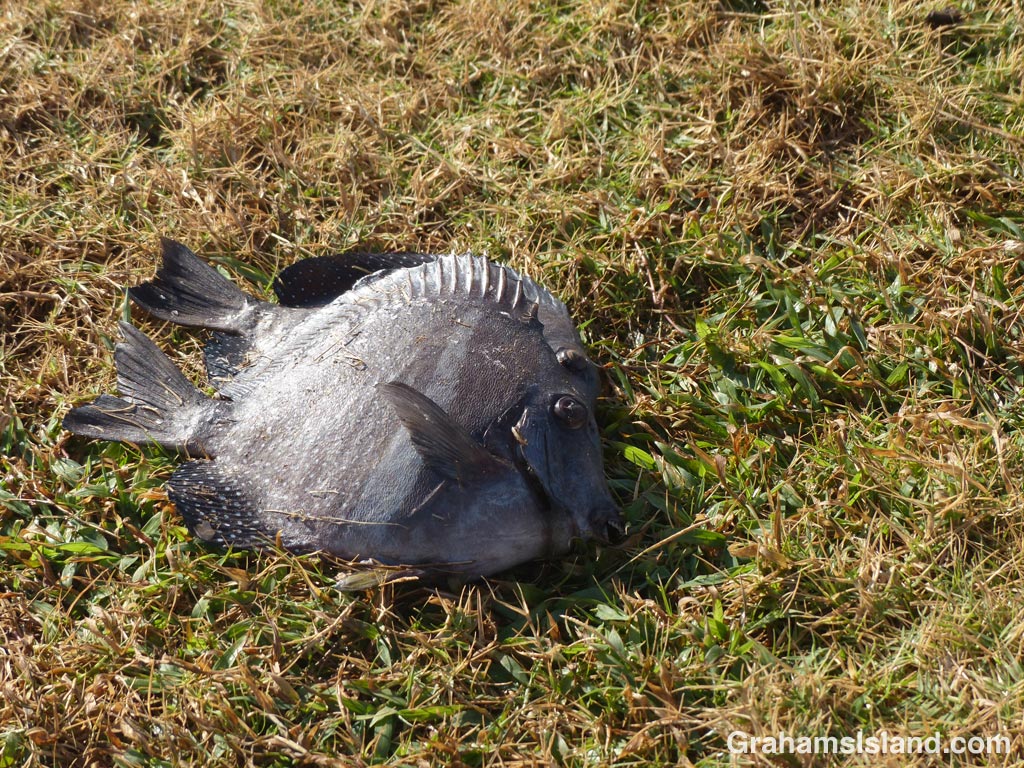
A pair of whitespotted surgeonfish caught, but not wanted.
Posted in response to Bushboy’s challenge to post the last photo taken in February 2020. See challenge rules and more responses here.


This week’s Friendly Friday challenge theme is ‘Sea Creatures.’ See more responses here.
I go snorkeling two or three times a week and feel fortunate to see a great variety of sea creatures while I’m out. Some of these can be quite unusual or exotic. I recently saw my first titan scorpionfish, and threadfin jack juveniles are weird and wonderful. And then there was my one and only encounter with a pyrosoma.
But for this challenge, I’ve opted to go with some fish I see most times I get in the water. Yellow tangs are probably the most noticeable reef fish around. Bright yellow, they putter around in the shallows, and are easily visible in the water and from shore. Trumpetfish look nothing like yellow tang, but often take on a yellow color and blend in with shoals of yellow tang in the hopes of surprising small fish, which are their main prey.
In these photos, a trumpetfish is doing just that. While it might seem like it would be pretty obvious that the long trumpetfish is quite different from the rest of the shoal, when seen from the front, which is the business end of the trumpetfish, the distinction isn’t so great. And if the trumpetfish can get close enough, it will suck its prey in and devour it.


A cleaner wrasse performs its service on a whitebar surgeonfish. Cleaner wrasse establish stations where other fish can visit to be cleaned of mucus and parasites.
When I’m snorkeling, I enjoy visiting these stations to see what’s going on and which fish are availing themselves of the services offered. Some of these fish are predators who, in other circumstances, might be expected to make a meal of a cleaner wrasse. But because of the beneficial service they offer, cleaner wrasse get a free pass with predators.

This goldring surgeonfish is so named because of the colorful ring around its eyes. This one came up to take a look at me. I like how it looks like it’s casting a giant shadow, but that’s actually a different fish (another goldring surgeonfish I think) passing behind it.

Achilles tangs are surgeonfish, with a scalpel near the base of the tail, in the aft end of the large orange-red spot. They’re quite common in shallow waters near the surge zone. This one is passing over a patch of coral, dotted with red pencil urchins.

This longnose butterflyfish was cruising around, probing for tasty morsels, when it disturbed this surgeonfish. I think it might be a Thompson’s surgeonfish, but it disappeared before I could make a positive ID.