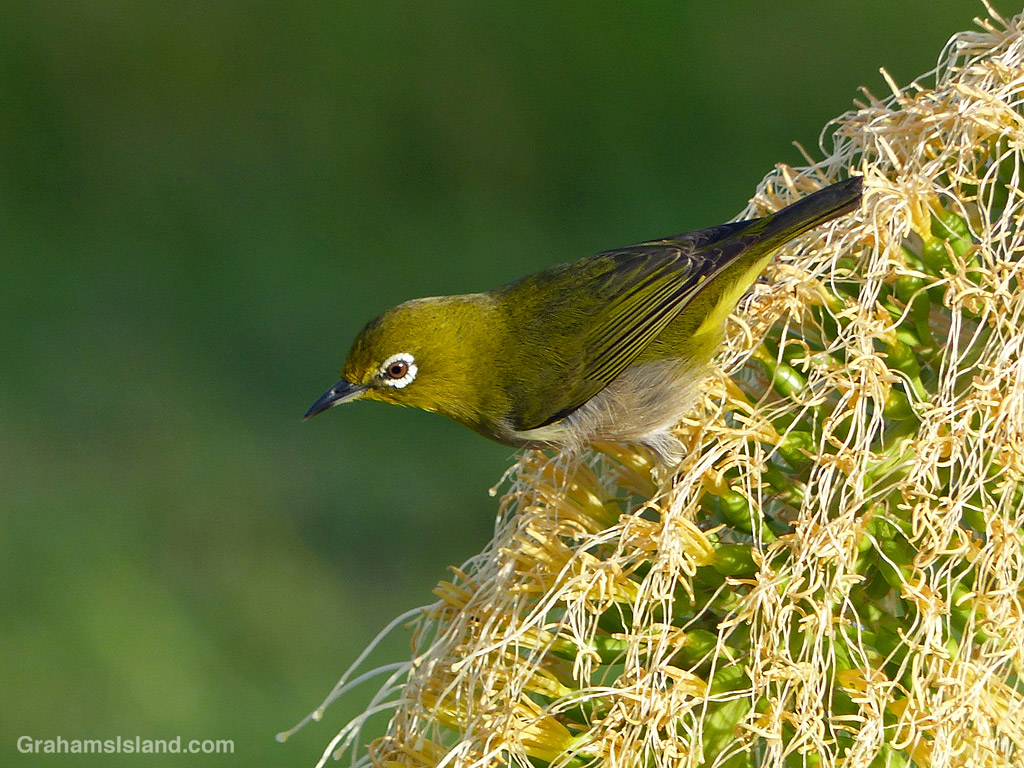

A Japanese White-eye explores the flowers of an Agave Attenuata.


A Japanese White-eye explores the flowers of an Agave Attenuata.

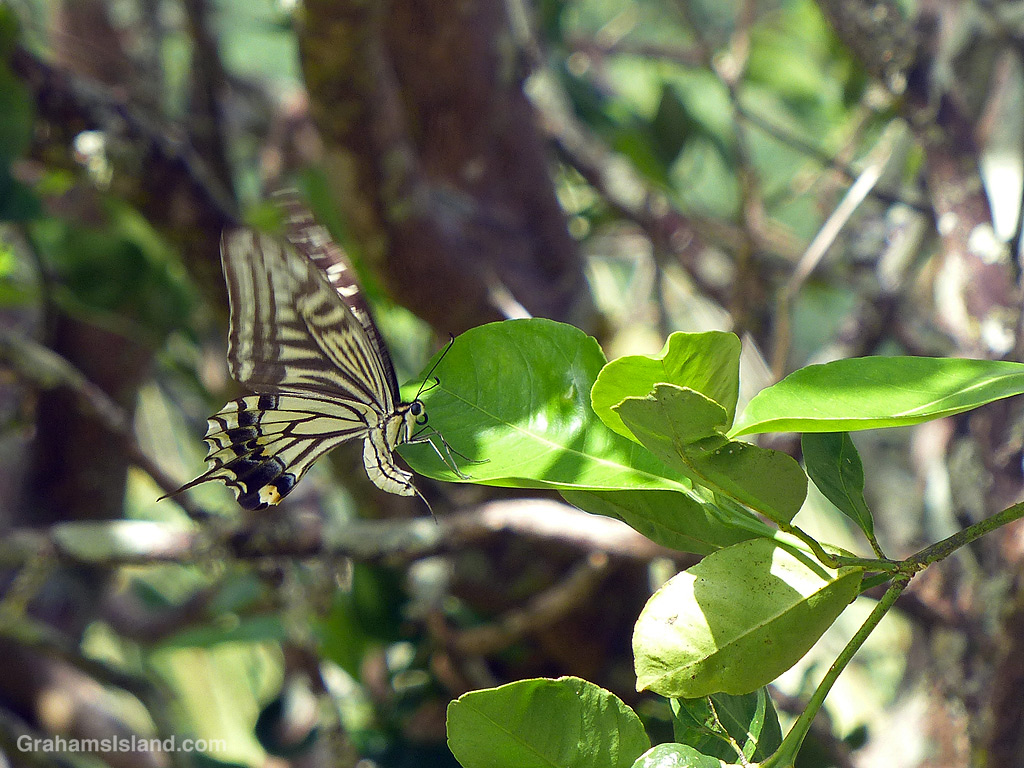
I saw this Xuthus Swallowtail butterfly (Papilio xuthus) flitting by a window at home. This is how I most often spot them and by the time I go outside, they’re nowhere to be seen. Still, I’m a sucker for butterflies, so I grabbed my camera and headed out.
Looking around, I couldn’t see any sign of it. I was about to give up the search when I saw movement by a tangerine tree. I should have anticipated this because the butterfly is also known as the Citrus Swallowtail (and Asian Swallowtail). I headed over and there was the butterfly, not only hanging around, but also settling briefly as it flew around the tree. I thought it must be feeding or possibly laying eggs, but it just seemed to be stopping at leaves, and later I saw that its markings meant this was most likely a male, so not laying eggs.
However, the butterfly was not alone. Winter is crab spider season and they love building communal webs in and between the tangerine trees. It’s a hazard for me when I’m collecting fruit, but for the butterfly it’s a potential death trap. While I watched, I did see this one get stuck once, but swallowtails are big butterflies and it was able to shake itself loose.
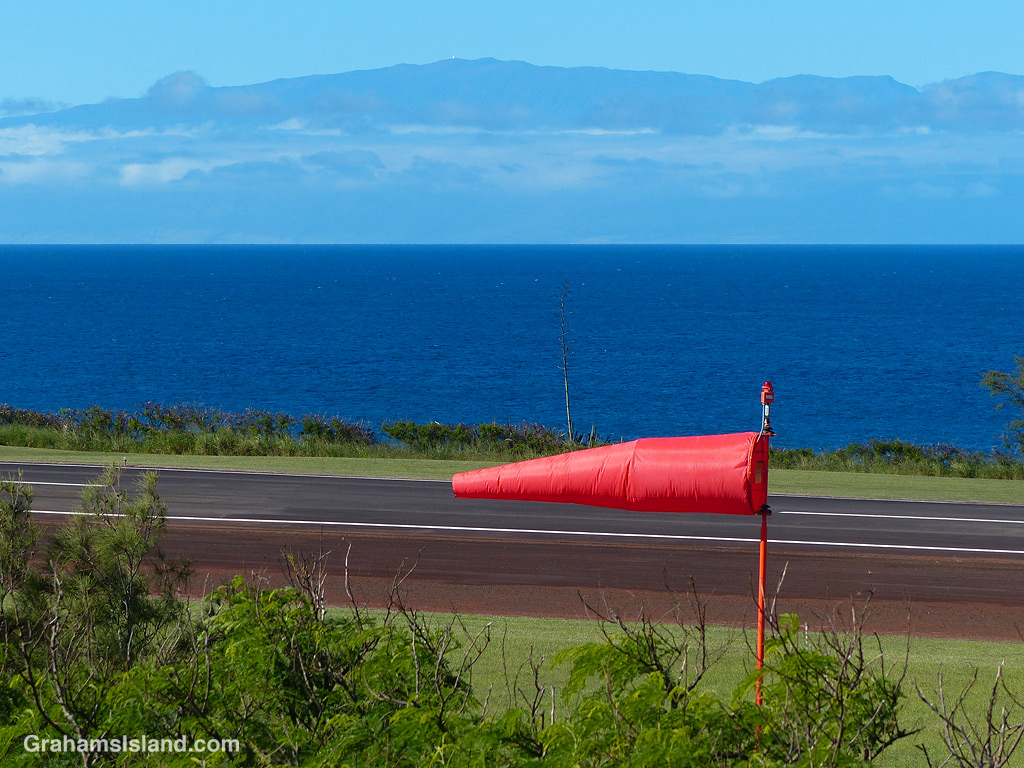
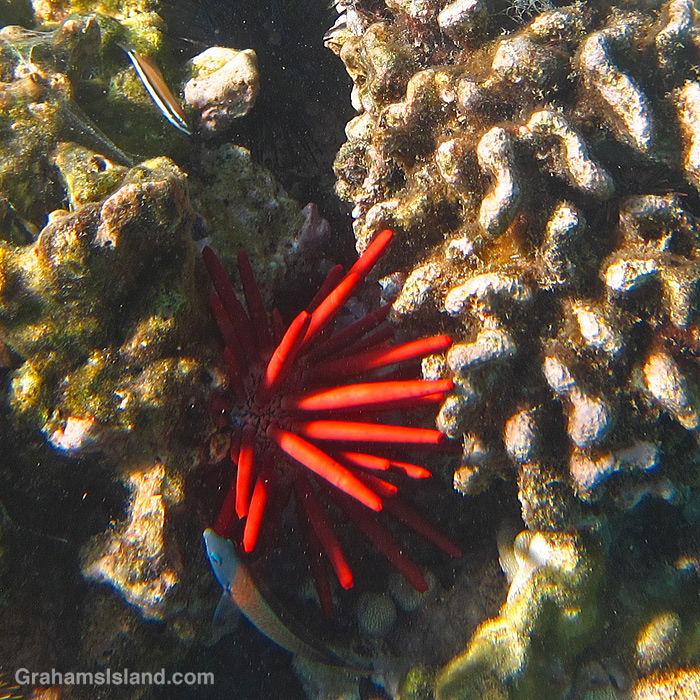
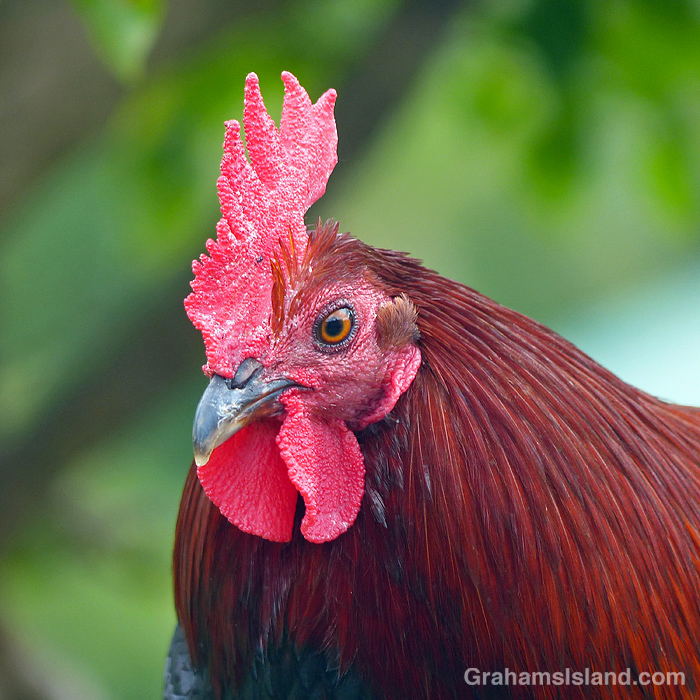
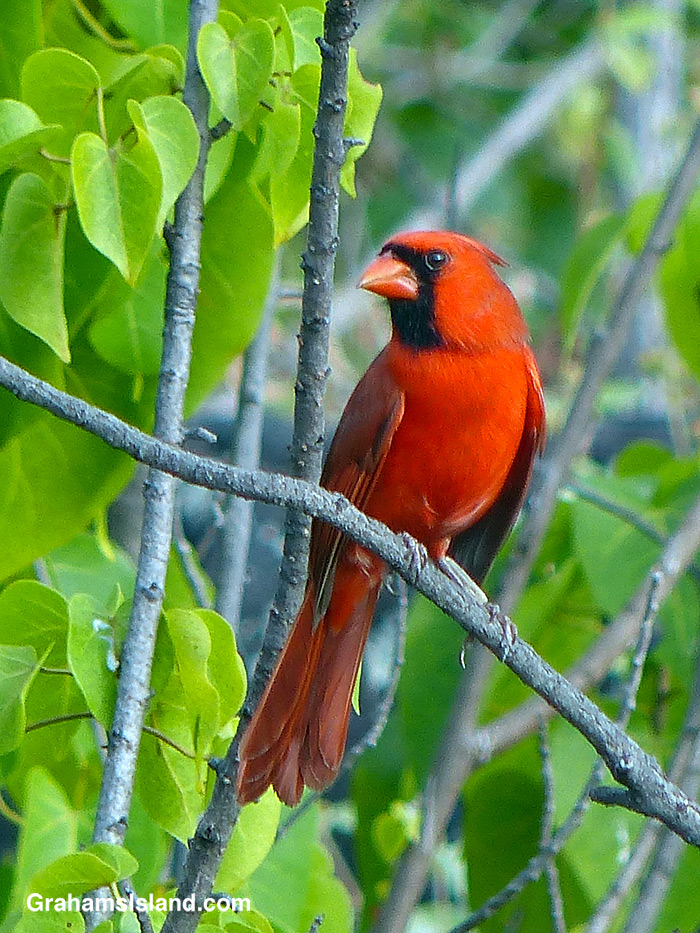
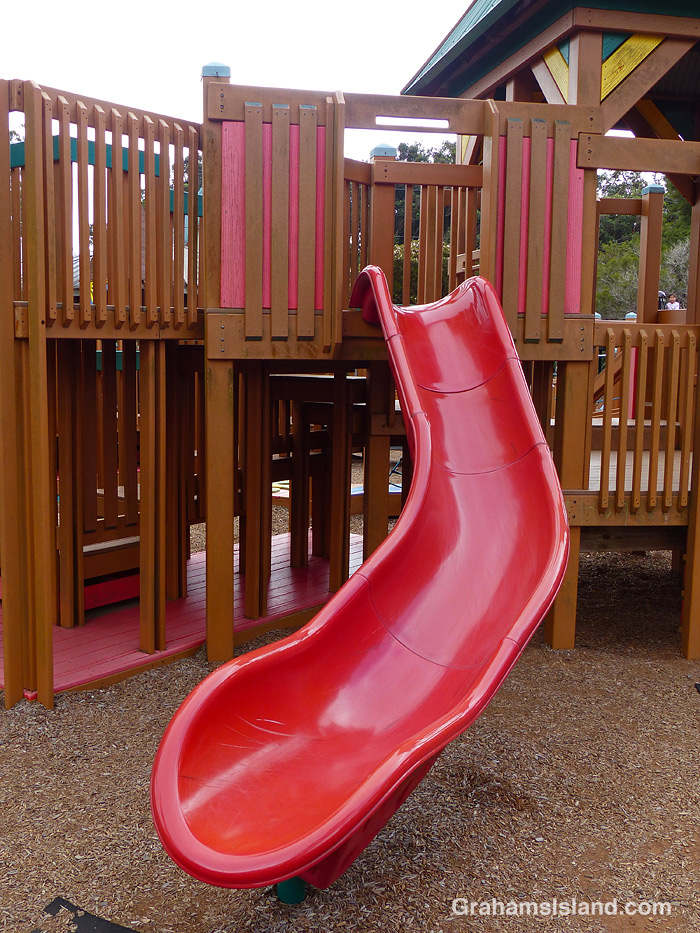
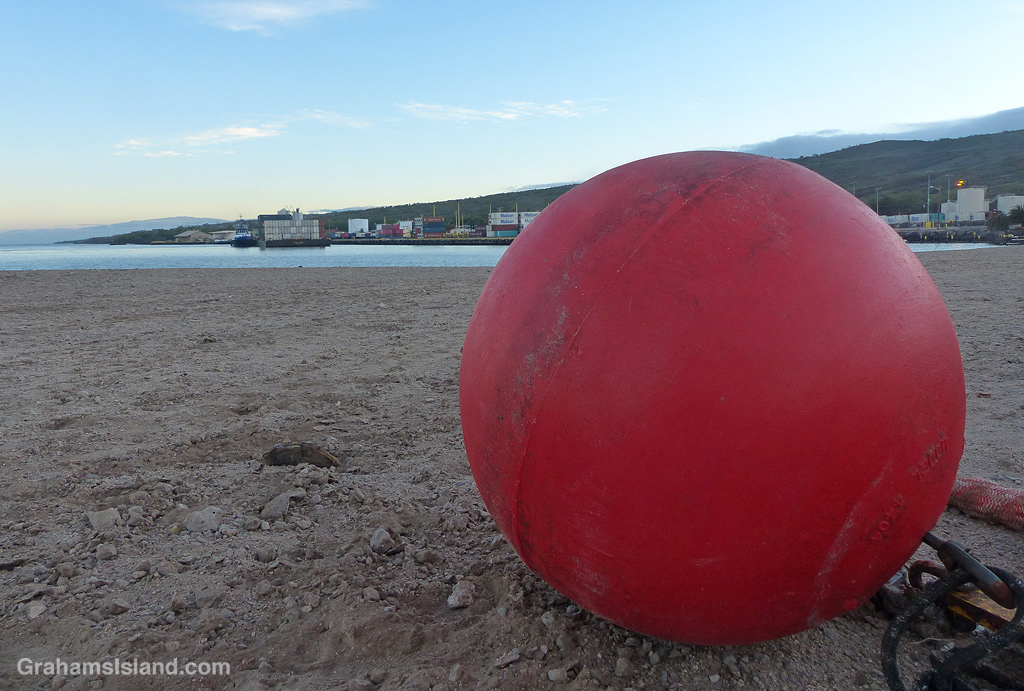
This month’s Sunday Stills Color Challenge is ‘Red.’ See more responses here. A variety of subjects for this one!

Ghost plant (Graptopetalum paraguayense) is a succulent that comes from Mexico. Like many succulents, it does well here in Hawaii, being tolerant of heat and requiring minimal water. This one, though, is actually hardy to below-freezing temperatures.
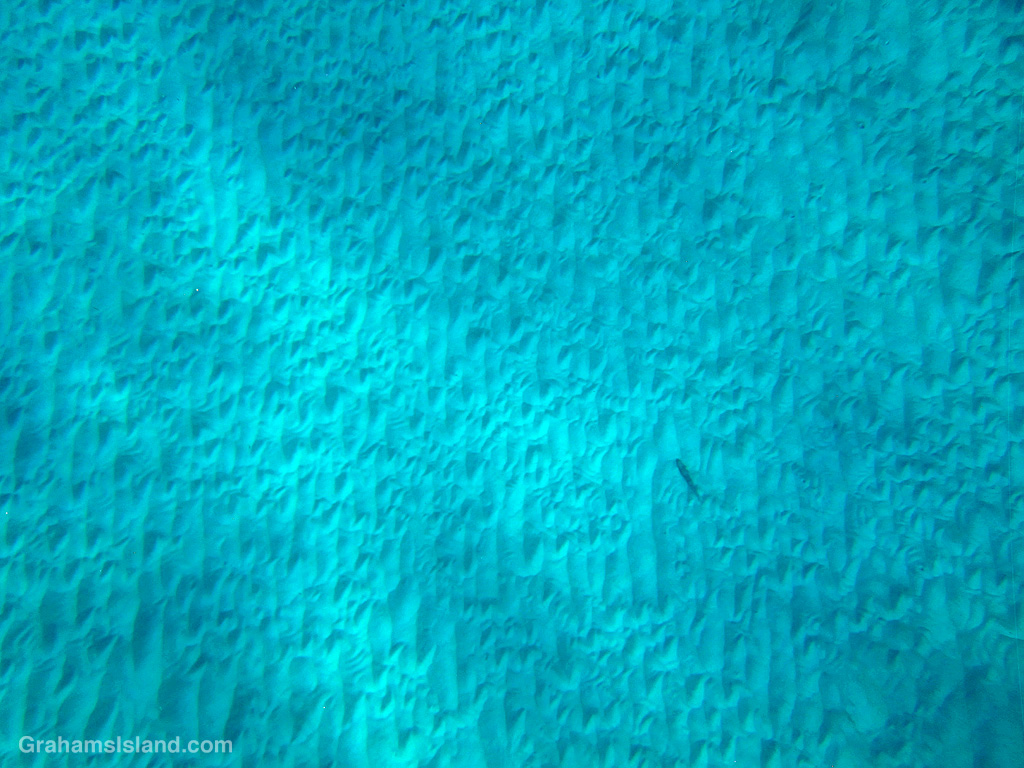
A large patch of sand is sculpted into patterns by the water movement over it. Sometimes these patterns can last quite a long time. Other times they change from day to day. Sandy areas tend to have less fish activity, but there is one fish in this photo.
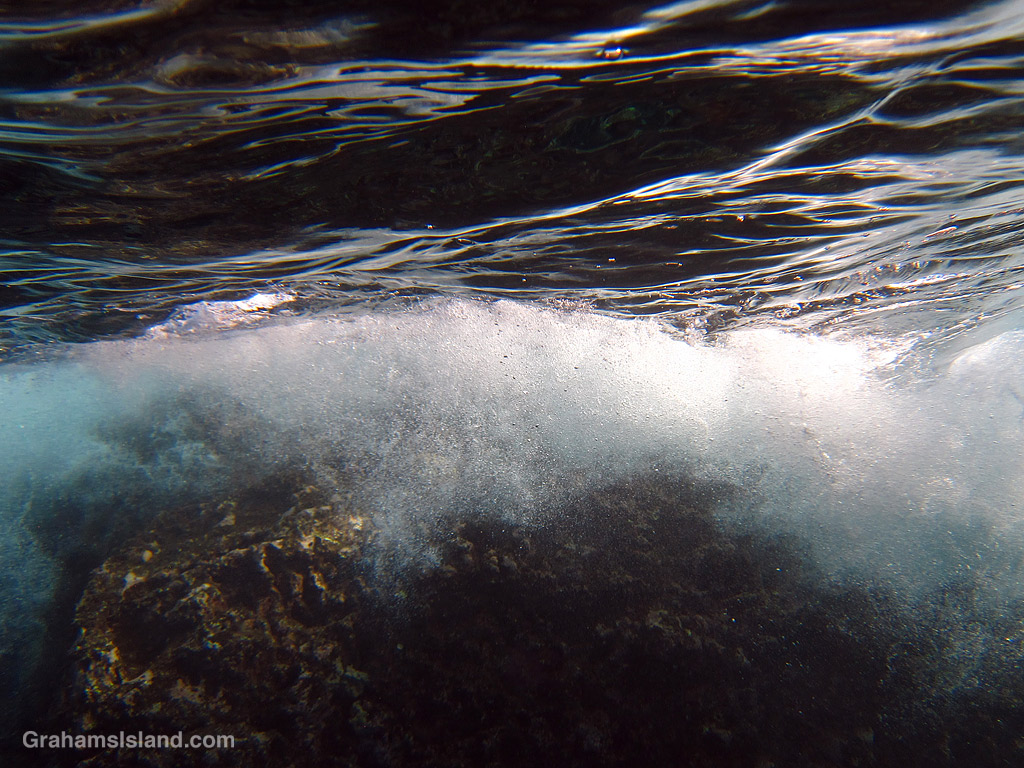
One of the things I enjoy when snorkeling is watching the turbulence that occurs when swells encounter rocks in shallow water. The trick for this activity is to find a safe spot to observe it without getting caught up in it, and being slammed against the rock.

I posted a similar photo to this one a couple of weeks ago (here), and I was asked if I had a photo with the boat in the stream of light. I did and this is it, with the other below for comparison. I think I still like the original one a hair better.


This rather puffed up Zebra Dove was perched on the cable line, looking this way and that, as birds do. I’m always amazed at how they maintain their balance.

