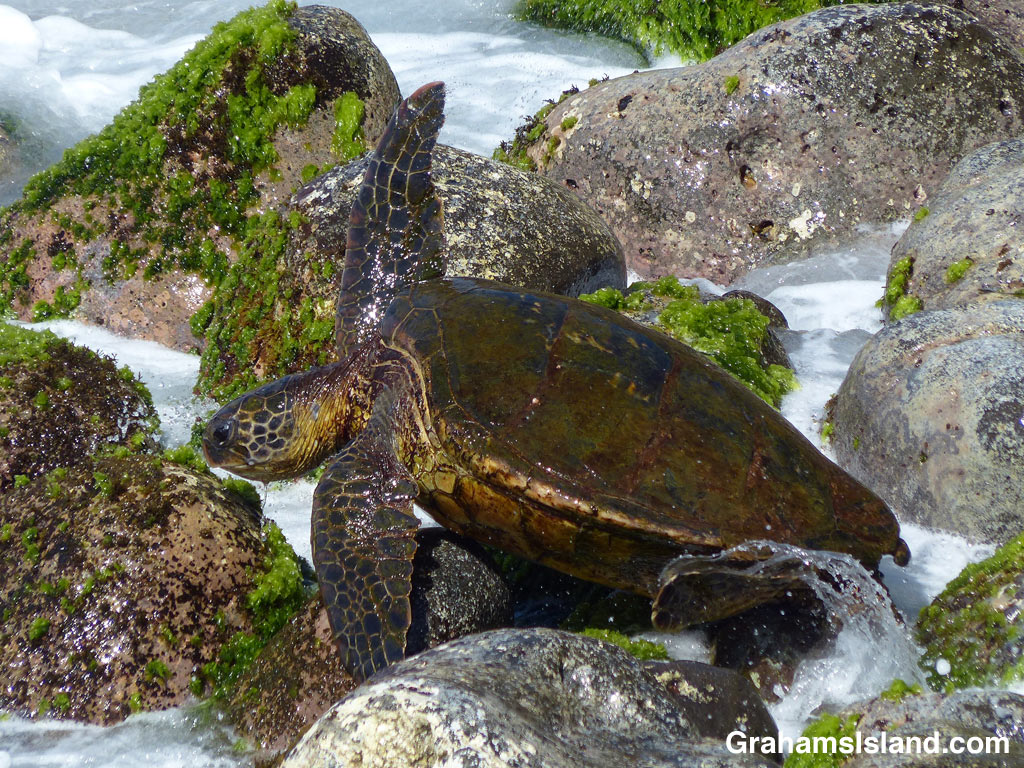
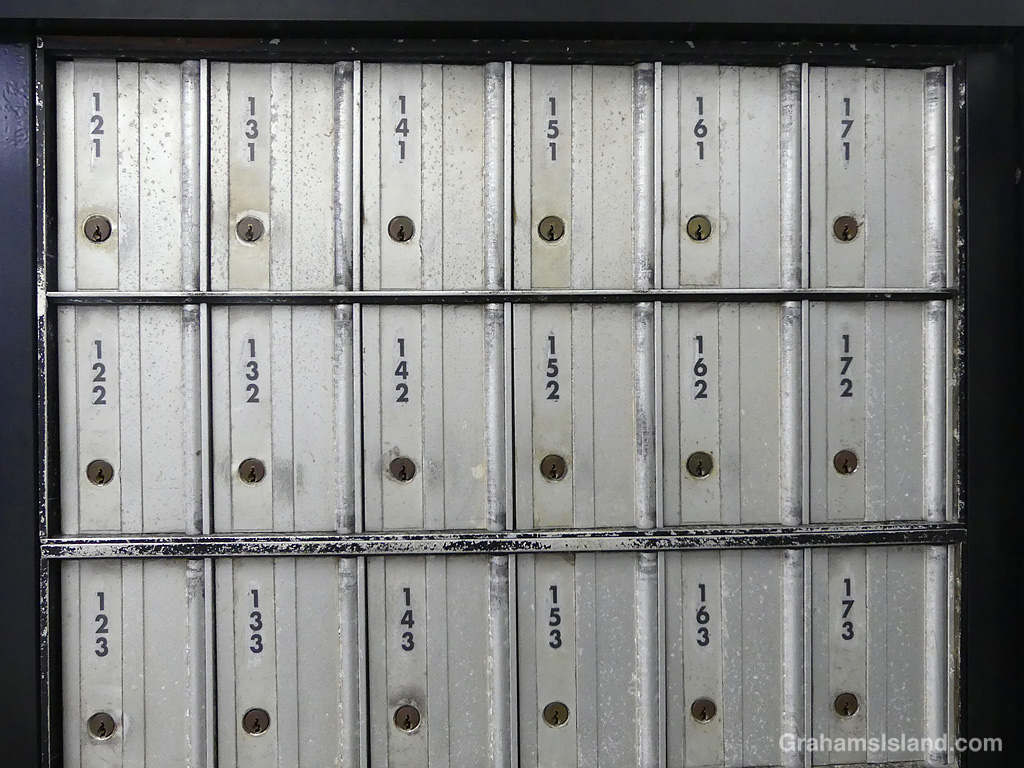
The idea of The Numbers Game is to enter a number into the search bar of your computer and then post a selection of the photos that turn up. This week’s number is 133. Captions are on the photos.
You can see more responses here.
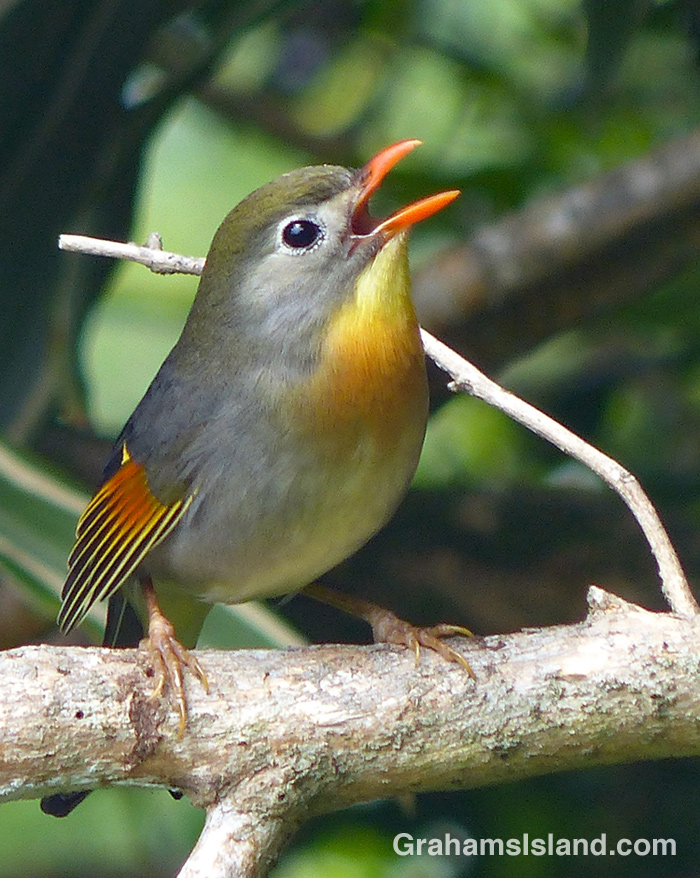
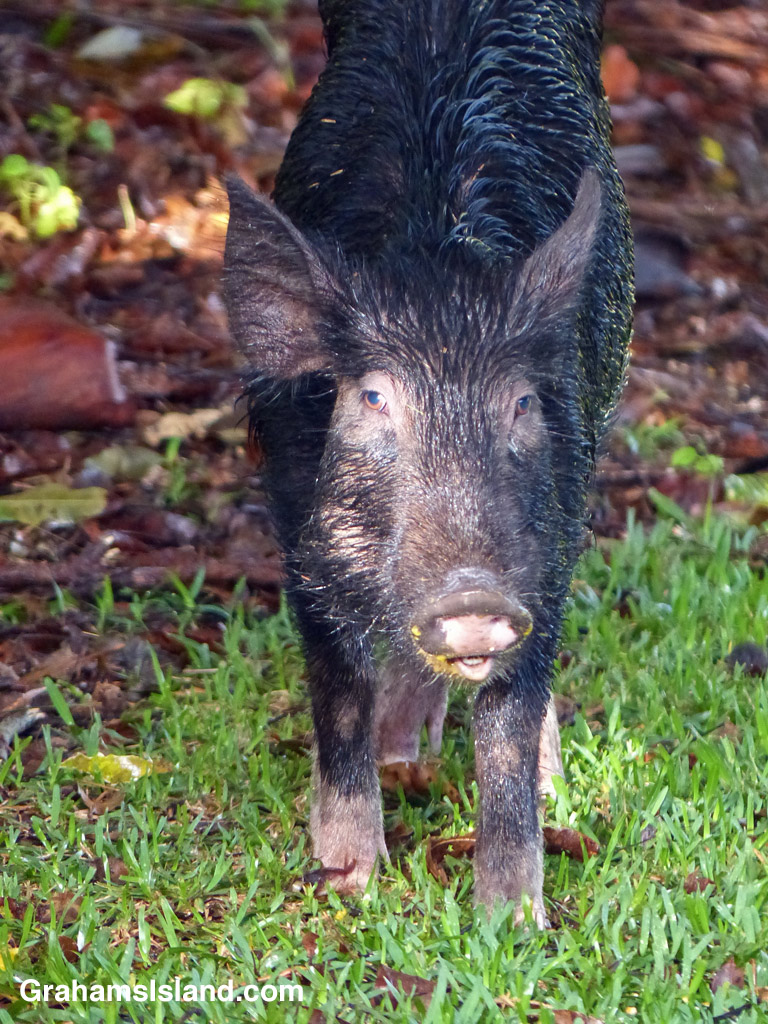

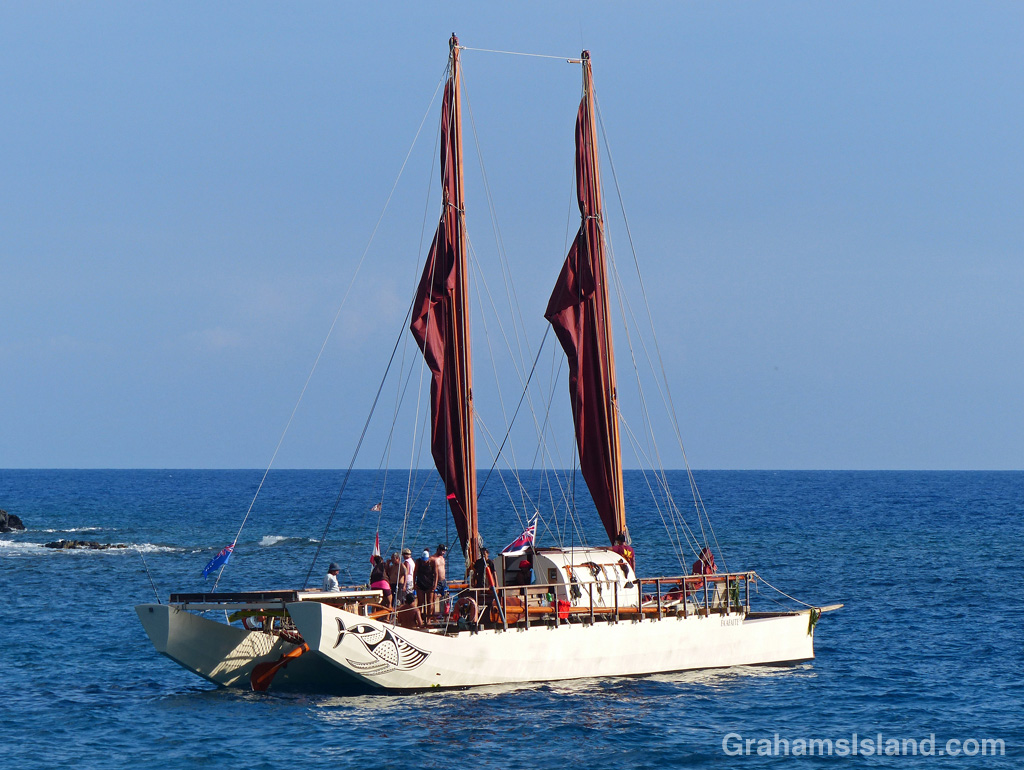
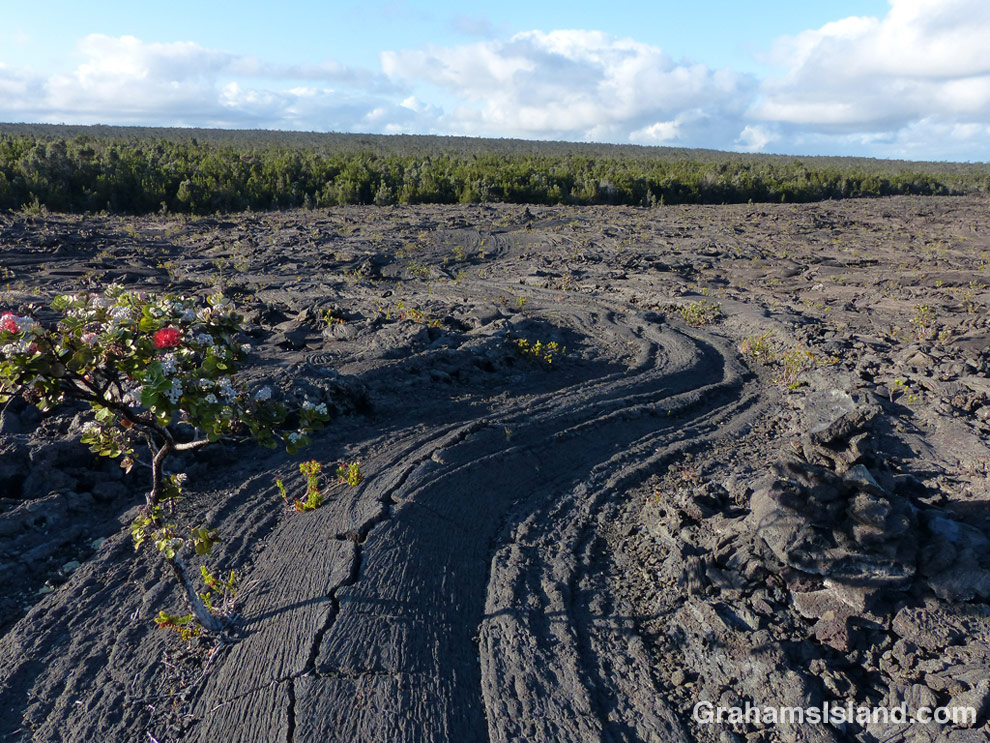
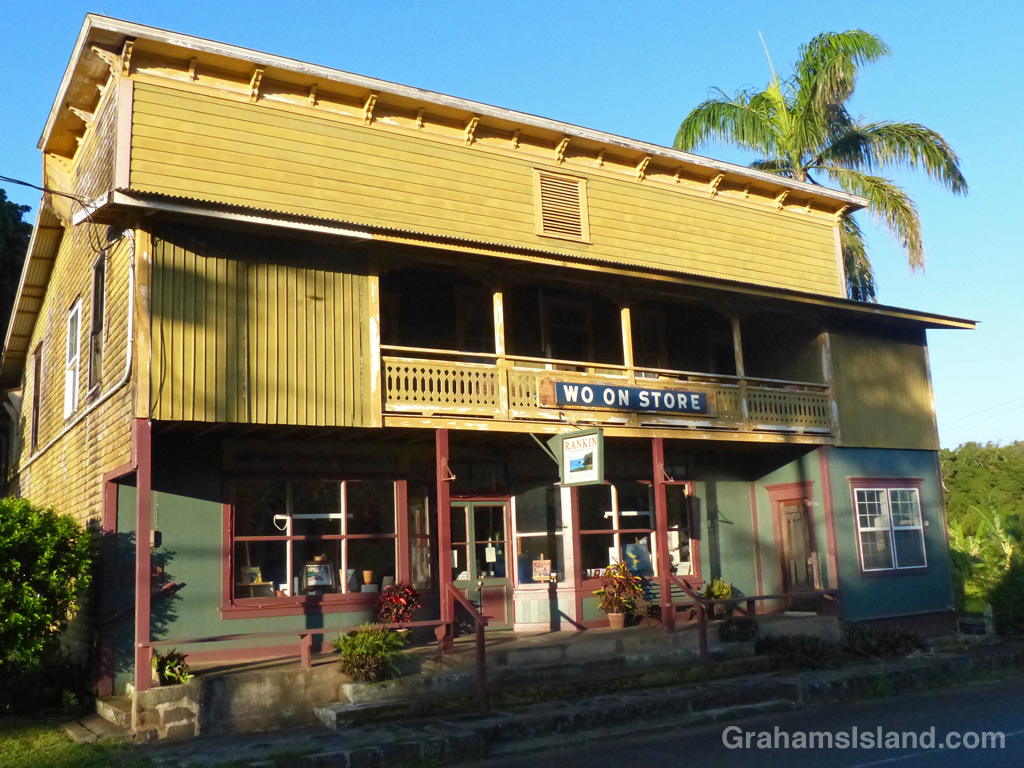


The idea of The Numbers Game is to enter a number into the search bar of your computer and then post a selection of the photos that turn up. This week’s number is 133. Captions are on the photos.
You can see more responses here.

This Spotted Pufferfish was in the open when I first saw it, but it quickly disappeared under a ledge before I got a photo. I waited though, and sure enough, it couldn’t resist a peek to see if I’d gone.

Hawaii Island Retreat sits on a steep cliff on the windswept North Kohala coast. There are a couple of public access trails leading down to the coast there. One passes in front of the main building and this is where this swing can be found.
I think I could be happy rocking back and forth there for an hour or two or three, and disembark a more balanced and contented individual!
For more information about Hawaii Island Retreat, go to hawaiiislandretreat.com.
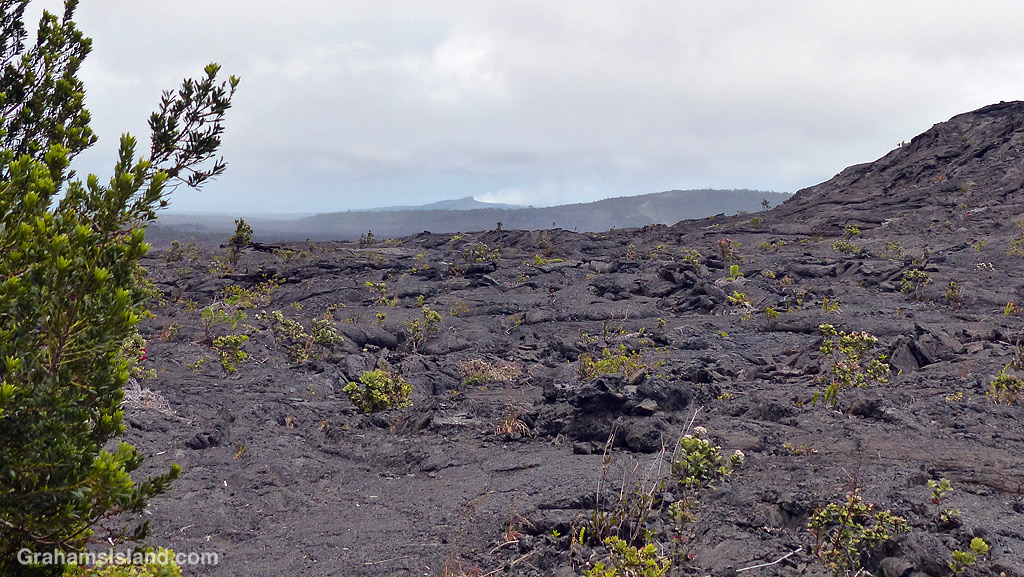
The idea of The Numbers Game is to enter a number into the search bar of your computer and then post a selection of the photos that turn up. This week’s number is 132.
You can see more responses here.
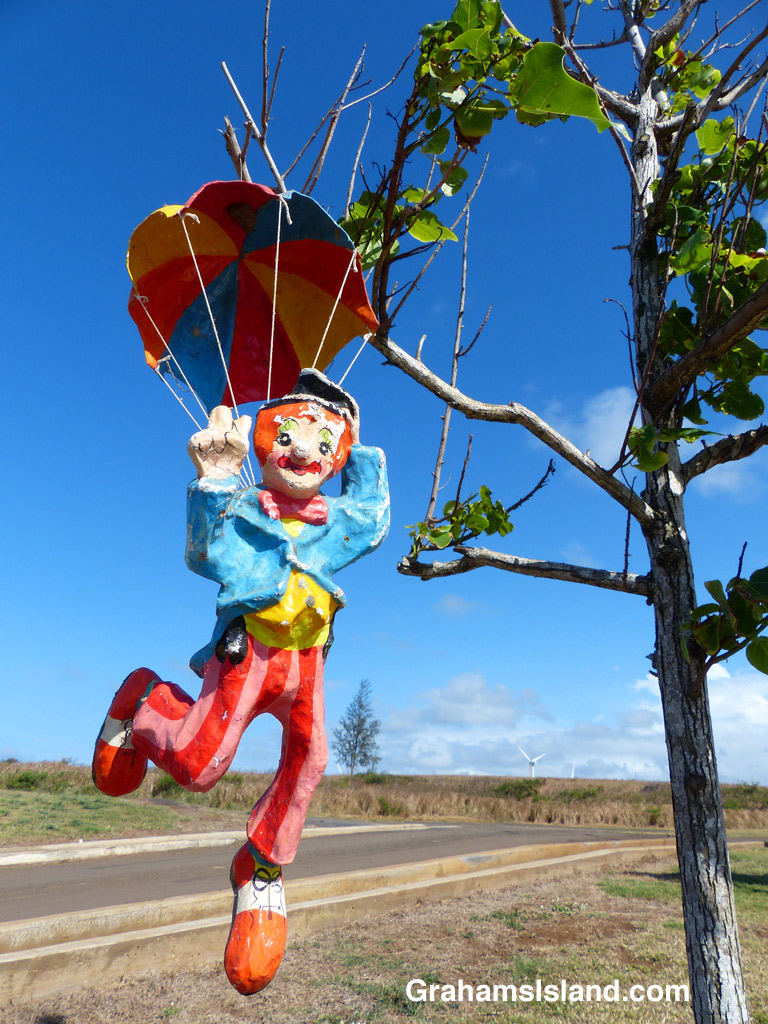
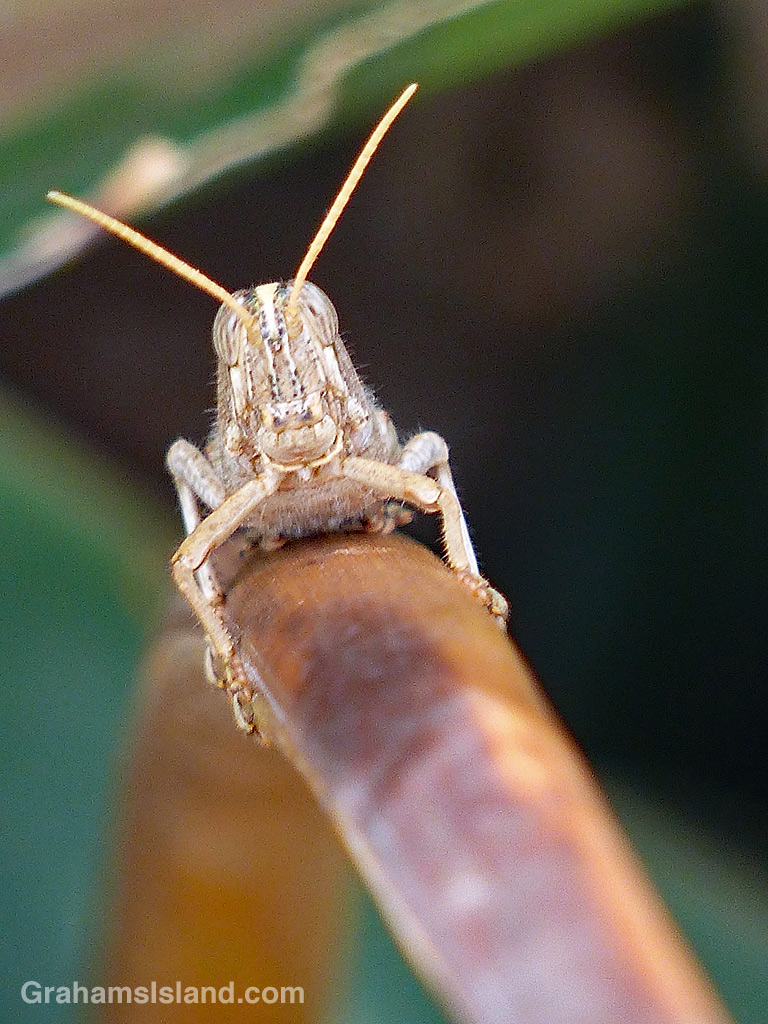
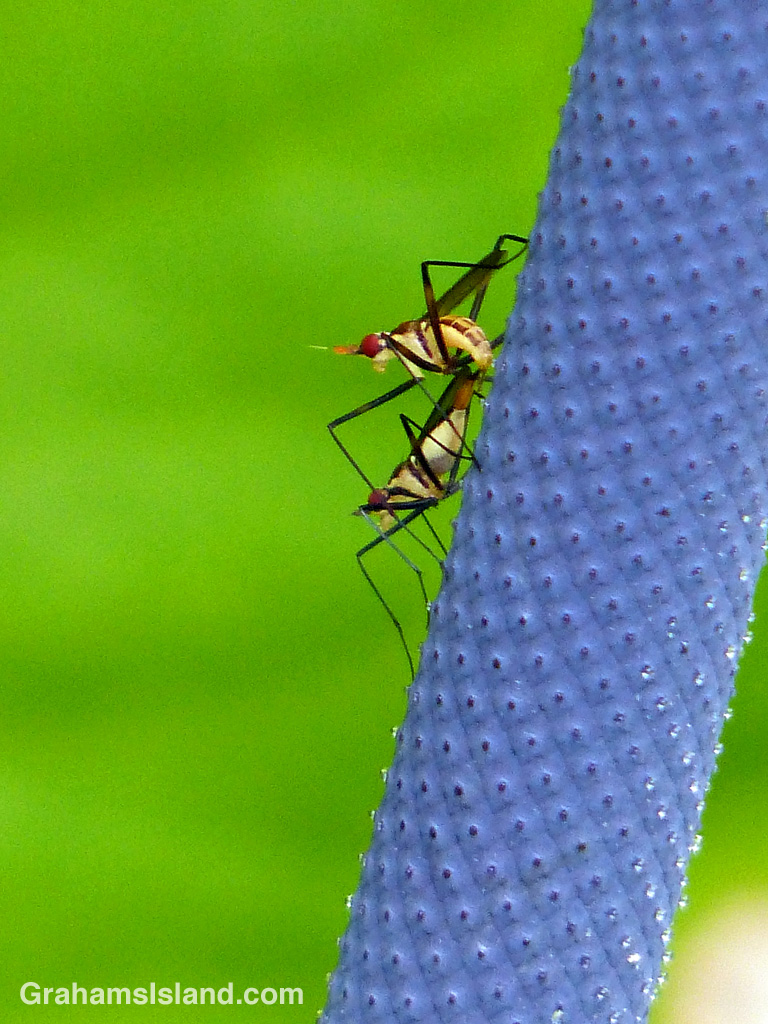
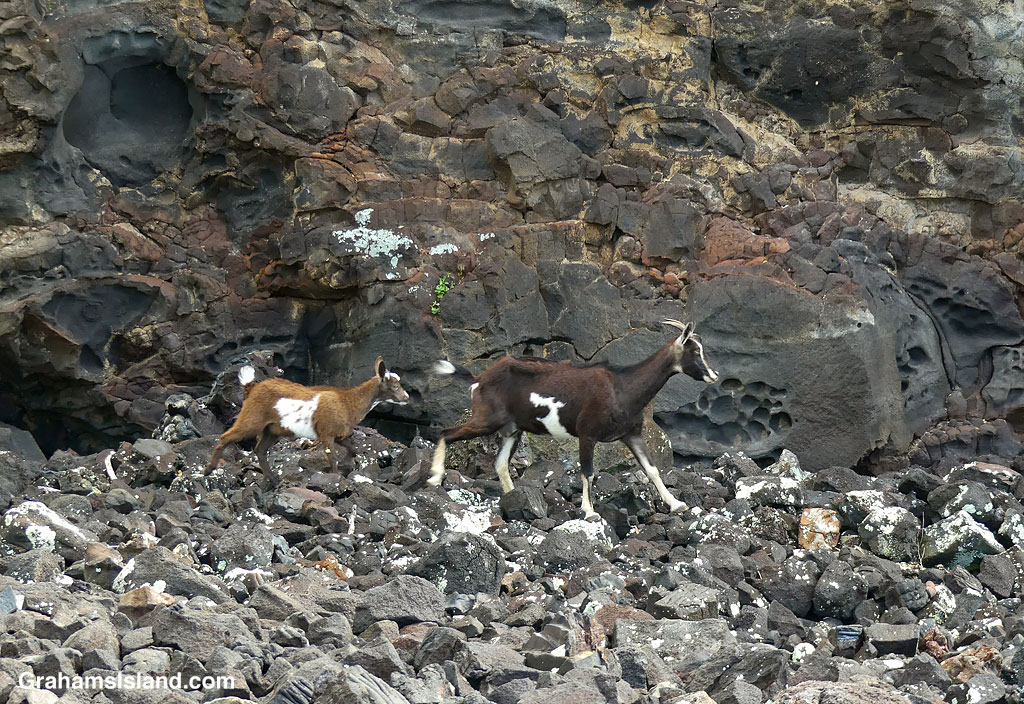
I was hiking the 1871 trail, south of Pu’uhonua o Hōnaunau National Historical Park, when I saw these goats scrambling down a rocky slope. I thought they matched the terrain well.

A rainbow and Mahukona Lighthouse seen from the water.

A school of Convict Tangs grazes on algae on the rocks.
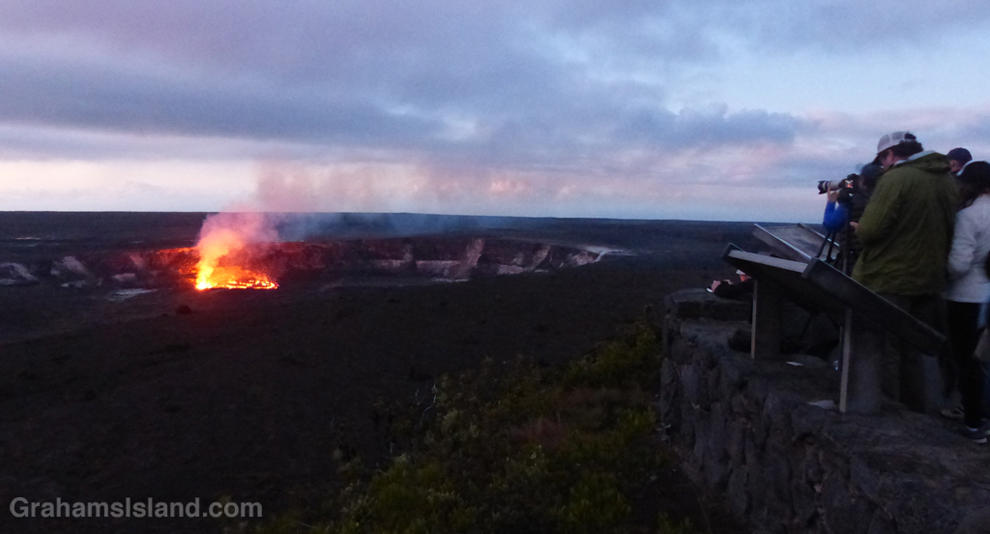
This week’s Sunday Stills challenge theme is ‘Iconic Places and Spaces.’ See more responses here.
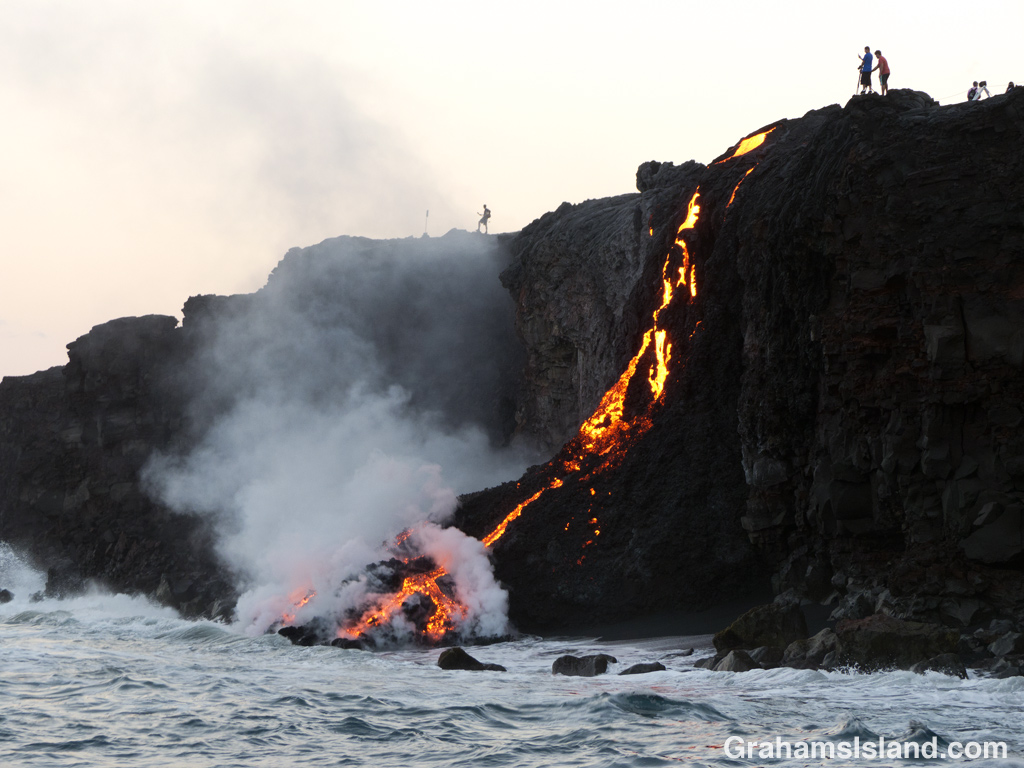
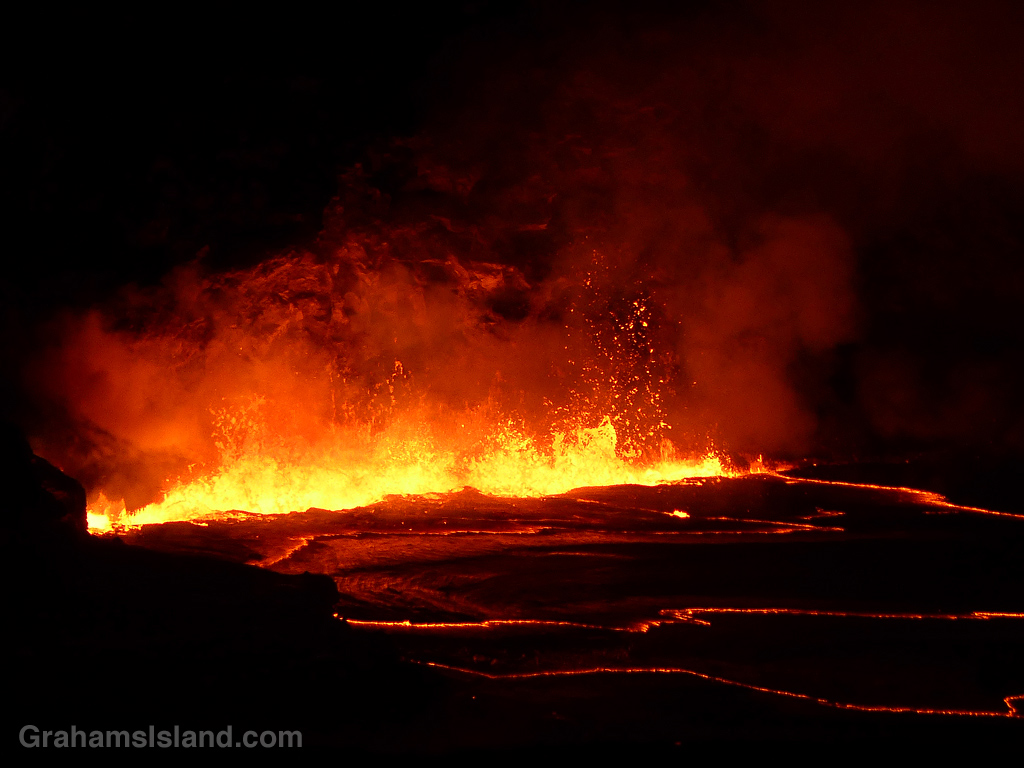
I wasn’t sure what to post for this, but Kilauea is about as iconic as anything on the island, so I thought I’d post some photos from volcanic activity that I’ve seen since I moved here. Captions on the photos with a link to the original post.