
A long-tailed blue butterfly feeds as it makes its way along a kiawe flower.

A long-tailed blue butterfly feeds as it makes its way along a kiawe flower.


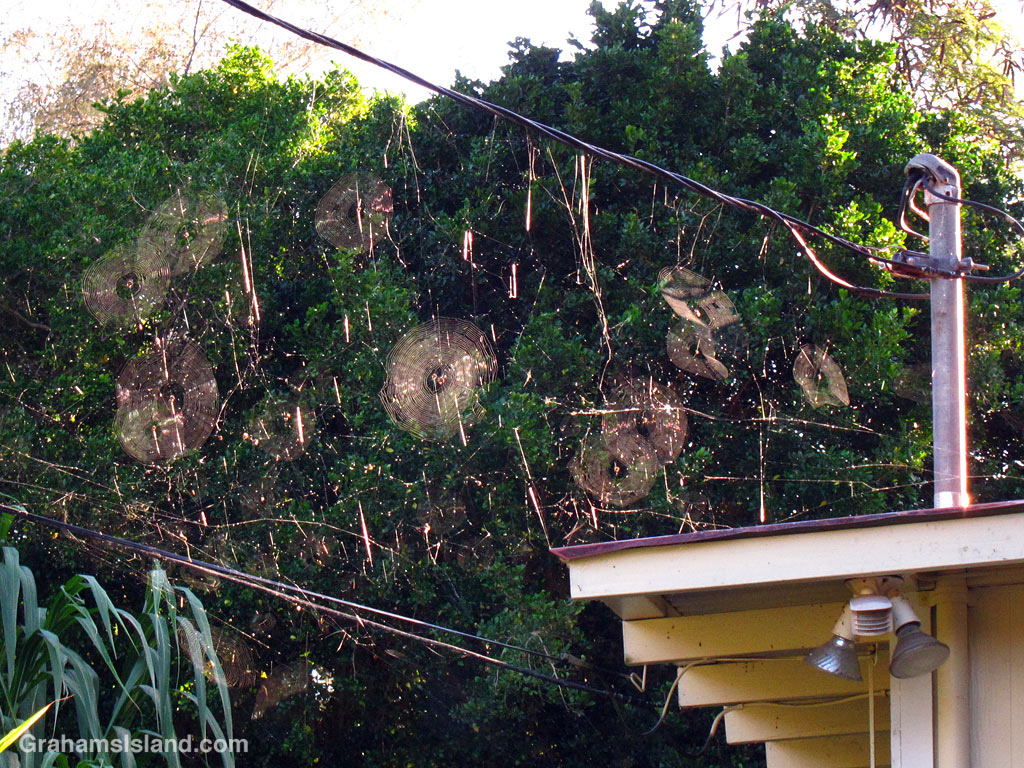
Outside my bathroom window, a colony of crab spiders has created a vast network of webs between the house and utility lines. The image (bottom photo) would have been a good one for Halloween.
In amongst the crab spiders, a female Hawaiian garden spider has staked out a spot. It’s close to the window and I get a good view of what she’s up to. Usually there are one or two little cocoons of white webbing where she has captured and stashed a wee bug for later.
On this morning I glanced outside and saw a large brown shape stuck in the web and lightly wrapped in white. So I went outside and took the top photo of the unfortunate victim. When I looked at it, I realized the garden spider wasn’t the only one in the photo. I noticed a much smaller spider on the stick insect. So I went out again and took the second photo.
I don’t know what kind of spider it is, but I liked its shiny metallic abdomen. I assume that spider was in the process of snagging itself a free meal. The garden spider didn’t seen too bothered, I presume because she figured such a small spider wasn’t going to deplete her larder very much.

I saw a this passion vine butterfly flitting from one colorful flower to another to feed. The purple zinnias are particularly striking, especially when viewed from above.

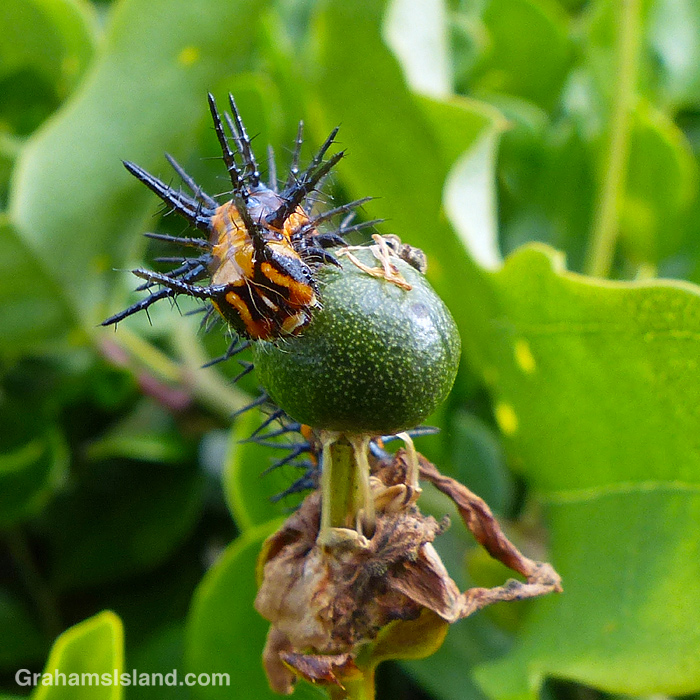
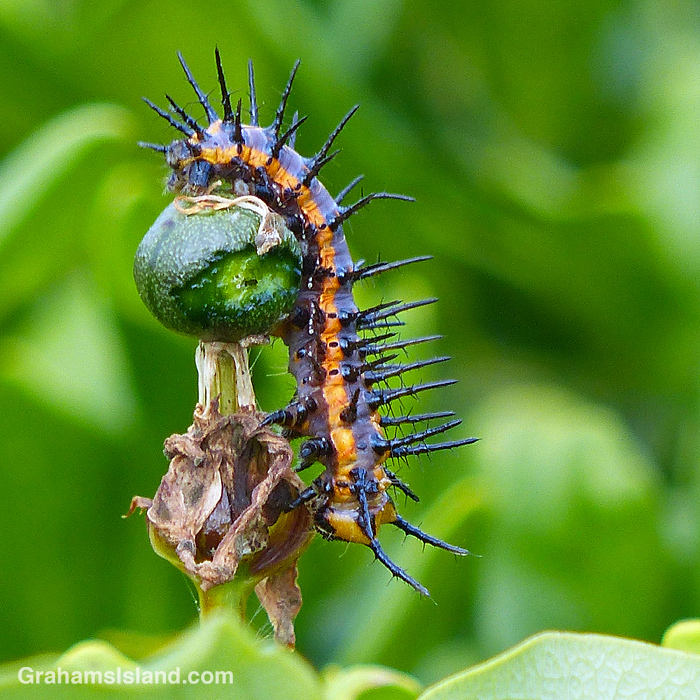
This is a caterpillar with a message and the message is ‘Back off.’ This is illustrated by the orange and black coloring and black spikes, which in this case conveys that these caterpillars are poisonous. Fortunately, I wasn’t hungry at the time so no harm done. Passion vine butterfly caterpillars, on the other hand, seem to be permanently hungry. Whenever I see them they’re munching leaves like old time video game characters.
Posted in response to Becky’s October Squares challenge theme of ‘Past Squares – Spiky.’ See more responses here.
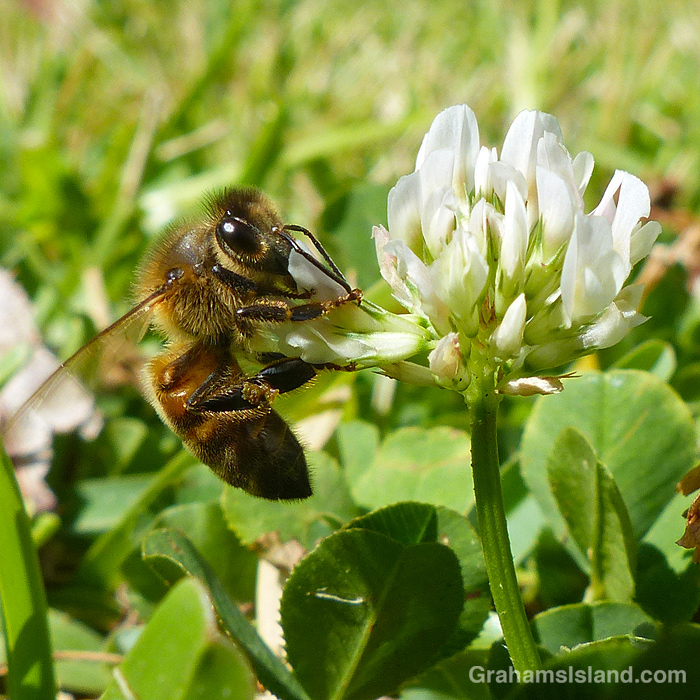
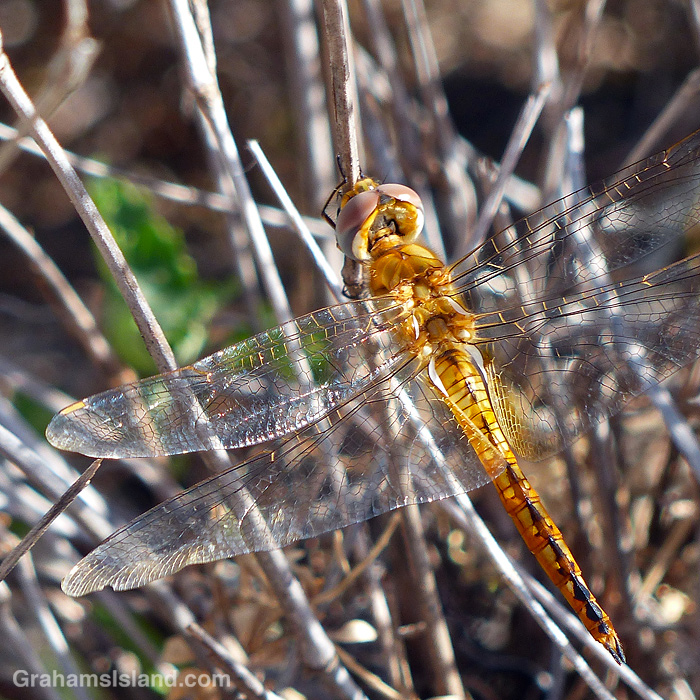
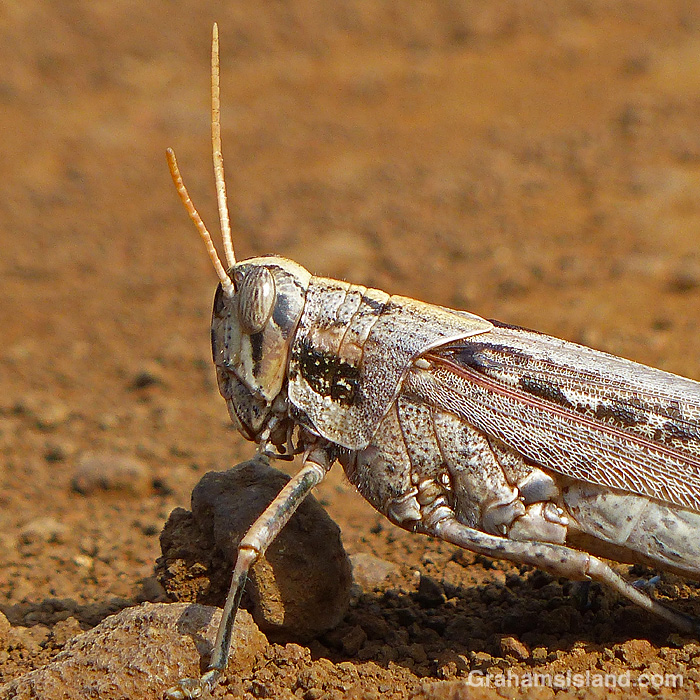
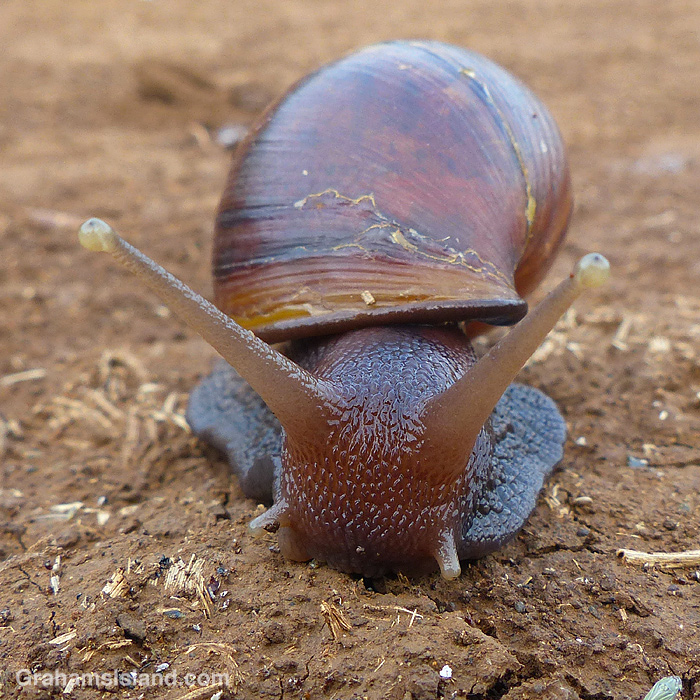
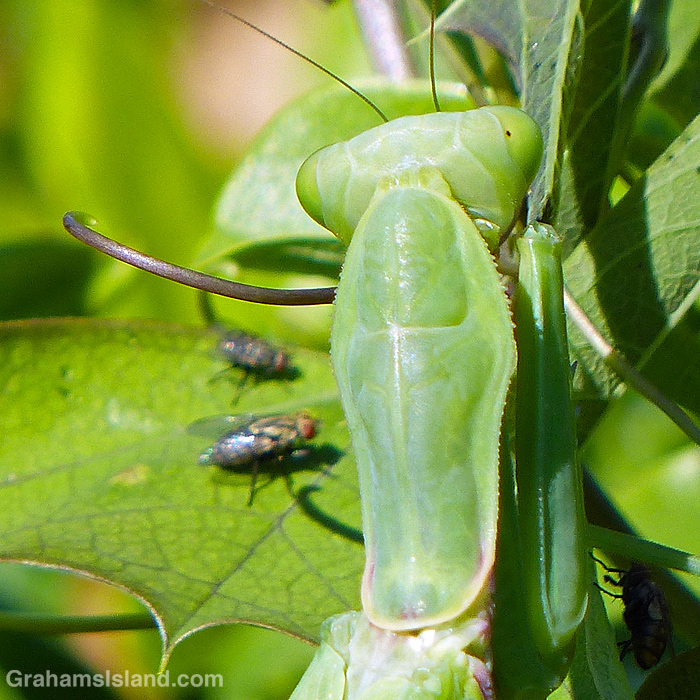
The current Friendly Friday challenge theme is ‘Close ups and Macros.’ See more responses here. Here’s a selection of some little creatures up close and personal.



I often see fiery skipper butterflies on what I know as ice plants. I thought the different color flowers were just variations within the plant but, while they’re members of the same family (Aizoaceae), they’re different plants. At the top is an Aptenia haeckeliana with its yellow flower. To the left is an Aptenia cordifolia with a magenta flower.
It’s a different butterfly on the two flowers, but both are fiery skippers.

I found this black witch moth on the lawn and took the opportunity to get a few photos of its gorgeous patterns and coloring.




 Graham's Island