
A bee, already heavily laden with pollen, flies in to examine a rose jatropha flower.

A bee, already heavily laden with pollen, flies in to examine a rose jatropha flower.
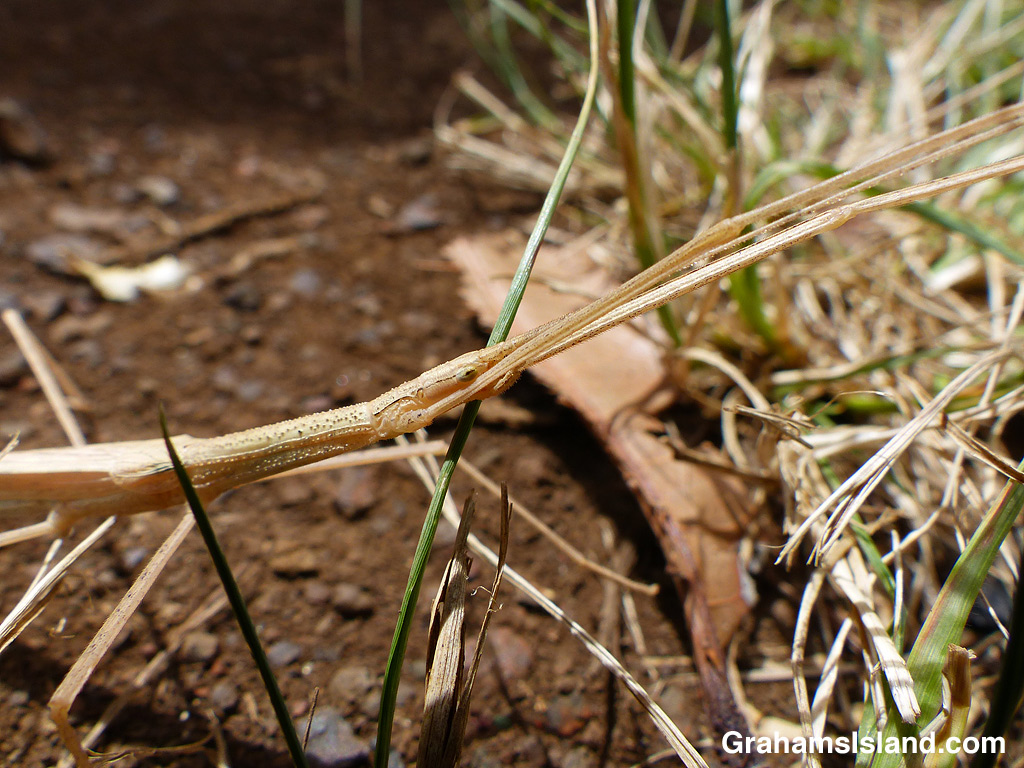

It might not be on a stick, but this stick insect blends into it surroundings of green and dry grass.


This passion vine butterfly was feeding on passion flowers, but it will feed on many other flowers, too. It gets its name because passion vines are the host plant for the passion vine butterfly’s caterpillar. Those caterpillars spend their days munching leaves, many of which have little yellow bumps on them. The bumps, which can be seen in the photos, are the plants’ way of trying to fool the butterflies into believing that there are already eggs on the leaves and so it’s not a good spot to lay more.
It’s hard to know how effective this ruse is. I’ve seen many butterflies laying eggs on these leaves, but perhaps some are discouraged. Regardless, the caterpillars will move from leaf to leaf while chowing down, but they never seem to defoliate the plant, which is, in any case, a robustly growing vine.
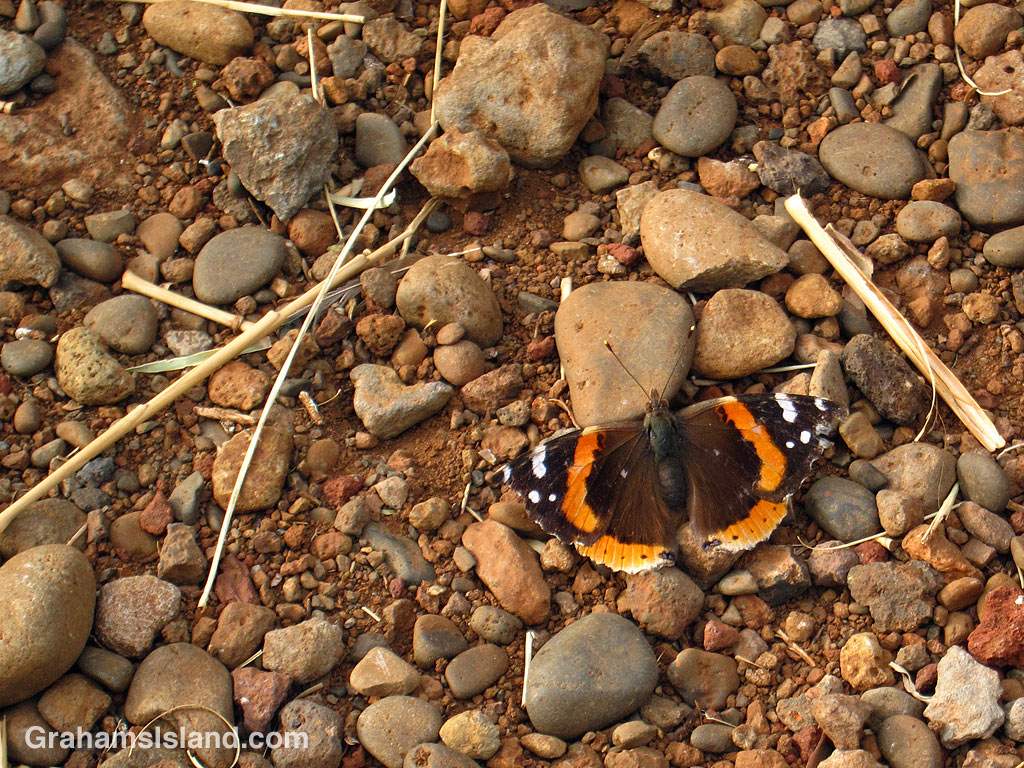
The Red Admiral butterfly is a European native that arrived in Hawaii in the late 1800s. Despite the longevity of its time in Hawaii, it’s a butterfly that isn’t seen a lot. This is the first one I’ve seen in six plus years here. I was on my way to go snorkeling when I noticed it and, of course, I was immediately distracted and snapped a couple of photos before it disappeared from view.
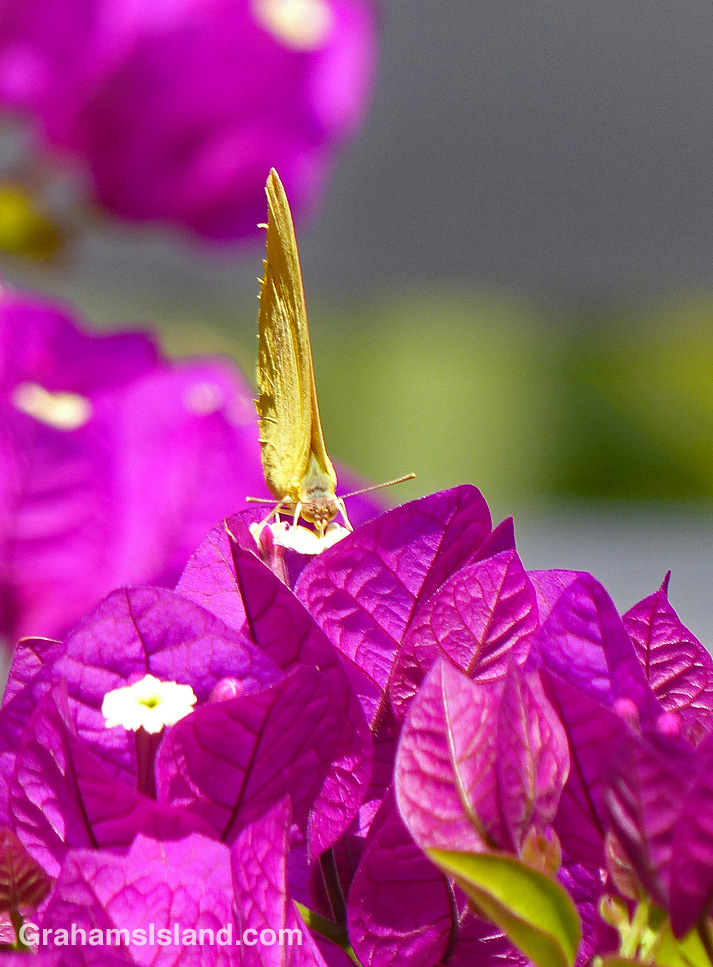
A large orange sulphur butterfly feeds on a bougainvillea. This was one of the few butterflies I’ve seen on a flowering bougainvillea. Not sure whether that’s usual or not.

This variable lady beetle was one of two scuttling around on a bird of paradise flower. The flies seemed very interested in it and kept checking it out. There were also flying ants and a wasp on the flower, drawn by the nectar no doubt.


 A busy leafcutter bee forages on aptenia cordifolia flowers. Aptenia cordifolia is an iceplant that comes from southern Africa.

When I took this photo, I thought it was of two variable ladybugs mating. However, when I processed the photo, I noticed that the lower ladybug didn’t look the same as the top one. I think, instead, it’s a seven-spotted ladybug. I also noticed that that top ladybug is climbing up the side of the other one, which is not the usual mating approach.
So now I don’t know what’s going on. It could be that the top ladybug is trying to mate and has just got things seriously wrong. Or it could be a ladybug traffic accident, with the one bug getting in the way of the other. Perhaps they’re fighting. I guess I’ll never know.
 Graham's Island