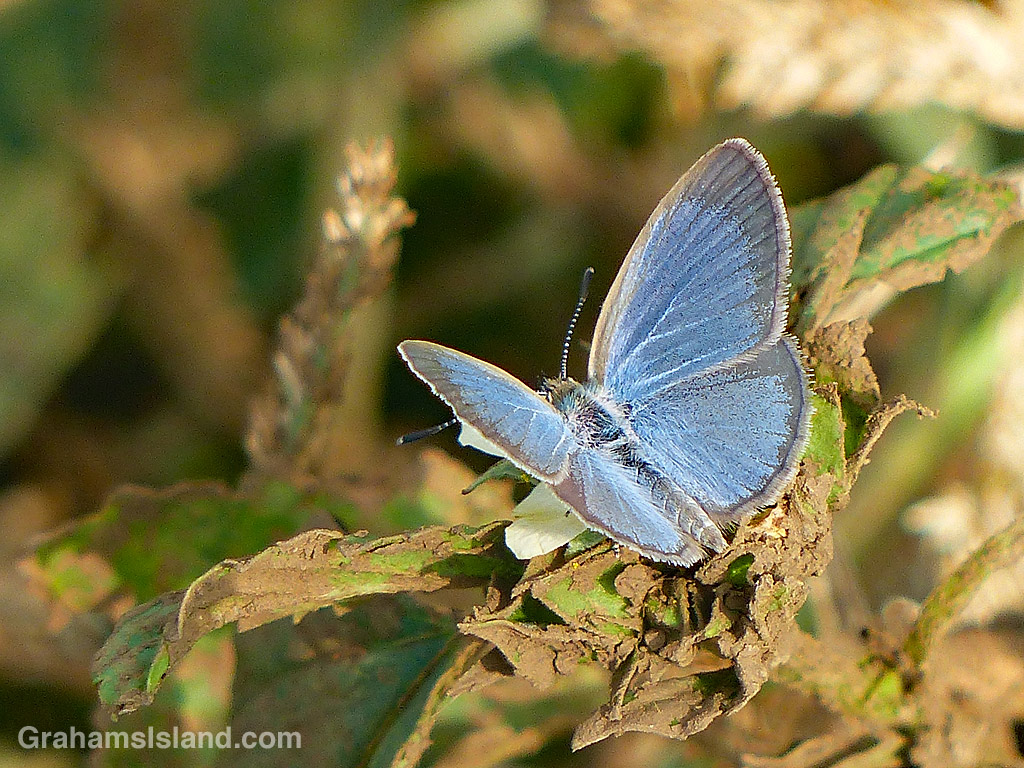
A lesser grass blue butterfly reveals the reason for its name, at least the blue part anyway.
Posted in response to this week’s Sunday Stills challenge on the theme of ‘Blue.’ See more responses here.

A lesser grass blue butterfly reveals the reason for its name, at least the blue part anyway.
Posted in response to this week’s Sunday Stills challenge on the theme of ‘Blue.’ See more responses here.
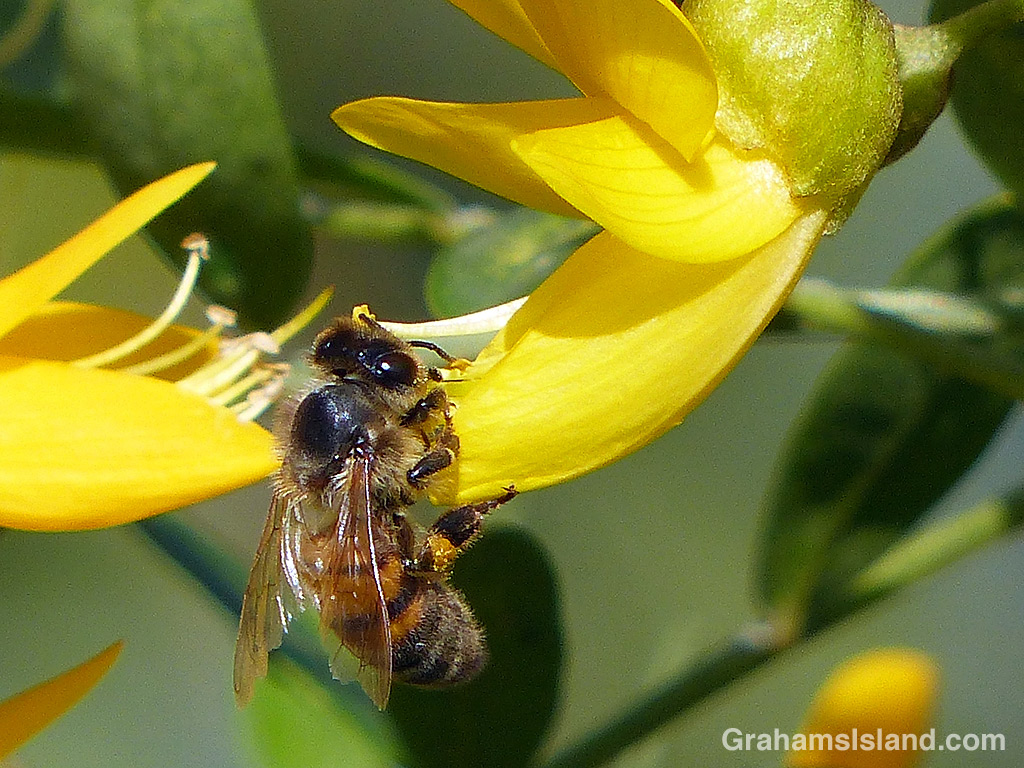
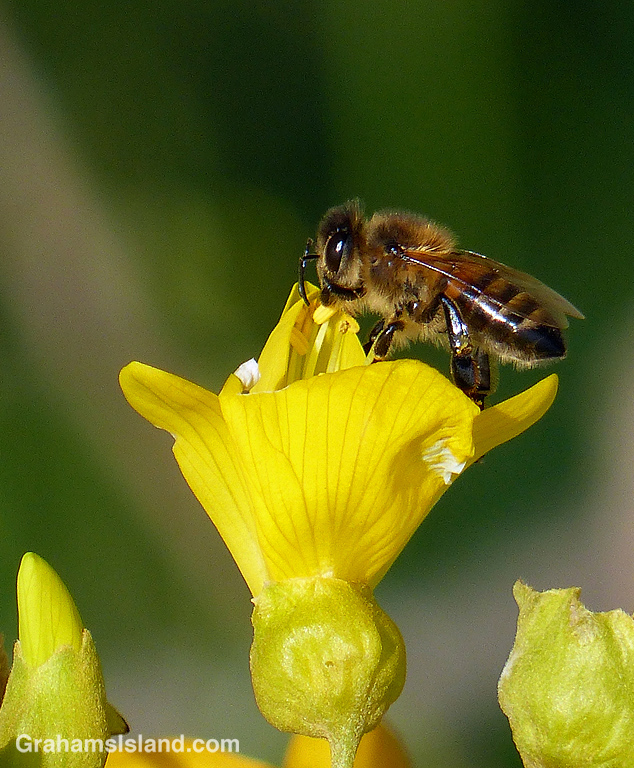
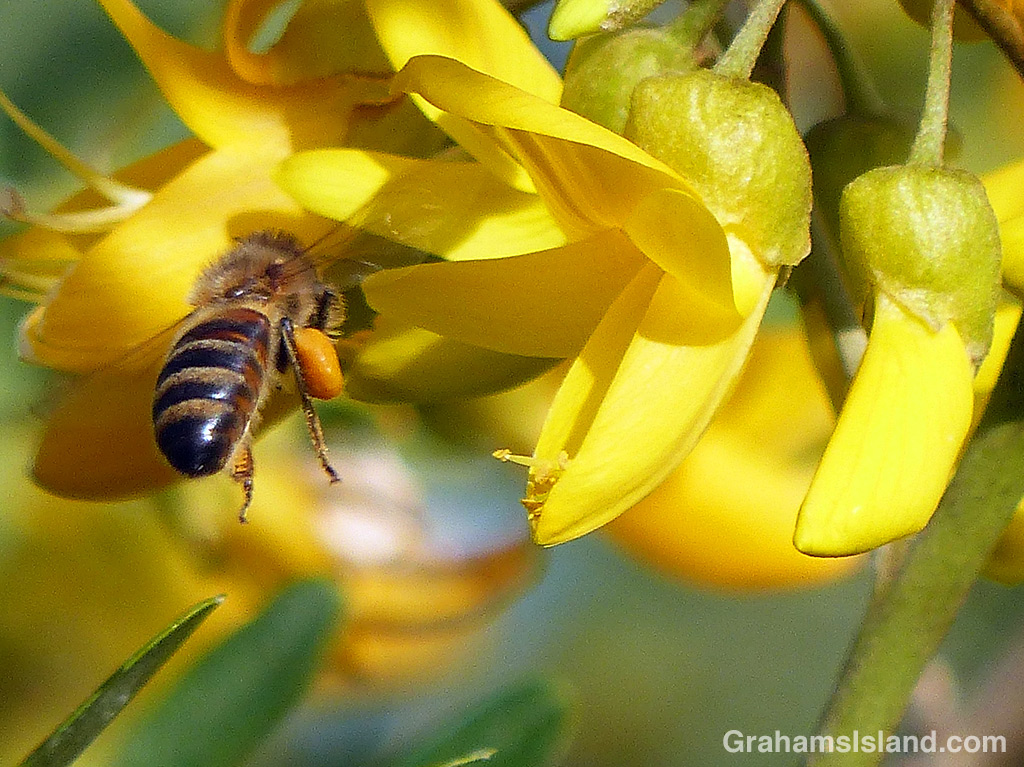
Bright yellow mamane flowers are not only a cheerful sight, but also very popular with bees. They were all over these mamane flowers on the upper slopes of Pu’u Wa’awa’a.

A green anole pauses on the mossy trunk of a ti plant.
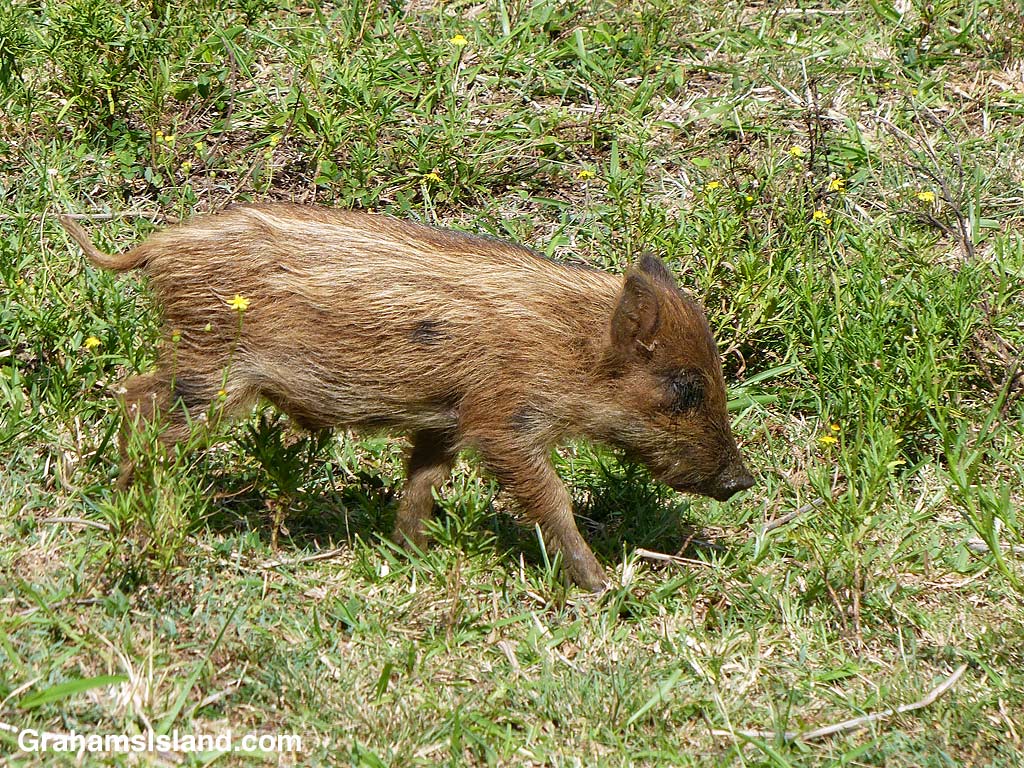

I saw this piglet wandering through a cow pasture. It is likely the offspring of a feral pig, but there were no other pigs around. At this size and age, it would probably still have been drawing on its mother’s milk. Instead, it was grubbing through cow pies in search of worms and bugs.
I didn’t see it again, but I suspect it will be lucky to survive very long.

Gold dust day geckos are colorful little creatures and I look out for them on colorful plants such as bird of paradise flowers and pink bananas. They’re attracted to these, and other flowers, for the nectar within. This one spent a considerable time drinking from this pink banana.


Yesterday, I posted about the dangers geckos pose to a praying mantis that has been living on a spider lily.
Today’s post is about the advantage of that location for the mantis. The primary benefit is that the spider lily’s flowers attract wasps, bees and other insects. In these photos, the mantis has caught a good-sized paper wasp, securely held by its forelegs. It held the wasp in that position for a while, but once it began its meal, it made short work of devouring the wasp. Next day I saw it with a bee and a beetle.
As the spider lily flowers fade, new ones pop up on other stalks, so the insect attraction has been fairly continuous.


For the past three weeks, this praying mantis has been a fixture on this spider lily. The downside of this location is that the plant is a favorite spot for gold dust day geckos. The geckos would no doubt like to eat the mantis, but have so far not made a move that I’ve seen. I suspect that one reason for this is that the geckos have learned that, while the mantis looks like it never moves, when they do, they move fast. A few futile sorties against a mantis would make any gecko decide to seek easier prey.
Tomorrow, I’ll post about the upside of this location for the mantis.

I always feel a bit sorry for cows that are plagued by the masses of flies that gather on their bodies. But I also find interesting the patterns made by the black and white cows, the direction of their hairs and the black spots of the flies themselves.
 Graham's Island