Category Archives: Birds

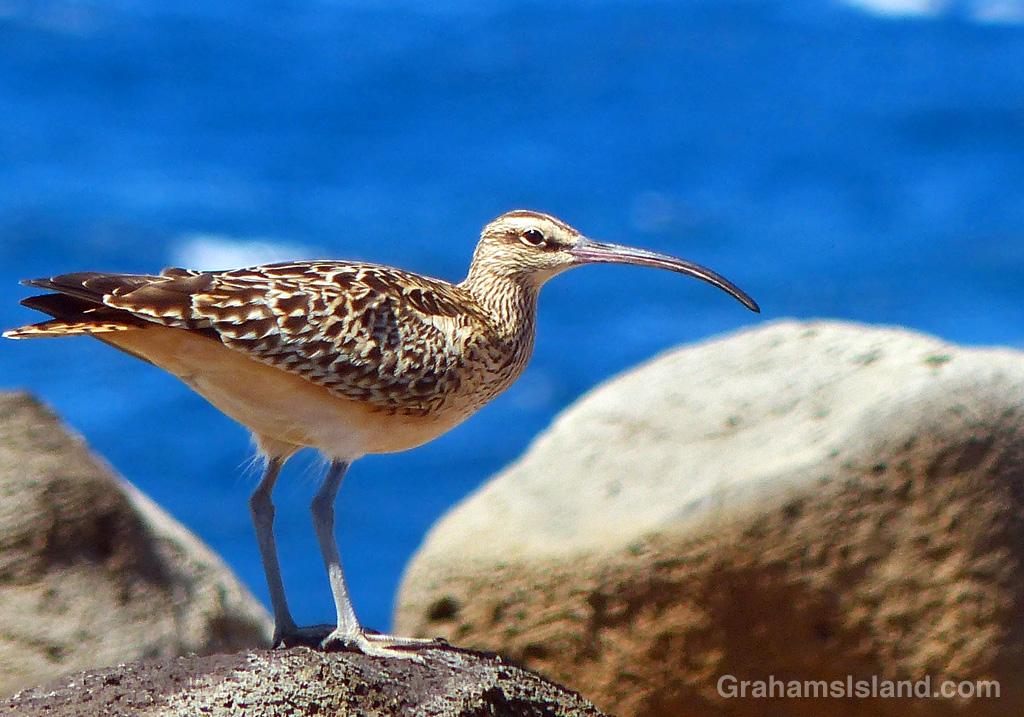
Bristle-thighed curlew

A Bristled-thighed curlew on the Big Island coast
Bristle-thighed curlew (Numenius tahitiensis) isn’t the most flattering bird name I’ve ever heard. In Hawaii it’s called Kioea, which sounds nicer. In May, these curlews migrate to Alaska (a jaunt of 2480 miles) to breed. They return to Hawaii (and other Pacific islands) in July and August. Since this particular bird was still around at the end of May, it may not be making the trip north this year.

For more information about bristle-thighed curlews, go to dlnr.hawaii.gov/wildlife/files/2013/09/Fact-Sheet-Bristle-thighed_Curlew.pdf.
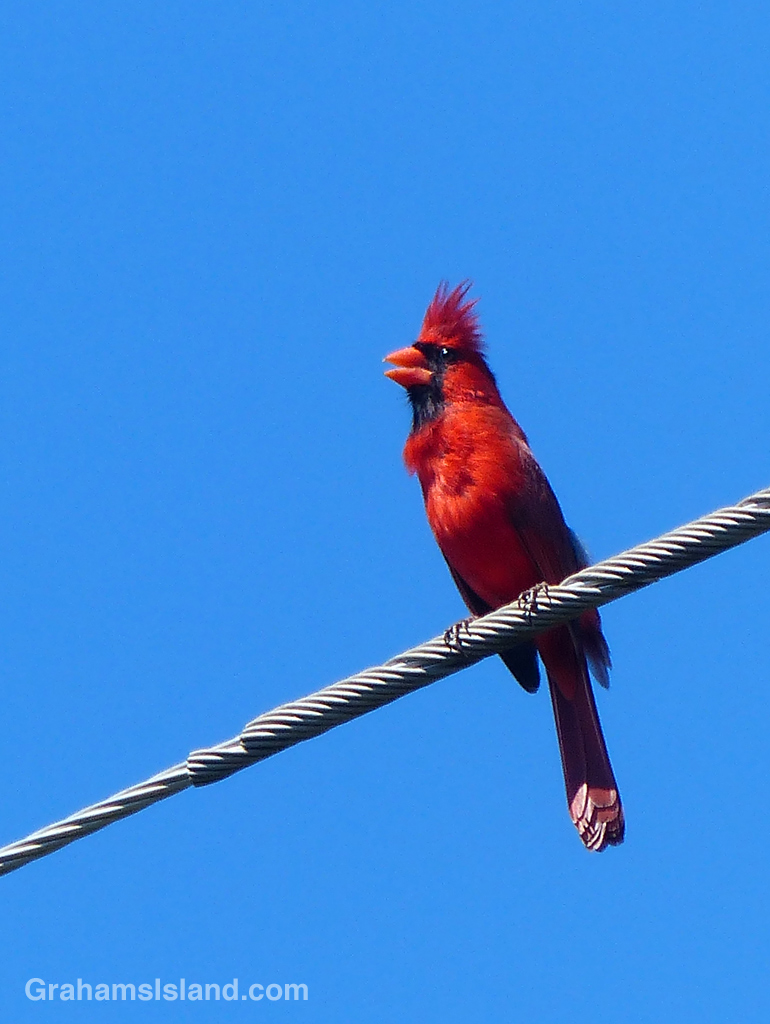
Northern Cardinal

A northern cardinal on the Big Island

Northern cardinals are an easy bird to identify, especially the males, which are a vibrant red. They are also distinctive in their calls, which are loud and varied. I know this because the pair that live near the house are among the first birds to rise and, around five in the morning, their calls cut through the relative quiet like tsunami warning sirens.

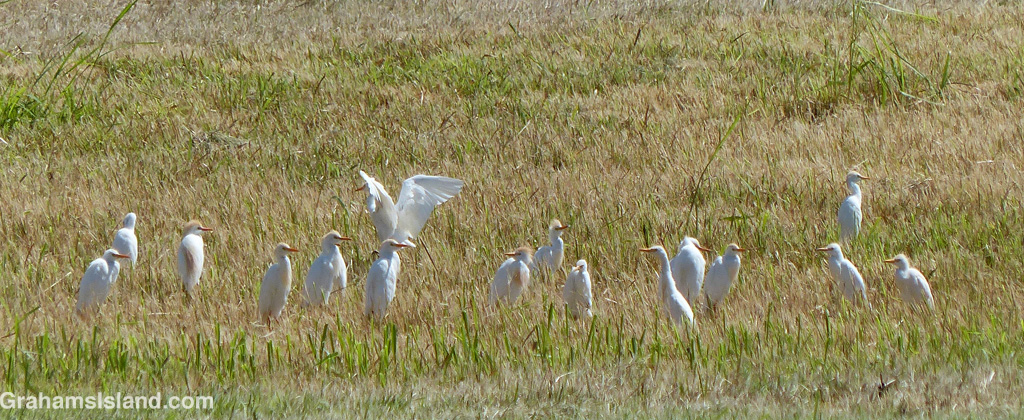
Cattle egrets

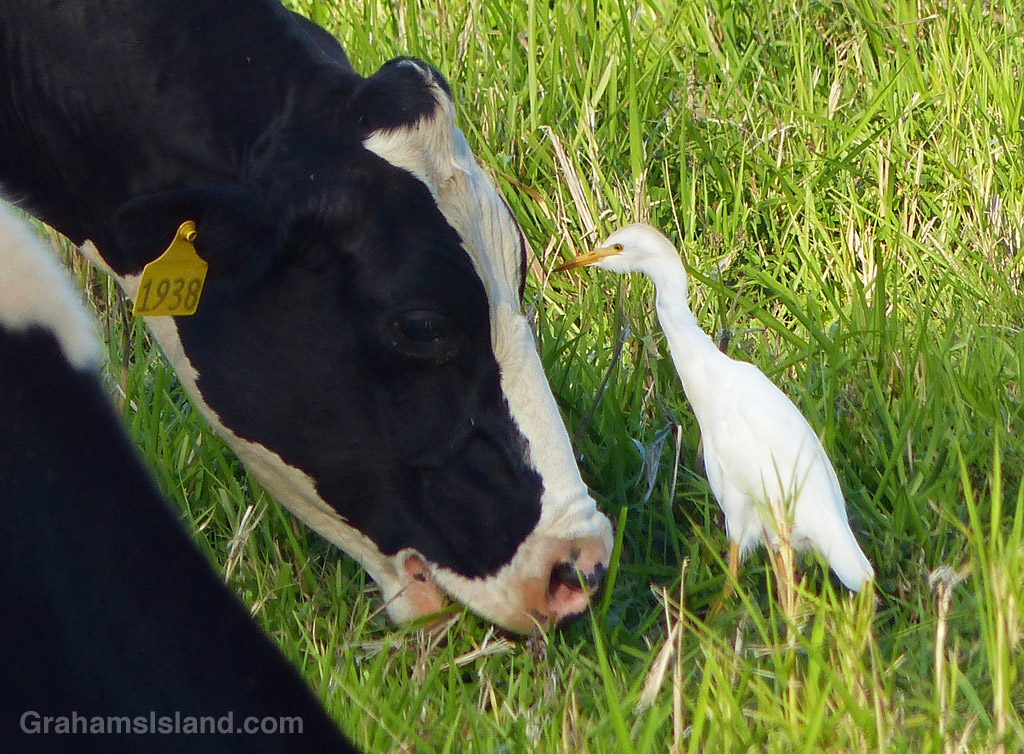
A cattle egret checks in with its cow.A cattle egret in a pasture
Cattle egrets are a common sight, particularly in rural areas. The name comes from their tendency to spend a good deal of time with cattle and other large mammals. Not only do they feed on insects and other small creatures disturbed by the cattle, but they also eat ticks and flies on the cattle themselves.

They’re not tied to cattle though. I’ve seen them trailing people mowing lawns for the same reason. That’s to snap up the insects disturbed by the activity, not peck for ticks on the person driving the mower.

When I see them in a field, by themselves, such as in the photo below, I always imagine them saying something along the lines of, ‘Hey, where did the cattle go?’

Cattle egrets in a field

Great frigatebird

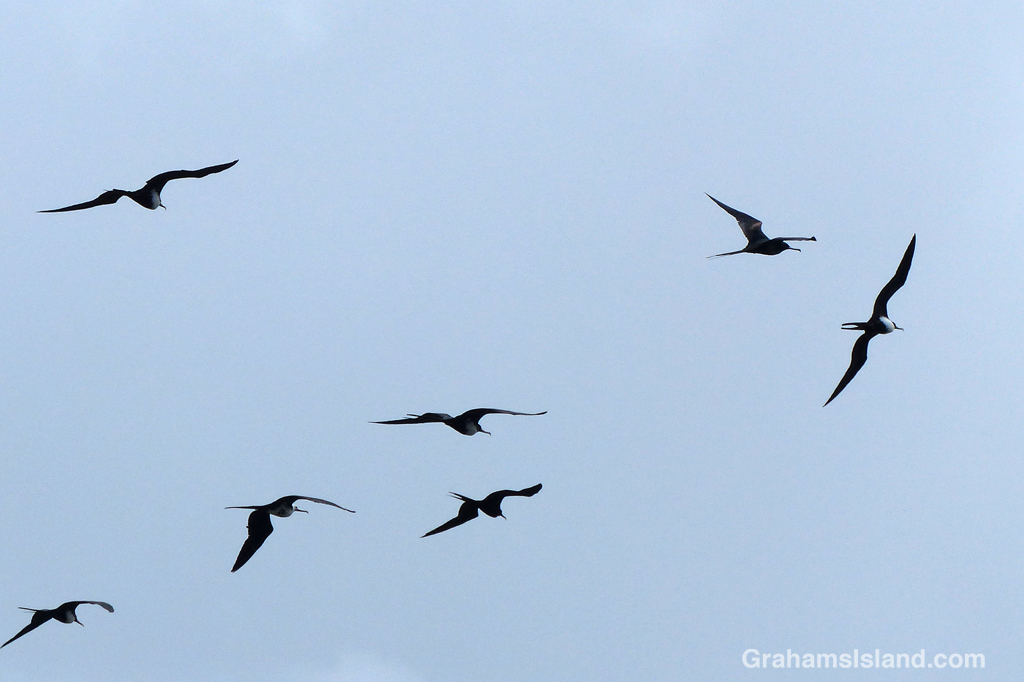
Great frigatebirds on the wing

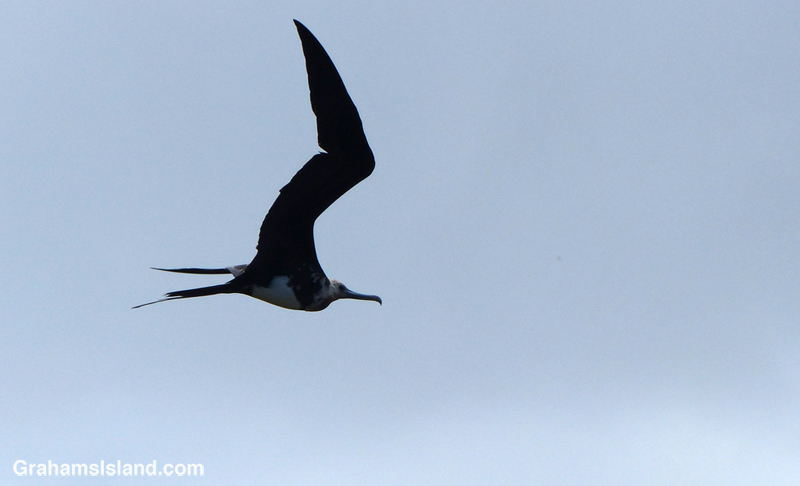
A great frigatebird on the wingUsually I see this bird in ones or twos, but on this occasion, I saw a flock of 15 or more cruising along near the coast.

It’s known in Hawaii as the ’Iwa, which means ‘thief.’ It gets this name because it sometimes harasses other birds into dropping their catch, which it then swoops down to retrieve. Mostly though, it feeds on squid and flyingfish. Since it can’t take off from water, it scoops prey out with its hooked beak while on the wing.

The single bird pictured is a female, distinguished by the white breast and neck.

For more information about great frigatebirds, go to fws.gov/refuge/hawaiian_islands/wildlife_and_habitat/great_frigatebird.html.

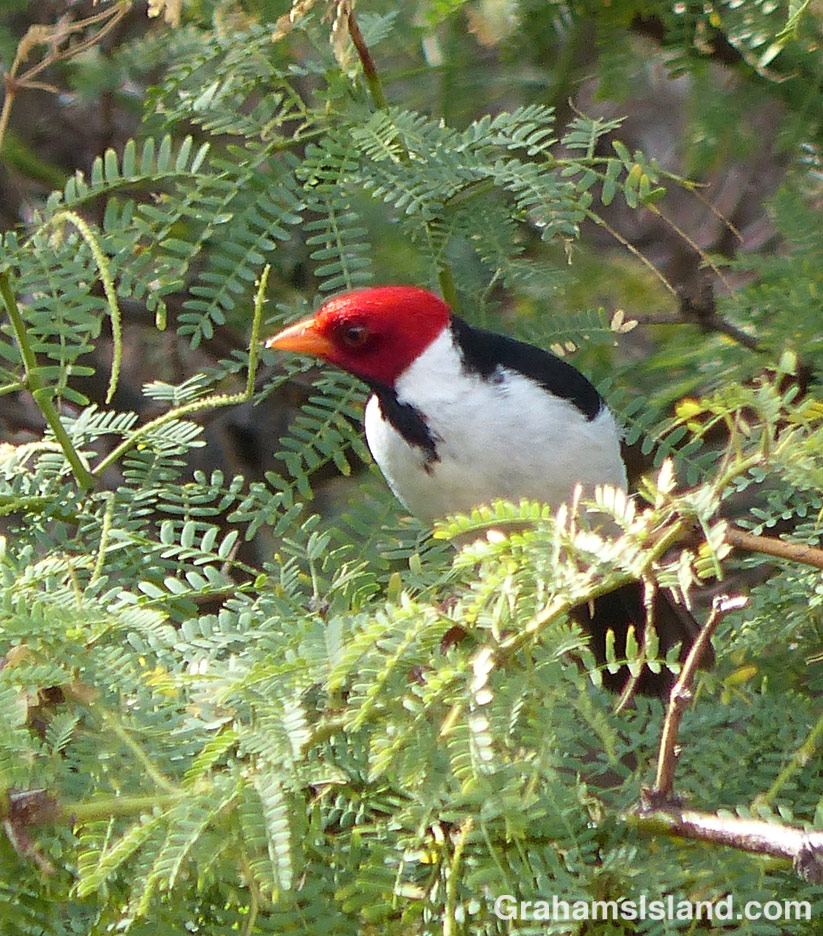
Yellow-billed cardinal

Yellow-billed Cardinal
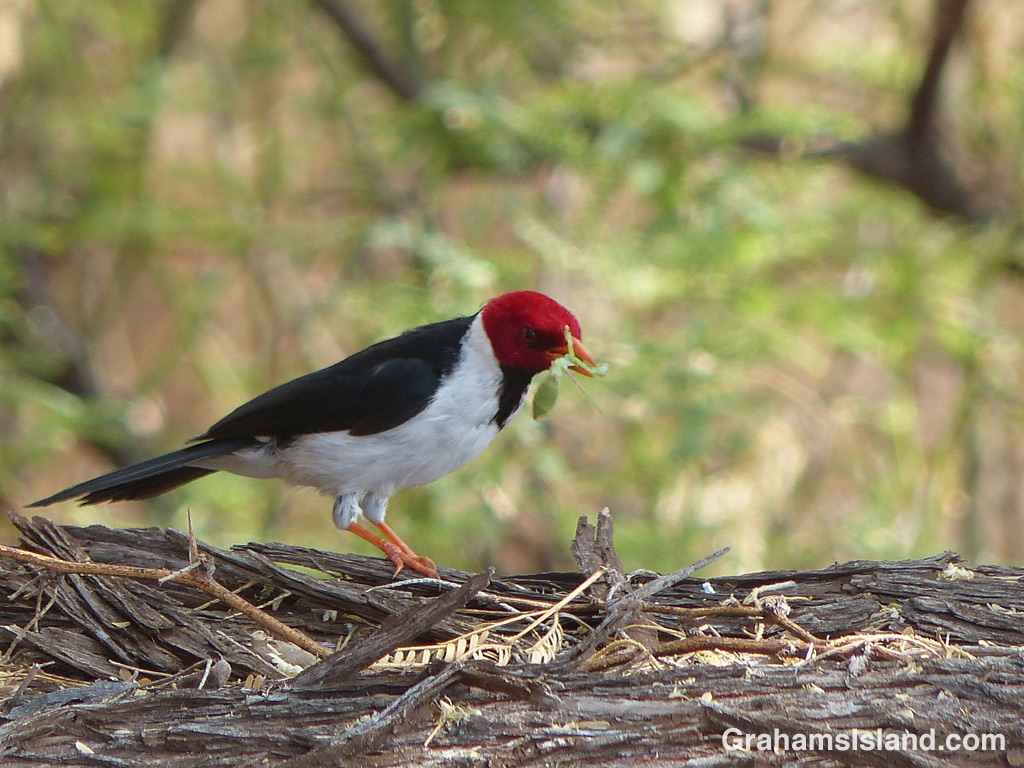
030916-951-Yellow-billed-Cardinal-HWA South American bird, the yellow-billed cardinal was introduced to Hawaii and is quite common on the Big Island. I saw these two birds flitting through a stand of kiawes. The bird in the top photo was working hard on the bit of foliage in its beak. I assumed this was something for a nest, but didn’t see where the bird went. The second bird just hung out in the trees, possibly keeping watch.