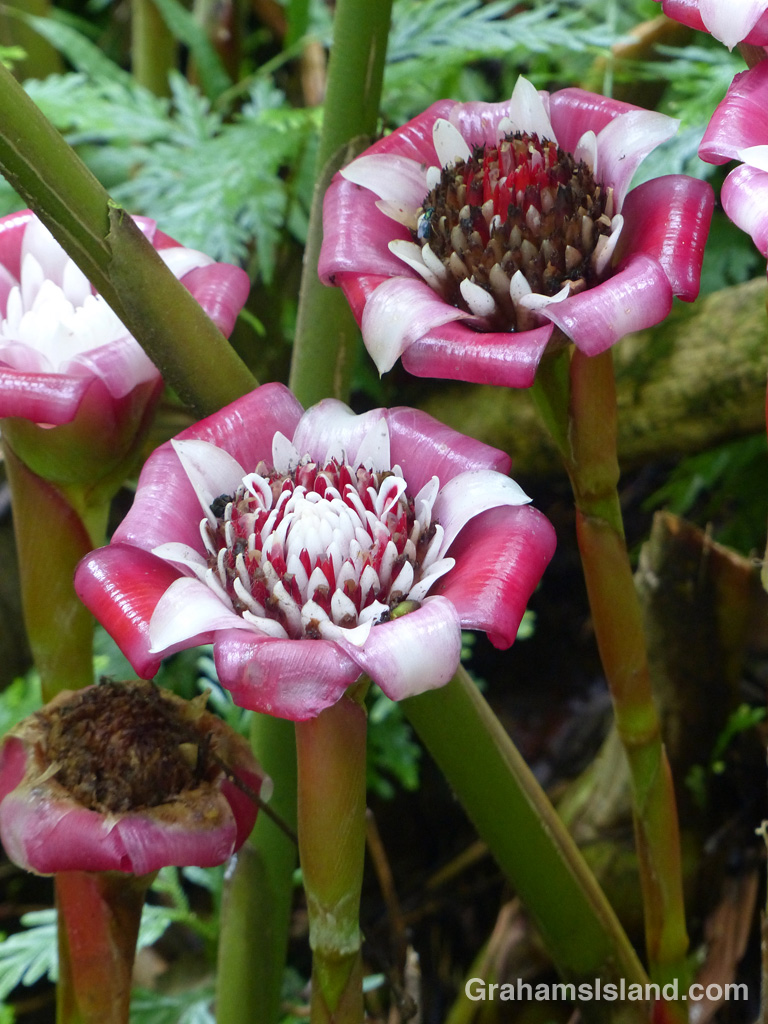
These ‘Malay Rose’ torch ginger (Etlingera venusta) flowers were in bloom on my last visit to Hawaii Tropical Botanical Garden.
For more information about Hawaii Tropical Botanical Garden, go to htbg.com.
These ‘Malay Rose’ torch ginger (Etlingera venusta) flowers were in bloom on my last visit to Hawaii Tropical Botanical Garden.
For more information about Hawaii Tropical Botanical Garden, go to htbg.com.


‘Amakihi are endemic honeycreepers and the different islands have slightly different versions of the bird. The Hawai‘i ‘amakihi is very similar to the Maui ‘amakihi, but the O‘ahu and Kaua‘i birds have more noticeable differences. They’re one native bird that has adapted relatively well to changing habitat and introduced diseases including avian malaria.
This one was feeding from bright yellow māmane flowers at the Palila Forest Discovery Trail on the southwest slope of Mauna Kea.
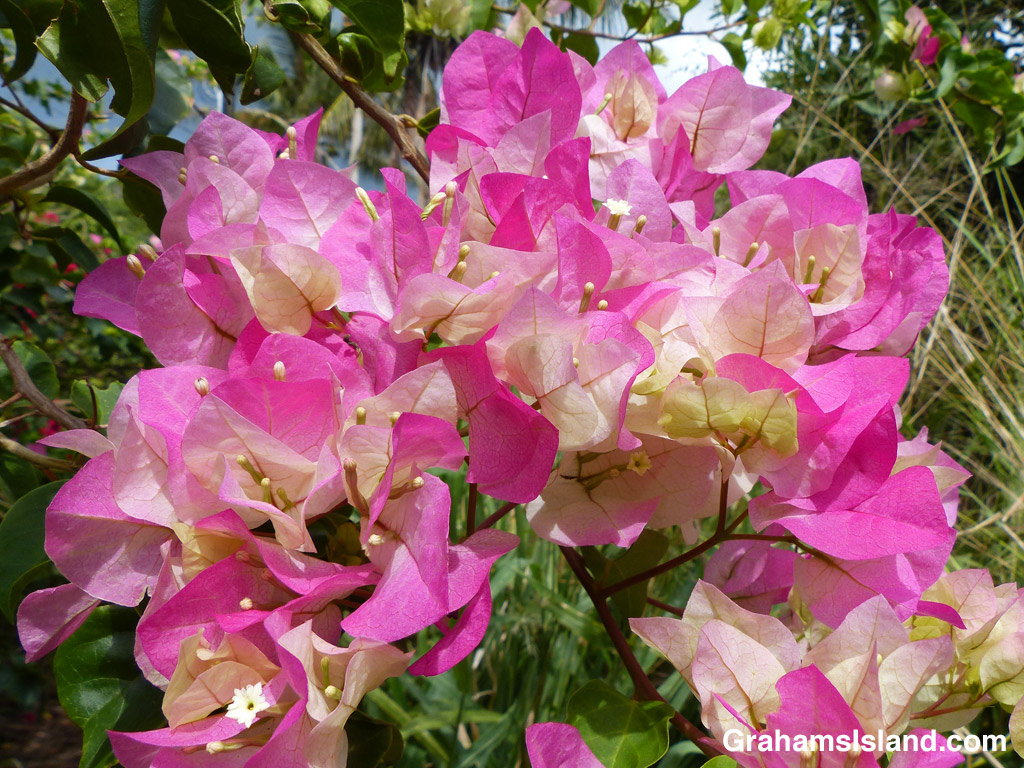
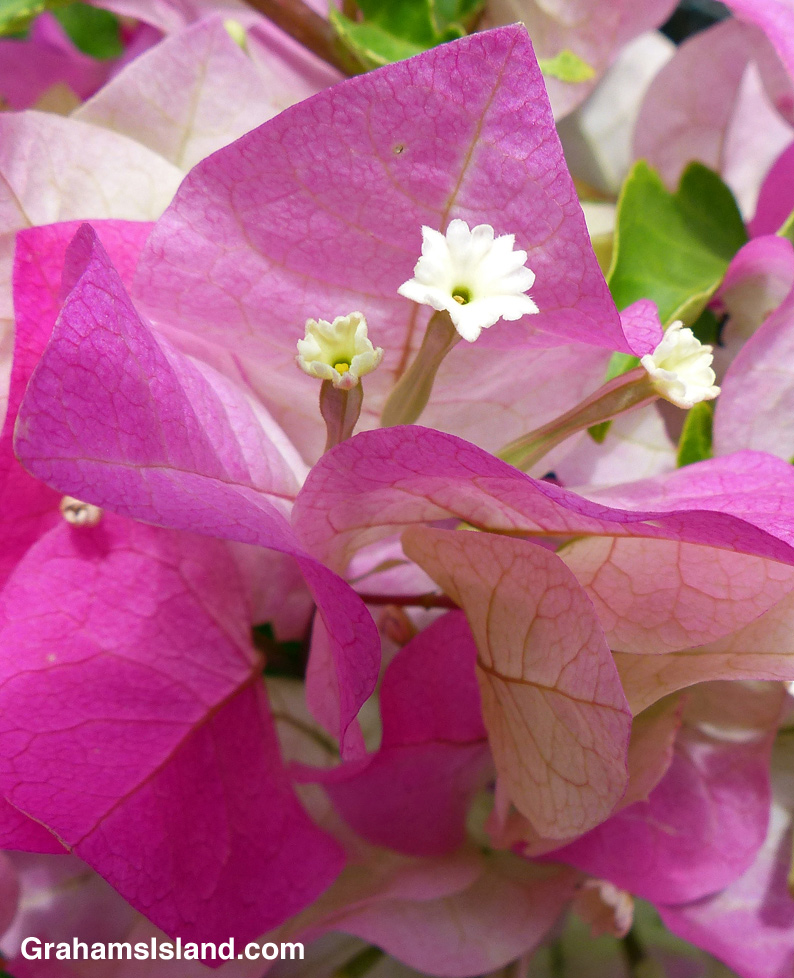
Bougainvillea have such a delicate appearance, especially the lighter colors. This one caught my eye in a neighbor’s garden.
This week’s posts are in response to the WordPress photo challenge on the theme of ‘evanescent.’
A few times a year, I like to visit Hawaii Tropical Botanical Garden, which is just north of Hilo on the east side of the Big Island. It’s a wonderful garden, set in a fairly deep gully, with a wide array of plants.
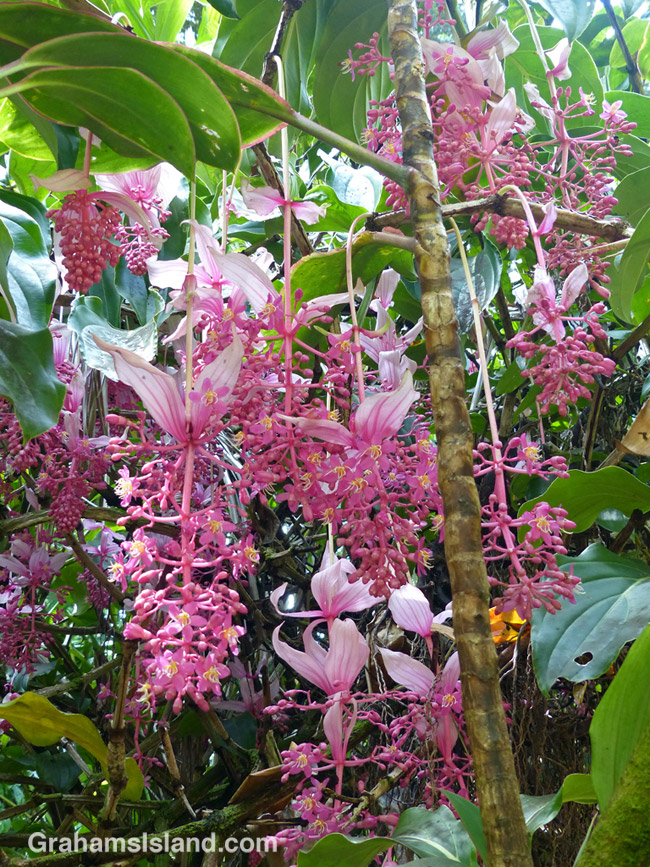
In tropical Hawaii, plants do well year round, but there are still seasons. Different plants flower at different times, so each visit is different. The nice thing about this is there’s always something new to see, such as this rose grape (Medinilla magnifica). The downside is that when I get home and look at my photos, I realize I don’t know what half of the plants are. So I figure I’ll see if I can find a tag next time I visit. But next time, the plant’s not flowering so I have trouble locating exactly what I was looking at.
Ultimately it boils down to me making a mental note to come back, same time next year, when it will be flowering again. Unfortunately, my mental notes have no chance of surviving that long, so the next year I see the flower again, take a new photo, and it’s not until I get home that I realize I already have a photo, still don’t know what it is, and will need to return next year etc., etc., etc.
But the thing is, I don’t really mind this. I just enjoy being at the garden, and appreciating the moments while I’m there.
For more information about Hawaii Tropical Botanical Garden, go to htbg.com.
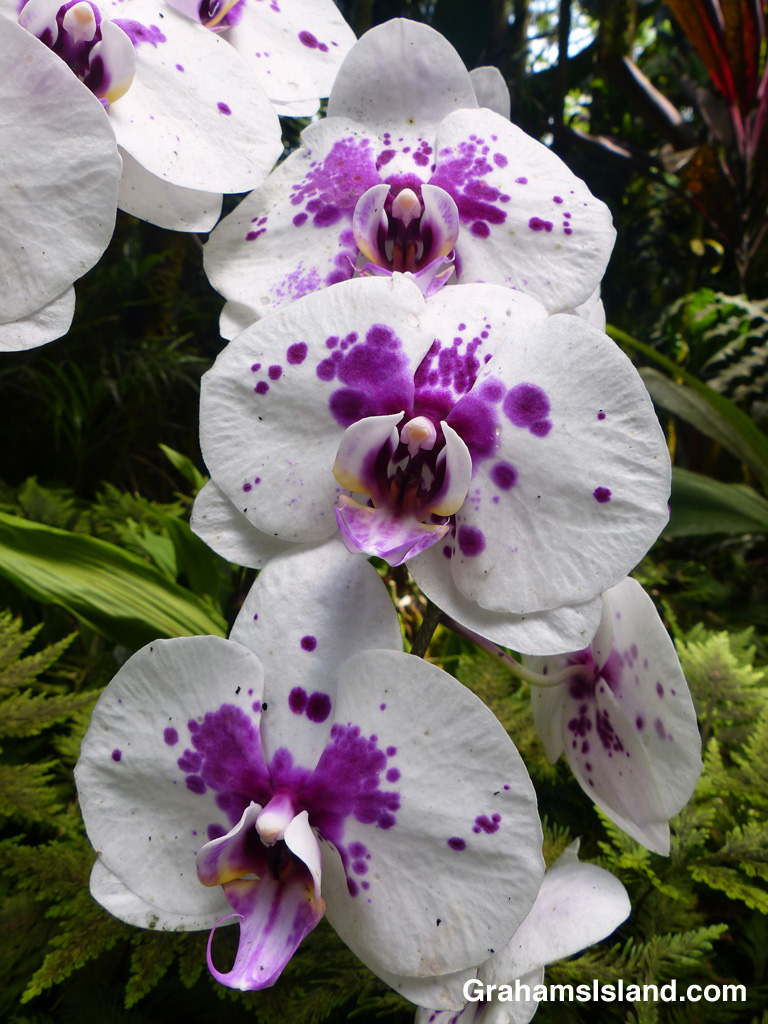
As with most of my orchid photos, I include the words ‘I think’ when it comes to talking about what it is. I think this is a Doritaenopsis hybrid. Doritaenopsis orchids are a cross of Phaleanopsis and Doritis orchids, in this case Champion Lightning and Chianxen Magpie. This one was at Hawaii Tropical Botanical Garden.
For more information about Hawaii Tropical Botanical Garden, go to htbg.com.
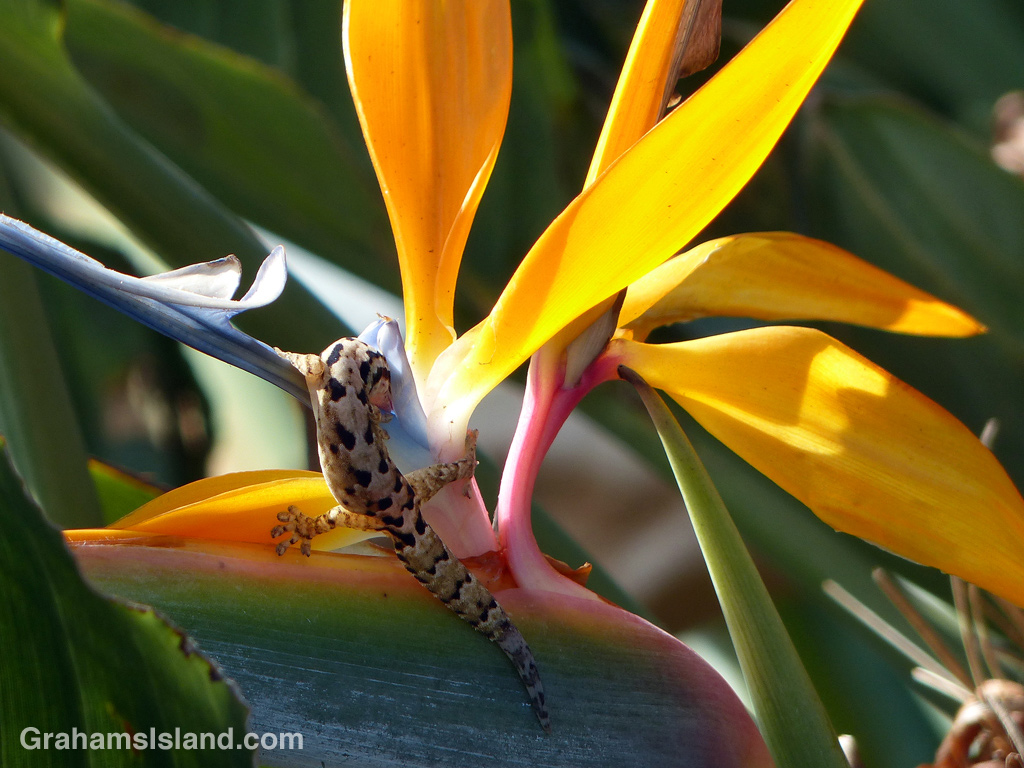
Flexibility is important in nature, as this mourning gecko demonstrates while drinking from a bird of paradise flower. If I tried that, I’d be laid up for a week.
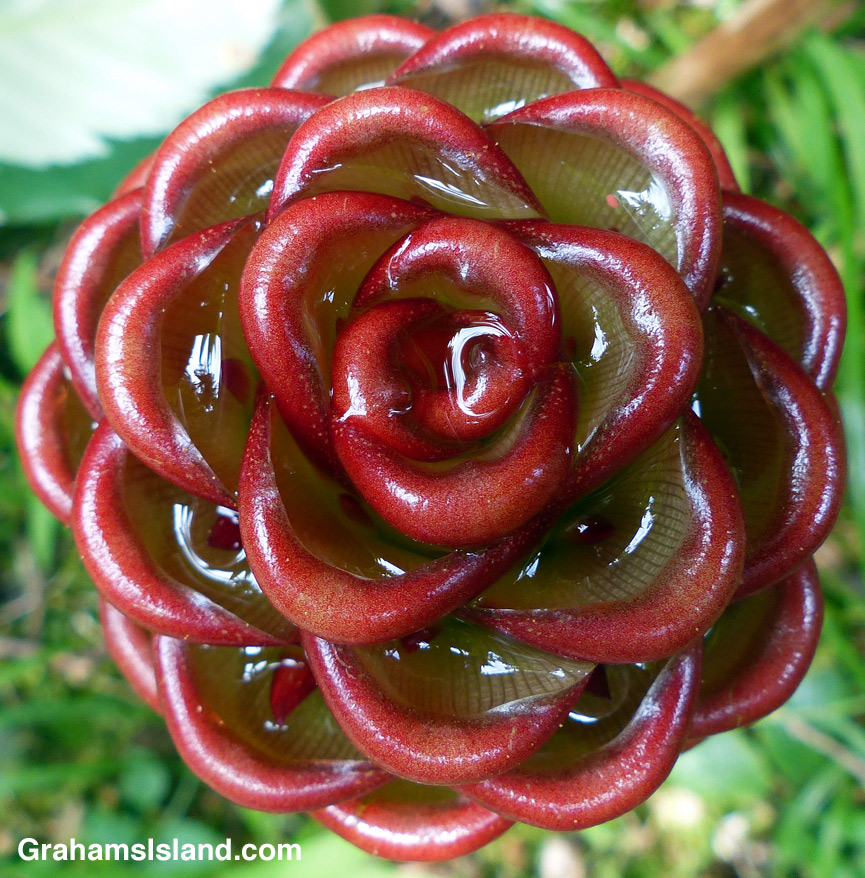
Chocolate ball ginger (Zingiber macradenium) is a beehive ginger, so-called because of their shape and composition. Their form means the many little cups are great collectors of water. They probably make great drinking spots for geckos, birds and other small creatures. Probably also a great environment for breeding mosquitoes.
For more information about Hawaii Tropical Botanical Garden, go to htbg.com.

The Nāpau Trail in Hawaii Volcanoes National Park, is a 13-mile round trip. It passes over extensive lava fields, plunges into dense forest, and ends at the Nāpau Crater overlook. The overlook offers a terrific view (weather permitting) of Puʻu ʻŌʻō, one of two active vents on Kilauea Volcano. In today’s post I’m going to cover the lava fields portion of the hike with the second part coming tomorrow.
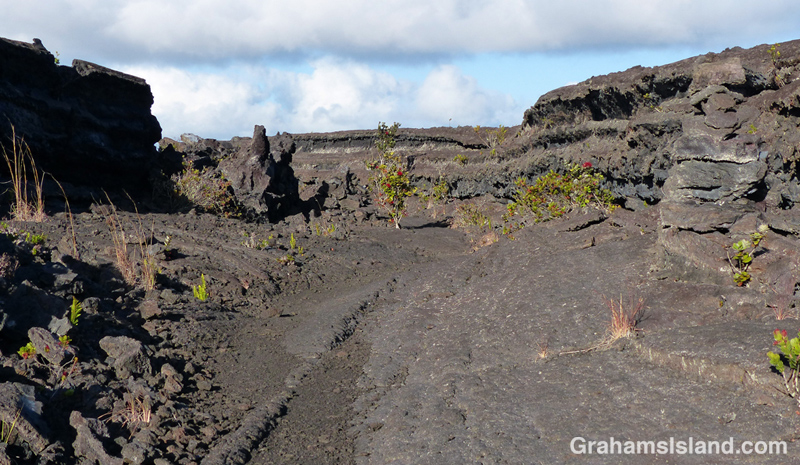
From the Mauna Ulu parking area, the first mile or so is a well-trodden trail to Pu’u Huluhulu (hairy hill) cinder cone. The foot of Pu’u Huluhulu is where the Nāpau Trail branches off across the lava. It’s a stark landscape, but with lots of interest. The trail passes over surface flows and through channels where lava rivers ran.
The Park’s website notes that the Nāpau Trail “follows the path that magma takes as it makes its way underground from its source at the summit to the point where it comes to the surface near Puʻu ʻŌʻō.” The many steam vents around Mauna Ulu are testament to this.
And in this hostile landscape, nature is at work. The lava fields are dotted with tenacious plants establishing a toehold. Ohia trees and ferns are most frequently seen, but grasses and other plants lend color to this sea of gray and black.
It’s 2.2 miles of unbroken lava from the Pu’u Huluhulu junction to the rim of Makaopuhi Crater, but at that point the trail changes in an almost surreal way. I’ll post that section tomorrow.
For more information about this, and other hikes on the Big Island, go to bigislandhikes.com.
For more information about Hawaii Volcanoes National Park, go to nps.gov/havo/.
For more information about Kilauea Volcano and it’s eruptions, go to hvo.wr.usgs.gov/kilauea/history/main.html.


