Category Archives: Trees

Mangoes down, mangoes down

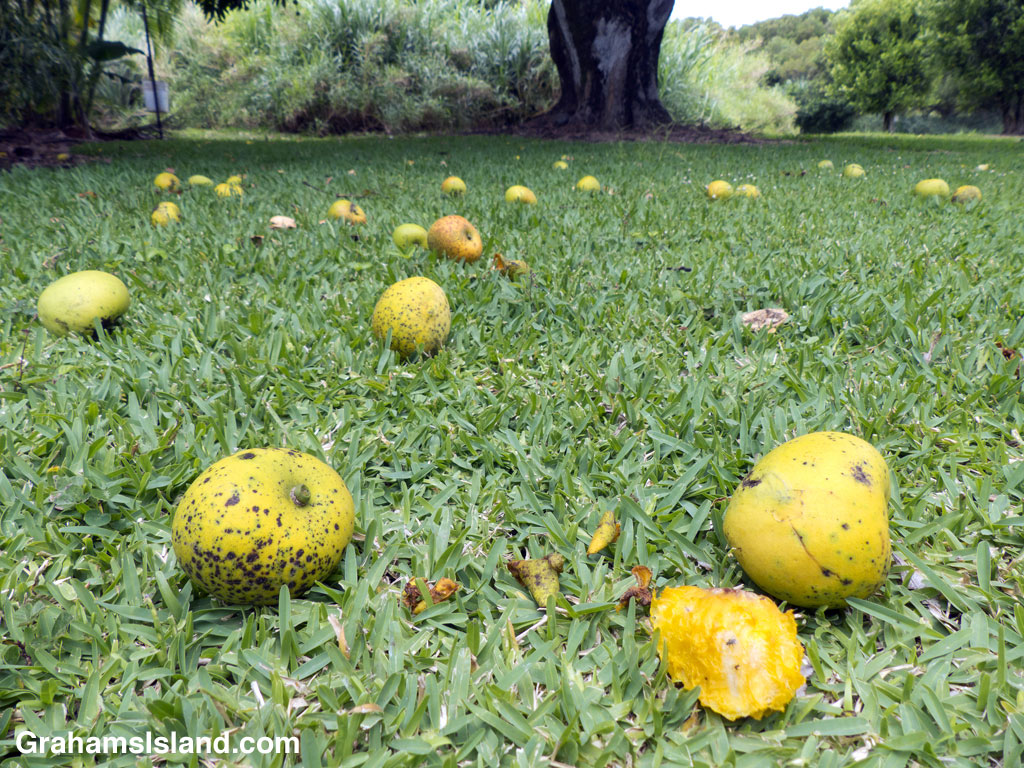
Mangoes lie on the ground after a strong wind.
I posted here about the progression of our mango tree from flowers to fruit. Here’s what happens when the trade winds pick up after a couple of calm days. The lawn was empty a couple of hours before this photo, and this is just one segment of the windfall, probably about a third of what fell in that time frame.

Something had already eaten the mango in the front. It could have been a wild pig, but was more likely birds getting to the fruit while it’s still on the tree.
Mangoes

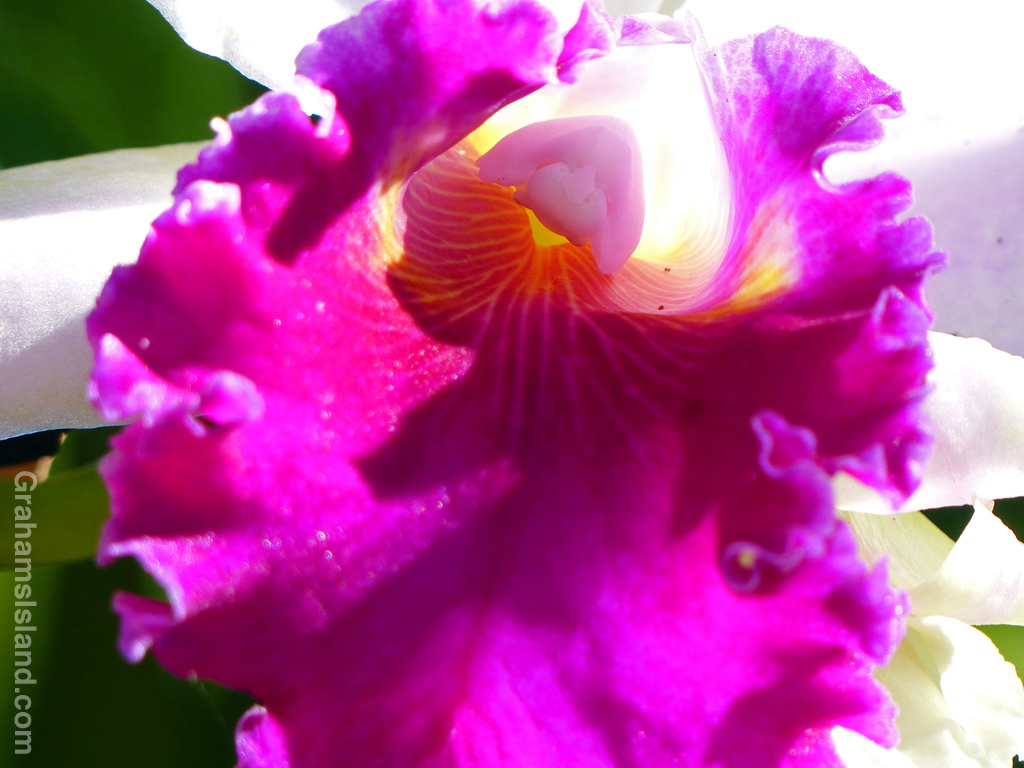
A mango tree in bloom A mango tree bearing fruit
In February this mango tree was in full bloom (top). Those blooms have become the bevy of fruit below. When the wind blows the thud of falling mangoes is a constant sound. I tend to duck my head into my shoulders walking under the tree.

It’s a twice a day routine to pick up the fallen fruit, or the wild pigs will make short work of them.

Ironwood

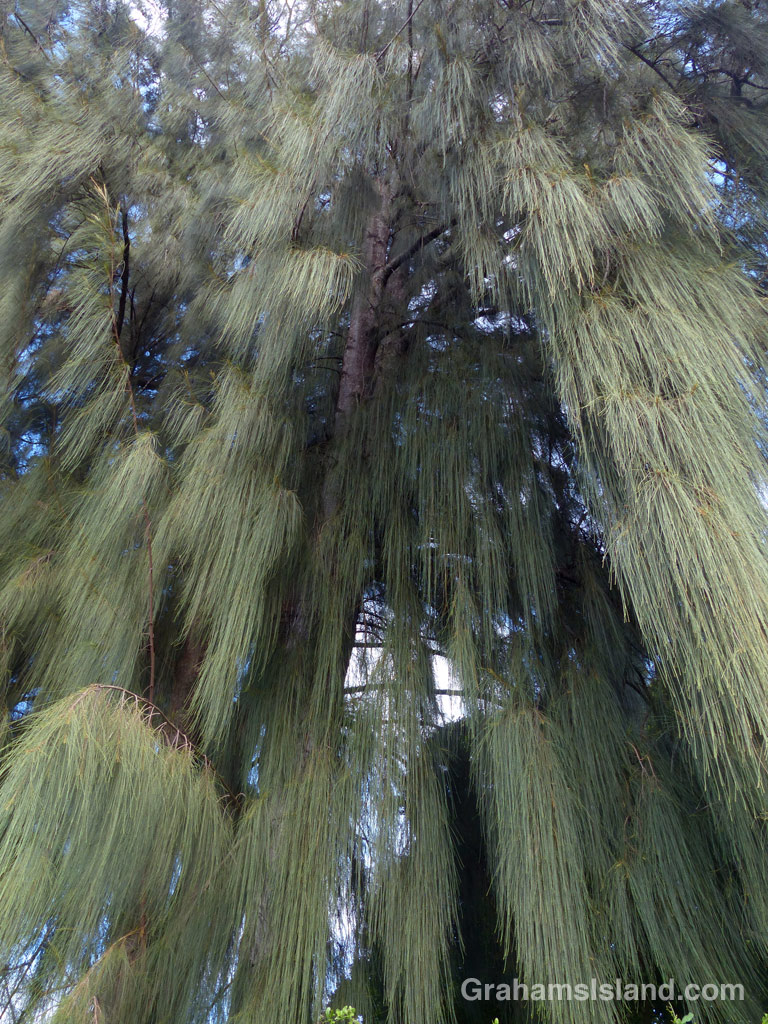
An ironwood tree with its cascading foliage
The Common Ironwood (Casuarina equisetifolia) is something of an invasive weed. It has, in my book, two distinguishing features. The first is the creaking noise it makes when the wind blows, which can be an eerie sound at times. The second is its foliage, which, under the right conditions, looks like a cascade of water.

For more information about Ironwoods, go to wildlifeofhawaii.com/flowers/774/casuarina-equisetifolia-common-ironwood/.

No fly zone

Crab spider webs and fruit
A crab spider sits in its web
A crab spider sits in its web.,

Crab spiders (also known as spiny-backed spiders) came to Hawaii in 1985. They spread through all the islands and are especially numerous here in the winter months. They build dense thickets of webs such as these between two tangerine trees. They look threatening, but aren’t particularly. People do get bitten, mostly if a spider falls on them or gets lodged in clothing.

I usually encounter them when I miss spotting a web and end up with it wrapped around my head. Their webs, which often span a 10 or 20 foot gap, seem especially strong and sticky.

For more information about crab spiders, go to gardenguyhawaii.com/2011/12/crab-spiders.html.