Tag Archives: Honolulu

Honolulu day trip

This week’s Friendly Friday challenge theme is ‘Day Trip.’ (See more responses here.)

Any trip on the Big Island could qualify as a day trip, as everything can be reached and returned from in a day. But a common day trip in Hawaii is a visit to one of the other islands. This might be for work, for medical reasons, for some other kind of appointment, or simply for pleasure.

These photos are from my last trip to Honolulu. An early flight from Kona Airport and a late afternoon return gave me plenty of time to conduct my business and have a wander around downtown.

The top photo shows the entrance to the Hawaii State Capitol building. In the middle is Kawaiaha’o Church, constructed between 1836 and 1842, and considered the main Protestant church in Hawaii. Below is one of Honolulu’s large office buildings, somewhat screened by a generous amount of palms and other trees.

Abstracts: State Capitol in Honolulu

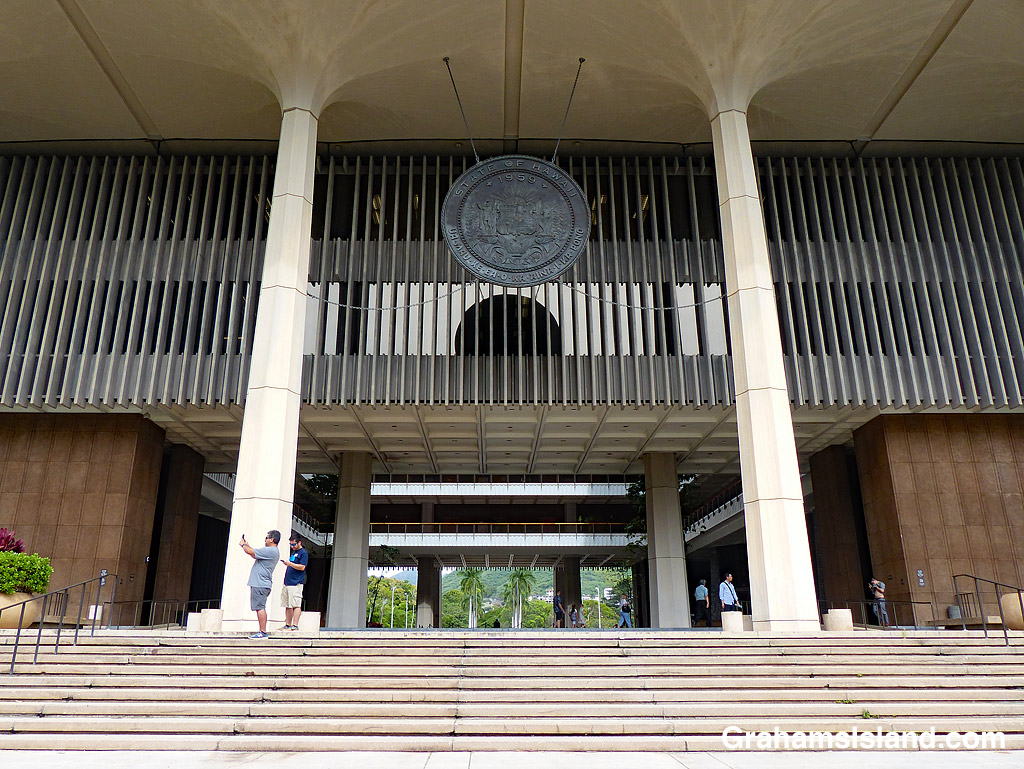
This week’s Friendly Friday challenge theme is ‘Design.’ (See more responses here.) For this, I’m posting photos of the Hawaii State Capitol building in Honolulu. Opened in 1969, it’s a relatively recent structure. Some of the design features of the building are striking because they represent elements of the state.

In the middle photo, the reflecting pool, surrounding the building, represents the Pacific Ocean. The columns resemble royal palm trees, and the conical structure, the base of one of the legislative chambers, is the shape of the volcanoes that formed the island chain.

The bottom photo shows how the building is open to the elements, and reflects life in Hawaii where many activities happen outside. On the right is one of four kukui nut trees, the state tree, which represent the four main counties.

The top photo is a view of a segment of the open roof and the walkway that encircles the upper level of the building. I like the strong lines and colors of this view.

Medivac plane at Upolu

One quirk of living in Hawaii is that it’s not unusual for people to have to fly for medical treatment. There aren’t a lot of specialists on the Big Island. Typically, they’ll visit once or twice a month. But the bigger issue is that expensive pieces of medical equipment are mostly on Oahu. Need an MRI? You might have to go to Honolulu.

For scheduled appointments, people generally take commercial flights, but some conditions, and most medical emergencies, require a medivac flight.

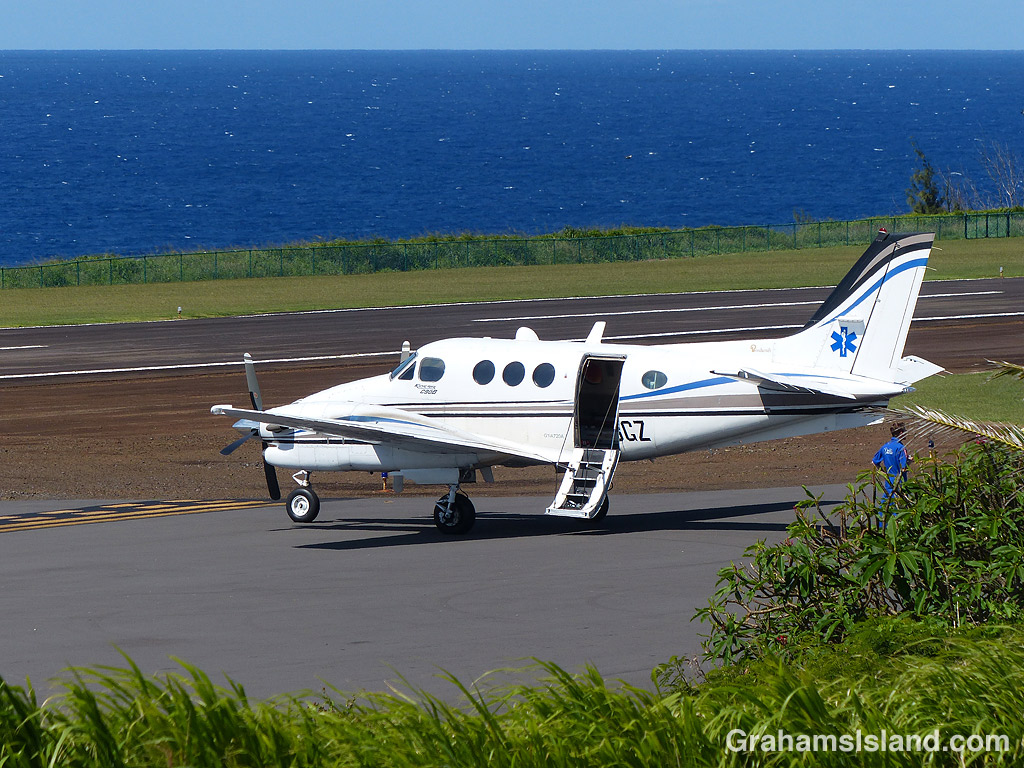
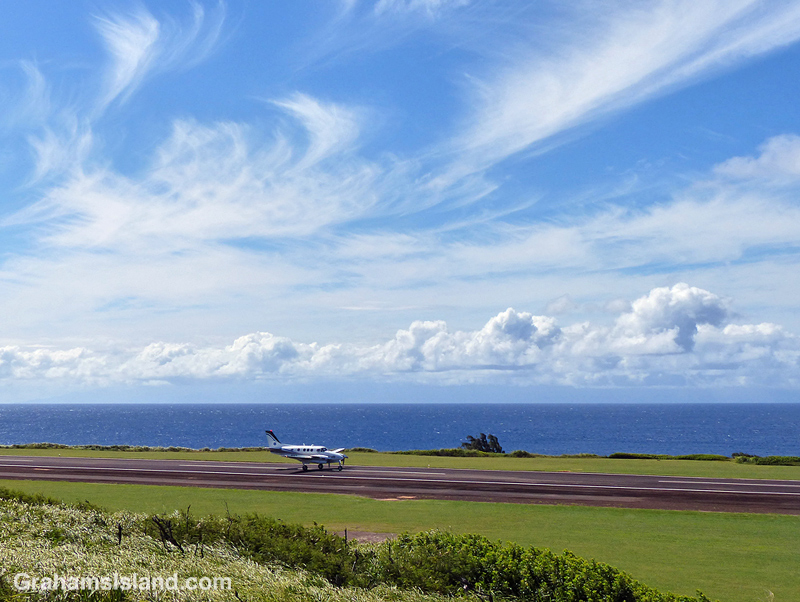
Upolu Airport, which is basically a runway with few facilities, is used by these medivac aircraft on a regular, if not frequent basis. These photos are of one such plane awaiting a patient, then heading down the runway and into the air, bound for Honolulu.

A walk through downtown Honolulu

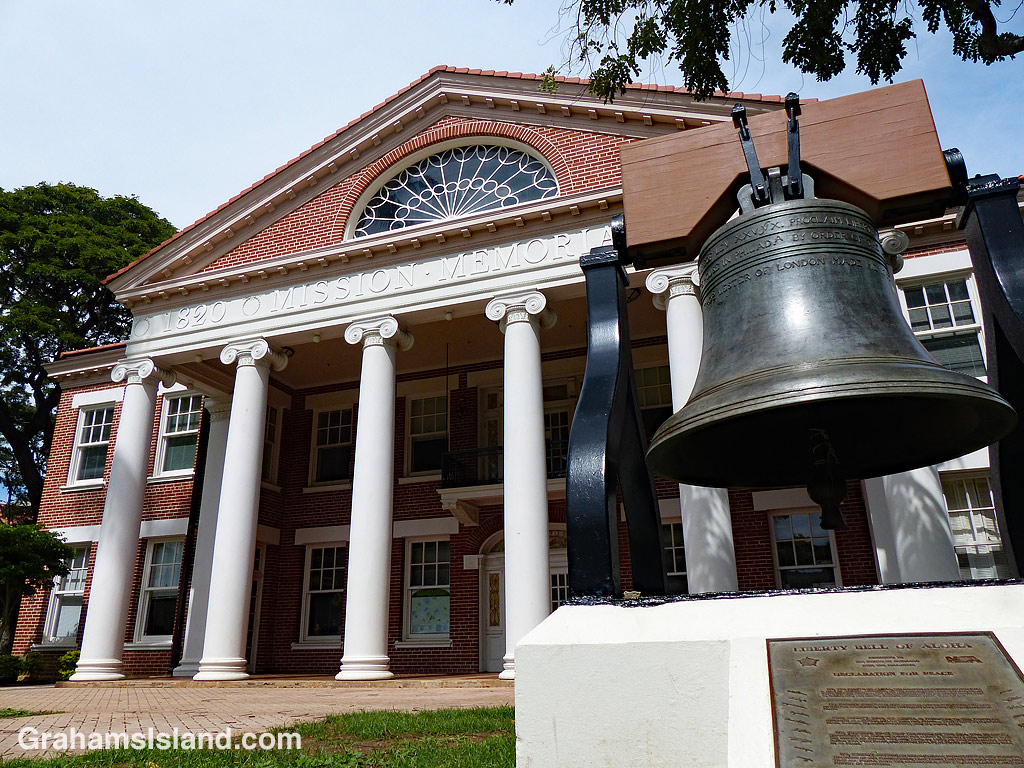
The Mission Memorial Building was built to commemorate the 100th anniversary of Protestant missionaries in Hawaii, something of a mixed blessing for the locals.
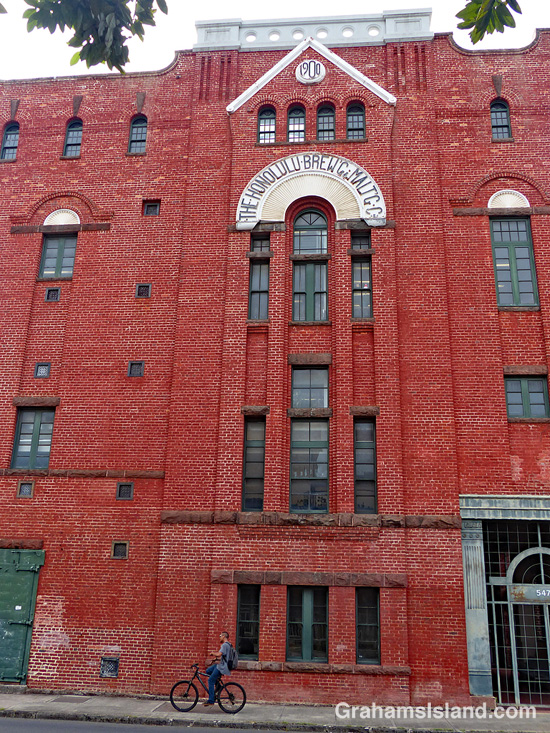
The lovely red brick Hawaiian Brewing Company building.

This week’s Friendly Friday challenge theme is ‘Photo Walk.’ (See more responses here.) I thought of a few options, but my visit to Honolulu last year seemed to fit the bill. After I’d conducted my business there, I spent the rest of my time on a photo walk through downtown.

I’ve posted some photos from this walk before. To see them just scroll to the bottom of the page and click on ‘Honolulu’ in the tags.

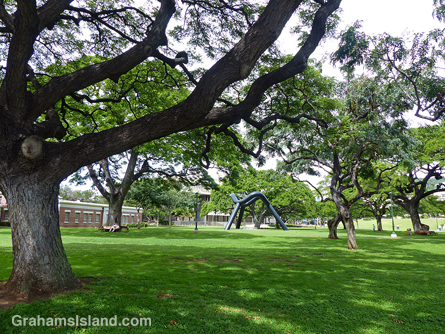
The Sky Gate sculpture was built to celebrate the celestial event known as “Lahaina Noon,” which is when the sun is directly overhead and vertical objects cast no shadow. This occurs twice a year in Hawaii, usually in May and July. In the case of this sculpture, the wavy top casts a perfectly round shadow on the ground.
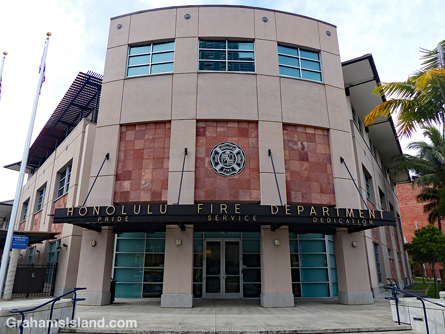
The art deco entrance to the Honolulu Fire Department headquarters complex.
These water fountains at the Hawaii State Capitol building are shaped like hibiscus blooms, which are the state flower.
Two contrasting tower buildings with a plane flying overhead.
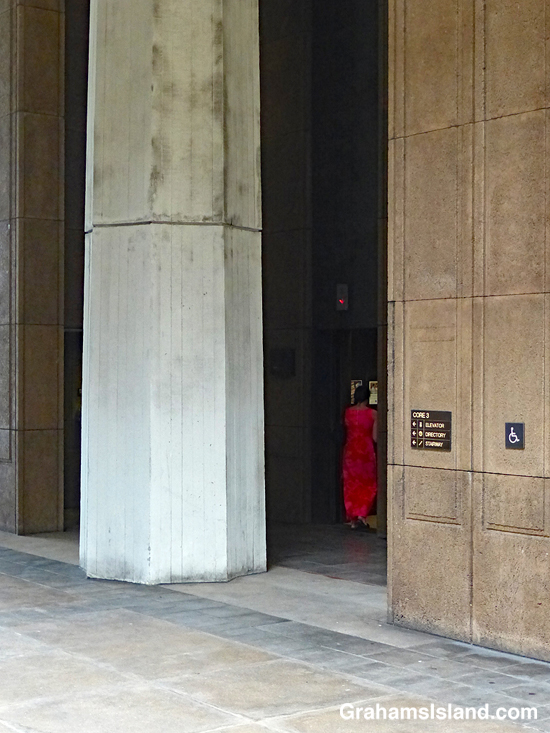
A woman in red enters an elevator at the Hawaii State Capitol building.
Little Bo Peep has sheered her sheep apparently.
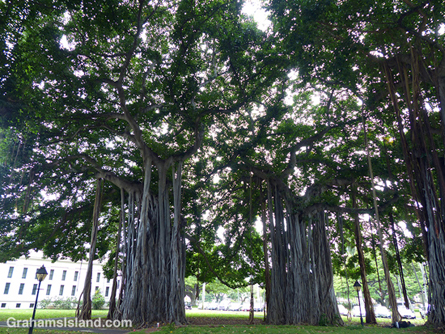
Huge banyan trees in the grounds of ‘Iolani Palace.
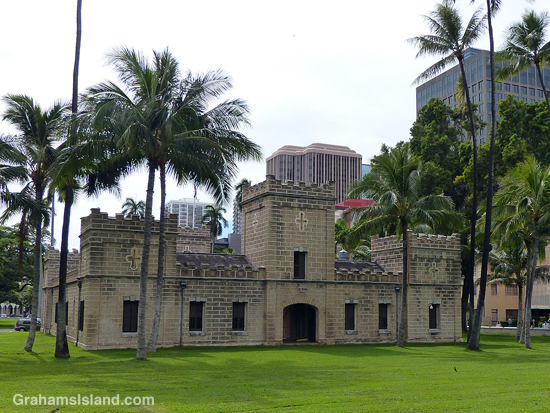
‘Iolani Barracks housed the Royal Household Guard.
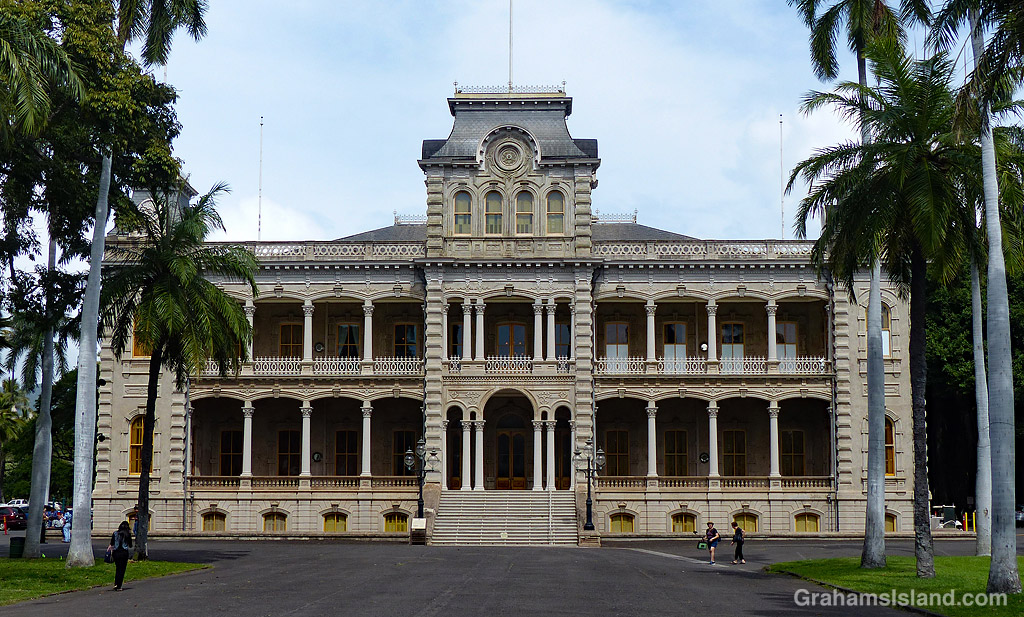
‘Iolani Palace was the home of Hawaiian royalty until they were overthrown by American businessmen backed by the U.S. military.
This was something of a mixed blessing for the locals.

Hawaiian Dredging Building, Honolulu

hawaiian dredging building honolulu

hawaiian dredging building honolulu windowThis week’s Sunday Stills challenge theme is ‘Window.’ (See more responses here.) I thought I’d post some photos from my trip to Honolulu last year since the city is full of interesting buildings and is window rich.
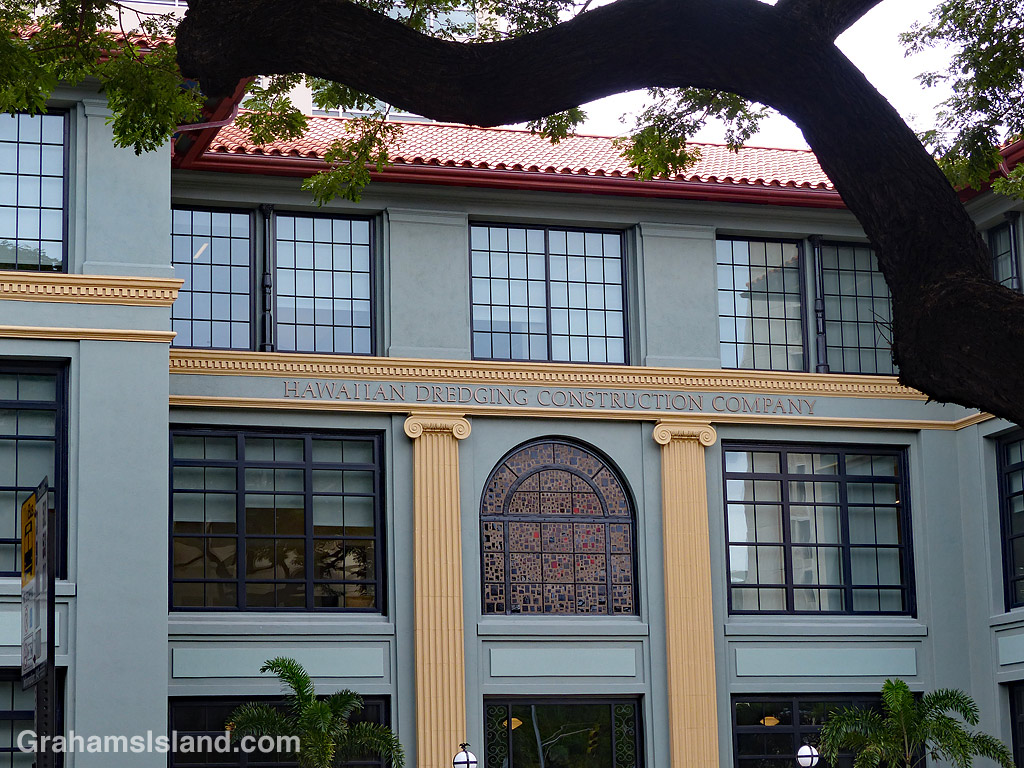
This one is the Hawaiian Dredging Building. It was built in 1929 for the Pacific Commercial Advertiser, which later became The Honolulu Advertiser. That newspaper ceased publication on June 6, 2010 when it was merged with The Honolulu Star-Bulletin and became The Honolulu Star-Advertiser. For most of its history the building was known as the News Building or the Advertiser Building.

The Hawaiian Dredging Construction Co. purchased the building in 2016 and, following an extensive renovation, made it the company’s headquarters and renamed it the Hawaiian Dredging Building. The distinctive mosaic window above the entrance is a notable feature of the building.

hawaiian dredging building honolulu front

Island hopping

Mokulele plane landing at Kona

Honolulu AirportIn Hawaii, it’s not unusual for people to commute between islands. Many medical professionals are based in Honolulu, but have offices on the Big Island which they visit on a weekly basis. The same can be said for other professionals: lawyers, scientists, engineers and the like. Politicians and government officials go back and forth on a regular basis.

But it’s not just professionals. Skilled tradespeople might work on any of the islands, commuting on a daily or weekly basis. Highway construction crews likewise move from island to island depending on where and what projects are being worked on. Musicians and other artists are regular island hoppers. The list goes on.

There’s one mode of transport for all these people and that’s air travel. There are no inter-island ferries. The Hawaii Superferry operated from 2007 to 2009 but was suspended when the Hawaii Supreme Court ruled that a second environmental impact statement was required. One concern with a ferry is the increased risk of spreading invasive species and diseases of plants and animals.

Hawaiian Airlines is the biggest operator in the islands, with the lion’s share of the inter-island business. It operates from its hub in Honolulu, but also offers direct flights between the other islands. The second photo shows the distinctive tails of a couple of its planes at Honolulu Airport.

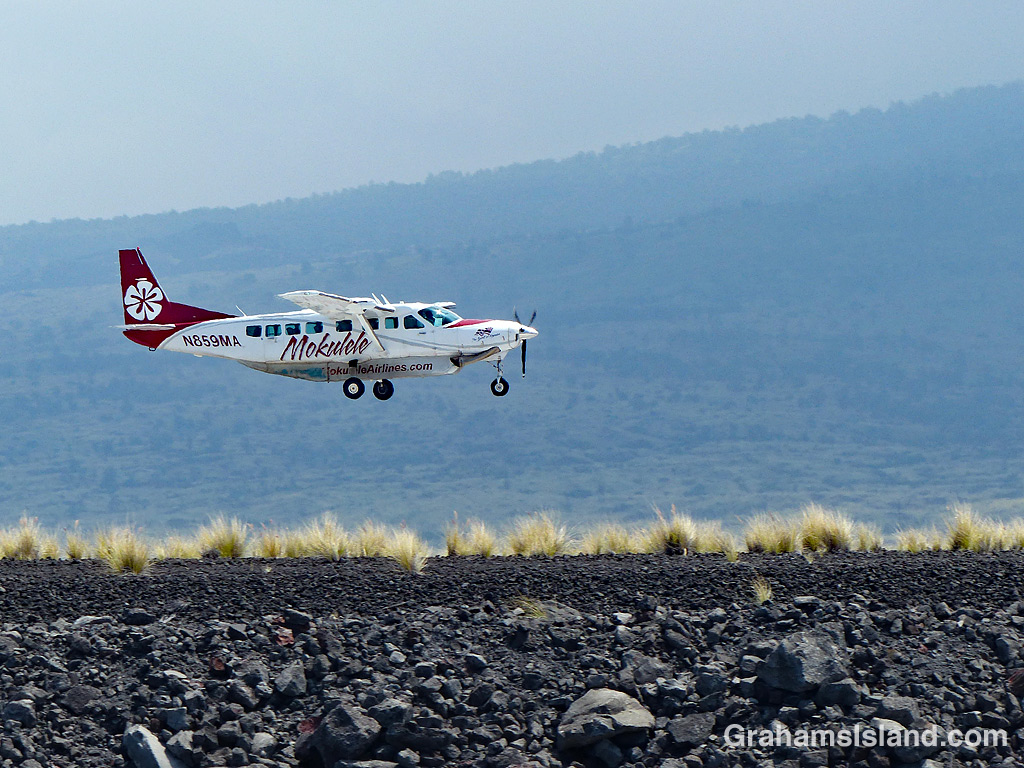
Smaller airlines have also offered inter-island routes. These include Aloha Airlines, Go! Airlines and Island Air. These three ceased business in 2008, 2014, and 2017 respectively. Currently, the only other island airline is Mokulele Airlines, though it doesn’t fly to Kauai. They service some smaller airports and operate smaller planes such as the one above, coming in to land at Kona Airport.

Posted in response to this week’s Sunday Stills challenge is on the theme of ‘Transportation or Commute.’ (More responses here.)

King Kamehameha statues

King Kamehameha statue KapaauKing Kamehameha statue Honolulu

These two photos are of statues of King Kamehameha I, the king who first united the Hawaiian Islands under one leader. On top, draped in leis from last Monday’s Kamehameha Day celebrations, is the statue at Kapaau, here on the Big Island. Below is the statue in Honolulu. It sits in front of the Aliʻiōlani Hale, which housed the government of the Kingdom of Hawaiʻi and the Republic of Hawaiʻi, and is currently home to the Hawaiʻi State Supreme Court.

Back in 1878, a statue of the King was commissioned for display in Honolulu. The commission was given to American artist Thomas Ridgeway Gould, and in 1880 his plaster model was sent to Paris to be cast, before being shipped to Hawaii. Alas, it never made it. The ship transporting the statue caught fire and sank off of the Falkland Islands.

Fortunately, the statue was insured, so a replacement was ordered. While this process was underway, the original statue turned up! Salvaged by fishermen, it was sold to a British ship captain who recognized it. He, in turn, sold it to the Hawaiian government, which now found itself in possession of identical twin statues. But the statues weren’t identical. The replacement statue was pristine and resplendent with gold detailing. The original was missing a hand and had a broken spear, and had suffered a good deal of fire damage.

The government decided to erect the replacement statue in Honolulu and the original was restored and sent to Kapaau, near Kamehameha’s birthplace. However, the original was corroded from its time in the sea so, in the early 1900s, local residents began to paint the statue, both to prevent further corrosion and to make it more lifelike.

By the end of the century, the statue was in bad shape and in 1996 conservator Glenn Wharton was hired to assess its condition. In his book, The Painted King: Art, Activism, and Authenticity in Hawaii, he recalls being startled by what he found, ‘A larger-than-life brass figure painted over in brown, black, and yellow with “white toenails and fingernails and penetrating black eyes with small white brush strokes for highlights. . . . It looked more like a piece of folk art than a nineteenth-century heroic monument.”’

For the next few years Wharton led a community discussion about how to save the statue, including the tricky question of whether it should be restored to its original bronze and gold finish or continue the painted alternative the community had grown up with. In the end the community voted to keep the painted finish and in 2001 the statue was restored in this way and rededicated.

A third statue of King Kamehameha I was commissioned after statehood in 1959, for installation in the U.S. Statuary Hall in Washington DC. However, this statue wasn’t cast from the original molds, but from molds taken of the Honolulu statue.

Posted in response to this week’s Sunday Stills challenge on the theme of ‘Twin.’ See more responses here.