
A close up of the logo on a Honda Metropolitan scooter.
Posted in response to Becky’s October Squares challenge theme of ‘Past Squares – Circles and Squares/Blue.’ See more responses here.

A close up of the logo on a Honda Metropolitan scooter.
Posted in response to Becky’s October Squares challenge theme of ‘Past Squares – Circles and Squares/Blue.’ See more responses here.
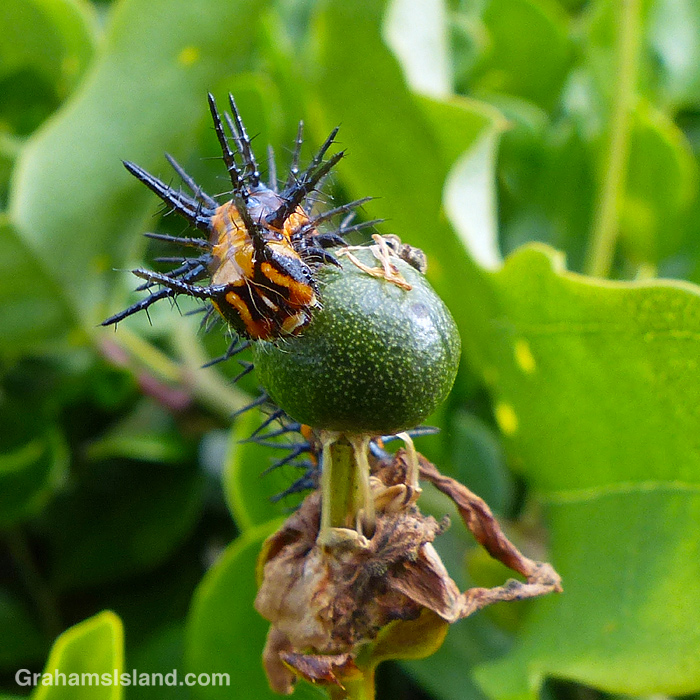
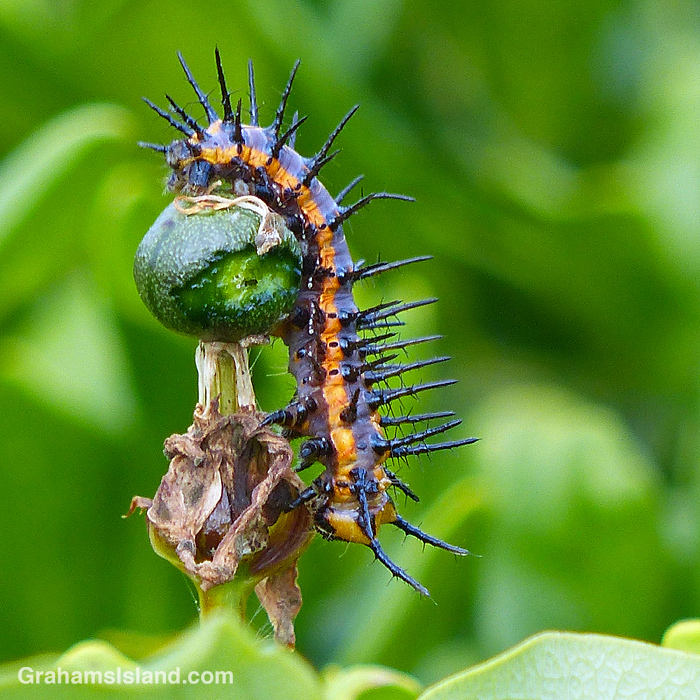
This is a caterpillar with a message and the message is ‘Back off.’ This is illustrated by the orange and black coloring and black spikes, which in this case conveys that these caterpillars are poisonous. Fortunately, I wasn’t hungry at the time so no harm done. Passion vine butterfly caterpillars, on the other hand, seem to be permanently hungry. Whenever I see them they’re munching leaves like old time video game characters.
Posted in response to Becky’s October Squares challenge theme of ‘Past Squares – Spiky.’ See more responses here.
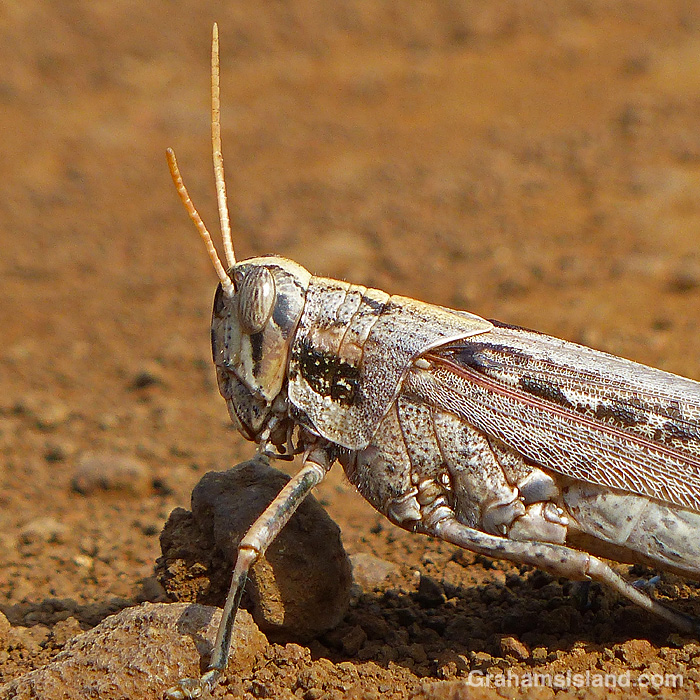
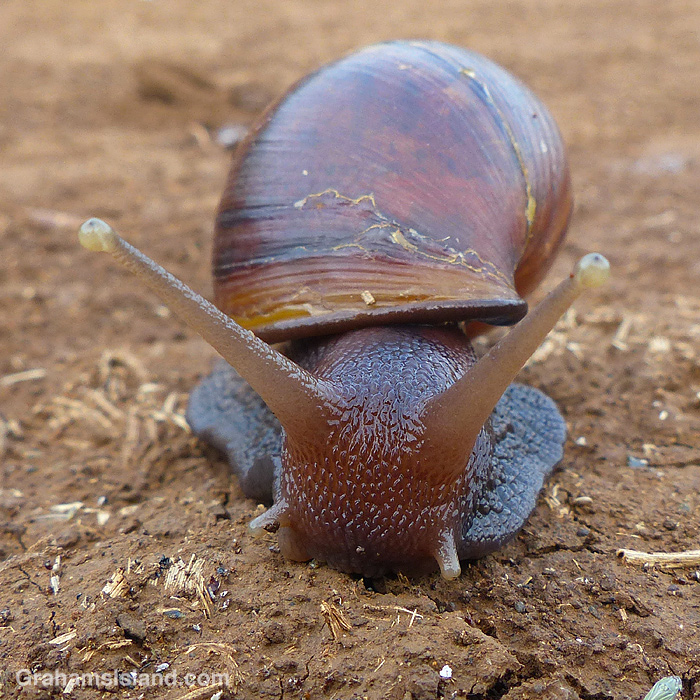
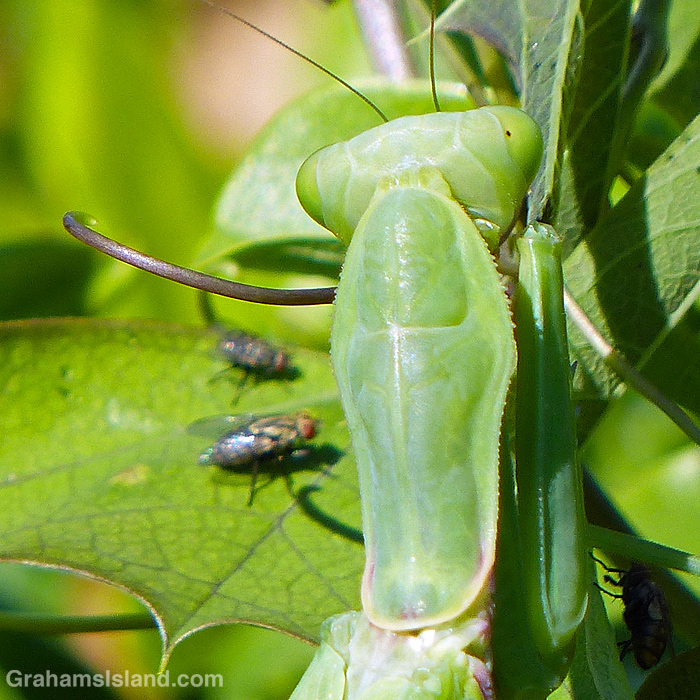
The current Friendly Friday challenge theme is ‘Close ups and Macros.’ See more responses here. Here’s a selection of some little creatures up close and personal.

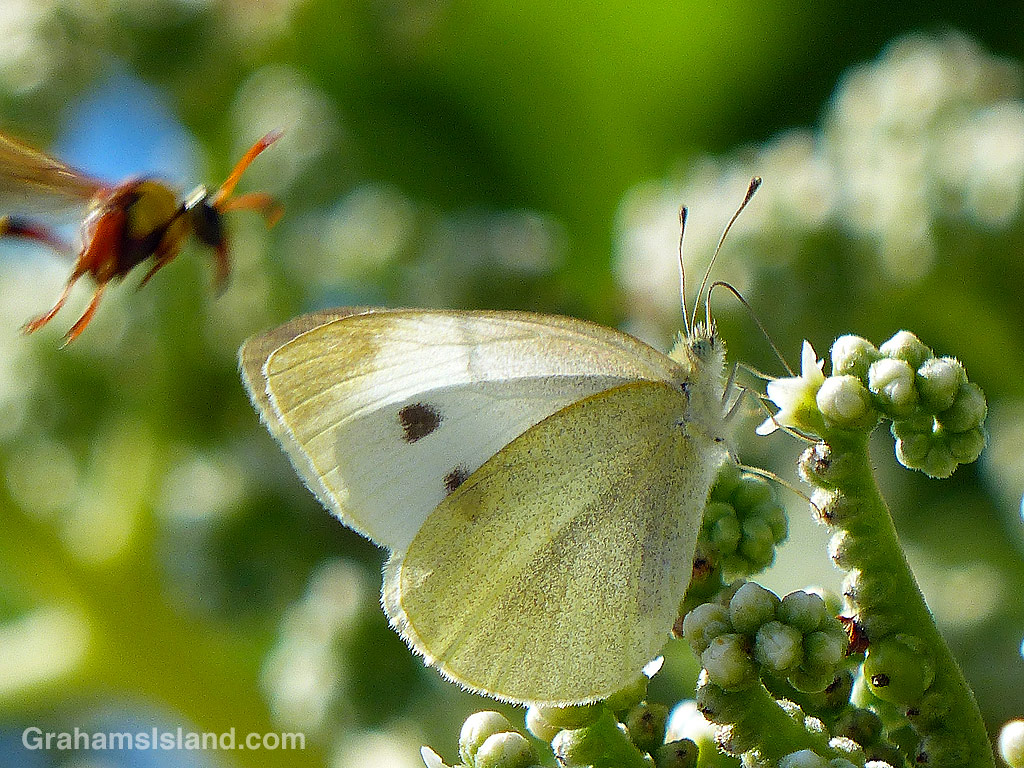
This cabbage butterfly was enjoying a feed on a tree heliotrope, apparently unaware that company was imminent.
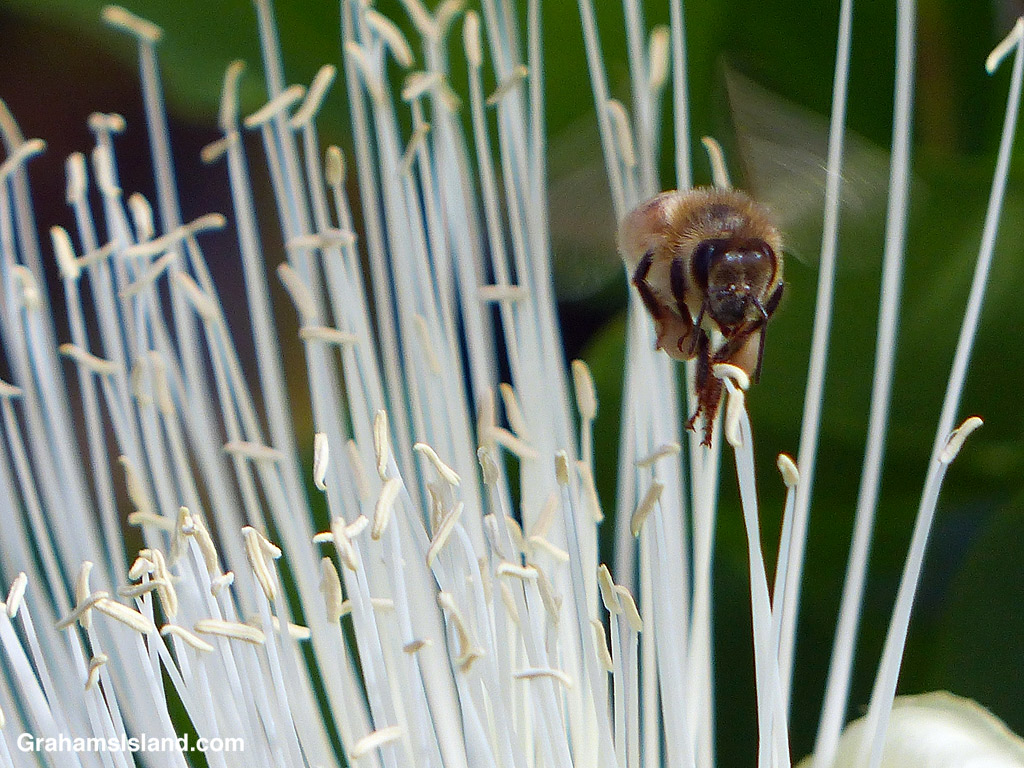
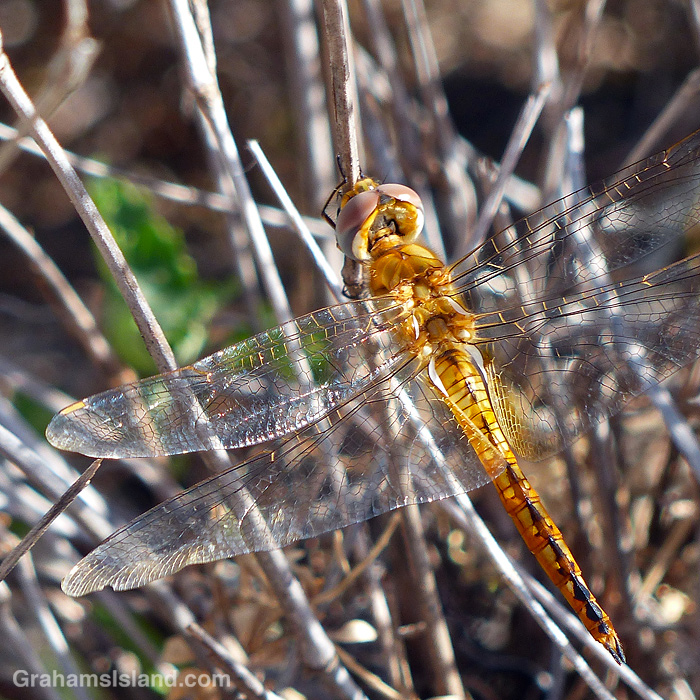
This week’s Sunday Stills challenge theme is ‘Summer Bugs.’ (See more responses here.) To the best of my knowledge, Hawaii’s bugs are pretty much the same year-round. Here are some of them.
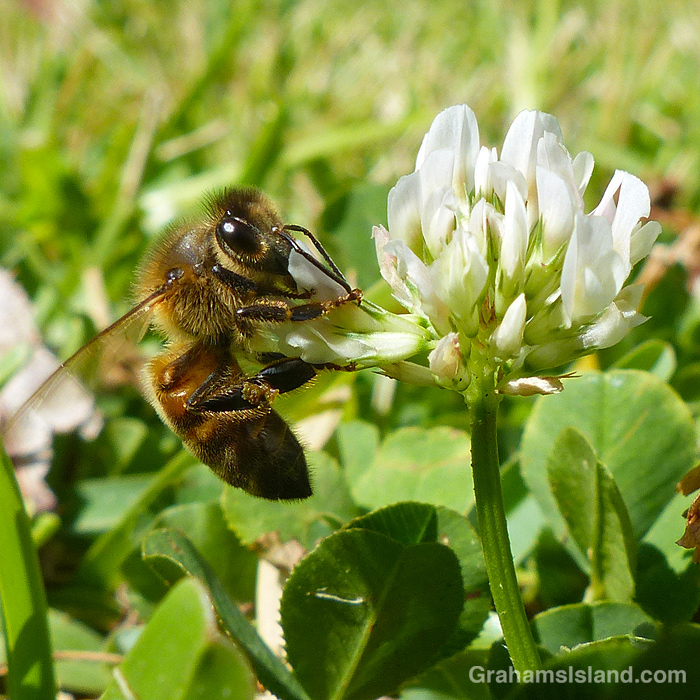
The top photo shows a bee showing impressive balance on a maiapilo flower.
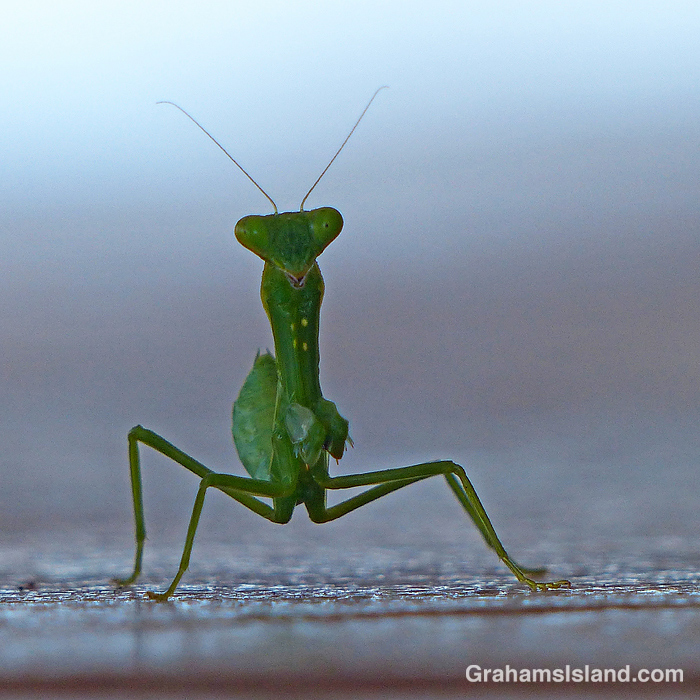
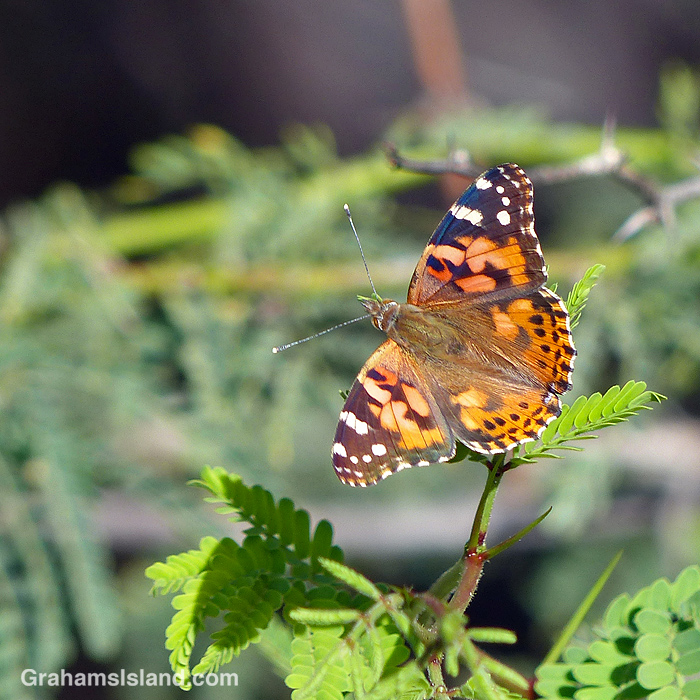
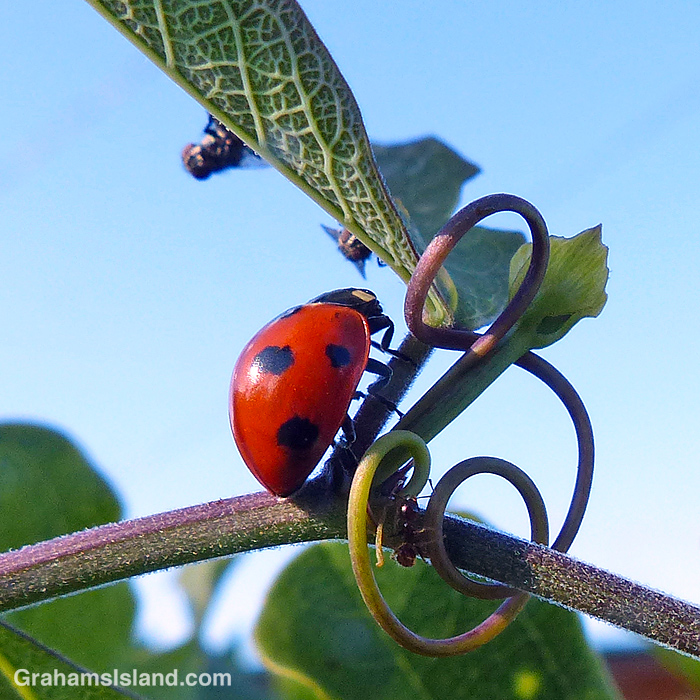
Next up, clockwise from top left: Getting down to eye level with a juvenile praying mantis. A painted lady butterfly on a kiawe tree. A katydid wondering what it’s done to deserve this much attention. A seven-spotted lady beetle being watched.
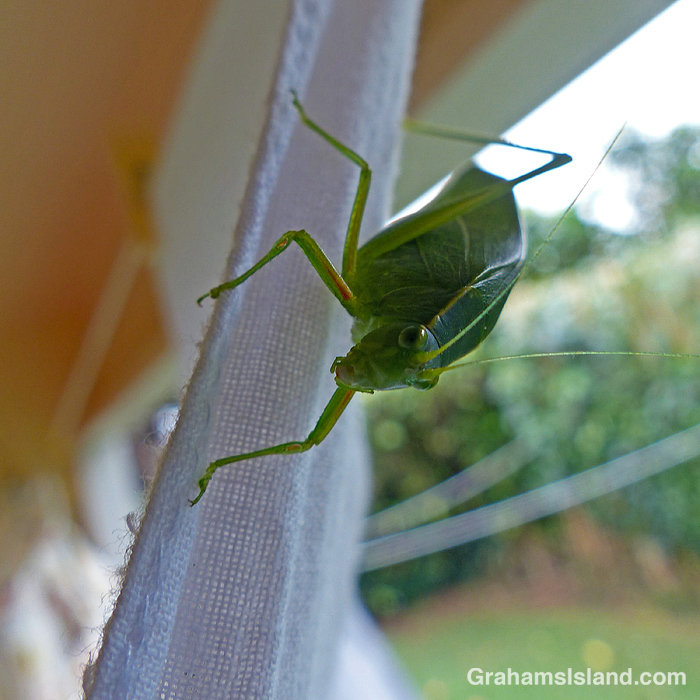
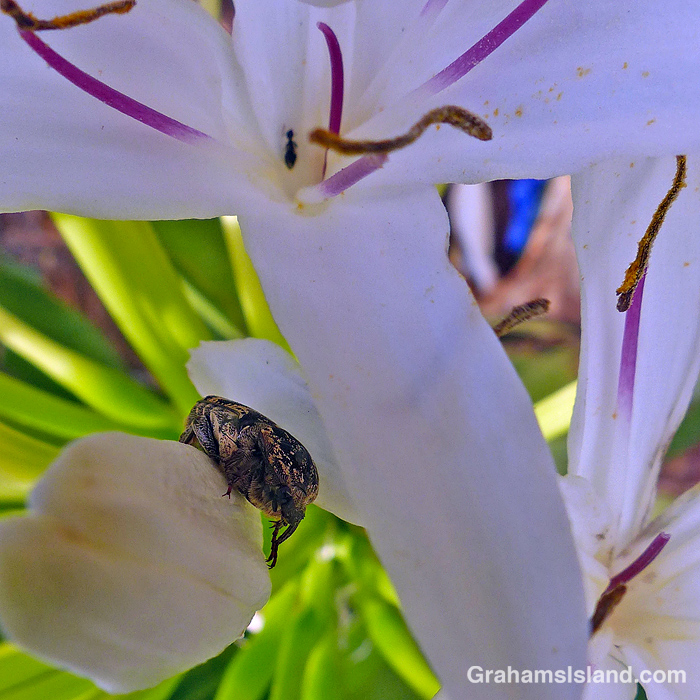
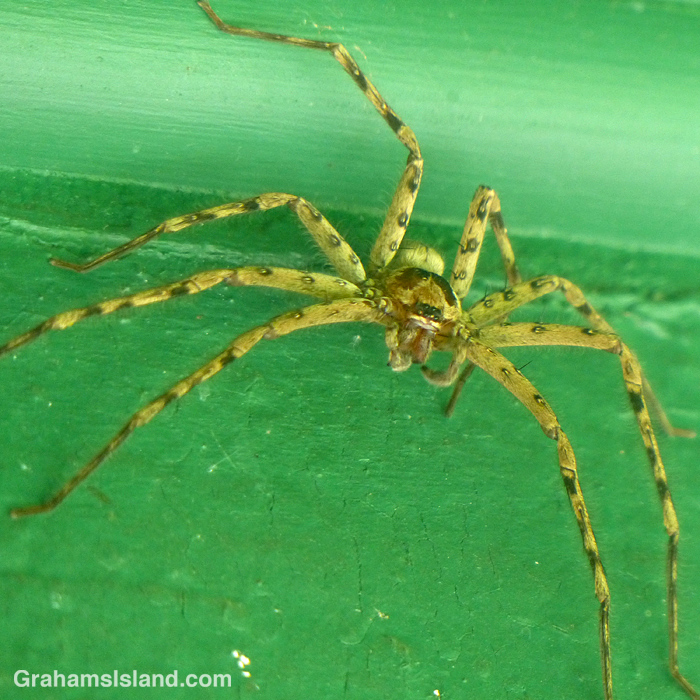
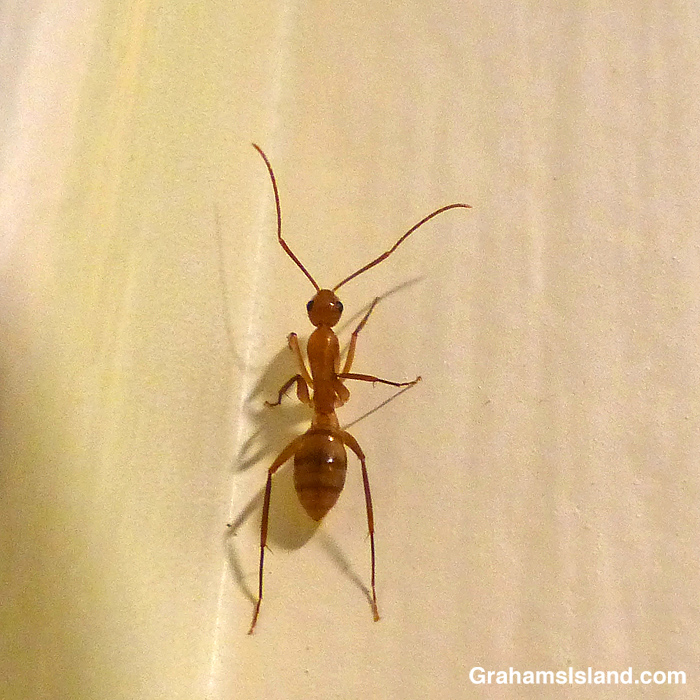
The final gallery: Top left: A mango flower beetle explores a spider lily. Top right: A watchful cane spider wondering if it should run, very fast, away. Bottom left: A Hawaiian carpenter ant (Camponotus variegatus), one of too many that have taken up residence in the house. Bottom right: A rusty millipede deciding that it’s all too much!
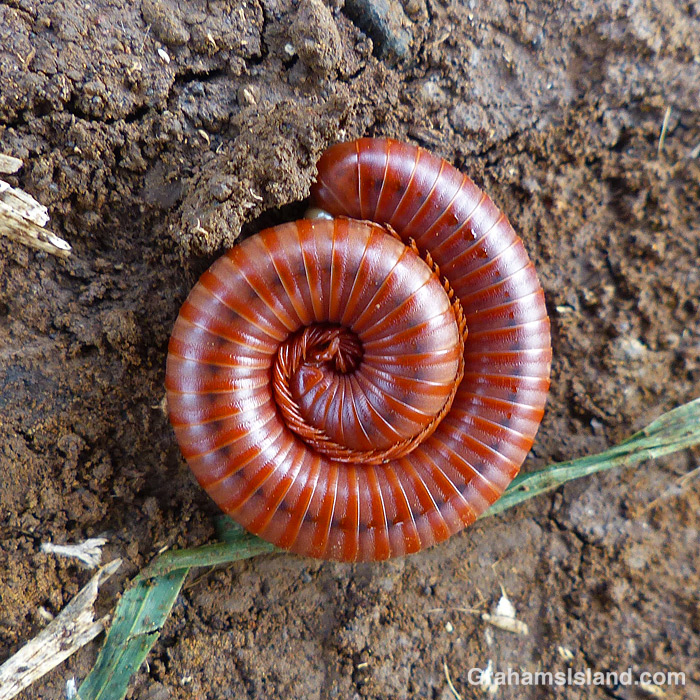
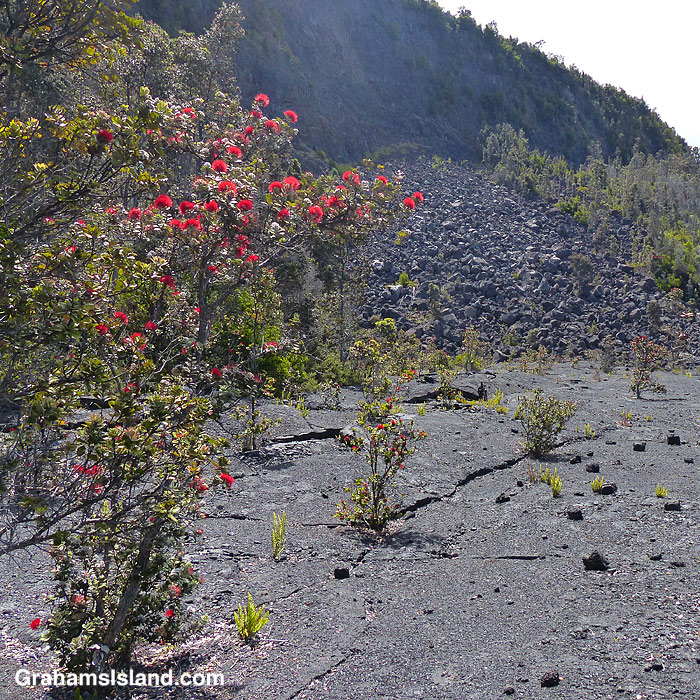
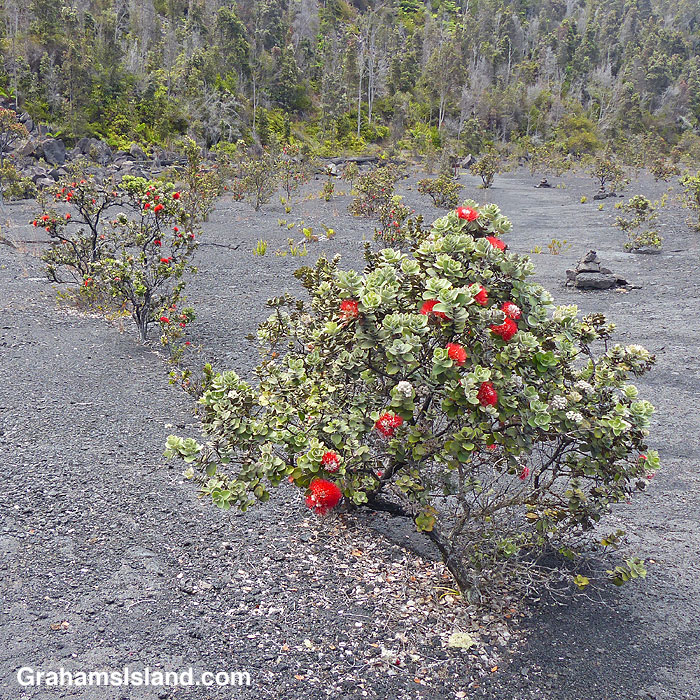
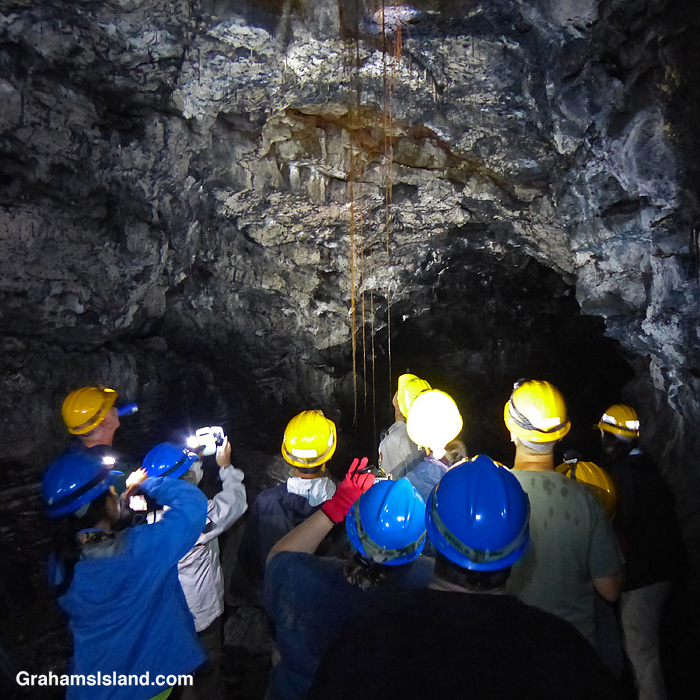
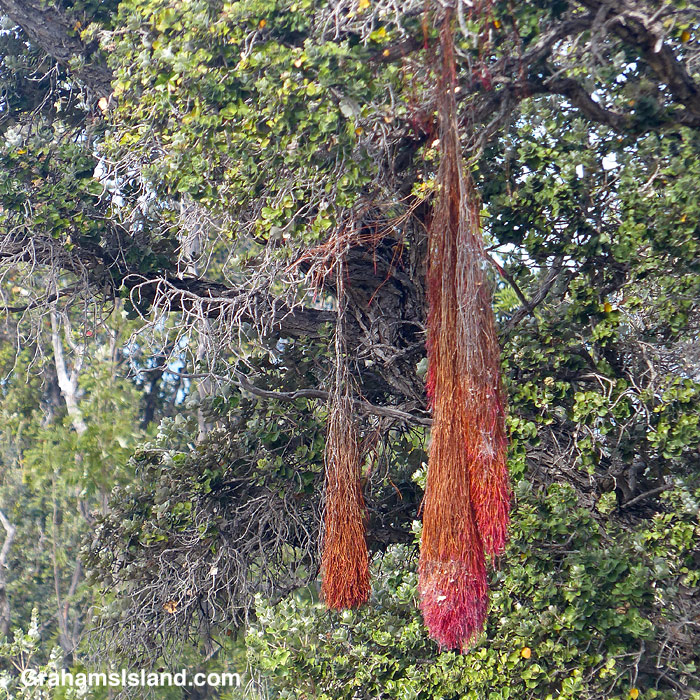
This week’s Sunday Stills challenge theme is ‘Geometric–explore various angles.’ I’ve focused more on the ‘various angles’ than the geometric.
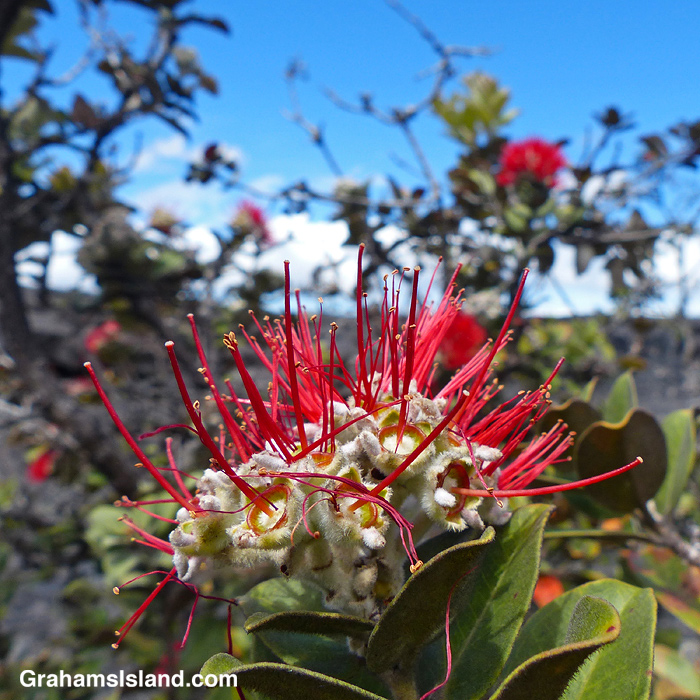
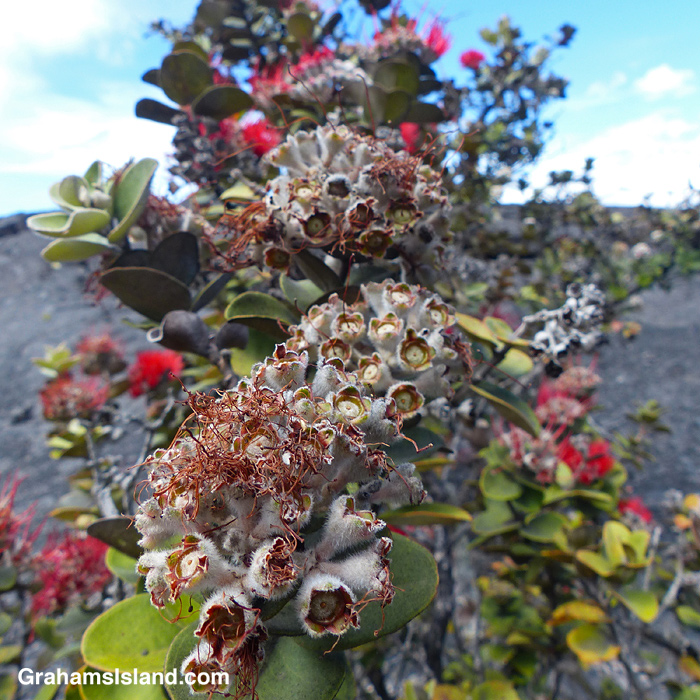
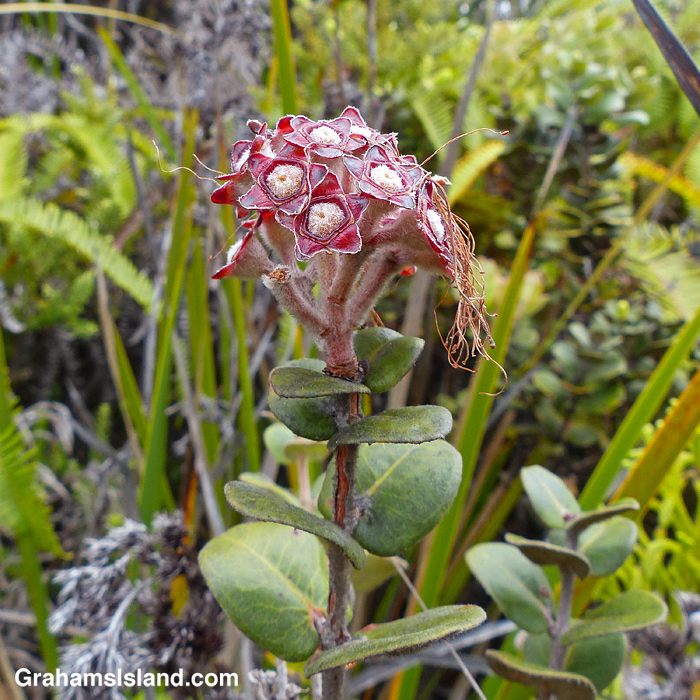
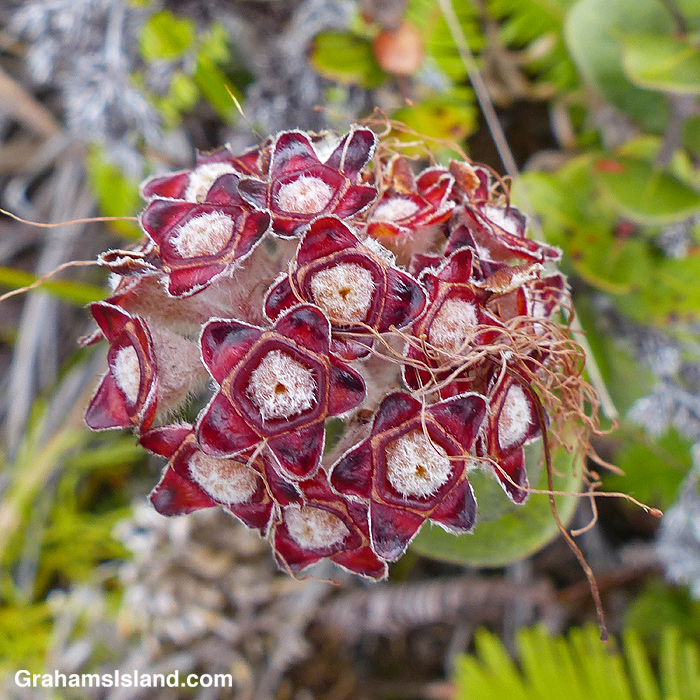
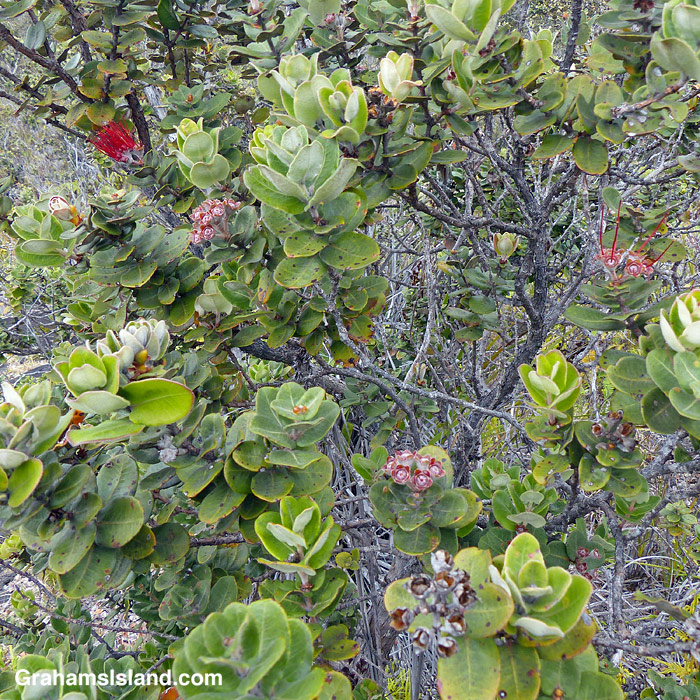
Ohia trees (Metrosideros polymorpha) are endemic to Hawaii and the flower of these trees is the official flower of the Big Island. Depending on growing conditions, ohias can vary from ground hugging shrubs to 50 foot trees. They grow at sea level and at elevations up to 8,000 feet. They’re probably most noted for two things. One is their brilliant display of flowers. The other is that they’re usually the first plants to recolonize lava flows.
They grow in lava is because their roots reach down into lava tubes and tap into the moisture available there. But ohia can also put out aerial roots to gather moisture. They’re very flexible in this way.
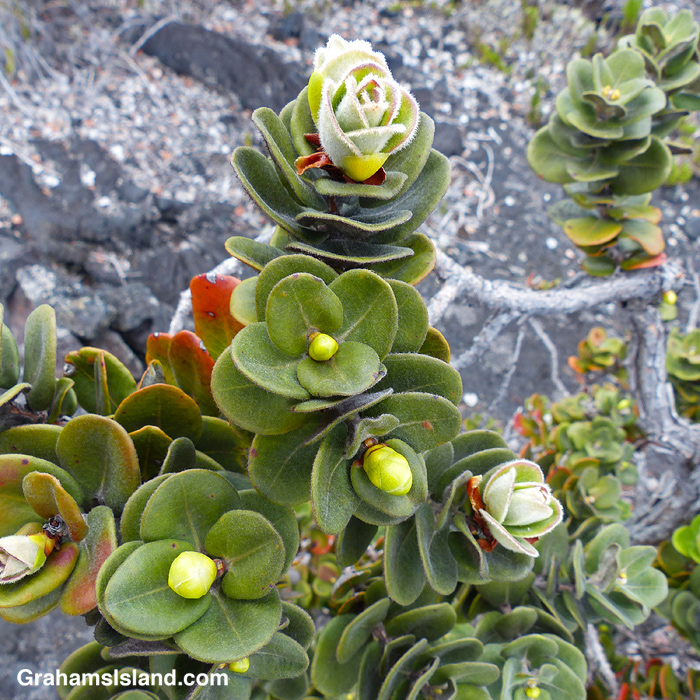
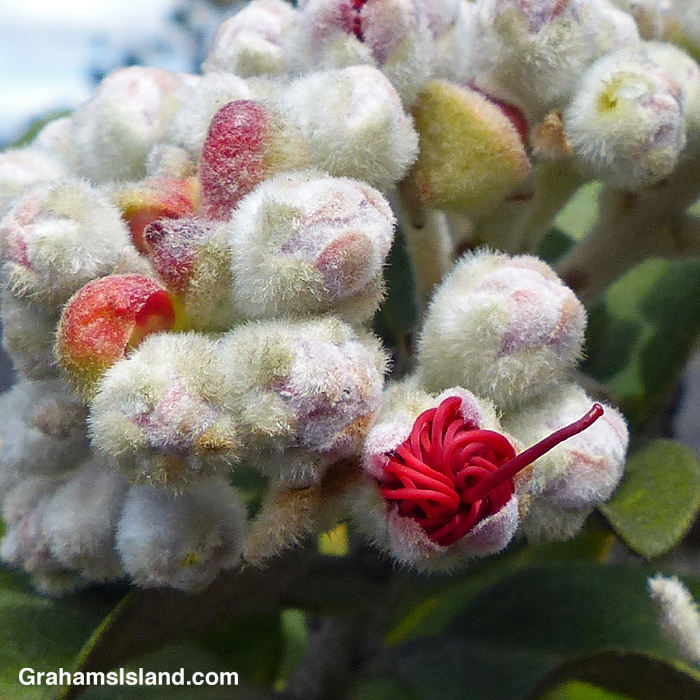
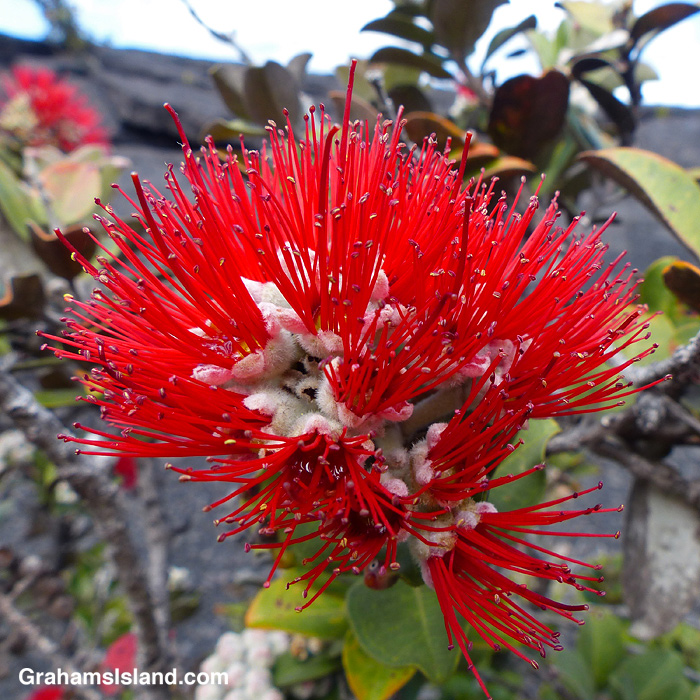
The puffball flowers are actually clusters of flowers. Each flower is made up of a bunch of stamens (the male part of the flower) and a single pistil (the female part) which is thicker and longer than the stamens. When the flowers have been pollinated, the stamens fall away until only the pistil remains. This too will disappear as the calyx, where the seeds are found, develops. Eventually, the calyx will dry out and release the tiny mature seeds, to be dispersed by the winds, and hopefully grow into new ohia trees.
Also posted in response to Becky’s July Squares challenge theme of ‘Trees.’ See more responses here.
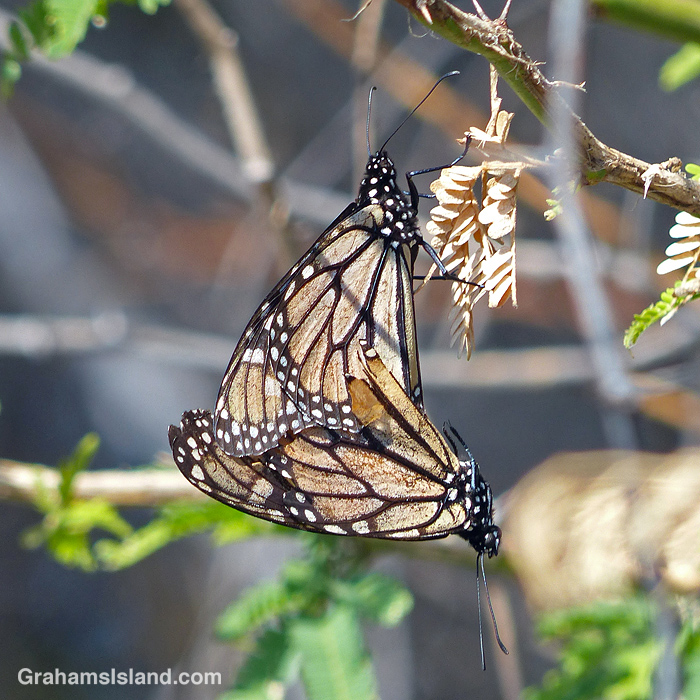
A pair of monarch butterflies mating on a kiawe tree.
Posted in response to Becky’s July Squares challenge theme of ‘Trees.’ See more responses here.
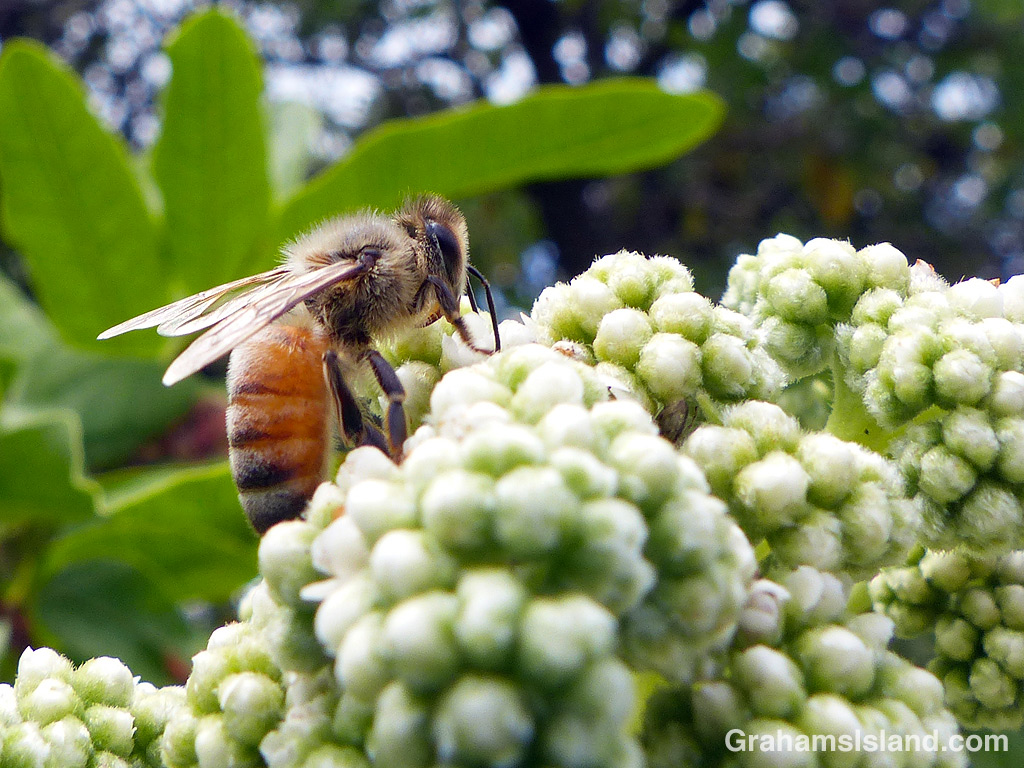
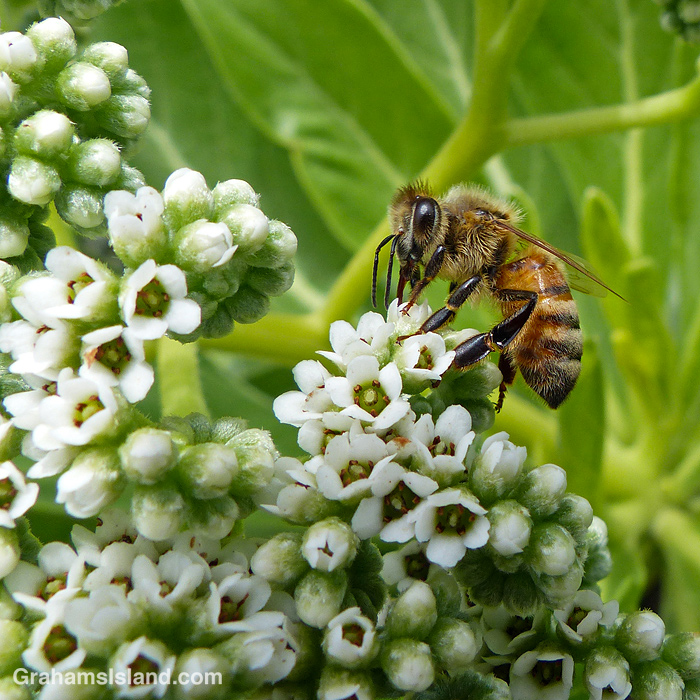
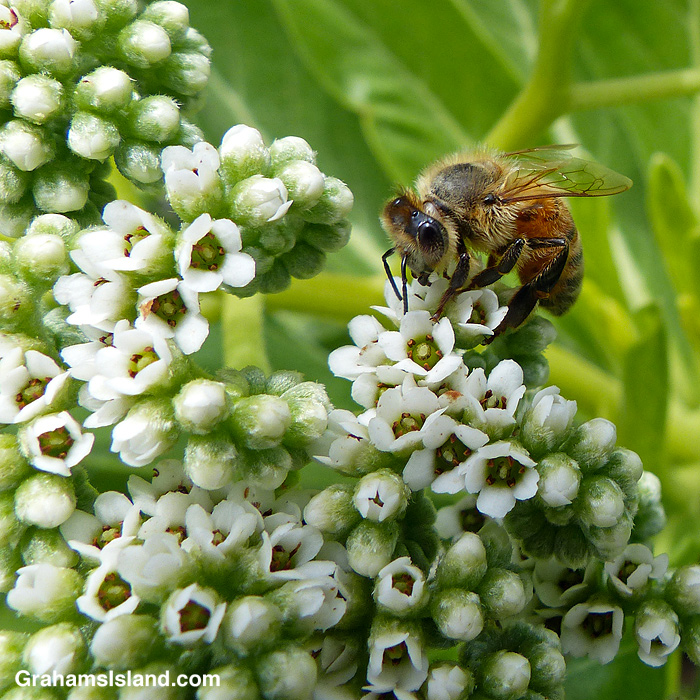
Tree heliotropes produce clusters of little white flowers which are a big draw for bees. When the flowers bloom there are usually plenty of bees in attendance to gather the goodies within.

