
A closeup of the orange and yellow stamens, and purple stigma of the endemic Pua Kala or Hawaiian Prickly Poppy (Argemone glauca).

A closeup of the orange and yellow stamens, and purple stigma of the endemic Pua Kala or Hawaiian Prickly Poppy (Argemone glauca).
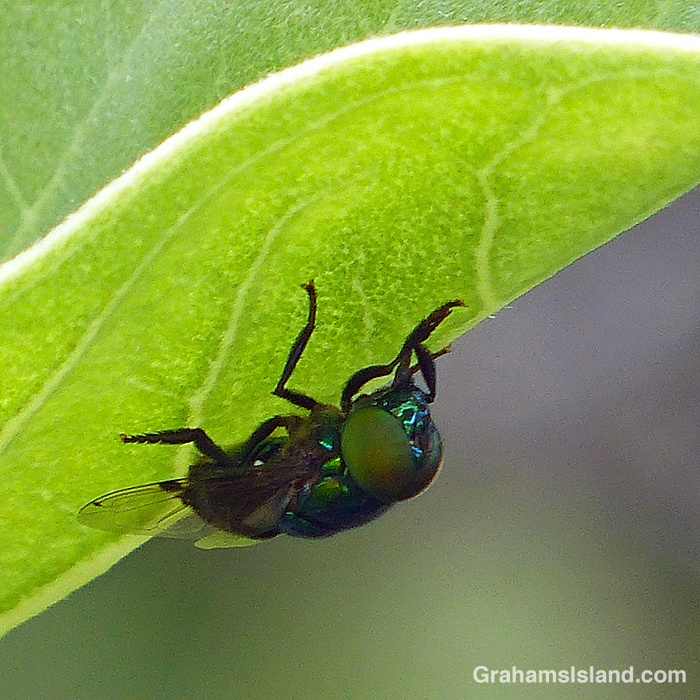
The reason I don’t like this photo is because, just a moment before, this green hover fly (Ornidia obesa) had been right side up in the sun, which illuminated its wonderful metallic-green body. Alas, by the time I got my camera out, it had relocated to this spot.
Still, it’s an interesting fly, which could just as easily be called the green wolf fly – ‘what big eyes you have.’
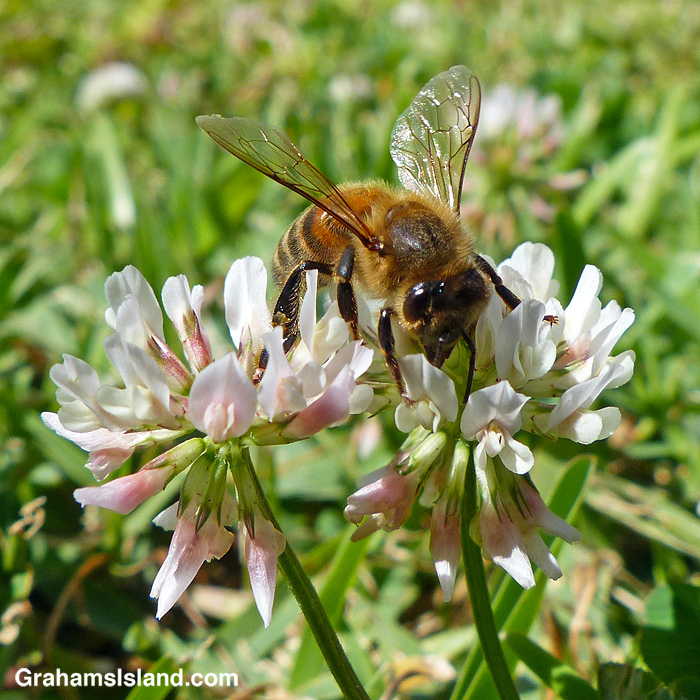
I was walking to my car when I noticed the bees had discovered the clover flowers in what passes for a lawn around here. So I got down and joined them for a little while.

A bee forages on an ohia lehua flower.
Posted in response to Becky’s January Squares challenge theme of ‘Up.’ See more responses here.
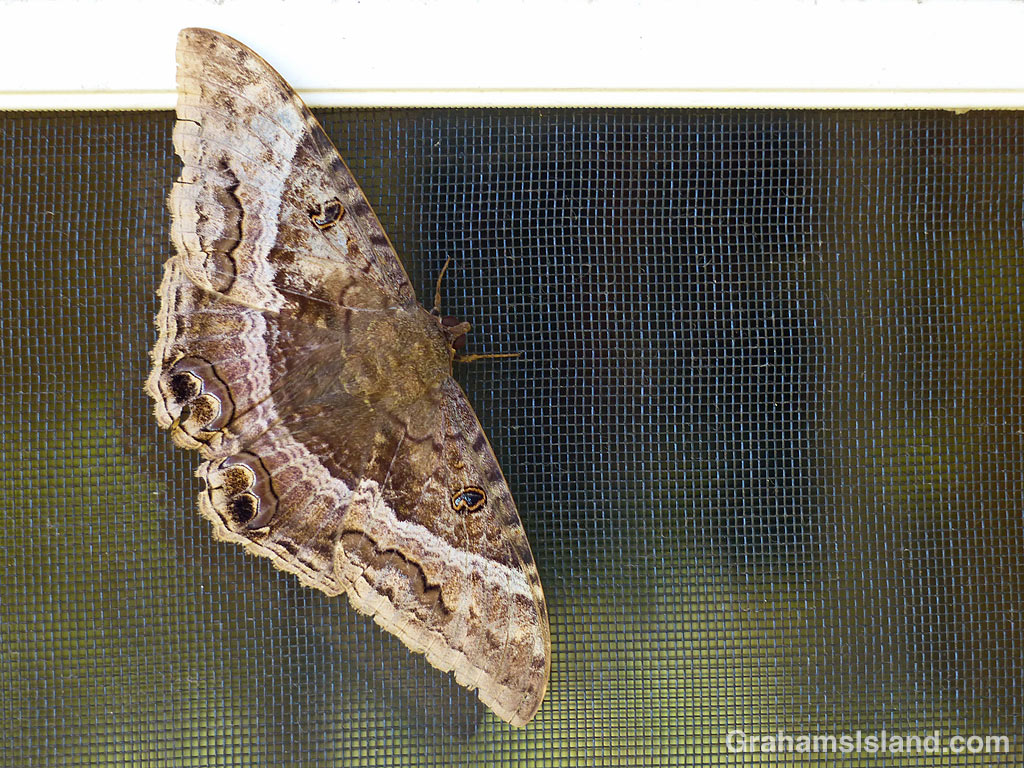
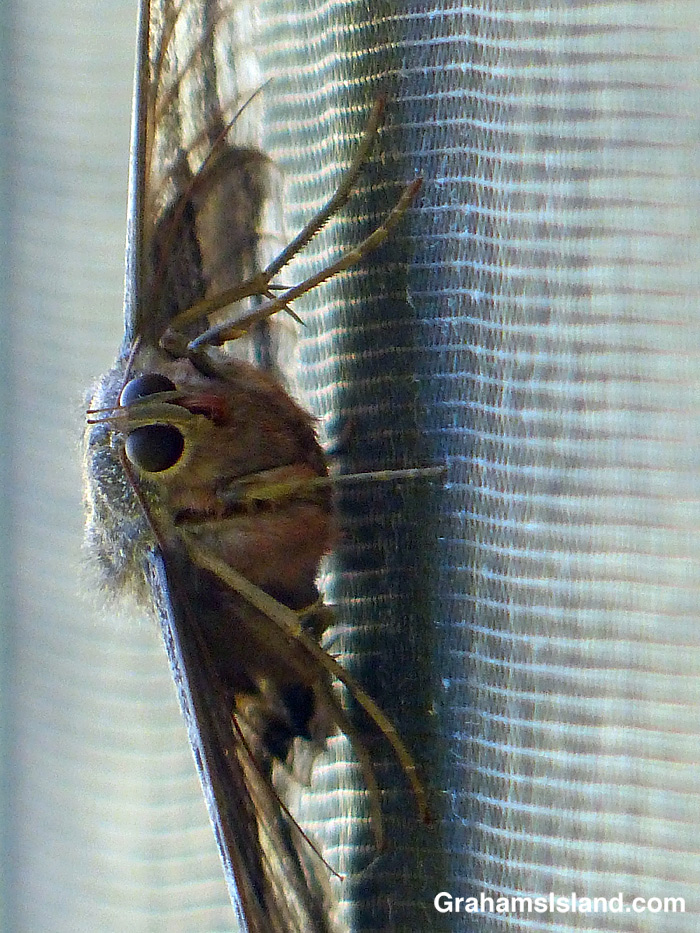
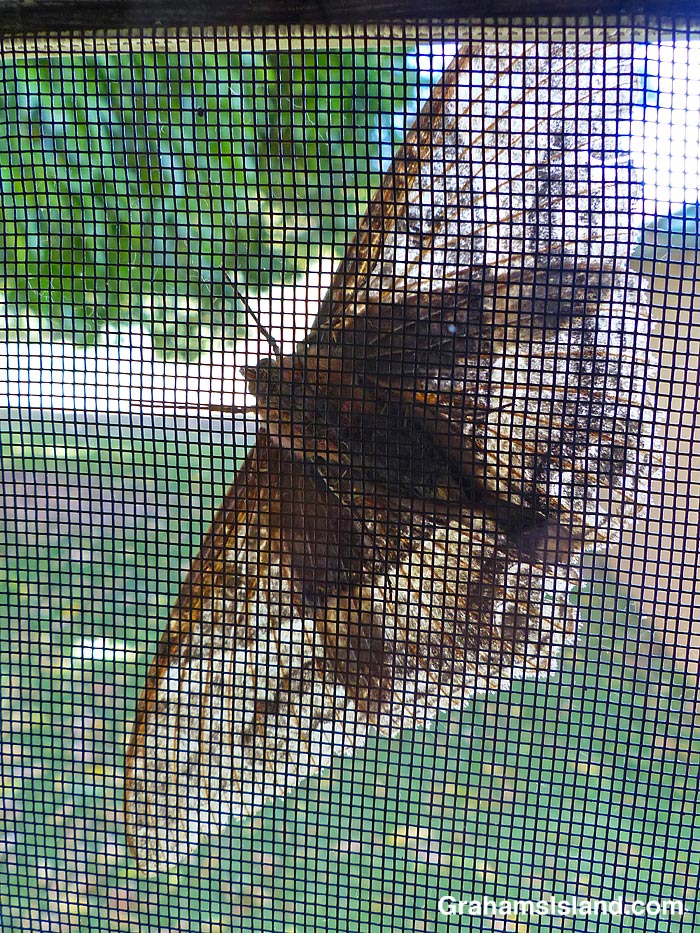
I was sitting on the couch when a large, dark shape appeared on the window screen. The bottom photo shows this first view I had of what was clearly a black witch moth. I took my camera outside and shot a few more photos.
Sometimes these moths can look very battered indeed, but this one looked in good shape, if a little faded. It remained in this spot for several hours until an ambitious gecko saw it as a potential banquet. When the gecko got too close, the moth took off.
I’ve seen a gecko go after one of these moths before (here), but I’ve yet to see one succeed in its quest.
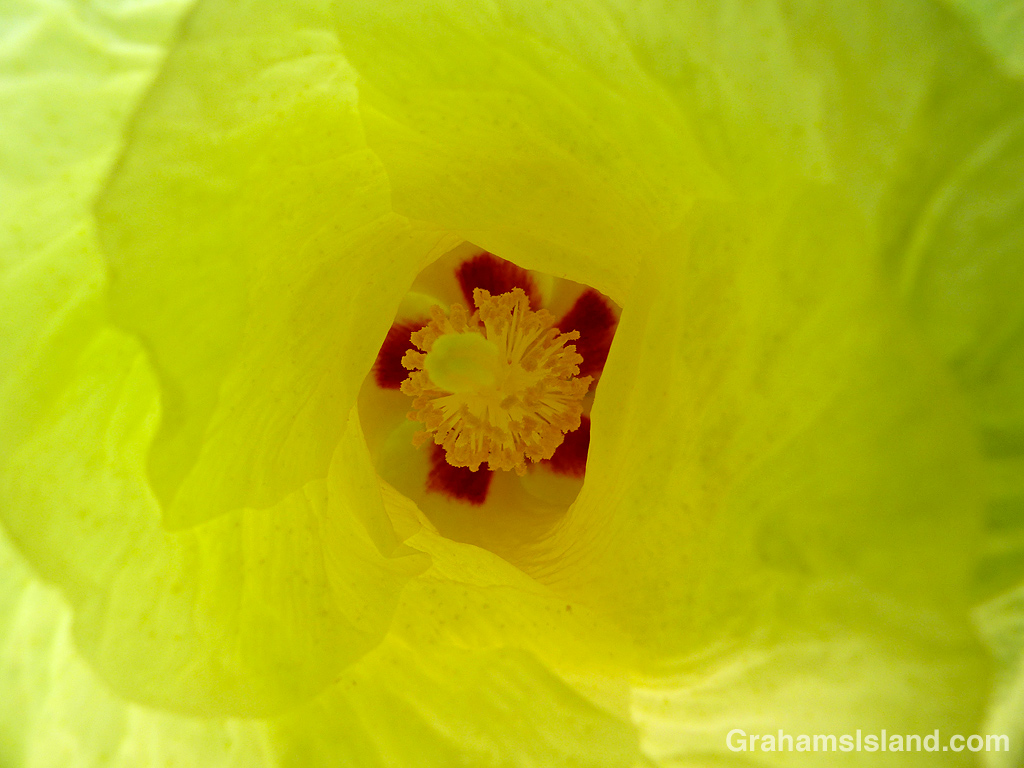
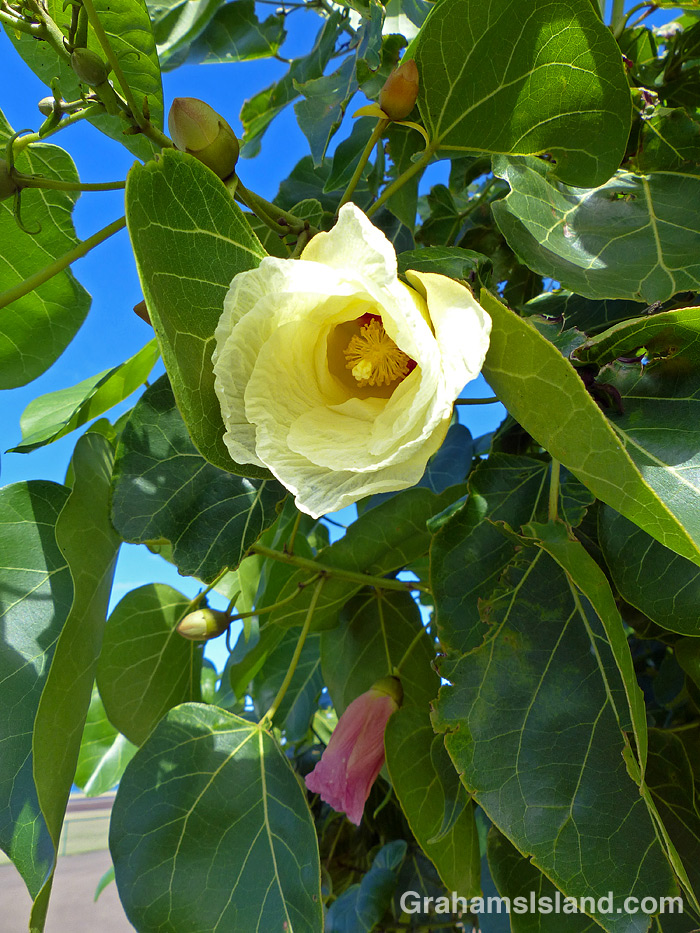
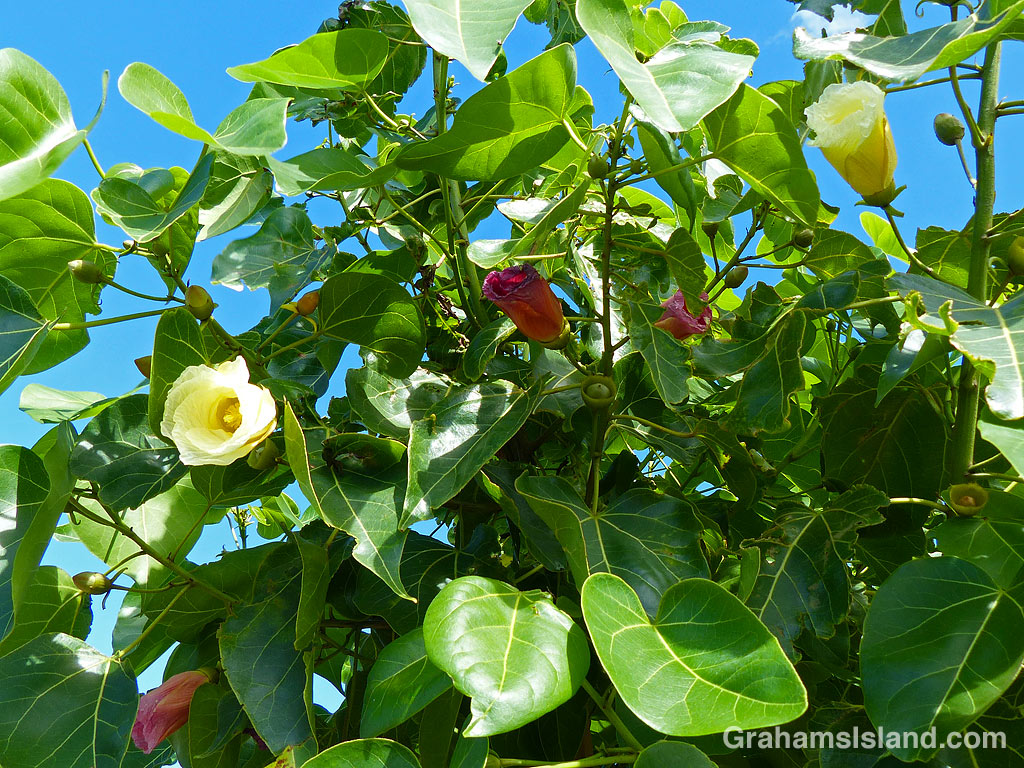
The milo tree (Thespesia populnea) is a canoe plant, brought to Hawaii by the early Polynesians, though it was probably already here before then and so is considered indigenous.
The flowers, which don’t open fully, start out a delicate yellow with red patches at the base, becoming dark pink later. The flowers are followed by green seed capsules which dry to brown.

Sonoran carpenter bees are big. They’re the kind that, when I see one, I automatically flinch because I don’t want it to bump in to me and have it leave a bruise. Truth is, they’re pretty docile. This one is a female and has a stinger, but will only use it if provoked. Males are brown and somewhat smaller and don’t have a stinger at all.
Posted in response to Becky’s October Squares challenge theme of ‘Kind.’ See more responses here.

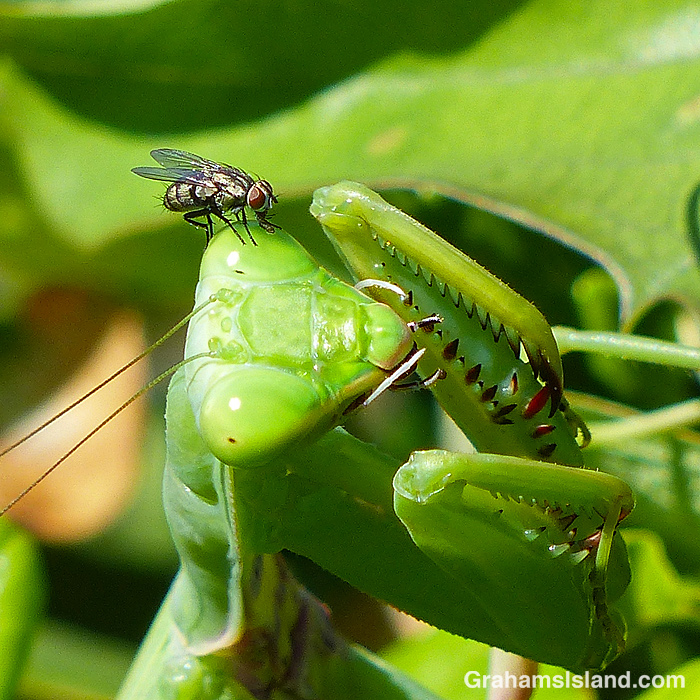
At Upolu Airport, where I go walking a lot, there’s a mock orange hedge with a passion vine running through it. I check this hedge to see what’s happening on it and lately, it’s been overrun by flies. I don’t know why this is, but I wasn’t surprised when I noticed two praying mantises stationed in the hedge. They were having a field day.
The flies would flit around as flies do, but when one settled, a mantis would strike. Their success rate was quite high, but the flies were easy targets. The safest place to be was on one of the mantises, but that wasn’t a long term solution.
The scene remained the same over three or four days, and then, though the flies were still around, the mantises disappeared. I guess that’s understandable. I mean, how many flies do you think you could eat before you’d start looking for something different?


