The idea of The Numbers Game is to enter a number into the search bar of your computer and then post a selection of the photos that turn up. This week’s number is 204. Captions are on the photos. You can see more responses here.
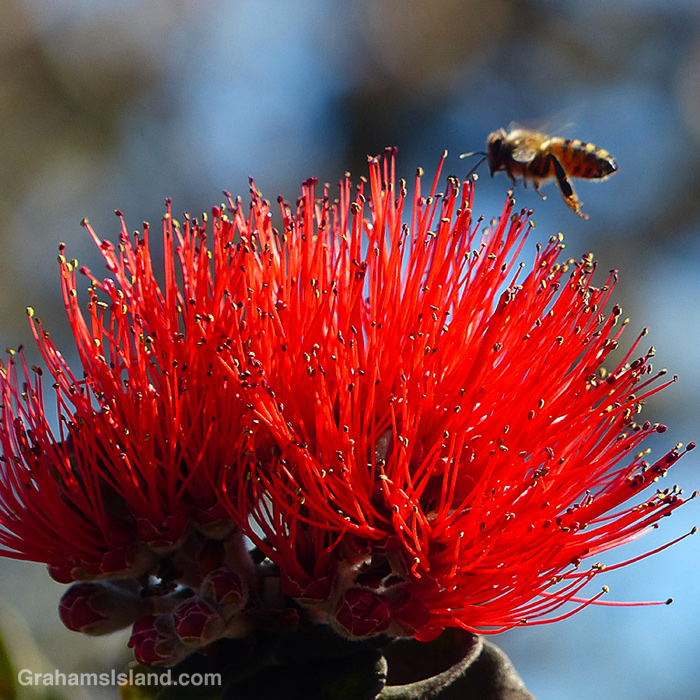
Also posted for Becky’s Squares: Simply Red. See more responses here.
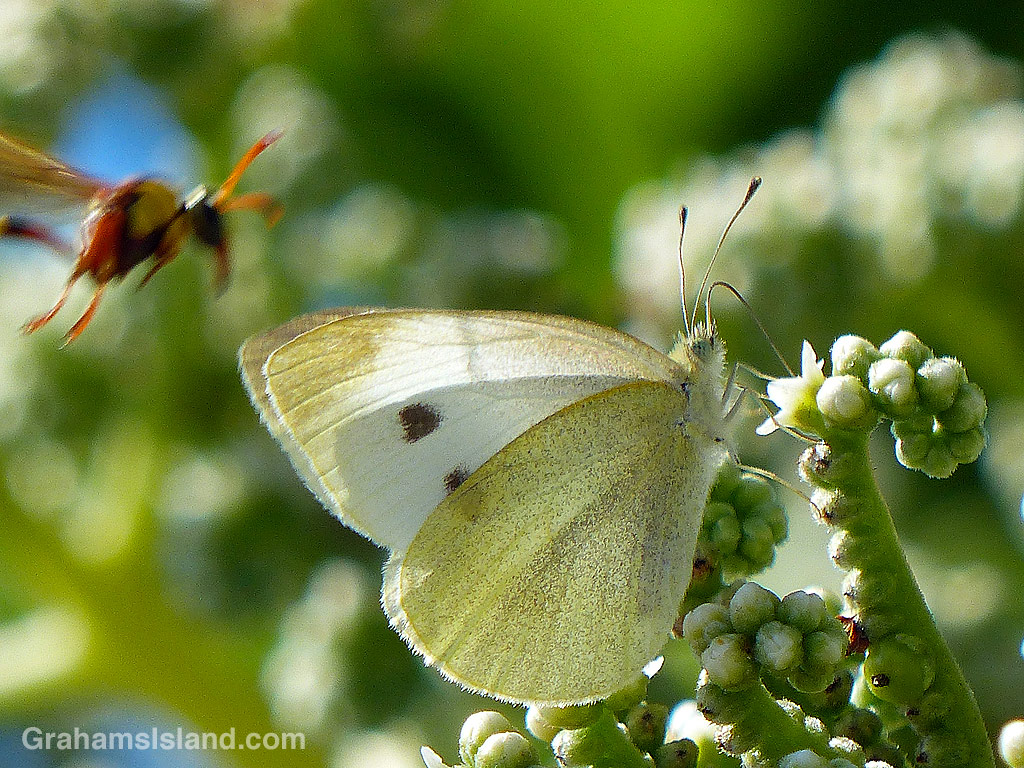
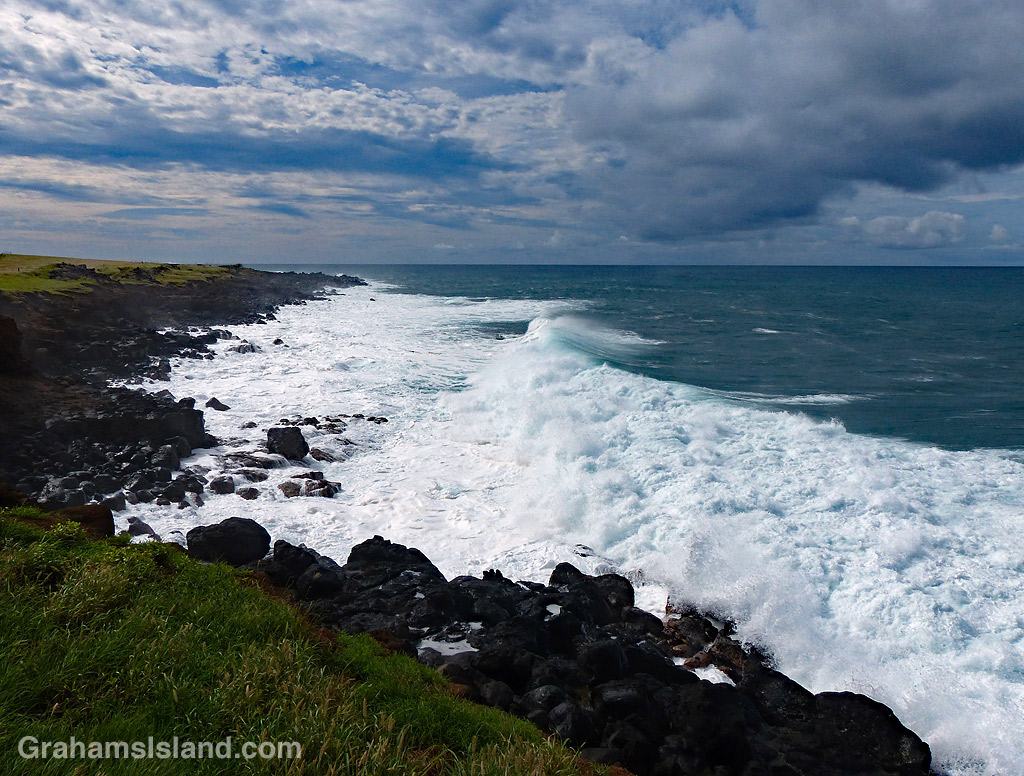
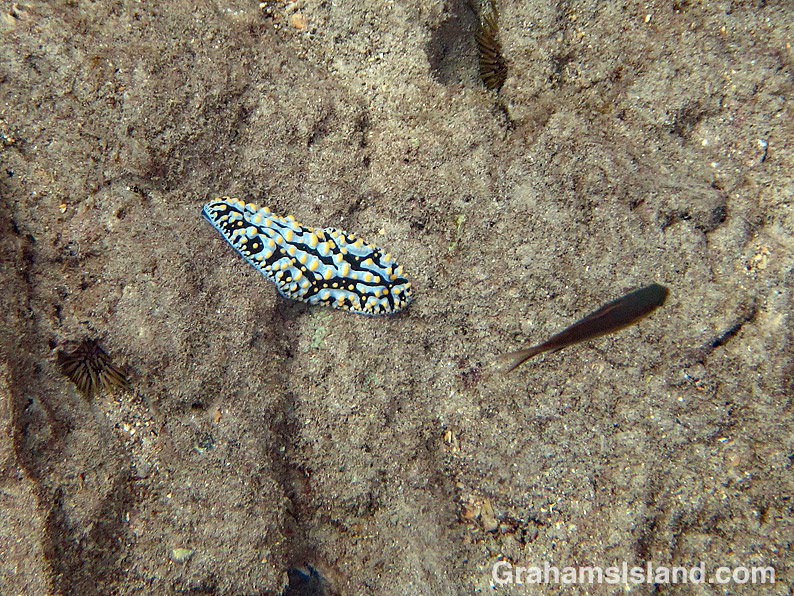
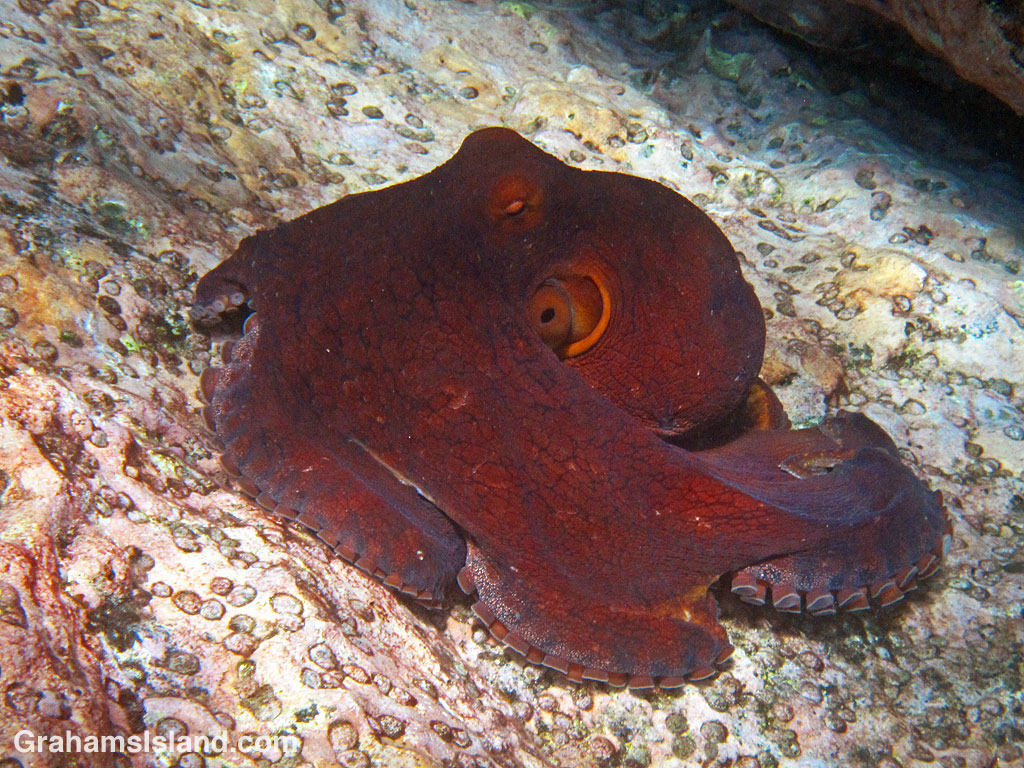
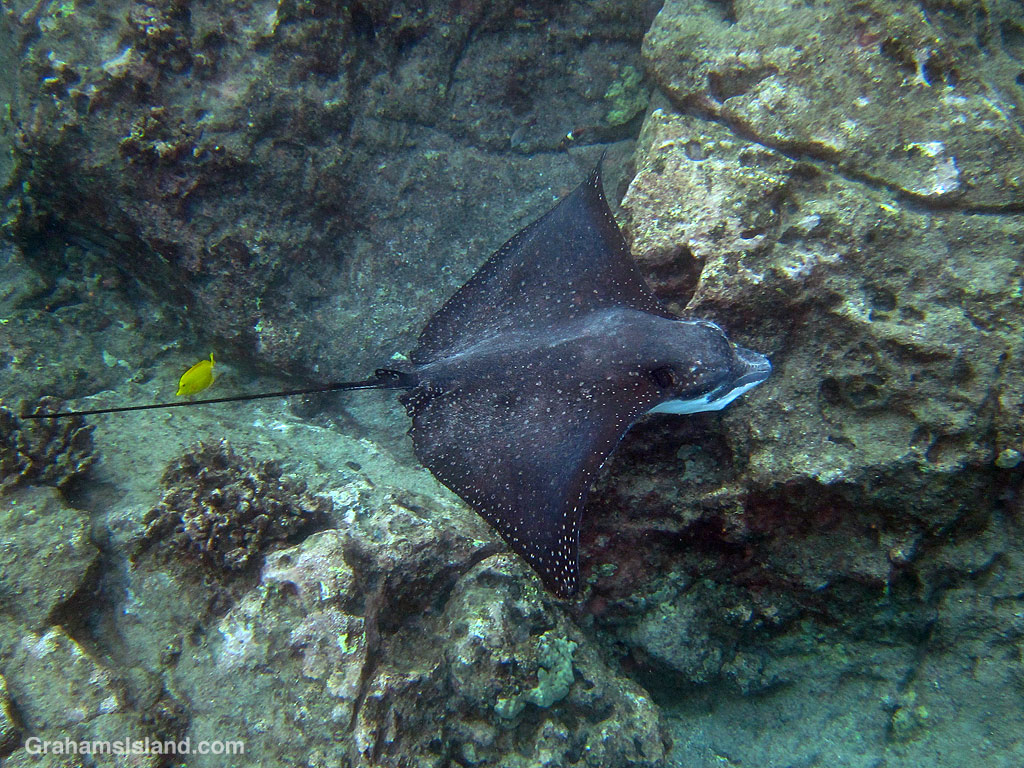
A Cabbage Butterfly about to receive a visitor!An abandoned car that was finally set on fire.Rolling surf and dark clouds off the North Kohala coast.A Varicose Phyllidia sea slug.A Pacific Day Octopus caught in the open.A Spotted Eagle Ray passes below.
The idea of The Numbers Game is to enter a number into the search bar of your computer and then post a selection of the photos that turn up. This week’s number is 203. Captions are on the photos. You can see more responses here.
Also posted for Becky’s Squares: Simply Red. See more responses here.
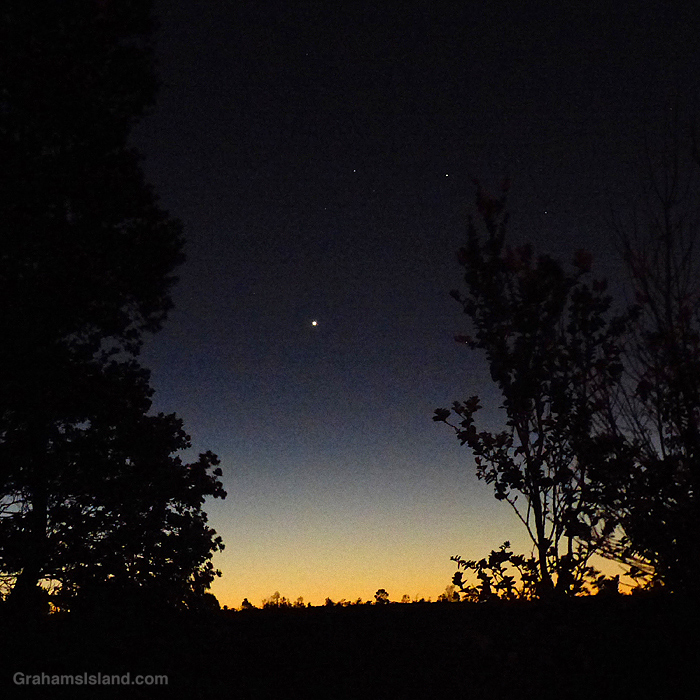
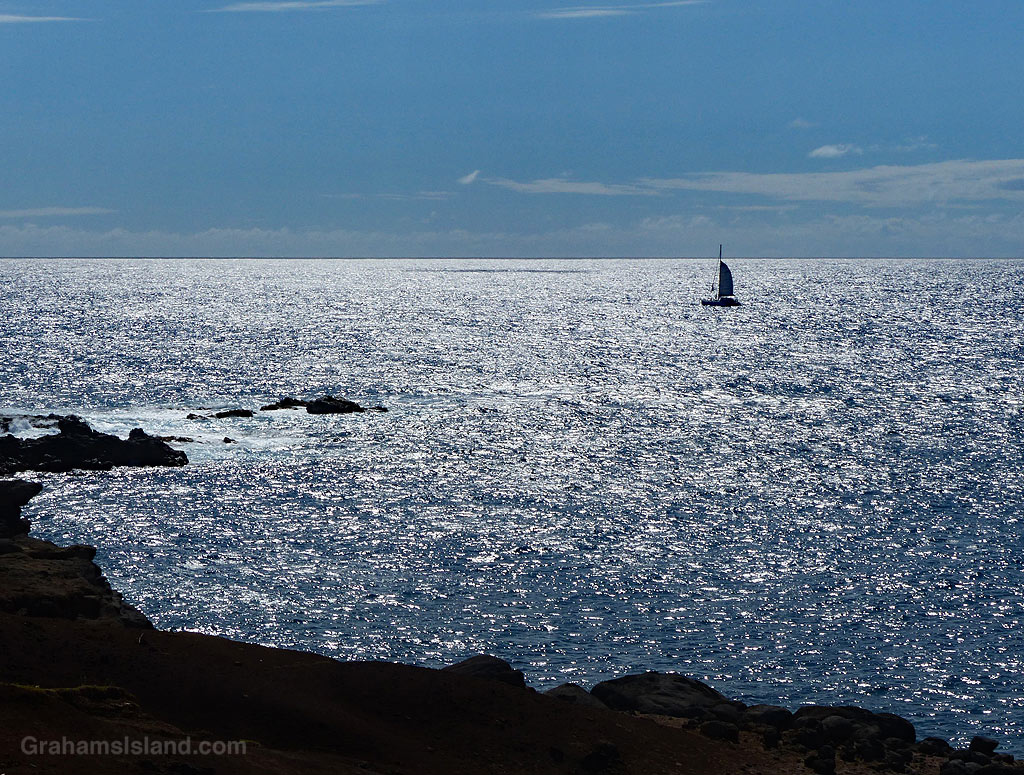
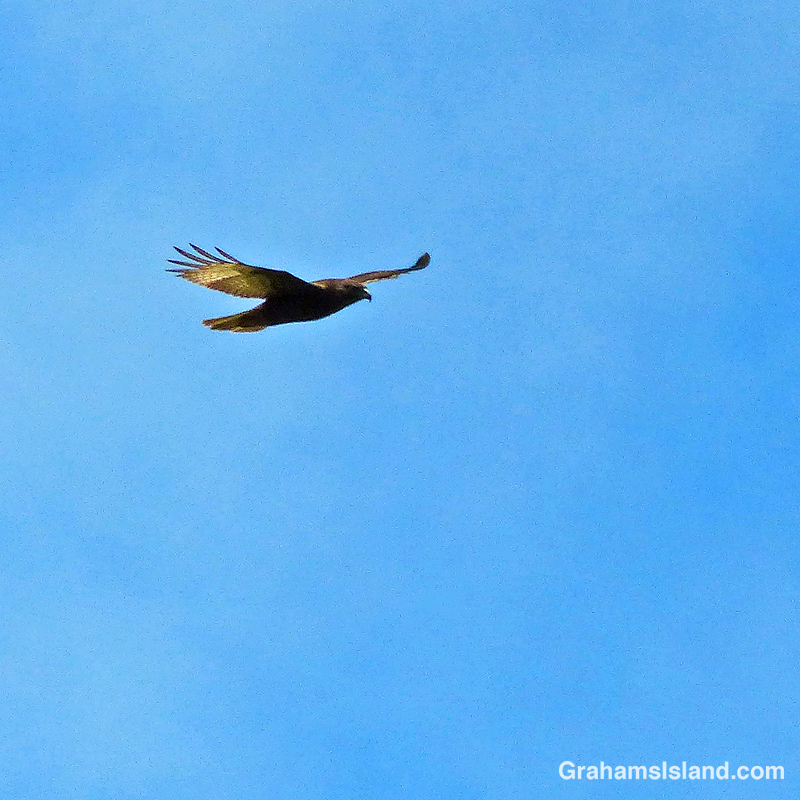
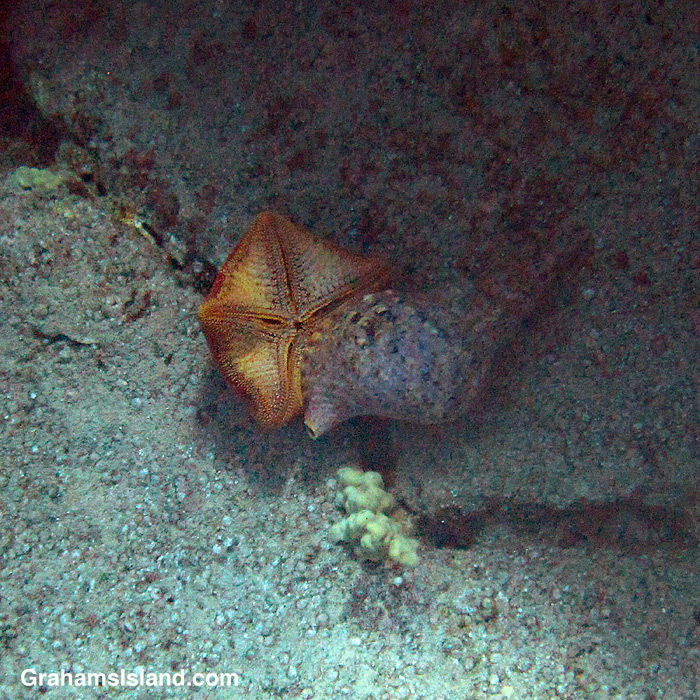
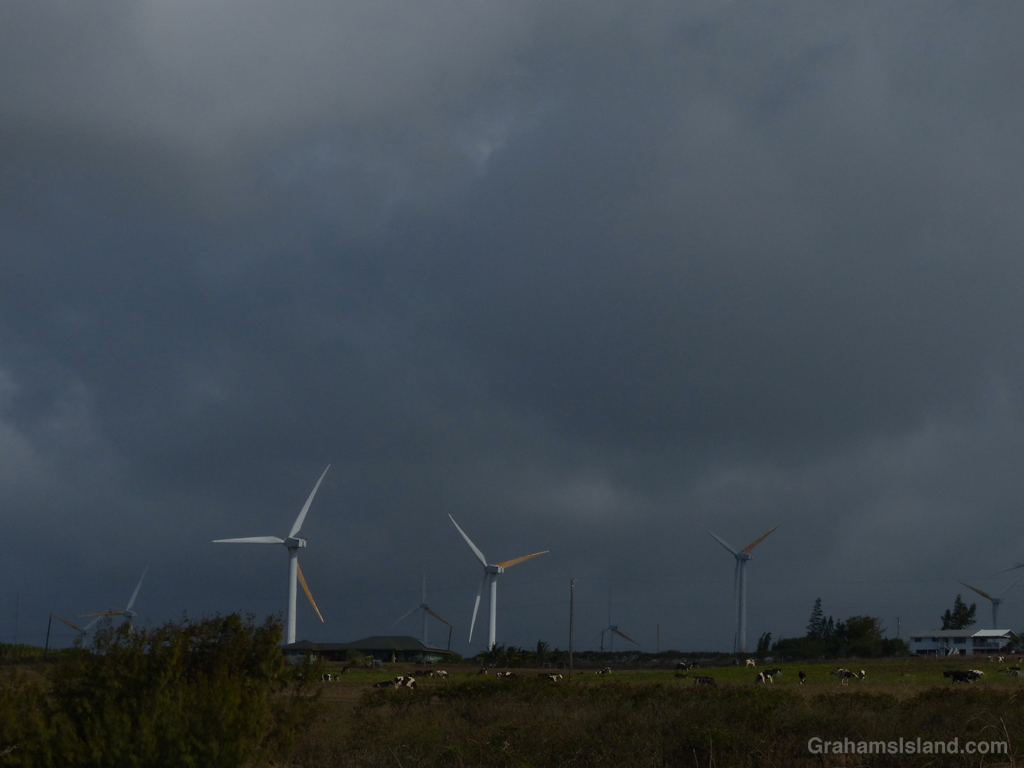
Ambon Toby.Venus in the early morning sky.A catamaran cruising off the coast of North Kohala.An Io flies by.A Triton’s Trumpet eating a Cushion Star.Ominous weather over the Hawi WInd Farm.
It’s been a long time since I saw a Triton’s Trumpet, so I was happy to spot this one soon after I got into the water recently. However, it didn’t look like it was in a good situation, shell down in the rocks and the opening exposed. I’m not one to interfere with nature too much so I took photos and carried on with my swim. When I returned, I looked for it again and found it right side up and all well.
Triton’s Trumpets are extremely large marine snails. Even when I first saw it, in its precarious position, there was probably no danger. Triton’s Trumpets have no predators in nature. The biggest threat to them is, of course, us humans, who covet them for their very attractive shells.
A downside of this is that these snails are one of the few things that eat Crown-of-Thorns Stars, which are significant destroyers of coral. So going out and buying one of these shells contributes in a direct way to the disappearance of coral reefs.
One thing I have yet to see, but would very much like to see, is a Triton’s Trumpet going after a Crown-of-Thorns Star. That’s because they’re considered to be very speedy snails. Even though a Crown-of-Thorns Star can detect the presence of a Triton’s Trumpet and get a head start, the snail can run it down, moving forward with considerable purpose!
Posted for Becky’s Squares: Move Forward, Reconstruct, Renew, and/or are Burgeoning. See more responses here.
If you like graphic violence, you’re at the right place today. This is a triton’s trumpet sea snail devouring a cushion star, which has been turned on its back. These snails are the largest in the island and feed on echinoderms, which include stars, cucumbers, and urchins.
Posted in response to Becky’s October Squares challenge theme of ‘Kind.’ See more responses here.
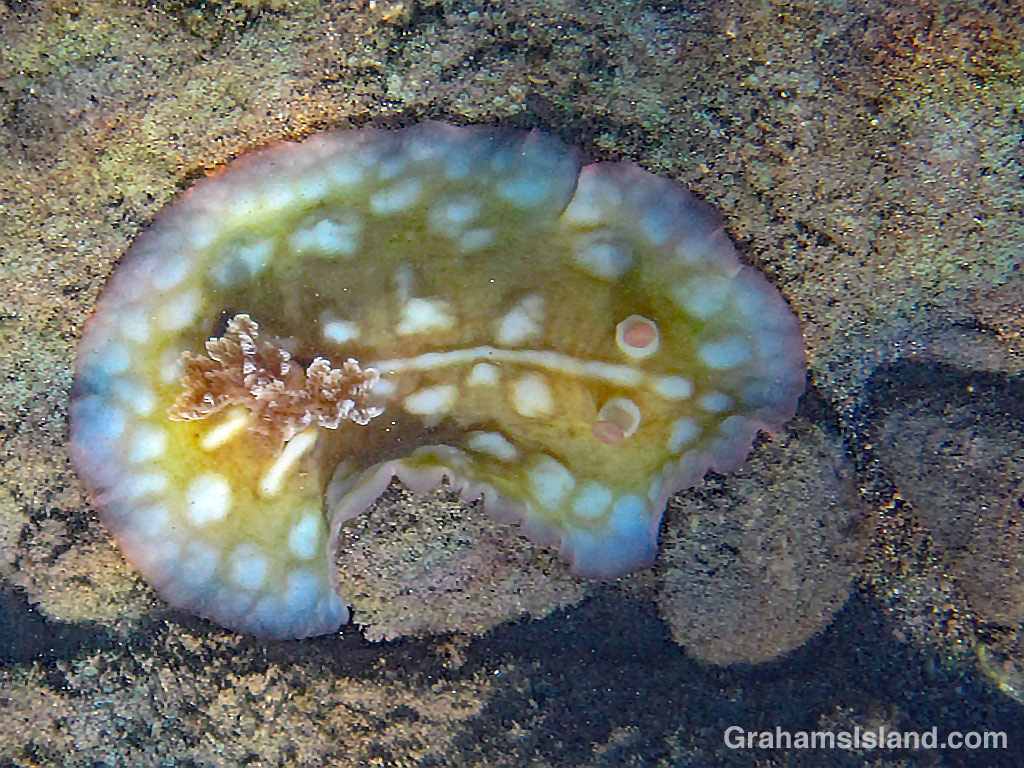
My local snorkeling spot has been roiled with excitement lately over the appearance of a couple of clumpy nudibranchs. Well, it’s exciting for us.
Nudibranchs (pronounced noo-di-branks or noo-da-branks) are members of the sea slug family. Granted this doesn’t sound too exciting, but nudibranchs are strange and exotic and often wildly colorful. The reason I haven’t posted photos of a nudibranch before is that I’ve never seen one before, let alone got a photo of one. That’s the downside of nudibranchs; they tend to be on the small side. One to three inches is typical for most of them. But clumpy nudibranchs are big, up to 10 inches long. In nudibranch world they’re like King Kong, visible from space.
When they were first spotted, I didn’t see them, but I was on high alert. And then, one day, I saw my first nudibranch. I popped up and called to my wife, only to see her waving at me to come see the nudibranch where she was. So this established that nudibranchs are like buses; you wait and wait and wait, then two come along at the same time. Since then, I’ve seen one or both of them most days I get in the water. Each time I’ve seen either of them they’ve been motoring along at speed, at least for a slug.
Clumpy nudibranchs have some color variations which can be seen in these photos. One has more yellow coloring, the other (second photo) being browner. The order’s name, Nudibranchia, means naked gills. These are the feathery clumps to the rear of the nudibranch. The two protuberances at the front are sensory organs. Clumpy nudibranchs feed mainly on sponges (not the cake variety).
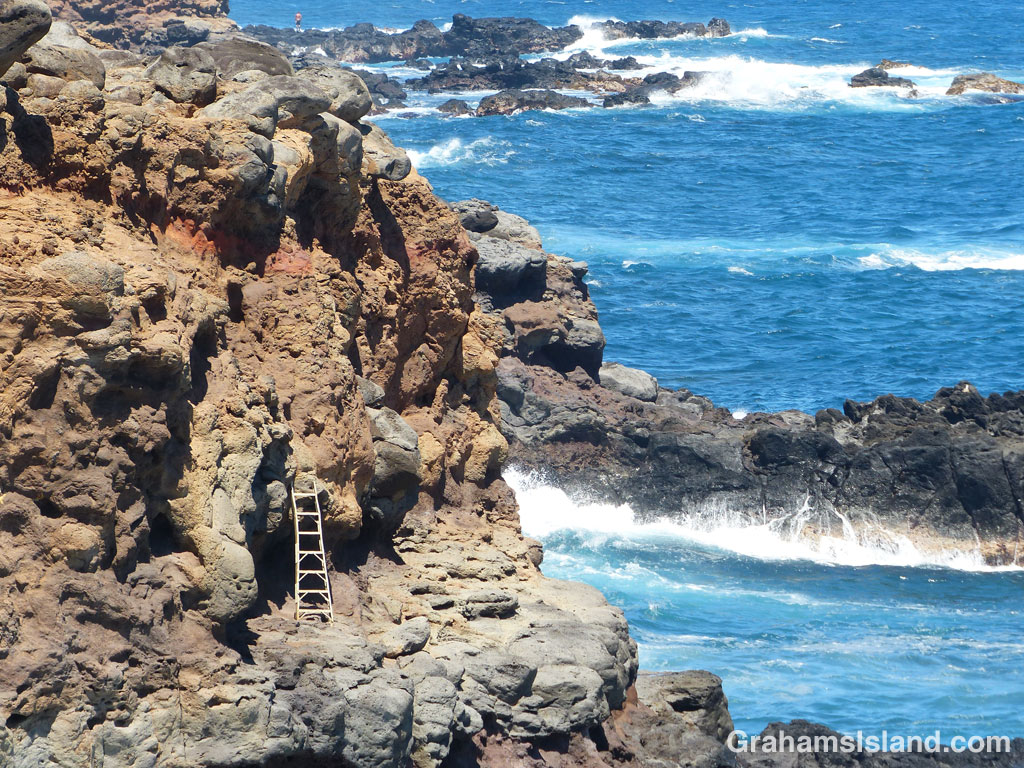
My regular walk around Upolu Airport almost always occurs in the afternoon when I walk along the coast towards the east. This usually puts the sun at my back and the wind in my face. Last Friday, I went out in the morning and so walked in the other direction with both the sun and wind at my back. I was surprised by how strange it felt to do this. Approaching spots where I tend to stop and look for things in the water felt weird. I guess it shows what a creature of habit I’ve become.
One other oddity was this ladder propped halfway down the cliff face. I’d never noticed it before. Now, it might be a recent addition, but it’s also possible it’s been there for years because it is somewhat hidden when walking in the opposite direction.
The ladder was probably put there by someone who goes down onto the rocks to harvest opihi. The opihi is an edible limpet that is something of a delicacy in Hawaii. It can be eaten raw or cooked. Some people eat them right after they pry them from a rock. It’s a dangerous business though. They’re found on rocks right at the water’s edge and an opihi picker can easily slip or be swept into the ocean by big, breaking waves.
When I got home, I noticed the figure at the top of the photo. I hadn’t seen him at the time, but he’s an opihi picker who I ran into a little later on my walk.
Posted in response to Bushboy’s Last on the Card challenge. See more responses here.
Triton’s trumpets are snails and their shells are the second largest in the Indo-Pacific. They can attain a length of 20 inches. The colorful shells are also quite beautiful, especially when they catch the light filtering down from above.
These snails eat echinoderms including Crown-of-Thorns stars, which feed on corals.
A little snapshot of things tucked into the rocks along the Big Island. There’s a red pencil urchin and blue-black urchin, a patch of cauliflower coral, and a cowry, probably a reticulated cowry. And if you look closely, there’s a bright-eyed damselfish swimming between the coral and red pencil urchin.









 Graham's Island