Tag Archives: Surgeonfish

It’s not all about looks

A Reticulated Butterflyfish and Thompsons Surgeonfish in the waters off Hawaii

Reticulated Butterflyfishes are among the easiest fish to identify with their array of white spots on black, and other notable markings.

The same cannot be said for Brown Surgeonfishes. Mostly brown, with a tinge of lavender and some dull spots on the face, this is a fish that’s often overlooked. But according to my fish book, it boasts a couple of noteworthy accolades.

The first is that, back in 1993, “the biggest species of bacteria known to science had been discovered in the gut of this surgeonfish.” It notes that the bacteria was about the size of a hyphen in a newspaper article, which is a pretty good size actually.

The other distinction is that a study, by Roland and Marie-Louise Bauchot, of the brains of Hawaiian reef fishes, declared that the smartest fish on the reef is none other than the little Brown Surgeonfish.

Hello, yellow

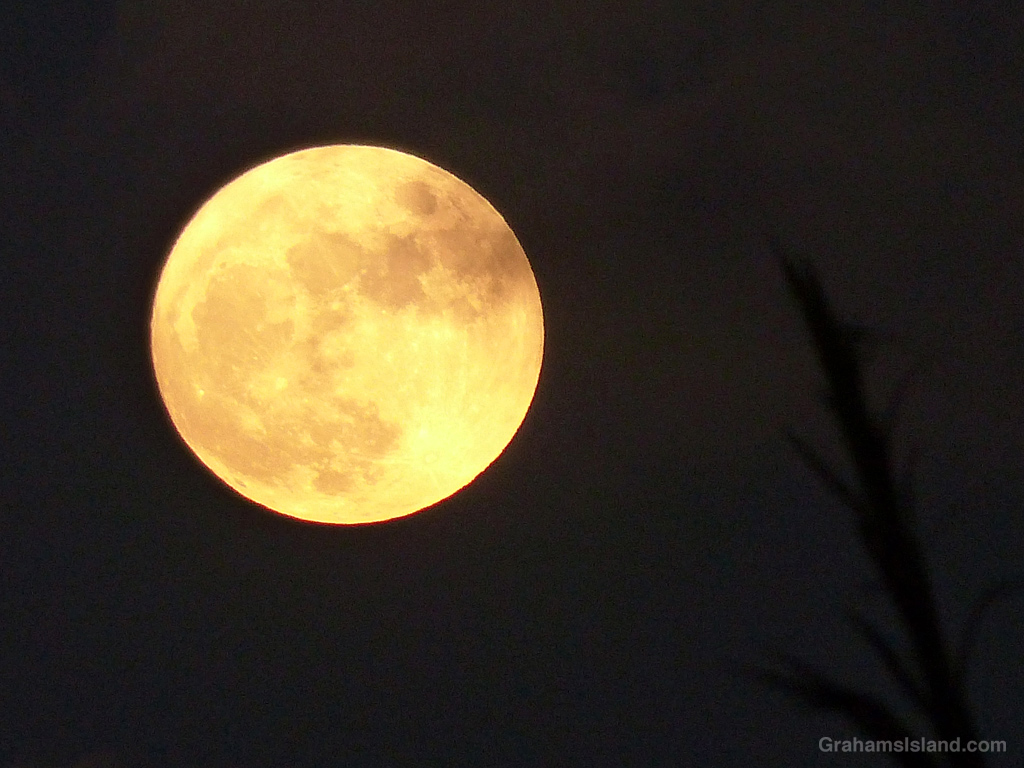
A full moon rises over Hawaii
A buttery yellow full moon rises over North Kohala.

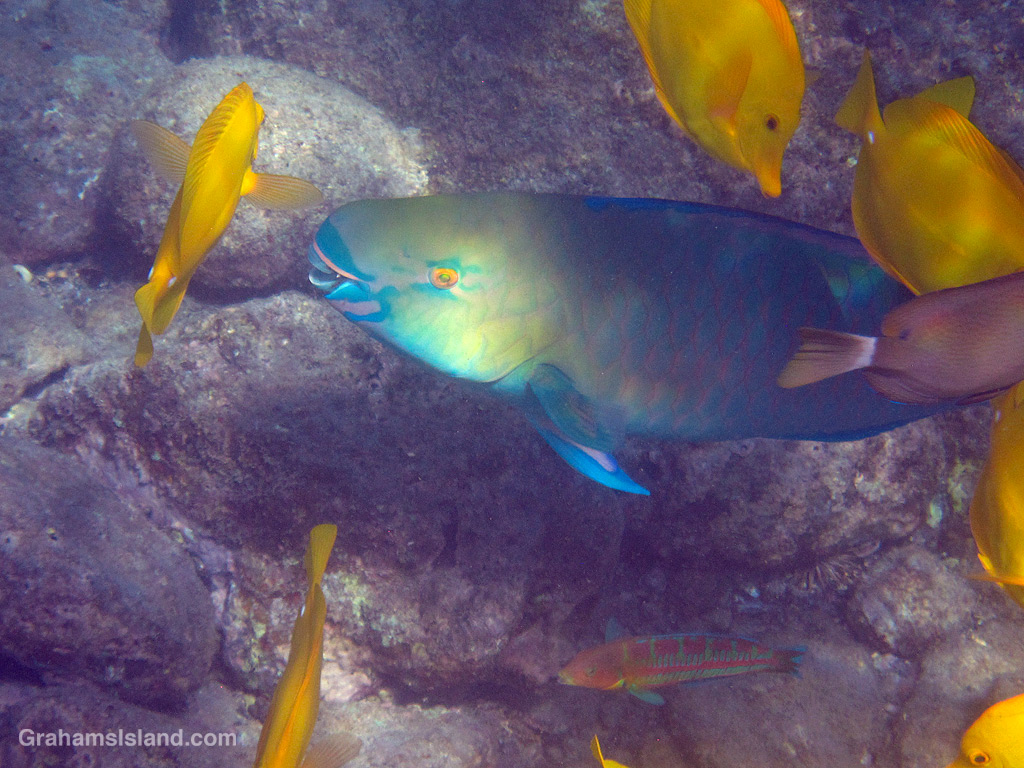
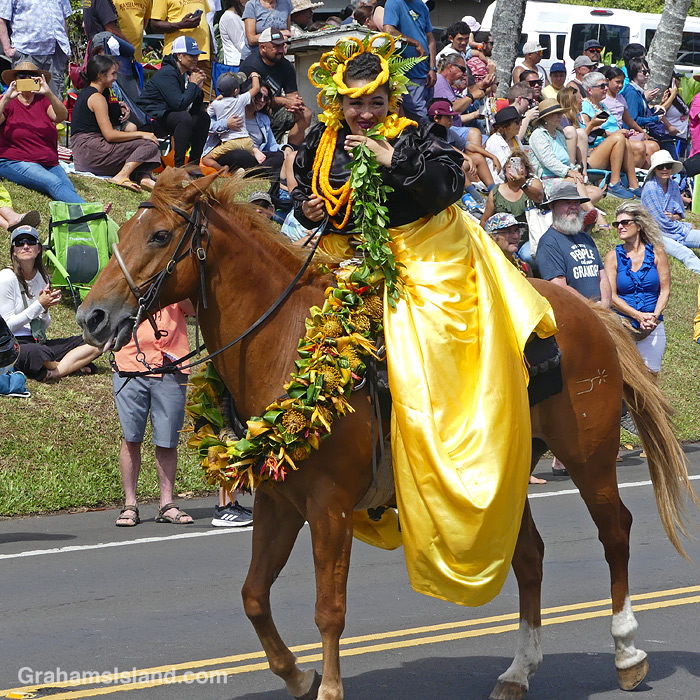
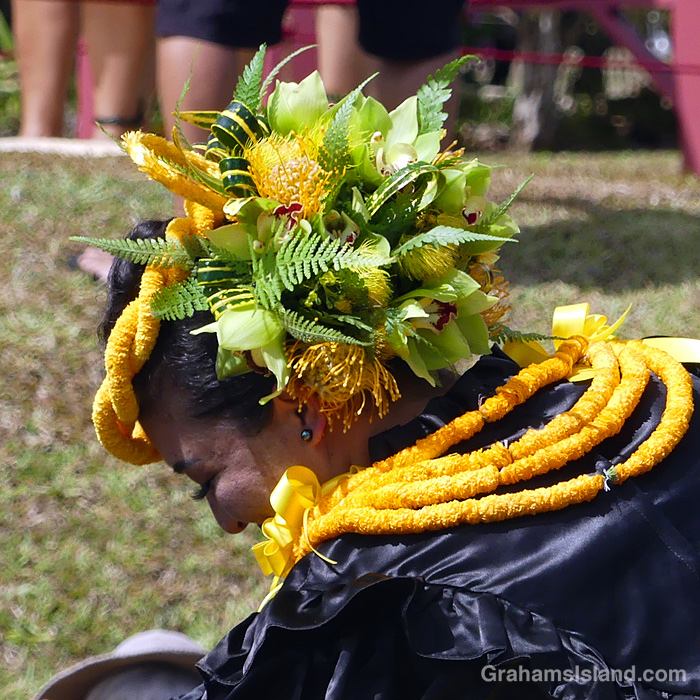
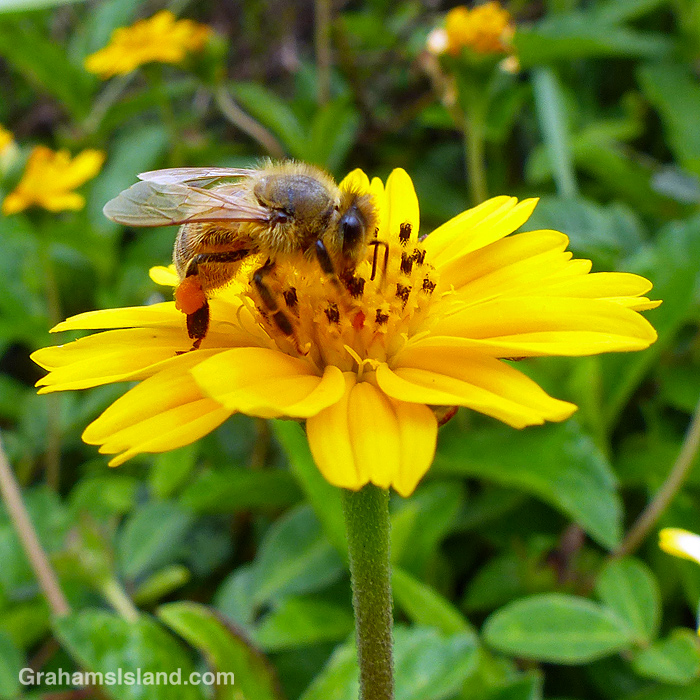
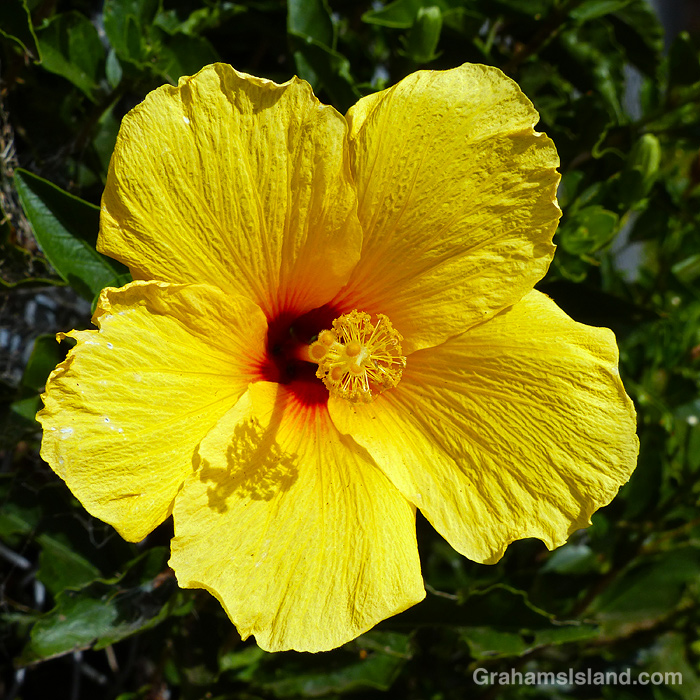
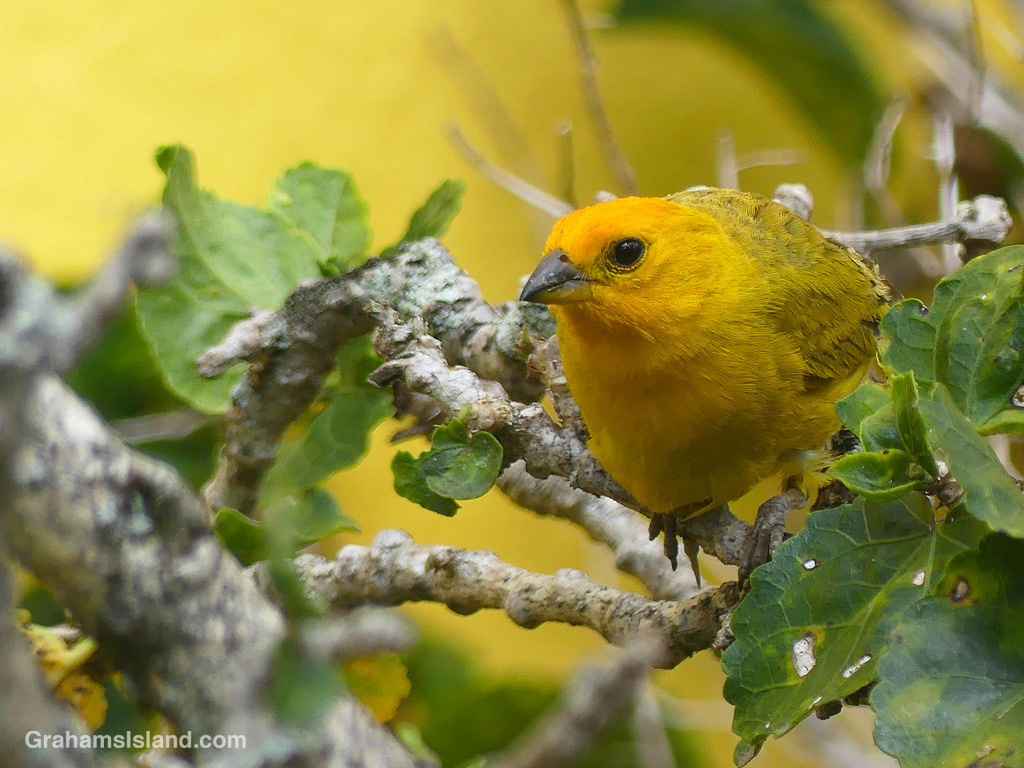
This month’s Sunday Stills Color Challenge theme is ‘Yellow.’ See more responses here. Once again, I’ve gone for a melange of photos, which sounds edible, but probably isn’t. Captions on the photos.

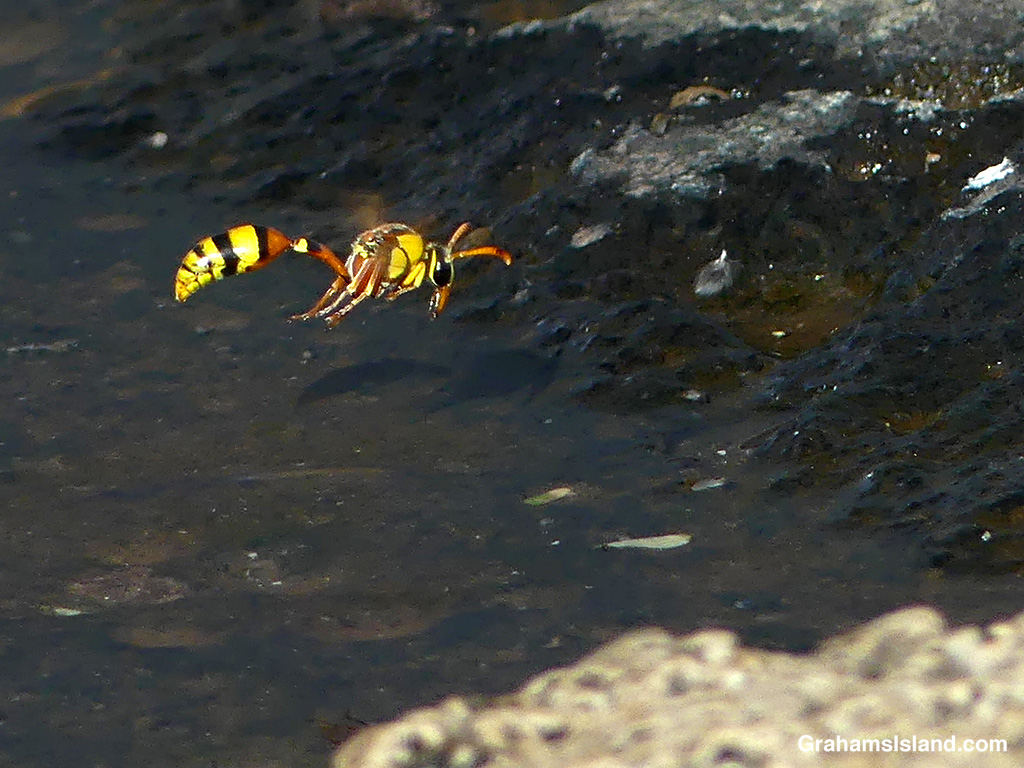
A wasp heads for water in Hawaii
Finally a photo from a couple of days ago. A boldly-marked wasp zooms in to collect water.

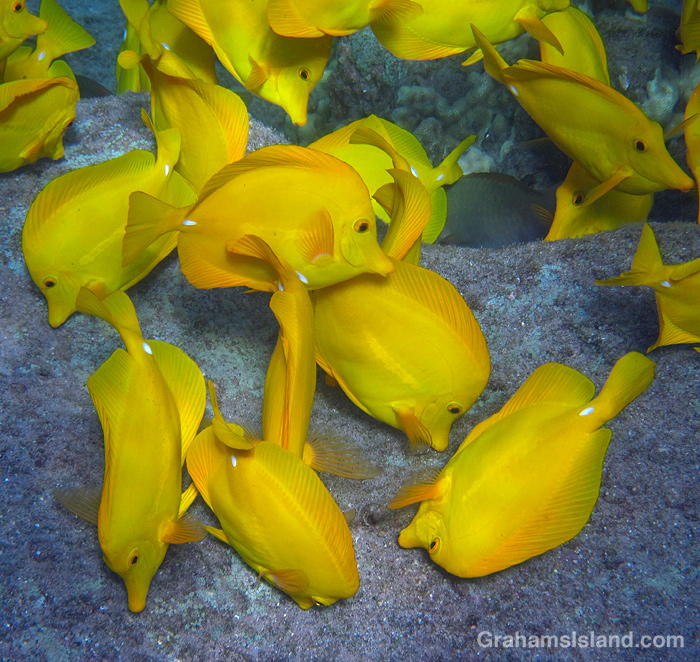
Yellow Tangs

Yellow tangs swim in the waters off Hawaii

Yellow Tangs are about the most easily identified reef fish. They’re easily spotted from shore, puttering about in the shallows in large schools. In the water, their bright yellow color stands out even in murky water.

These fish are almost entirely yellow except for the white scalpel at the base of the tail. One or the other of these sharp spines can be flicked out and can inflict a serious cut on the unwary. When they spar with each other, they go round in circles trying to keep the exposed scalpel of the other fish away from them while trying to maneuver their own into a dangerous position.

Yellow tangs are a prime target of the aquarium fish industry. They don’t breed in captivity so every yellow tang in an aquarium is one taken from the wild. While these fish can been found around the Pacific, Hawaii is where they are most numerous and where most of these yellow tangs are taken. There have been a few bans on the trade in some places, affording some respite from the steady decline in numbers. Alas, our elected representatives have yet to exhibit enough backbone to impose a ban that is permanent and significant enough to allow fish stocks to truly rebound.

Yellow tangs swim in the waters off Hawaii

Undulated Moray Eel

An undulated eel with other fish
An undulated eel in the waters off Hawaii

I saw this Undulated Moray Eel out in the open recently and, rather than dart for shelter, it remained where it was opening and closing its jaws. While this looks threatening, it’s typical of most eels, the purpose being to push water over its gills, the equivalent of breathing. However, that’s not to say it’s a good idea to dive down and interact with the eel.

My fish book describes the Undulated Moray Eel as “one of the nastiest.” Its narrow jaws hold three rows of teeth, one running down the middle of its mouth. It’s usual prey includes small fish, but this eel was accompanied by a changing group of fish, and neither seemed too bothered about the other.

In Hawaii, this eel is often called the chainlink eel, for obvious reasons.

An undulated eel in the waters off Hawaii

Convict Tangs and a Surge Wrasse

A surge wrasse swims in front of a school of convict tangs in the waters off Hawaii

I was photographing this school of Convict Tangs when I saw this initial phase Surge Wrasse swimming in the opposite direction. This is not a fish I see too often and it’s one which my fish book describes as ‘one of the most difficult Hawaiian fish to photograph.’ I think this is because of its scarcity and it’s tendency to spend a lot of its time close to shore in shallow, surging water.