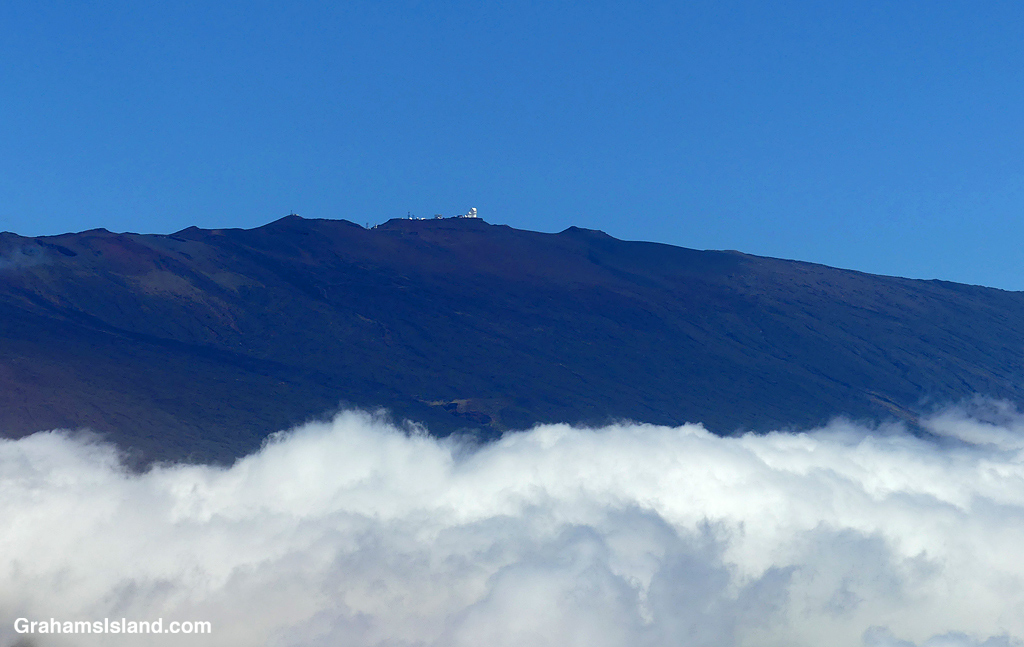
I saw this ship moored in Kawaihae Harbor recently. It looked unlike anything I’d seen there before, so I stopped by to take a look. I found the ship’s name on the stern, between the twin hulls.
According to Wikipedia, the City of Bismark is a Spearhead-class expeditionary fast transport, operated by the United States Navy’s Military Sealift Command. It was built in 2017 and entered service at the end of that year. Ironically, when I first saw the ship, I thought it looked a bit beaten up and wondered if it was an older ship that someone had bought and was planning on fixing up!
On my recent visit to Keokea Beach Park, I saw this on the rocky shore. It’s hard to know who placed it there. It could have been a local, but it could also have been a tourist. Tourists have taken to making such offerings, thinking they’re honoring Hawaiian culture. But they’re blissfully unaware that, in Hawaiian culture, the when, where, why, how, and by whom of these things can be very specific. Any deviation from correct practices can turn a good intention into an insult.
A little knowledge can be a dangerous thing, except perhaps in politics, where it appears to be a prerequisite these days!
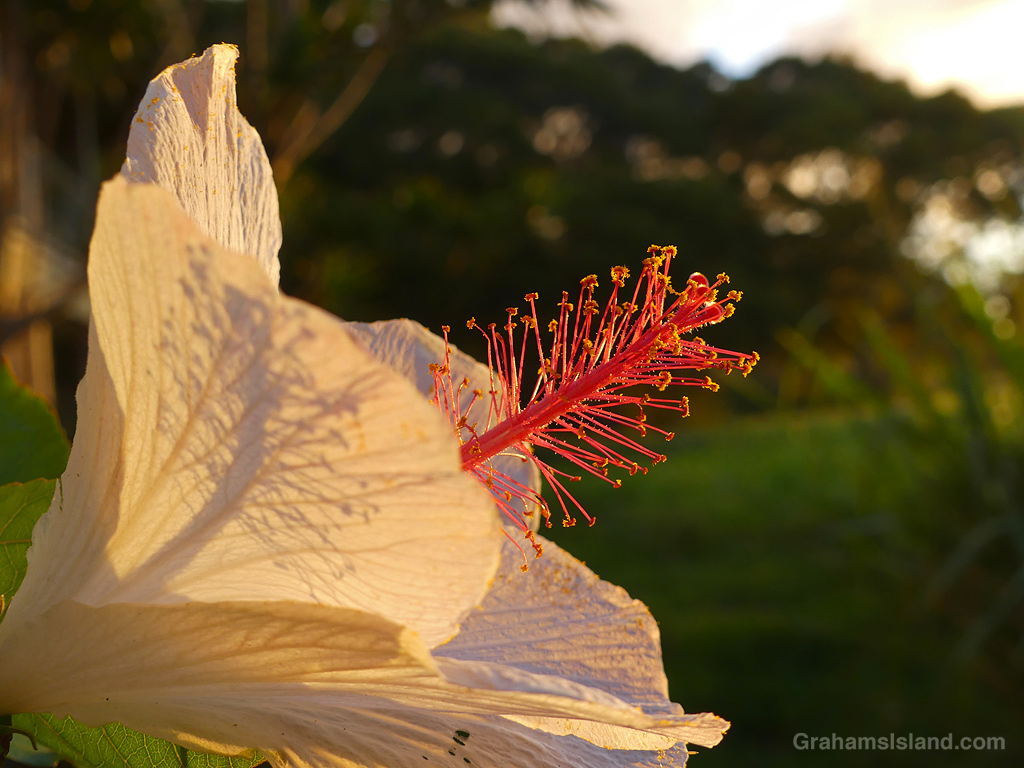
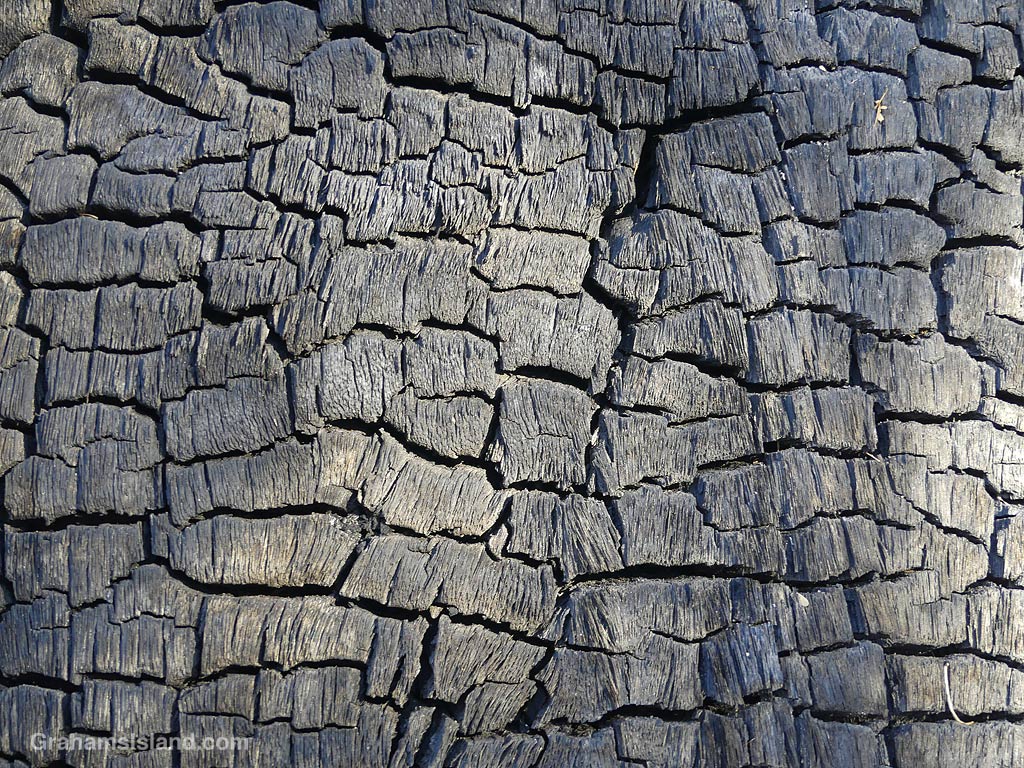
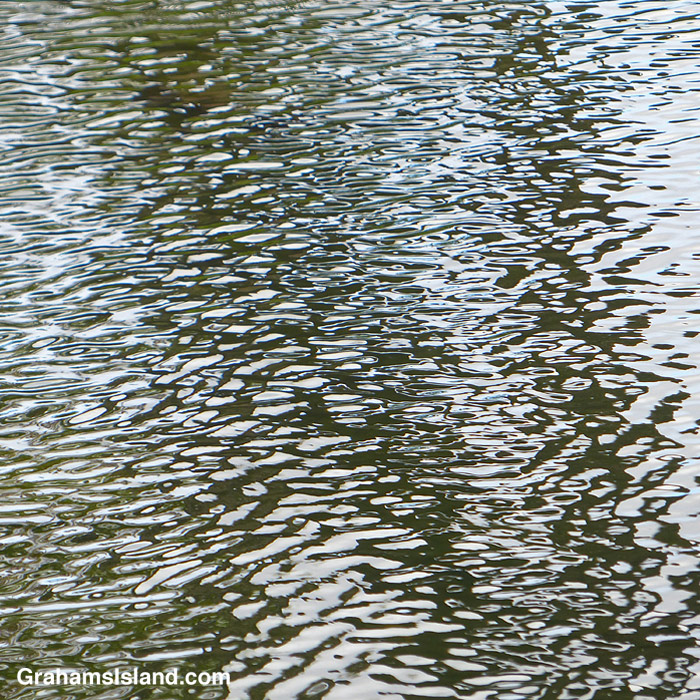
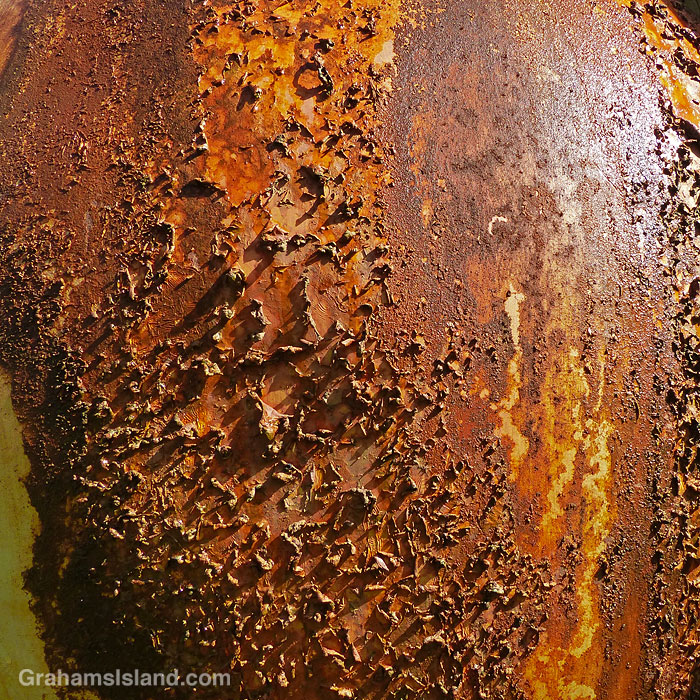
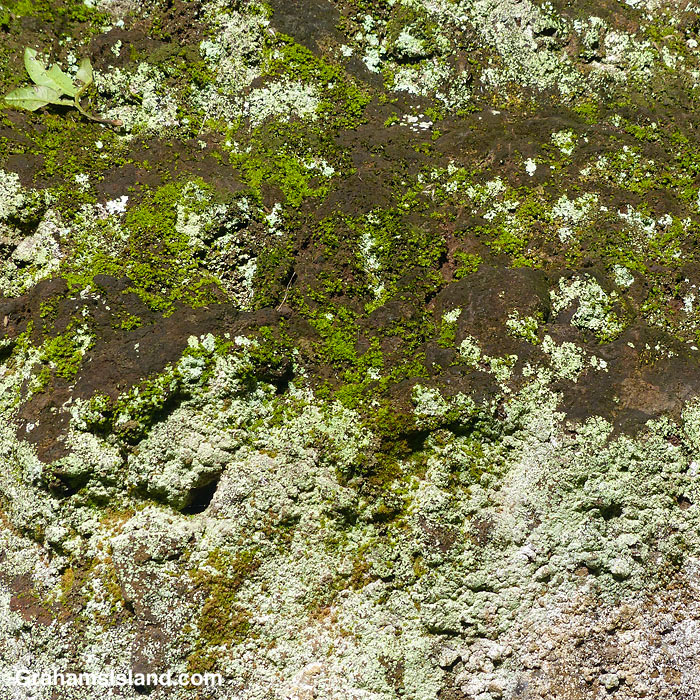
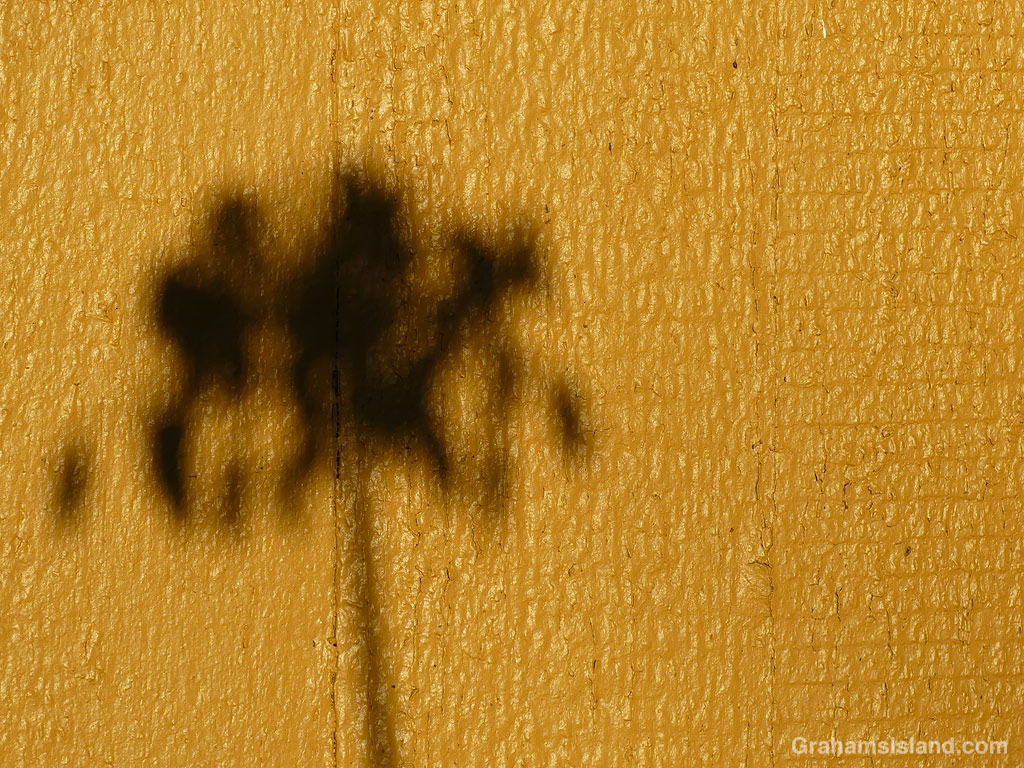
This week’s Sunday Stills challenge theme is ‘Textures.’ See more responses here. There are captions on the photos, but see if you can figure out what they are first!
LampshadeLight on a pondRust on a water tankLichens and mossShadow on house sidingCar sun shadeLooks tranquil, but those are whitecaps on the ocean, seen from the air
On a recent swim, I happened to pass over this Pacific Day Octopus, wedged into a crack, not far below the water’s surface. It didn’t have a good, quick escape route so waited out my intrusion into its world. On the left is a red pencil urchin that it was butted up against.
These two bulls reside in a field beside the road to Upolu Aiport. I’ve never seen them more than six feet apart from each other! The cattle egret was just taking a break on a blustery day and took off soon after I took the photo.
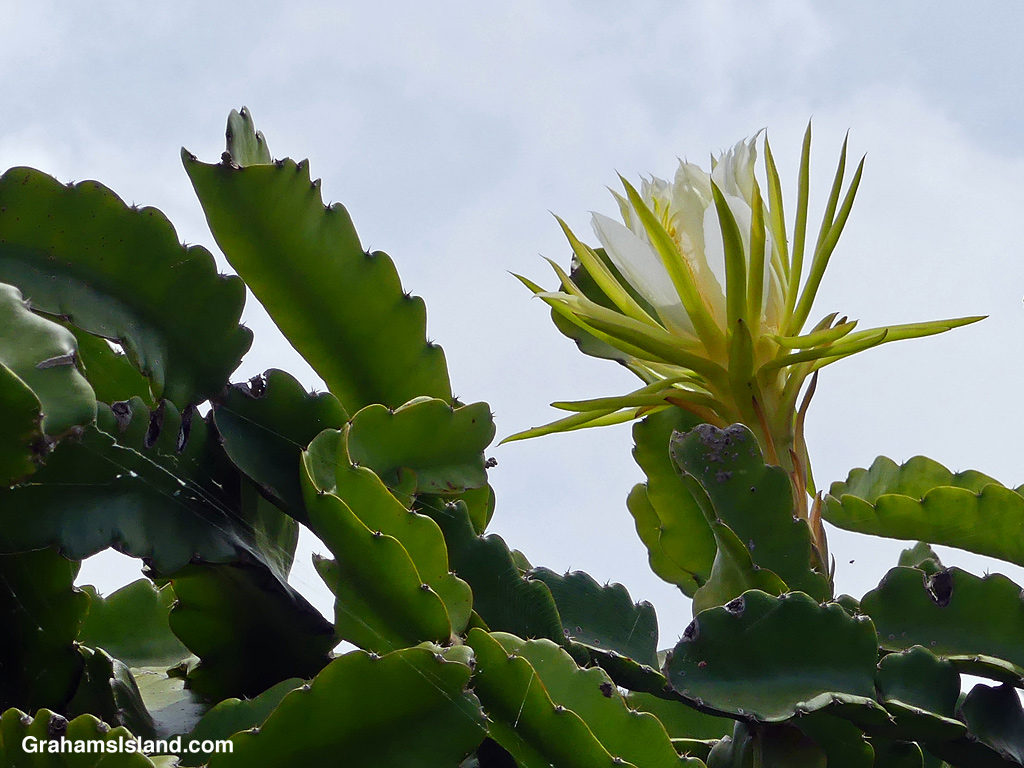
Dragon fruit is native to Central America, but is found in tropical and subtropical places worldwide these days. It grows on what used to be called the Hylocereus cactus, now known as Selenicereus cactus. It comes in three varieties, but the most common, with pink-skinned fruit and white flesh, is Selenicereus undatus.
This cactus is a climber and the one I’ve been taking photos of is growing up a tree branch in my neighbor’s yard. It takes a while for the plant to become mature enough to flower. The flowers bloom at night and are short-lived. I didn’t know this when I was driving to work one early morning and, in Kawaihae, saw two dragon fruit plants with a stunning array of blooms. I thought, I must get a photo of those on the way home and, amazingly, remembered this later in the day. But when I passed through Kawaihae, every single bloom had already wilted!
I did get photos of the neighbor’s flowers, but they were equally short-lived. After that it takes a while for the fruits to form, with the dead flower still hanging from it.
The fruit grows over time, but it’s not until it starts turning pink that it needs to be more closely watched. Ripe fruit will become a little softer to gentle pressure, as with avocados, and the scaly spikes sticking out from the fruit will start to turn brown and wilt.
Once the fruit is ripe, it can be cut open to reveal the seed-speckled flesh, which can easily be scooped out with a spoon. The flavor is a bit like a cross between kiwifruit and pear.