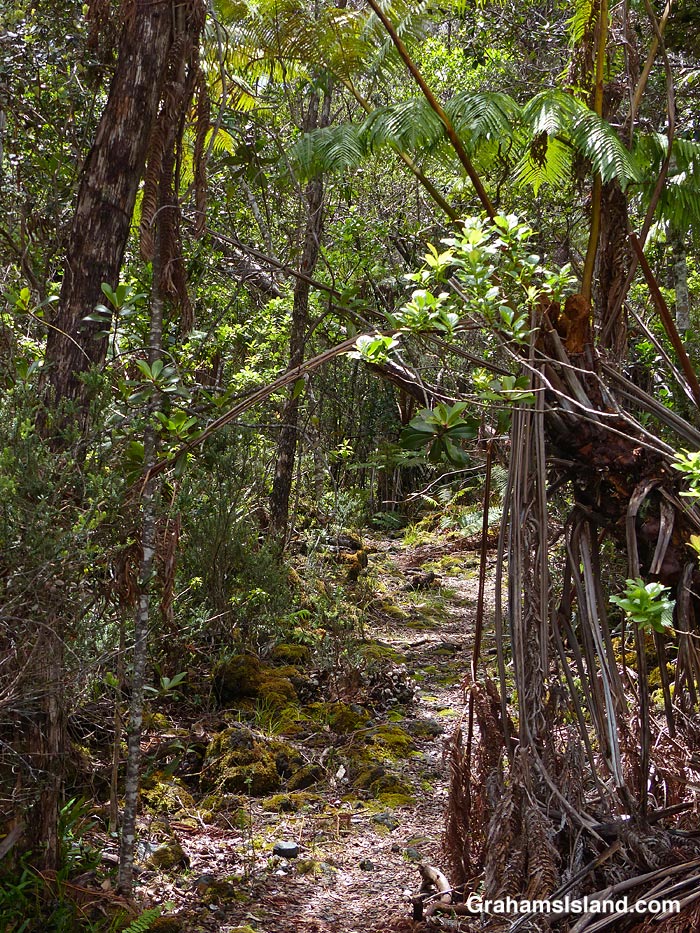
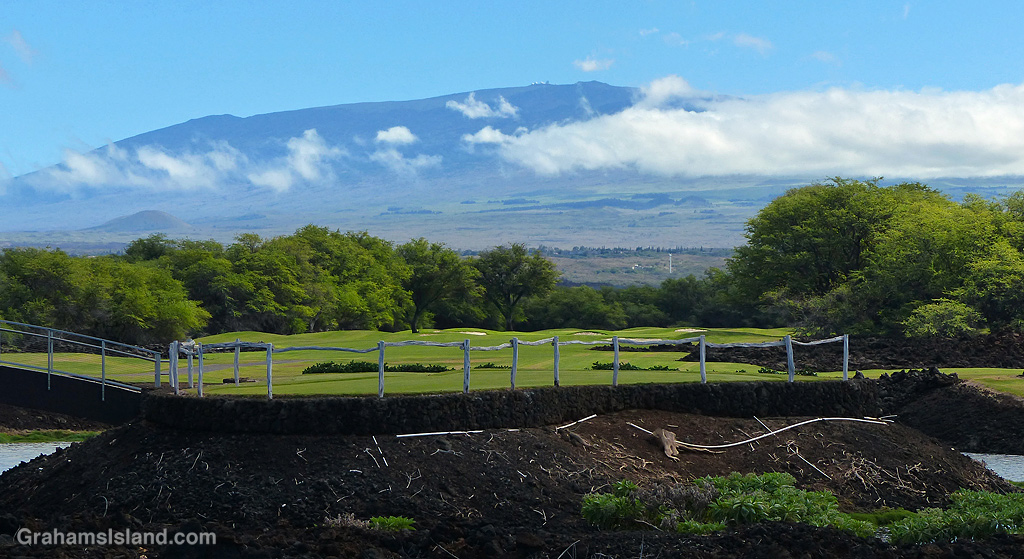
The idea of The Numbers Game is to enter a number into the search bar of your computer and then post a selection of the photos that turn up. This week’s number is 151. Captions are on the photos. You can see more responses here.

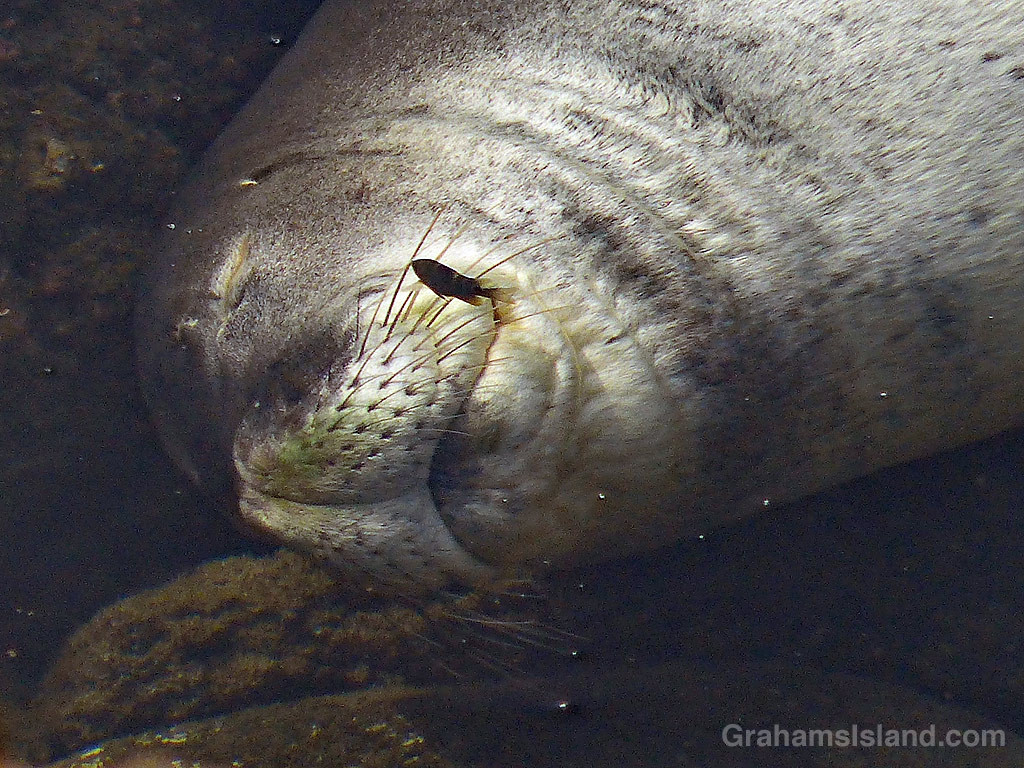


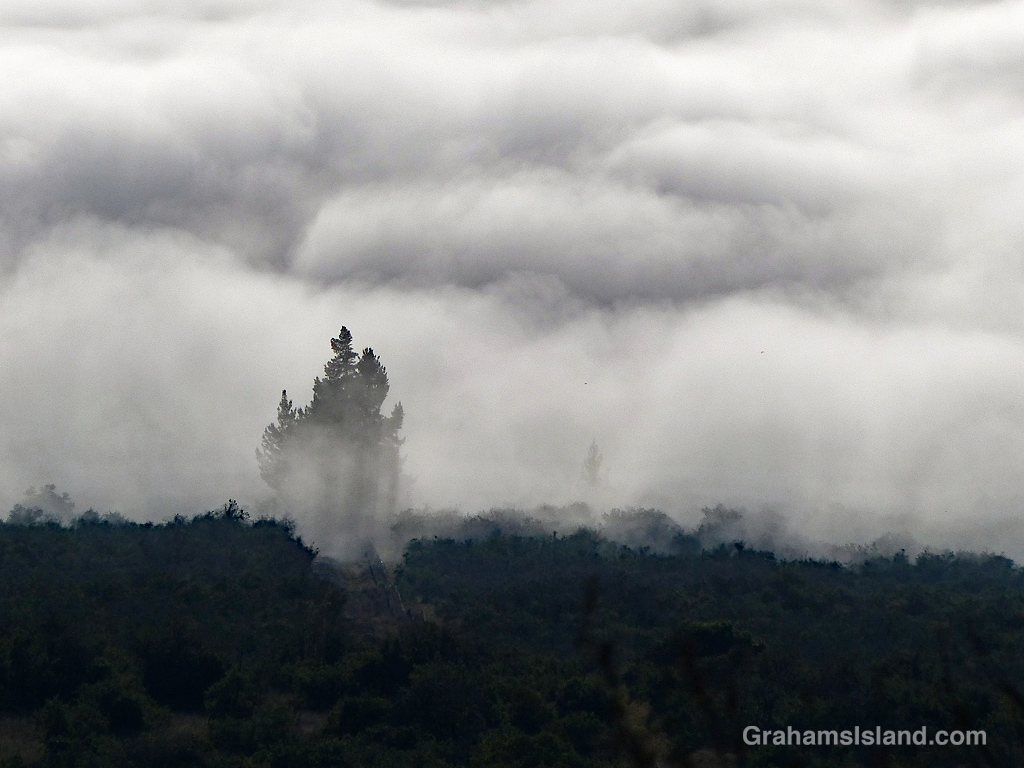


The idea of The Numbers Game is to enter a number into the search bar of your computer and then post a selection of the photos that turn up. This week’s number is 151. Captions are on the photos. You can see more responses here.
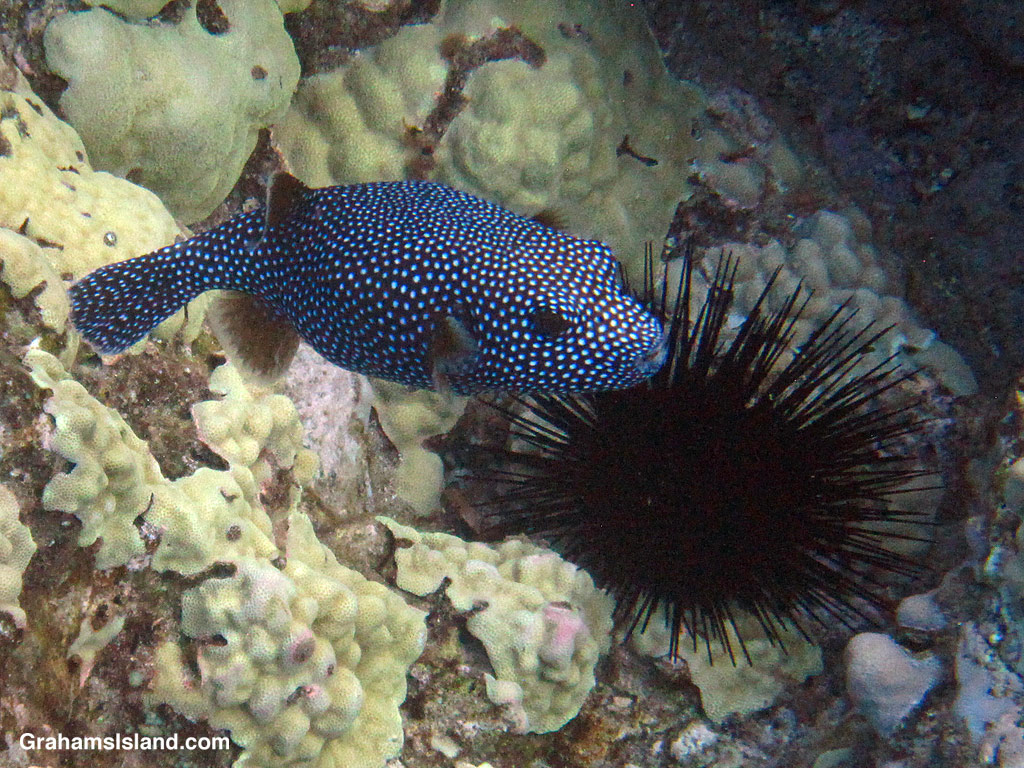
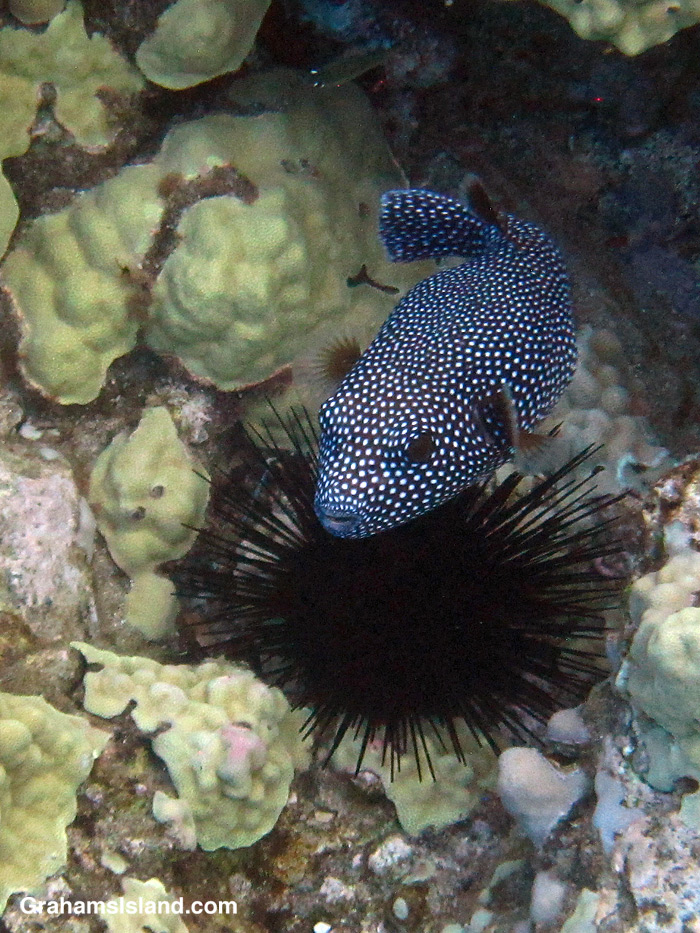
I posted a photo of a Spotted Pufferfish a while back (here). That one was brown. This one’s black, but both have similar white spots.
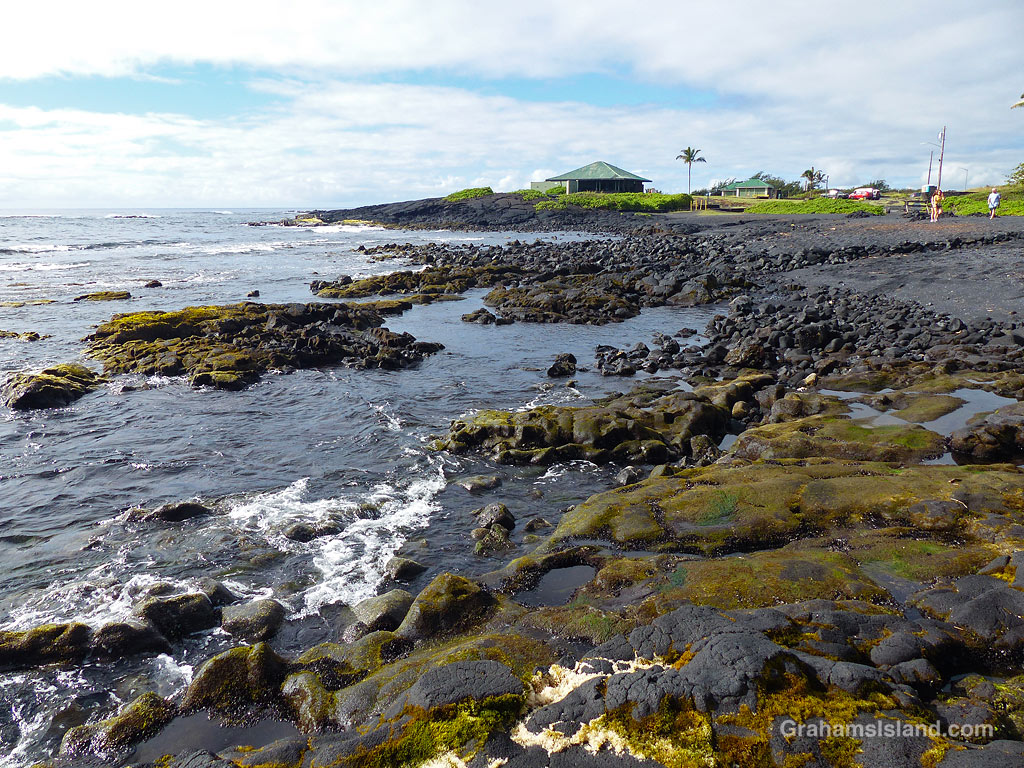
This week’s Sunday Stills challenge theme is ‘State and local parks.’ See more responses here.
Sifting through a ton of park photos, it was the island’s beach parks that came out on top. It’s possible to get in the water at all of these, though some require more caution than others.
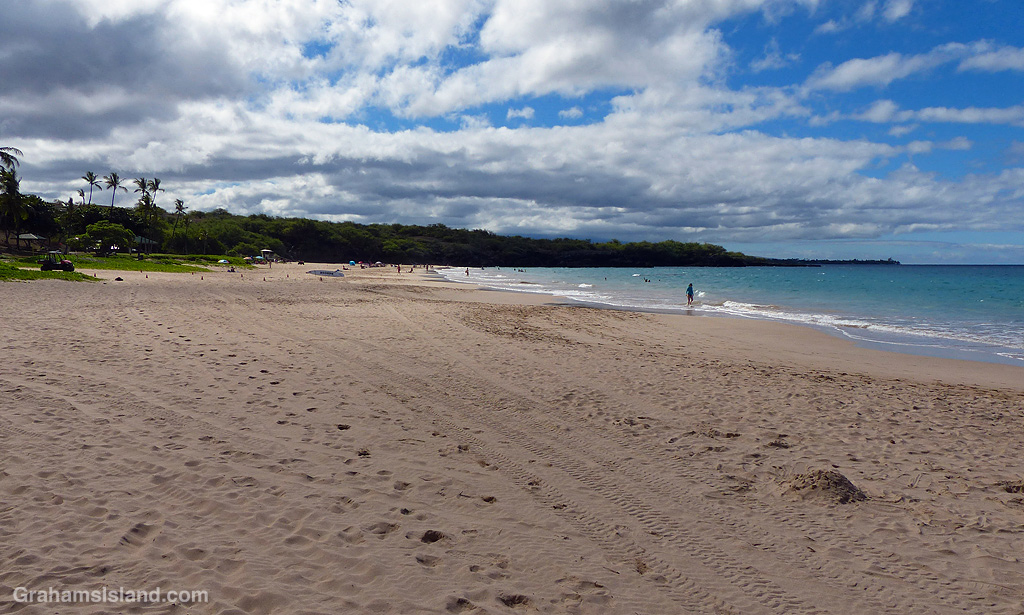
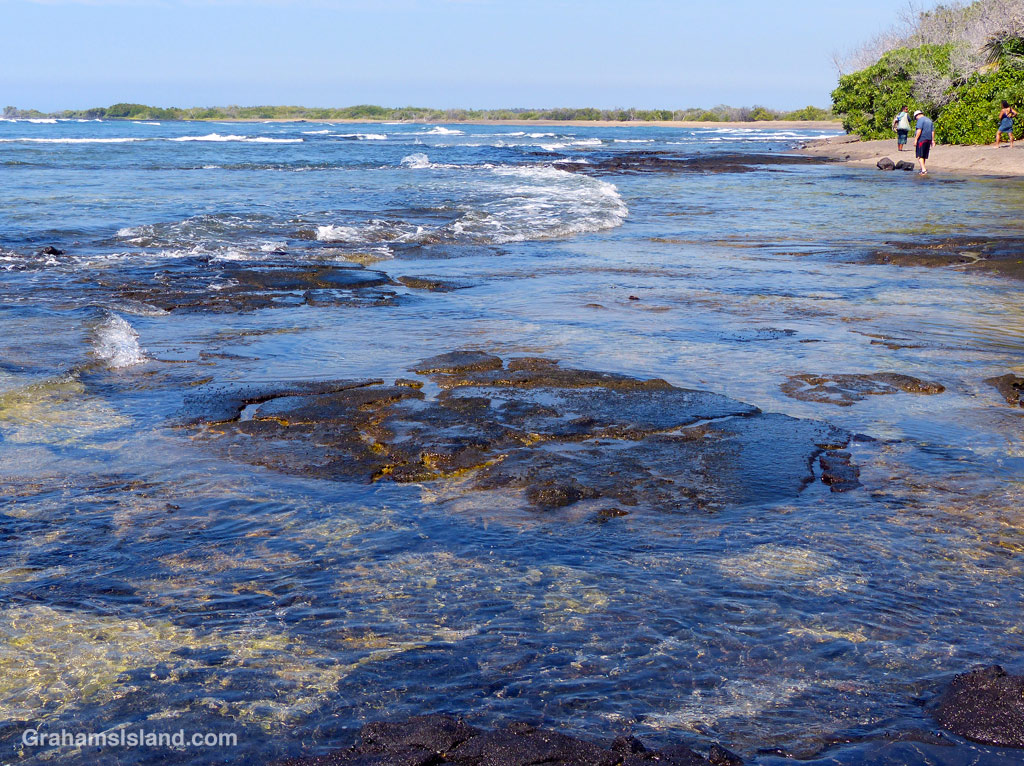
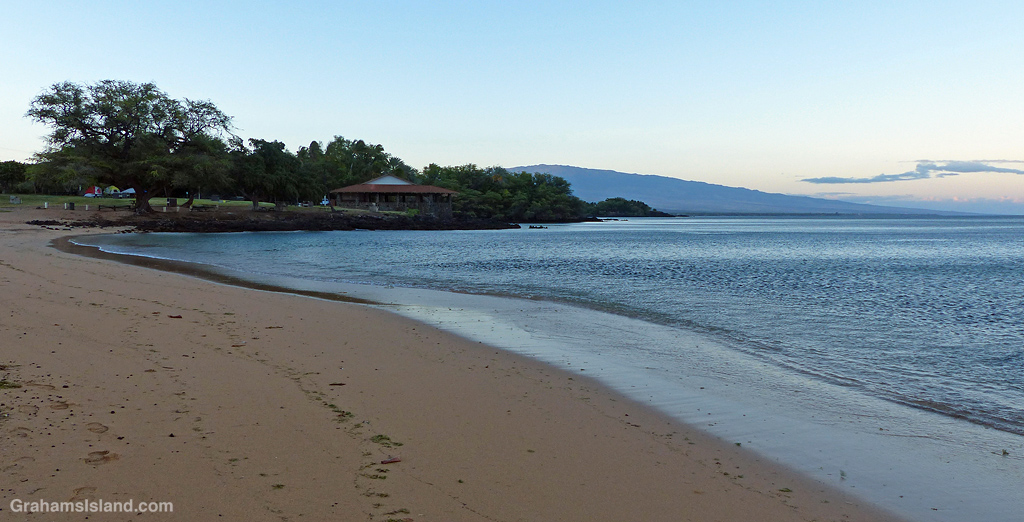
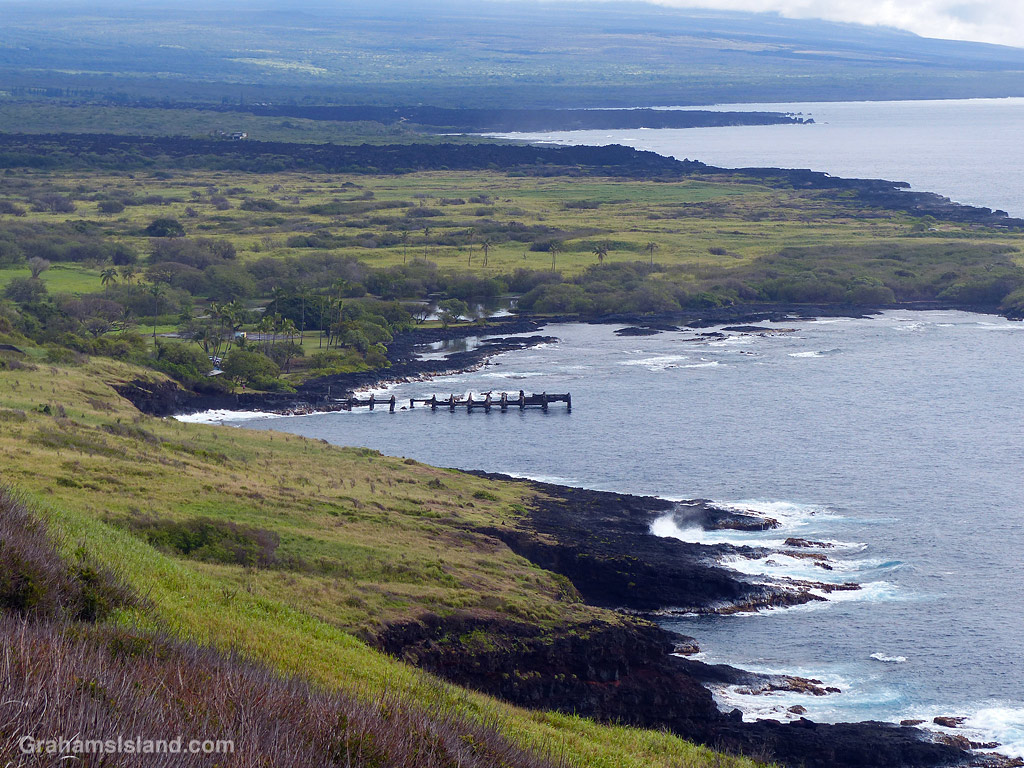
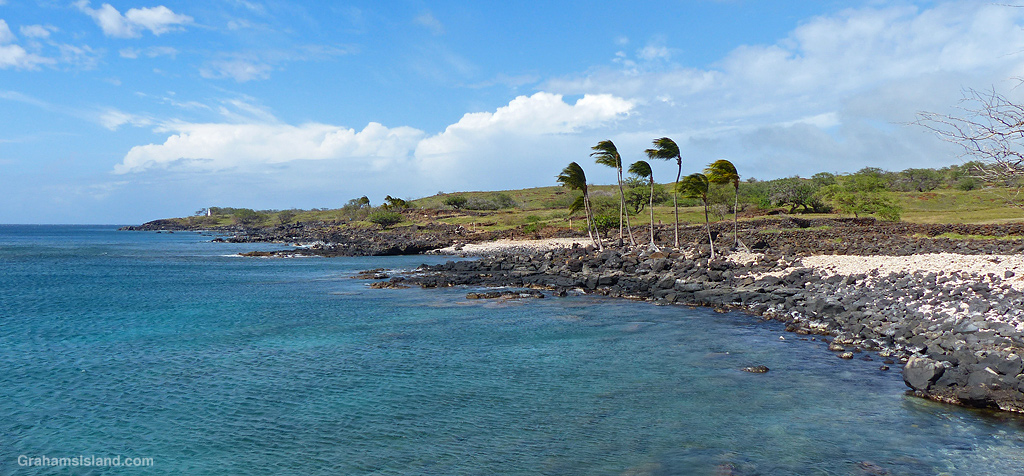
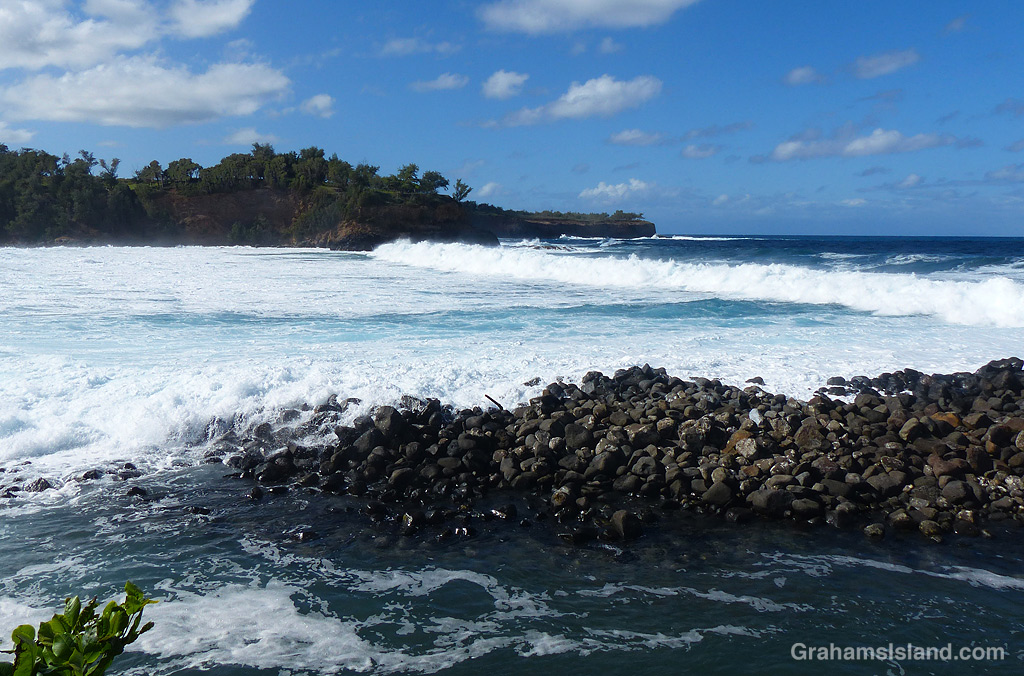

When I have time on my way to work, I like to stop in Kawaihae and go for an early morning walk. A favorite is to drive to Pelekane Beach and walk to Spencer Beach Park. Those days are gone! The flash floods from a few weeks back took care of that.
For starters, the road is still closed. I can see piles of dirt and debris through the locked access gates. But even if I could access the road, half of Pelekane Beach is gone too. The floods whooshed through the lagoon behind the beach and took a huge amount of sand with it. So now there’s no lagoon, half a beach, and a lot of trees in the bay.
It may be that the powers that be will bring in some sand to restore the former beach. That’s what’s happened at nearby Hapuna Beach, which also lost a section of its sand. In the meantime I will have to explore some new options.


It had been a while since I saw a lizardfish, so I was happy to spot this one recently, perched on the side of a weed-covered rock in the shallows.

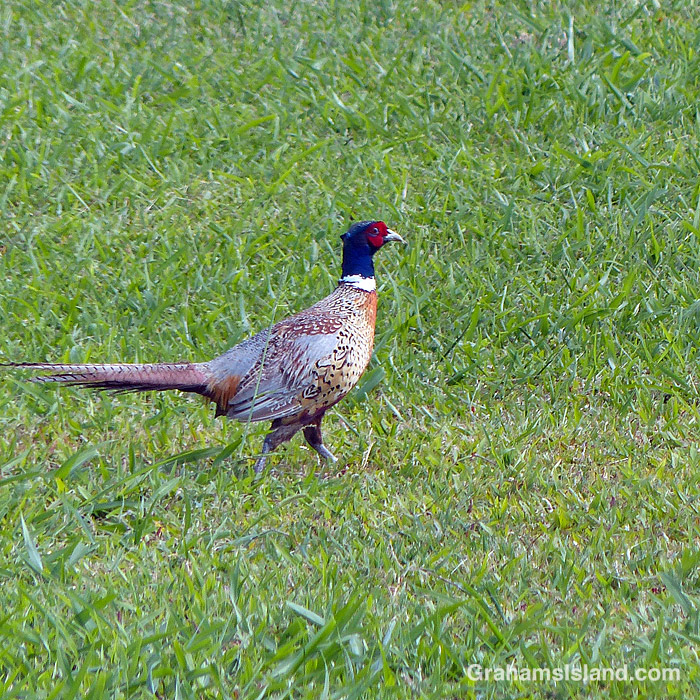
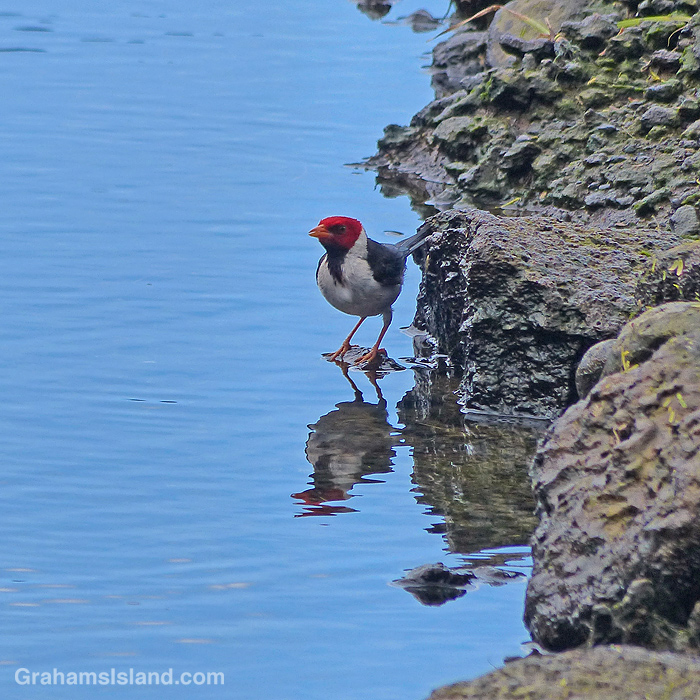
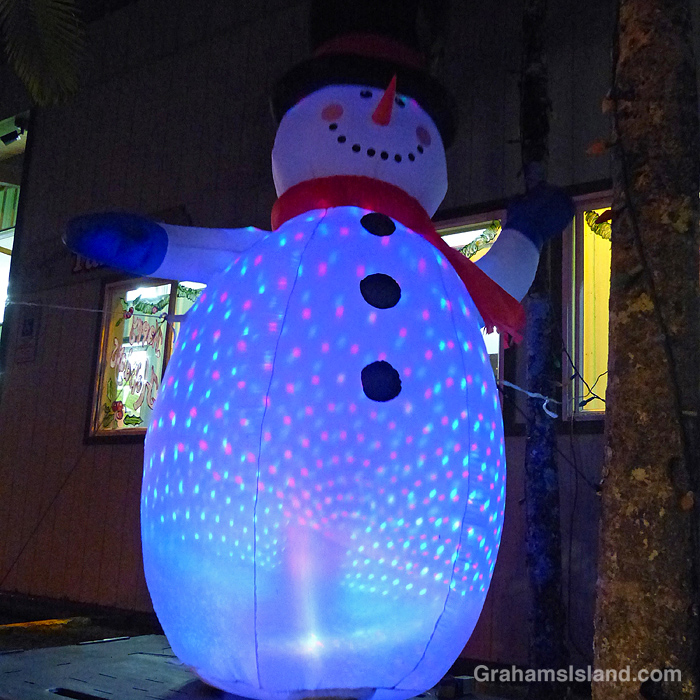
This week’s Sunday Stills challenge theme is ‘Red, White, & Blue.’ See more responses here.
Here’s my selection this week with captions on the photos.

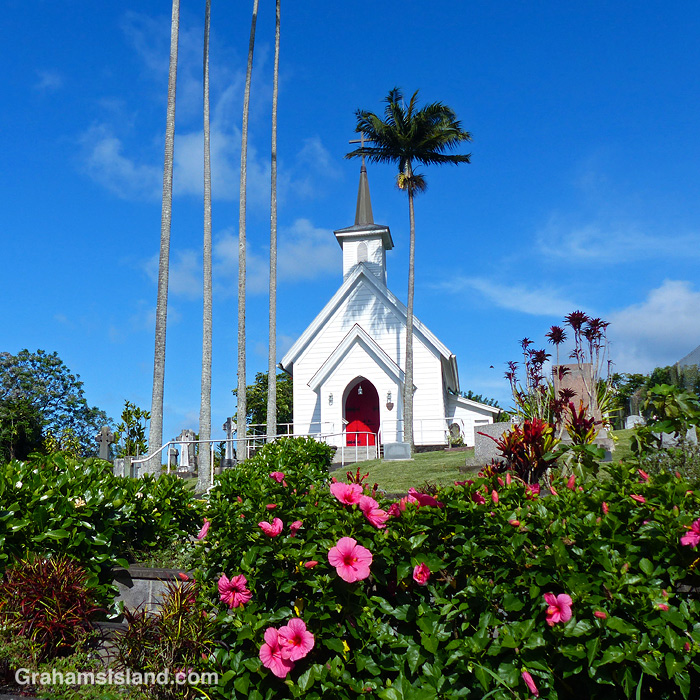
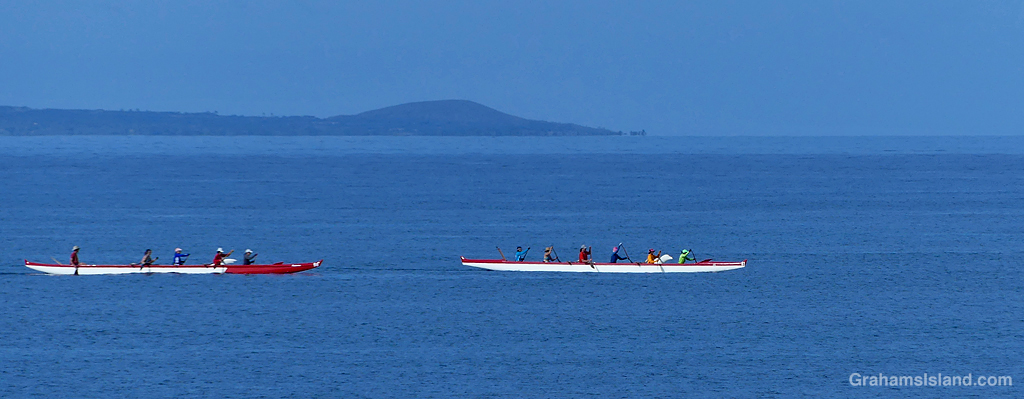

The idea of The Numbers Game is to enter a number into the search bar of your computer and then post a selection of the photos that turn up. This week’s number is 149. Captions are on the photos. You can see more responses here.


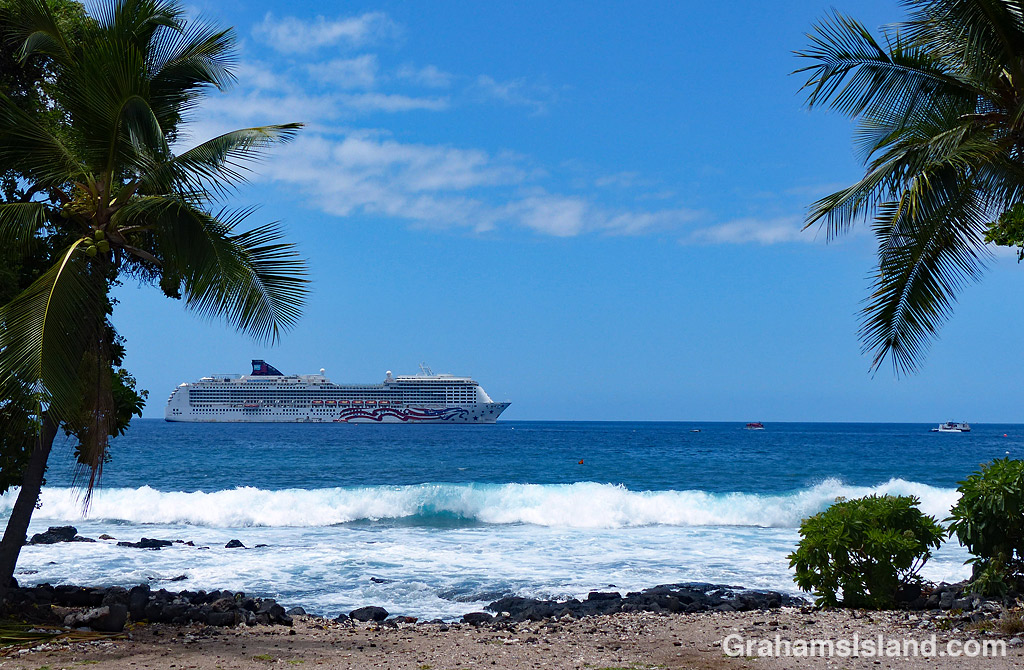

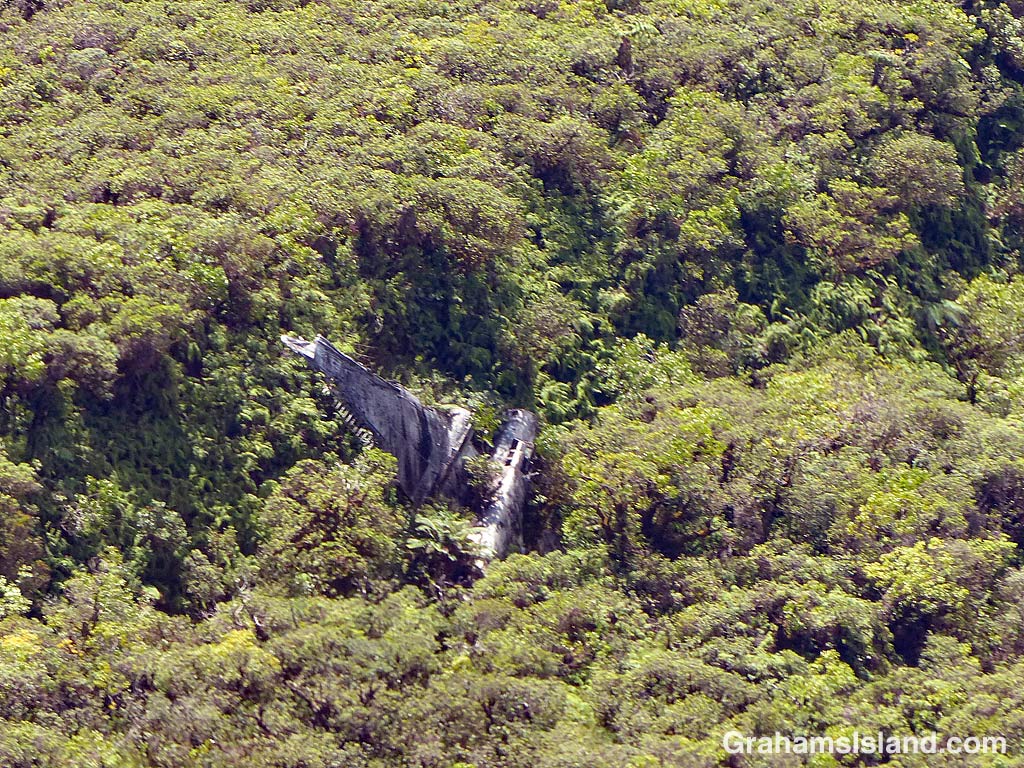

This week’s Sunday Stills challenge theme is ‘Landscapes.’ See more responses here.
There’s a bit of everything on the Big Island, so these are just few of the landscapes to be seen here. Captions on the photos.