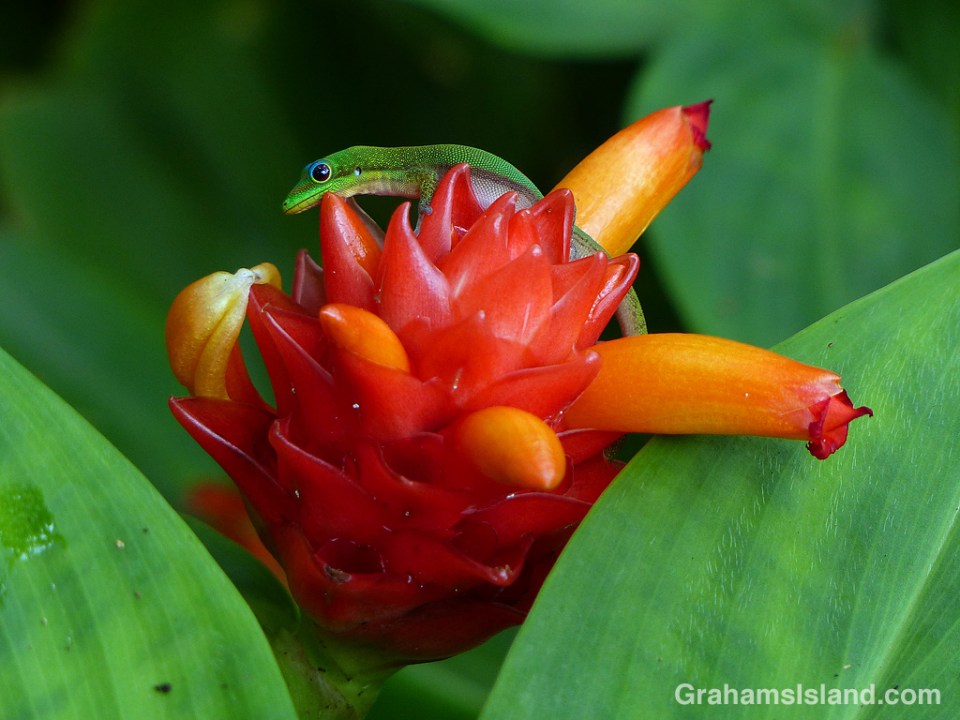
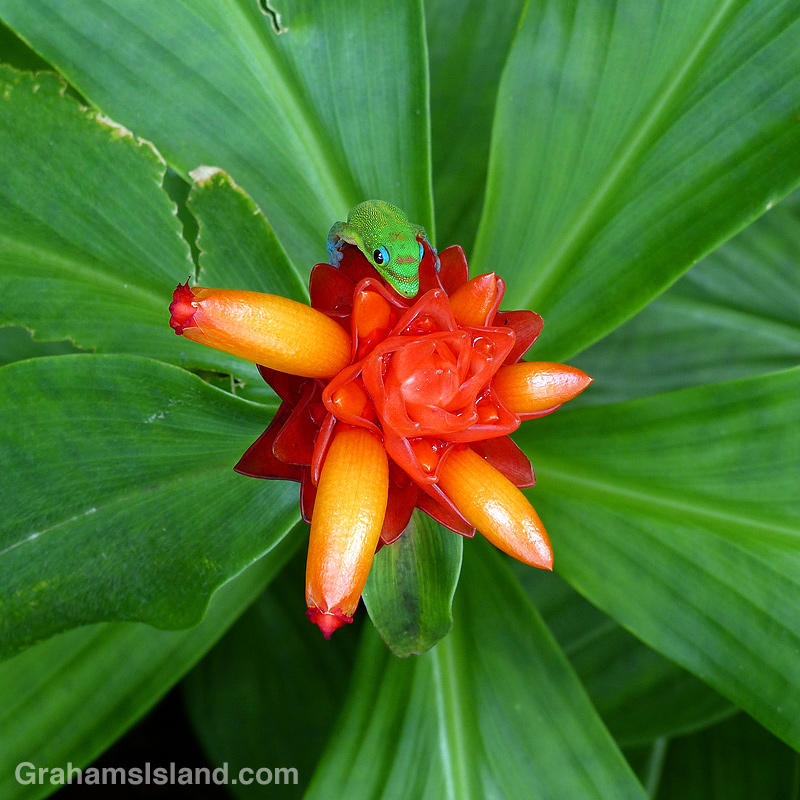
 Costus curvibracteatus is also known as orange tulip ginger and hails from Costa Rica and Panama. In these photos, the overlapping red parts are the bracts and the longer orange tubular forms, emerging from between the bracts, are the flowers. However the bracts can also be orange, and the flowers a similar length as the bracts.
The plant was being explored by a gold dust day gecko, which was likely searching for something sweet or possibly seeking water trapped in the bracts.
This one was at Hawaii Tropical Botanical Garden. For more information about Hawaii Tropical Botanical Garden, go to htbg.com.

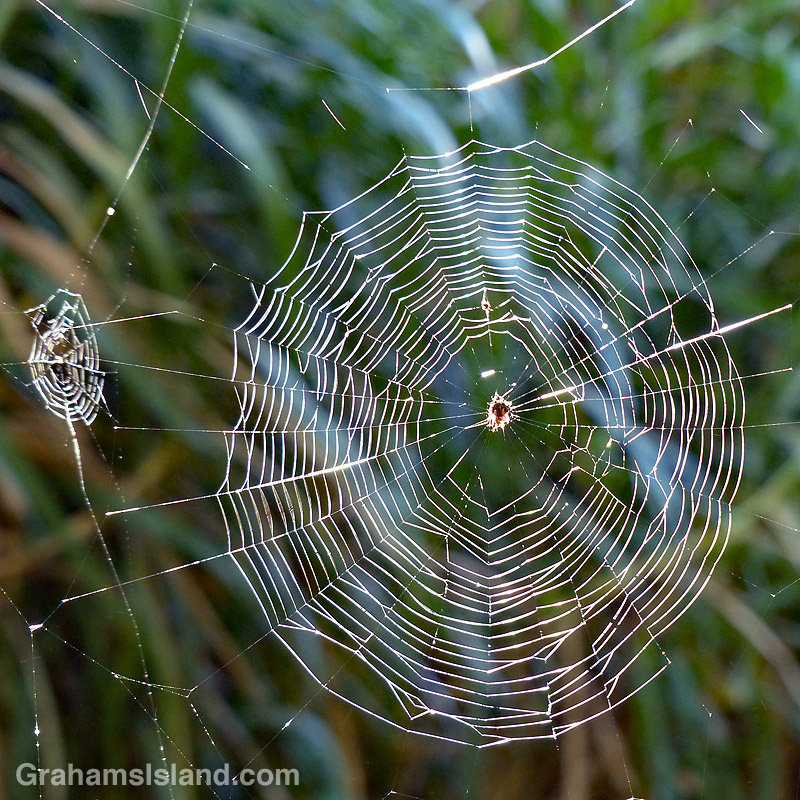 Crab spiders tend to proliferate in the fall and dwindle in the spring. That means winter is prime time for encountering lots of them, usually in the form of blundering into their webs. This is easy to do for two reasons.
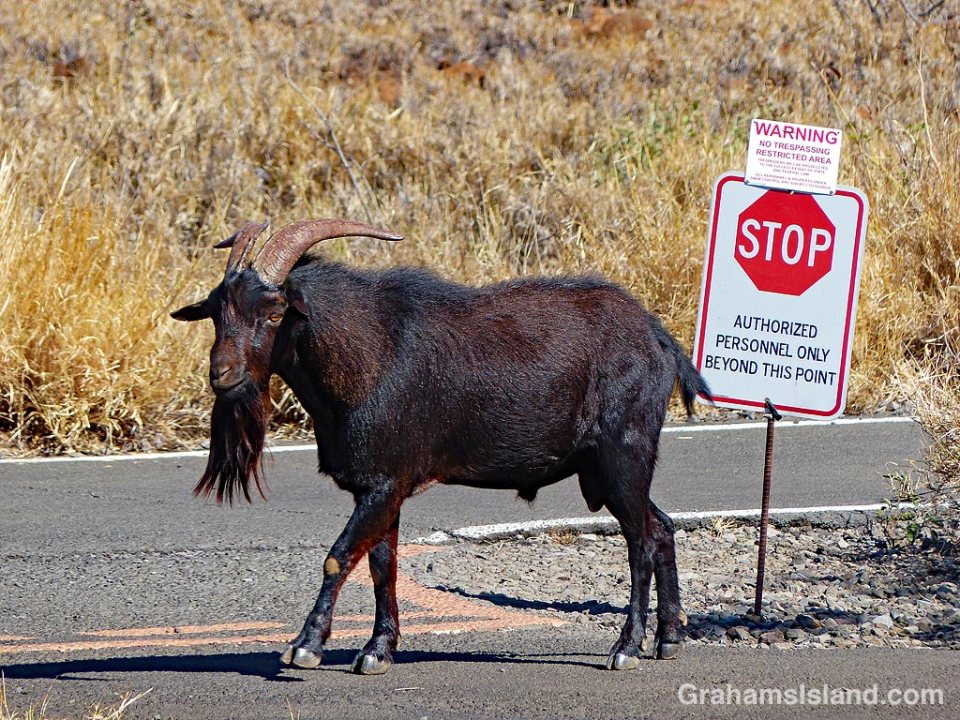
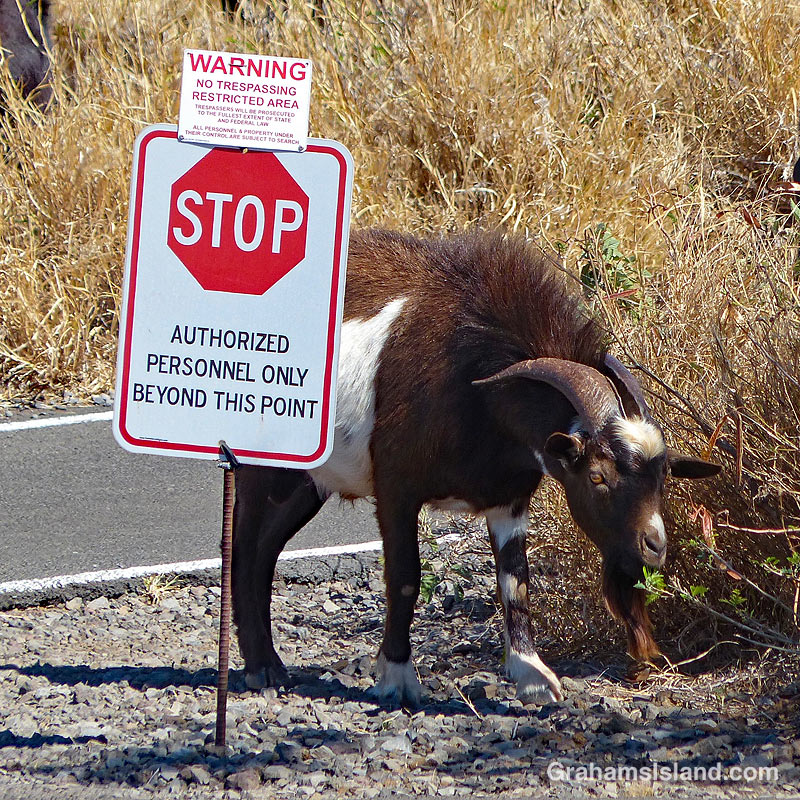 These goats, part of a large herd wandering in the environs of a heliport, weren’t authorized personnel. I wasn’t about to go out and point that out to them, in case they didn’t take kindly to the message.
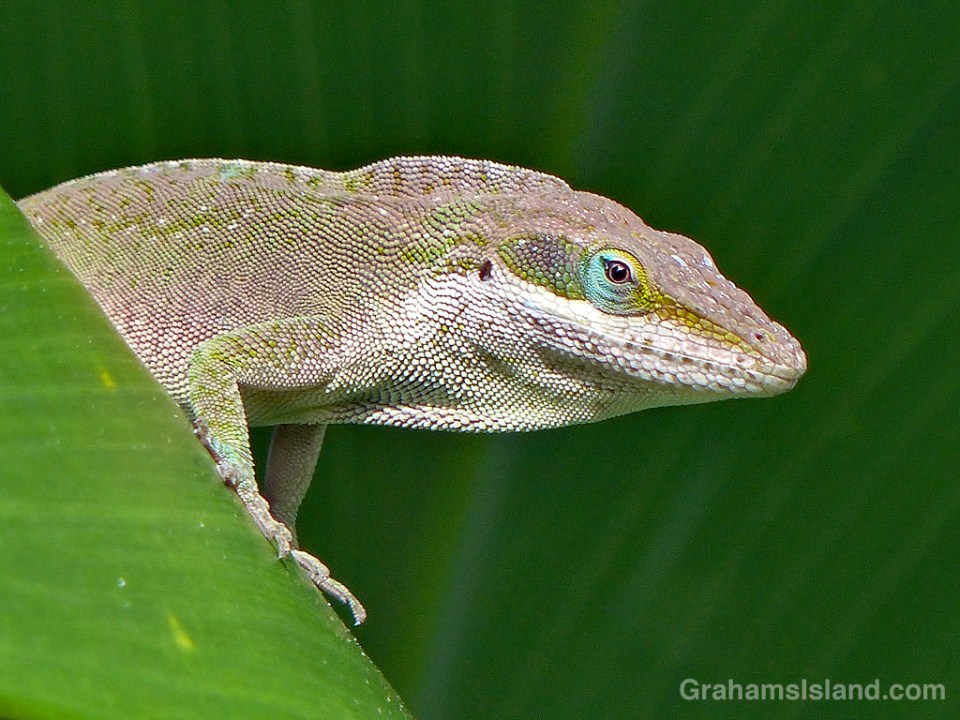

 This gold dust day gecko lives in this Pepsi machine and several times a day it emerges from the coin return slot to check out its surroundings. Sometimes it ventures farther afield on the machine.