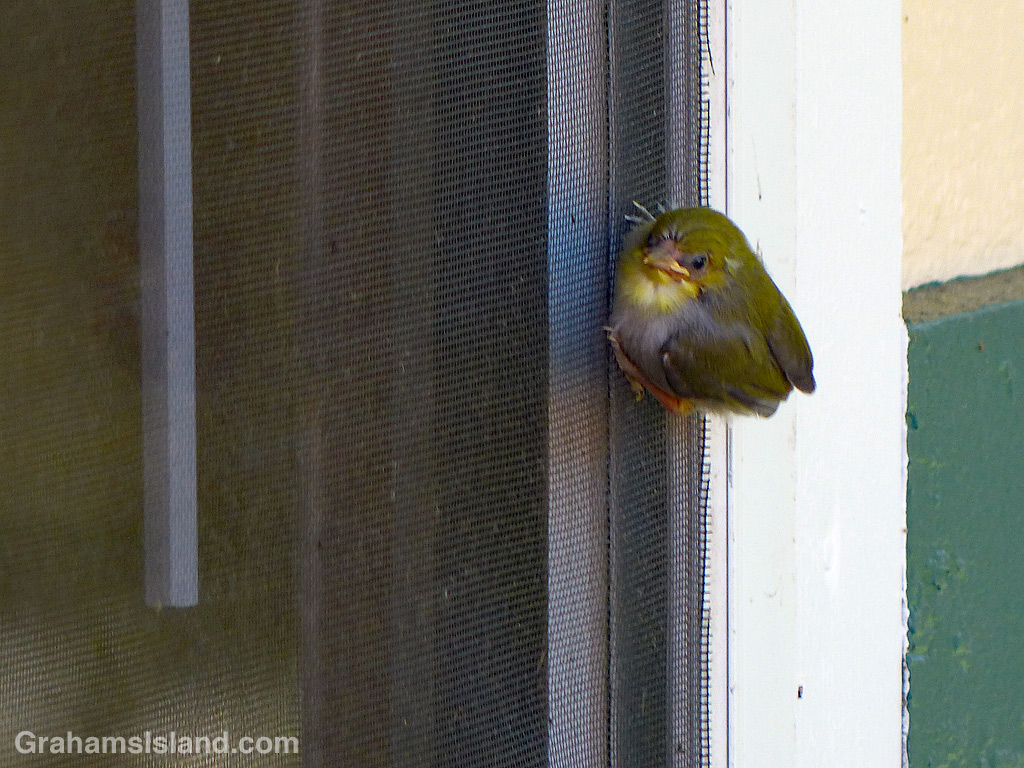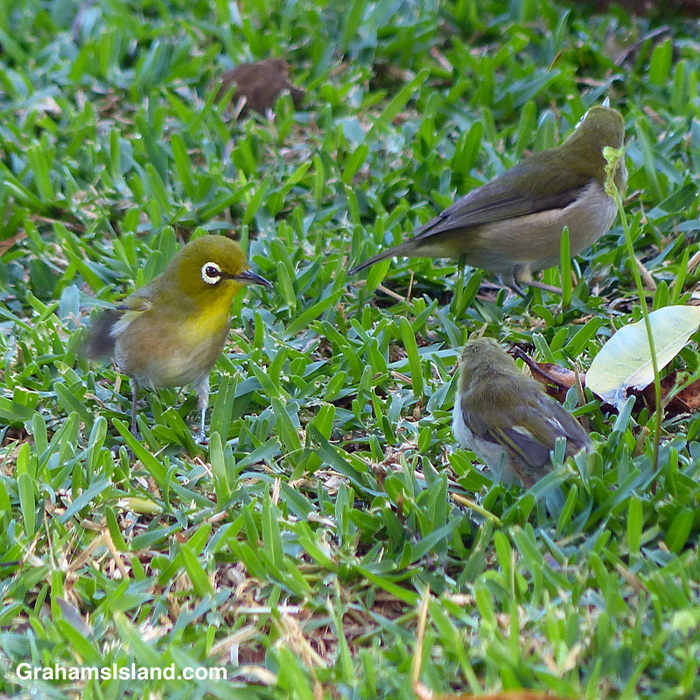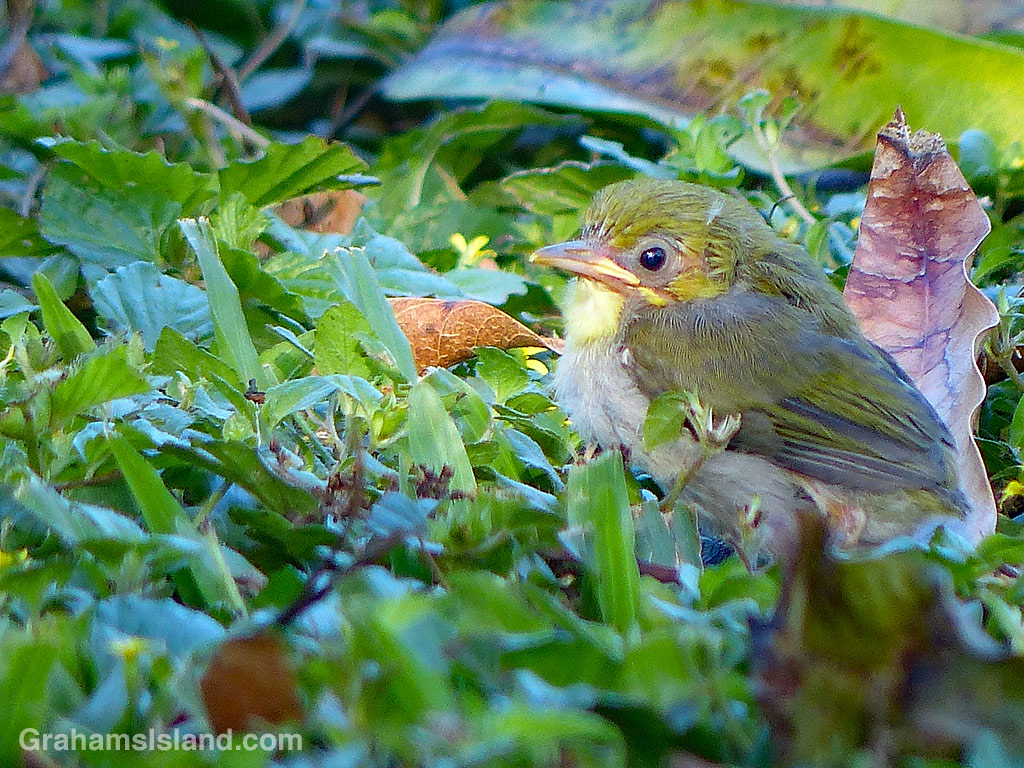
A java sparrow checks out its surroundings as it clings to the top of a twig.
Posted in response to Becky’s April Squares challenge theme of ‘Top.’ See more responses here.

A java sparrow checks out its surroundings as it clings to the top of a twig.
Posted in response to Becky’s April Squares challenge theme of ‘Top.’ See more responses here.


This week’s Sunday Stills challenge theme is ‘Favorite Place.’ See more offerings here.
I could think of several places on the Big Island that would fall into the category of favorite place. Hawaii Tropical Botanical Garden, Hawaii Volcanoes National Park, Palila Forest Discovery Trail, the ocean – all these are places I return to. But the coast at Upolu is where I go for exercise and to enjoy the ever-changing scene there.
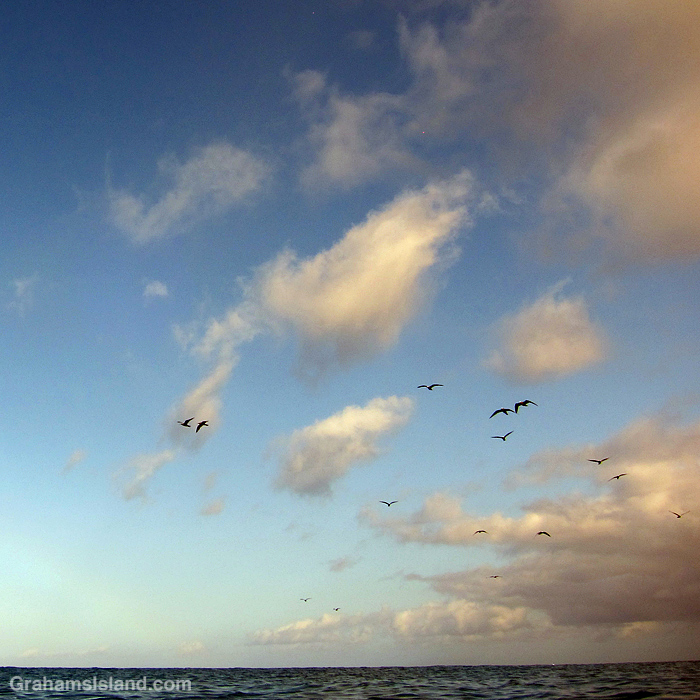
This stretch of coast features scenic high cliffs interspersed with lower areas where tide pools nestle among the rocks. Often, there’s a great view of Maui across the ʻAlenuihāhā Channel. In those waters I look for humpback whales, turtles, monk seals, and once, even a passing shark. Up in the air I might see anything from plovers to noddys to great frigatebirds. On land, there’s an assortment of birds, bugs and butterflies to be seen, as well as horses, cattle, and the occasional wild pig.
Sometimes, it’s hot and dry, but usually there’s a decent breeze, occasionally strong enough to make me lean into it while blown dirt sandblasts my legs. Sometimes, I get caught in the rain, but when I do, I’m usually dry again by the time I get back to my truck.
I’ve lived here seven years now and I never tire of going down there and looping around the fenced airstrip, wondering what I’ll see.


I watched this house sparrow hopping around on a lanai. The light gave the whole image an interesting metallic effect.


A gray francolin and it’s chick blend in well with the scrubby grassland they inhabit. Life is hard for the chicks of any bird on the island. Mongooses and rats are an ever-present menace as are cats, such as the one on the left, eyeing a potential meal.


I’ve lived on the Big Island for more than seven years now, and I’ve seen lots of nene in that time. But until recently, I’d never seen a nene gosling. Then, a few weeks ago, I was driving and saw a pair of nenes with a gosling alongside the road. Alas, I couldn’t stop and take a photo at that time. I went back to the area later, but didn’t see the family again.
Then, a couple of weeks ago, I was out on one of my regular walks around Upolu and I saw this family at the airport. The two parent birds were very attentive and the chick was just a little ball of fuzz.
When I see nene at Upolu, I call the information in to the East Hawai’i Division of Forestry and Wildlife. Forestry and Wildlife keep track of the birds and how they’re doing. Many birds are banded and, when I can, I record that information and pass it on. The bands can be seen in the photos, but not the details. However, I was able to get other pictures that showed the parent birds were 8A7 and 8A6. The color of the bands helps identify them and which leg the bands are on depends on the bird’s sex.
I saw this family again the next day, but not after that. It turned out that the Forestry and Wildlife people relocated the family because they felt that the airport was a dangerous place for the gosling, particularly as it grows and learns to fly.
Still, it was fun to see the little one when I did. It reminded me of the baby goats that I see around the island. Like them, it would busily follow its parents in foraging for food, then suddenly drop to the ground to rest, only to bounce up again soon after and peck away again.


This week’s Sunday Stills challenge theme is ‘For the Birds.’ See more offerings here.
Bird baths and bird feeders are a couple of subjects for this theme and these photos are of what is, in effect, a bird feeder. It’s a fish pond at Hualalai Resort and where there’s a fish pond, there will likely be herons. I saw half a dozen perched around one of the ponds there, but this adult black-crowned night heron was the only one I saw catch anything.
It lunged its beak into the water and pulled this good-sized fish out onto the bank. After a few minutes of tossing the fish around to get it lined up properly, the bird swallowed it whole. The photo at right shows the fish on its way down.


This week’s Friendly Friday challenge theme is ‘Odd Couples.’ See more responses here.
It’s common to see cattle egrets in the company of cattle and yet they still make an odd pairing – the bulky, stolid cow or bull and the slender, flighty cattle egret. The benefits for the cattle egret are clear. They catch insects and other prey disturbed by the grazing cattle (or horse, sheep, goat, etc.). But they also remove flies and ticks from the cattle themselves, which also benefits the cattle.
The cattle also don’t seem to mind being used as a perch. I imagine the egret above giving directions: ‘take a left up ahead buddy.’ The one in the middle is switching allegiances. Below, gotta find someplace with a view when in the tall grasses.


This northern mockingbird blended well into its surroundings as it wrestled with some kind of larvae, prior to eating it.