
This week’s Sunday Stills challenge theme is ‘Autumn,’ (more responses here) which poses a bit of a challenge. In Hawaii, we don’t have leaves turning color or a certain crispness in the air. But what we do have at this time of year is migratory birds coming to the islands.
One of the more impressive of these travelers is the Pacific golden plover. These birds spend the summer, their breeding season, in the Arctic tundra from western Alaska to northern Asia. At the end of the season they make an epic migration south to places as far away as Australia, Southeast Asia, and northeast Africa.
Hawaii is a stopover on their way to Australia, New Zealand, and other Pacific islands, but some of the birds spend their winters in Hawaii. This is a non-stop journey of more than 2,500 miles and takes the birds three to four days. How they do this is not fully understood. There are no landmarks or stopping points en route and no room for errors in navigation. But year after year, Pacific golden plovers return precisely to the same sites. Not only that, but new born plovers are able to make the journey independently despite never having flown the route before.
Then there’s the small matter of how this little bird fuels itself for such a long flight. There’s a fine balance between the amount of fuel it must carry and the need to fly fast. But even if it gets this right, the fact is an individual plover still wouldn’t be able to go that far. The secret lies in the birds flying in a V-formation which saves enough energy for the birds to make the whole distance with a little bit to spare to cover adverse conditions. It’s a remarkably precise balance which the birds manage successfully year after year.
This plover was foraging (successfully in the top photo) in tide pools along the Kona coast.
For more information about the Pacific golden plover’s migration to Hawaii, go to https://phys.org/news/2011-06-plovers-tracked-pacific.html.


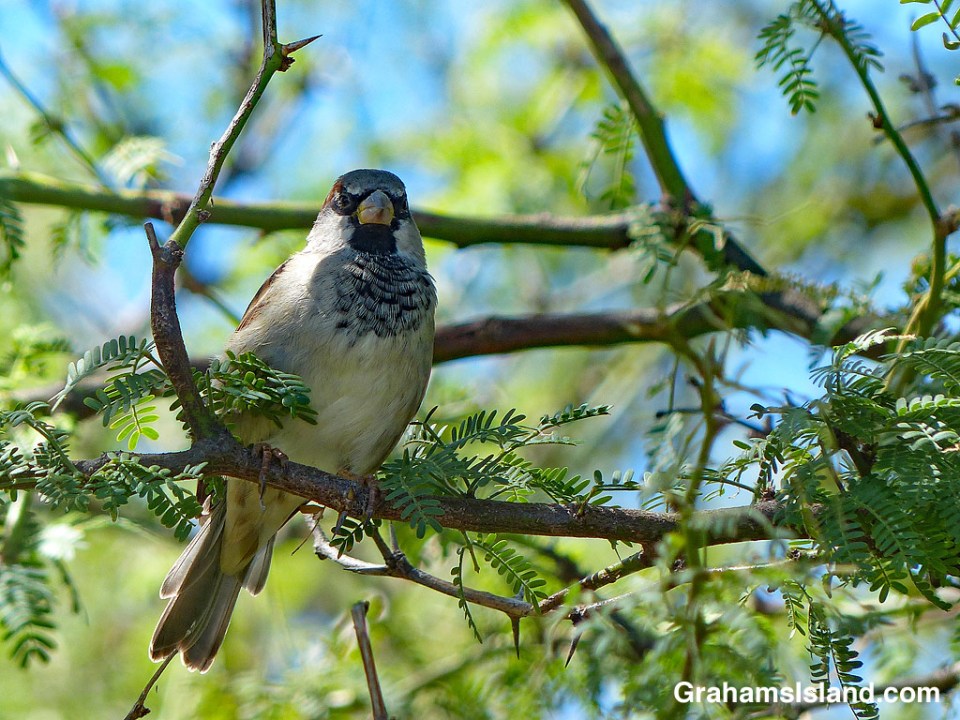
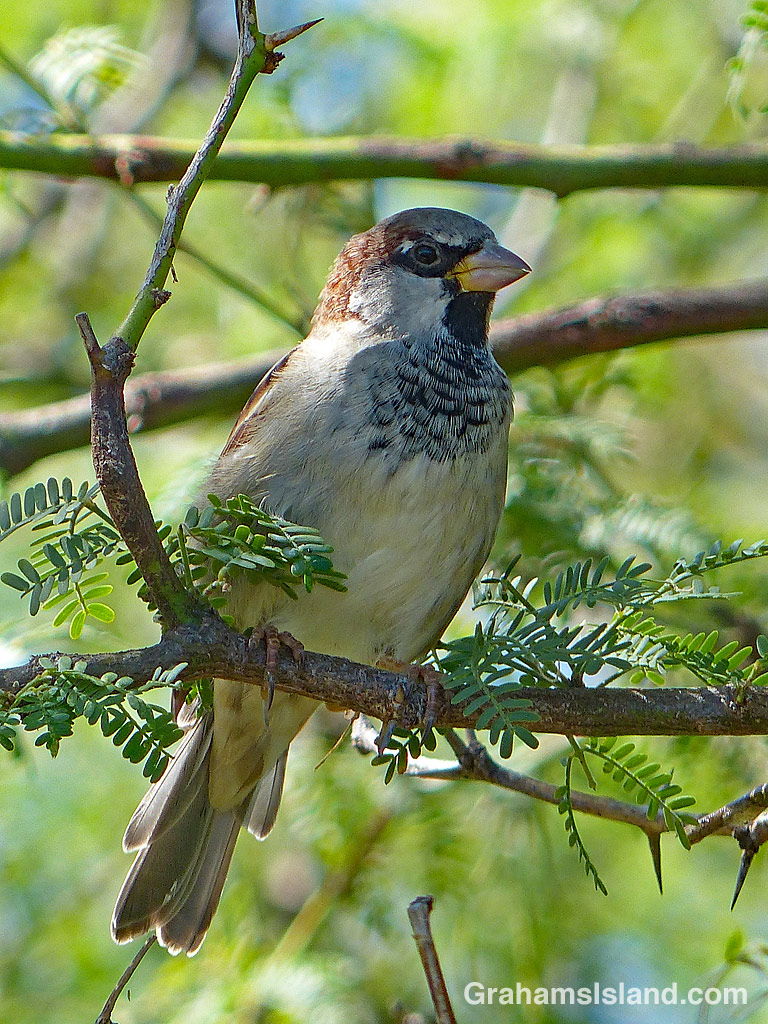 House sparrows made it to Hawaii in the 1870s and are firmly established here. Where I see them most is at restaurants open to the outdoors, a common occurrence here in Hawaii. The sparrows mostly hop about scavenging tidbits from the floor. But sometimes the sparrows are bolder and savvy diners will remain alert during their meal or risk French fries disappearing from their plates.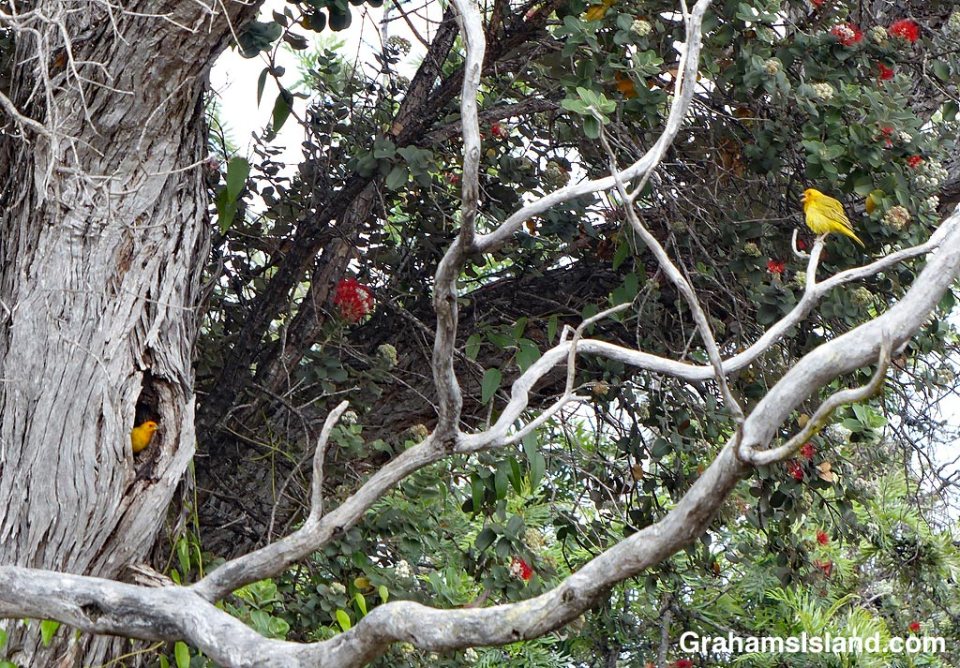
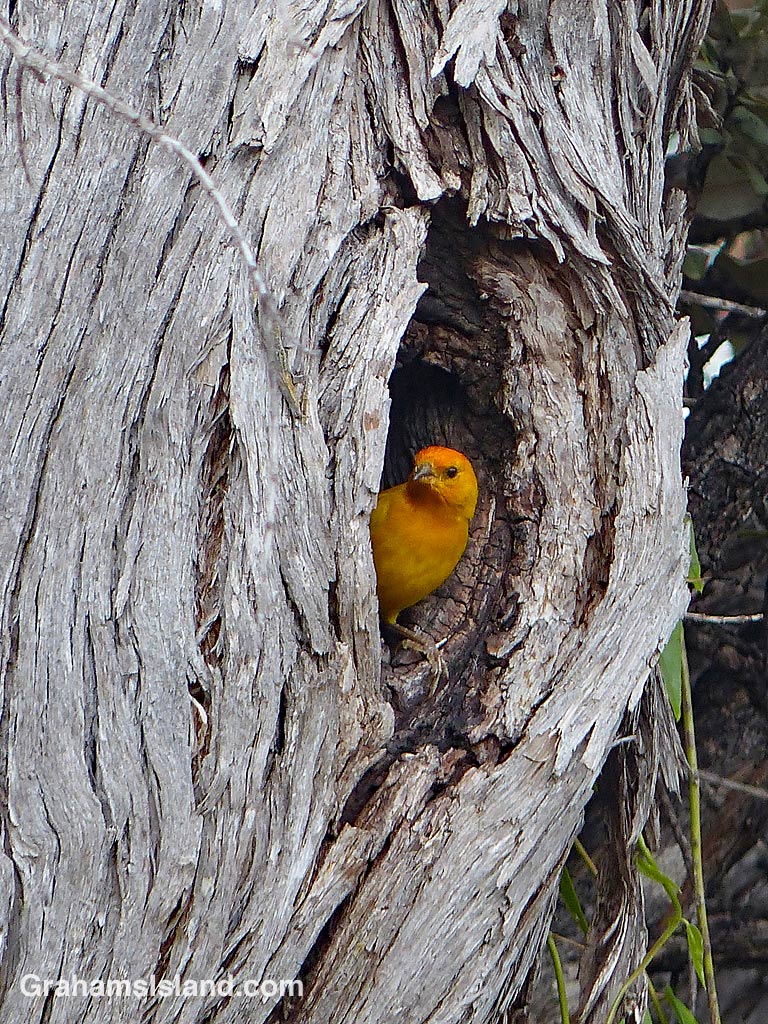 I saw these two saffron finches at Pu’u Wa’awa’a. The one seemed to be checking out a nicely-appointed knot hole in a tree while the other bird sat on a branch offering a different opinion.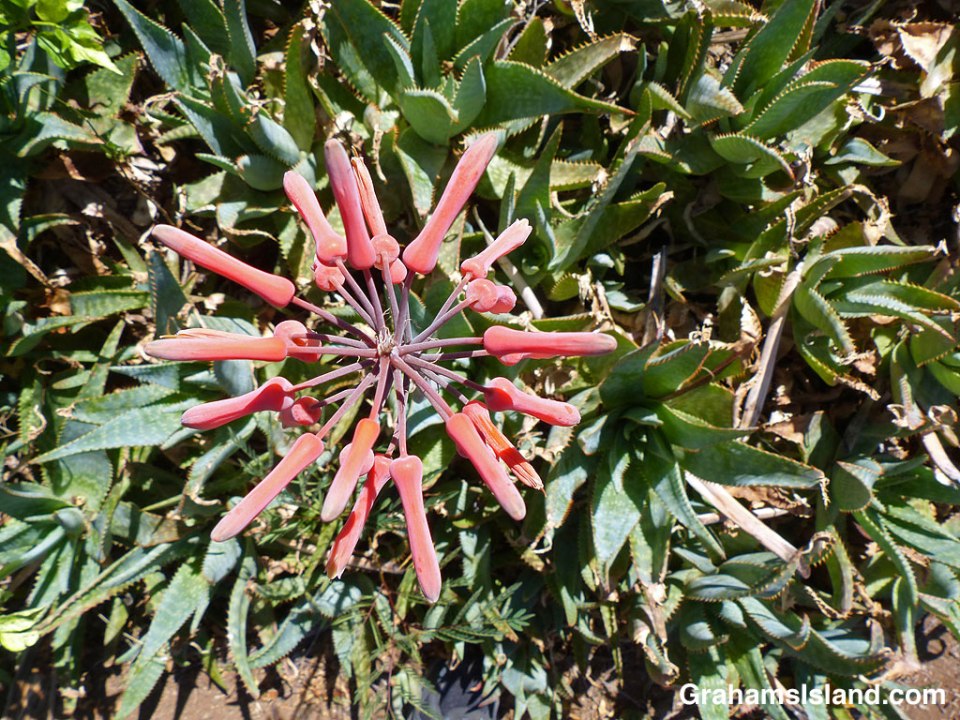
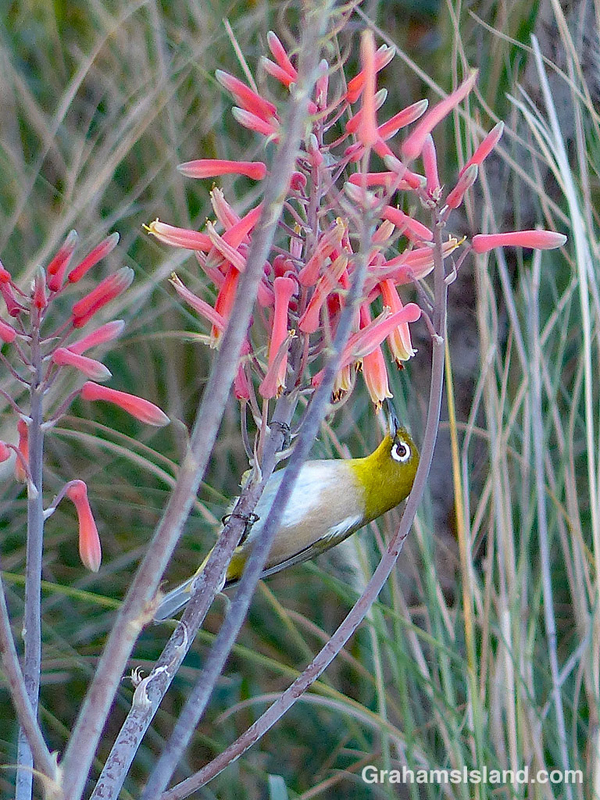
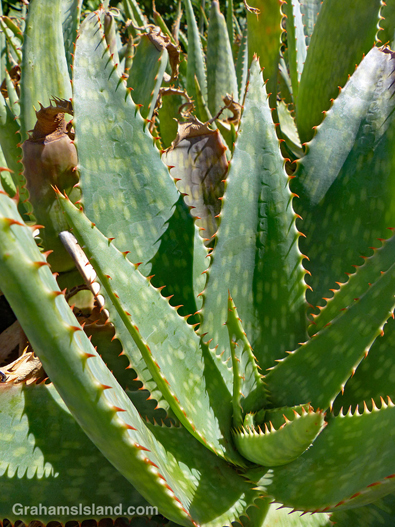

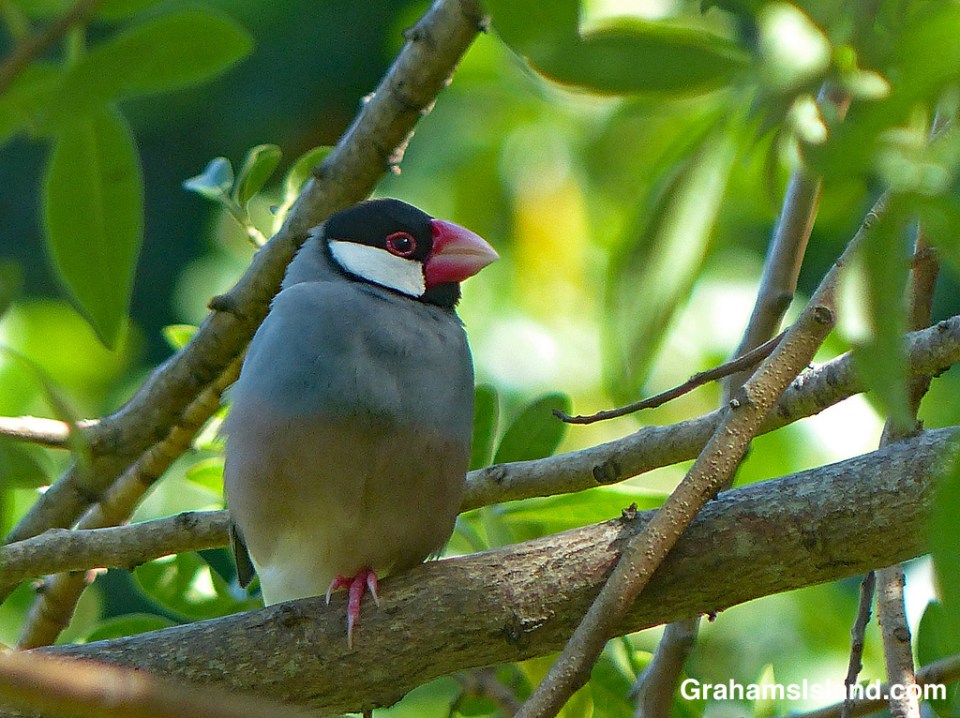
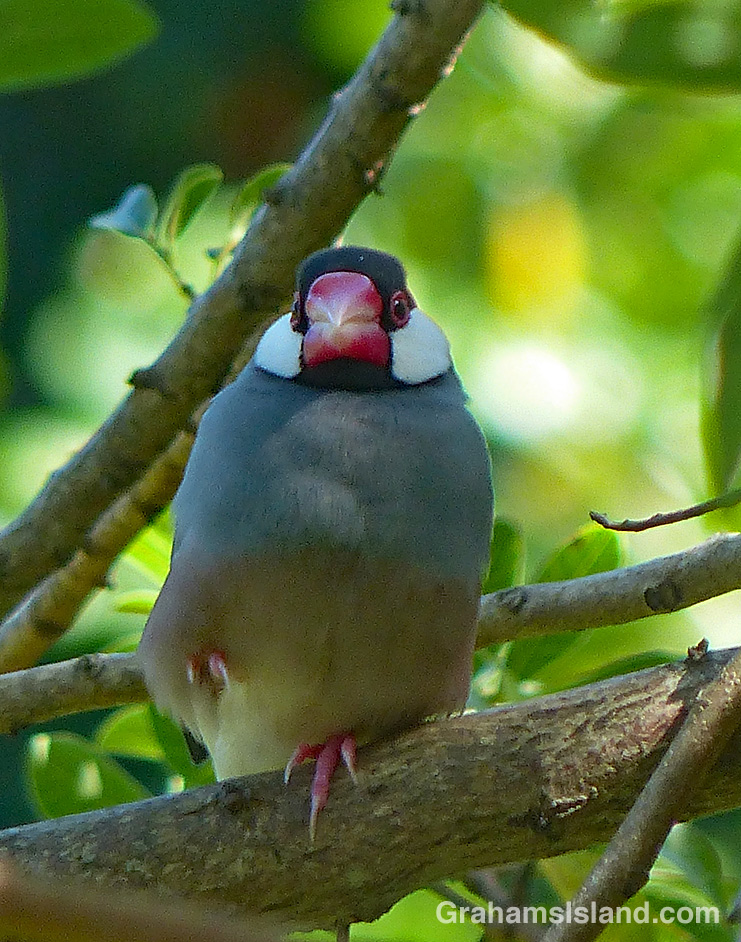 This week’s Sunday Stills challenge theme is ‘Pink.’ (See more responses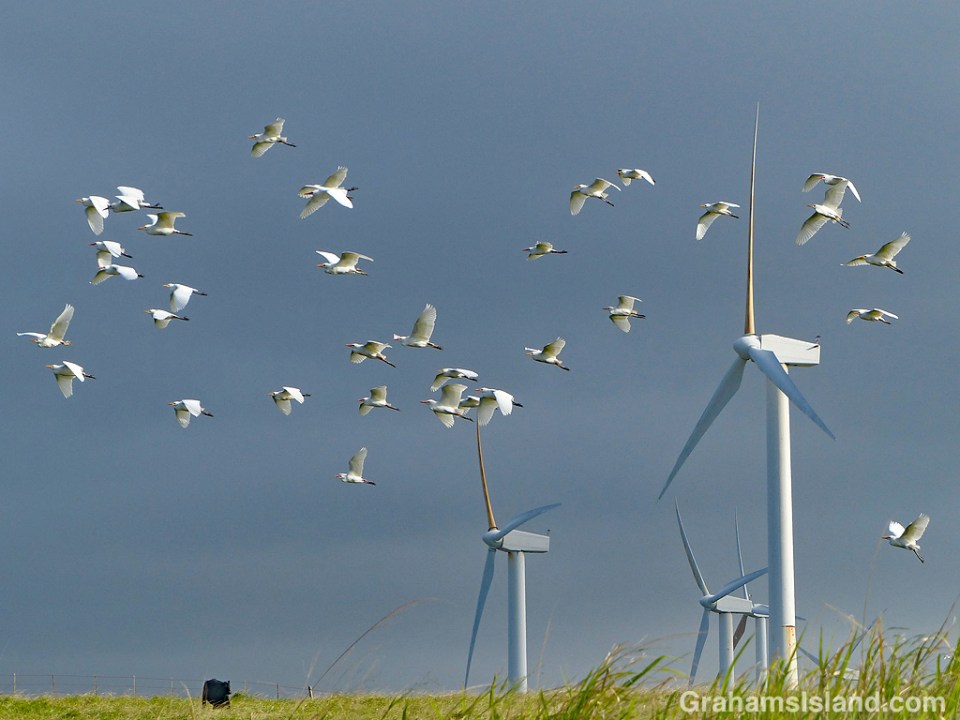
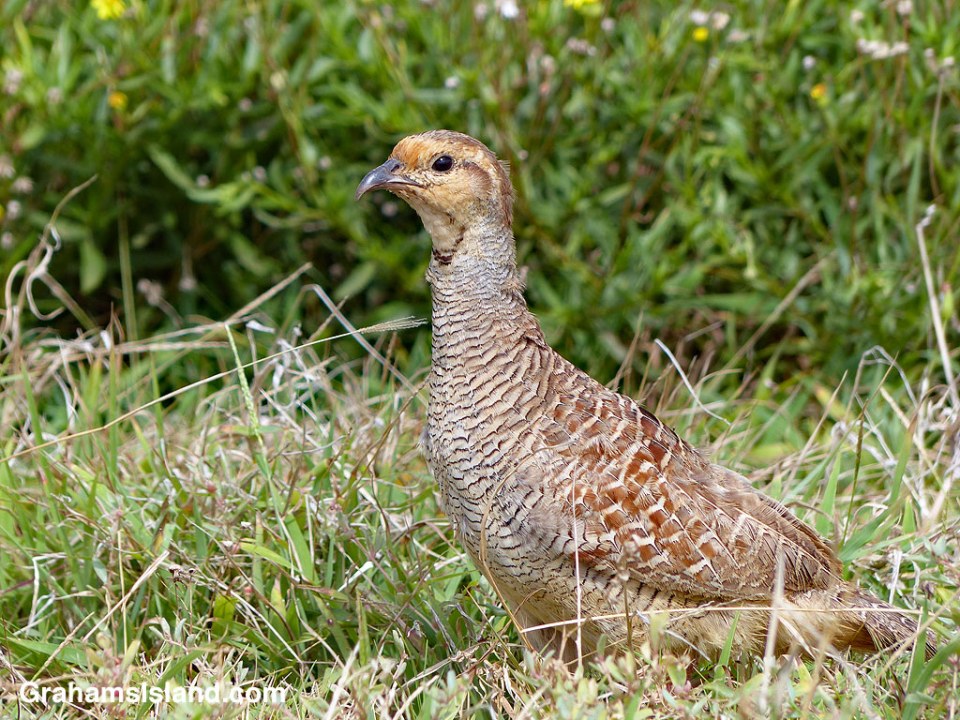
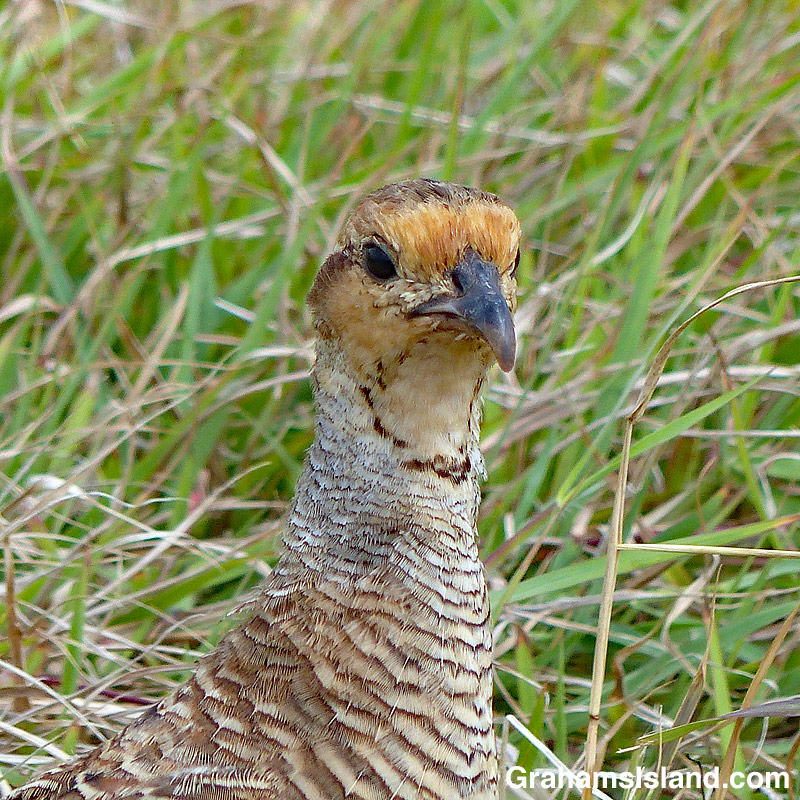 Gray francolins are a favorite bird of mine, not for their loud and raucous call, especially early in the morning, but for their goofy behavior.
 Graham's Island