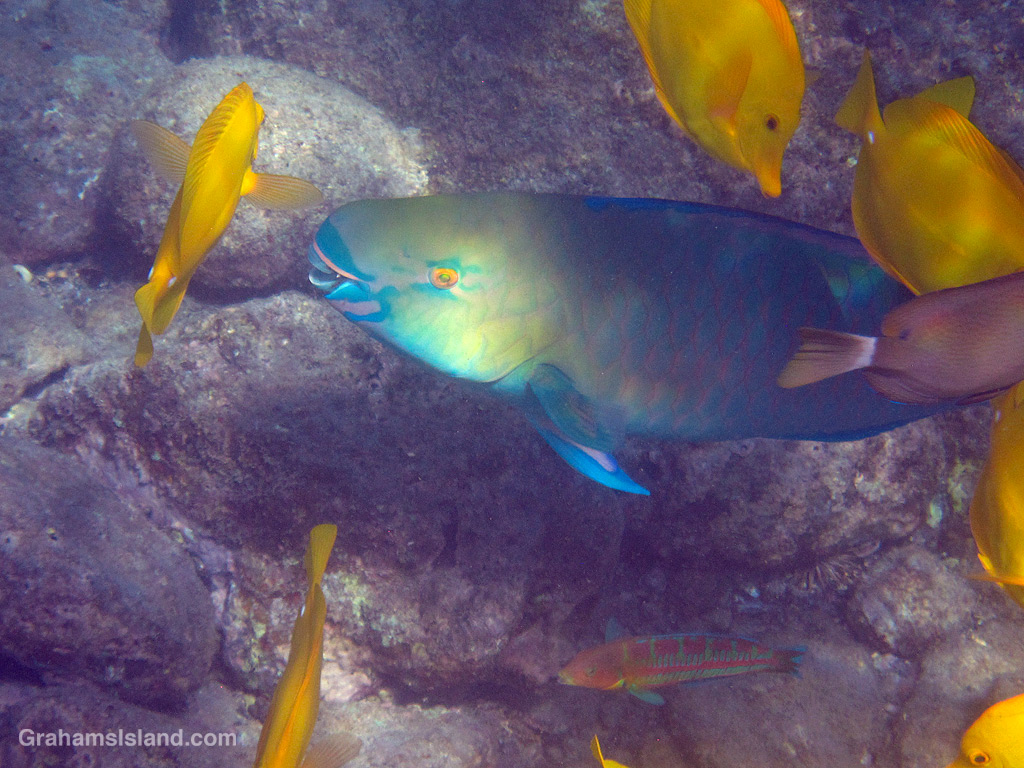
The Ember Parrotfish is the largest parrotfish in Hawaii, but it can often be found in surprisingly shallow water. This one was cruising through a small school of Yellow Tangs in just two or three feet of water. The multicolored fish beneath it is a Christmas Wrasse. These fish will often accompany a parrotfish hoping to snack on creatures dislodged by the larger fish.
A week or so ago, I was snorkeling when I happened to glance behind me and saw I was being followed by the local barracuda ohana. Ohana is the name for family in Hawaiian and these were Great Barracudas, which sometimes congregate together in this way. I think they follow people swimming in the hope that they’re spear fishing, and might catch something which they can steal. I offered no such rewards, so they soon moved on.
I see 10 in this photo, but I counted a dozen in the water, and there might have been more. They were all what I call small barracudas, perhaps a foot to 18 inches in length. The biggest around here get to be three- to four-feet long and much bigger around.
Reticulated Butterflyfishes are among the easiest fish to identify with their array of white spots on black, and other notable markings.
The same cannot be said for Brown Surgeonfishes. Mostly brown, with a tinge of lavender and some dull spots on the face, this is a fish that’s often overlooked. But according to my fish book, it boasts a couple of noteworthy accolades.
The first is that, back in 1993, “the biggest species of bacteria known to science had been discovered in the gut of this surgeonfish.” It notes that the bacteria was about the size of a hyphen in a newspaper article, which is a pretty good size actually.
The other distinction is that a study, by Roland and Marie-Louise Bauchot, of the brains of Hawaiian reef fishes, declared that the smartest fish on the reef is none other than the little Brown Surgeonfish.
Peppered Moray Eels live in shallow waters, including tide pools and ponds. My fish book describes them as bold and active, and notes that they will even launch themselves out of the water, onto the rocks, trying to catch crabs, their primary prey.
So it’s somewhat surprising that, while I have probably seen glimpses of this eel, these are the first photos I’ve taken of one. This one was swimming along and, obligingly, continued to do so for a while, without disappearing into a crack or hole.
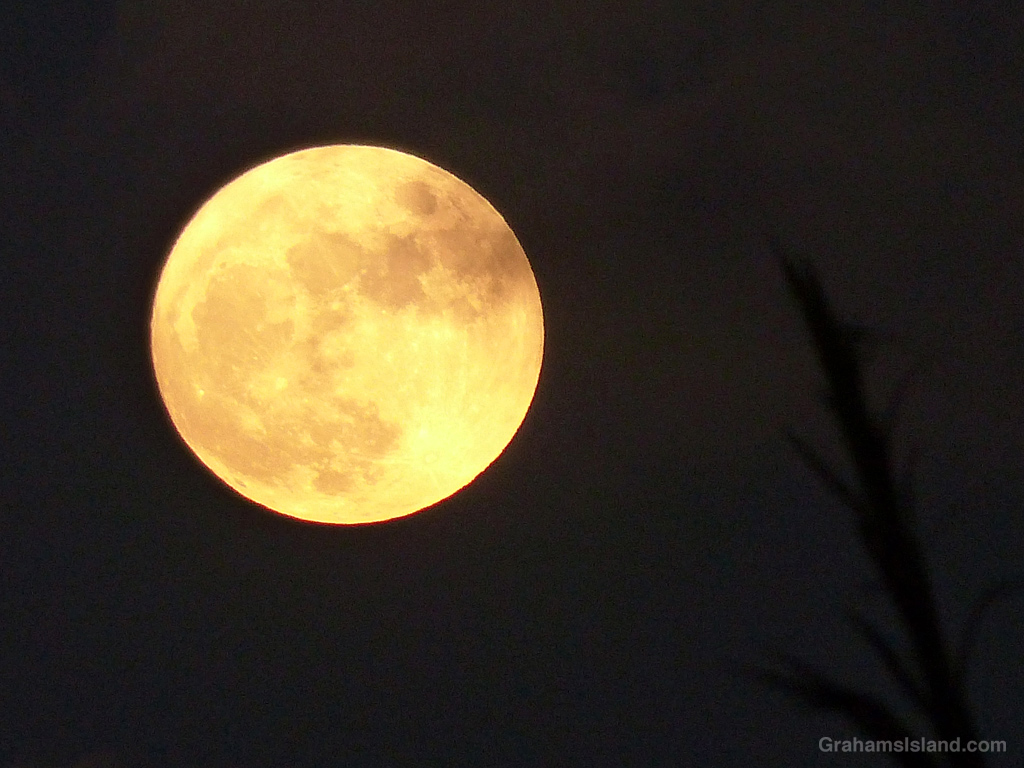
A buttery yellow full moon rises over North Kohala.
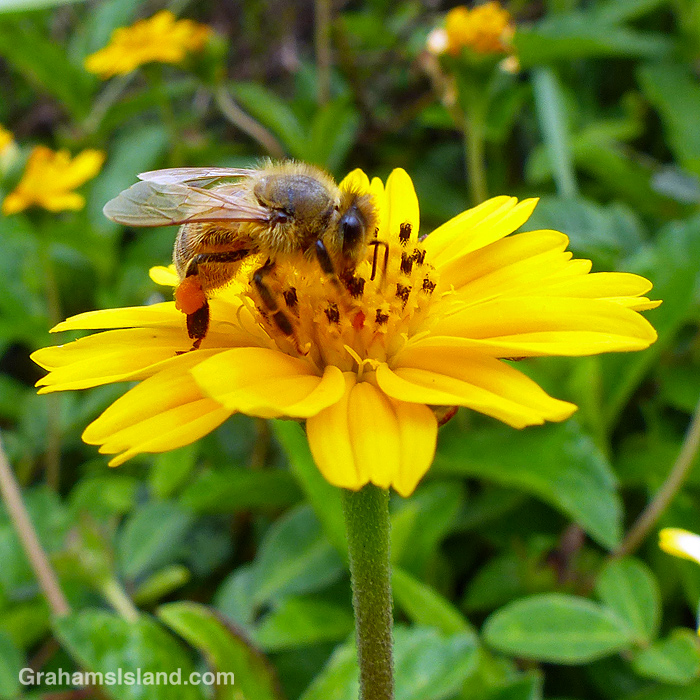
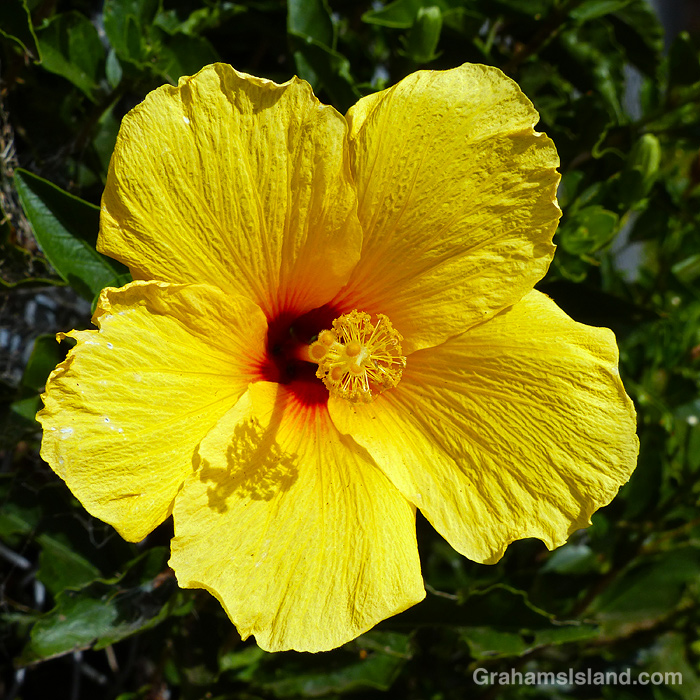
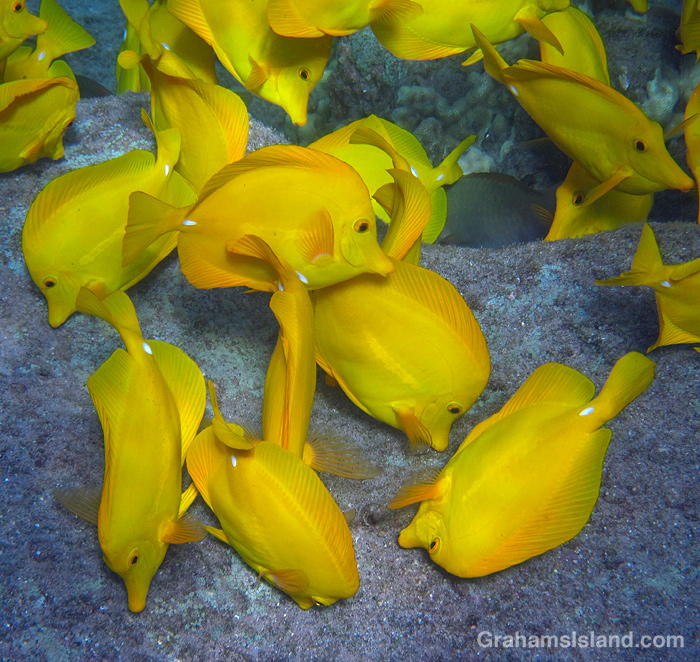
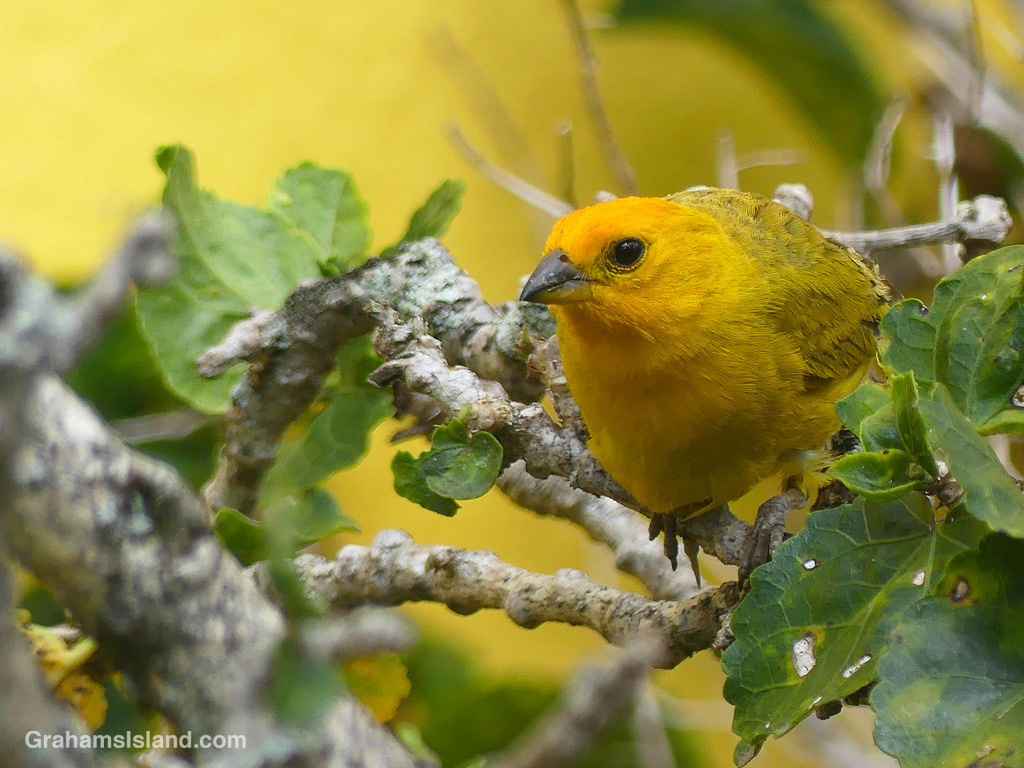
This month’s Sunday Stills Color Challenge theme is ‘Yellow.’ See more responses here. Once again, I’ve gone for a melange of photos, which sounds edible, but probably isn’t. Captions on the photos.
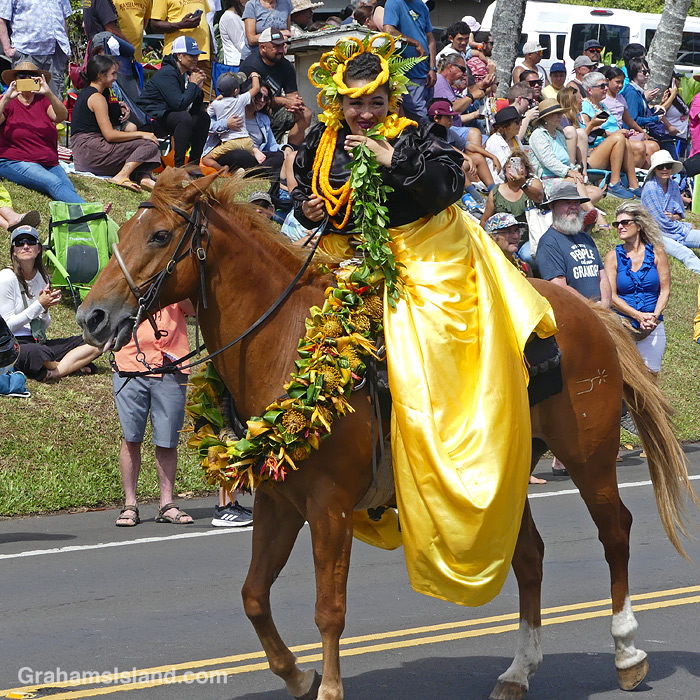
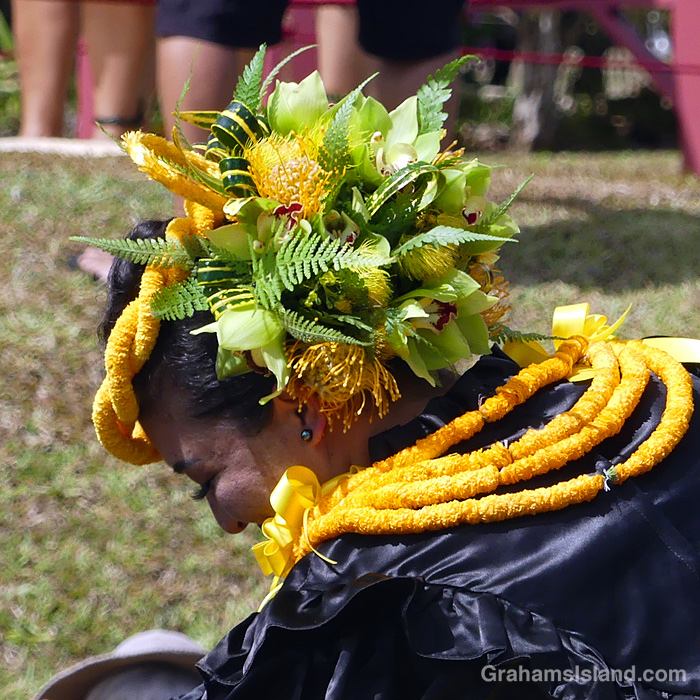
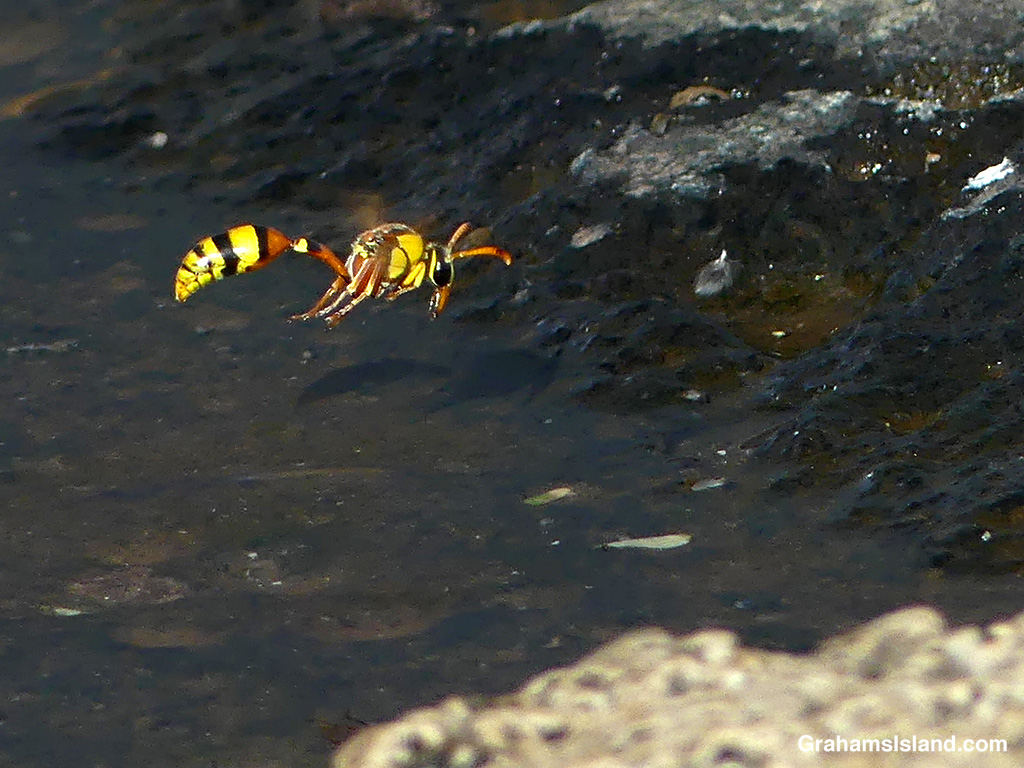
Yellow is the official color for Oahu and the island’s Pa’u rider …… at this year’s Kamehameha Day parade carried a bounty of it.A bee forages on a wedelia flowerA vibrant yellow hibiscus flower.The quintessential yellow fish here – Yellow Tangs.A yellow Saffron Finch on a shrub by the very yellow Hawi Post Office.Finally a photo from a couple of days ago. A boldly-marked wasp zooms in to collect water.
This is the smallest Flowery Flounder I’ve seen while snorkeling. It was probably about 3 inches long. The only reason I saw it was because it was moving for just a moment before it settled down.
If you can’t see it in the top photo, the cropped version should help.
This week’s Sunday Stills challenge theme is ‘Double Trouble.’ See more responses here.
A pair of juvenile Black-crowned Night Herons spell trouble for small fish living in the pool behind Pelekane Beach in Kawaihae.
Giant Porcupinefish can inflate themselves into a ball. When they do so, long spines along the back become raised and stick out, making them an extremely unpleasant proposition for any predator. Oh, and they’re poisonous, too. Trouble, indeed.
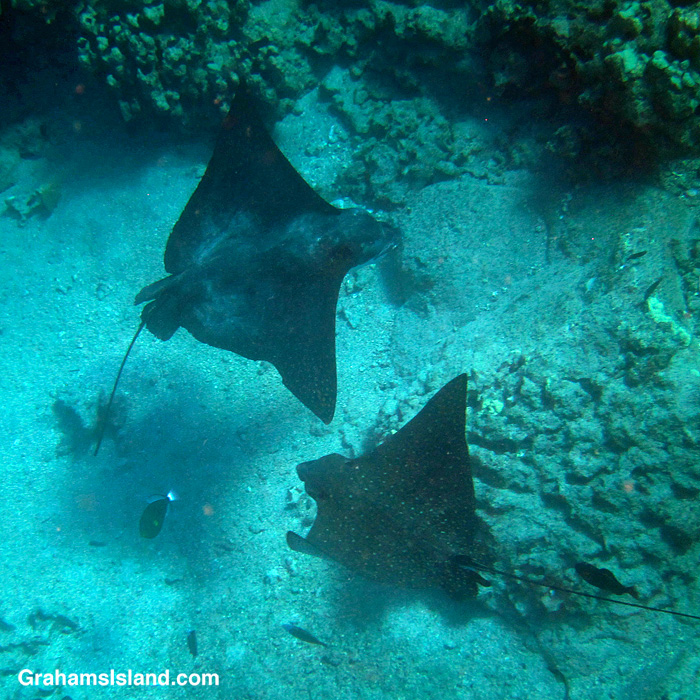
Spotted Eagle Rays hunt for molluscs and other creatures hiding in the sand. They root out prey with their duck-like bills.
Wild pigs can dig up a garden in no time, searching for worms and the like, but they go bananas over fallen fruit. These two were slurping down fallen mangoes.
This cow looked very suspicious of these cattle egrets, especially the one on its back. But they weren’t up to any trouble, just waiting for the cow to start grazing again and stir up some insects for them.
The Gold Dust Day Gecko on the left isn’t licking the paint. He’s sticking out his tongue and leaning to make his body look bigger in a challenge to the other gecko. The other one was singularly unimpressed and chased off his adversary.







 Graham's Island