Sunday Stills challenge theme this week and last week is ‘Your 2023 Year-in-Review.’ See more responses here. As before, I’m going with a favorite photo from each month of 2023, with a caption and link to the post the photo first appeared in. Last week, I posted favorites from January through June. This week, it’s July through December.
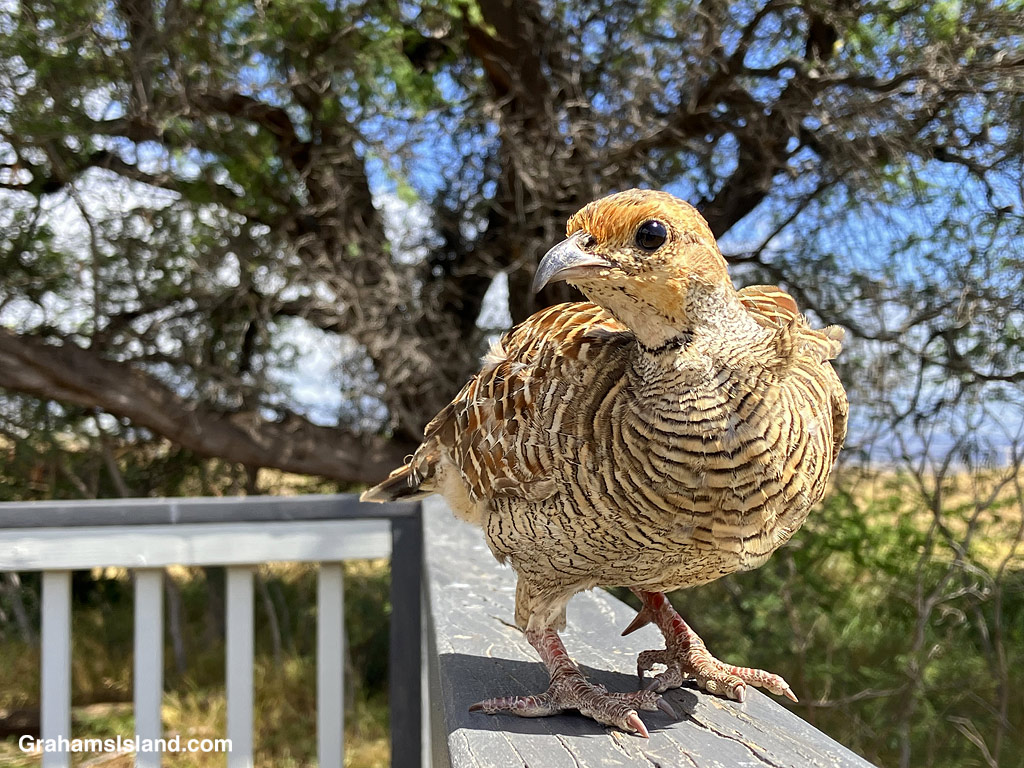
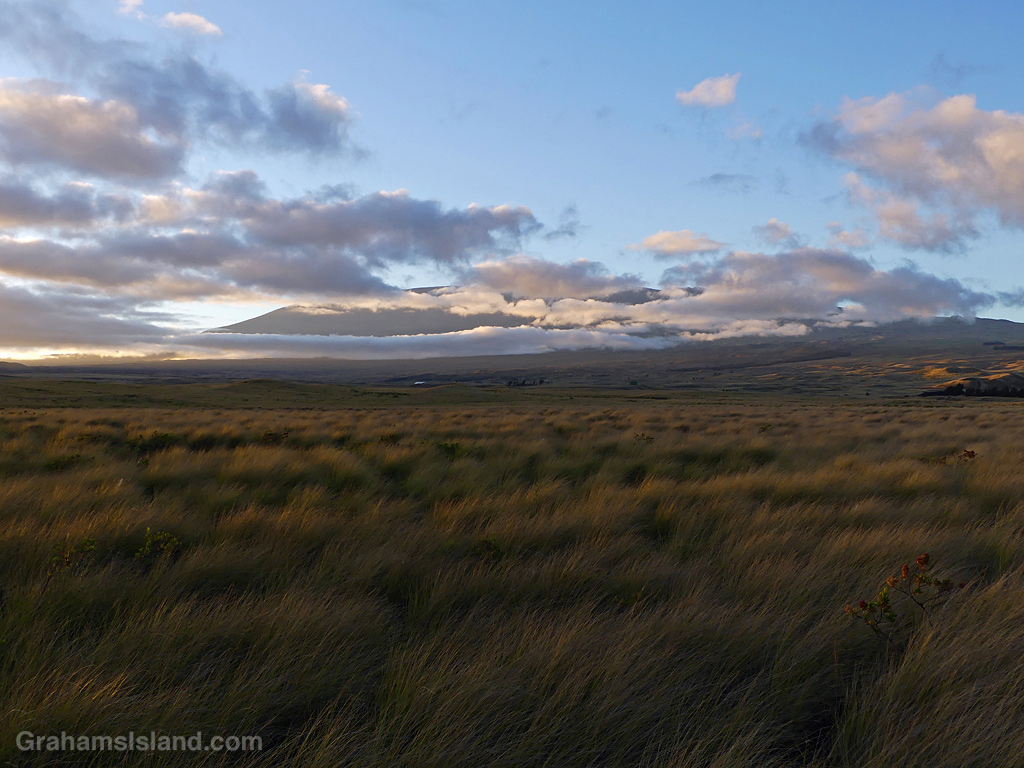
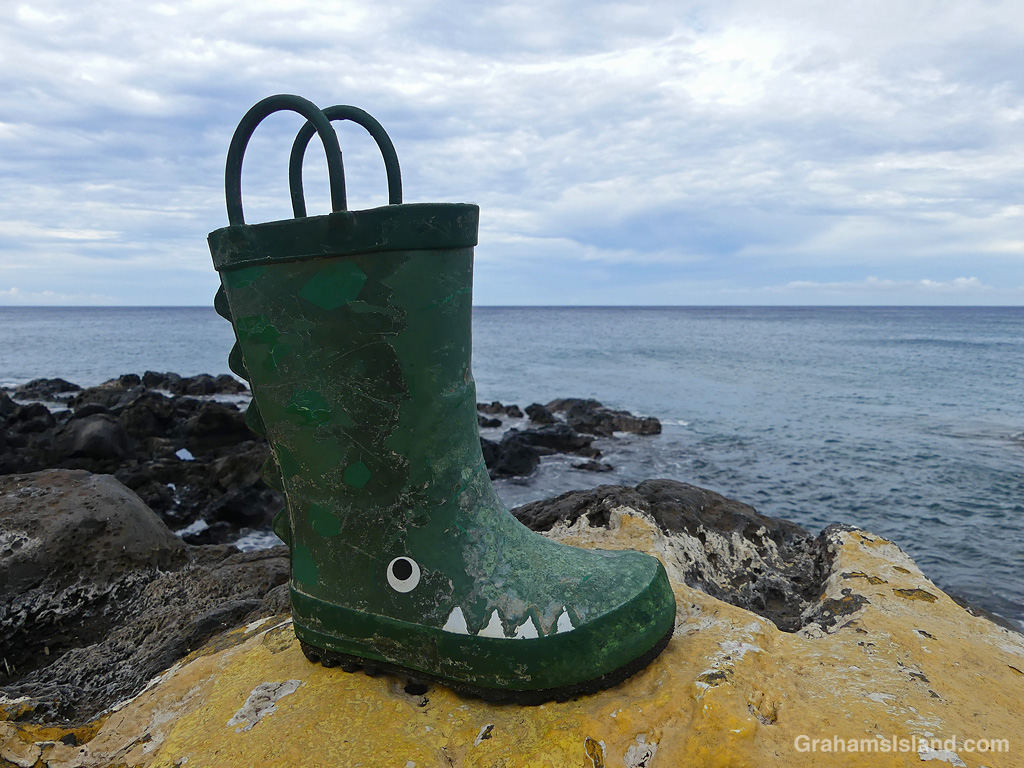
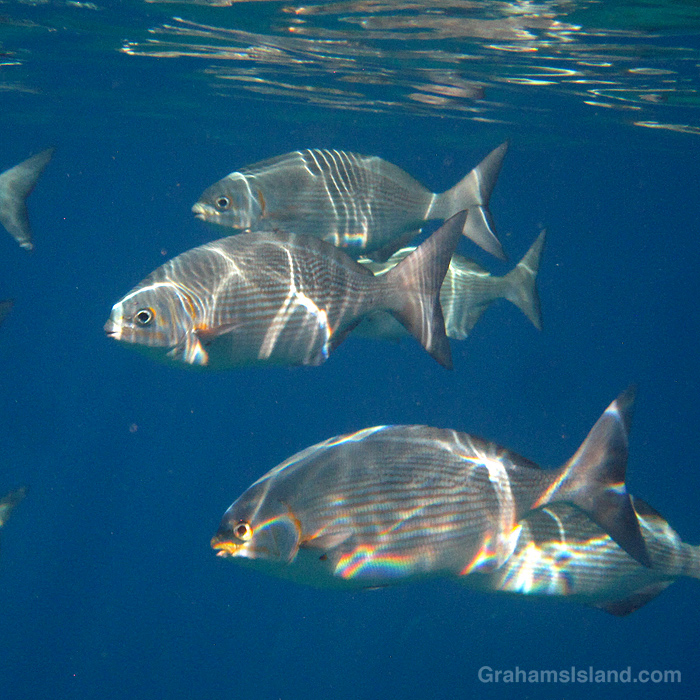
September: Mr. Chompers on the move (link).October: Wood you believe it (link)?November: Mauna Kea around sunrise (link).December: The boot’s not on the other foot (link).
Pacific Trumpetfish can be seen in many guises. They’re usually gray or brown according to my fish book, but can be yellow or black with a variety of stripes and bars added to their look, depending on circumstances. The purpose of all these looks is to blend in with their surroundings so that they can more easily ambush fish that are their prey.
The trumpetfish in these photos were accompanying Convict Tangs. The yellow look in the top photo is more often seen when they’re around Yellow Tangs, but the natty look in the bottom photo works better with the tangs and the area they’re swimming.
Pacific Trumpetfish are easily spotted while snorkeling, because they’re a decent size and have a much different look to the fish they accompany. This seems like a failure on their part, but when these fish are seen from the front, which is the view their prey have, they’re virtually invisible!
Sunday Stills challenge theme this week and next week is ‘Your 2023 Year-in-Review.’ See more responses here. As before, I’m going with a favorite photo from each month of 2023, with a caption and link to the post the photo first appeared in. This week, I’m posting favorites from January through June. See the rest of the year next week.
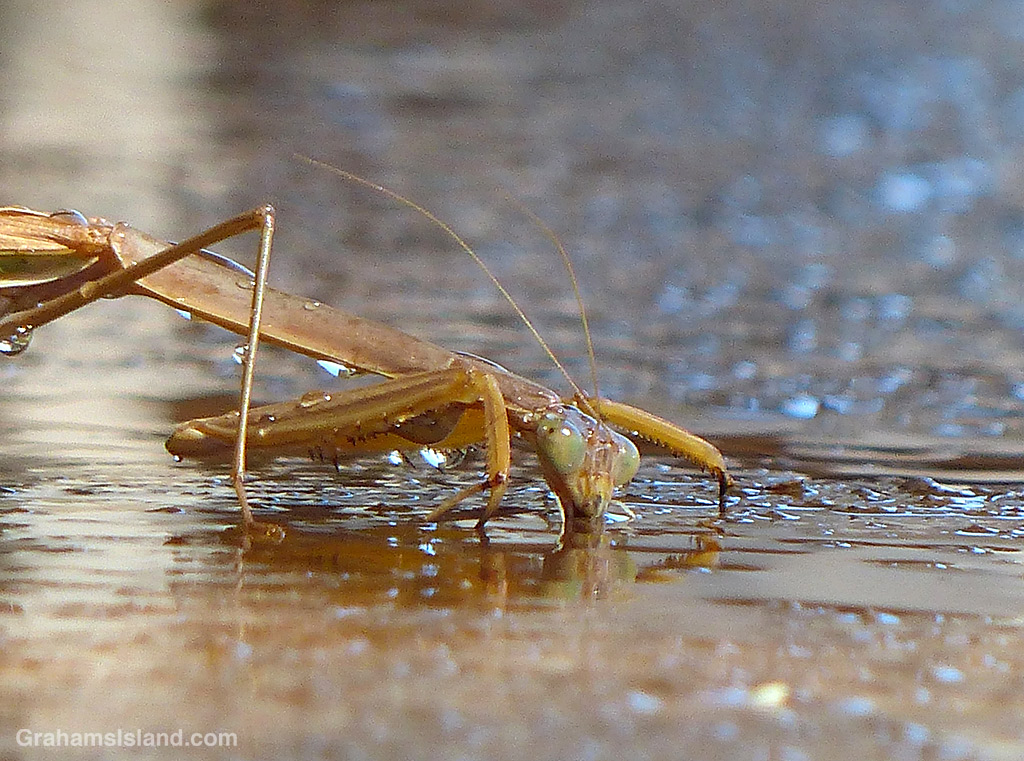
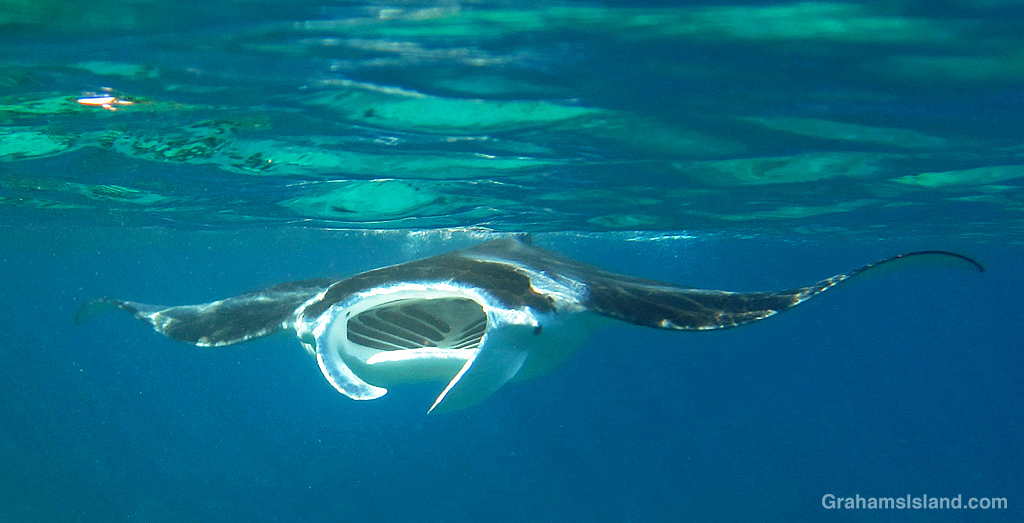
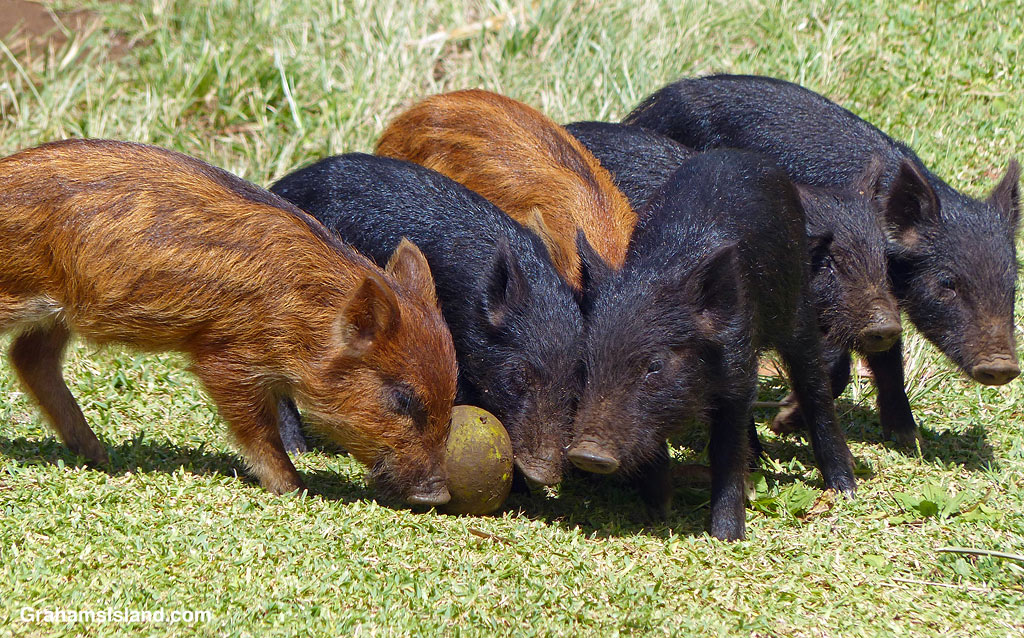
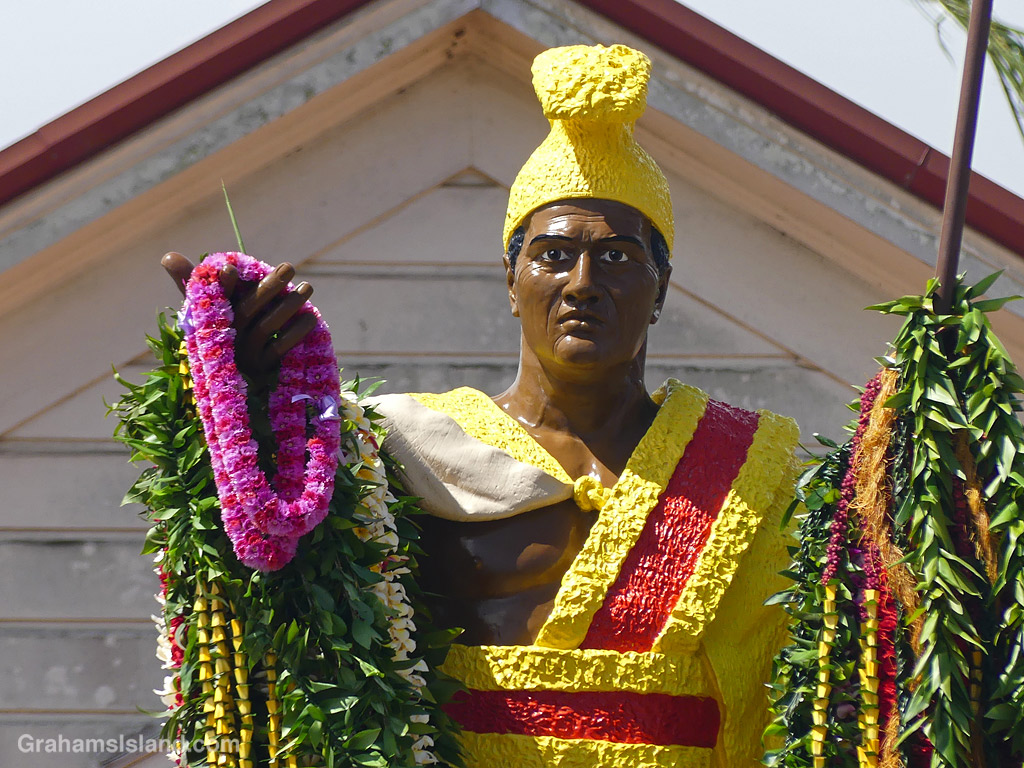
March: Time for a drink (link).April: Meeting a manta (link).May: They’re not cute and funny these days (link)!June: The king’s birthday (link).
There’s an area where I swim where large numbers of Pyramid Butterflyfishes could always be seen. Over the years their numbers have diminished or they’ve moved elsewhere. But this year there has been something of a resurgence in that area. That’s where I saw these two.
In the area I usually swim, there’s a bit of a cliff with rocky parts protruding above the water. One of these, we call Viper Rock, because a very large Viper Moray Eel could often be seen in a small cave below the peak.
When the eel is not home, others sometimes take up residence. I’ve seen other eels, lobsters, and crabs in there. Yesterday, I saw this Giant Porcupinefish occupying the space. Sometimes fish will make a quick escape, but this one just watched me. It was only when I got home that I noticed, in one of the photos (not a good one alas), a small Giant Porcupinefish. So perhaps it wasn’t just this fish, but a family occupying the space.
According to my fish book, Finescale Triggerfish are rare in Hawaii, except for the west coast of the Big Island. I see one or two most times I get in the water, and when I see them, I try to take photos. Most of the photos are terrible.
Finescale Triggerfish are, by some way, the largest triggerfish in Hawaii’s waters, so they’re not hard to spot, and with their dorsal and anal fins flopping from side to side as they swim, they’re easy to identify. However, they do present problems. For one thing, they’re generally a blotchy grey or brown color so they tend to blend into the background. While they can be seen close to shore, they usually swim nearer the bottom than the top. And they’re skittish. When I do see one nearer the surface, it’s usually seen me first and is headed down and away.
This one was a bit trapped in a relatively shallow area, so I got a few photos, though unfortunately the water was very hazy that day so the quality wasn’t great.








 Graham's Island