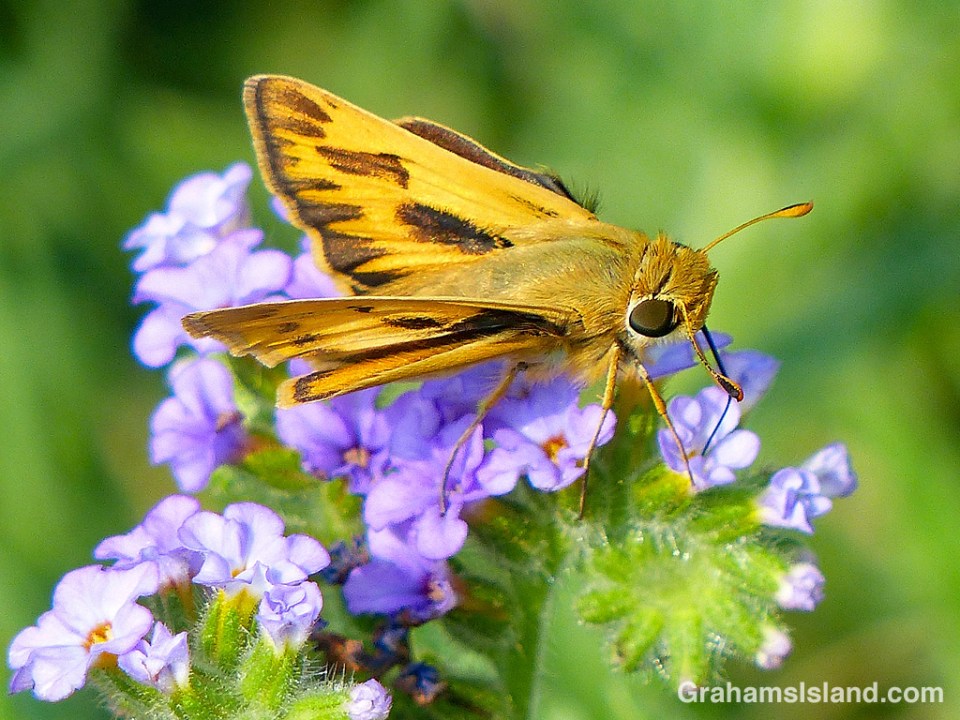
A fiery skipper butterfly stops to feed on blue heliotrope (Heliotropium amplexicaule) flowers.
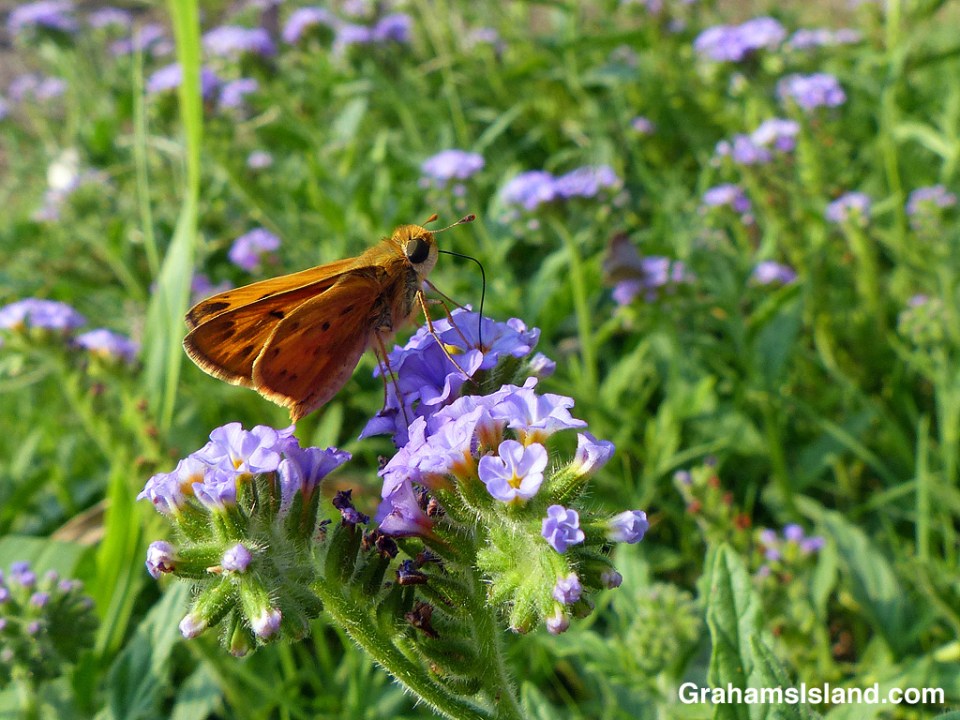

A fiery skipper butterfly stops to feed on blue heliotrope (Heliotropium amplexicaule) flowers.
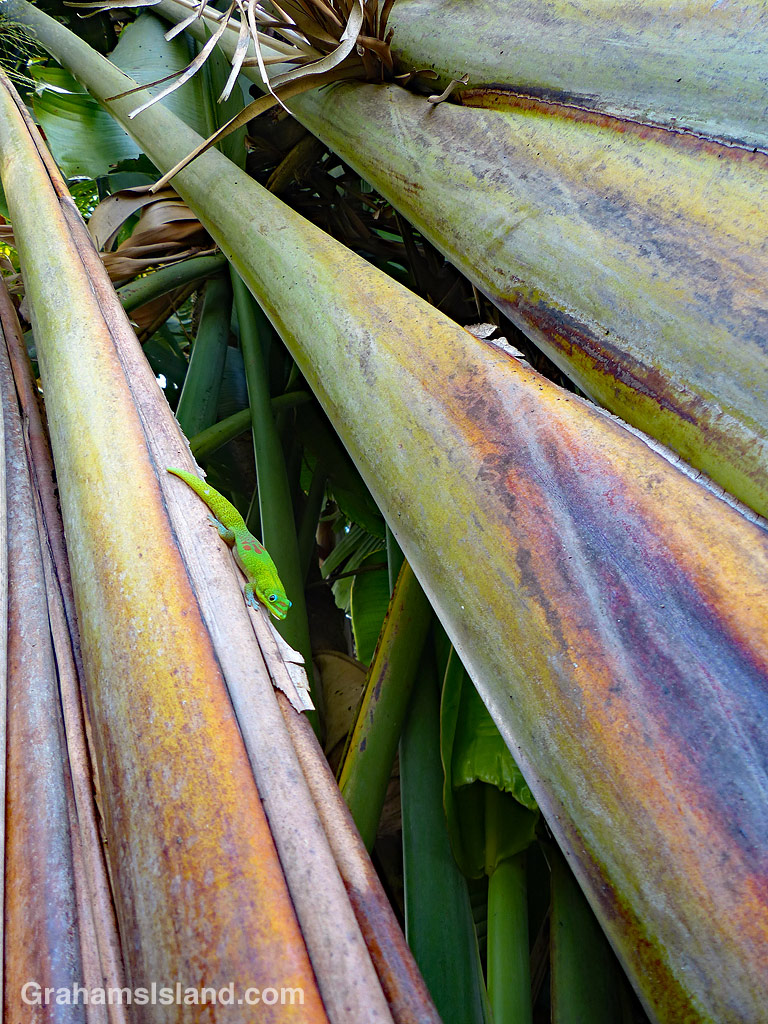
A gold dust day gecko scoots down the stem of a traveler’s palm.
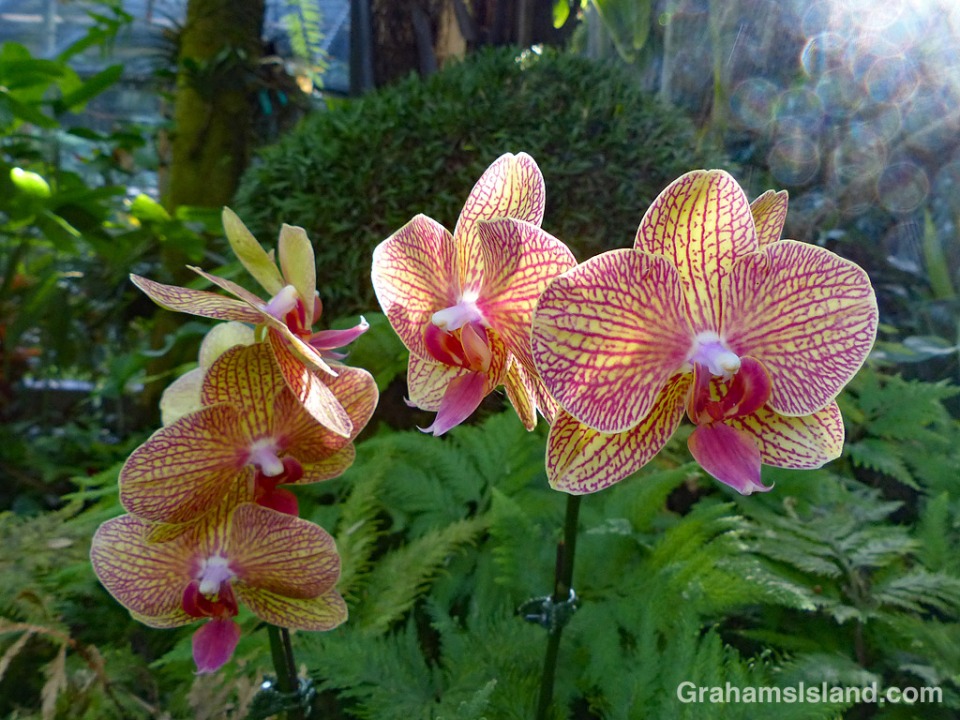
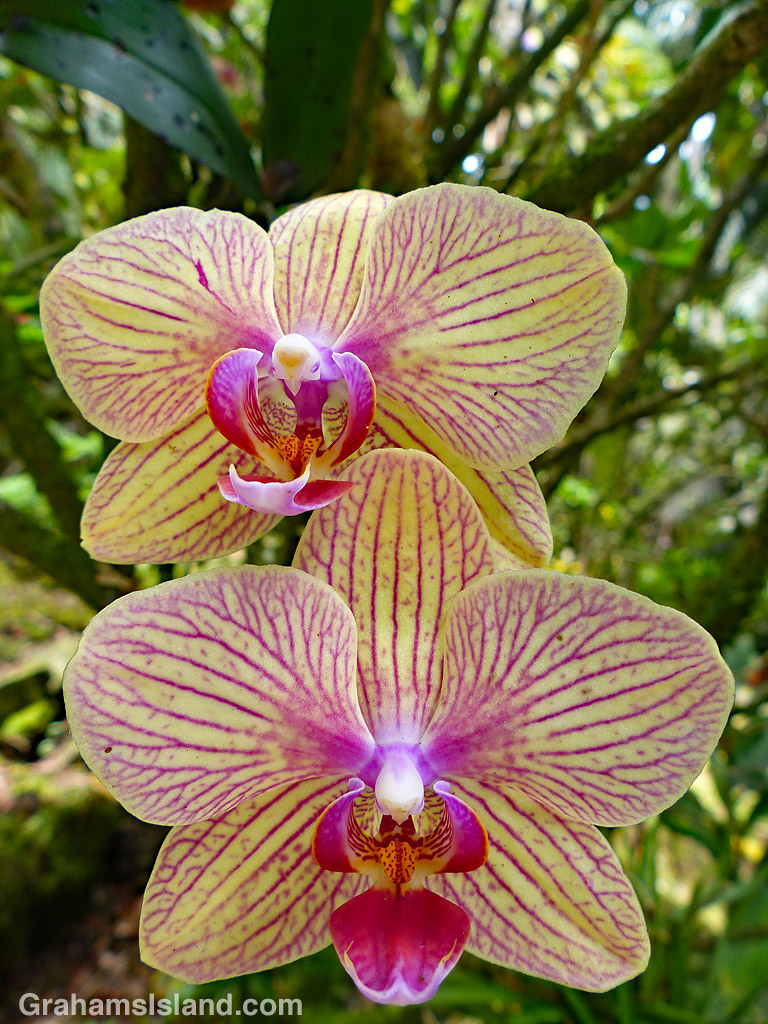 Phalaenopsis orchids are also known as moth orchids because the flower shape resembles a moth in flight. They’re very popular with growers because they’re relatively easy to care for and bloom for a long time. This popularity has also resulted in growers producing numerous hybrids of this orchid.
These blooms were at Hawaii Tropical Botanical Garden, near Hilo. For more information about Hawaii Tropical Botanical Garden, go to htbg.com.

These yellow walking iris (Trimezia martinicensis) were growing at Hawaii Tropical Botanical Garden, near Hilo.
For more information about Hawaii Tropical Botanical Garden, go to htbg.com.
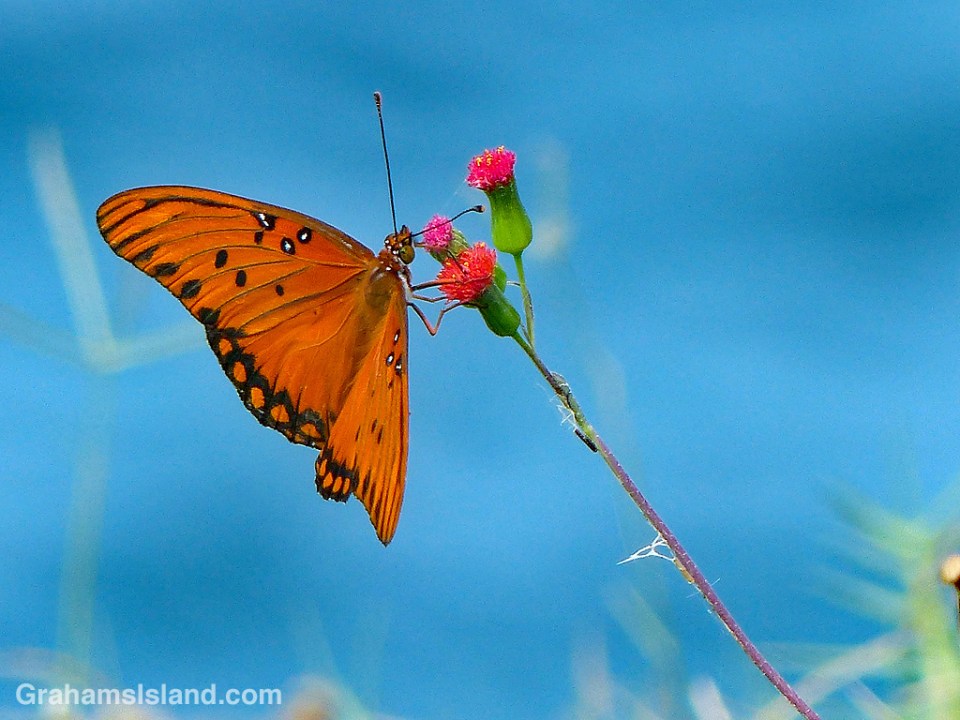
I already ran a post for this week’s Sunday Stills challenge on the theme of ‘Orange’ (here, and other responses here). But yesterday, while taking a walk, I came across this passion vine butterfly and thought it fit the theme too well to pass up. The butterfly was feeding on a tasselflower with the blue Pacific as a backdrop.

This is a view of the base of the petioles (leaf stems) of a traveler’s palm (Ravenala madagascariensis). It’s not a true palm but a member of the family Strelitzia with flowers similar to some bird of paradise flowers.
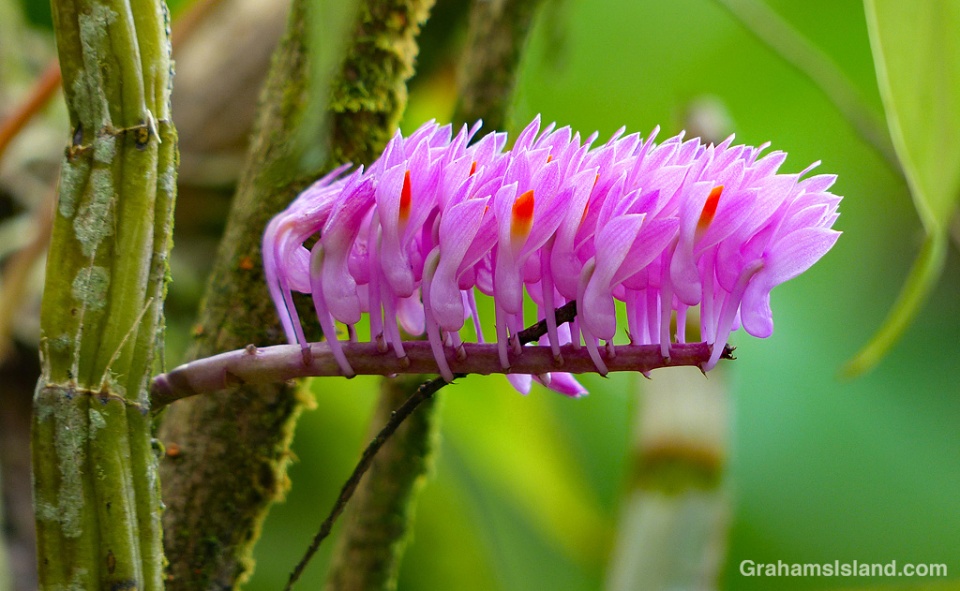
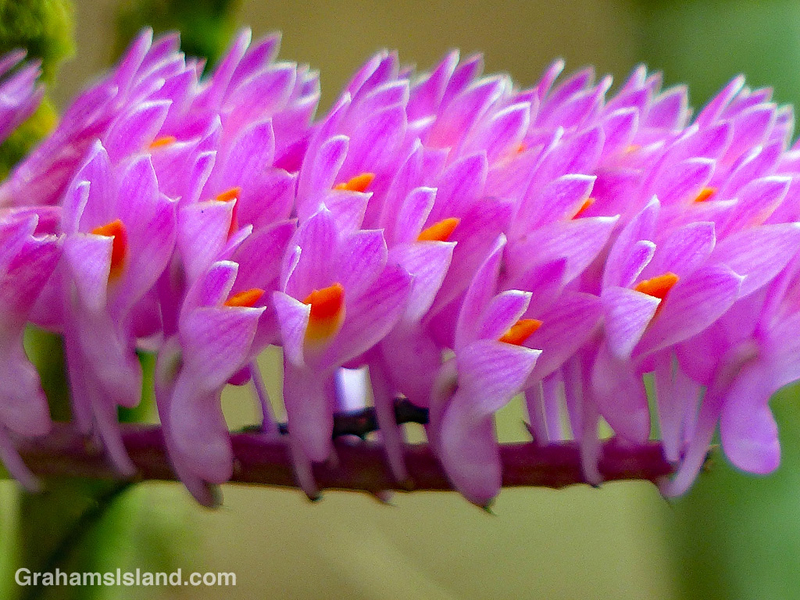 This week’s Sunday Stills theme is ‘Orange.’ (See more responses here.) Usually I pick one subject for these challenges, but I had two recent subjects that fit the bill and I couldn’t make up my mind, so I’m including both.
The flower photos are of a dendrobium secundum orchid, which is also known as a toothbrush orchid. The flower color can vary from pale pink to purple with an orange labellum at the tip. These flowers were soft and delicate looking, yet so lush.
The bottom photo is from the recent Ironman race on the island. I liked the pop of this cyclist’s outfit and how his water bottle matched his orange helmet.


A katydid rests on the round, spiny fruits of a castor bean (Ricinus communis) plant. These fruit capsules contain large bean-like seeds which are very poisonous. In the photo, it looks like the katydid is feeding, presumably not on the poisonous bits.
 Graham's Island