
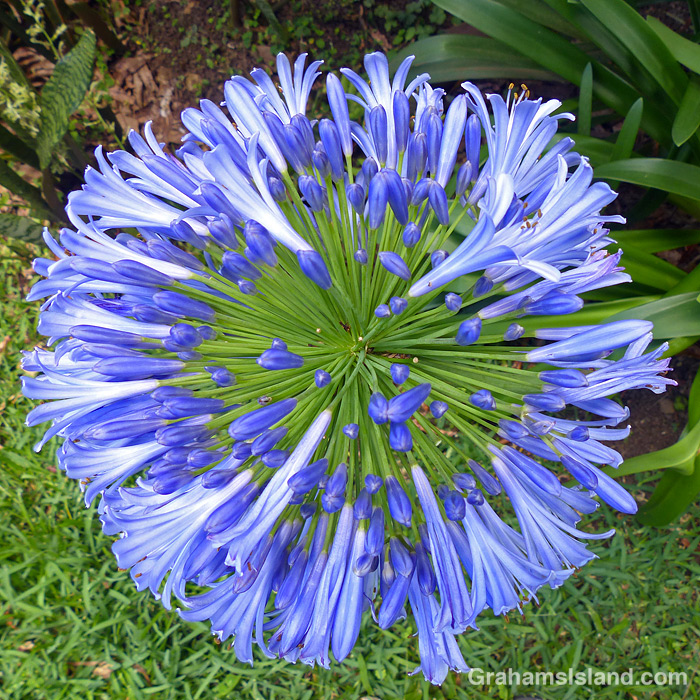
This agapanthus has bloomed for the first time, with a fine array of showy blue flowers. Not only do they look good, but the bees like them, too.


This agapanthus has bloomed for the first time, with a fine array of showy blue flowers. Not only do they look good, but the bees like them, too.
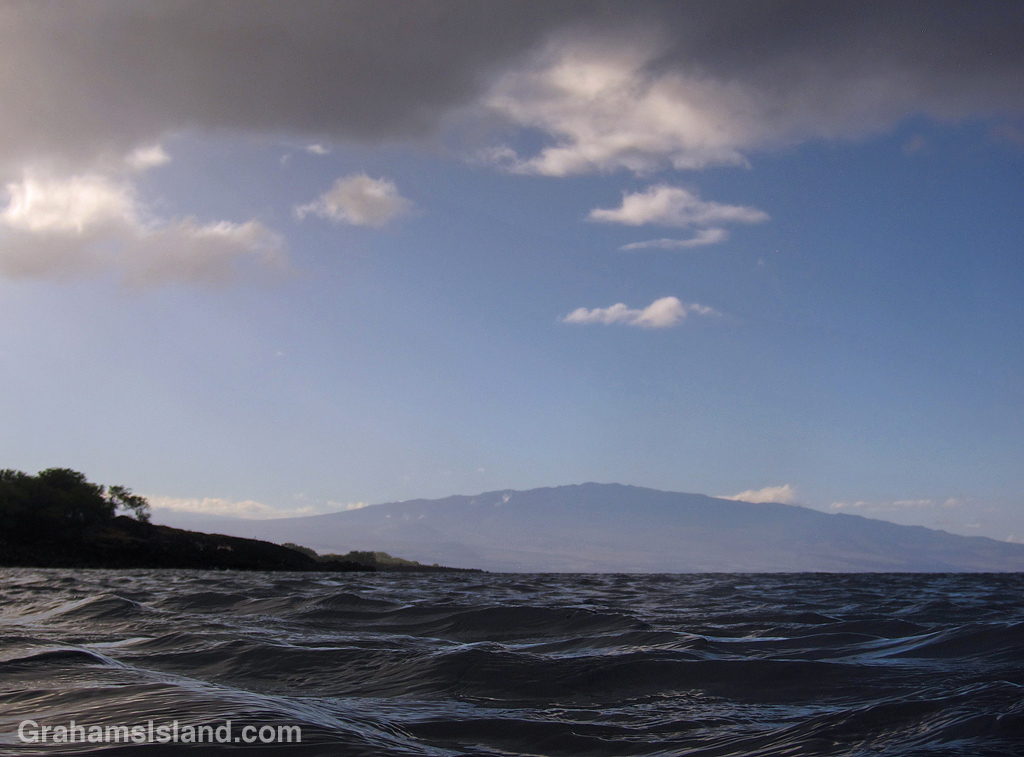
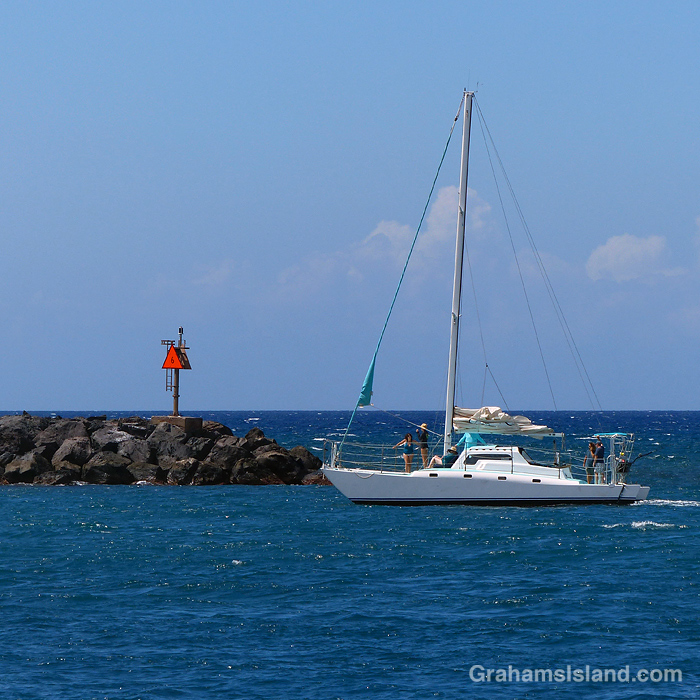
This week’s Sunday Stills challenge theme is ‘Great Outdoors.’ See more responses here.
In Hawaii, people spend a great deal of time outdoors. It’s common for people to have an outdoor kitchen, sometimes their only kitchen, sometimes a second one where a barbecue is the featured cooking apparatus. Carports often feature chairs and tables with cars parked elsewhere. The lanai, or deck, is as well-used as any room in the house.
Outdoor activities are popular here, too. Many involve the ocean and its inviting water: swimming, snorkeling, paddling, and of course surfing. Plenty of people go fishing and hunting, longtime sources of food for the table.
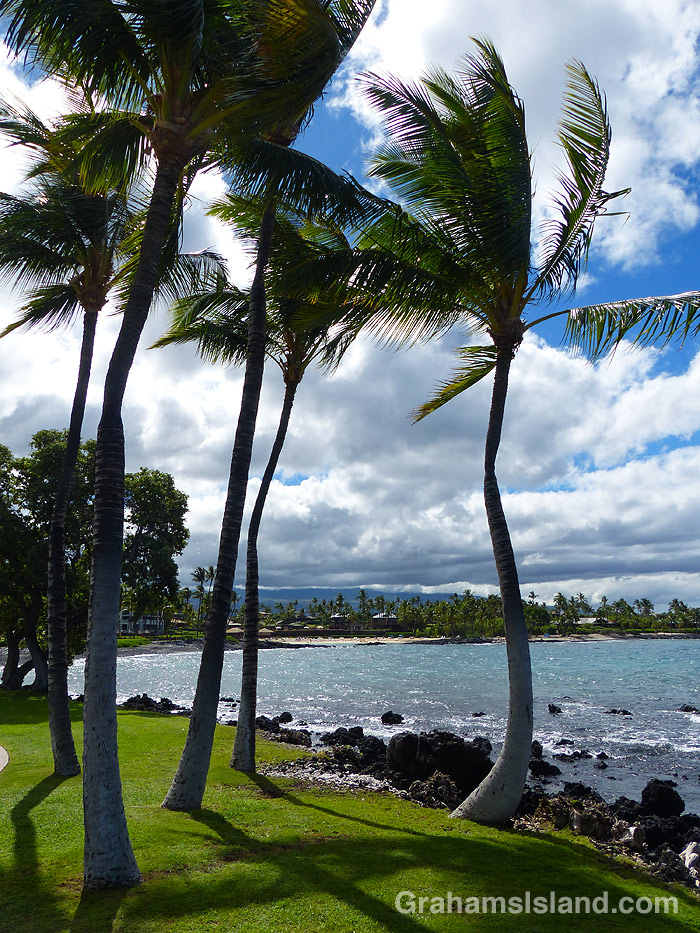
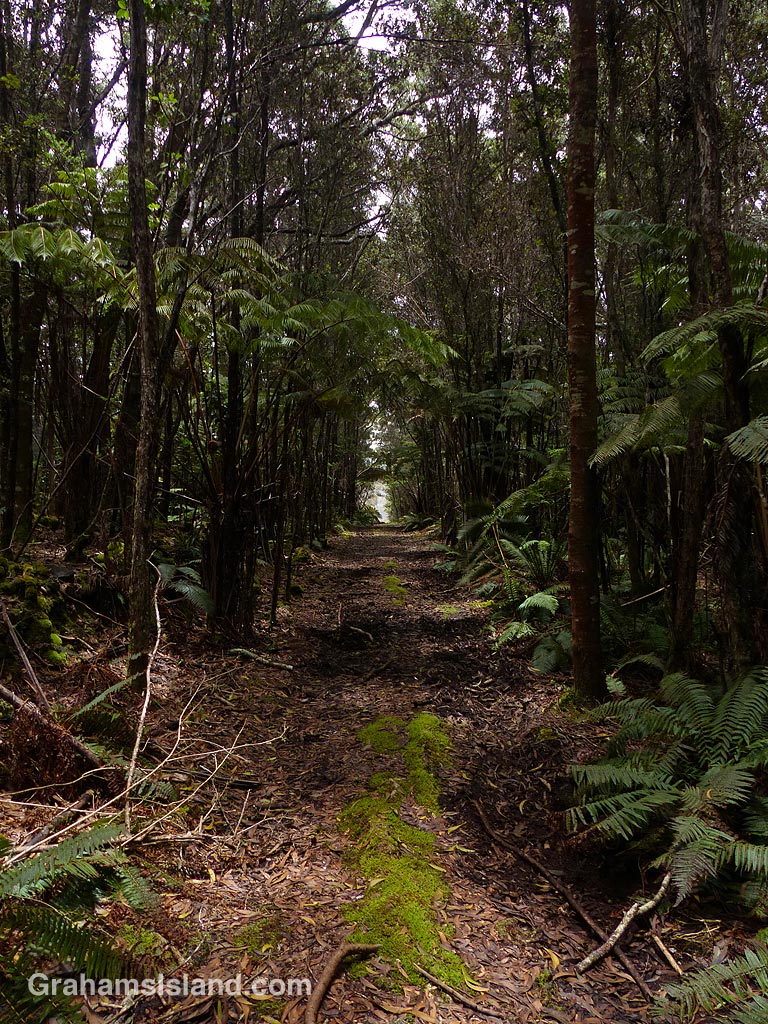
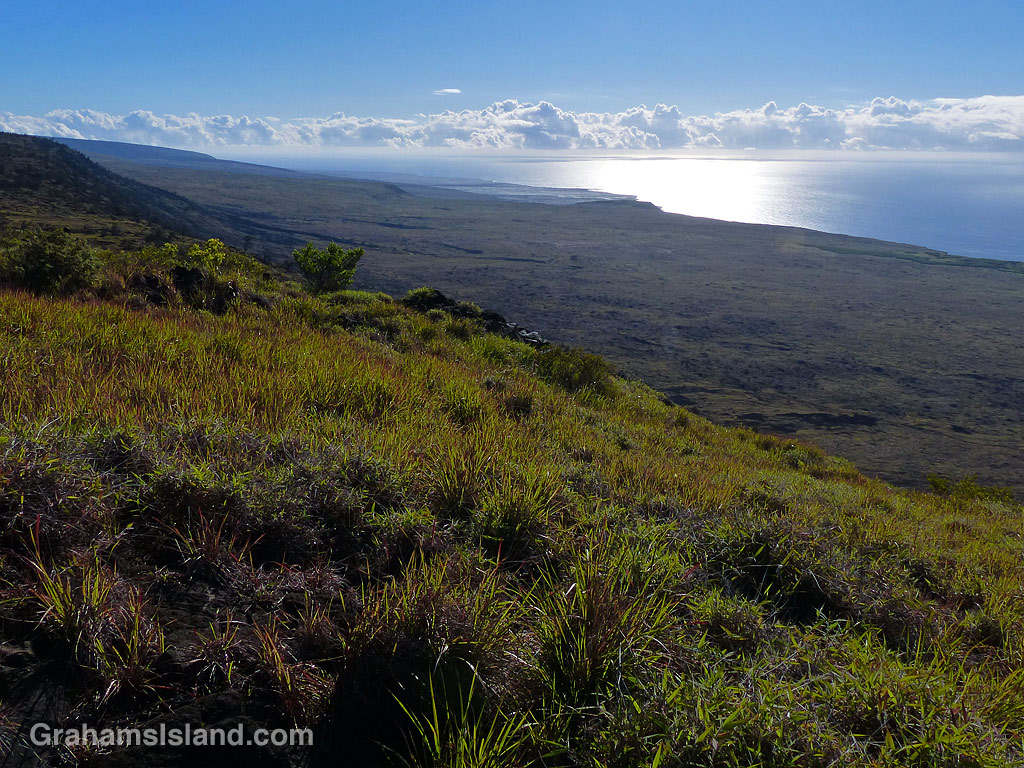
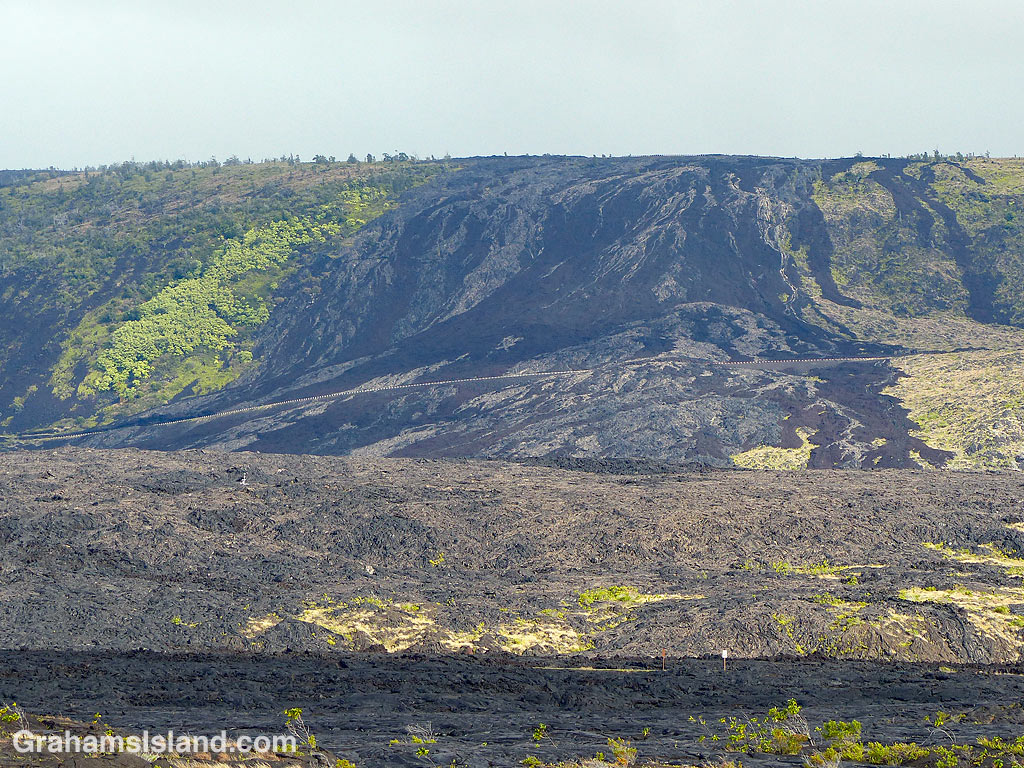
For me, experiencing the great outdoors primarily involves hiking and snorkeling. Hiking isn’t especially popular here, especially along the coast where it can get quite hot. I get strange looks when I hike the length of popular beaches togged out in hiking gear, including shoes, hat, and fanny pack loaded with water. For most, the beach is a place for stretching out and broiling in the sun, not actively working up a sweat.
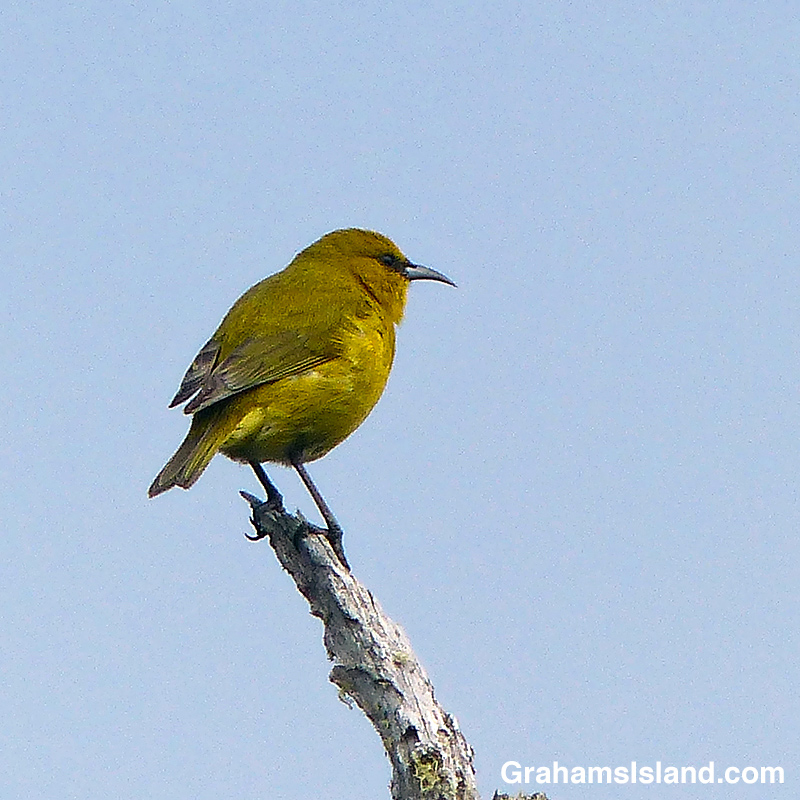
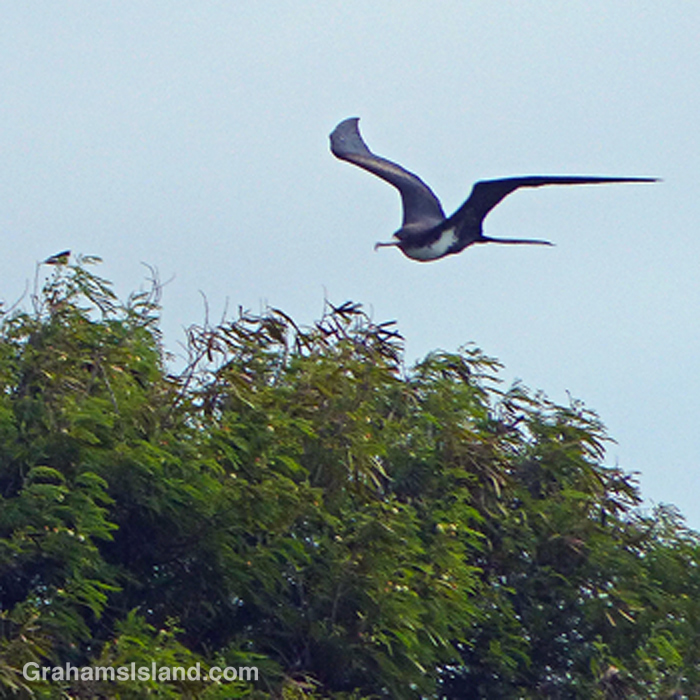
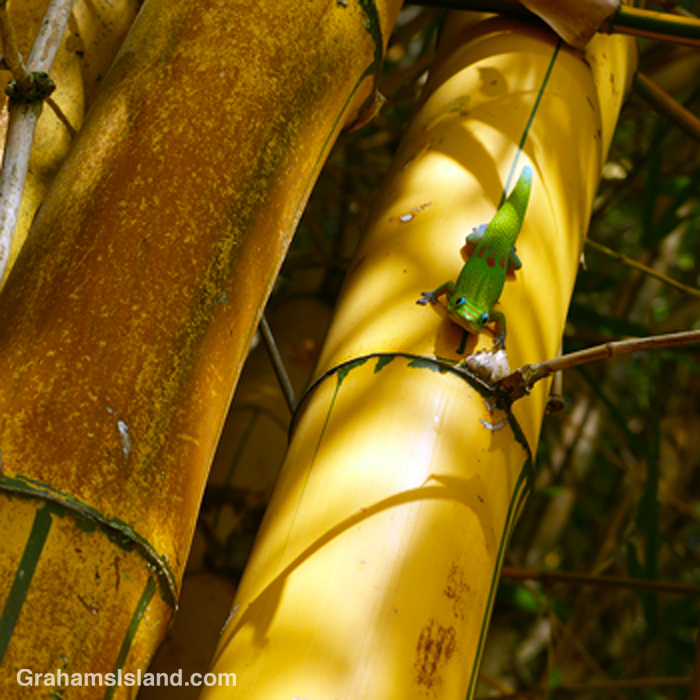
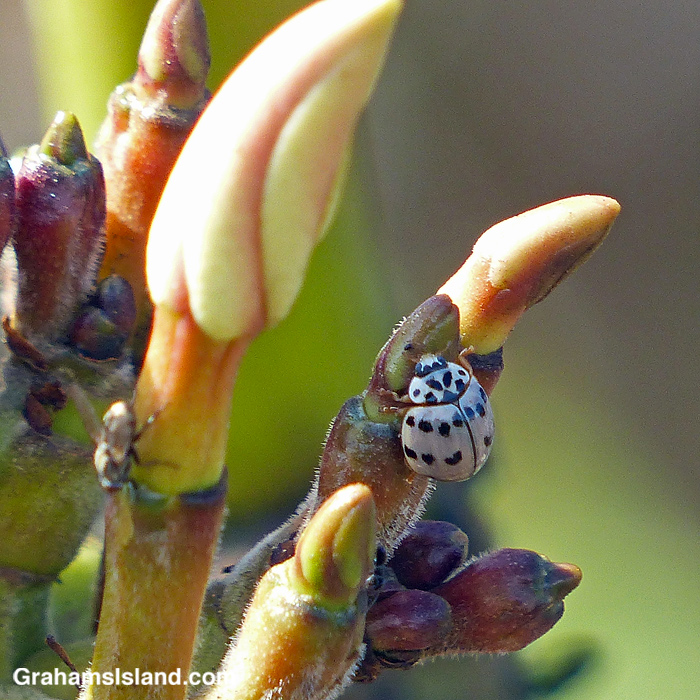
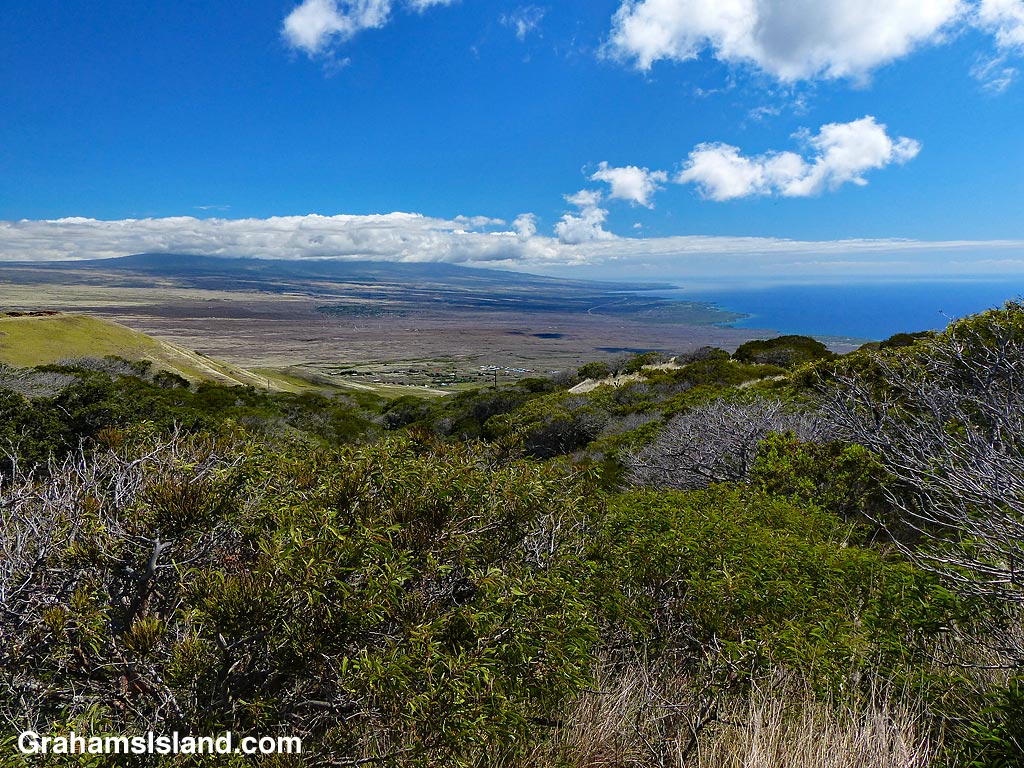
The vast majority of photos on this blog are taken in the great outdoors. These photos are a small selection of things I’ve seen while out and about, from sweeping views to birds and bugs.


I saw this Brighamia insignis plant in the Hawaiian garden at Kohanaiki Beach Park. It caught my eye for its unusual appearance, which is the source of one of its common names of cabbage-on-a-stick. In Hawaii it’s called Ālula, Hāhā, Pū aupaka, or ʻŌlulu.
Brighamia insignis is endemic to Hawaii, specifically the sea cliffs of Kauaʻi and Niʻihau. However, if you look for it there you’re almost certainly going to be disappointed. The last survey in 2014 found just one plant in Kauaʻi. The reasons for its demise are familiar. The hawk moth that used to pollinate the plant is long since extinct and it has been ravaged by introduced species. In addition, in 1992, Hurricane ʻIniki destroyed half the remaining wild plants.
On the bright side, the plant is easy to propagate by hand and it has been widely distributed by nurseries and botanical gardens.
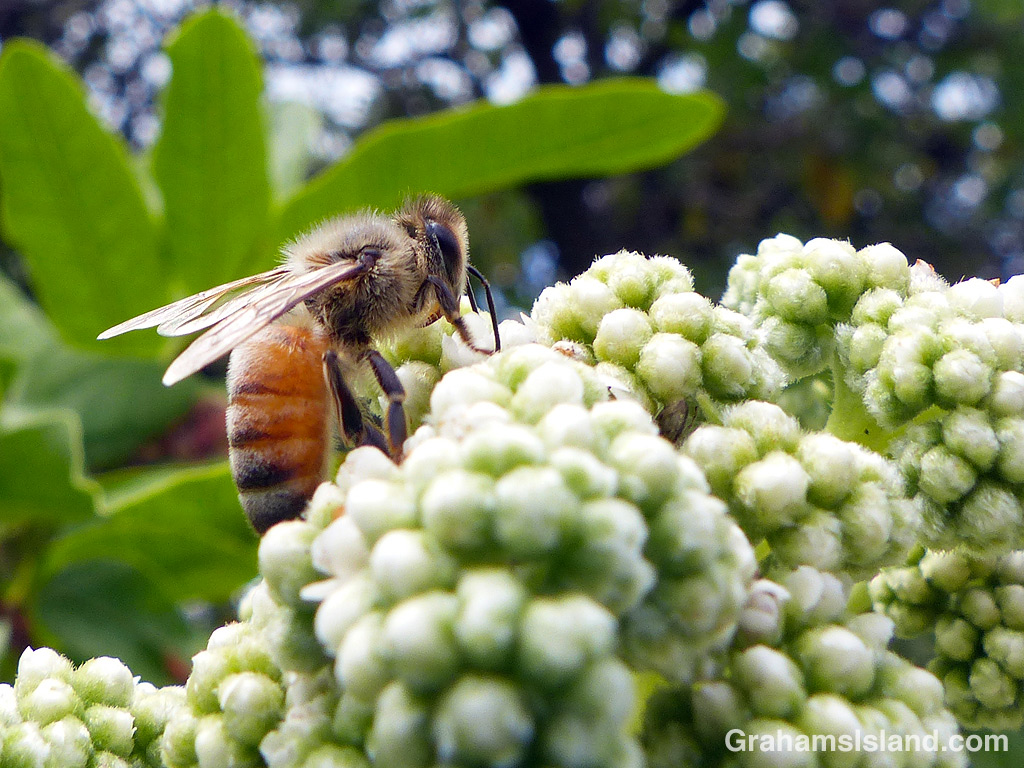
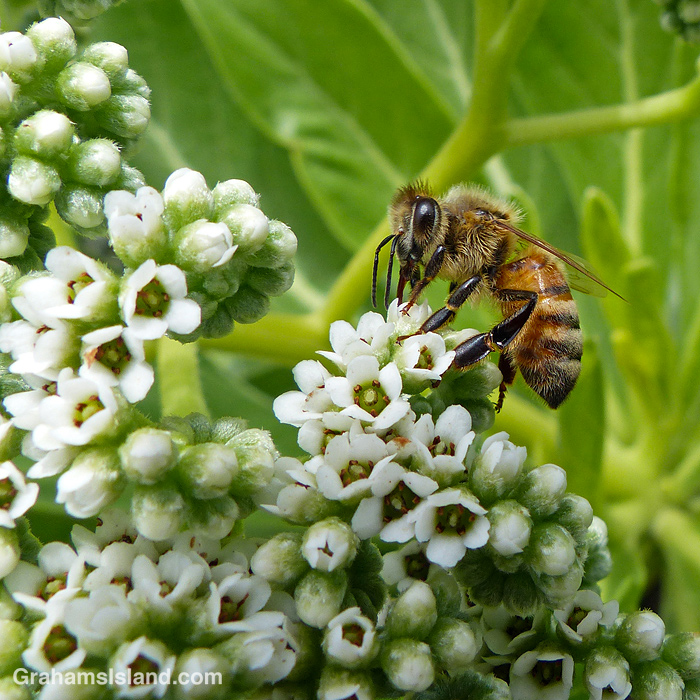
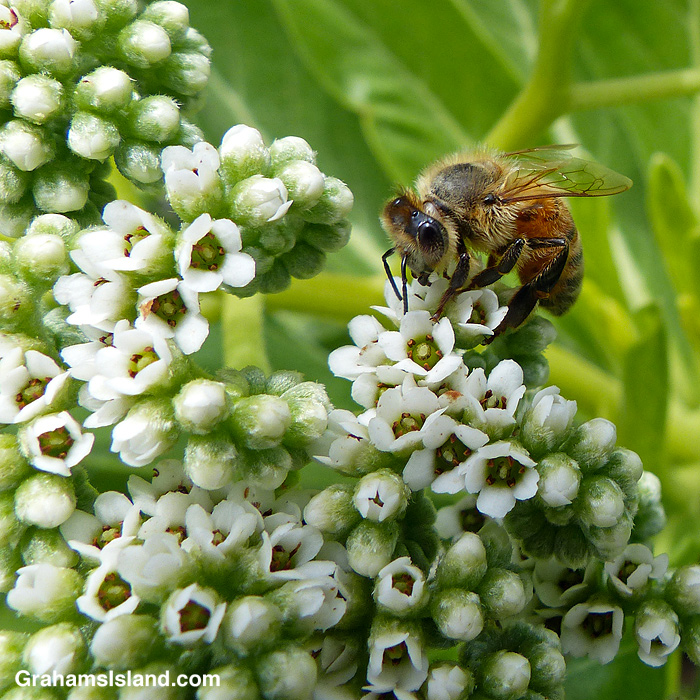
Tree heliotropes produce clusters of little white flowers which are a big draw for bees. When the flowers bloom there are usually plenty of bees in attendance to gather the goodies within.


Naio (Myoporum sandwicense) is an endemic plant that has a variety of forms, from ground cover to tree. The flower color can also vary quite a bit. I’ve seen pinkish purple blooms previously, but these flowers, on a shrubby plant, were all white. Naio used to be common in Hawaii, but now is much less so. It’s known as false sandalwood because the heartwood of the tree form smells similar to true sandalwood.
The butterfly in the top photo is a Western Pygmy Blue butterfly. a native of the Americas, it was first seen in Hawaii in 1978.

A closeup of the orange and yellow stamens, and purple stigma of the endemic Pua Kala or Hawaiian Prickly Poppy (Argemone glauca).
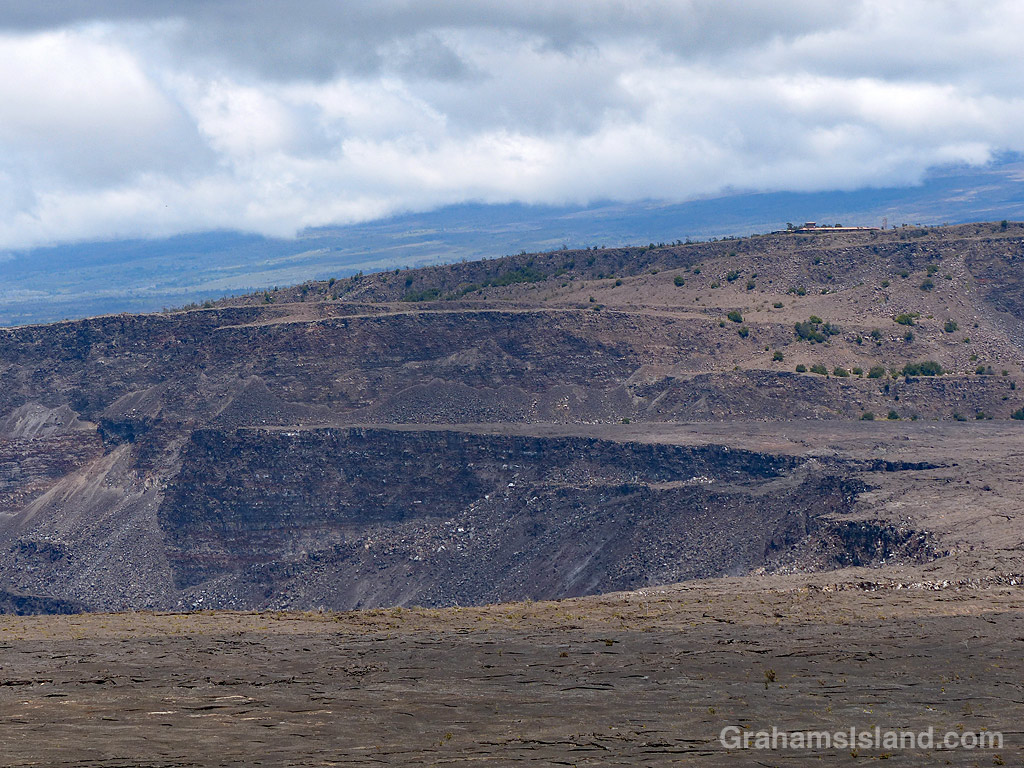
The latest eruption at Kilauea Volcano has recently been declared paused. It was never an especially dramatic eruption, but when I went down a few days after it began (here) the sky was illuminated by the activity. In recent weeks though, the lava lake formed by the eruption crusted over completely and lava from the active vent was also hidden from view.
The photos are two views of Halemaumau Crater, taken before this latest eruption. In the top one, the collapsed floor of the crater is on the left. This is what the new lava lake was filling up. On the ridge, to the right side of the photo, is the low profile of the Jaggar Museum, which was closed after the 2018 eruption and likely won’t reopen.
The bottom photo shows the easternmost edge of Halemaumau Crater, which wasn’t greatly impacted by this eruption or the events of 2018. Consequently, the walls of the crater are quite green and the floor is dotted with plants. These plants are mostly ohia trees, which are among the first plants to grow in lava fields, in part because their roots will tap into lava tubes to find moisture and nutrients.
For more information about Hawaii Volcanoes National Park and Kilauea’s eruptions, go to nps.gov/havo/.


The truth is, I get to cheat on Bushboy’s Last on the Card photo challenge (more responses here). I generally see his post in the late afternoon here since he’s in Australia and many hours ahead of me in Hawaii. That was the case today and when I looked, I found that, for various reasons, I hadn’t taken any photos in more than a week.
So I poked my head outside and immediately thought of the tangerine trees in the yard. One is so heavily laden with fruit that a couple of branches are scraping the ground. Despite the trees looking to be in terrible condition, they fruit prolifically. An interesting fact is that the only flower I’ve ever seen on these trees was an orchid growing at the base of one of the branches. What’s that about?

