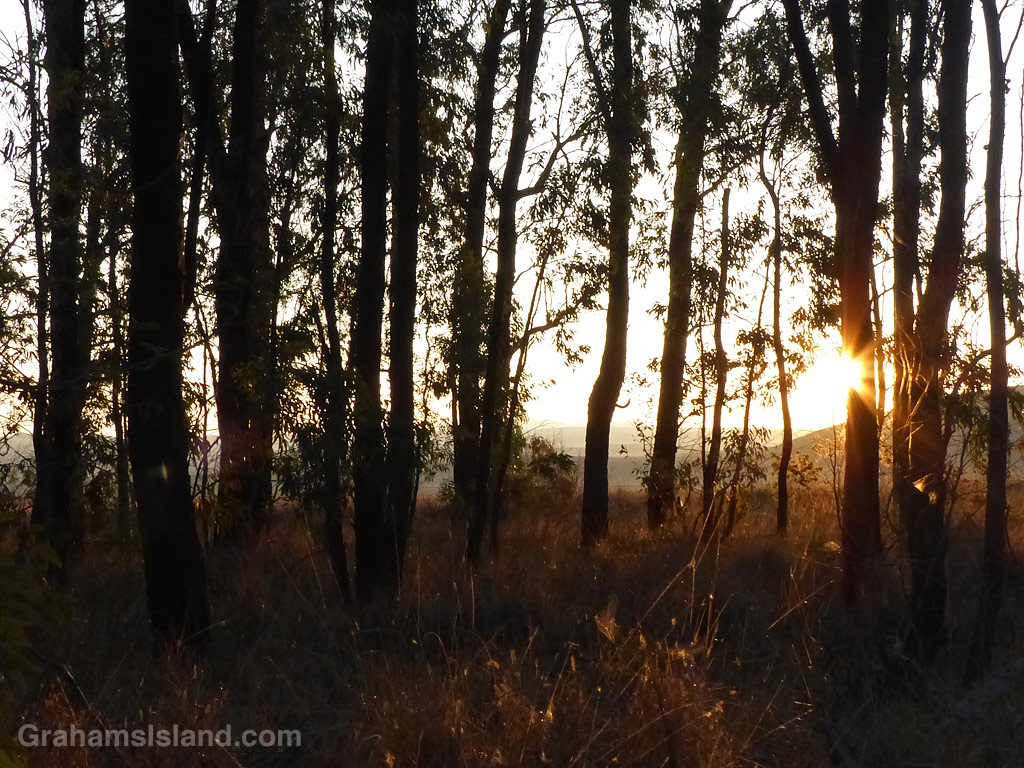
A stand of trees, off Old Saddle Road, is silhouetted by early morning sunlight.

A stand of trees, off Old Saddle Road, is silhouetted by early morning sunlight.
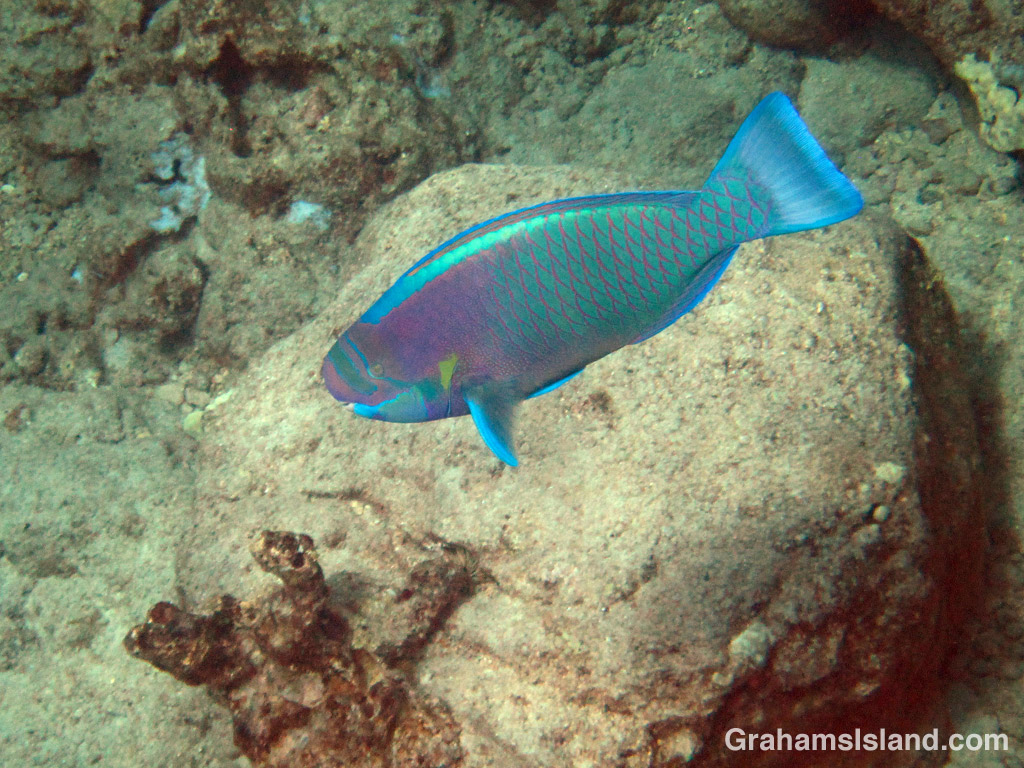

The largest of Hawaii’s endemic parrotfish, this one caught the sunlight just right, bringing out its bold coloration.
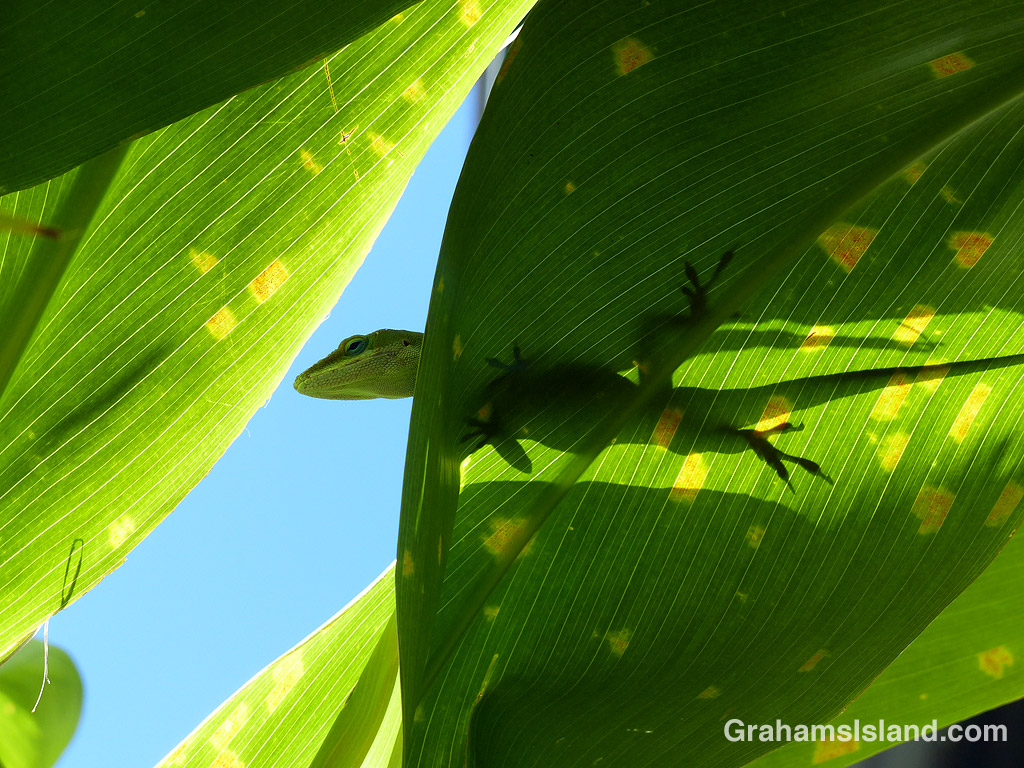
A green anole surveys the scene from a ti leaf. Ti leaves start out a bold green, then gradually turn yellow and brown before dropping off. If the ti plant is pruned back, two new shoots will sprout from the cut.

There are two big contributors to lush, tropical growth – warmth and moisture. That combination helps these banana plants thrive in South Kona.
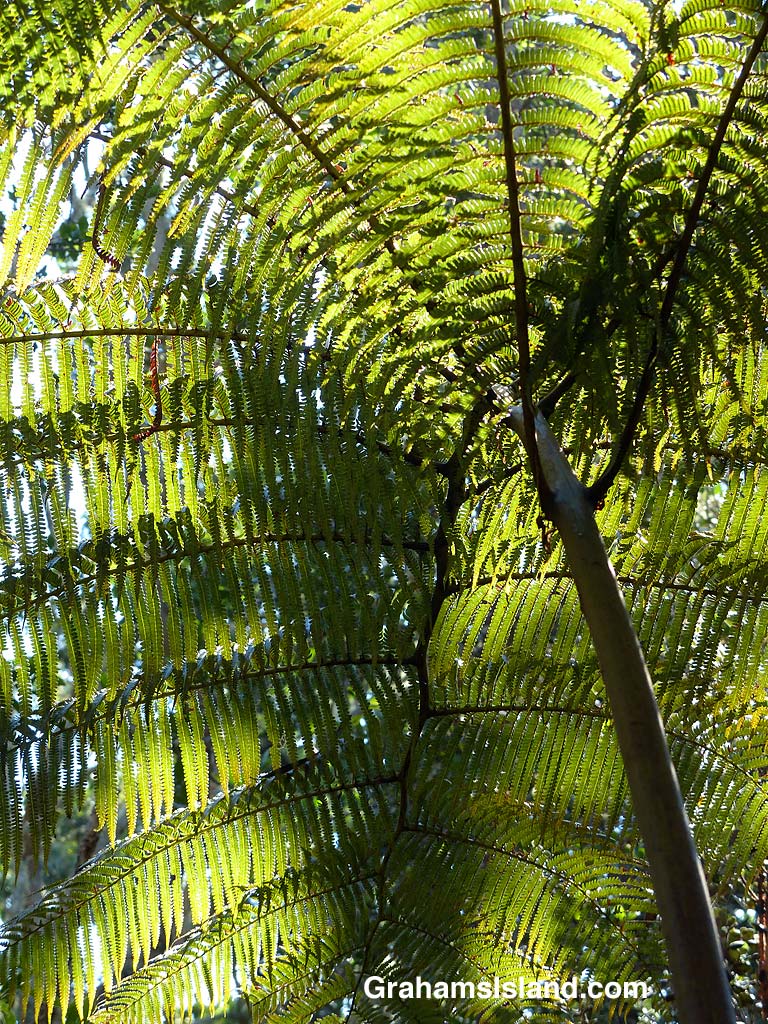
Looking up at light and shadows playing on a Hapu’u fern.

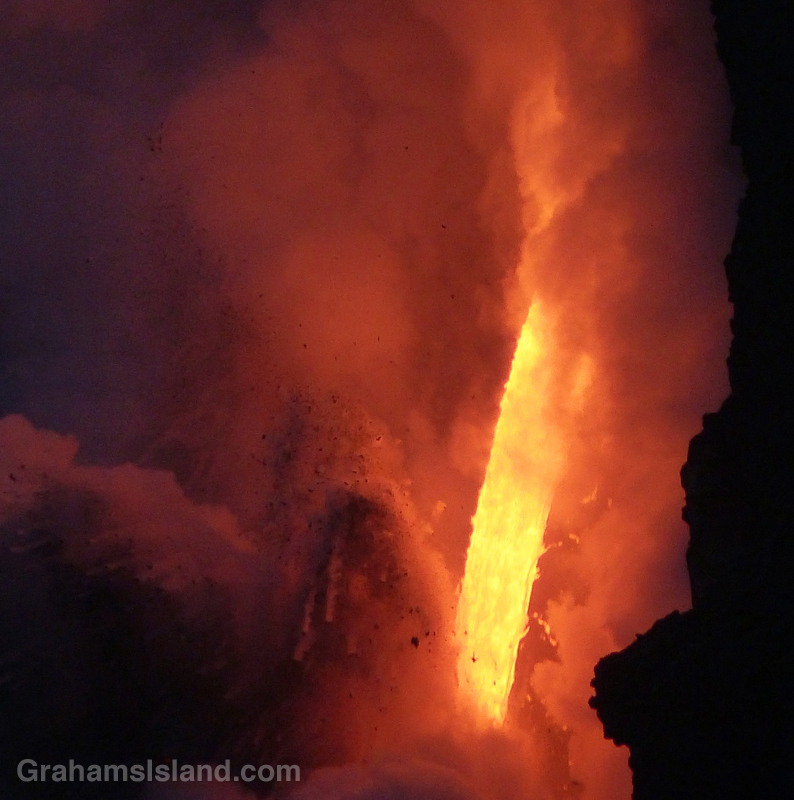

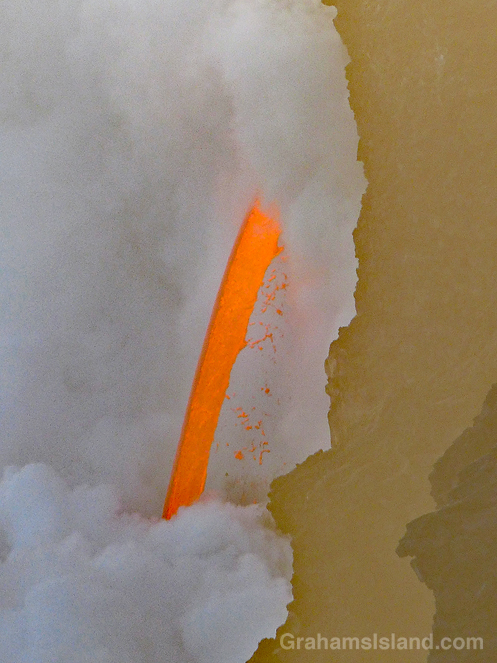
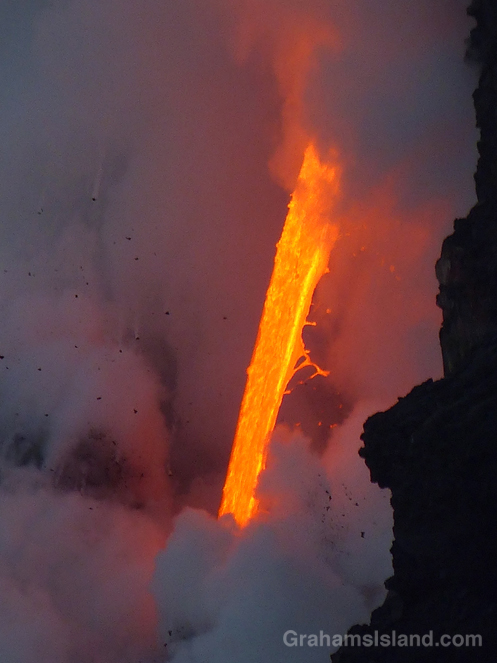
Since the theme of this week’s WordPress photo challenge is elemental, I thought I’d pull out a few more photos from my visit, earlier this year, to the lava flow from Kilauea’s Pu’u O’o vent.
This is the closest we get to seeing fire from the earth’s core, a roaring torrent of molten lava. Since I took these photos there have been cliff collapses that have ended this firehose effect. But the lava continues to flow and has formed a good-sized delta at the foot of the cliff. This delta is crossed by several large cracks, which run parallel to the coast. This means the whole delta is likely to collapse into the ocean in the near future, probably in explosive fashion.
Could be time for another visit!
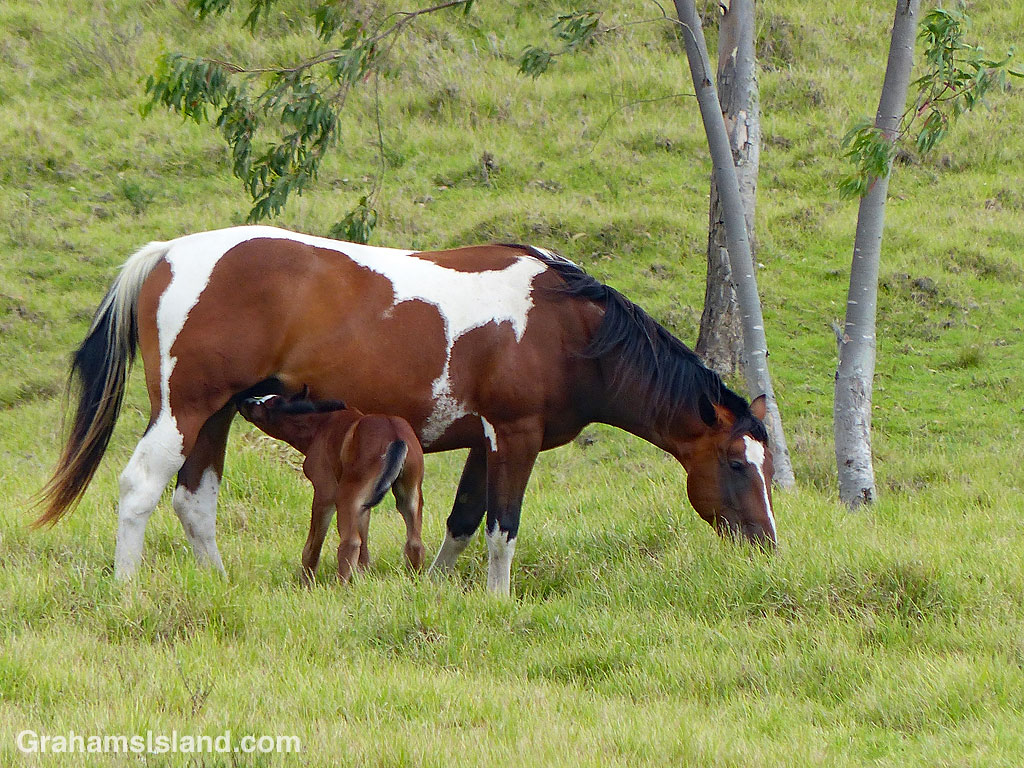
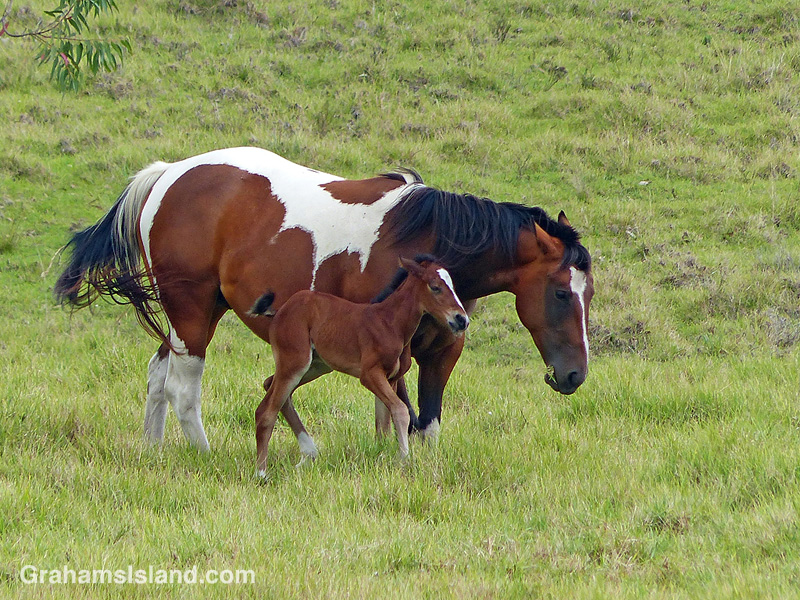
This mare and her foal were among several horses in a pasture alongside Old Saddle Road.
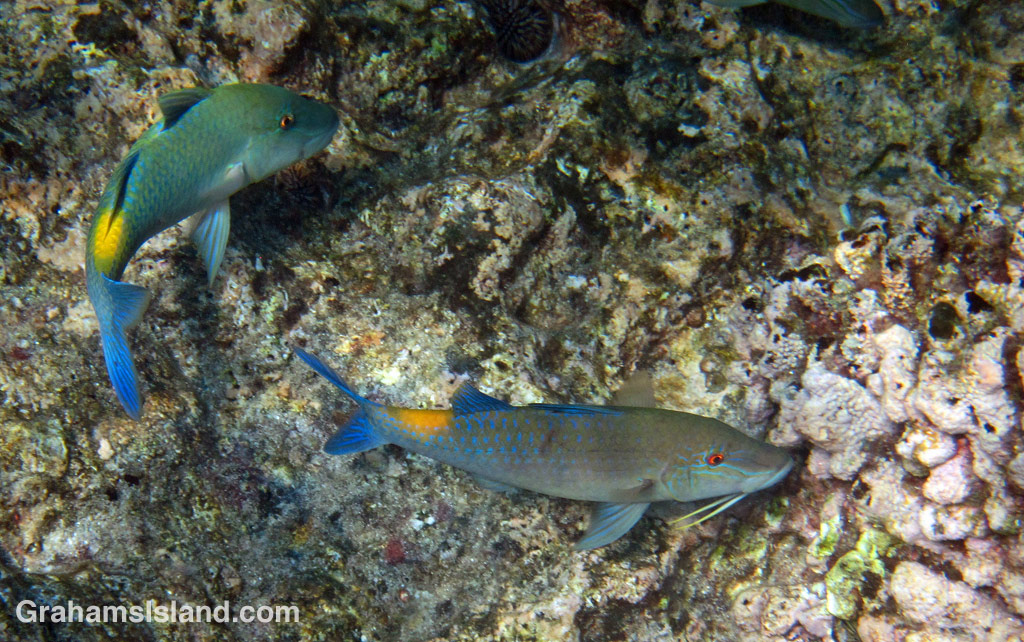
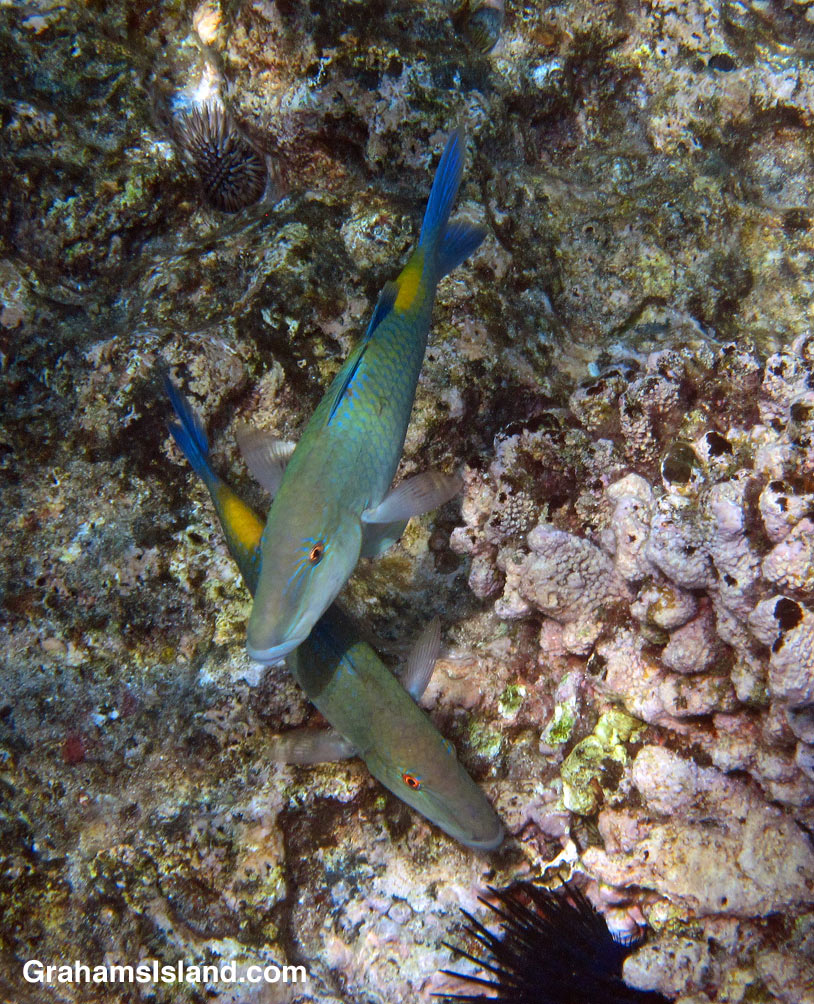
Blue goatfish are easy to identify with a good deal of blue on their bodies and a yellow patch in front of the tail. When feeding, they move their long barbels forward and use them to roust small fish from cracks and coral heads.

