Tag Archives: Bees and Wasps

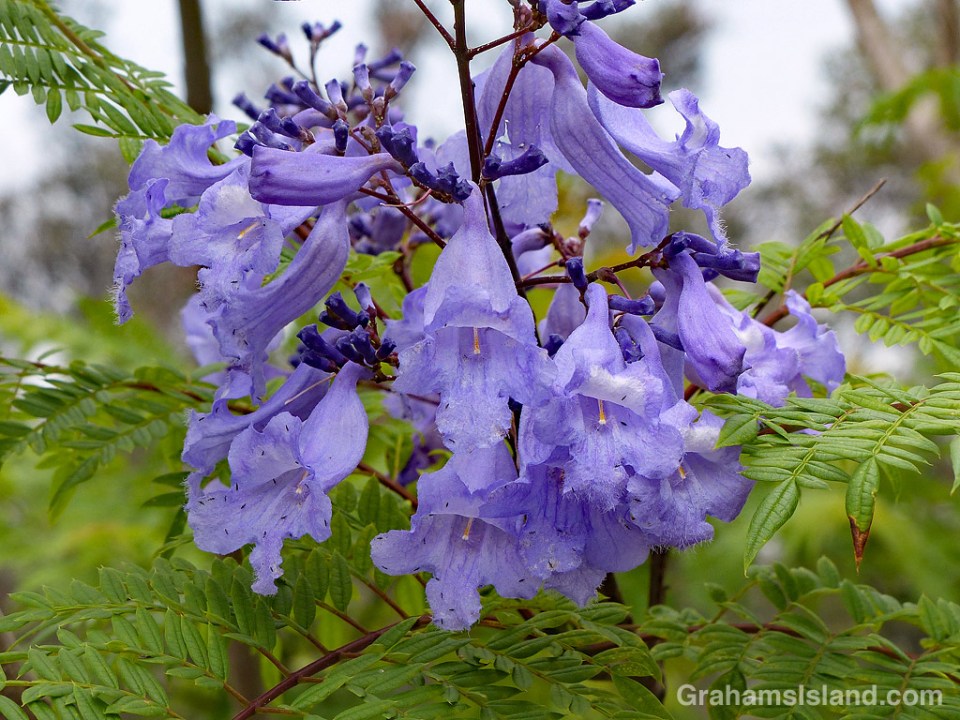
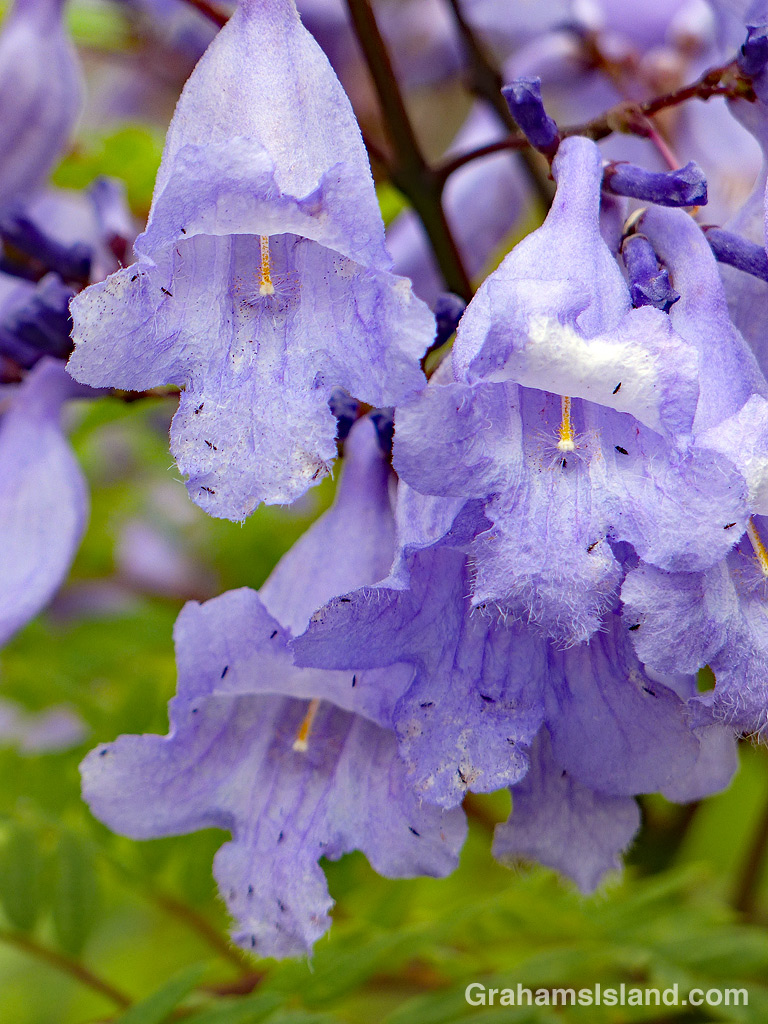
Jacaranda flowers

Jacaranda flowers cluster

Jacaranda flowersA final response to the last edition of the WordPress photo challenge with a theme of ‘All time favorites.’

I headed back to Pu’u Wa’awa’a last week, because this is the time of year when several kinds of trees are in bloom. One of those trees is the jacaranda, which blooms from April to June, and produces masses of blue to lavender flowers. Jacarandas prefer cooler elevations so the lower areas of Pu’u Wa’awa’a are right in their zone.

I wasn’t disappointed. Several trees were covered with these delicate flowers, which somewhat made up for the fact that the entire hill was shrouded in thick vog, exacerbated by the ongoing eruption down in Puna.

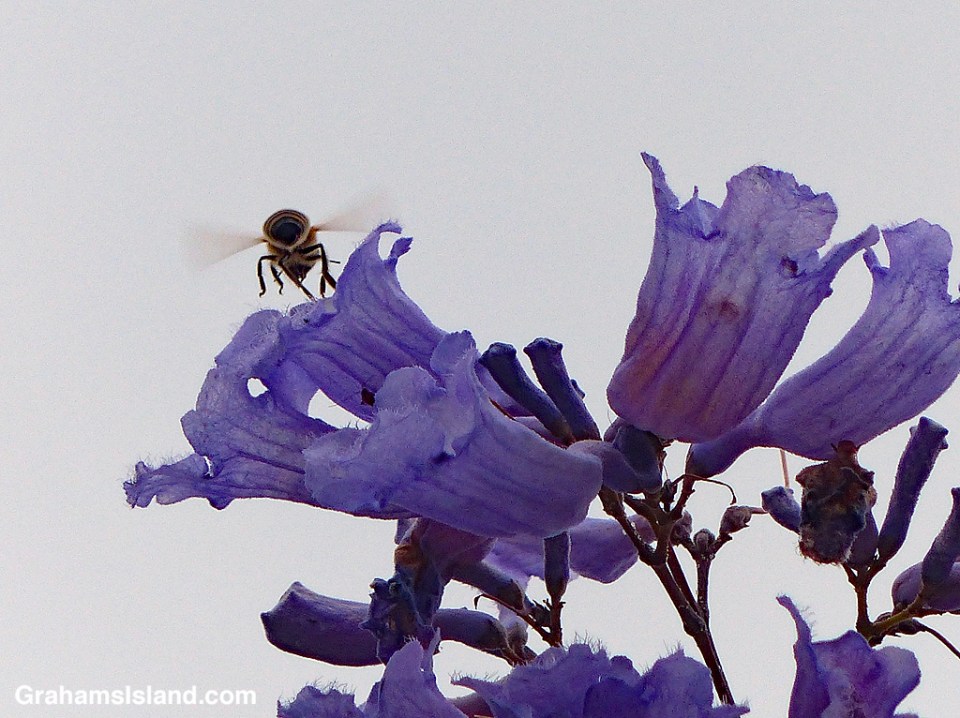
Jacaranda flowers and bee

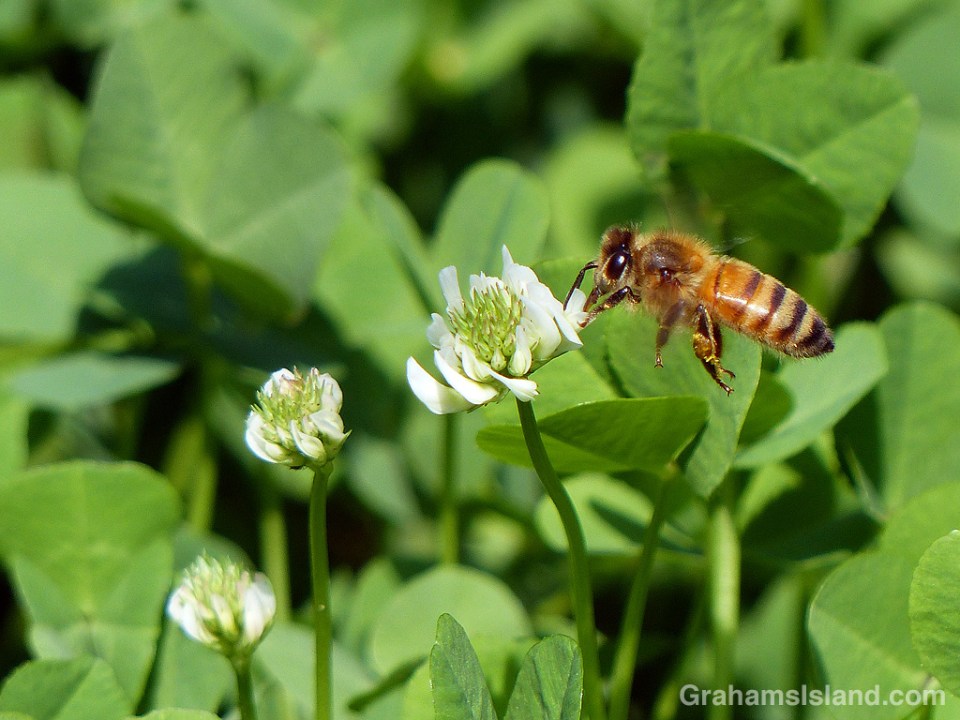
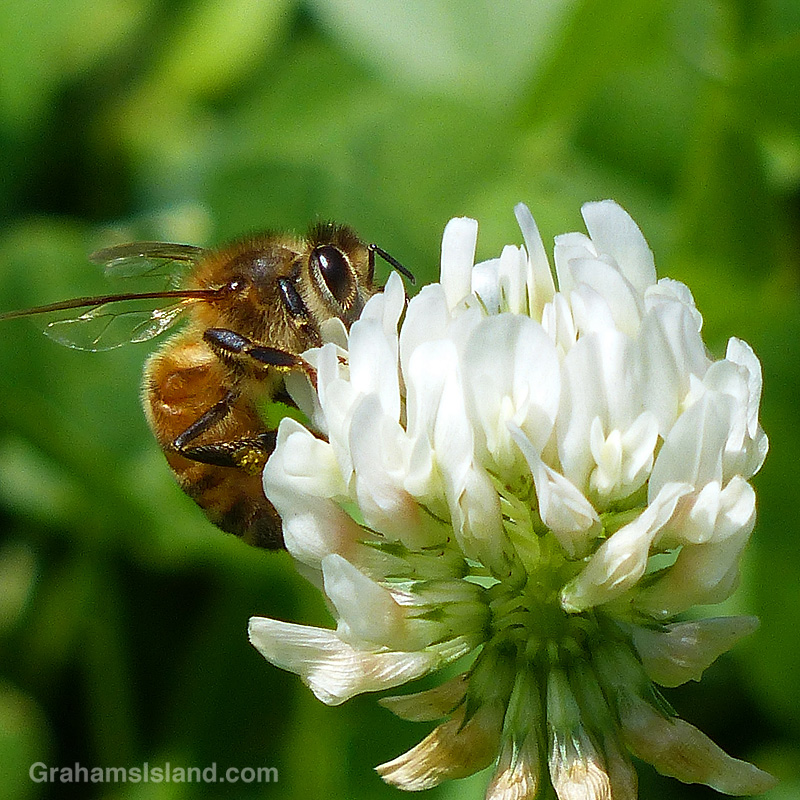
Bee on clover

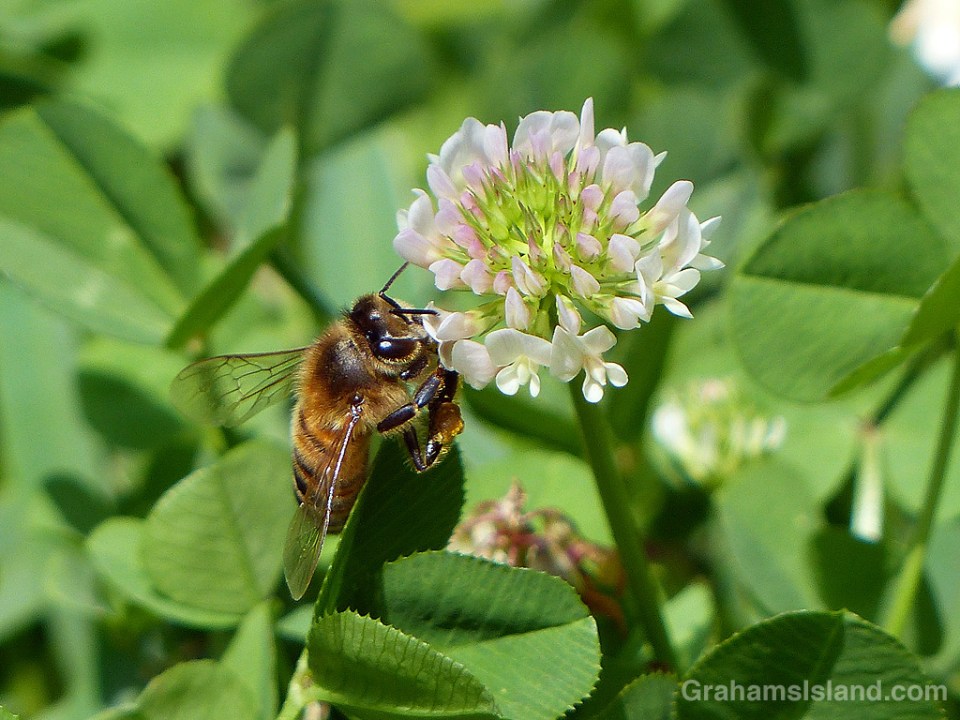
Bee flying to clover

Bee on clover flowerThis is the last edition of the WordPress photo challenge with a theme of ‘All time favorites.’ Since I don’t want to rerun photos I’ve used previously, I’ve decided to interpret this challenge as favorites among photos I haven’t yet used. I’m also throwing in a touch of favorite subject matters or, basically, whatever strikes my fancy.

First up is a favorite subject – bees. These photos were taken in the front yard when I noticed a lot of activity around the many patches of clover there. One aspect of a decent photo is being in the right place at the right time. That was very true in this case. The bees were urgently buzzing from flower to flower collecting. I was, just as urgently, down on my knees taking photos. And all the time, the sound of the lawn mower got louder and louder …

Bee on clover

Blooming mock orange

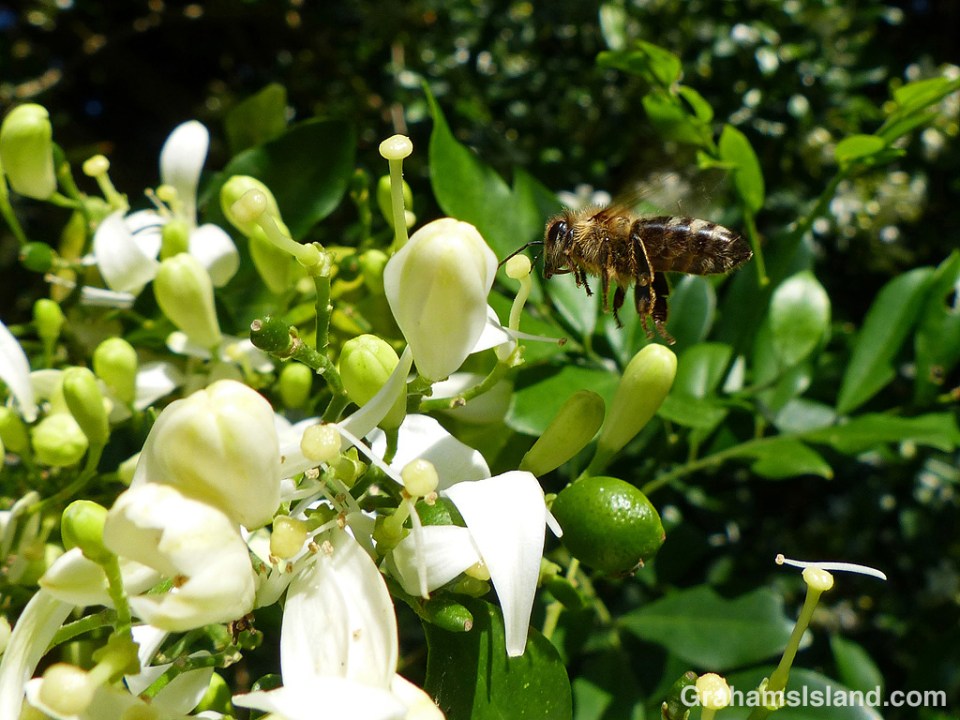
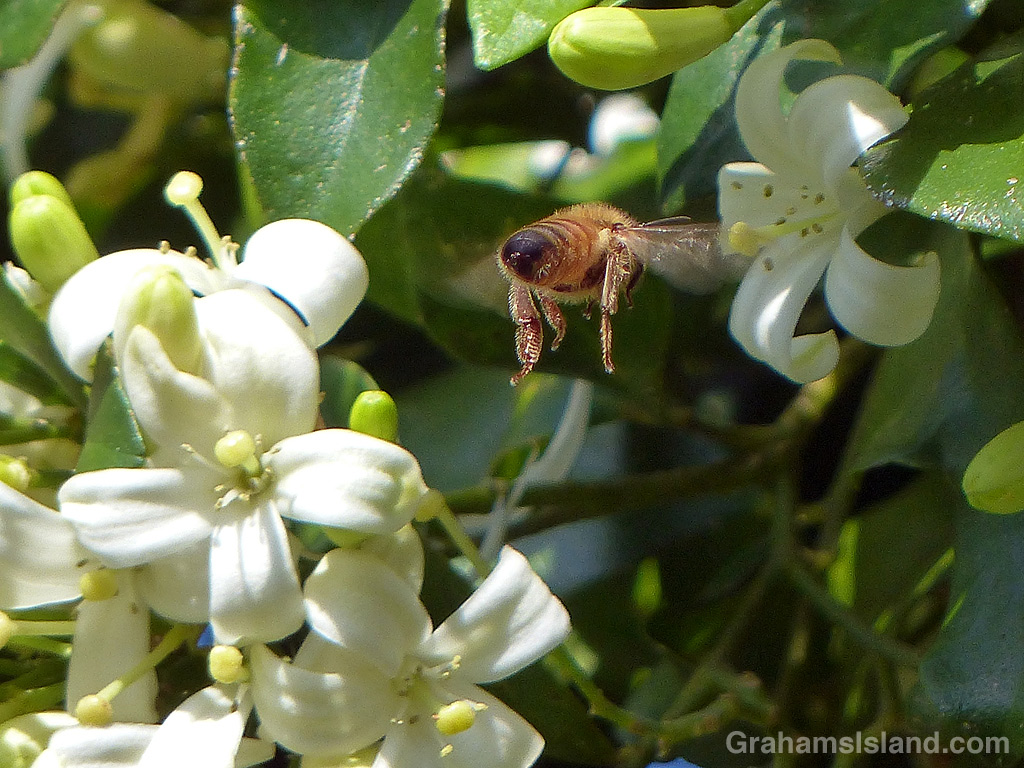
Bee flying to a mock orange

Bee on a mock orangeThree or four times a year, the mock orange in the yard comes into bloom with a prolific show of small, white flowers and wonderful fragrance. During these times it’s a bee magnet and the whole tree buzzes from morning to night.

Posted in response to this week’s WordPress Photo Challenge ‘Prolific.’

Angry bees

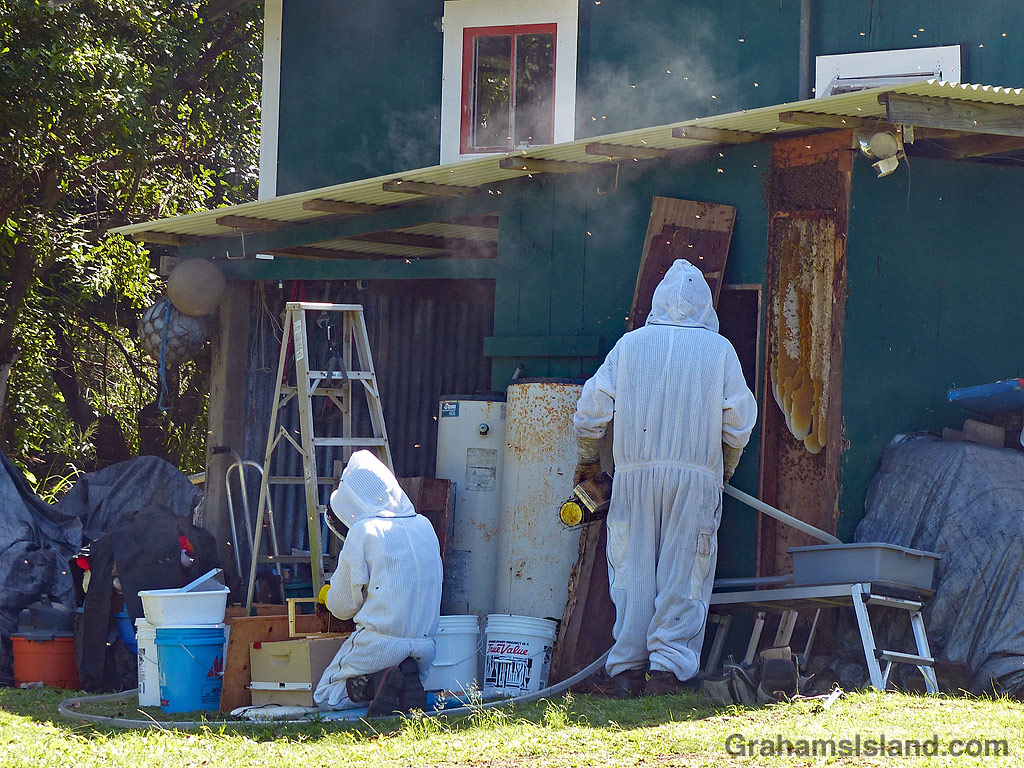
Beekeepers remove a swarm of bees nesting in a wallA beekeeper removes a swarm of bees nesting in a wall


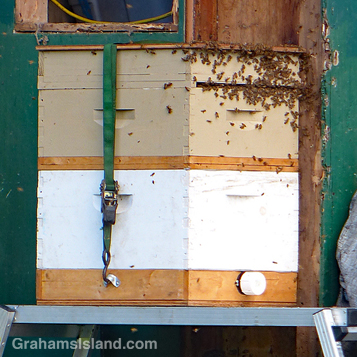
A swarm of bees is removed from a wall and settled in a new hive

Recently, when I moved my truck to mow the lawn, I noticed this scene at a neighbor’s house. I was impressed by the number of bees and the huge, hanging combs filled with sweet honey. When I got out of the truck, I thought I’d get a few photos.

The bee wrangler called out to me that there were a lot of angry bees about. I said I wasn’t going to come closer and asked if it was OK to take photos. He said that was fine, but the bees might come and find me where I was. Since I was a good 70 or 80 feet away, I wasn’t too worried. I snapped a few photos, then heard a buzzing noise, and felt something on my arm. Sure enough it was a bee.

I imagined this bee sending back a message along the lines of, ‘Hey, here’s another one of those creatures, but this one doesn’t have protective clothing. Let’s get him.’ I pictured the rest of the colony heading my way in a matter of moments, so I blew the bee off my arm and hotfooted it back home. Before I went inside I made sure I hadn’t accidentally ended up with the queen bee lodged somewhere in my clothing. No need to have my day turn into a starring role in a horror movie.

After the lawn was mowed, the bee wranglers were still on the scene so I left the truck where it was. A couple of hours later I thought it would be safe to retrieve it. As I reached the house, the bee wranglers were just leaving. We chatted a bit about what they’d been doing. They’d cleaned out the bees’ home in the wall and put a new hive next to it. Presumably they’d found the queen and installed her in her new digs. The idea is to have the bees relocate to the new hive and, when they’re settled in, move it to a new location, probably on one of the farms around here.

They warned me, however, that there were still some disgruntled bees flying around. As if on cue, I heard buzzing. Something landed on my head and started burrowing into my hair. The bee wrangler had just handed my his card and I used that to try and extract the bee. The buzzing intensified, but I couldn’t dislodge it. Finally, it popped loose and I took off for my truck. I jumped inside, making sure the door shut properly and the windows were closed, and drove home.

I avoided walking past that house for a while until, two days later, the hive was gone and it was safe to venture out again.

For more information about Ho’ola Beekeepers, go to savehealthrive.com.

Bee on mock orange

A bee approaches a mock orange flower.A bee on a mock orange flower.

There’s a large mock orange in the corner of the yard that blooms three or four times a year. Sometimes just a section produces flowers. Other times, the whole plant turns creamy white. I do notice the blossoms, but what usually alerts me to a new bloom is the scent. A breath of air in the right direction and the house fills with the aroma of mock orange.

The most recent bloom encompassed the whole plant and also highlighted another of the plant’s attention-getters. It hums. It’s not unusual to wake up and, once the din of roosters and cardinals and francolins have been weeded out, a steady background hum takes over. This is the bees working over the mock orange flowers.

The blooms last only a few days. When the wind blows, which it does often here, the white petals fall to the ground like snow. But while this latest bloom occurred during a calm spell, still the snow fell. When the flowers first began to fade, the bees continued to pile in and their busy harvesting knocked the petals off.

Now the plant is a quiet, glossy green again. The blooms are gone, the bees are gone, the scent is gone, this temporary frenzy over in a week. Until the next time.

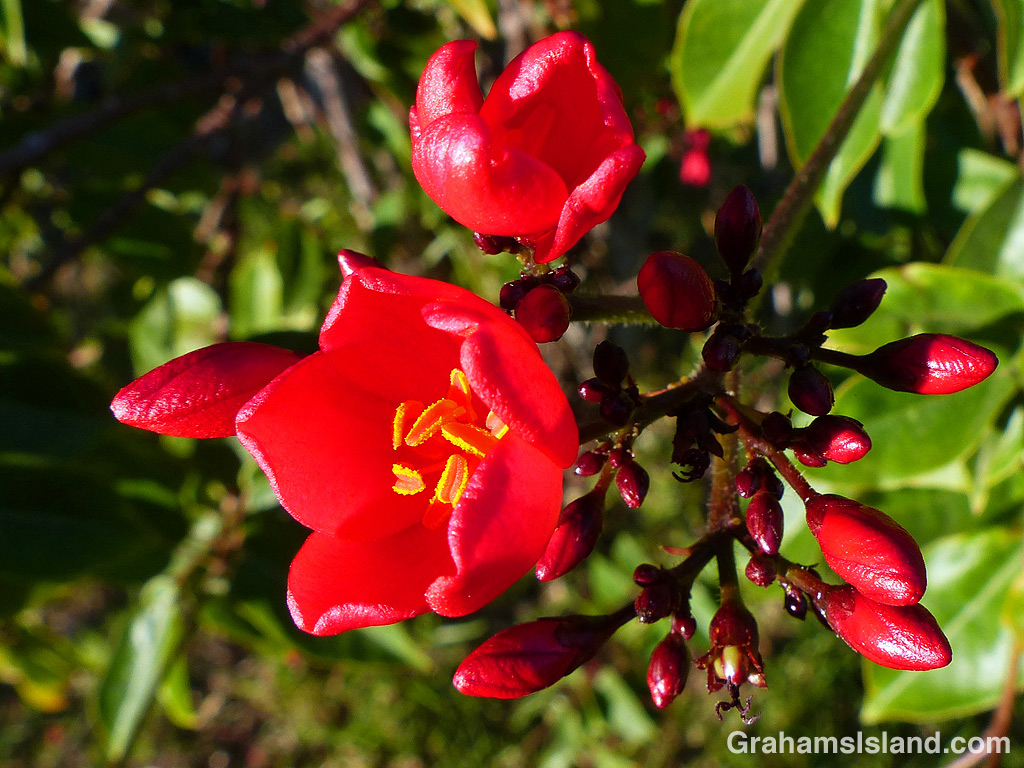
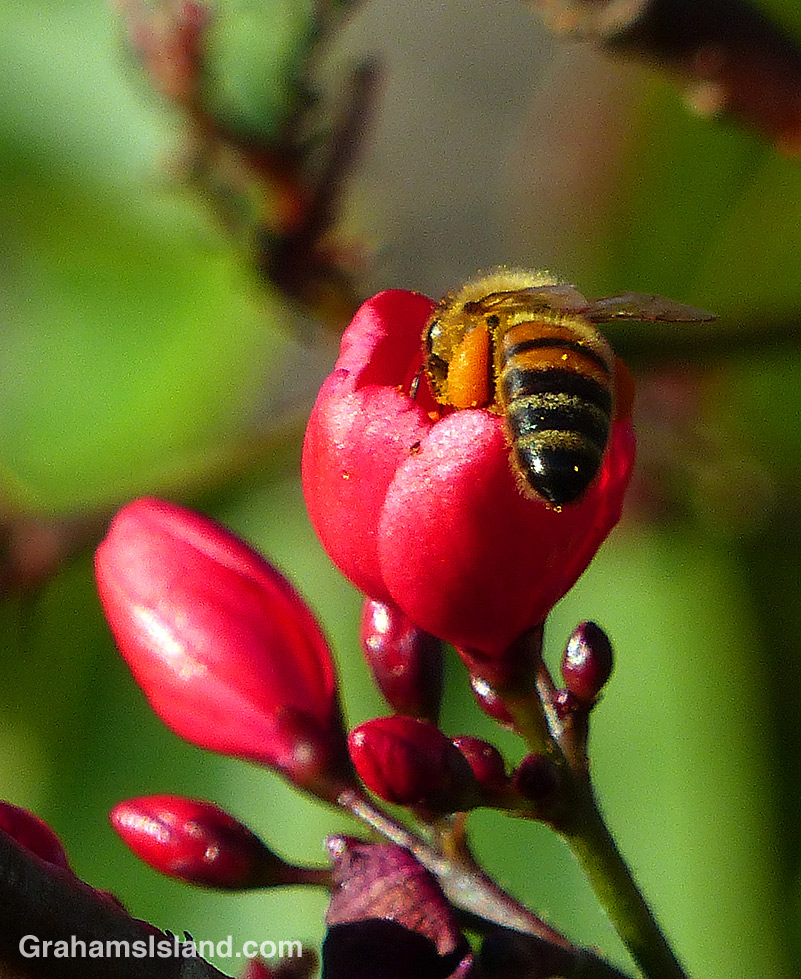
Rose jatropha

A Rose Jatropha on the Big Island of HawaiiA bee forages on a Rose Jatropha flower on the Big Island of Hawaii

Another post on the theme of ‘Glow,’ this week’s WordPress photo challenge.

I’ve posted photos of rose jatropha before (here). In fact, those photos were of this same plant, but probably not the same bee. They were taken later in the day on a previous hike. These photos were taken in the early morning when the light was better and the flowers were just starting to open.

The flowers really glowed and the bees, well they had to work a little harder, burrowing down into the bloom, but obviously with great success.

Bee on ulei

A bee on ulei (Osteomeles anthylidifolia) which is indigenous to Hawaii.
Ulei (Osteomeles anthylidifolia) has lovely, fragrant flowers. It’s indigenous to Hawaii and is a member of the rose family. Speaking of which, correct pronunciation is important (oolayee). Otherwise, it will likely sound like the aforementioned part of the male anatomy!