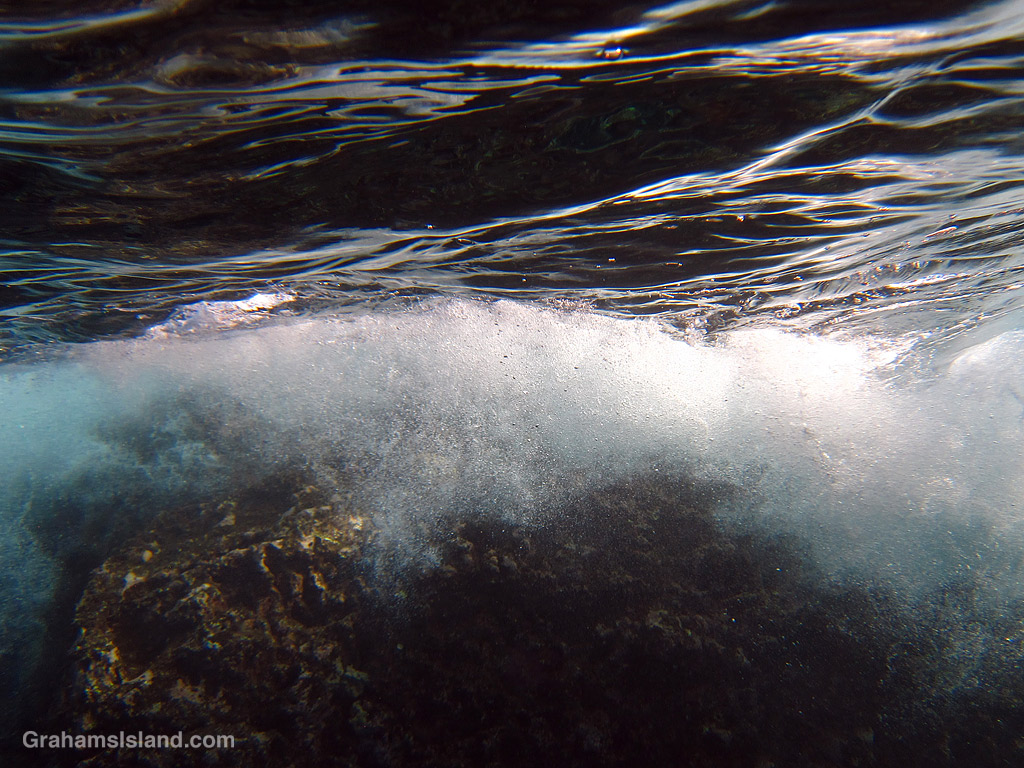
One of the things I enjoy when snorkeling is watching the turbulence that occurs when swells encounter rocks in shallow water. The trick for this activity is to find a safe spot to observe it without getting caught up in it, and being slammed against the rock.
When I go snorkeling, one of the first fish I’m almost guaranteed to see are needlefish. The often congregate in the shallows just below the surface of the water. I can often get very close to them before they scoot to one side or part in the middle as I go through.
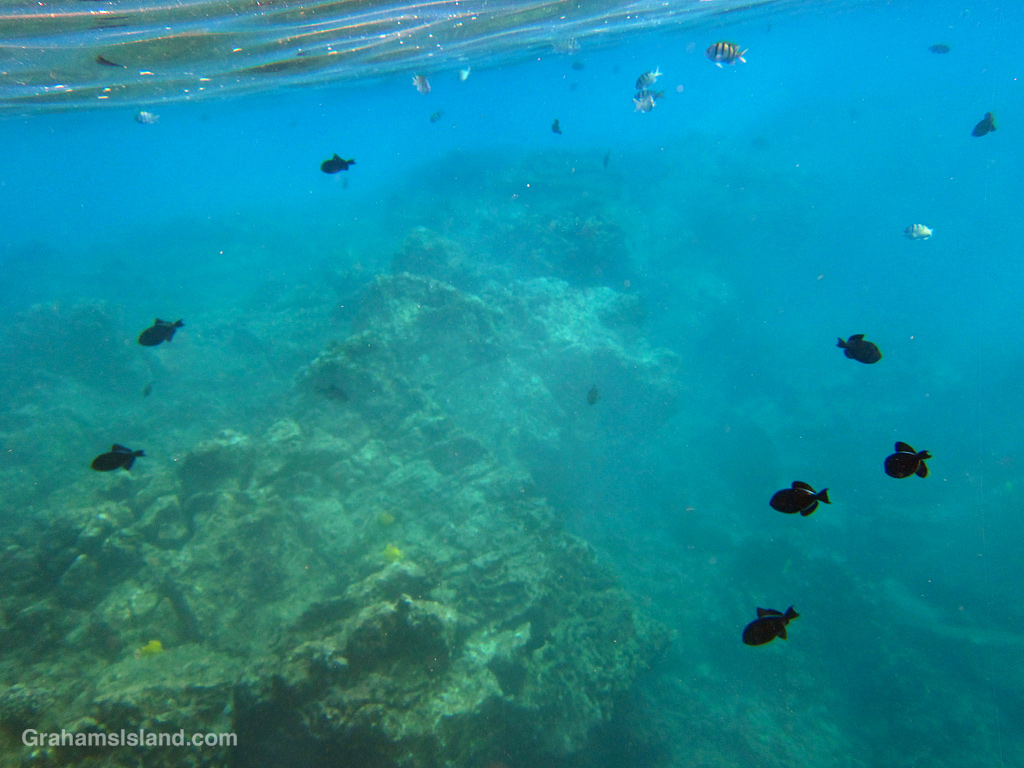
These days, when I go snorkeling, it’s not unusual to encounter hazy water like this. 10 years ago this would have been unusual. Today, it’s closer to the norm. I don’t know why this is, but warmer water is likely one factor.
From a snorkeling perspective, I have to be a lot closer to fish to hope to get a decent photo of them.
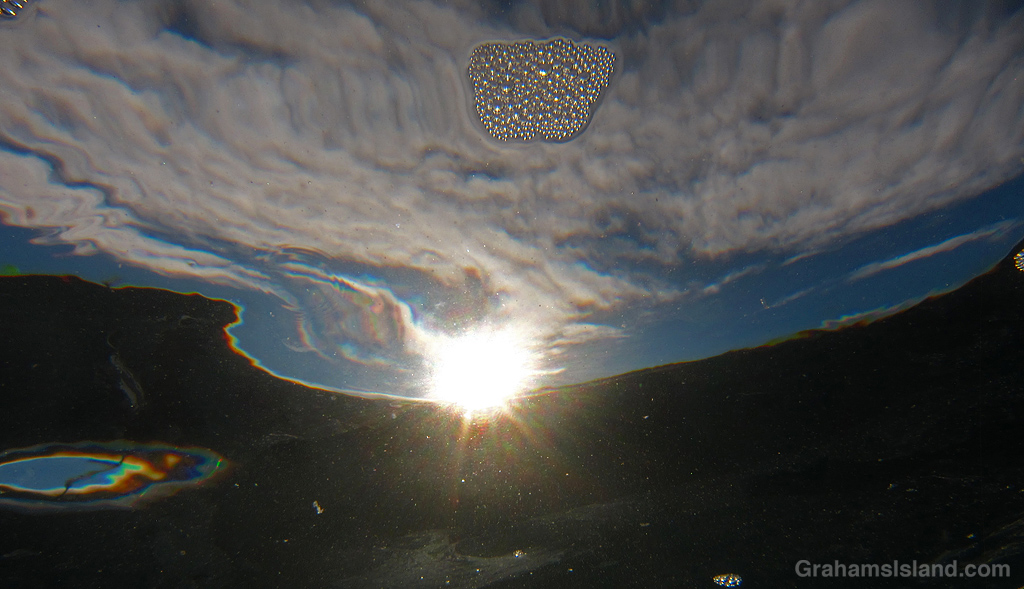
When I’m snorkeling, I like to take photos looking back up to the surface. On this occasion, I was hoping to capture bubbles floating on the surface, but got this image instead. To me, it looks like a sunrise shot, possibly after a night on the town!
We have had a seemingly endless stream of swells rolling in from the west, west-northwest, northwest, and north. What they all have in common is that they make snorkeling miserable here. The water gets churned up, reducing visibility to near zero, and getting in and out can be an adventure.
A few days ago, there was a gap between the incoming swells, allowing the water to settle a little and visibility to improve. And, luckily, that was a day that a pod of Spinner Dolphins went by.
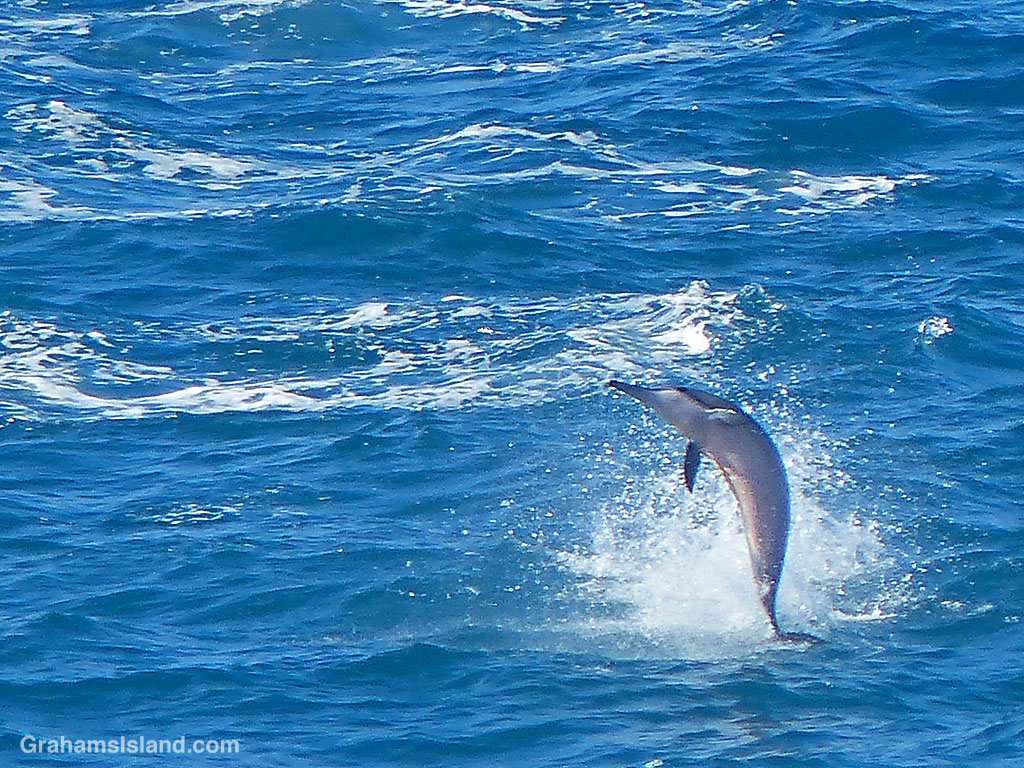
I had stopped swimming for a moment and popped my head up to look around when I saw fins arching through the water towards me. This pod of 20 or 30 dolphins was just passing through, but I was happy to snap a few photos, of which these were the best two.
The visibility still wasn’t great, but any dolphin encounter is a moment to be treasured.
January: High surf crashes ashore in North Kohala. (link)
This week’s Sunday Stills challenge theme is ‘Your 2022 Year-in-Review.’ See more responses here. Like last year, I’ve gone with a favorite photo from each month of 2021, with a caption and link to the post the photo first appeared in.
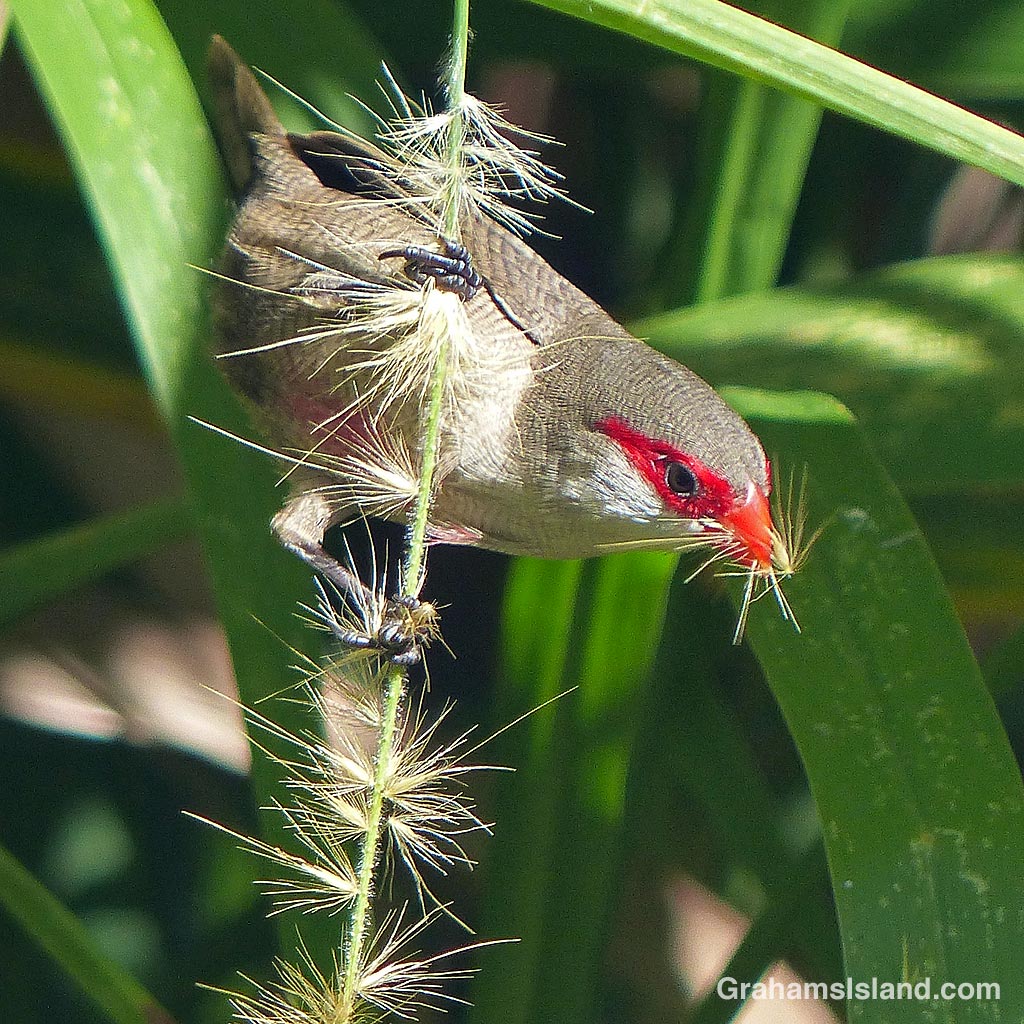
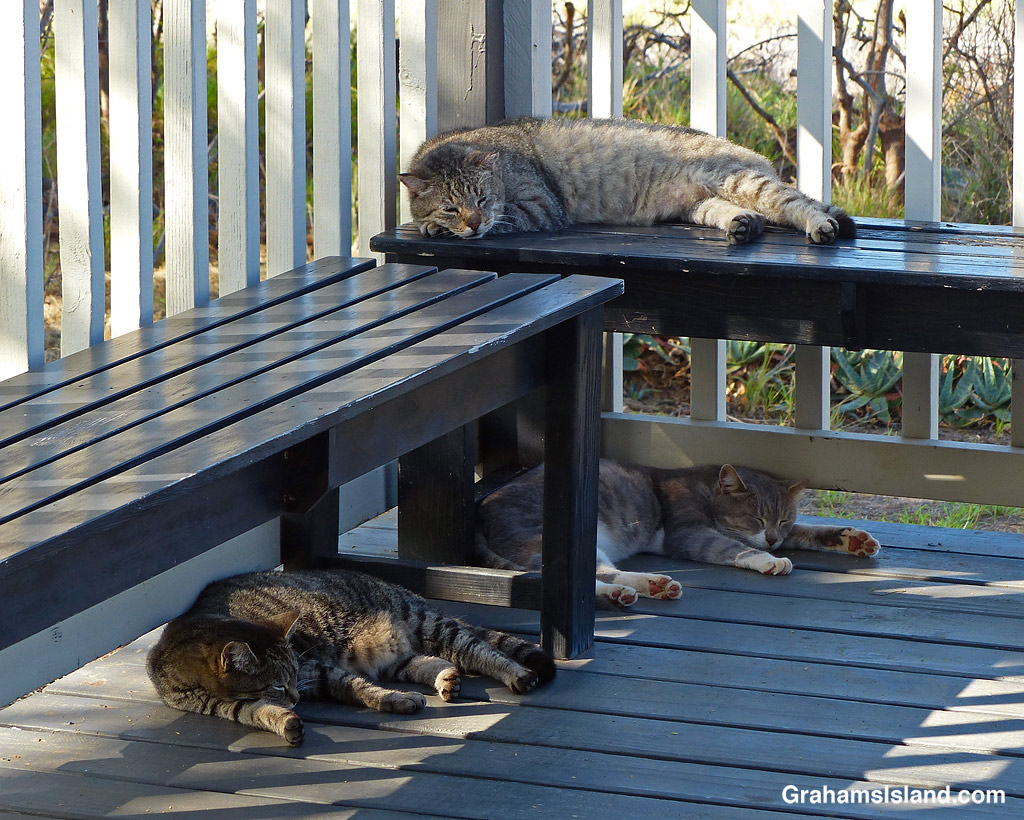
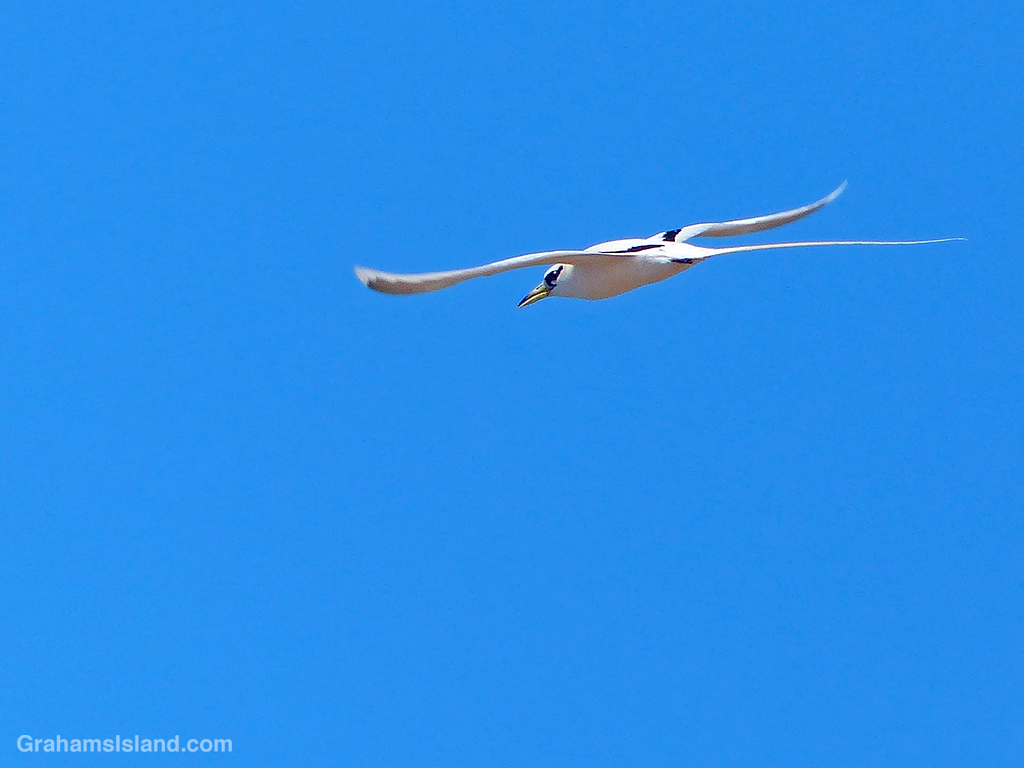
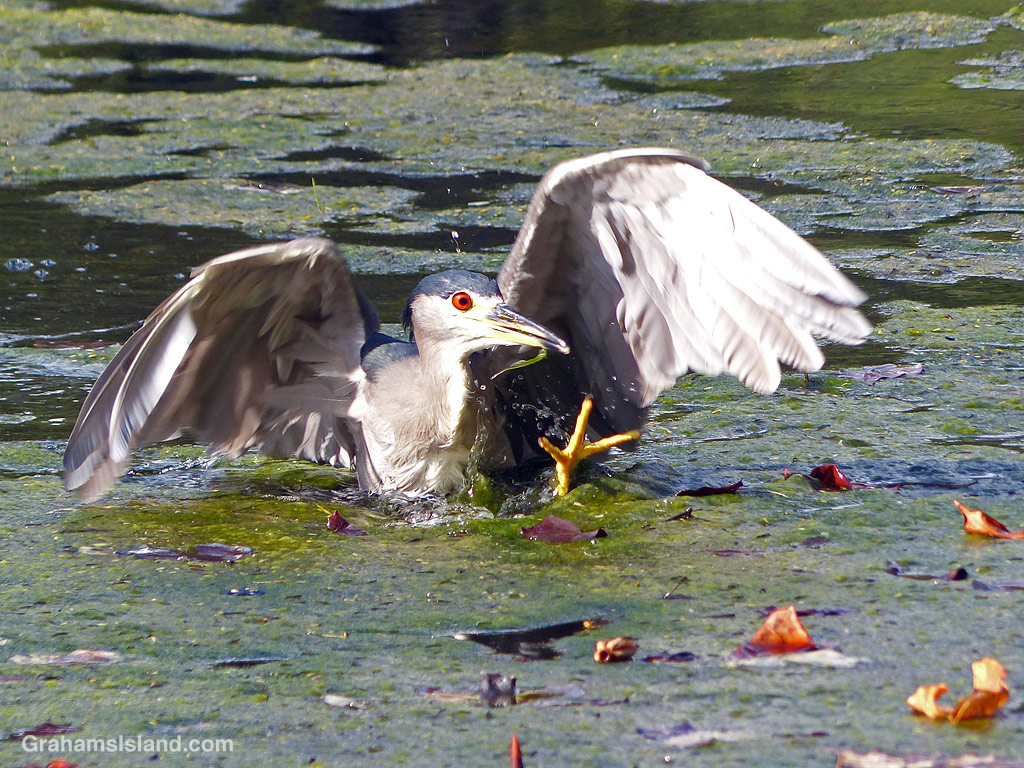
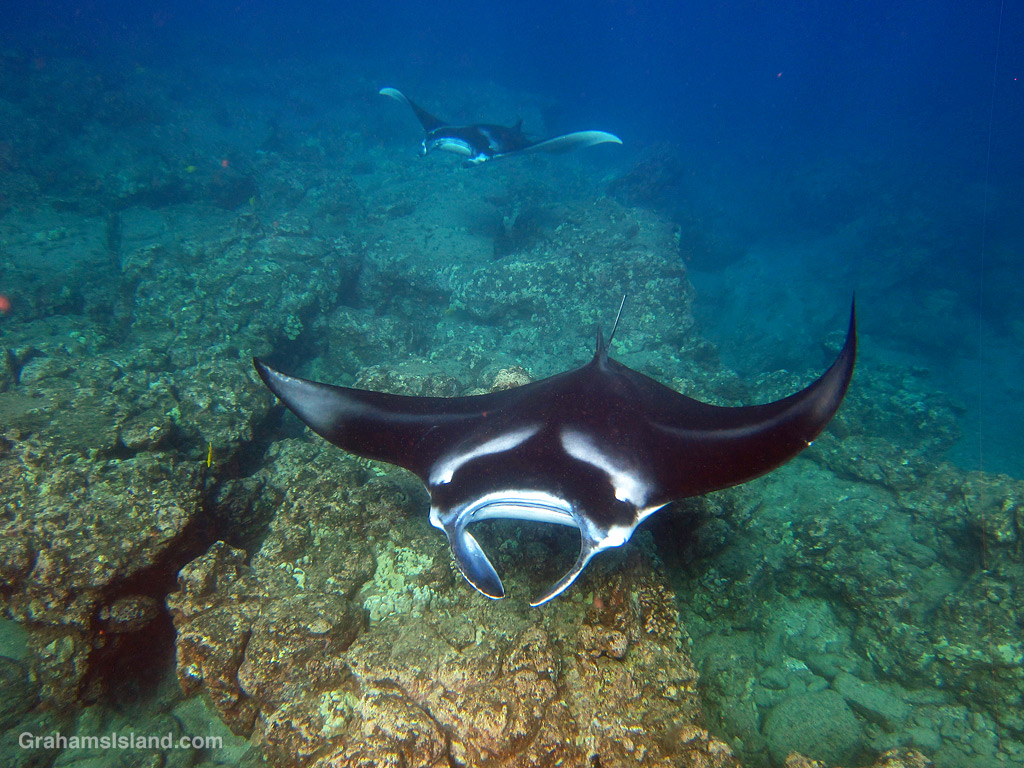
February: A Common Waxbill grabs a mouthful of seeds. (link)March: A Monarch Butterfly on a bougainvillea. (link)April: A Green Turtle swims by. (link)May: A trio of cats hard at work! (link)June: How to keep birds off your car. (link)July: The green sand beach near South Point. (link)August: A White-tailed Tropicbird glides by. (link)September: A Black-crowned Night Heron struggles to get out of a pond. (link)October: A Spinner Dolphin leaps from the water off North Kohala. (link)November: A pair of Manta Rays swims toward me. (link)December: Mauna Loa erupted for the first time in 40 years, capturing attention and changing the weather. (link)










 Graham's Island