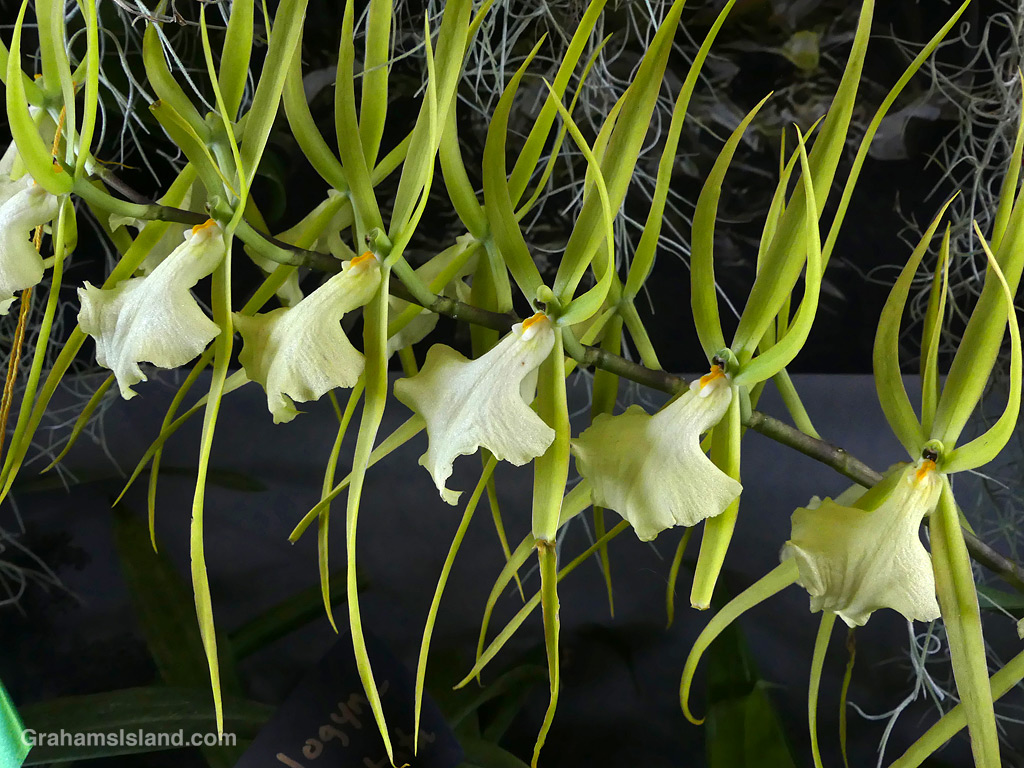
A Brassia Rex ‘Waiomao Spotless’ orchid at the last Hilo Orchid Show. Posted for Terri’s Flower Hour. See more responses here.

A Brassia Rex ‘Waiomao Spotless’ orchid at the last Hilo Orchid Show. Posted for Terri’s Flower Hour. See more responses here.
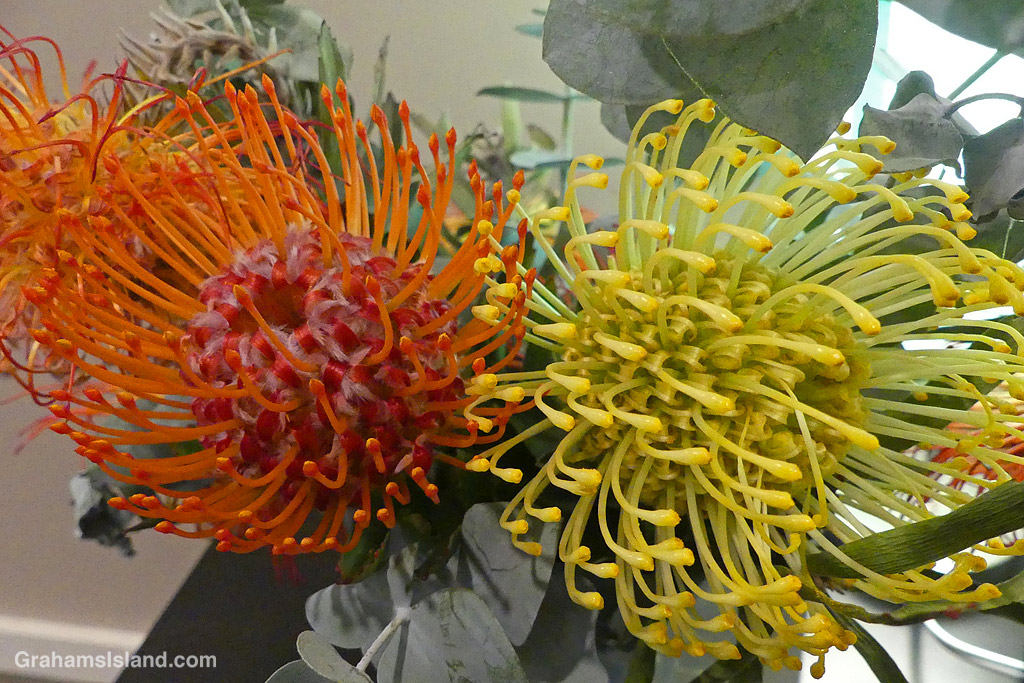
These plants are native from South Africa, but are grown here on the cooler slopes of Kohala Mountain. Posted for Terri’s Flower Hour. See more responses here.
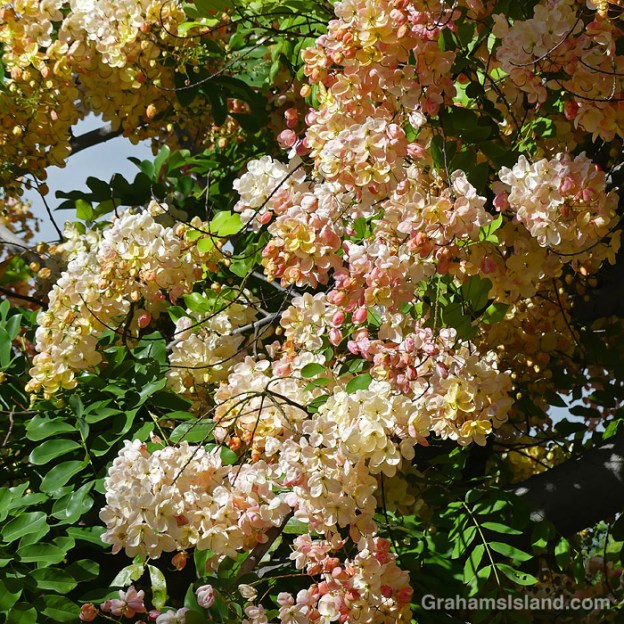
The flower clusters of a Rainbow Shower tree. Posted for Terri’s Flower Hour. See more responses here.
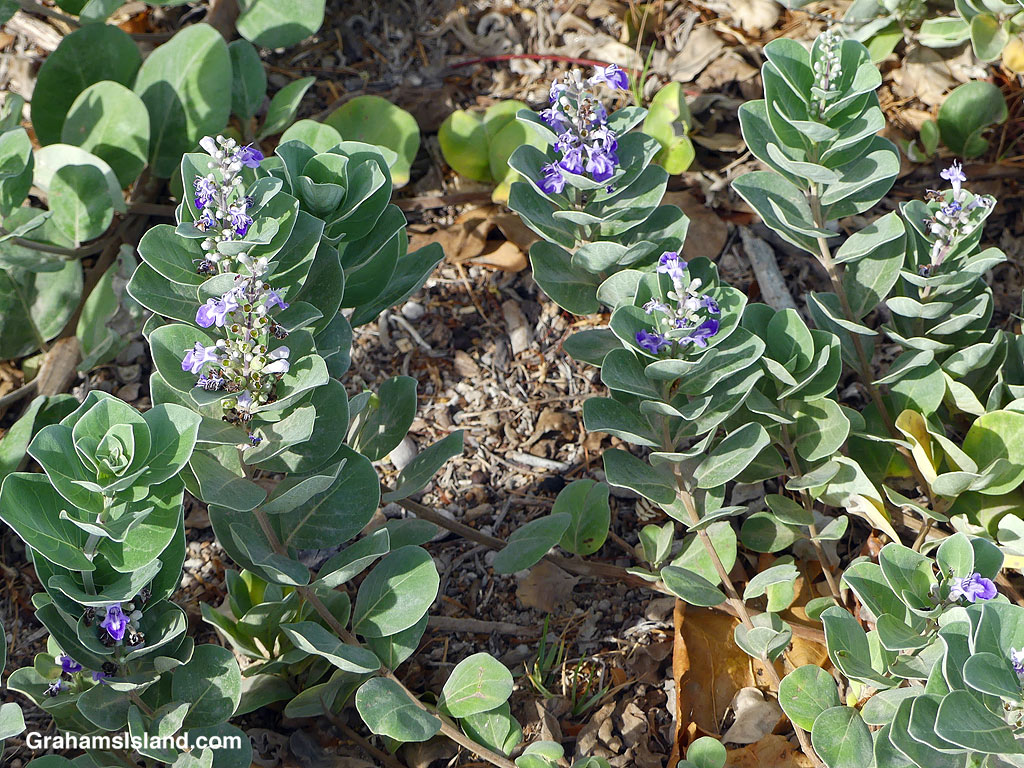
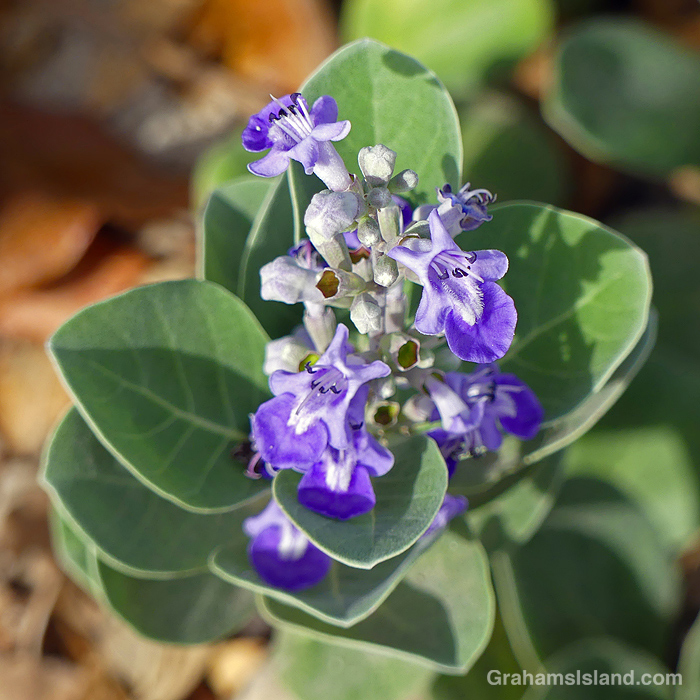
Beach Vitex (Vitex rotundifolia), or Pohinahina, is indigenous to Hawaii and the west Pacific.
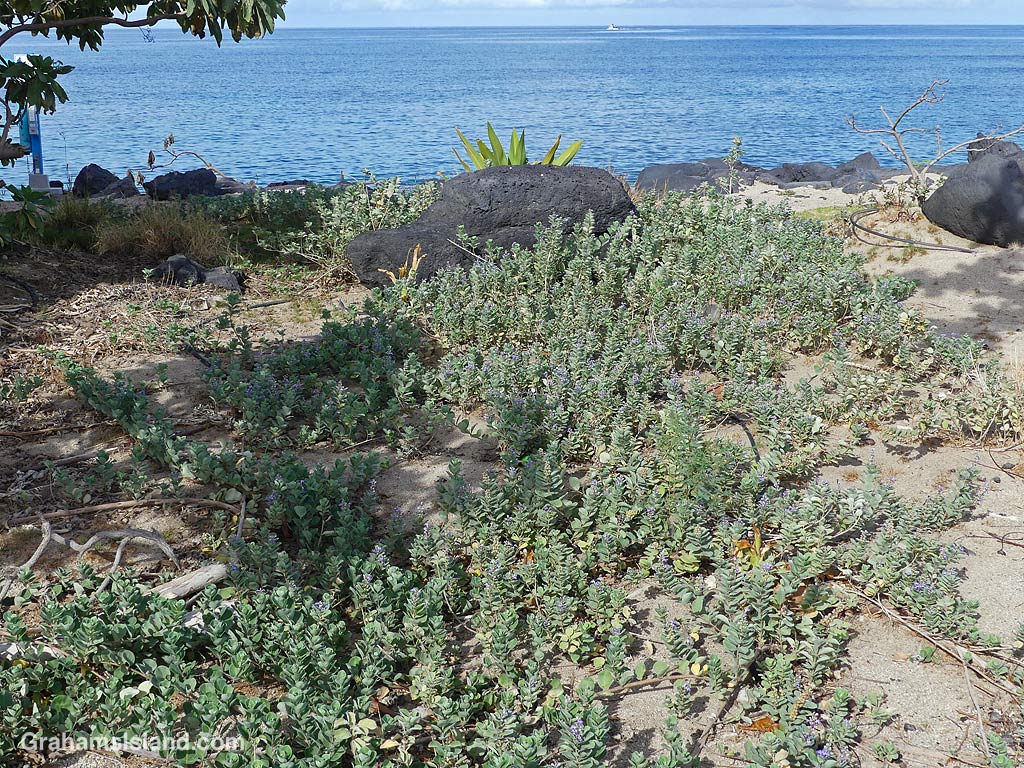
It’s planted in coastal areas such as the one below, because it’s very tolerant of salt, heat, and wind. Posted for Terri’s Flower Hour. See more responses here.
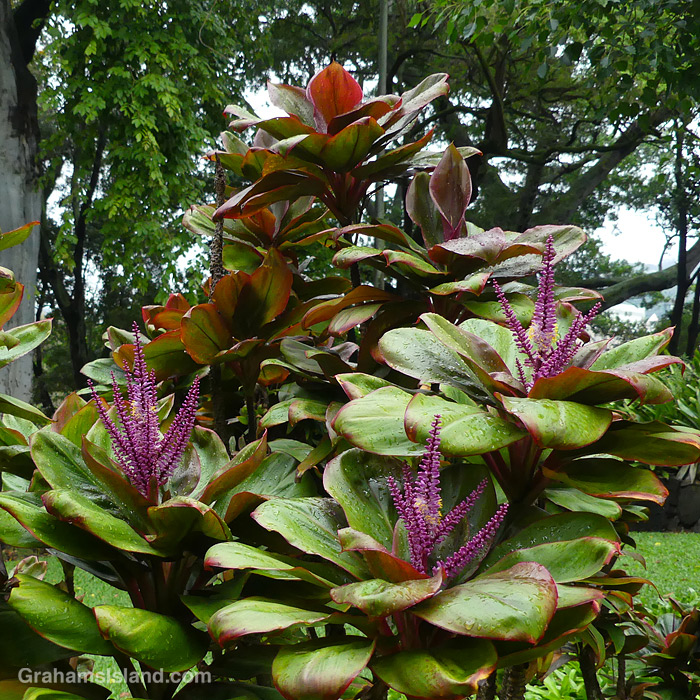
Ti plants are usually grown for their large, colorful leaves, but they do produce small white and fragrant flowers. Posted for Terri’s Flower Hour. See more responses here.
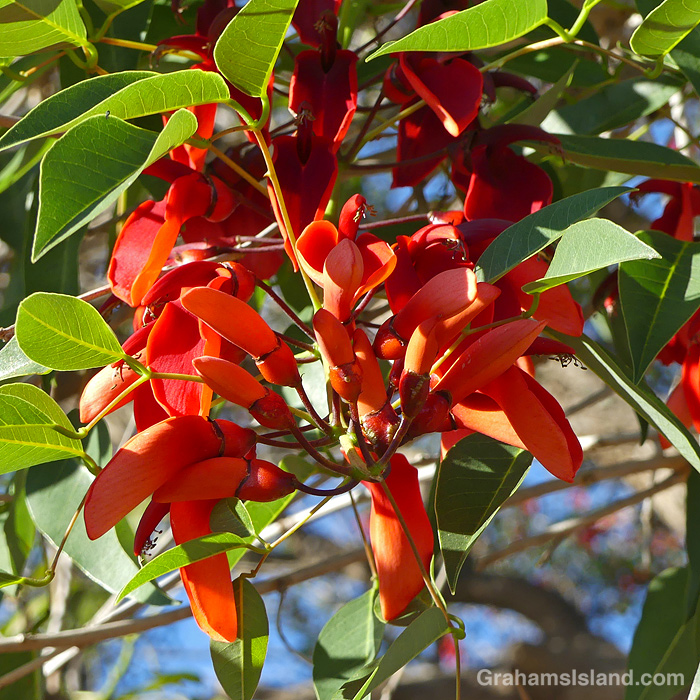
The flowers of a Cockspur Coral Tree always catch the eye. Posted for Terri’s Flower Hour. See more responses here.
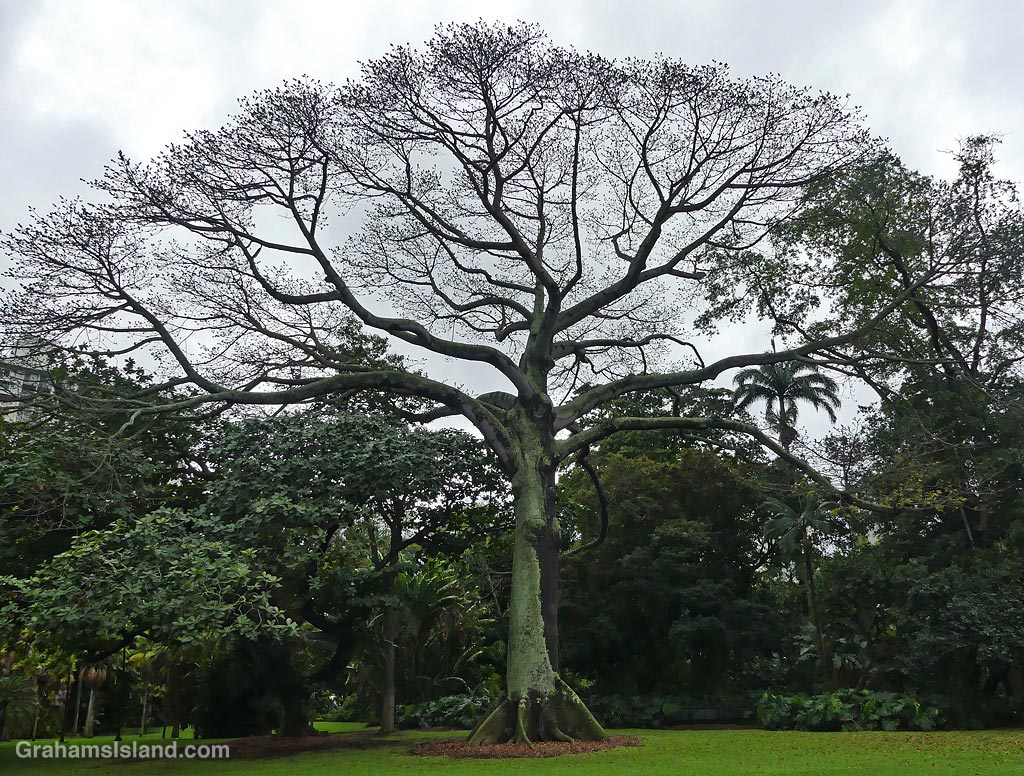
When I was in Honolulu, in December, I had a few hours to kill and decided to visit Foster Botanical Garden, which is not far from the downtown area. It’s one of five gardens that make up the Honolulu Botanical Gardens.
The garden dates back to 1853 when it was started by William Hillebrand, a German physician and botanist. It was sold in 1884 to Thomas and Mary Foster who continued to develop the garden. When Mary Foster died in 1930 she left the garden and her house to the city of Honolulu on the condition that the garden be maintained as a public park.
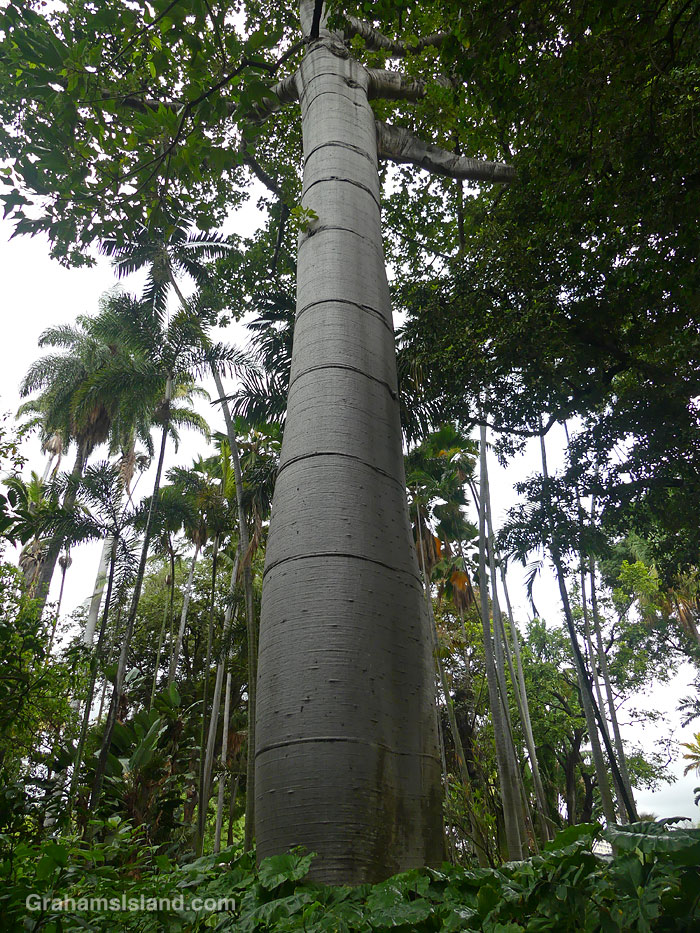
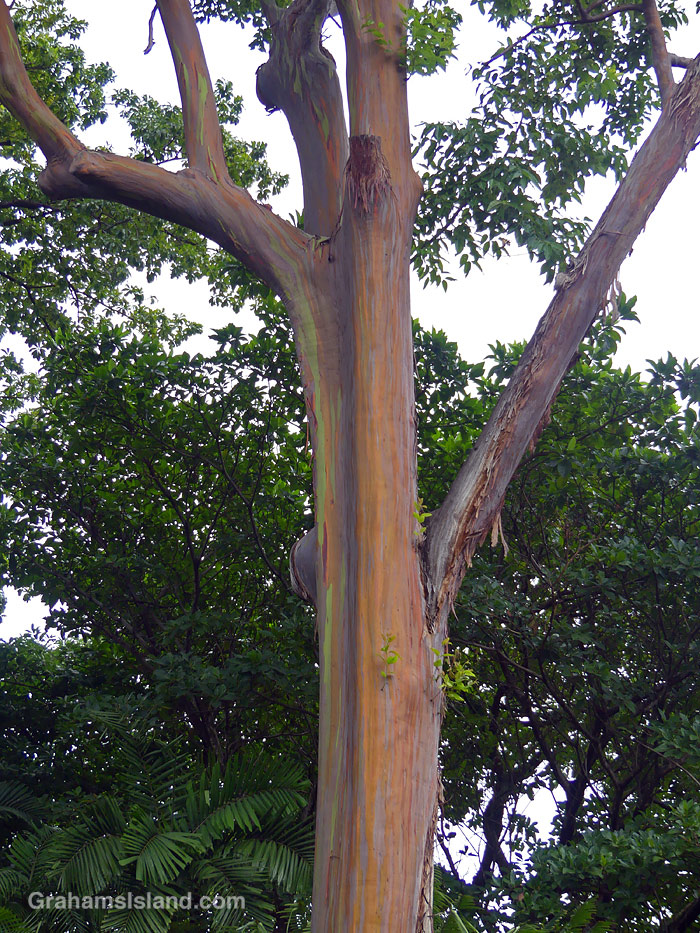
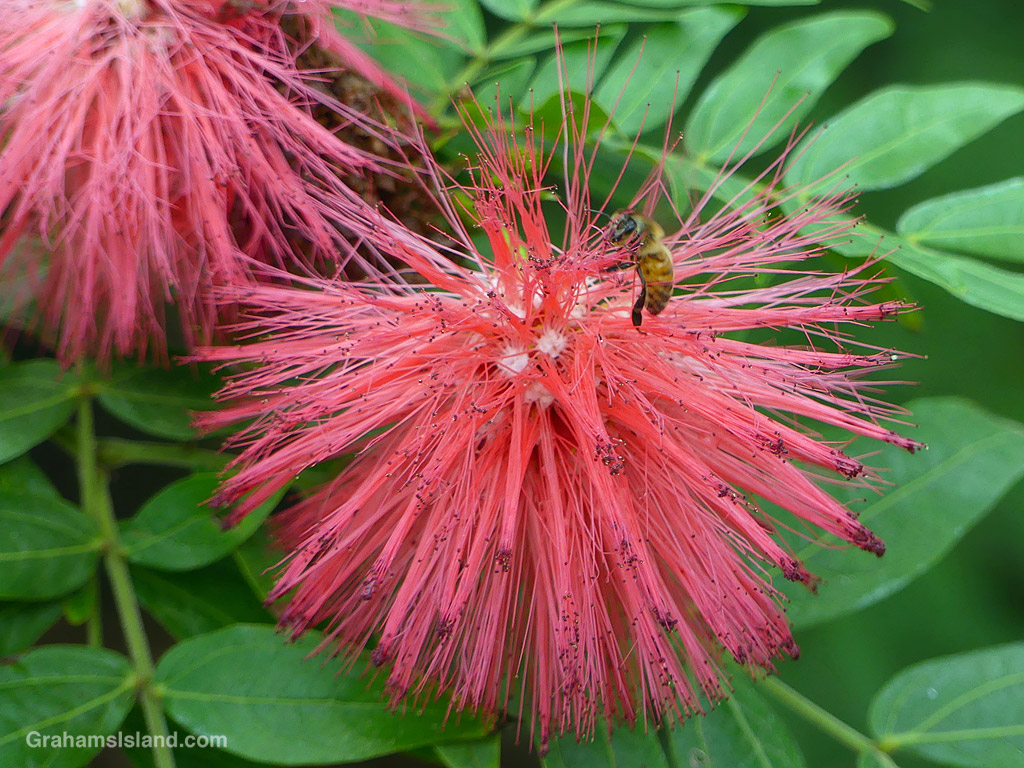
The garden is best known for its trees, some of which were planted by Dr. Hillebrand, and includes 21 trees designated ‘exceptional’ by City Ordinance. Despite it being a rather dreary day, walking through the trees and checking out the other plantings was well worth the visit.
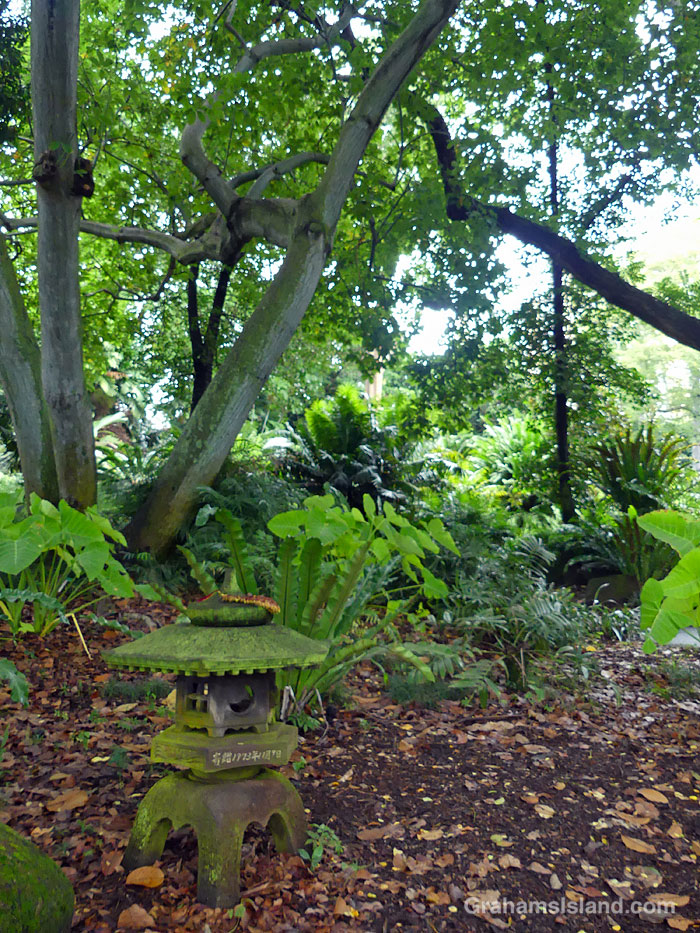
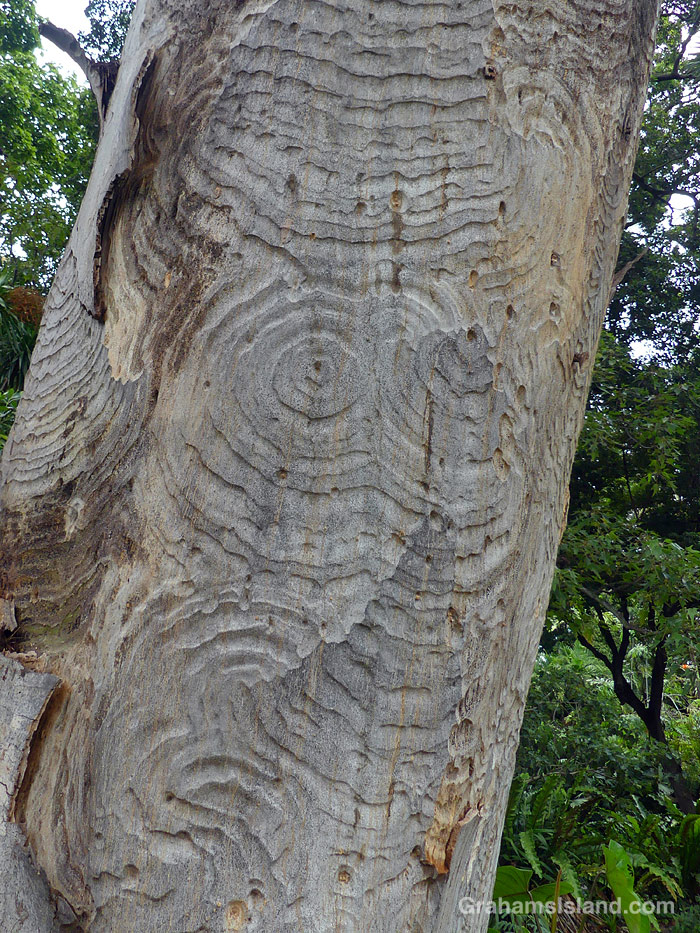
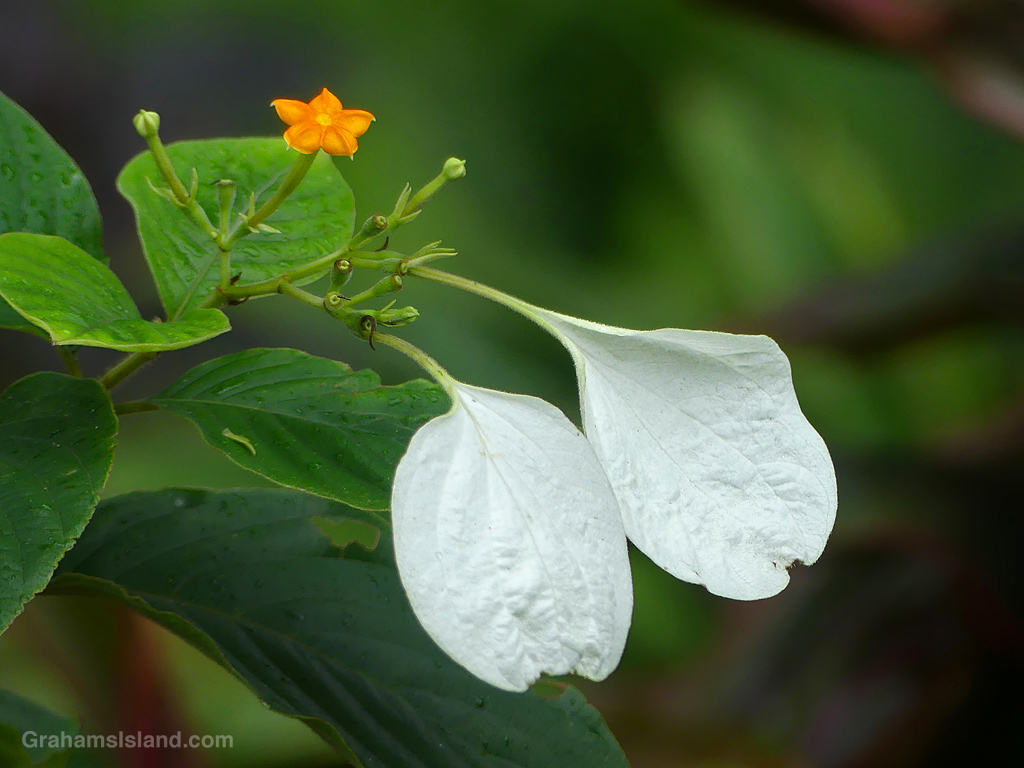
More information about Foster Botanical Garden here. Posted for Terri’s Flower Hour. See more responses here.
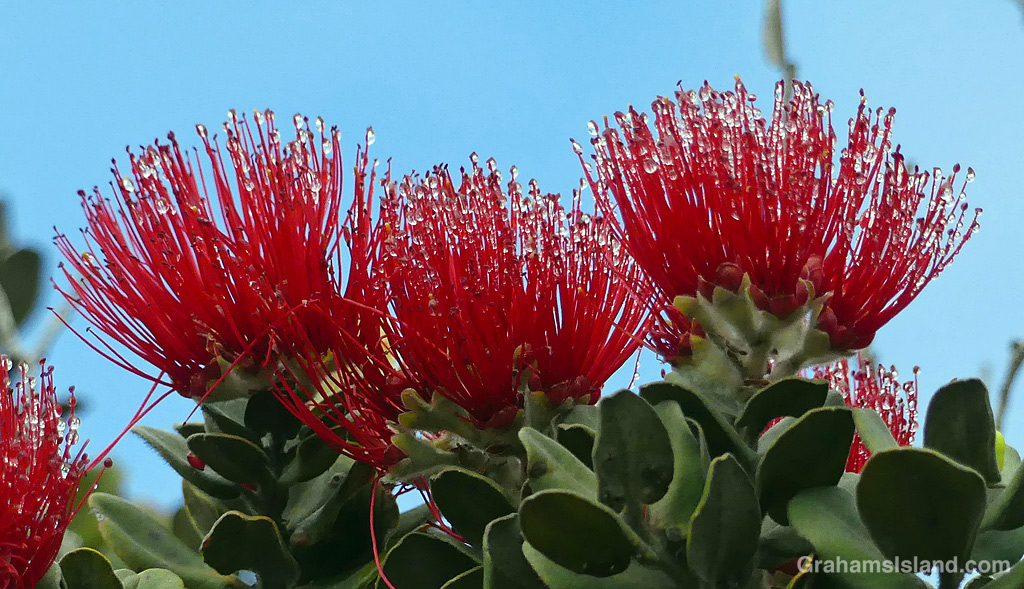
Ohia flowers on the Kaumana Trail off Saddle Road. Posted for Terri’s Flower Hour. See more responses here.
 Graham's Island