

 On a recent walk I noticed some disturbance in the water not far offshore and was happy to see a school of 15 to 20 spinner dolphins. I thought they were headed south and set out to follow them from shore. Then they turned around and went north again. I followed. This happened several times, so I just sat down and watched while they tried to make up their minds.
Spinner dolphins get their name from the twirls they make when they leap from the water. It’s thought this activity helps dolphins know where others in the school are because the bubbles generated by their takeoff and return to the water are a good target for their echolocation.
Posted in response to this week’s Sunday Stills challenge on the theme of ‘Back to School’ (Yes, it’s a stretch!). See more responses here.

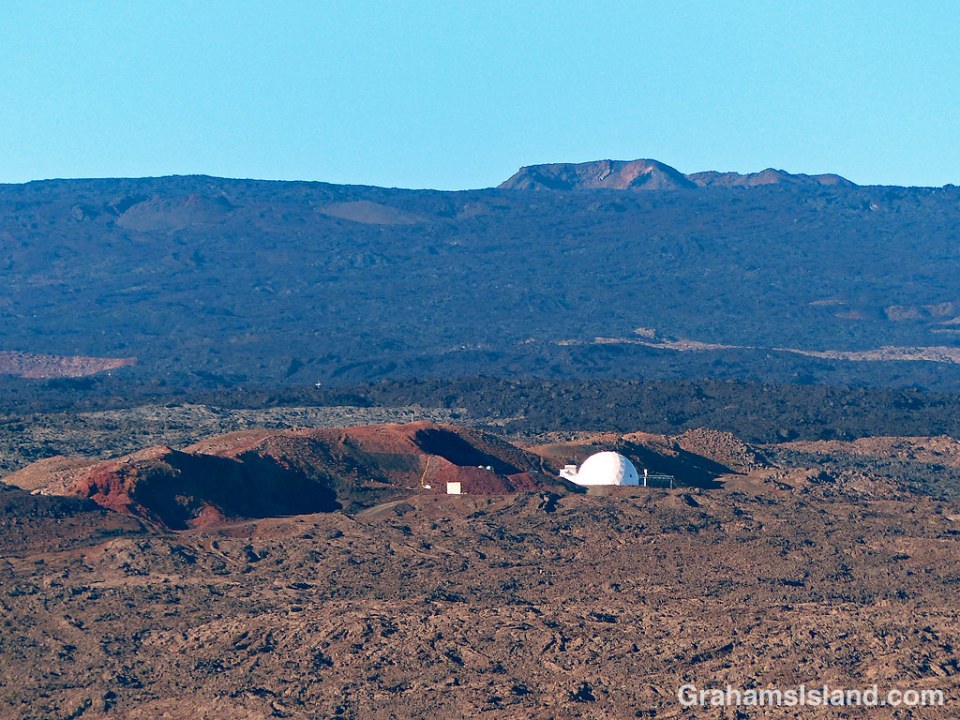
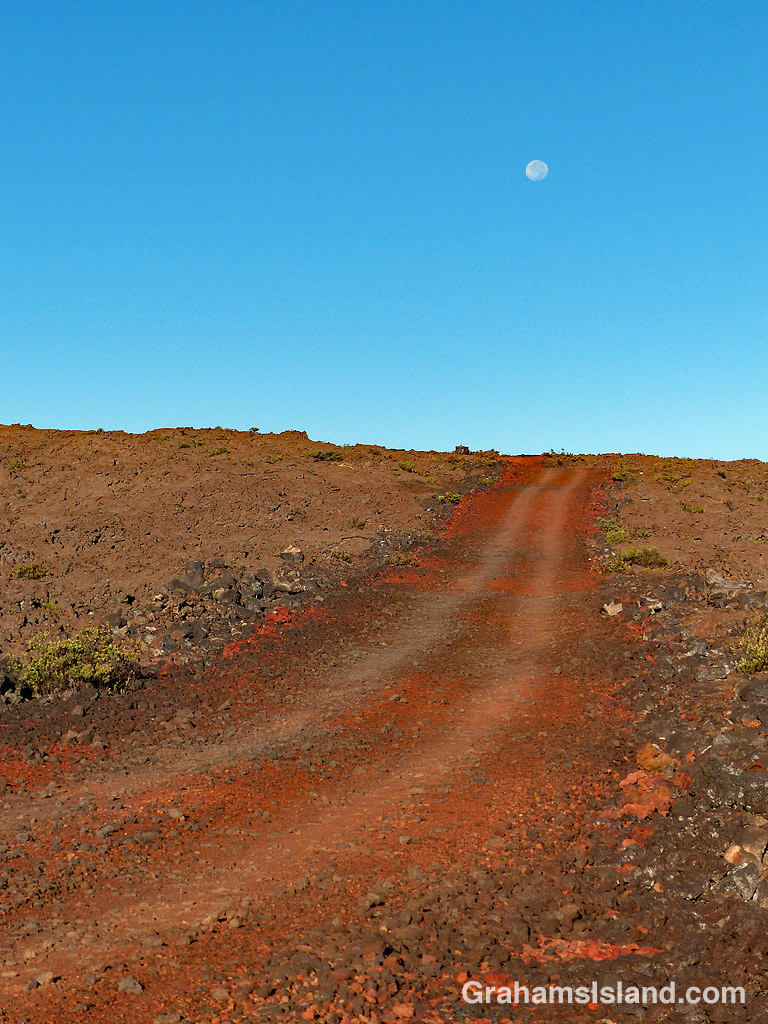 Sitting at around 8,200 feet on the northern slope of Mauna Loa, is the HI-SEAS (Hawai’i Space Exploration Analog and Simulation) site. The dome is where a crew of volunteers stays, simulating what could face a similar crew living on Mars. The terrain has similarities to Mars, the crew can only go outside in space suits, and communications are delayed by 20 minutes as they would be in real transmissions between Earth and Mars.

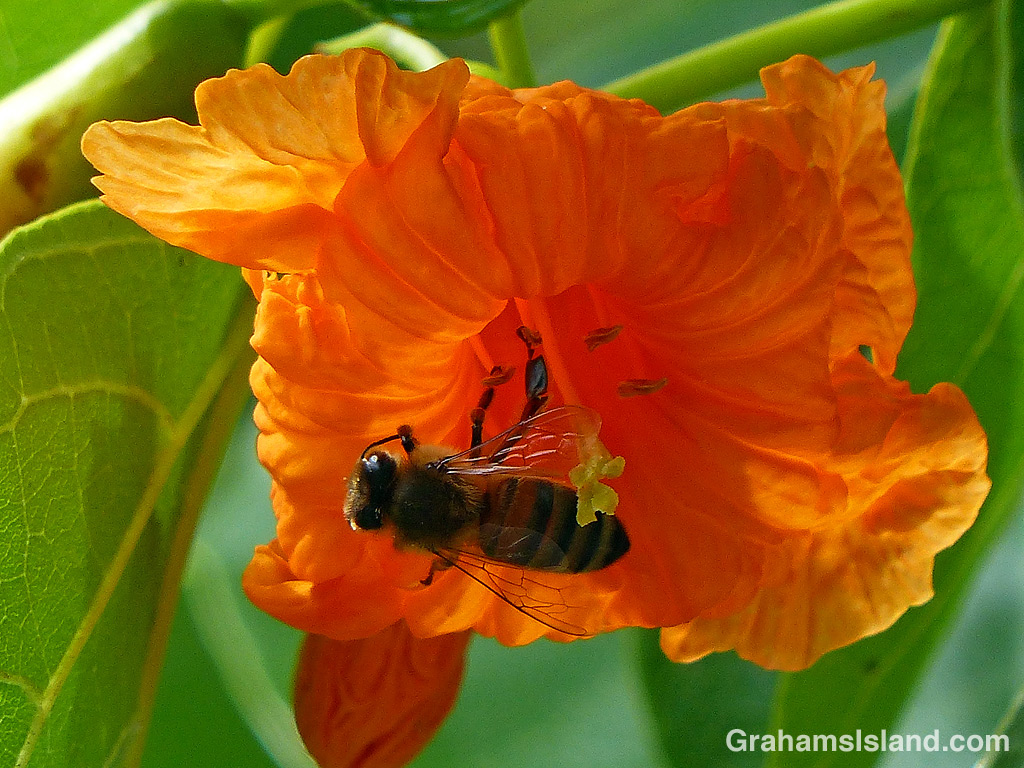
 Kou (Cordia subcordata) is an indigenous tree that was also brought over by Polynesian settlers. It was highly prized for its wood, which was used to make bowls and other containers.