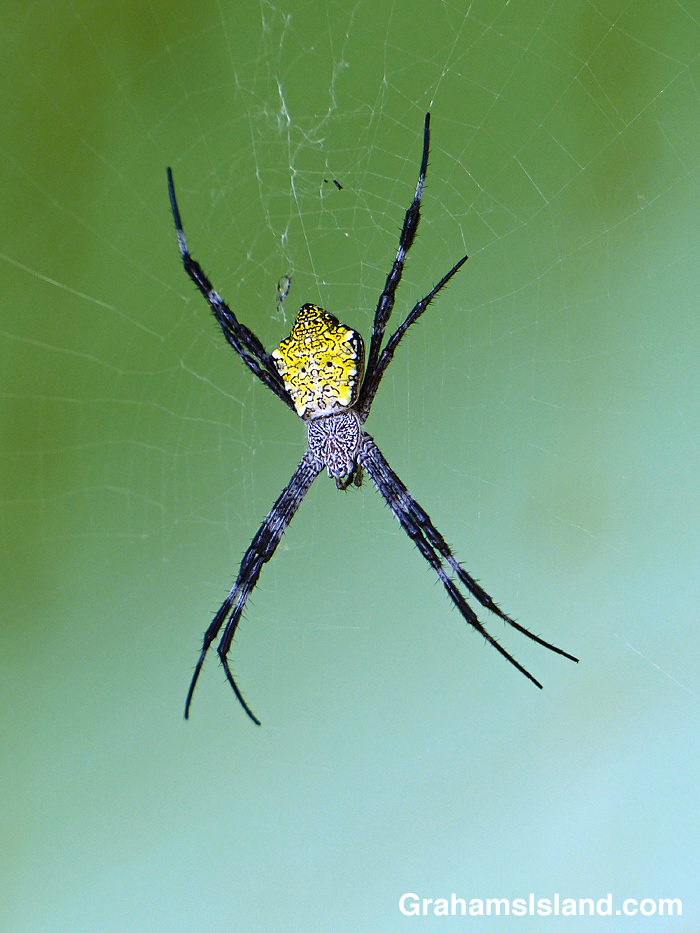
A walkway in front of an old building was thick with Hawaiian garden spiders. I liked how the bright jewel-like colors of the spider contrasted with the faded green paint of the building.

A walkway in front of an old building was thick with Hawaiian garden spiders. I liked how the bright jewel-like colors of the spider contrasted with the faded green paint of the building.

In my seven plus years of living in Hawaii, I’d never encountered a scorpion. Then I saw my first, squashed, in a box I was emptying. Earlier this week I saw my second. It wasn’t dead, but it wasn’t well. I think it had been stepped on, which is why its large, claw-like pedipalps aren’t so prominent in this photo.
This is a lesser brown scorpion (Isometrus maculatus), the only scorpion species in Hawaii. It’s not as dangerous as some scorpions, with a sting similar to bees. It’s also not common, in part because it’s nocturnal and also small. This one was less than two inches long.

A dragonfly skims over a pool of muddy water.
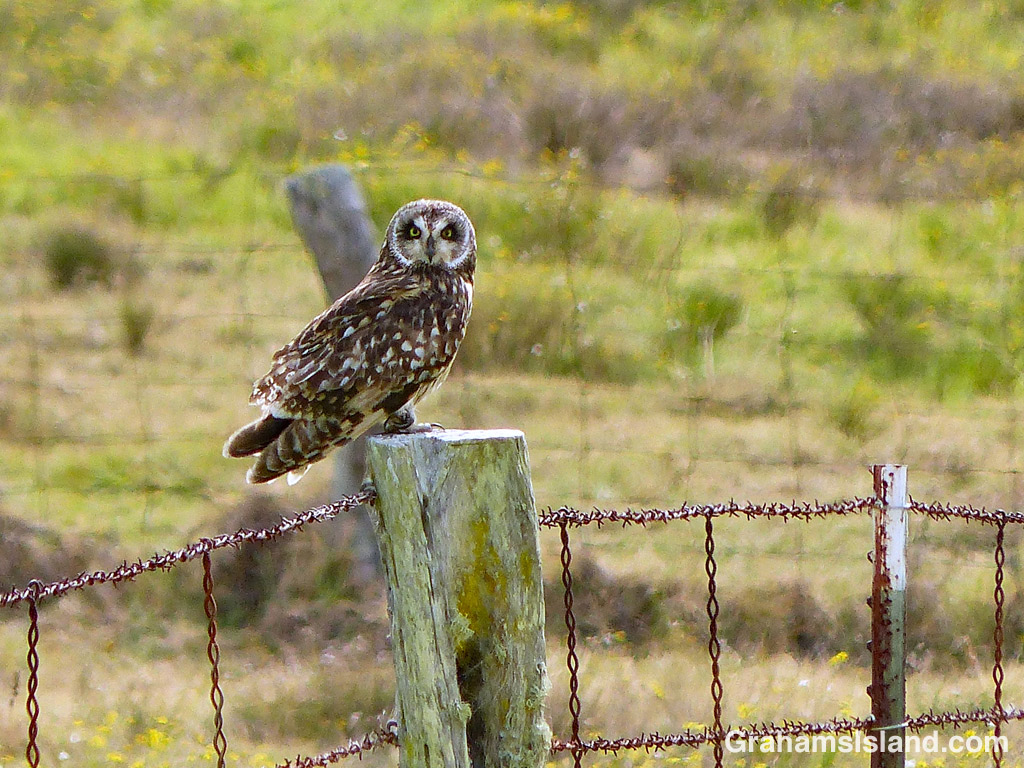
This week’s Sunday Stills challenge theme is ‘Oldie-but-Goodie or Favorite Photo.’ (See more responses here.)
This seemed like a good opportunity to run a few of my favorite photos from the first year of this blog.
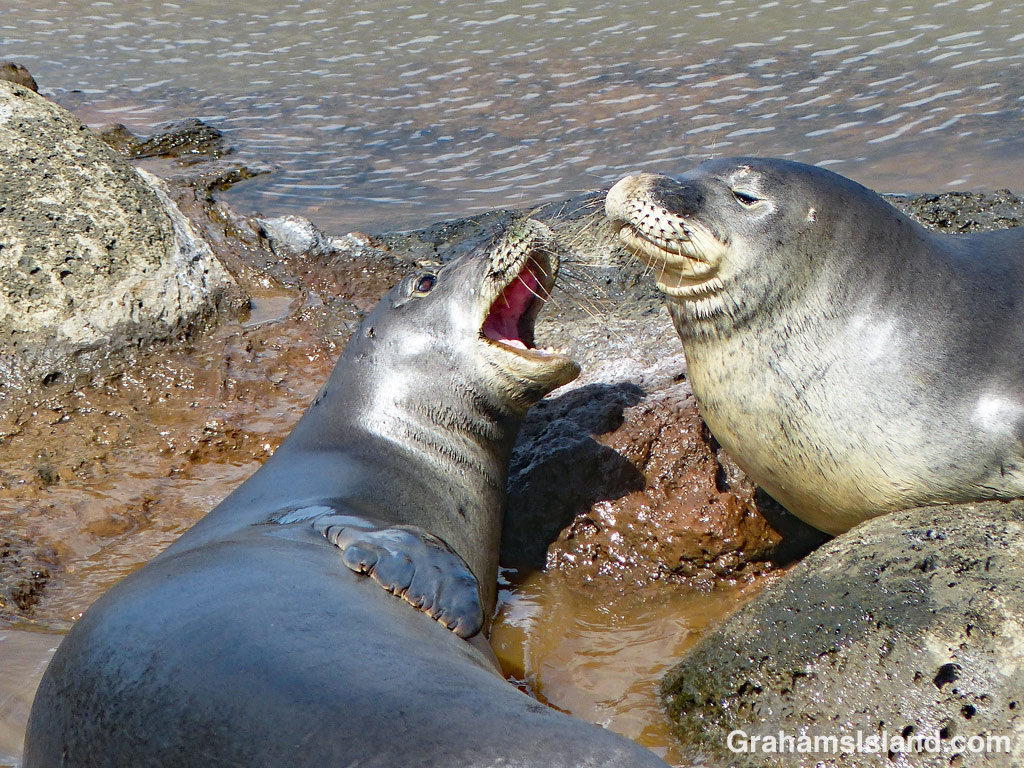

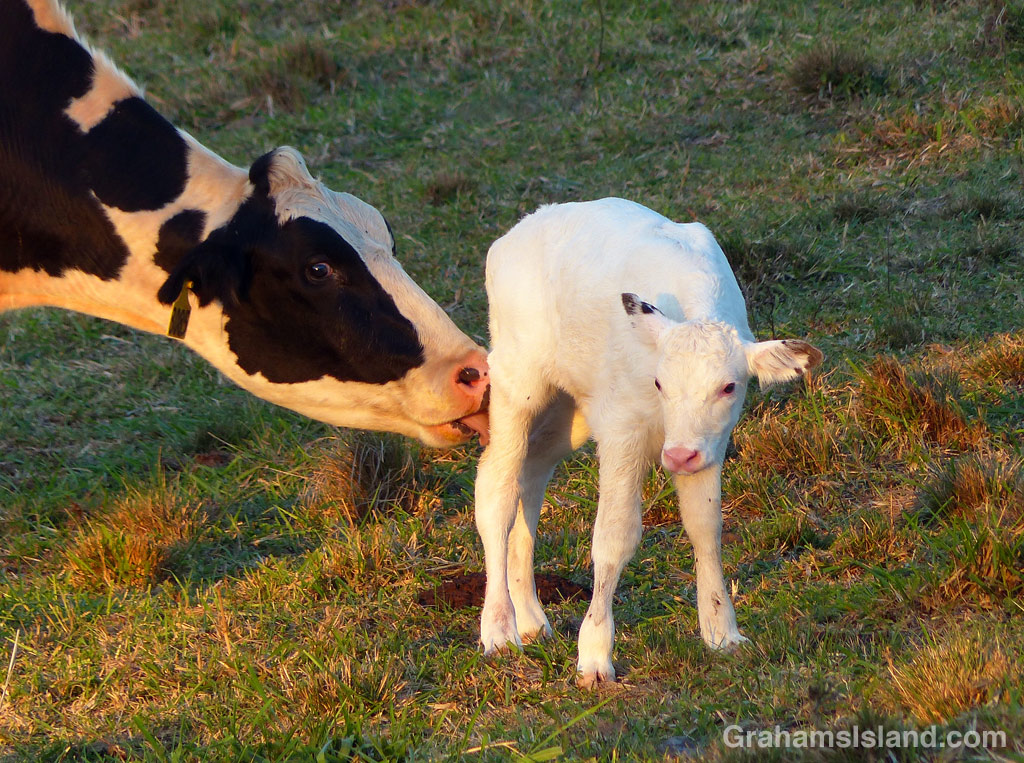


I’d noticed this dragonfly returning to the same twig a few times so I positioned myself to take photos if it continued to do so. Luckily it did and I got a few shots before it took off for good.
The black saddlebags dragonfly (Tramea lacerata) gets its name from the distinctive markings on the wings. It’s found in most places in the U.S. and is one of those good bugs because both naiads and adults help control mosquitos by consuming their larvae.

I saw this pair of rusty millipedes mating on a dirt road. The male is on top and can be identified by a gap in his legs at his seventh body segment. The legs have been replaces by gonopods, the male’s sexual organ which he uses to transfer sperm to the female. The sperm comes from gonopores which are located in the third segment of the body, and it must be moved to the gonopods before mating.
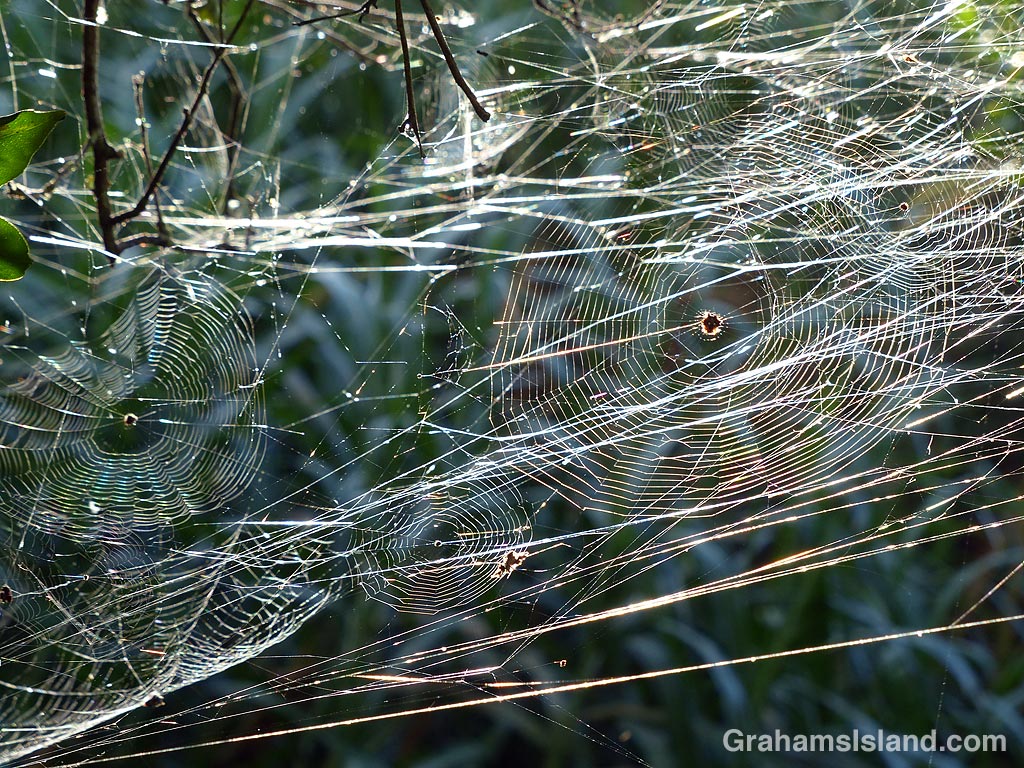
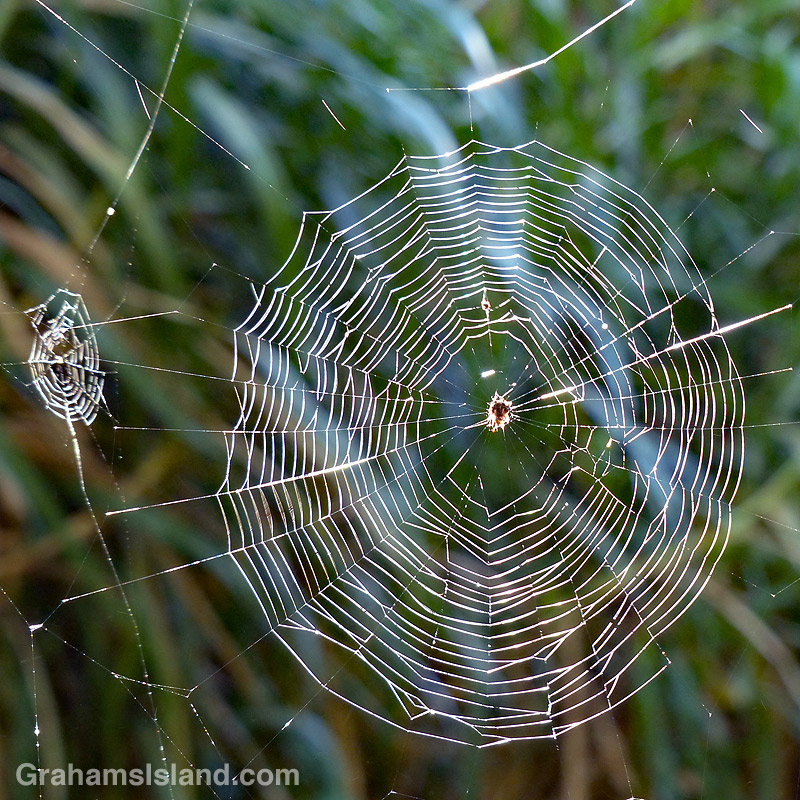 Crab spiders tend to proliferate in the fall and dwindle in the spring. That means winter is prime time for encountering lots of them, usually in the form of blundering into their webs. This is easy to do for two reasons.
One is that the webs can be large. While the circular centers aren’t that big, the anchoring strands often span 10 feet or more, and are hard to spot. The second reason is that crab spiders build connected webs, meaning there are often a dozen or more covering a large area.
Crab spiders will bite, usually after they’ve got caught in someone’s clothing. This is why, when I run into a web or webs, my first response is to locate the spider. If I find it on a remnant of its web, I don’t worry too much. If I don’t see it, then I usually do my flailing crab spider dance, which serves no useful purpose other than to likely irritate the spider if it is on my person.
On the plus side, crab spider webs, like most webs, are quite beautiful when they catch the sunlight.
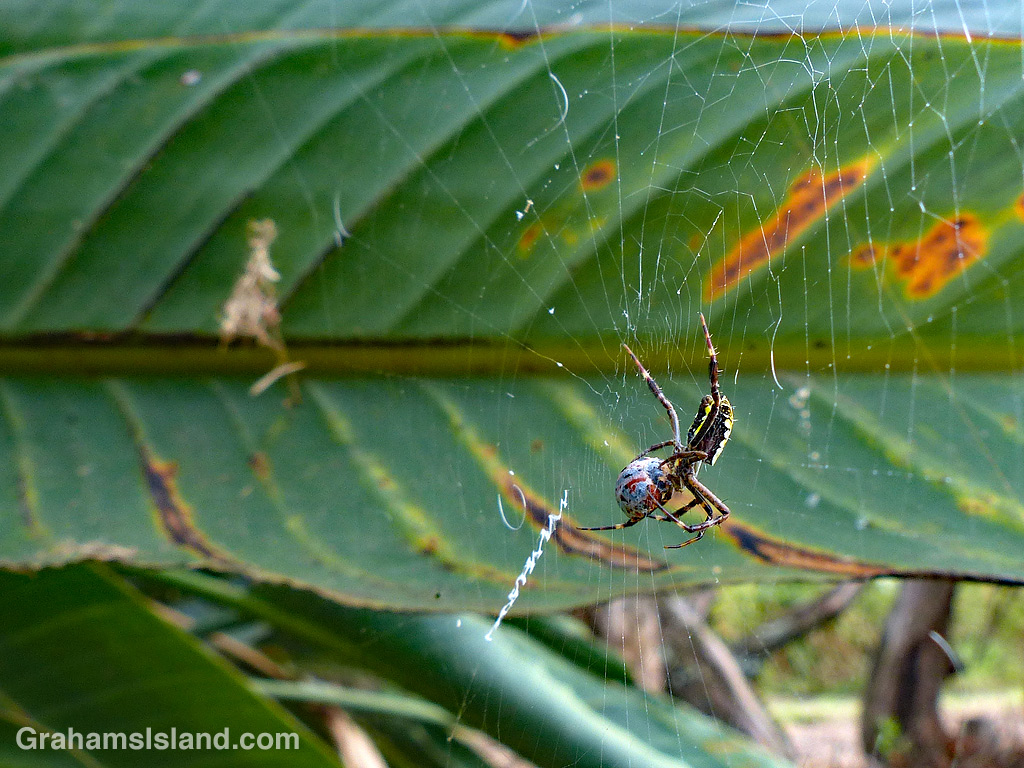
I posted a few weeks ago here about a large female Hawaiian garden spider which had spun a web in a place I often visit. A week or so later, that spider had disappeared.
Now, in that spot, three new webs have appeared, each occupied by female Hawaiian garden spiders. However, these new occupants are much smaller, about the same size as the average male of the species. I think it’s likely they’re the offspring of the first spider I saw there.
The smallness of the new spiders can be seen in the size of the prey this one had caught – a little ladybird.

