
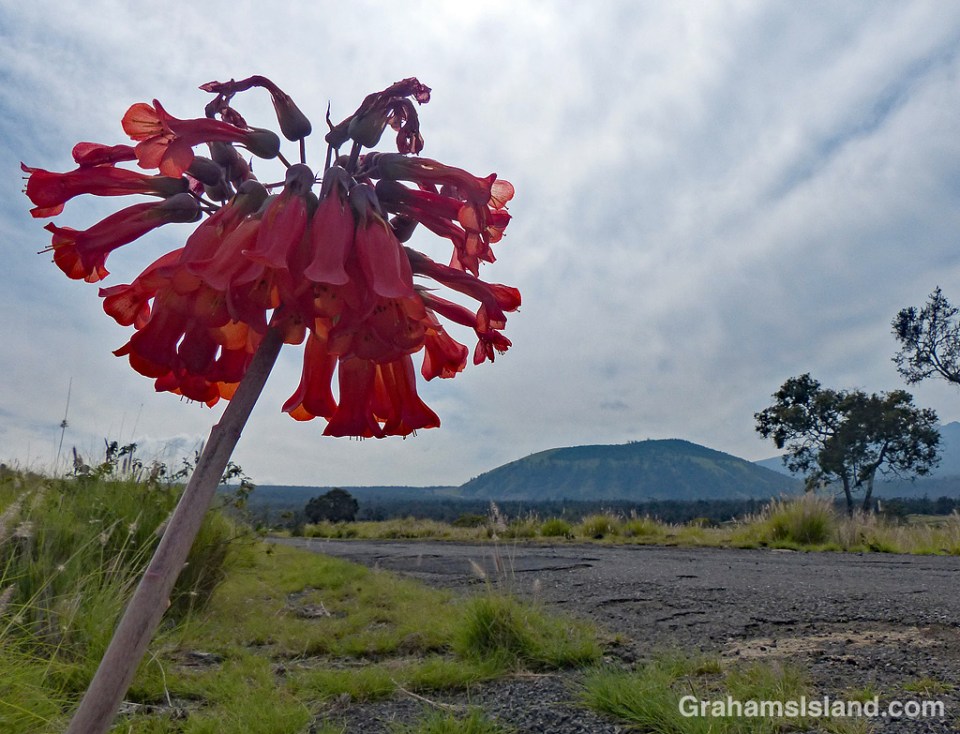
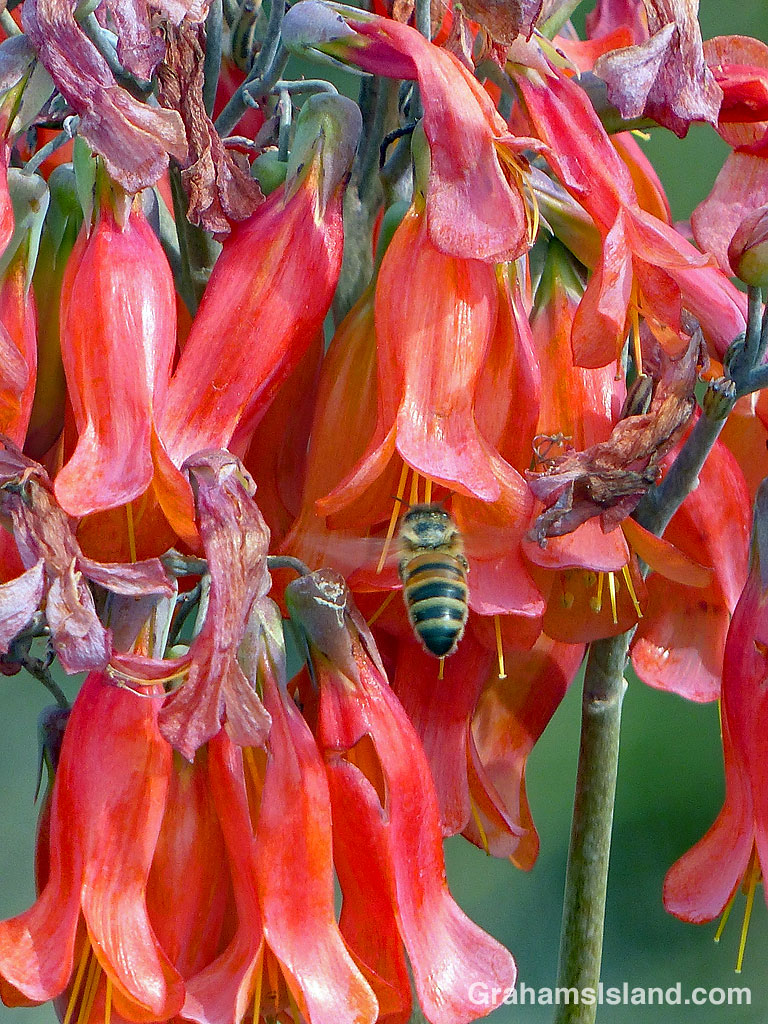
 This bryophyllum is probably bryophyllum x houghtonii, but there are several similar looking varieties of bryophyllum. Their common names are telling, however. Bryophyllum x houghtonii is known as ‘hybrid mother-of-millions.’ Common names for other bryophyllums include ‘mother-of-millions,’ ‘prolific mother-of-millions,’ and ‘mother-of-thousands.’
Such names make it no surprise that bryophyllums are invasive. They’re also poisonous to both livestock and humans, which is problematic since these photos were taken at Pu’u Wa’awa’a, in an area occupied by sheep and cattle.
For more information about Pu’u Wa’awa’a and its trails, go to puuwaawaa.org.
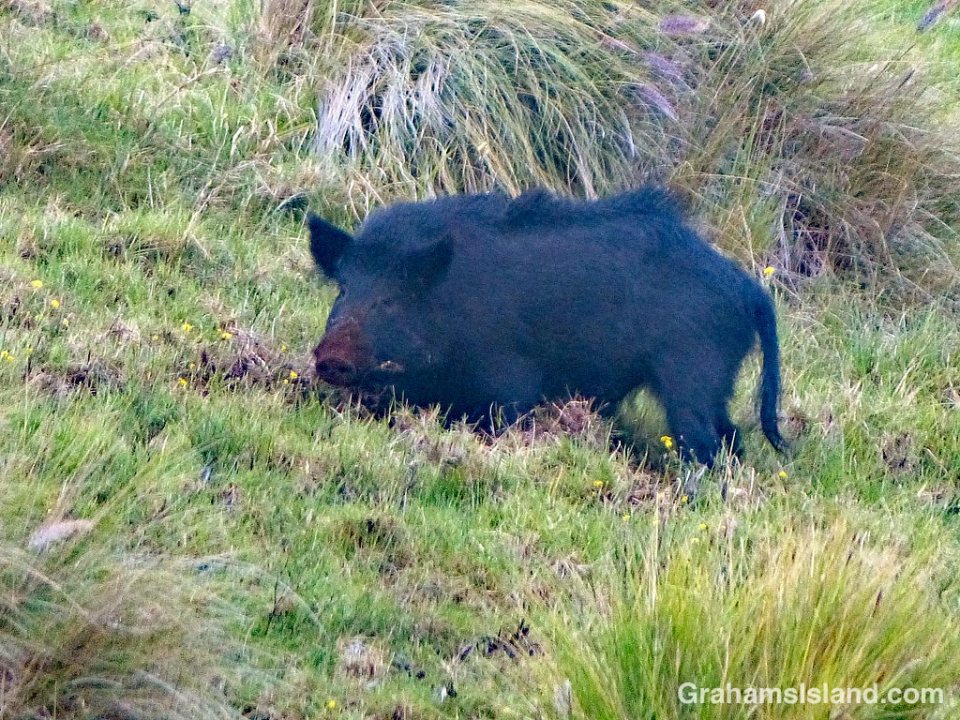
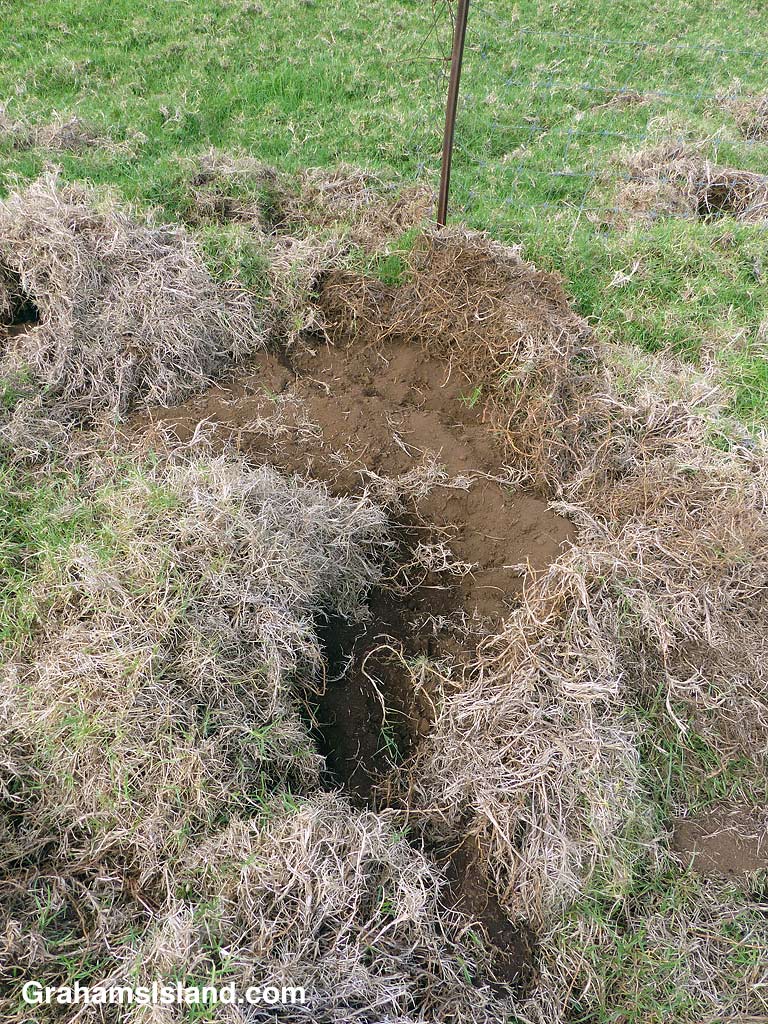 On an early morning hike at Pu’u Wa’awa’a, I saw this wild pig on the hillside above me. It was busy rooting around in the dirt, hence the brown snout. Wild pigs can do an enormous amount of damage in their foraging. The photo at right shows one of many areas alongside the trail that has been dug up by pigs. These areas are susceptible to erosion when it rains.

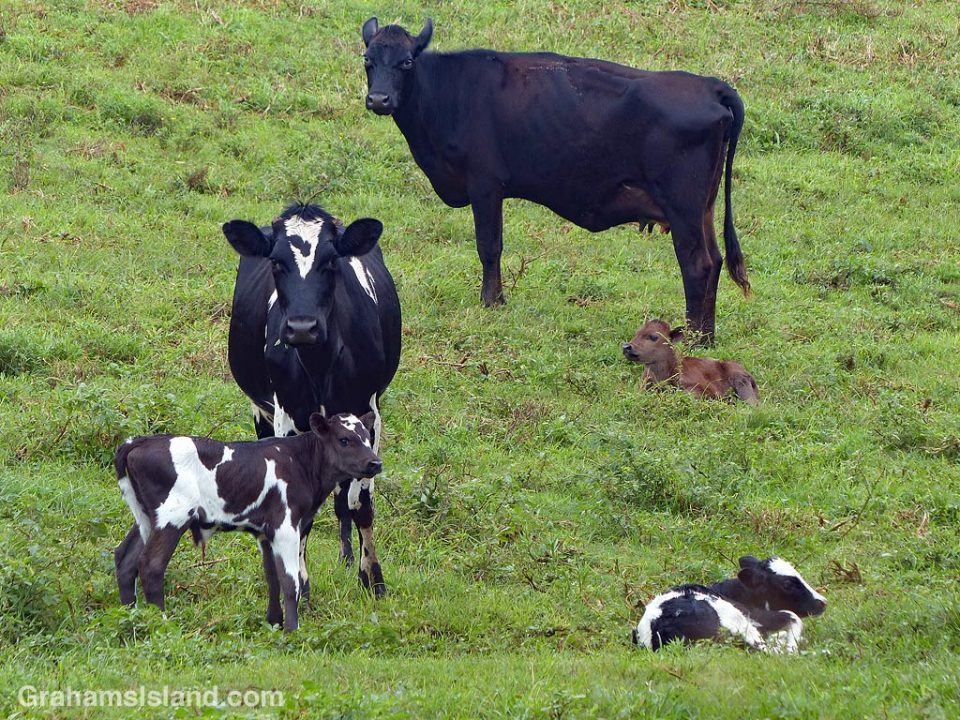
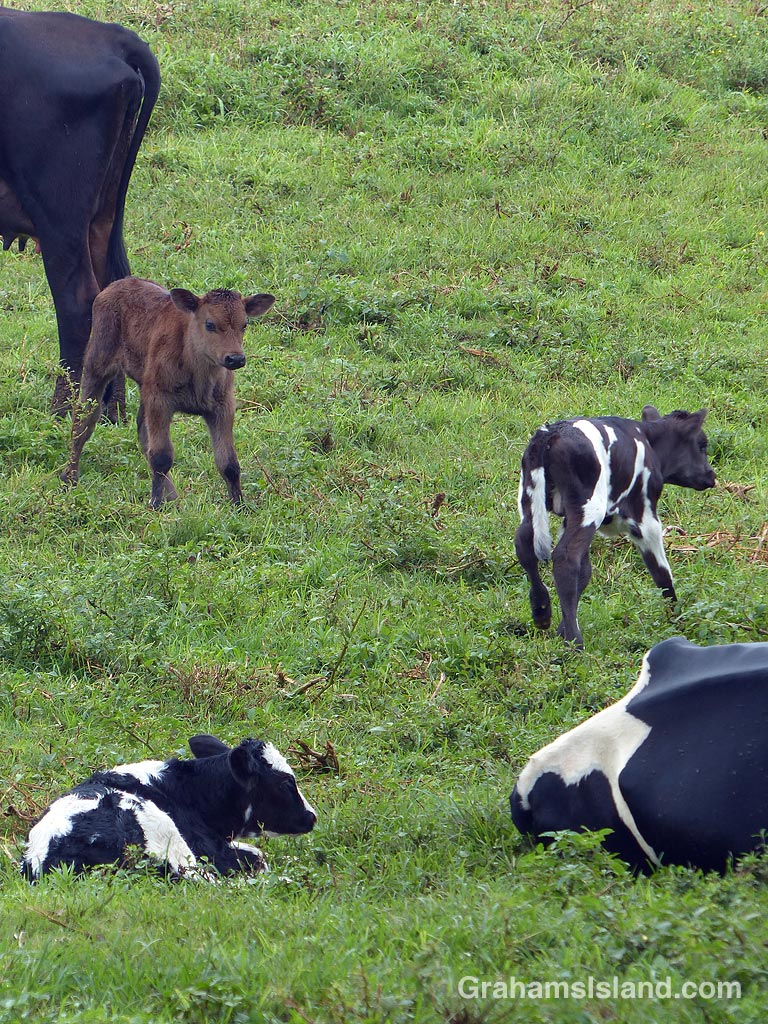 On my frequent trips to the coast near Upolu, I pass one of the two dairy farms on the island. As I go by I tend to look out for new calves, which I see quite often. On this day I came across this grouping and stopped to take photos. Actually, there were four new calves in the field, but the fourth was some distance away from this more social cluster.


 The wandering glider (Pantala flavescens) is a fairly common dragonfly with a worldwide distribution, but it’s not one I’ve previously photographed. This isn’t for lack of trying.
 Graham's Island