
When I was last at the Golden Pools of Keawaiki, I encountered this metallic skink skittering along the water’s edge and then clambering up over the lava. I’m always impressed by creatures that live in such a harsh environment.


When I was last at the Golden Pools of Keawaiki, I encountered this metallic skink skittering along the water’s edge and then clambering up over the lava. I’m always impressed by creatures that live in such a harsh environment.
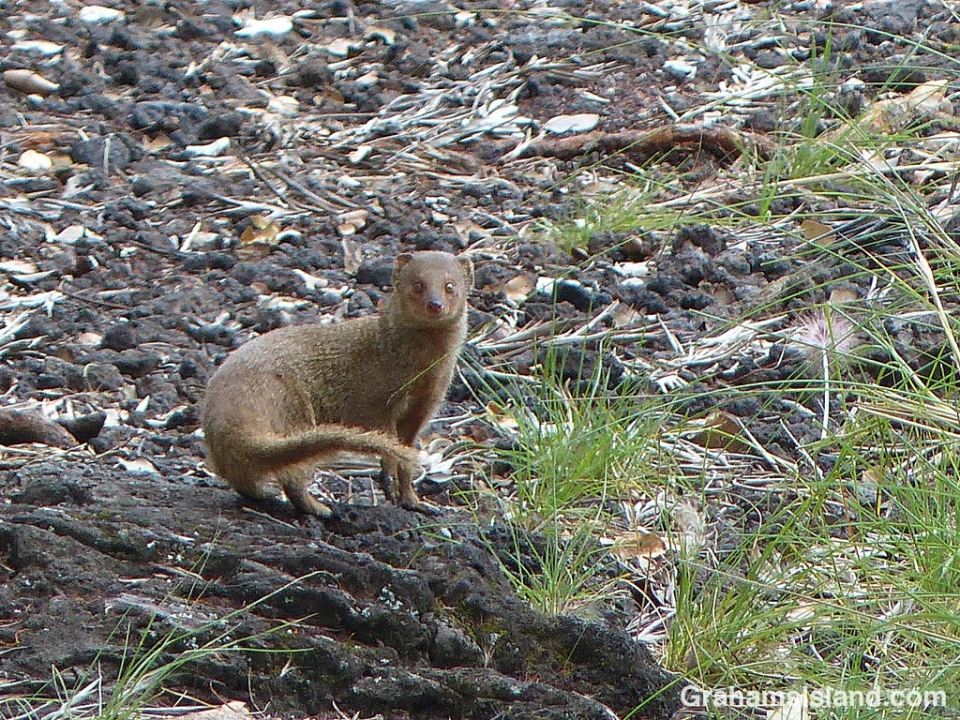
On a recent hike at Pu’u Wa’awa’a, I was ambling along one of the trails when I heard squeals and a commotion in the grass a few feet off to the side. A mongoose shot out from cover hotly pursued by a second one. They took off down the trail, away from me, before vanishing into the undergrowth on the other side.
A couple of minutes later, this one reemerged, trotting away on the trail before it turned suddenly and gave me this look. I don’t think my presence had registered earlier, so it must have been a bit surprised to see me. Don’t know what happened to the other one, but since I didn’t hear any horrendous screeching, I suspect it got away.
For more information about Pu’u Wa’awa’a and its trails, go to puuwaawaa.org.
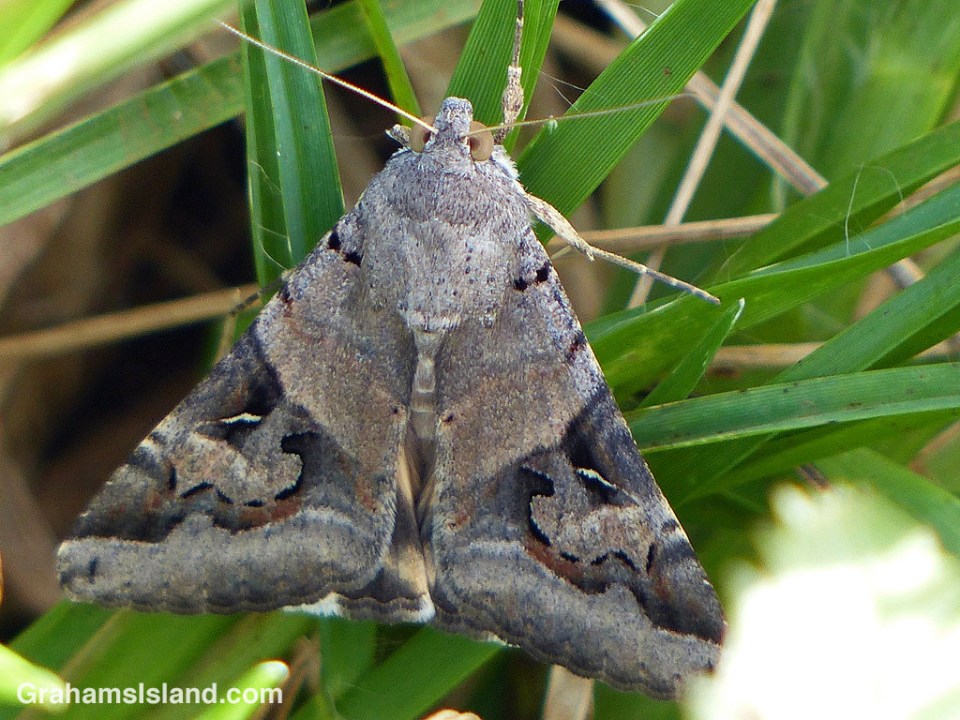
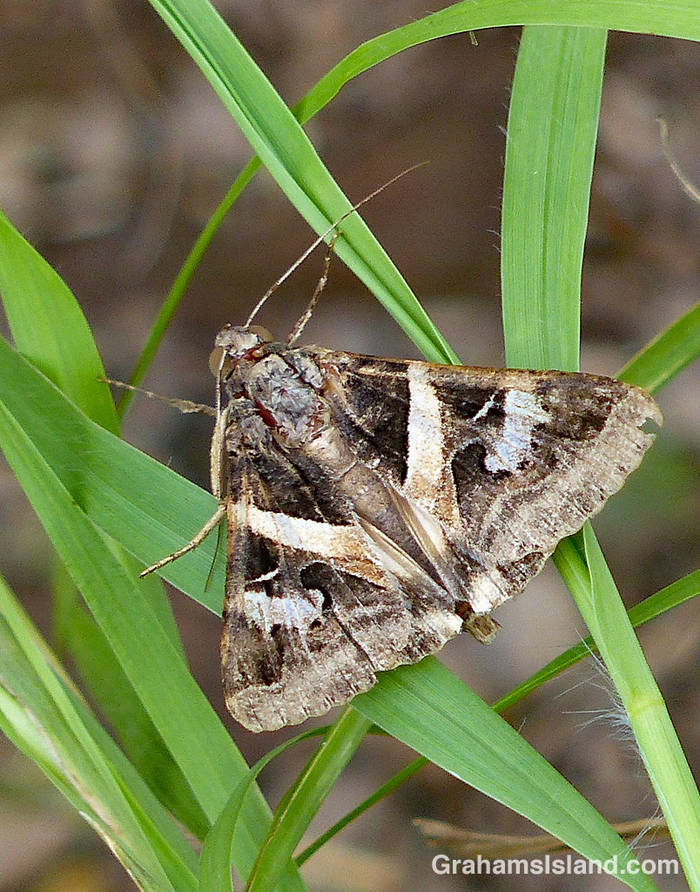 Two photos of indomitable melipotis (Melipotis indomita) moths, a female above and a male below. This species is common across the southern United States, but many sources do not include Hawaii in its range. However, it was first recorded here in 1969 according to this paper (https://scholarspace.manoa.hawaii.edu/handle/10125/11031) published in 1974.
Caterpillars of the moth were first found on kiawe trees but soon after turned up on defoliated monkeypod trees, hence it also being known as the monkeypod moth, because of its fondness for shrubs and trees of the legume family. They’re certainly quite common up here on the northern tip of the Big Island as I see them often when I’m out and about.
Many thanks to Daniel at whatsthatbug.com for help with the identification. For his detailed information about the moth, see https://www.whatsthatbug.com/2018/05/01/indomitable-melipotis-moth-from-hawaii/.
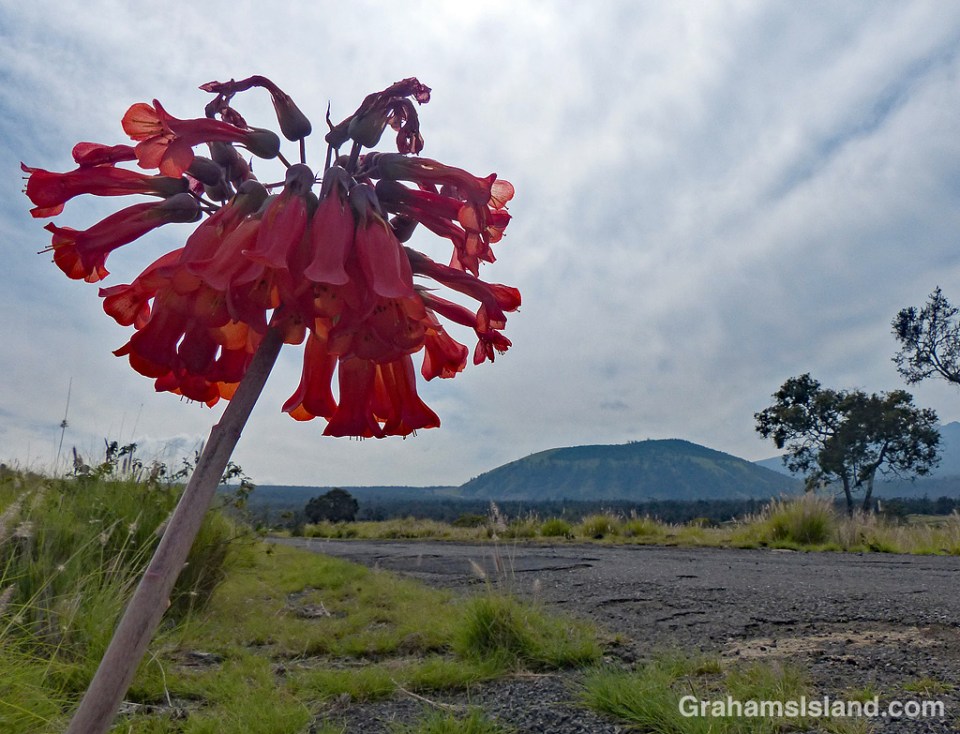
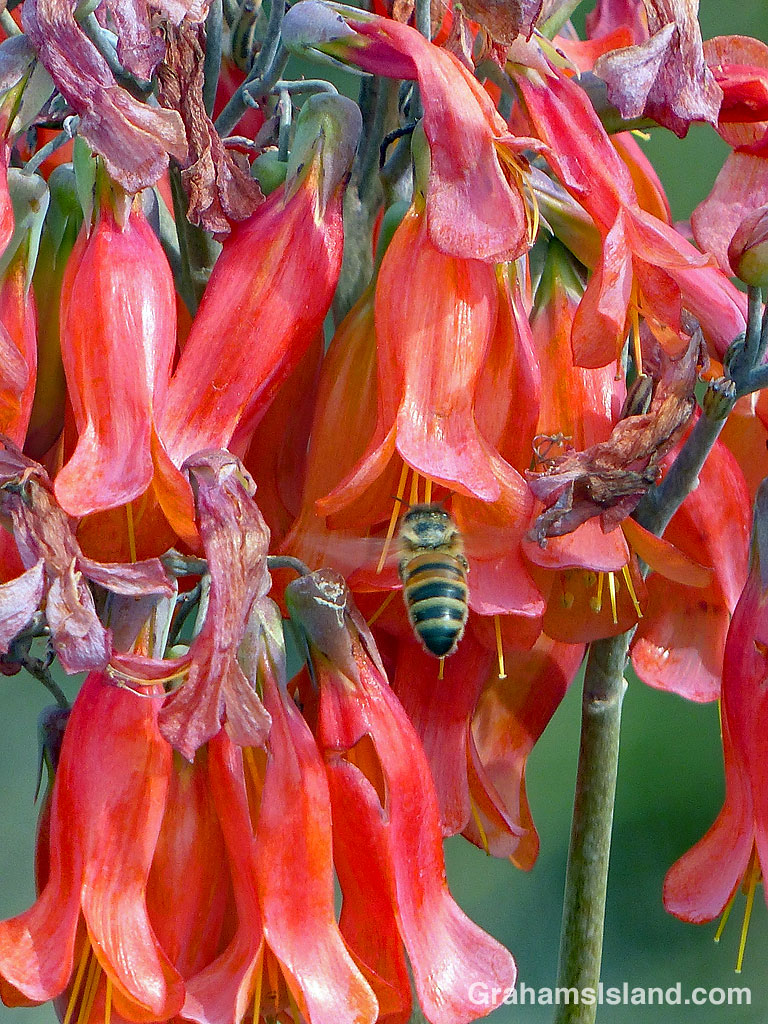 This bryophyllum is probably bryophyllum x houghtonii, but there are several similar looking varieties of bryophyllum. Their common names are telling, however. Bryophyllum x houghtonii is known as ‘hybrid mother-of-millions.’ Common names for other bryophyllums include ‘mother-of-millions,’ ‘prolific mother-of-millions,’ and ‘mother-of-thousands.’
Such names make it no surprise that bryophyllums are invasive. They’re also poisonous to both livestock and humans, which is problematic since these photos were taken at Pu’u Wa’awa’a, in an area occupied by sheep and cattle.
For more information about Pu’u Wa’awa’a and its trails, go to puuwaawaa.org.
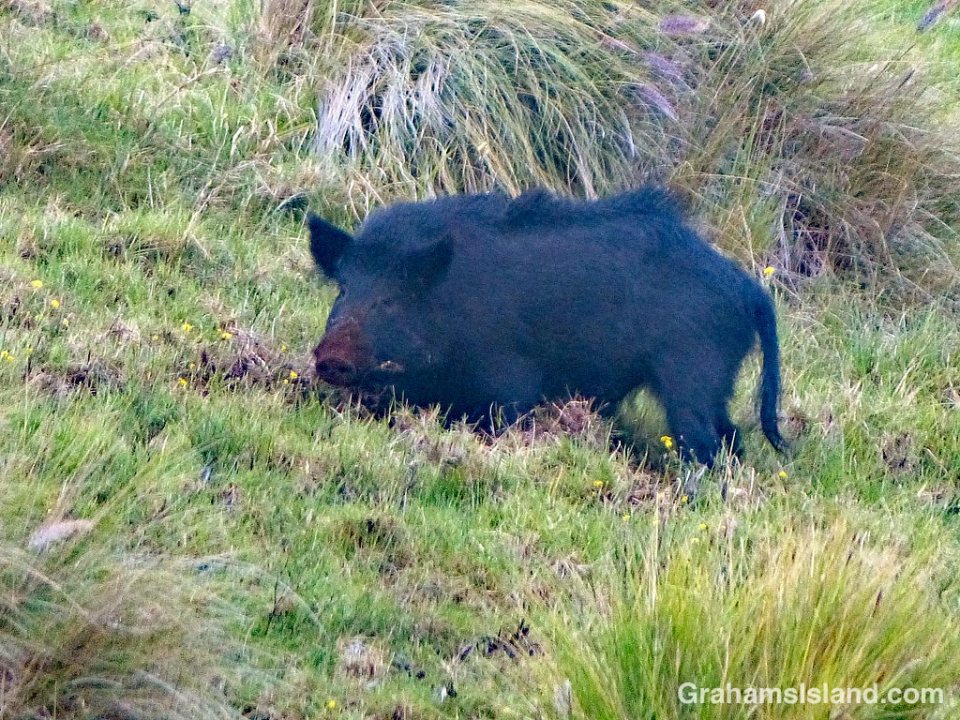
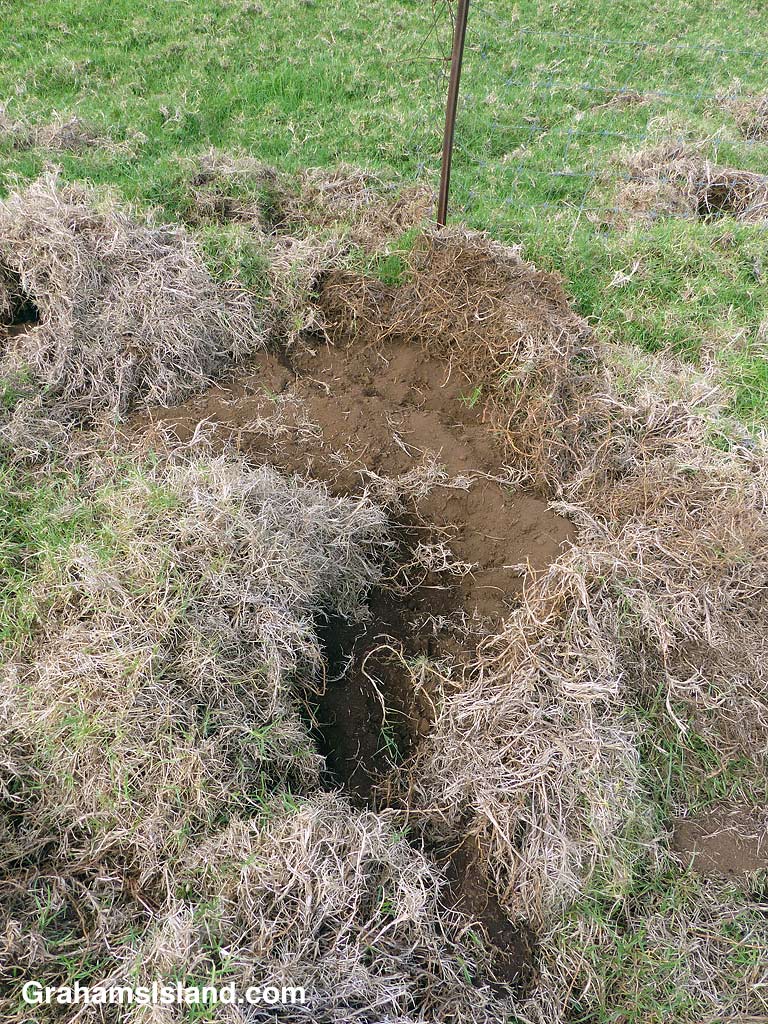 On an early morning hike at Pu’u Wa’awa’a, I saw this wild pig on the hillside above me. It was busy rooting around in the dirt, hence the brown snout. Wild pigs can do an enormous amount of damage in their foraging. The photo at right shows one of many areas alongside the trail that has been dug up by pigs. These areas are susceptible to erosion when it rains.
I was glad the pig was a ways up the hill as the other damage they can do is to people who get too close. Given the size of this one, I suspect I’d have come off second best.
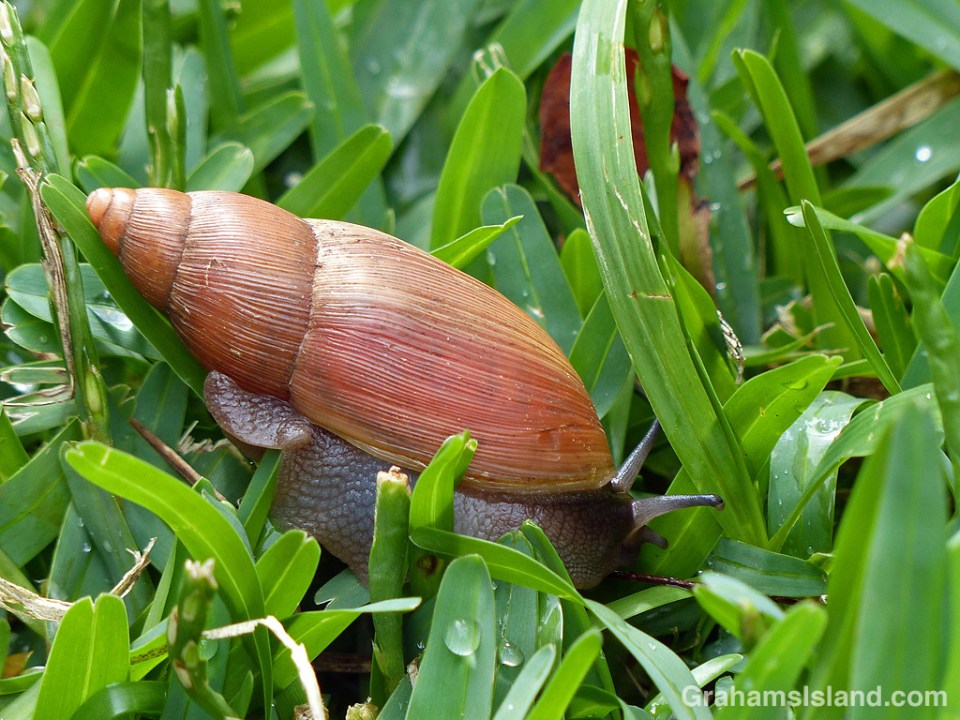
The rosy wolfsnail (Euglandina rosea) is a voracious predator. It devours other snails and slugs, and because of this trait, it was introduced into Hawaii in 1955 to control the numbers of invasive African land snails. Unfortunately, the African land snail grows to a very large size and, when it gets that big, the rosy wolfsnail wants nothing to do with it.
Instead, the rosy wolfsnail took a liking to the much smaller indigenous snails and proceeded to wreak havoc on their numbers. It’s now on the International Union for Conservation of Nature’s list of the top 100 worst invasive alien species in the world.

While on a hike south of Pu’uhonua o Hōnaunau National Historical Park, I saw this pair of large orange sulphur butterflies. They were flying around, joined together, before settling on this seed pod. I assume they were mating, though this discrete view is the only one I had of them.
To see what was going on on the other side would have involved thrashing around in some nasty-looking brush. This would have added to the usual assortment of lacerations that I seem to acquire on a daily basis, and would undoubtedly have caused the butterflies to take to the air again. So I let them be.
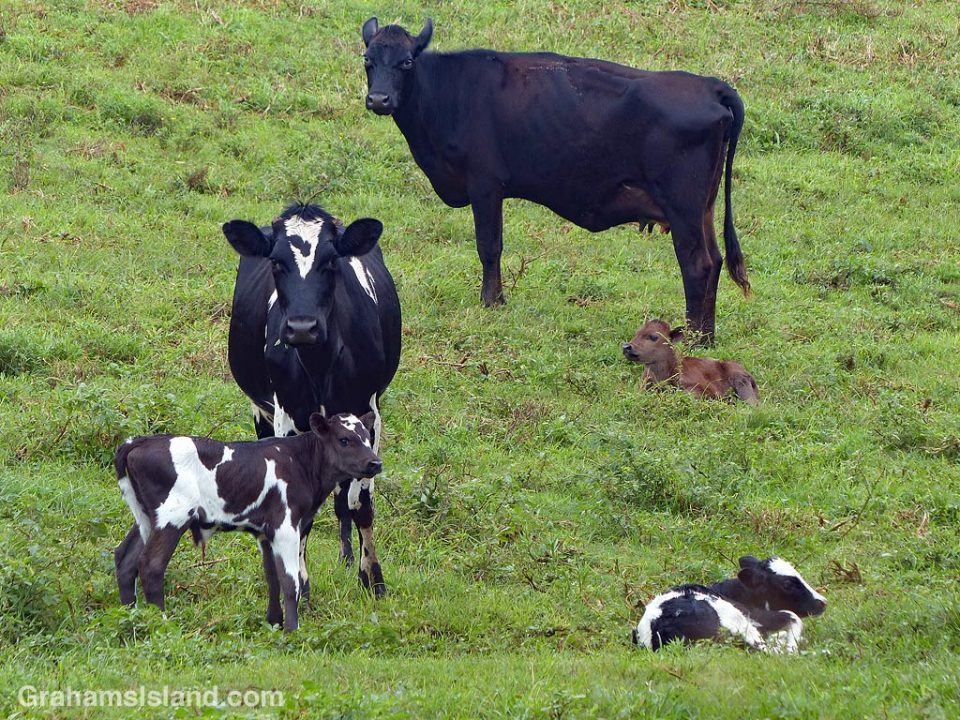
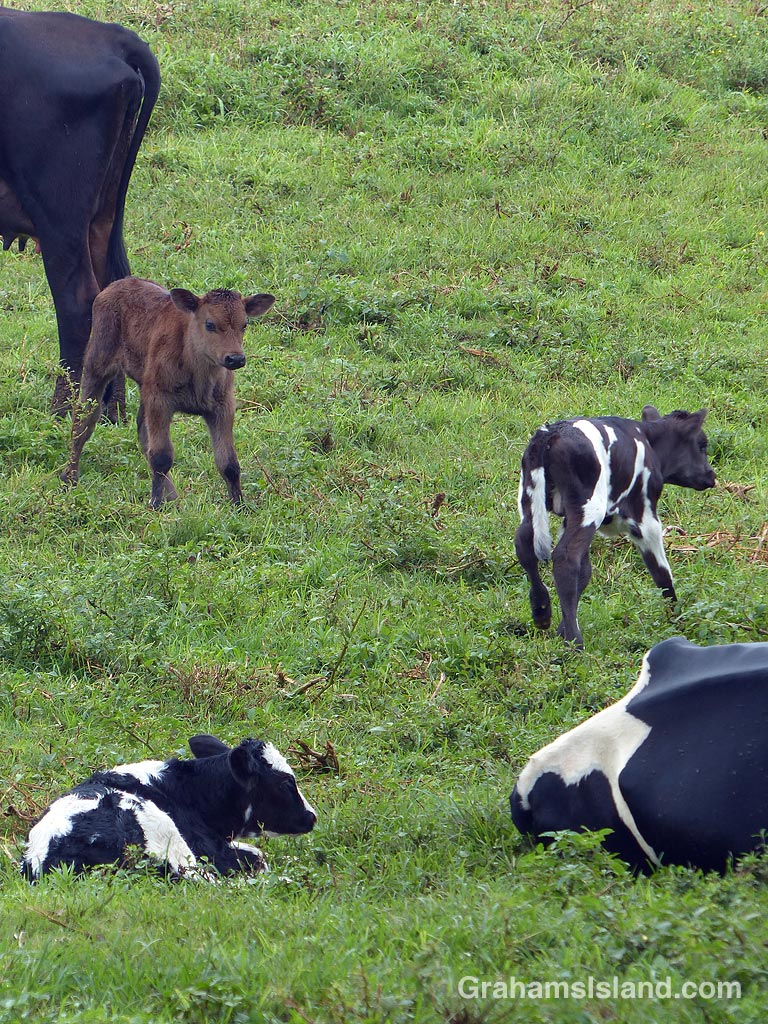 On my frequent trips to the coast near Upolu, I pass one of the two dairy farms on the island. As I go by I tend to look out for new calves, which I see quite often. On this day I came across this grouping and stopped to take photos. Actually, there were four new calves in the field, but the fourth was some distance away from this more social cluster.
New calves are quite endearing, especially when they first get up onto their wobbly legs, looking around as if wondering what the heck they’ve got themselves into. I’m also impressed by the mothers. It’s not unusual to see them pushing out their rather large offspring at one end while they continue to graze at the other. What fortitude!

 Graham's Island