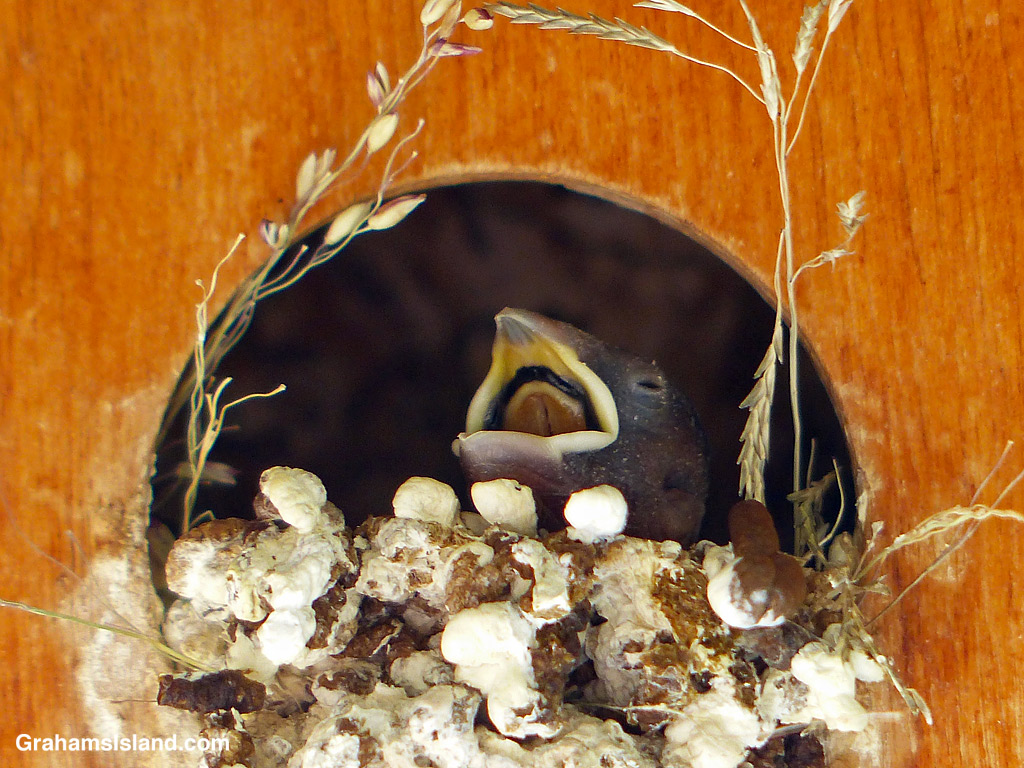

This week’s Sunday Stills challenge theme is ‘Feed the Birds.’ See more responses here.
I don’t feed the birds here, but they seem to have no trouble feeding themselves, with the notable exception of the one in the top photo. Here’s a selection.

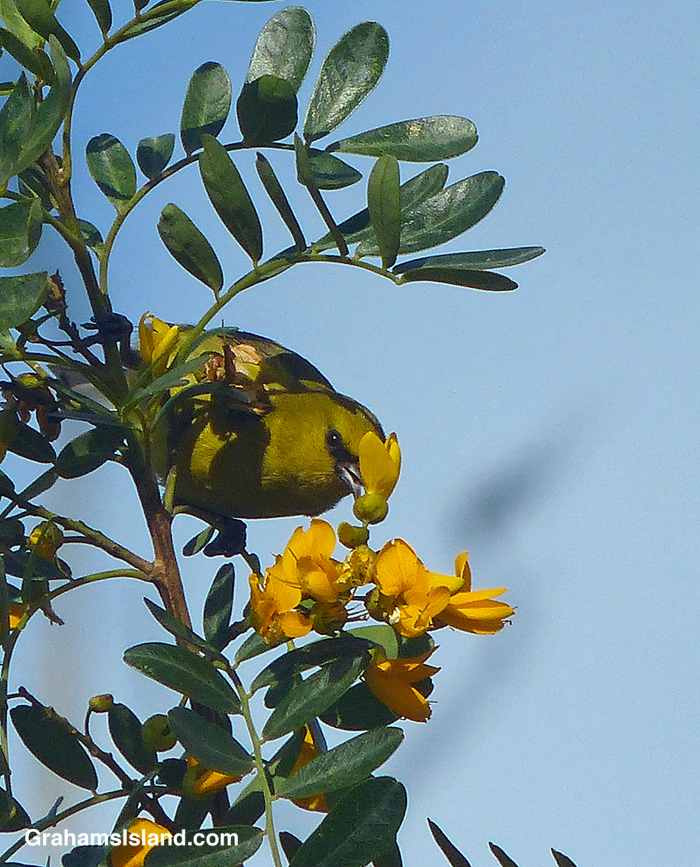
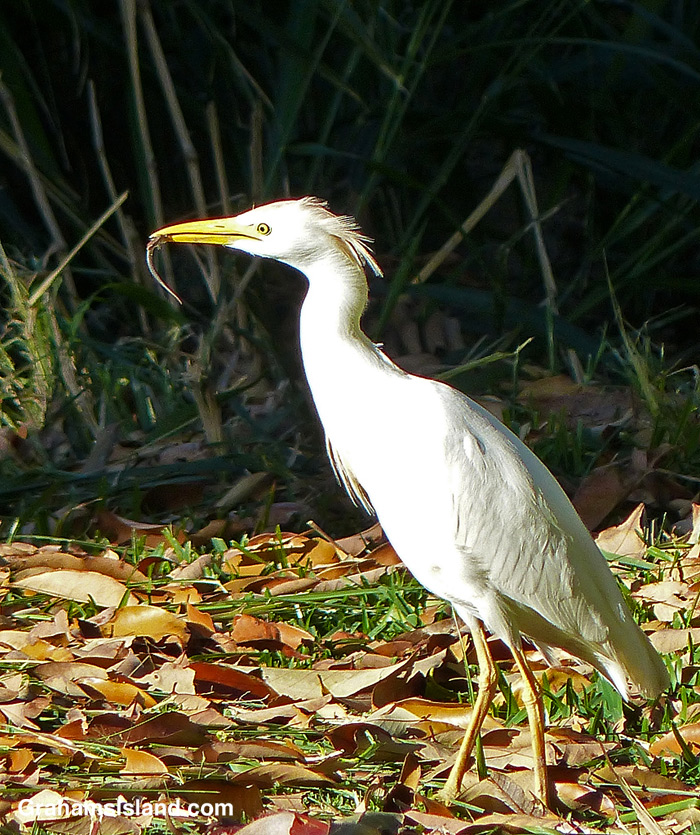
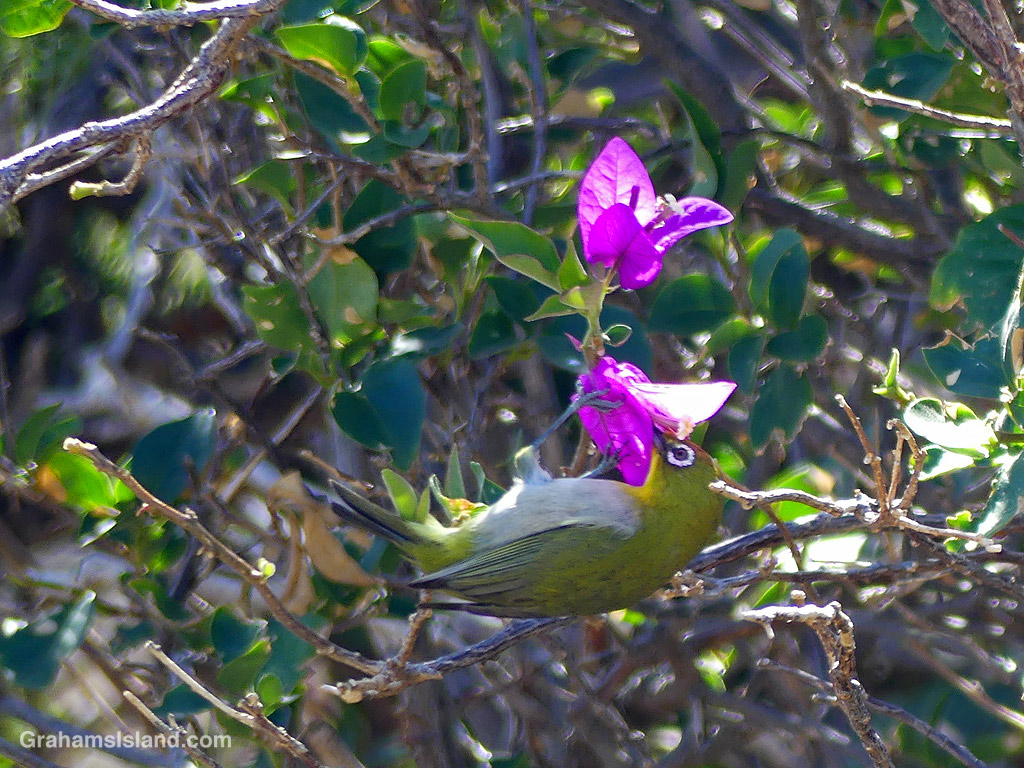

This week’s Sunday Stills challenge theme is ‘Feed the Birds.’ See more responses here.
I don’t feed the birds here, but they seem to have no trouble feeding themselves, with the notable exception of the one in the top photo. Here’s a selection.
The idea of The Numbers Game is to enter a number into the search bar and then post a selection of the photos that turn up.
This week’s number is 127. As with last week’s post, three of these photos haven’t run before.
You can see more responses here.
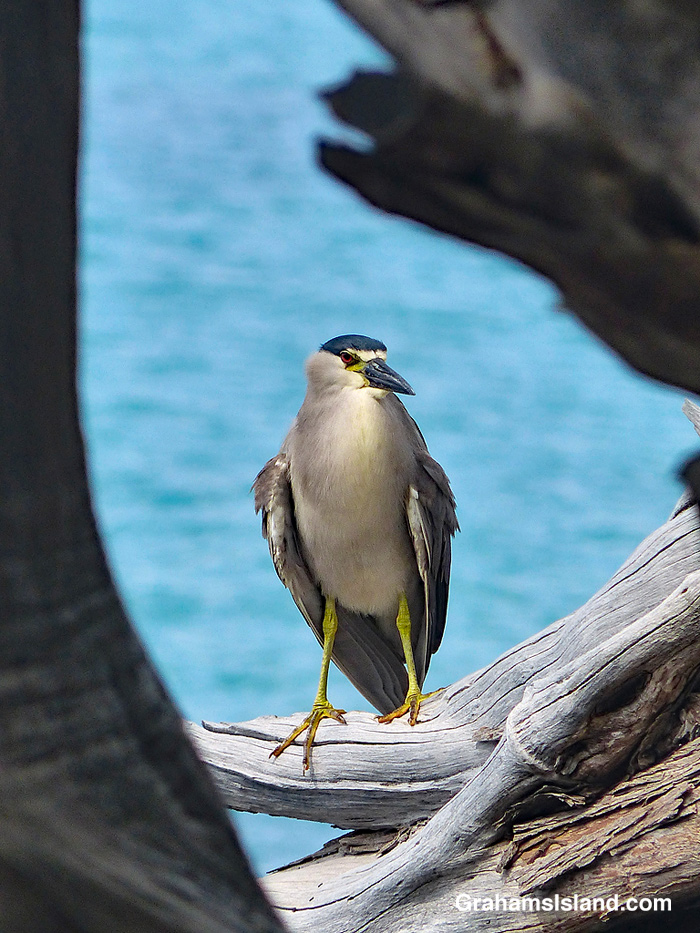
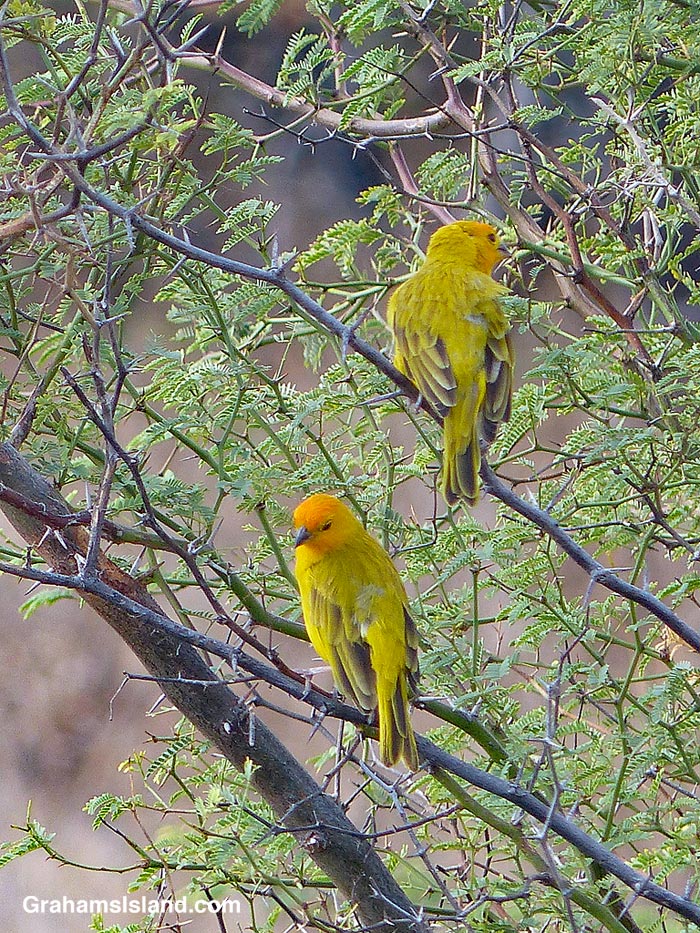
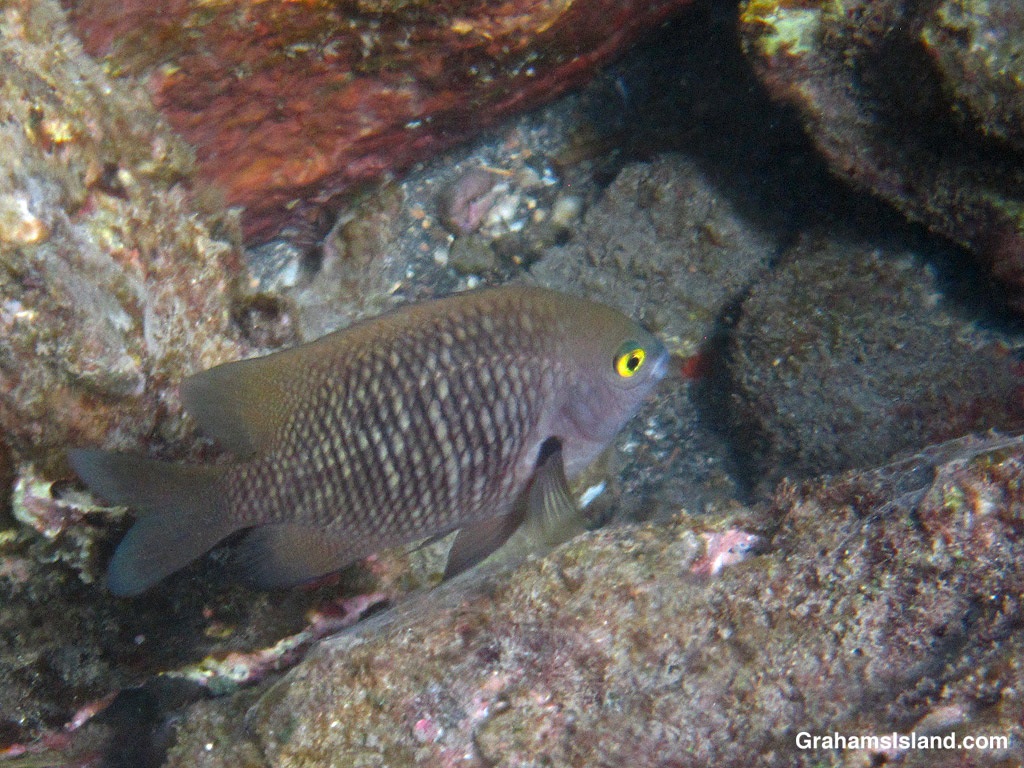


The Hawaii Elepaio is a small, endemic bird found only on the island of Hawaii, though it has close relatives on Oahu and Kauai. It’s found mostly in the higher elevation forests on the island. This one was on the Pu’u O’o Trail off Saddle Road, a good spot for seeing these birds, at an elevation of more than 5,000 feet.
The Elepaio is a member of the flycatcher family and feeds on insects it catches on the wing or by probing tree trunks and branches.
Posted for Bird of the Week XLVIII.


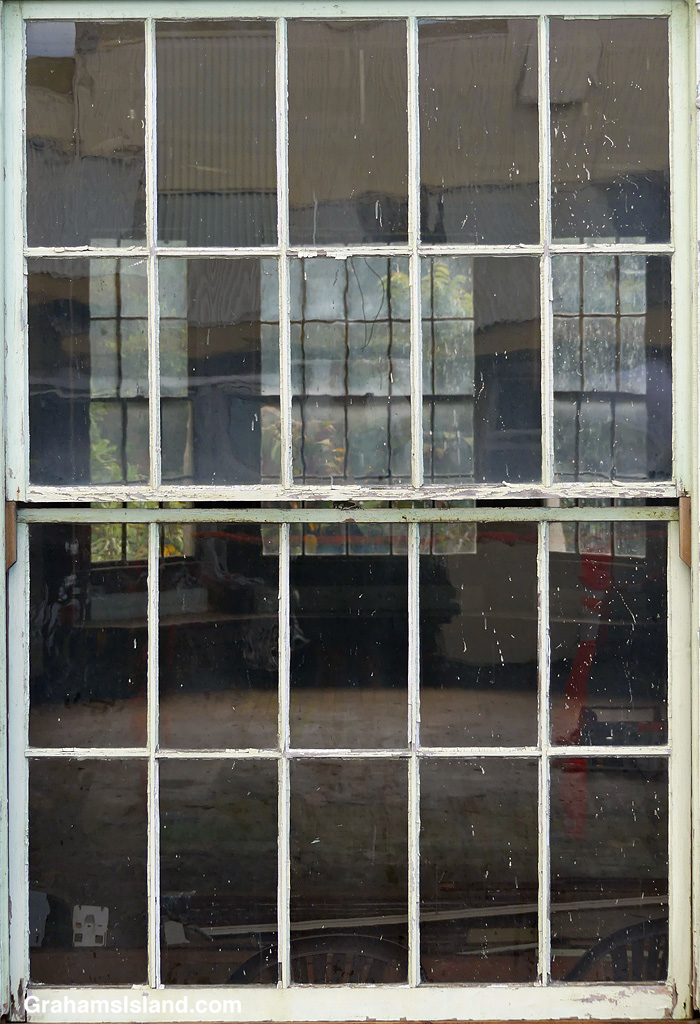
This week’s Sunday Stills challenge theme is ‘Through a Window.’ See more responses here.
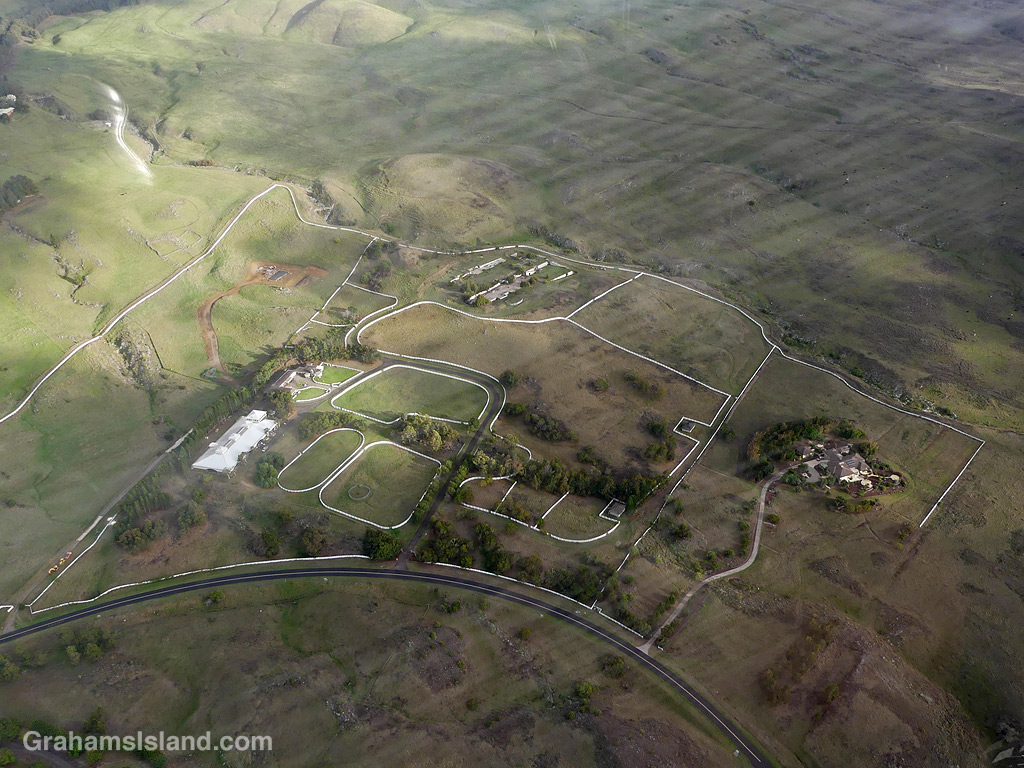
A variety of photos this week, with captions on the photos.




I was, so the least I could do was get a nice profile photo.


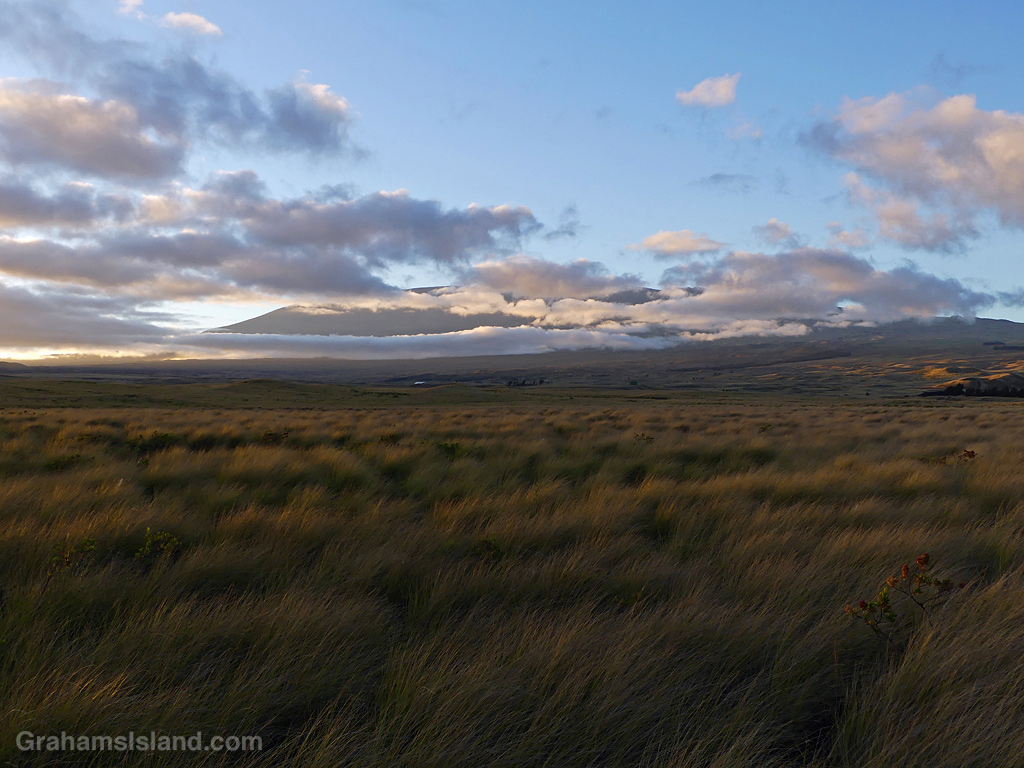
Sunday Stills challenge theme this week and last week is ‘Your 2023 Year-in-Review.’ See more responses here. As before, I’m going with a favorite photo from each month of 2023, with a caption and link to the post the photo first appeared in. Last week, I posted favorites from January through June. This week, it’s July through December.



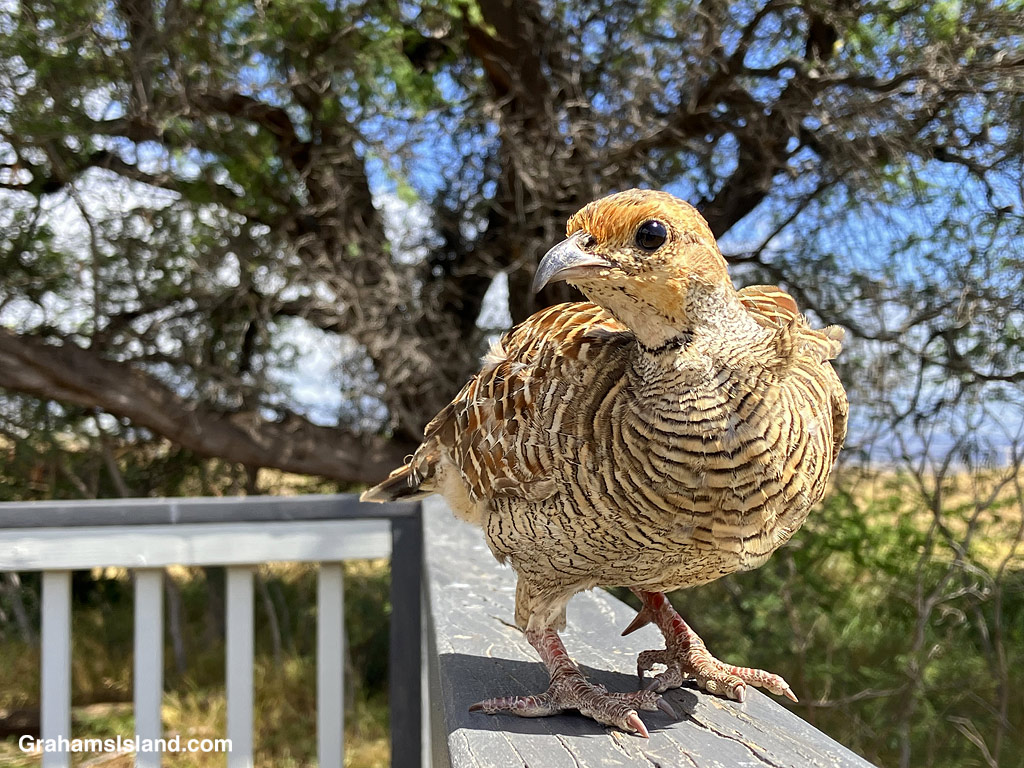
It’s not a Norwegian Blue Parrot, but I thought this hen’s feathers were quite lovely. This also marks eight years of daily posts on this blog! This could explain the hen’s expression!

This juvenile Yellow-billed Cardinal took full advantage this popular pool of water being temporarily unoccupied to have a thorough bath.


