Category Archives: Birds

One-eyed pueo

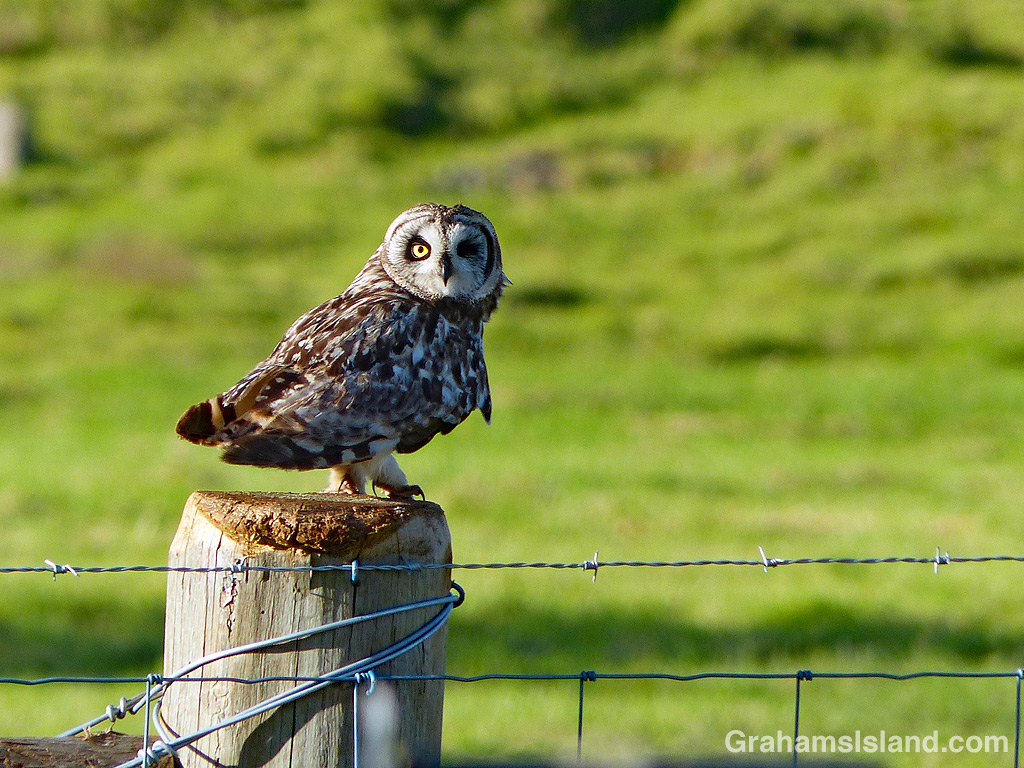
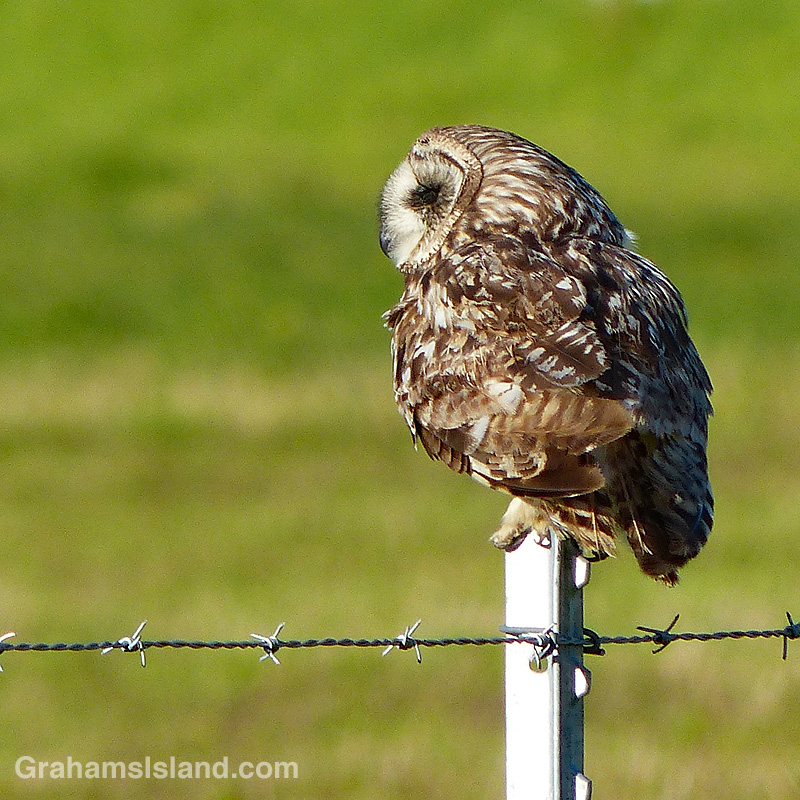
I saw this pueo (Hawaiian short-eared owl) near Waimea and pulled over to take photos. I watched and photographed it for 15 minutes or so and, at the time, I thought there was something unusual about it. Something didn’t seem quite right. But it wasn’t until I got home and looked at the photos that I realized what was up.

The pueo was missing its left eye. The eye socket seemed healed and the pueo didn’t appear to be in pain. Nor did it seem affected in its flying or behavior. In some ways this makes sense. Owls have great eyesight, but it’s their hearing that is truly extraordinary. They can pinpoint prey just by listening. However, in Hawaii, pueos are active during the day so one would think eyesight might be a more important sense than for nocturnal owls.

Either way, I felt a bit sad for the pueo, but I’m also keenly aware that nature isn’t all warm and fuzzy. And I’ve seen several creatures that have been significantly damaged in one way or another that seem to be doing fine despite their handicaps. Perhaps, from a Darwinian point of view, they’re not successful when it comes to finding a mate and breeding, so their genes are not passed on. I don’t know whether this is the case, but it’s certainly possible.

Regardless, I hope for the best for this pueo. Life for them is tough enough as it is without added challenges.

Posted in response to this week’s Sunday Stills challenge on the theme of ‘Unusual.’ (See more offerings here.)

White-faced ibis

I think this is a white-faced ibis. According to my bird book, Jim Denny’s A Photographic Guide To The Birds Of Hawai’i, it is an occasional visitor and all reports have been of juveniles or birds in non-breeding plumage. It also notes that it is very similar to the glossy ibis, but doesn’t include a listing for that bird in the book. So I’m going to stick with the white-faced ibis identity unless someone has a better idea.

This one was wading in the shallow of the lagoon behind the beach at Kaloko-Honokohau National Historical Park. The yellow float was one of several isolating an area where restoration work was taking place. The lagoon is a popular spot for many birds, both endemic and visiting.

For more information about Kaloko-Honokohau National Historical Park, go to https://www.nps.gov/kaho/index.htm or bigislandhikes.com/kaloko-honokohau-park/.

Flying frigatebirds

This week’s Friendly Friday challenge theme is ‘Looking up.’ See more responses here.

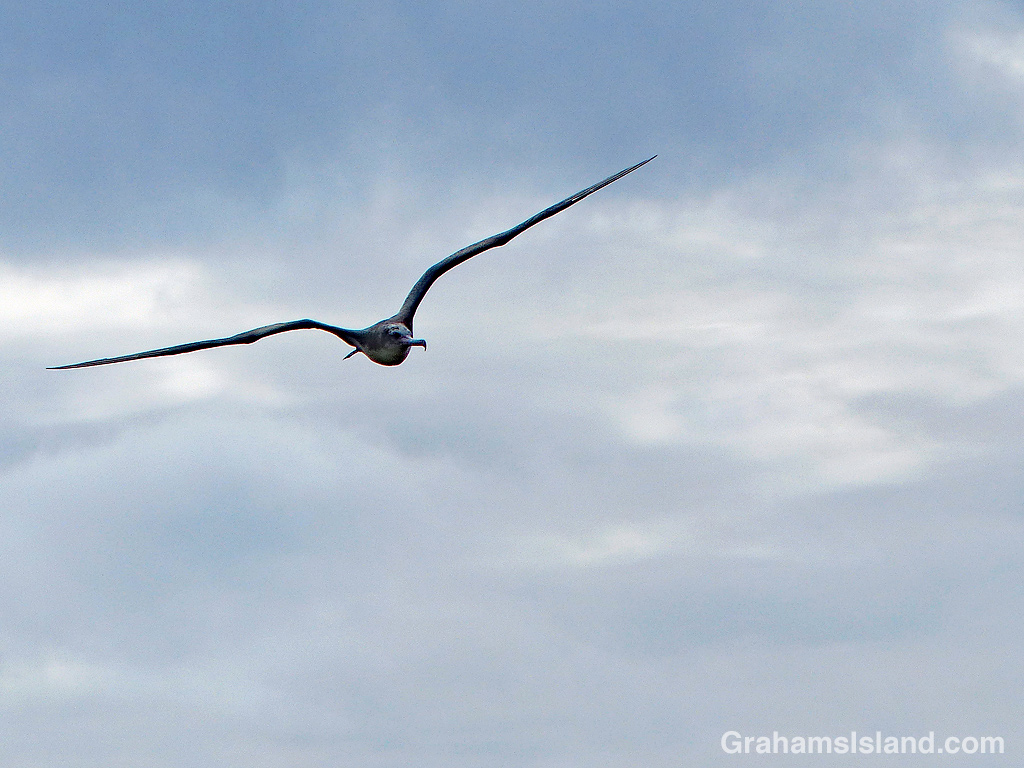
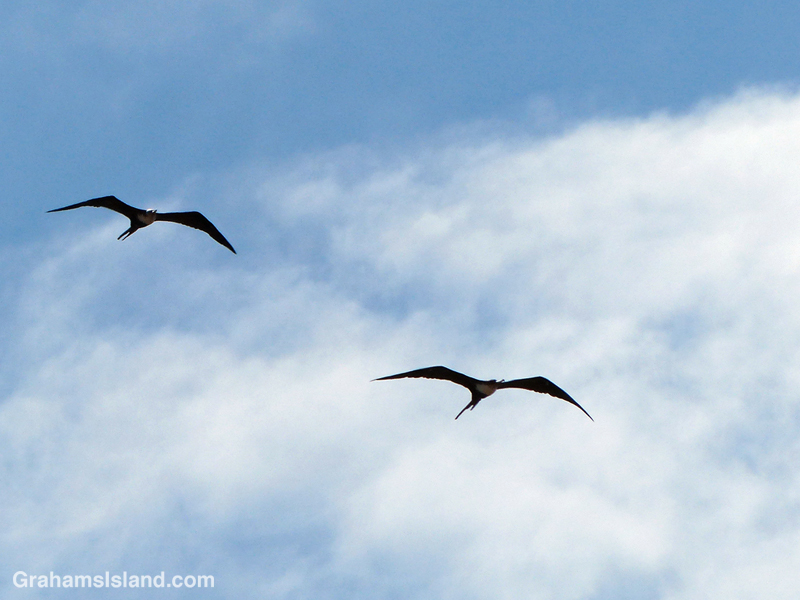
Birds were my first thought for this theme since I spend a fair amount of time gazing skyward, either looking for birds or following their flight. While I had several options of which birds to feature, great frigatebirds seemed an obvious choice for three reasons.

First, they fly with no apparent effort, using the wind currents to glide along, even into strong winds. Second, they’re big, imposing birds, which catch the eye as they soar overhead. And third, they are forever sneaking up on me, easing up from behind so that I don’t see them until they’re alongside, and by the time my camera is out, they’re disappearing into the distance.

Great frigatebirds are pretty easy to identify thanks to their size, their distinctive wing shape and their forked tails. The wickedly hooked beak is another distinctive feature.

Japanese white-eye on Japanese aloe

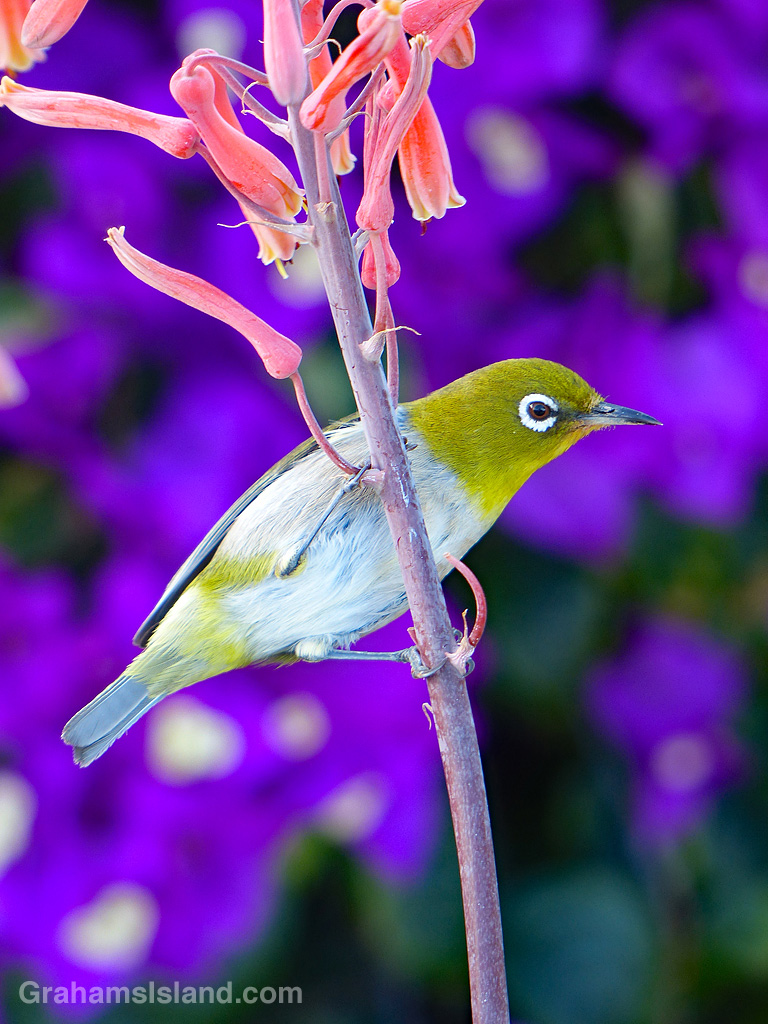
This week’s Friendly Friday challenge theme is ‘Mood.’ See more responses here. For me, mood elevation often comes in the form of interactions with nature. Anything from bugs to birds, fish to flowers, can leave me in a better mood.

I had been watching Japanese white-eyes visiting Japanese aloe flowers on a daily basis. But I was really happy to capture one, perching on a stem, with purple bougainvilleas in the background.

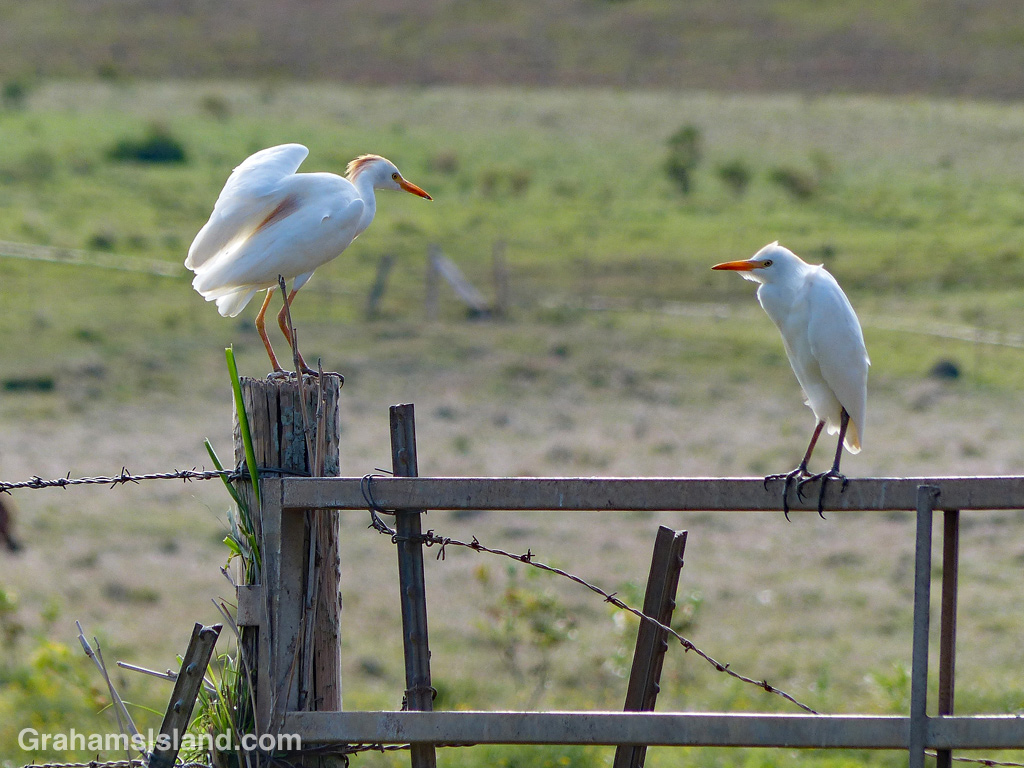
Cattle egrets on a gate

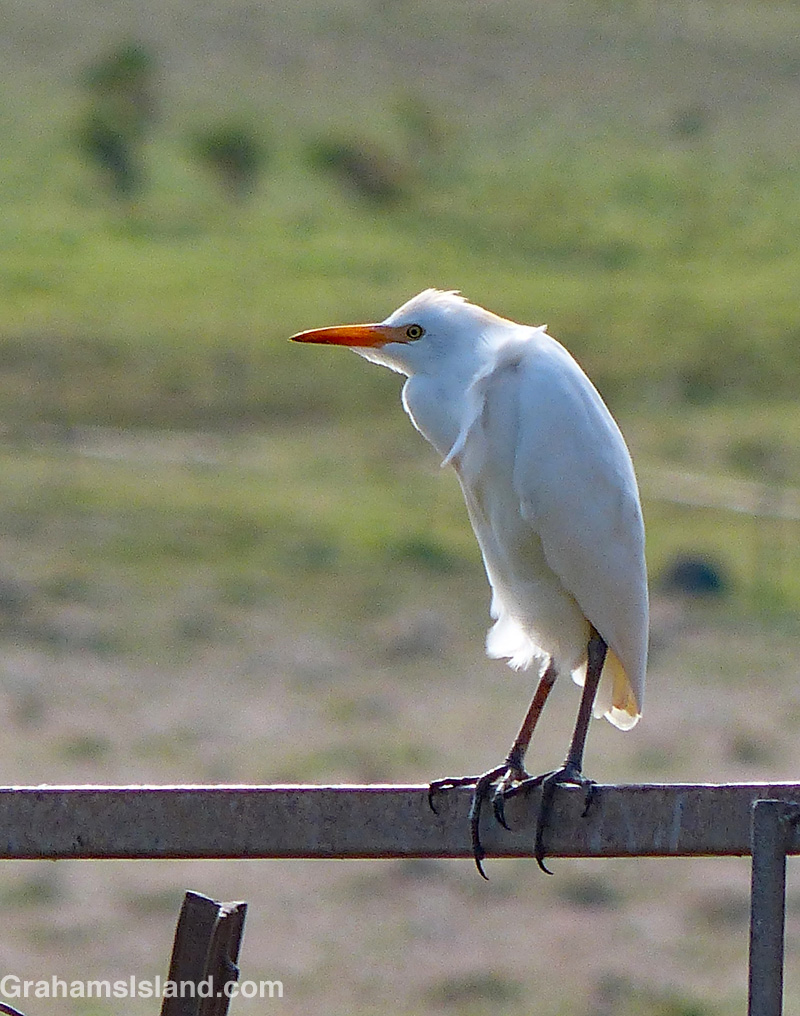
This week’s Sunday Stills challenge theme is ‘Gate.’ (See more offerings here.) I remembered these two cattle egrets, on a gate separating two cattle pastures. I like how the birds seem to be engaged, like a couple of neighbors talking over the garden fence, or in this case, on the fence.
Also, I like the feet of the bird perched on the gate. Makes me feel like my feet are positively dainty!

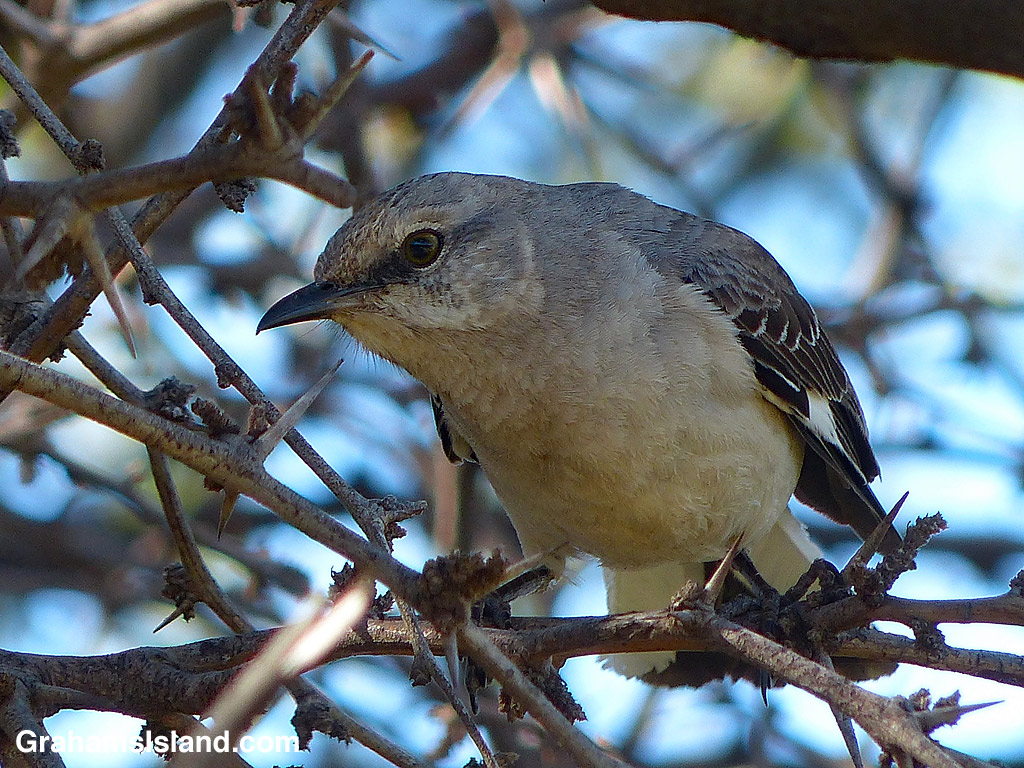
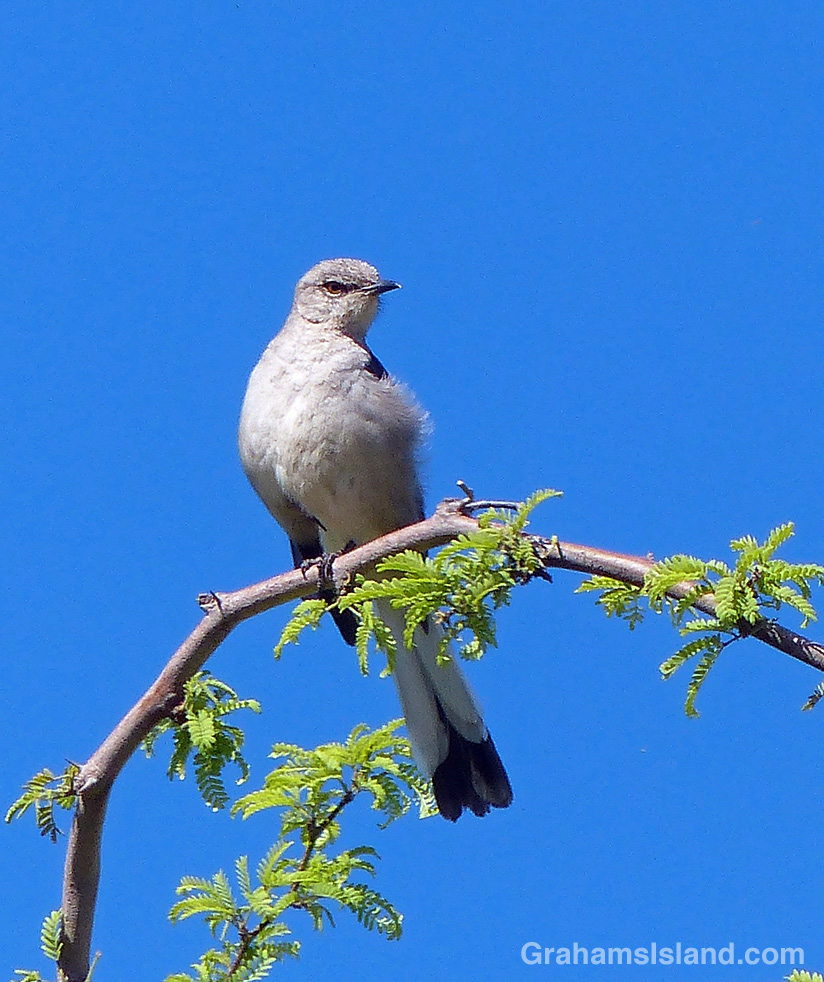
Northern mockingbird

The northern mockingbird arrived in Hawaii in 1928 and is quite common now. It is most easily seen when it perches at the top of a tree and sings, as in the photo to the left. Later, this one descended into the heart of a kiawe tree where it looked out from the tangle of branches and thorns.

Erckel’s francolin

Erckel's Francolin

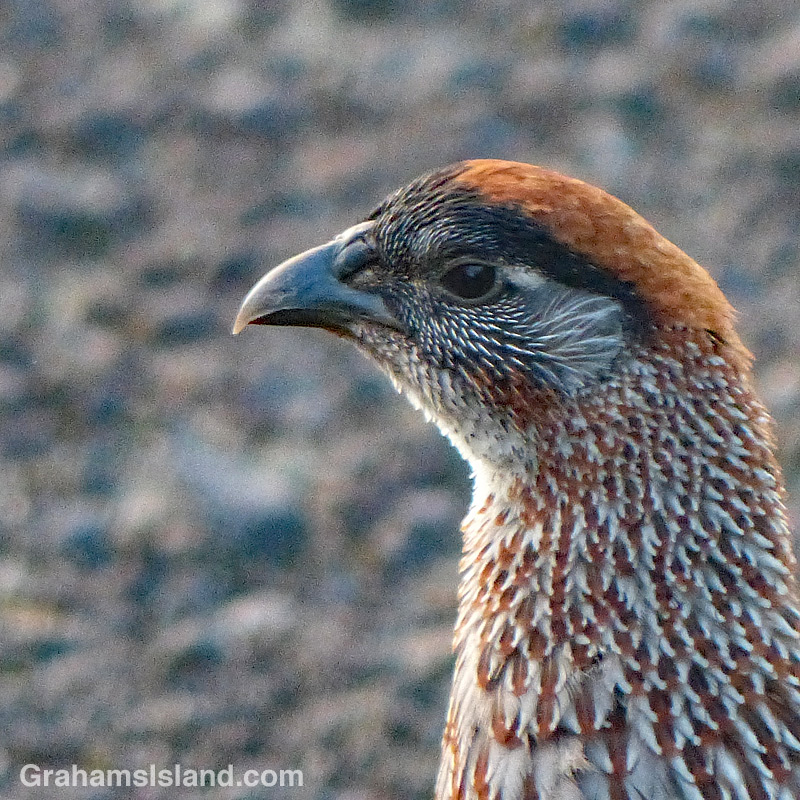
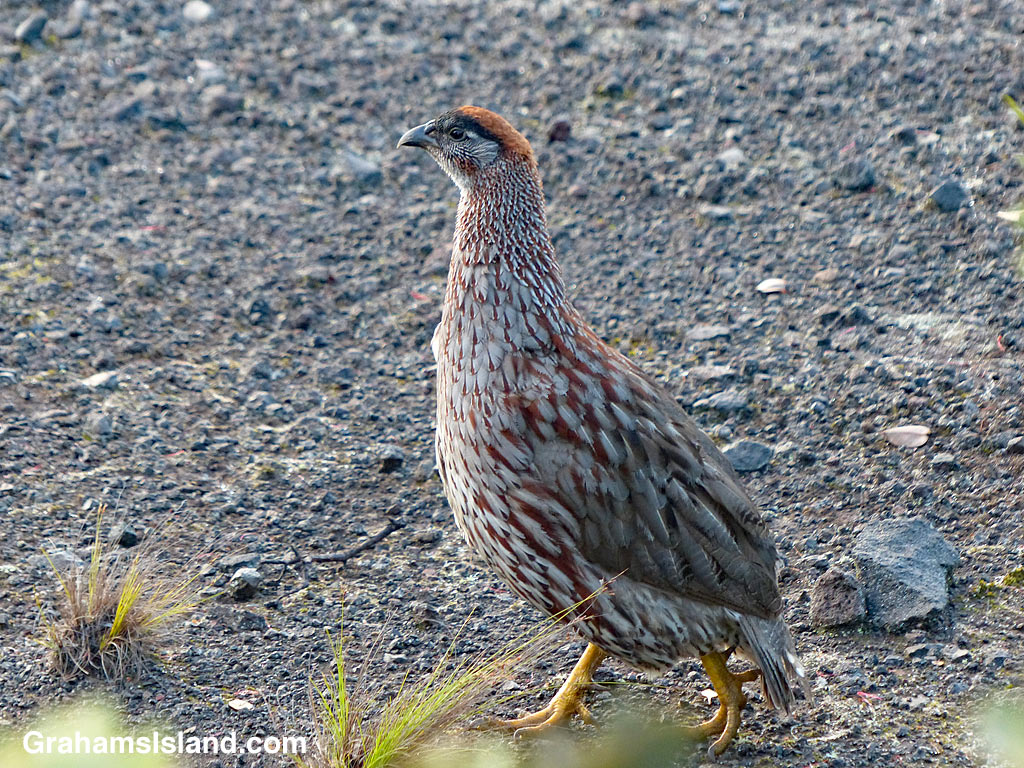
Erckel's Francolin closeThere are three kinds of francolin in Hawaii, the grey francolin, black francolin, and Erckel’s francolin. All are introduced game birds. Of the three, the Erckel’s francolin is the largest. It’s native to North Africa and was brought to Hawaii in 1957. It’s distinguished, not just by its size, but by its bold markings and chestnut crown.

This one was at Hawaii Volcanoes National Park. For more information about Hawaii Volcanoes National Park, go to nps.gov/havo/.