
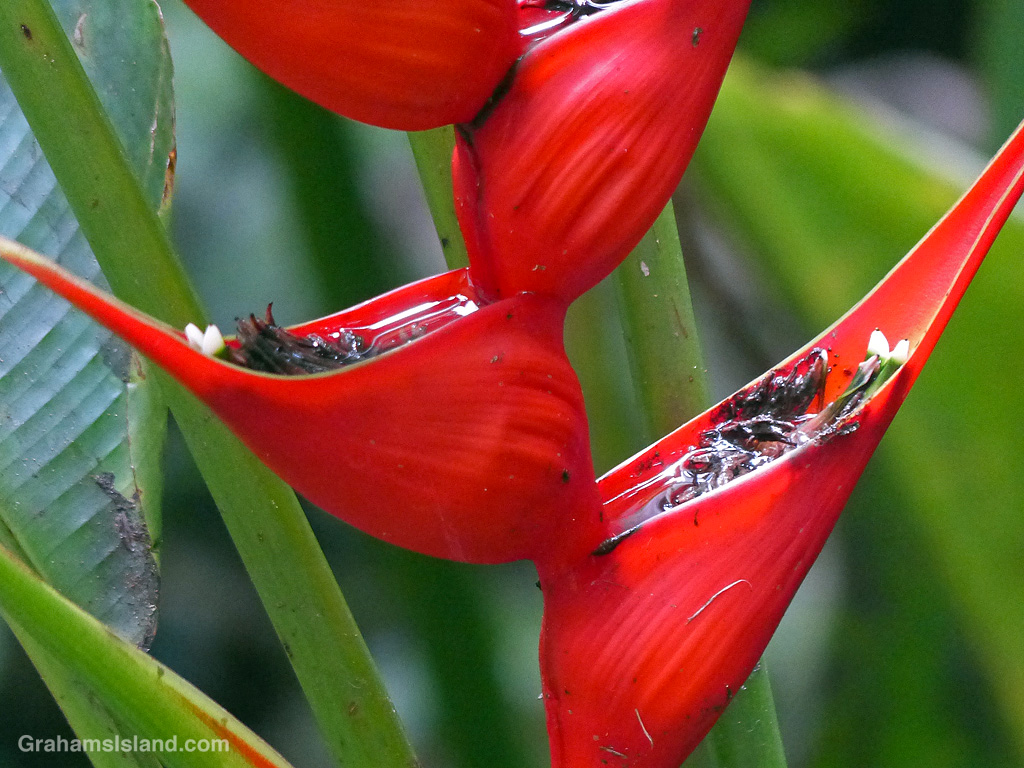
When it’s a bird! This Red Button Ginger certainly looked like a bird, and it was taking a bunch of ants along for the ride.

When it’s a bird! This Red Button Ginger certainly looked like a bird, and it was taking a bunch of ants along for the ride.
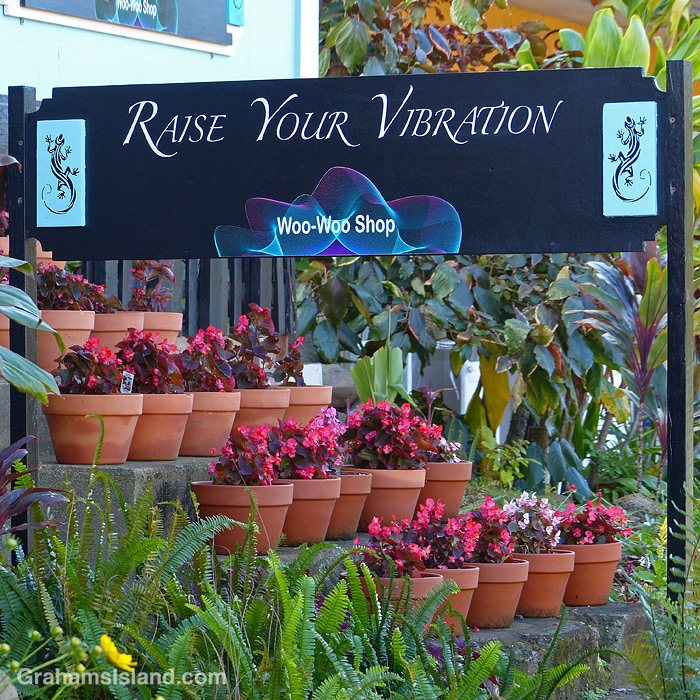
While walking through Hawi, I noticed that a new store has opened. I liked the sign out front as well as the rows of colorful potted flowers.


I couldn’t resist returning to the Agave Attenuata currently blooming in the yard. On this occasion, I was watching a gecko buried in the flower when one of the bees that have been collecting from the flowers came into the frame.
The gecko looked decidedly unimpressed by the bee’s proximity, and relieved when it disappeared.
Posted for Becky’s Squares theme of “Walking” (See more responses here).

One of the Agave Attenuatas in my yard is currently blooming, the first one here to do that since I’ve lived here. Because of this, when I walk around the garden, I’ve been paying particular attention to this plant. Bees have been busy in the vicinity, but geckos have been equally drawn to the goodies on offer.
Here, a Gold Dust Day Gecko licks one of the unopened flowers. Not sure if it was after moisture, something sweet, or some of the numerous aphids that have can be seen on the plant.
Posted for Becky’s Squares theme of “Walking” (See more responses here).

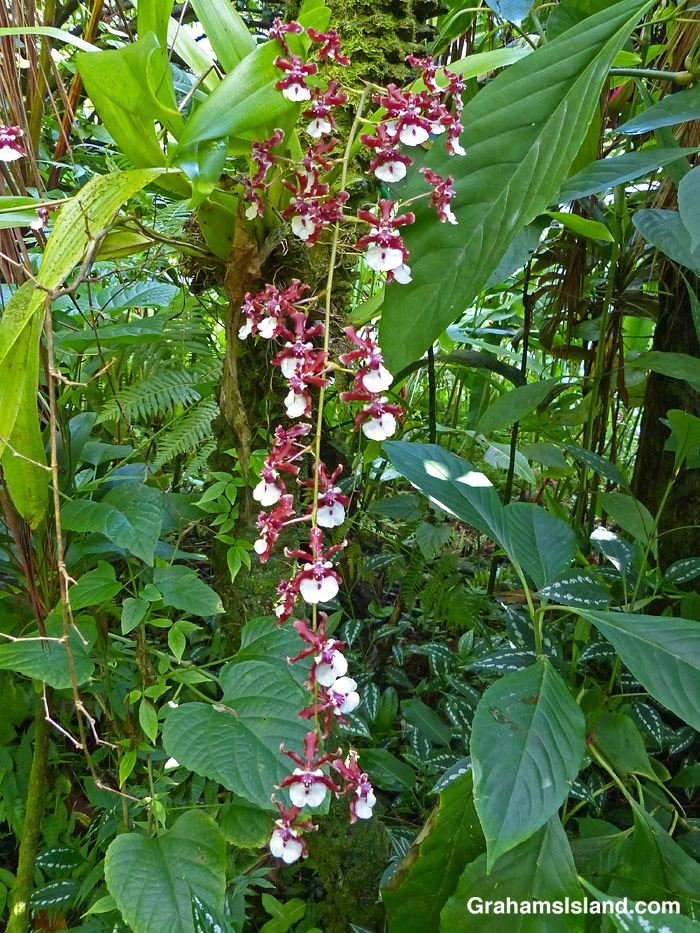
On my last walk around Hawai’i Tropical Bioreserve & Garden I saw this Oncidium Orchid, which goes by the name of Sharry Baby. I’ve seen this before, but this was the first time I’ve noted the feature it’s most renowned for, which is its strong chocolate scent. It was really quite remarkable, but I restrained myself from ripping the flowers off and chewing them there and then.
Posted for Becky’s Squares theme of “Walking” (See more responses here).
For more information about Hawai’i Tropical Bioreserve & Garden, go to htbg.com.
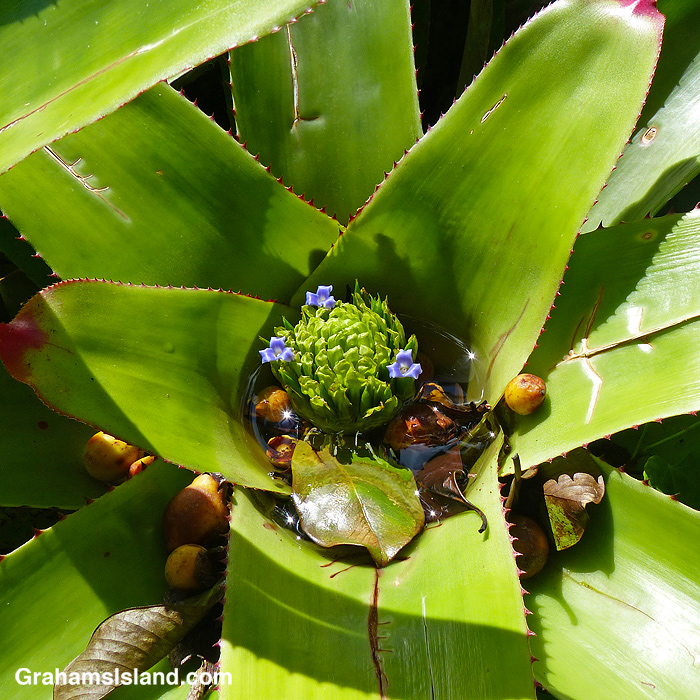
Many people collect plants, but some plants are collectors, too. On my last visit to Hawai’i Tropical Bioreserve & Garden it had recently rained. This bromeliad (above) and heliconia (below) had collected, not only water, but also an assortment of vegetation. There might even be a fish in there somewhere!
For more information about Hawai’i Tropical Bioreserve & Garden, go to htbg.com.
Posted for Becky’s Squares theme of “Walking” (See more responses here).

Yesterday, I posted about Aphis nerii aphids descending on a Hawaiian Crown Flower (Calotropis gigantea). After they were gone the plant continued to do well for a day or two. Then holes started to appear in the leaves and arcs along the edges.
Closer examination revealed a couple of tiny Monarch Butterfly caterpillars munching their way around the leaves. The Crown Flower is a favorite host for these caterpillars, so this wasn’t a surprise. We were also keen to provide an area for the Monarchs to thrive in. So we let the caterpillars be and monitored the situation.
What happened, not surprisingly, is that the caterpillars grew quickly. As they did so, the leaves of the plant diminished accordingly. I was gone for my weekend, and when I returned, the caterpillars had more than doubled in size. The plant though looked like someone had gone at it with a machete. We wondered if the caterpillars would devour the whole thing before they pupated.
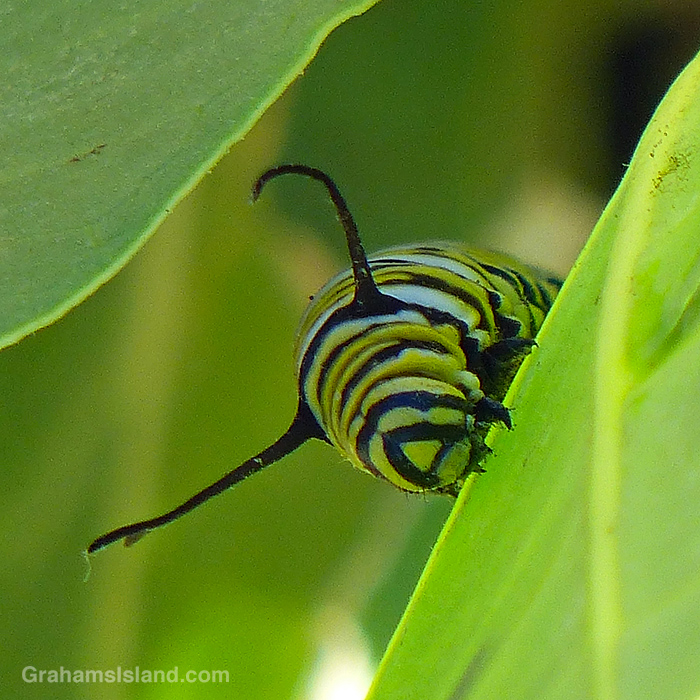
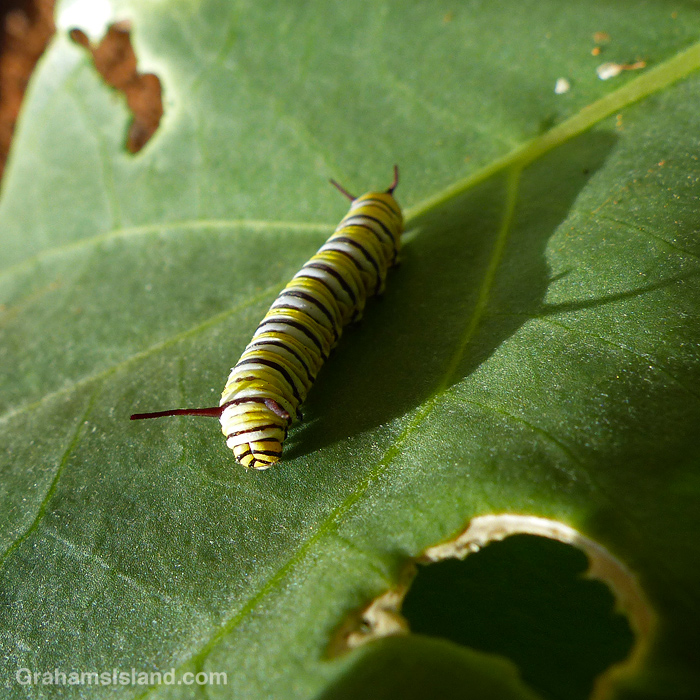
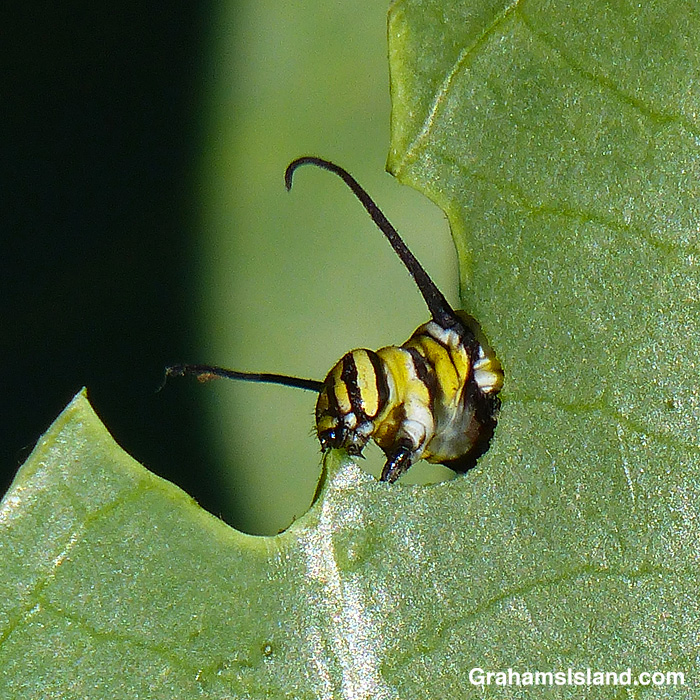
When I returned to work after another weekend, the caterpillars were gone. As the Crown Flower was food for the caterpillars, so it appeared, the caterpillars were food for the numerous birds in the area.
The plant will likely recover from its ravishing and, once it’s bigger, it might be better able to accommodate the attentions of these caterpillars and in turn provide more cover for them from the birds. Or not! I will monitor the situation.
Posted for Becky’s Squares theme of “Walking” (see more responses here).
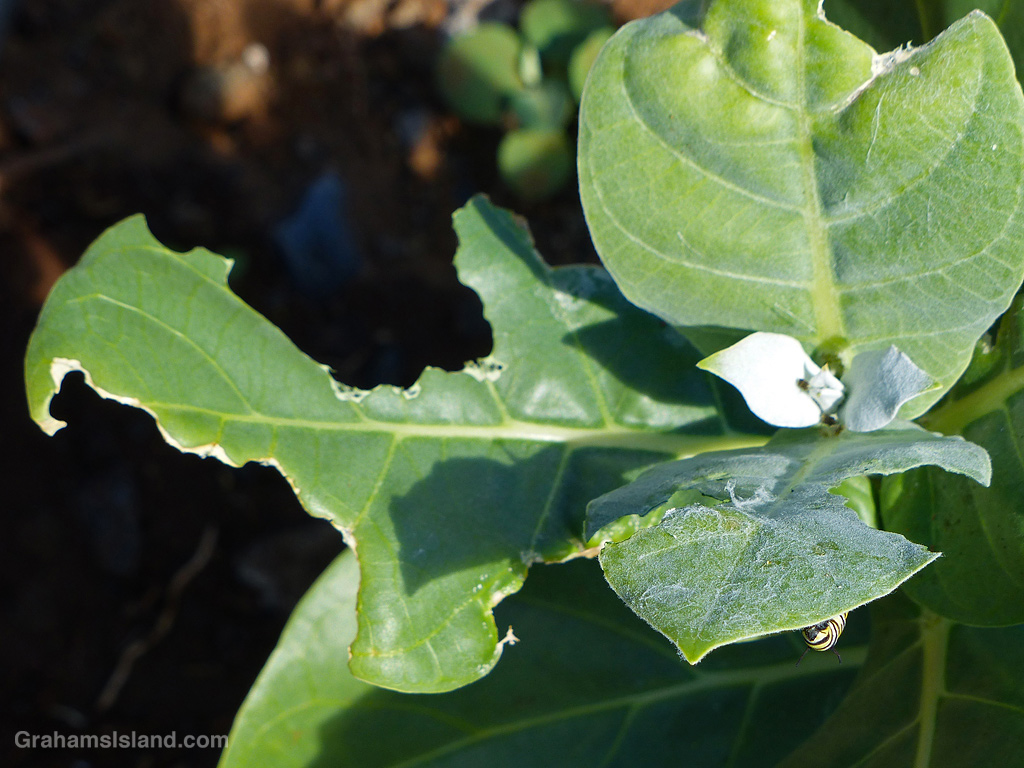
I like hiking, as indicated by my last few posts, but I’m equally happy with a walk around the yard, at home or at work.
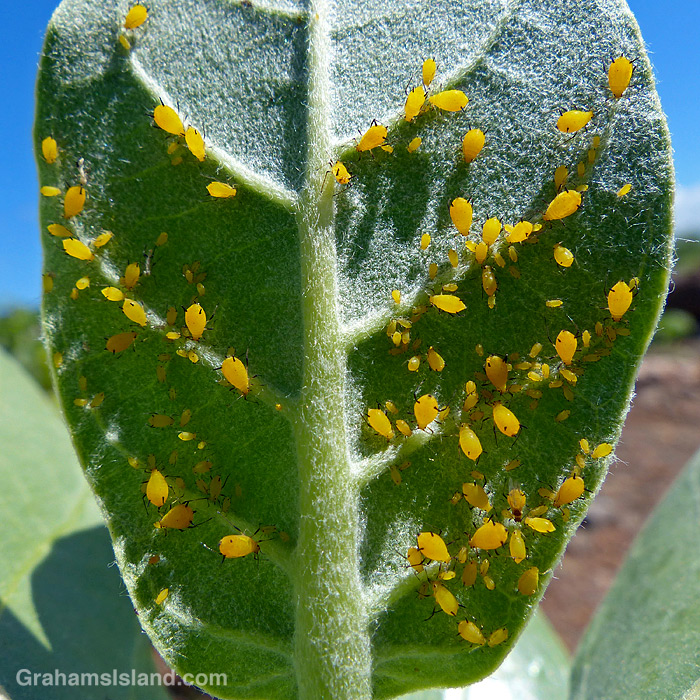
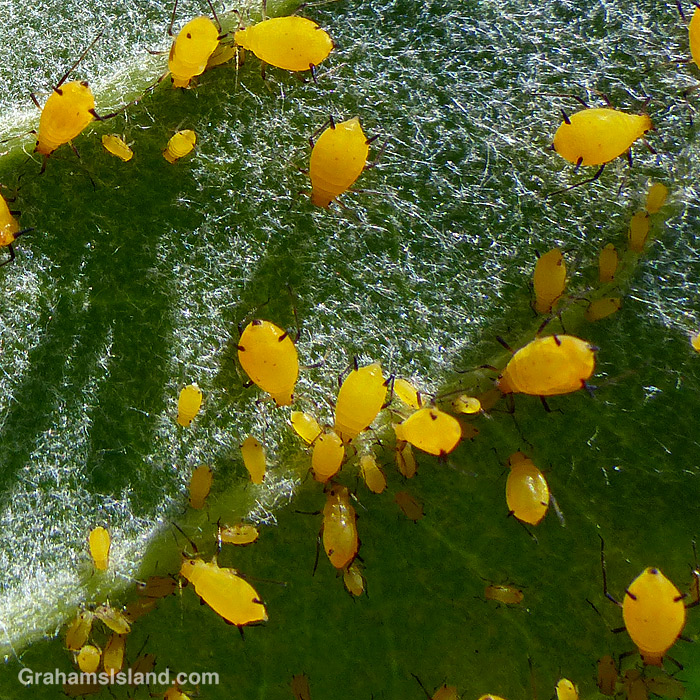
Recently, we planted a Hawaiian Crown Flower (Calotropis gigantea) at work. This was a stick with two small leaves on top. The two leaves dried up and the stem turned brown. It looked doomed, but then new leaves popped out near the bottom and the plant took off. New leaves every day, steady growth.
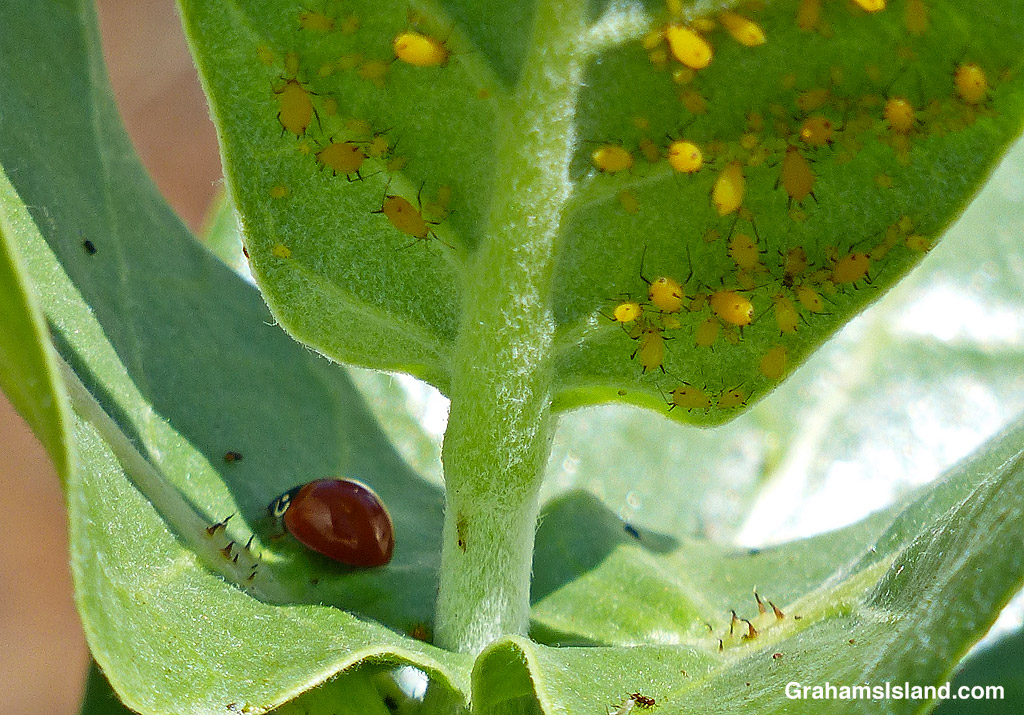
Then one day these showed up, little yellow drops, like tiny lemon candies. Close examination revealed legs and heads. Aphids! I think these are Aphis nerii, otherwise known as the Oleander or Milkweed aphid. These little sap suckers can do a lot of damage so we hosed them off, though I doubt the ladybug in the bottom photo was best pleased since aphids are a tasty meal for them.
Still, with the aphids gone, the plant continued to thrive until … (to be continued)
Posted for Becky’s Squares theme of “Walking” (See more responses here).
 Graham's Island