Category Archives: Plants

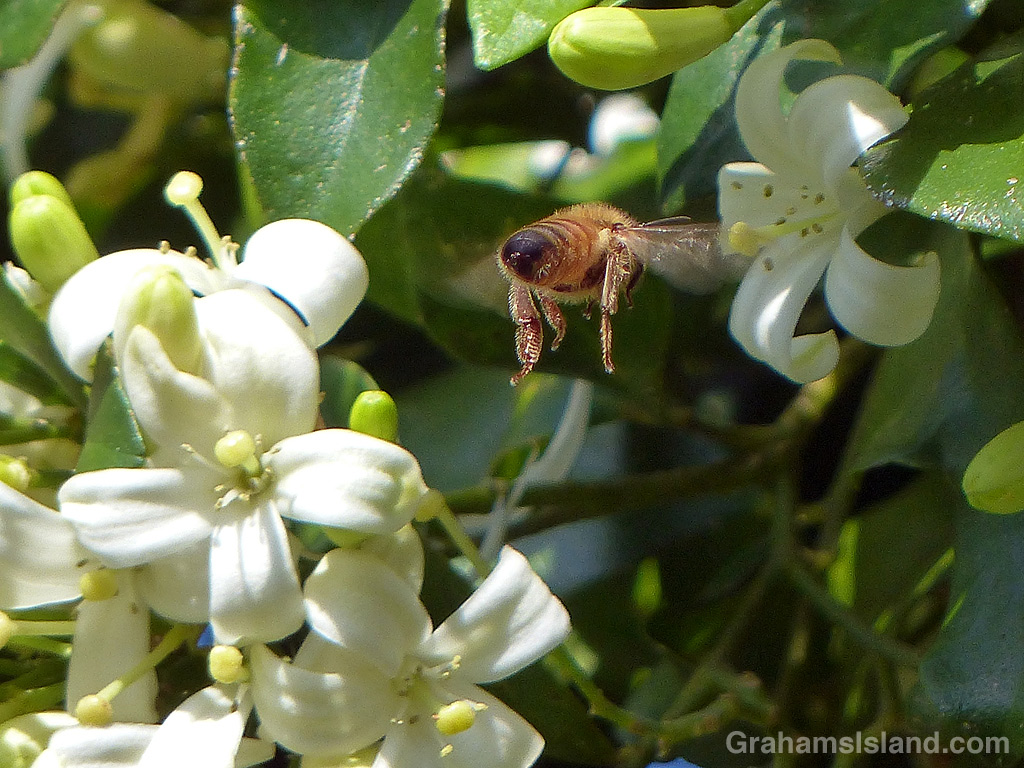
Bee on mock orange

A bee approaches a mock orange flower.A bee on a mock orange flower.

There’s a large mock orange in the corner of the yard that blooms three or four times a year. Sometimes just a section produces flowers. Other times, the whole plant turns creamy white. I do notice the blossoms, but what usually alerts me to a new bloom is the scent. A breath of air in the right direction and the house fills with the aroma of mock orange.

The most recent bloom encompassed the whole plant and also highlighted another of the plant’s attention-getters. It hums. It’s not unusual to wake up and, once the din of roosters and cardinals and francolins have been weeded out, a steady background hum takes over. This is the bees working over the mock orange flowers.

The blooms last only a few days. When the wind blows, which it does often here, the white petals fall to the ground like snow. But while this latest bloom occurred during a calm spell, still the snow fell. When the flowers first began to fade, the bees continued to pile in and their busy harvesting knocked the petals off.

Now the plant is a quiet, glossy green again. The blooms are gone, the bees are gone, the scent is gone, this temporary frenzy over in a week. Until the next time.
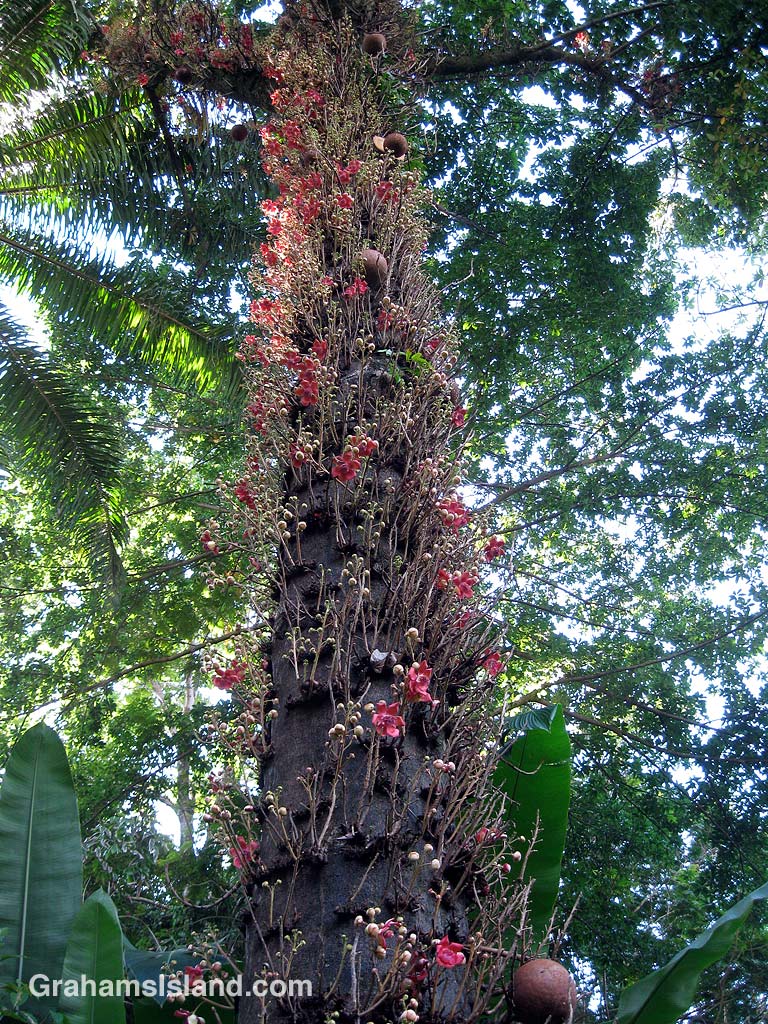
Cannonball tree

The cannonball tree (Couroupita guianensis) is pretty distinctive.

The cannonball tree (Couroupita guianensis) is pretty distinctive. It sprouts pink or red flowers the length of its trunk and follows them with woody, round fruits that give the tree its name. This one was at Hawaii Tropical Botanical Garden.

For more information about Hawaii Tropical Botanical Garden, go to htbg.com.

Tropical coast

A view of the coast north of Hilo on the Big Island of Hawaii

One things I like about the east side of the Big Island is the variety of places where one gets a peek of the ocean through tropical foliage. Sometimes this can be from the main highway that circles the island (the belt highway). More often, it’s from a smaller road.

This view of the Pacific is from a narrow, twisty stretch of the original belt highway, north of Hilo.

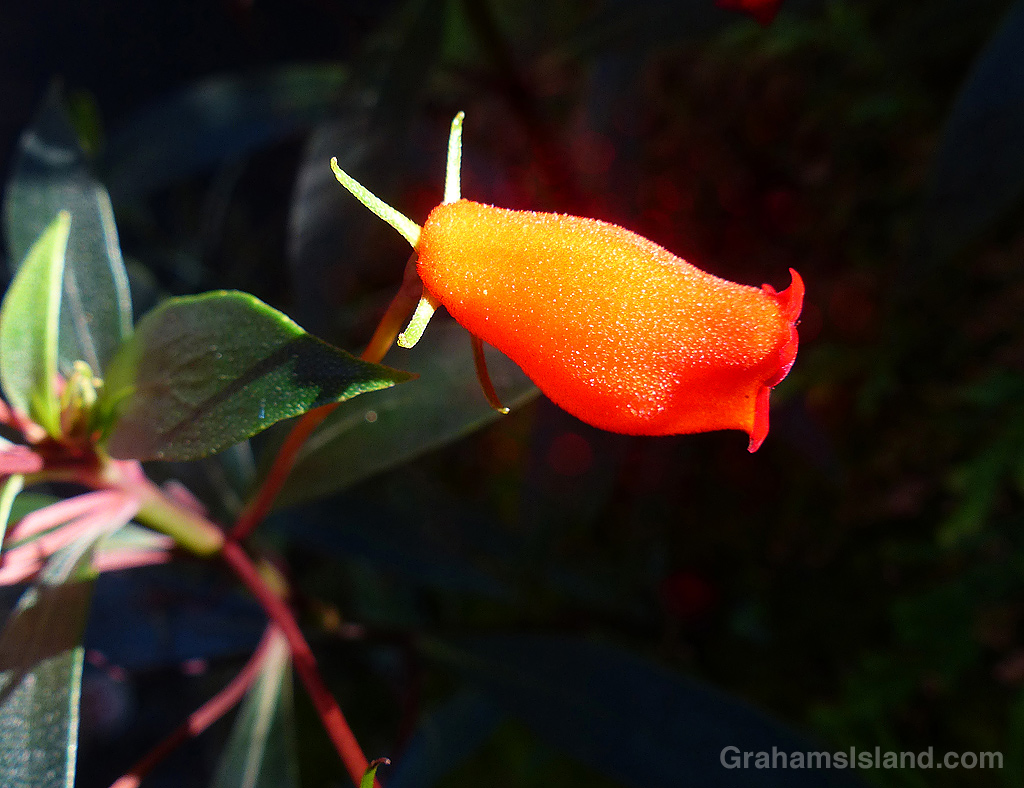
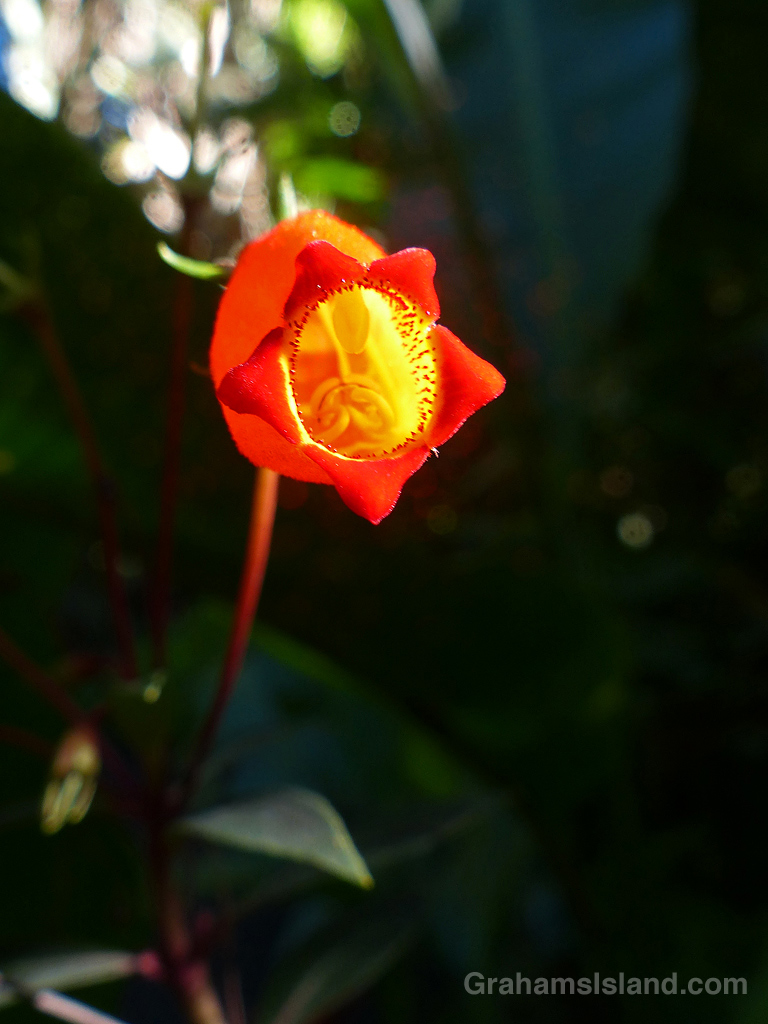
Gloxinia sylvatica ‘Bolivian Sunset’

Gloxinia sylvatica ‘Bolivian Sunset’ at Hawaii Tropical Botanical Garden Gloxinia sylvatica ‘Bolivian Sunset’ at Hawaii Tropical Botanical Garden

Another post on the theme of ‘Rounded,’ this week’s WordPress photo challenge.

I’m pretty sure this flower is Gloxinia sylvatica ‘Bolivian Sunset.’ I saw the plant at Hawaii Tropical Botanical Garden where some plants have identifying tags, but many do not.

What I really liked was how the flower caught the sun, illuminating both the exterior and interior. Coupled with its rounded form, both in profile and looking into the mouth of the flower, it’s a sensuous, vibrant plant.

For more information about Hawaii Tropical Botanical Garden, go to htbg.com.

Rose jatropha

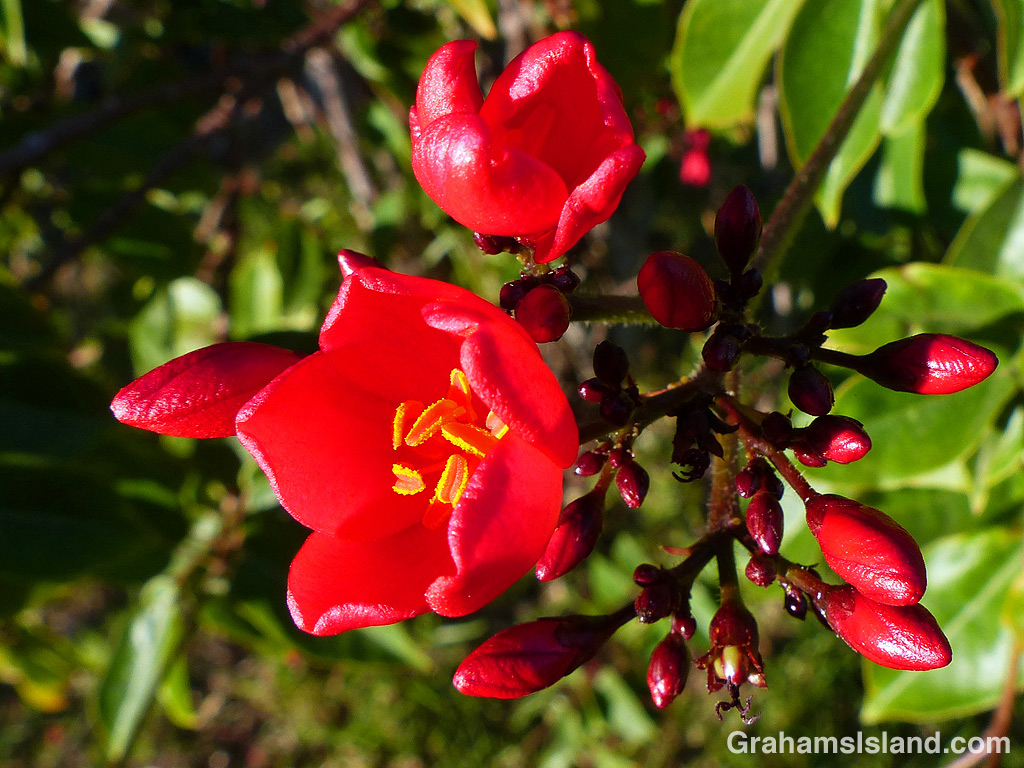
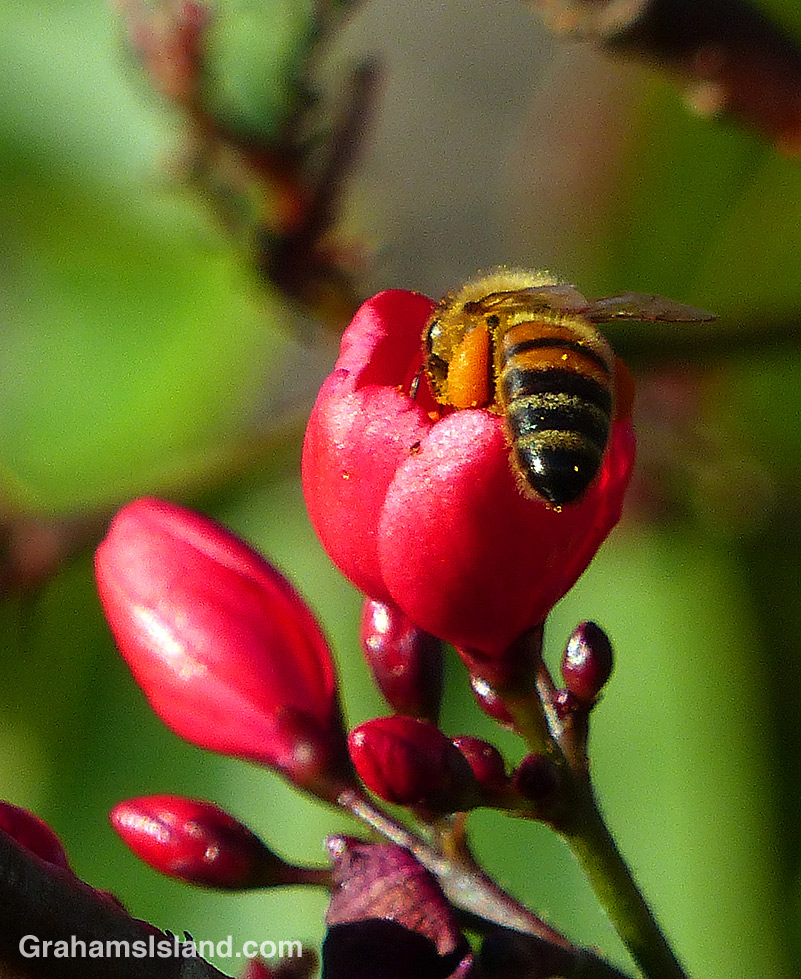
A Rose Jatropha on the Big Island of HawaiiA bee forages on a Rose Jatropha flower on the Big Island of Hawaii

Another post on the theme of ‘Glow,’ this week’s WordPress photo challenge.

I’ve posted photos of rose jatropha before (here). In fact, those photos were of this same plant, but probably not the same bee. They were taken later in the day on a previous hike. These photos were taken in the early morning when the light was better and the flowers were just starting to open.

The flowers really glowed and the bees, well they had to work a little harder, burrowing down into the bloom, but obviously with great success.

Solanum linnaeanum

Solanum linnaeanum or Apple of Sodom

Solanum linnaeanum is also known here as apple of Sodom, and in other places as devil’s apple. These names are a sure sign that the plant is not well regarded. It has prickly leaves, poisonous tomato-like berries, and grows like a weed in pasture lands. That’s where I found this one, next to an old corral.

Hawaiian blue butterfly

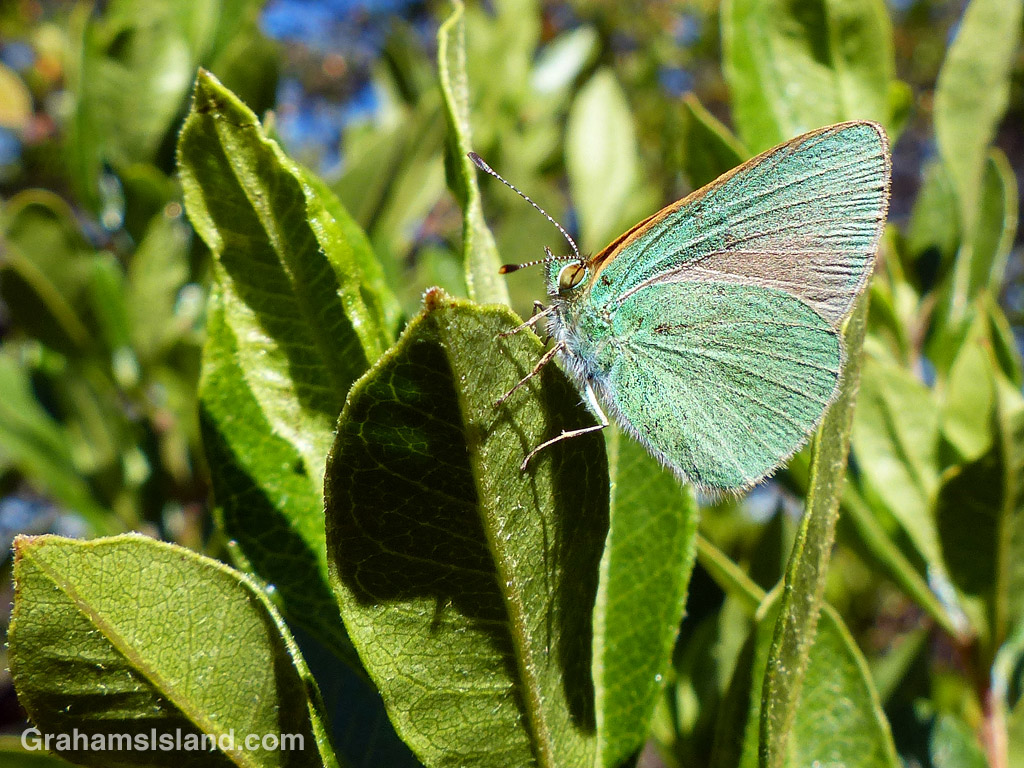
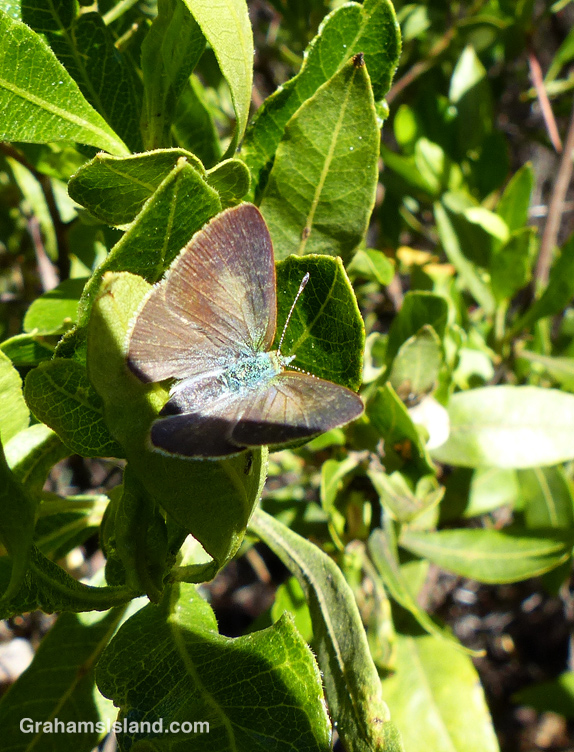
An endemic Hawaiian blue butterfly at the Palila Forest Discovery TrailAn endemic Hawaiian blue butterfly at the Palila Forest Discovery Trail

This endemic Hawaiian blue butterfly was flitting around at the Palila Forest Discovery Trail, on the southwest flank of Mauna Kea. This one is, I think, a female with its bright underside and uniformly brown top.

The butterfly is also known as the Koa butterfly, since its caterpillar feeds on that tree. I don’t think Koa trees are found in the trail area, but ‘A‘ali‘i (Dodonaea viscosa), an indigenous Hawaiian plant, does grow there and that’s another plant the caterpillar will eat.