Category Archives: Hawaiian History

I think I can make it

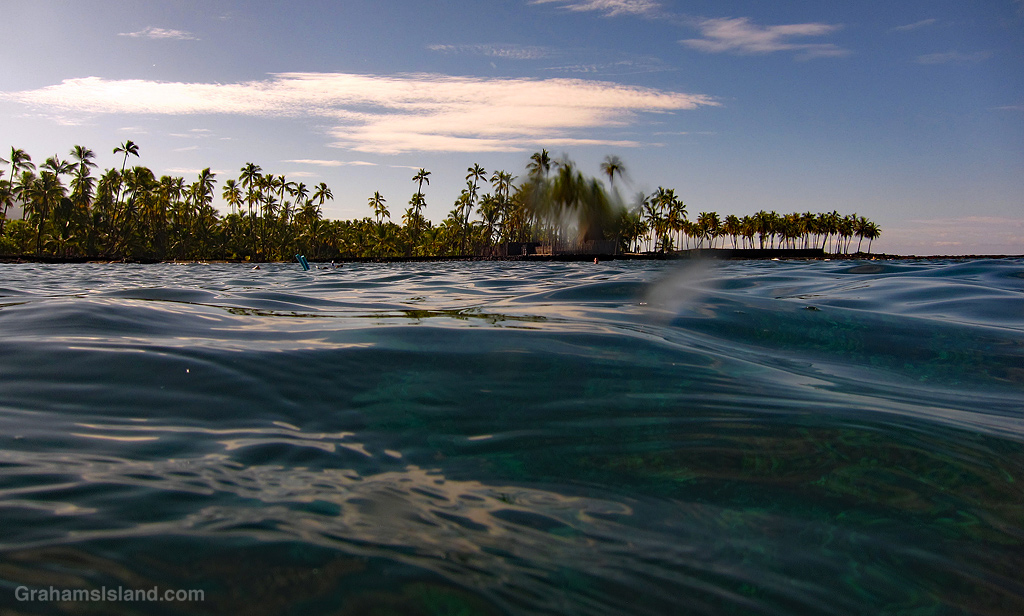
Pu'uhonua o Hōnaunau National Historical Park seen from the water

This week’s Sunday Stills challenge theme is ‘Celebrations.’ See more responses here. Since I rarely take photos of people, the usual options for this one were off the table. So I’ve gone with some photos from Pu’uhonua o Hōnaunau National Historical Park.

This site is also known as Place of Refuge and it represented guaranteed forgiveness for those who had broken kapu. The park’s website (here) notes, “Kapu (sacred law) regulated fishing, planting, and the harvesting of other resources. Any breaking of kapu disturbed the stability of society, and the punishment was often death. Any fugitive who had broken kapu could seek refuge and forgiveness within the walls of the Puʻuhonua.” The refuge is bordered by a huge L-shaped wall on land and by the ocean on the other sides.

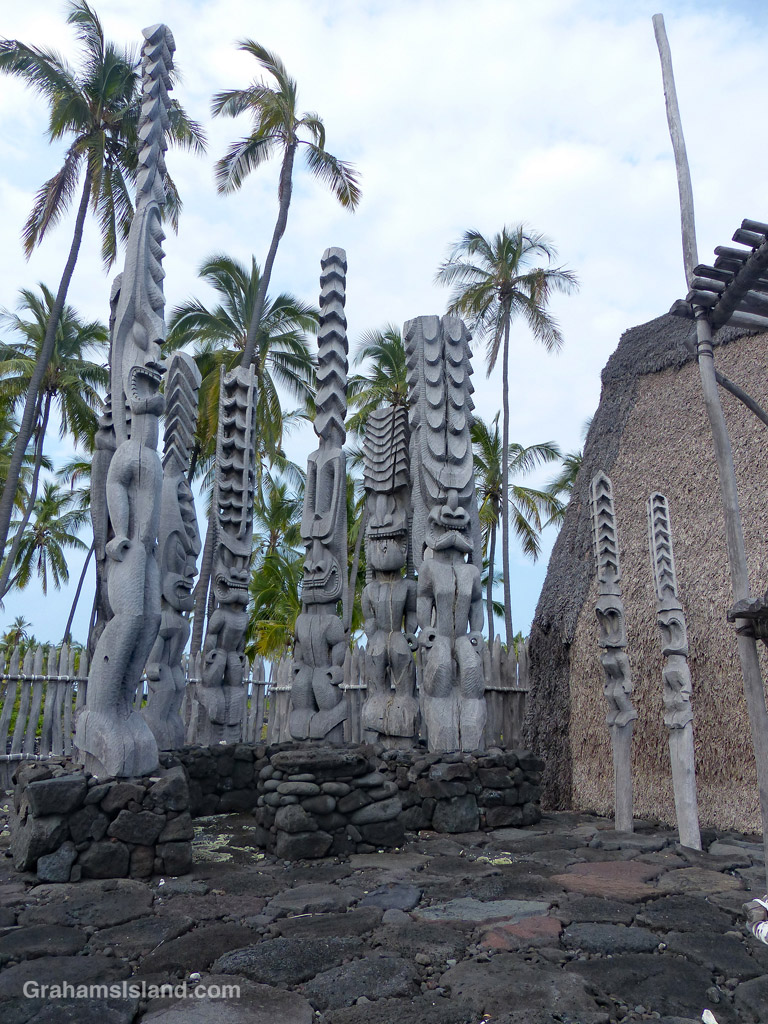
Hale o Keawe at Pu'uhonua o Hōnaunau National Historical Park.

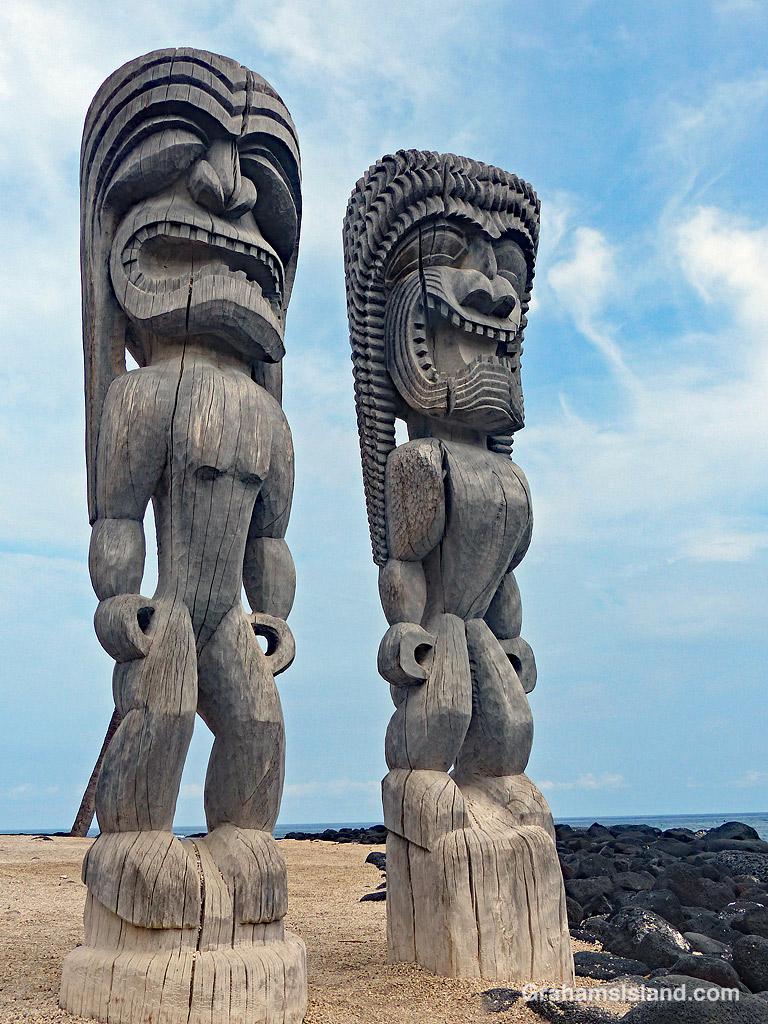
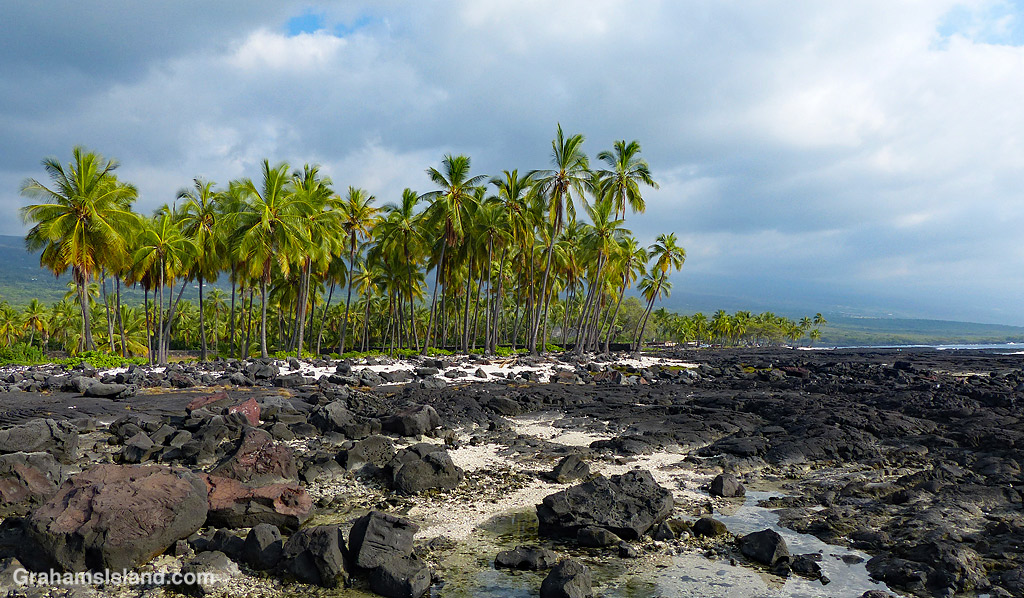
I imagine some such unfortunate swimming across Honaunau Bay. The palm trees look welcoming, but this is a sacred place, home to Hawaiian royalty, and to important ceremonial sites. One of these is Hale o Keawe, situated at the northern end of the wall, a place of powerful mana, or divine power. It is home to many ki’i, representations of “the akua, or the multitude of Hawaiian gods, deities, and venerated ancestors.” The refuge is on the other side of the Hale.

These ki’i would look down on the miscreant swimming toward them, growing in size as they got closer. But so too would the welcoming palm trees and though it is a rocky shore, a few cuts and scrapes would be a small price to pay for salvation.

Palm trees at Pu'uhonua o Hōnaunau National Historical Park in Hawaii

Once ashore, forgiveness was guaranteed and the person was free to reenter society and rejoin family and friends, who would no doubt celebrate the return.

Hello, yellow

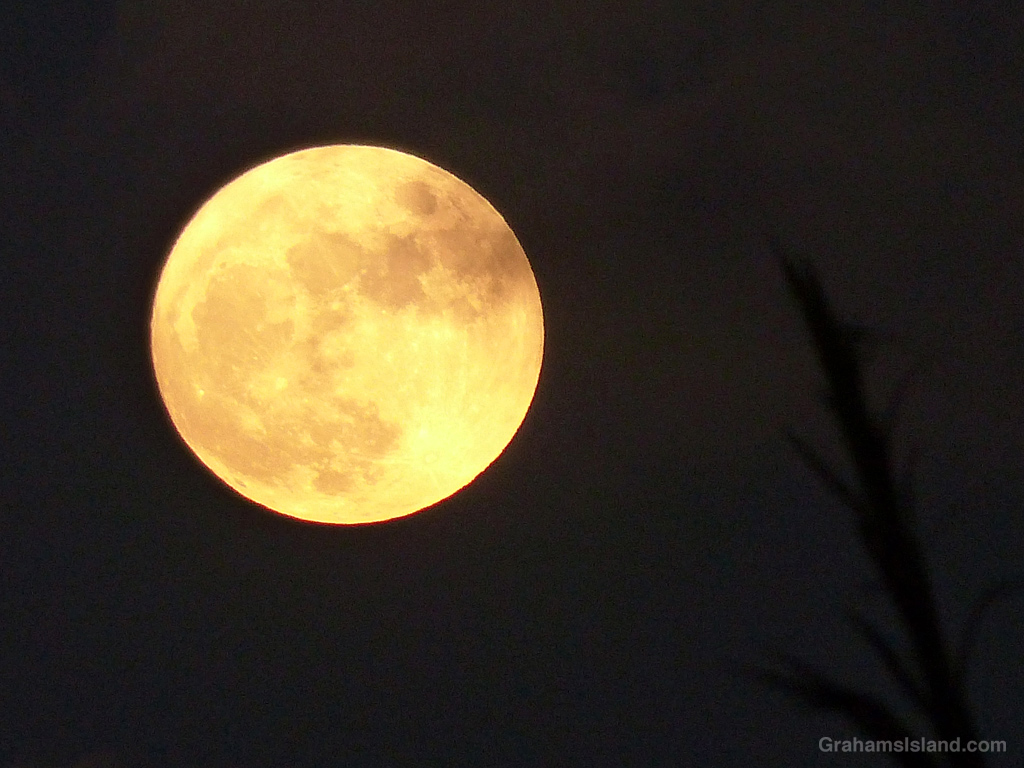
A full moon rises over Hawaii
A buttery yellow full moon rises over North Kohala.

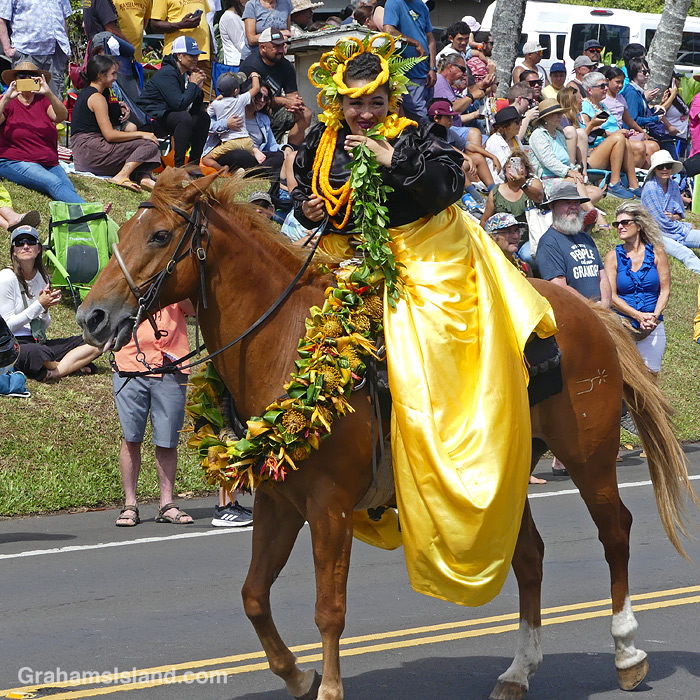
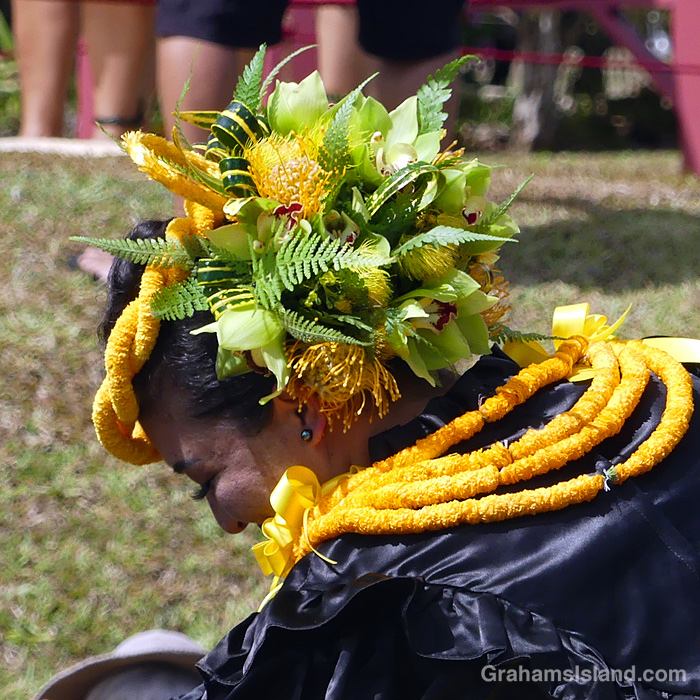
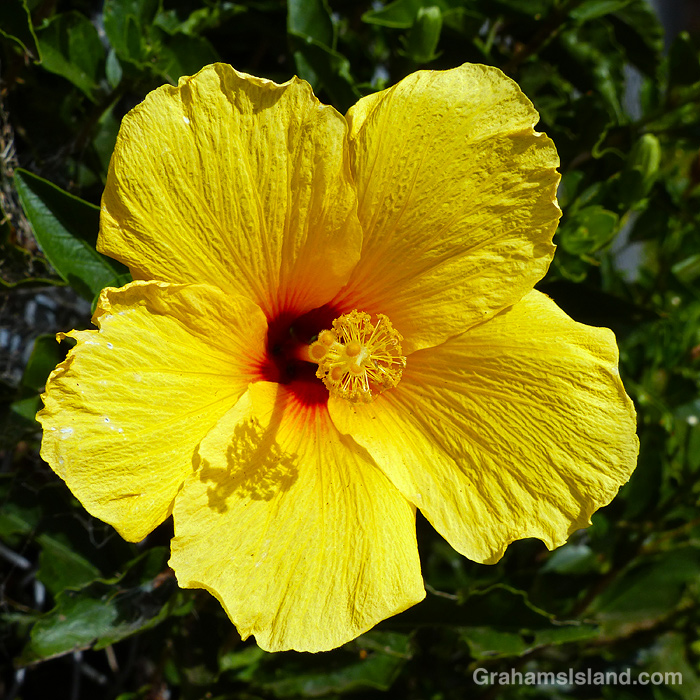
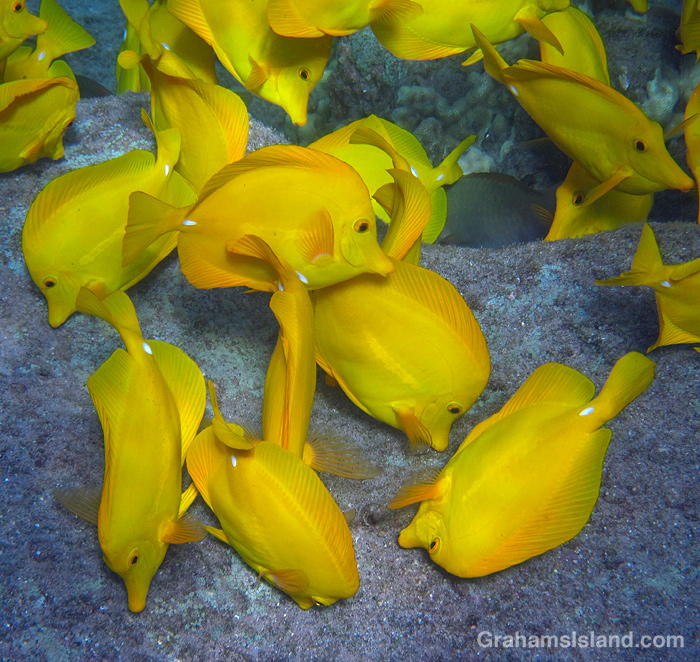
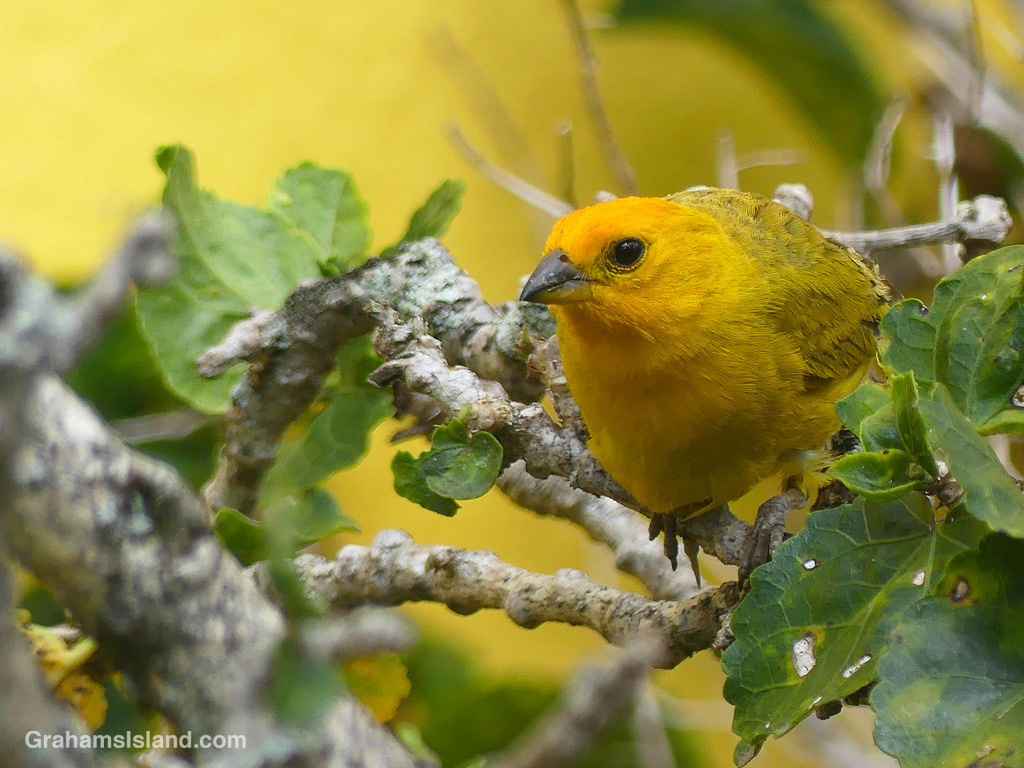
This month’s Sunday Stills Color Challenge theme is ‘Yellow.’ See more responses here. Once again, I’ve gone for a melange of photos, which sounds edible, but probably isn’t. Captions on the photos.

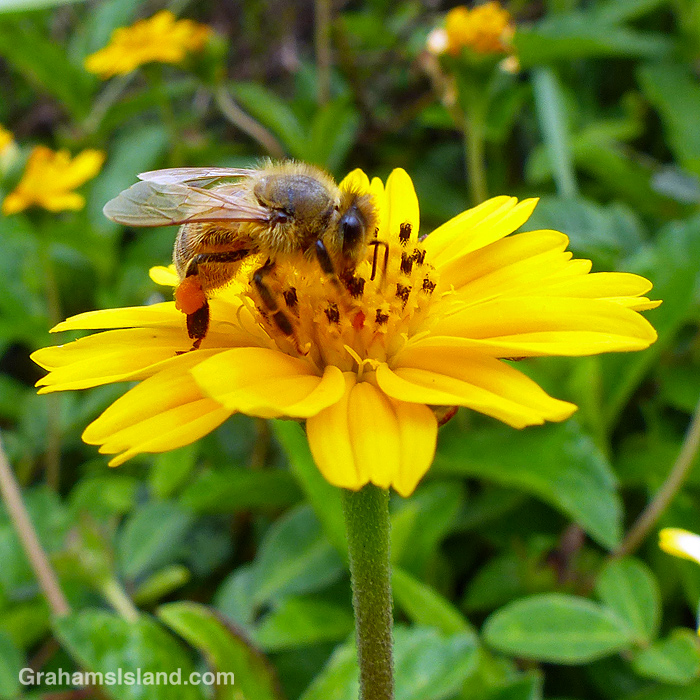
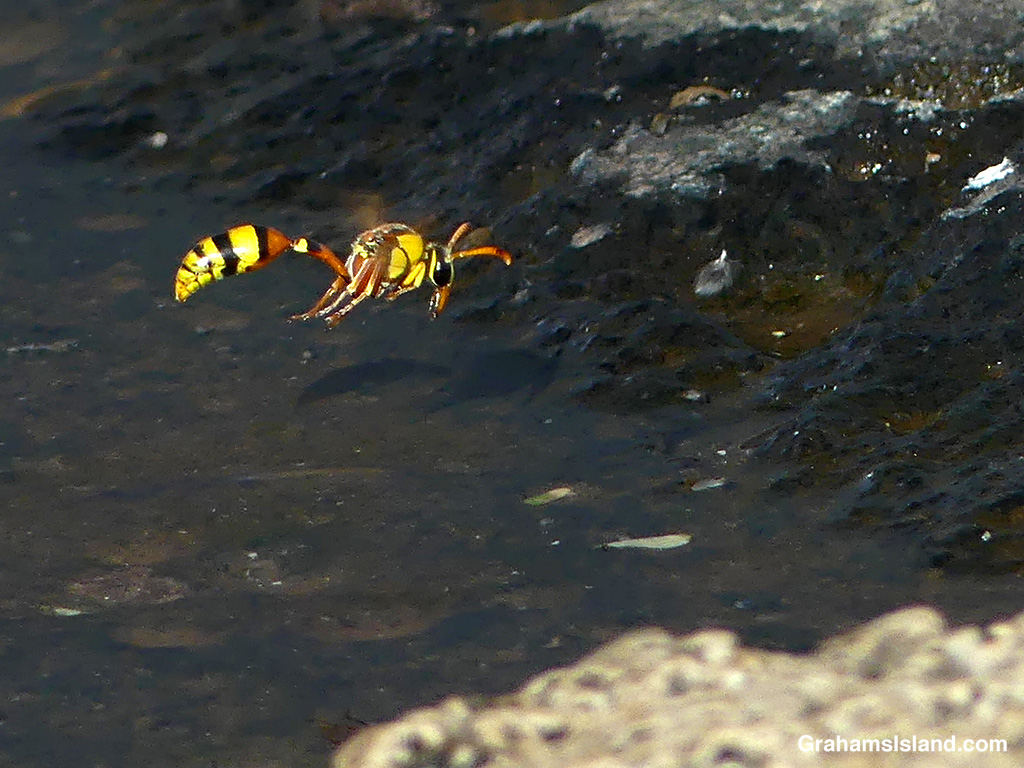
A wasp heads for water in Hawaii
Finally a photo from a couple of days ago. A boldly-marked wasp zooms in to collect water.

Bond Library restoration

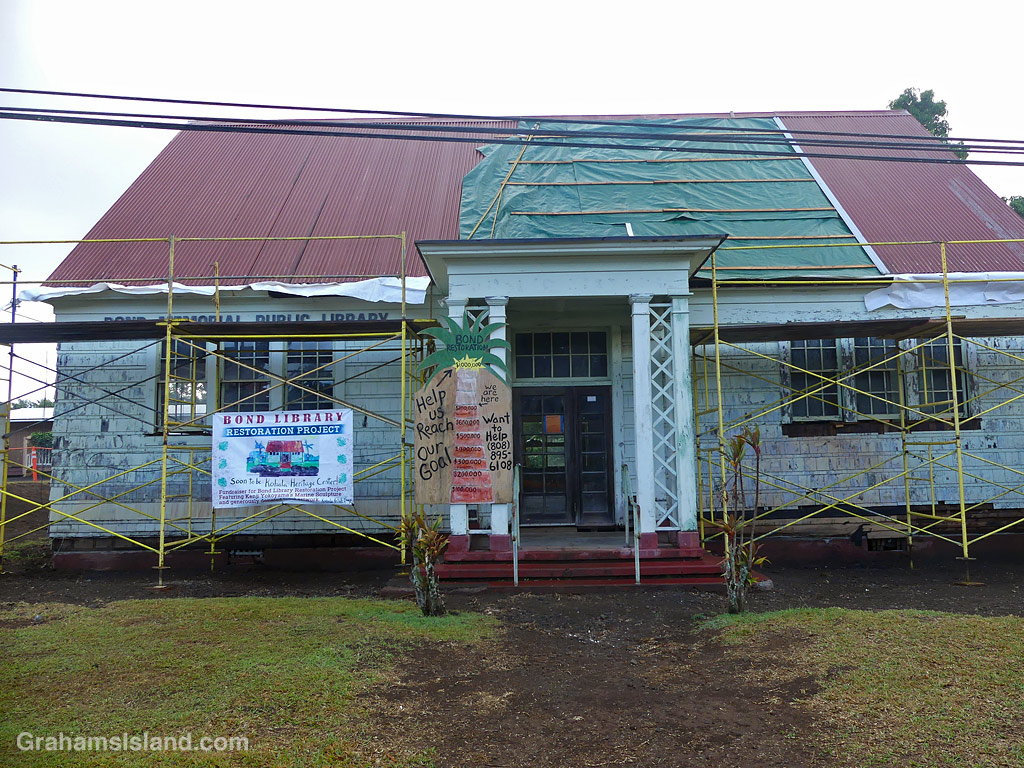
Restoration work at the old Bond Library in Kapaau, Hawaii
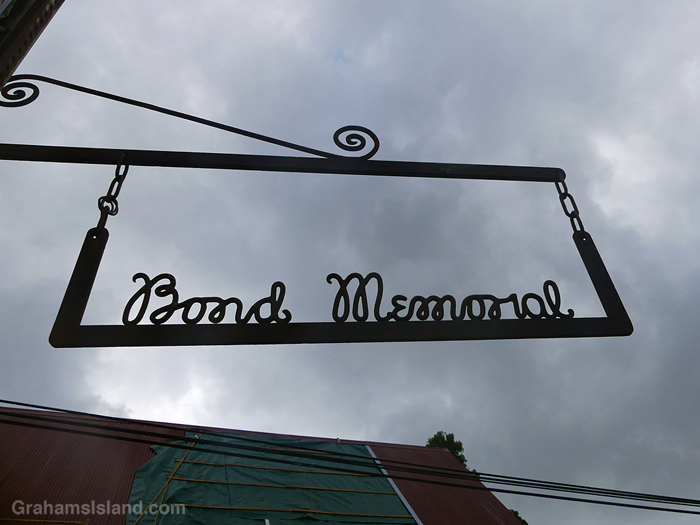
A sign at the old Bond Library in Kapaau, Hawaii

Back in 2019, I posted a bit about the old Bond Library (here), mentioning that there were plans to convert the old Bond Memorial Library to a cultural/historical museum.

When I was down that way a few weeks ago, I found that work is now underway on that project. The overgrown area around the building has been mostly cleared and it looks like the roof is receiving attention. The rest of the building looks pretty much unchanged, though.

I have to say that the $1,000,000 project goal seems steep for fixing the building, but I have no idea what construction costs are these days.

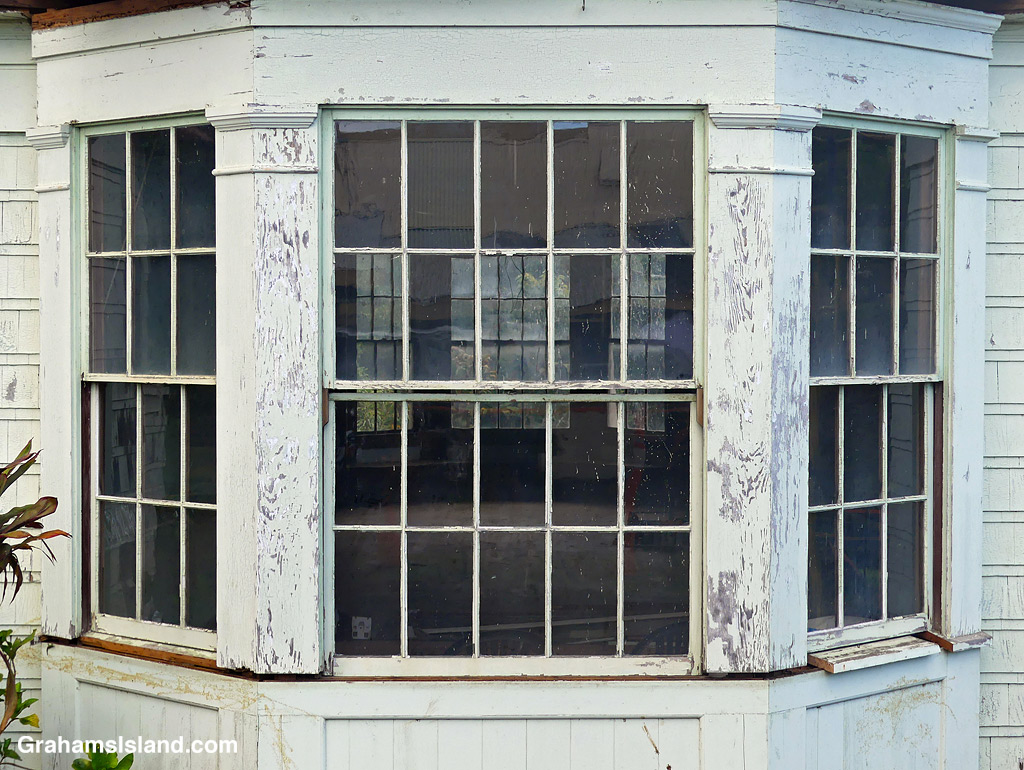
Windows at the old Bond Library in Kapaau, Hawaii

The king who united Hawaii

Ceremonies at King Kamehameha Day in Kapaau, Hawaii

This week’s Sunday Stills challenge theme is ‘Historical.’ See more responses here.

Here are a few more photos from this year’s celebrations commemorating the birthday of King Kamehameha I, the king who united the Hawaiian islands. The ceremony began with a welcome blown on conch shells.

The procession was led by the four Royal Societies in Hawaii. They are descendants of Hawaiian Ali’i including King Kamehameha I himself. Ali’i were the ruling class who were seen as the link between the people and the gods.

Hula dances were performed honoring the king. Hula was created by early Hawaiian settlers. It is often accompanied by chants and the movements are a visual representation of those chants. The subject matter can be anything from light entertainment to a sacred honoring of a god or goddess. Western missionaries disapproved of hula and encouraged Hawaiian rulers to ban it, but while there were some restrictions it was never driven completely underground as happened with some other traditional Hawaiian activities.

See more photos from the Kamehameha Day celebrations here.

Kamehameha Day in the pink

Maui Pau rider decorations

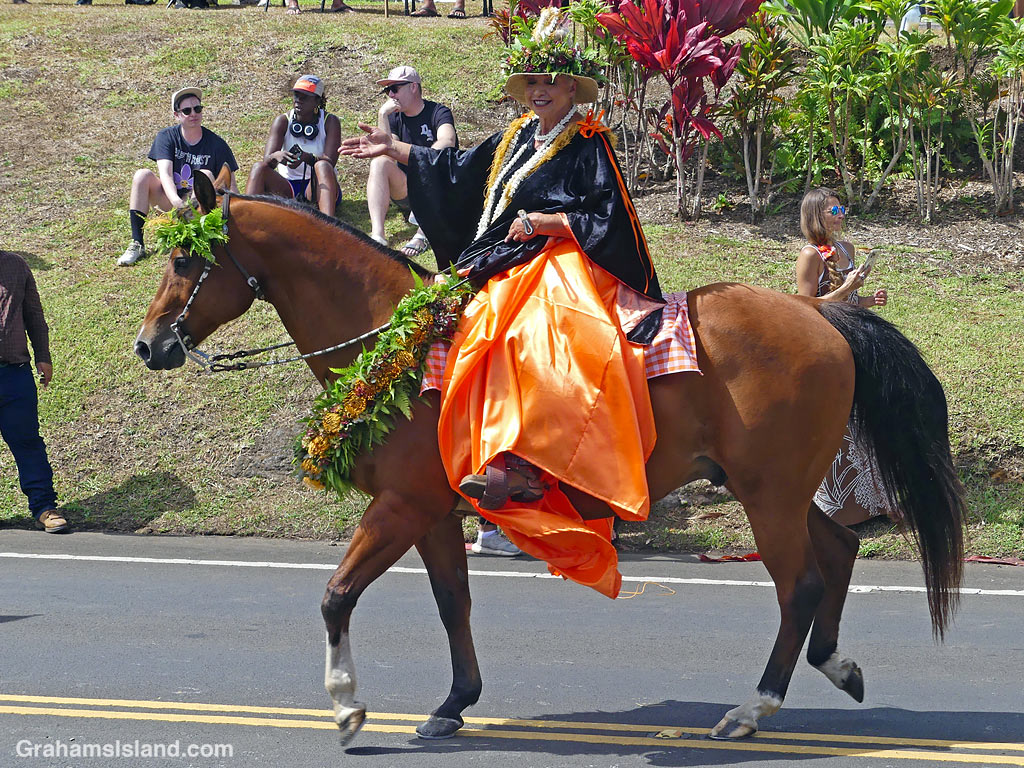
Yesterday was the birthday of King Kamehameha I, the first king to unite all the Hawaiian islands under one leader. He was born in North Kohala, and every year the community celebrates his birthday with ceremonies at his statue in Kapaau and with a parade.

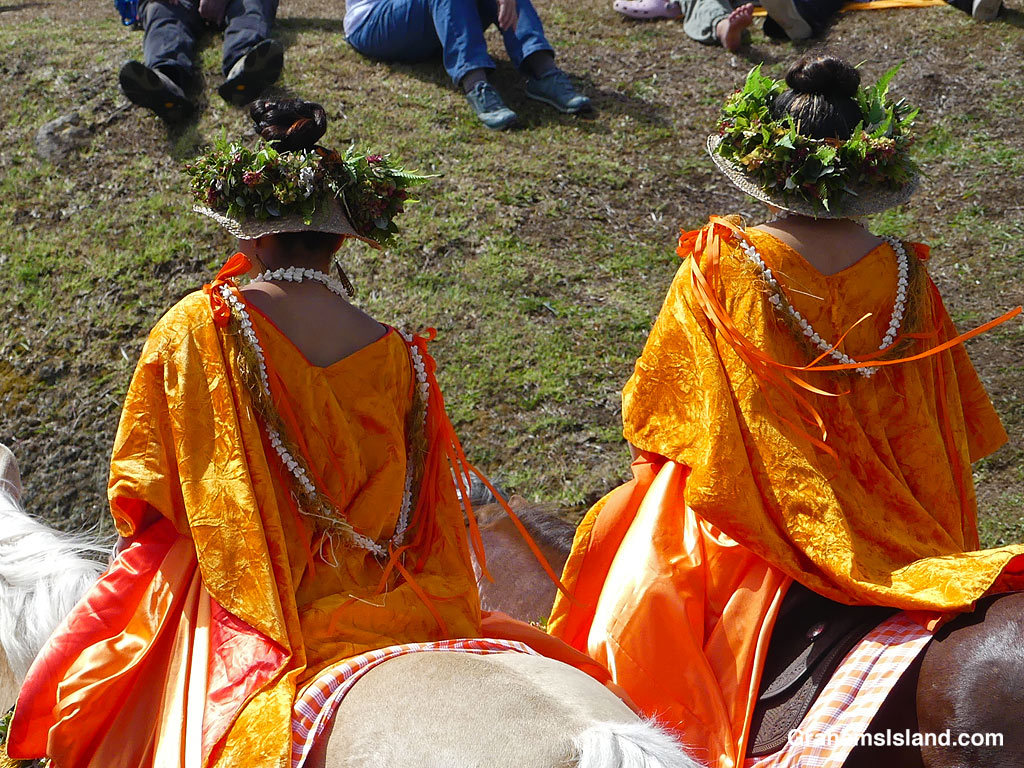
The parade features Pa’u riders representing all the main Hawaiian islands. Each island has an official color and flower. Maui’s flower is the Lokelani rose and its color is pink.

Hawaiian men and women started riding horses, soon after their introduction to the islands in the early 1800s. Sidesaddle riding was common for women in those days, but it was never introduced here. Women learned to ride the same way as men. They wore a Pa’u skirt, 12 yards of colored cloth wrapped in such a way as to preserve their modesty and dignity while riding astride their horse.

The ceremonies include draping leis over the arms of the statue. These leis are made as a mark of respect, by groups and organizations. It can be a tricky business getting the leis into place, especially when there’s a good breeze blowing as there was yesterday.

Posted for this week’s Sunday Stills color challenge theme of ‘Pink.’ See more responses here.

Konane game board

A Konane game board at Lapakahi, Hawaii

Kōnane is an old Hawaiian game with similarities to checkers or draughts but with more complications. It’s played on a board, or papamū, which can vary in size and material.

Older boards were often made in suitable rocks by creating hollows for the pieces to sit in. Sizes varied with most being rectangular with sizes such as a 14 by 17 configuration. The bigger the board, the longer the game. Game pieces were small pebbles of black lava and white coral. These days, wooden boards are common and some are made of cloth for portability. Square boards are more usual now such as an 8 by 8 configuration.

A Konane game board at Lapakahi, HawaiiA Konane game board at Lapakahi, Hawaii

These photos were taken at Lapakahi State Historical Park, which was the location of an old Hawaiian village. The papamū in the top photo and the slider was probably made relatively recently judging by the smooth hollows for the pieces, but the board in the bottom photo was probably used by inhabitants of the village and show that boards weren’t necessarily a regular shape. Such irregularities only added to the challenge of the game.

To play kōnane, the board is set up as in the photos with black and white pieces on alternating squares. A correctly set up board should show all one color pieces on a diagonal line. After colors are chosen and the first two pieces removed, players alternate turns in jumping over the other player’s piece or pieces, removing those that have been jumped. Moves can be made up, down, or to the side, but not on the diagonal or around corners. The object of the game is to be the last player to make a move.

Kōnane was hugely popular in Hawaii, but was frowned on by missionaries who disapproved of the unproductive time spent playing and the rampant gambling on games. These days, it’s becoming more popular again, with tournaments and online games being held.

For more information about kōnane, go to hawaiiancheckers.com.

A Konane game board at Lapakahi, Hawaii