
At Spencer Beach Park, there are several trees providing shade for beach goers. This picnic table sits beneath a False Kamani tree growing in the sandy beach.

At Spencer Beach Park, there are several trees providing shade for beach goers. This picnic table sits beneath a False Kamani tree growing in the sandy beach.
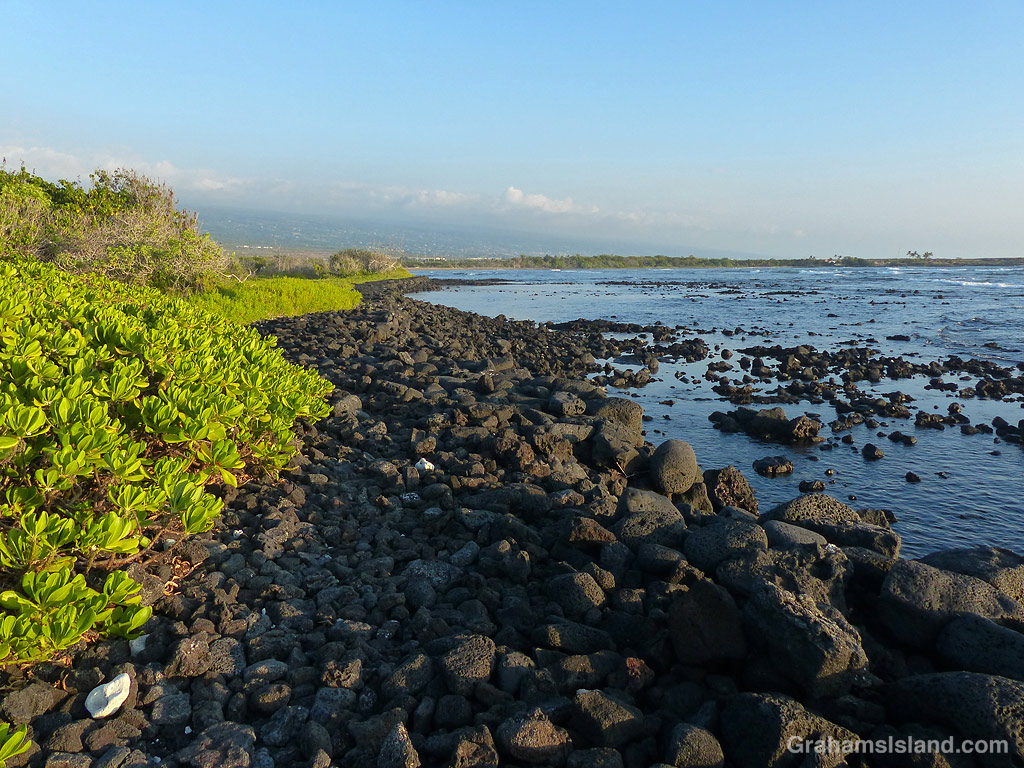
This is a section of the path along the waterfront at Kaloko-Honokōhau National Historical Park. It’s easier walking than it looks, though sometimes bad weather can cause sections to become more of an adventure.
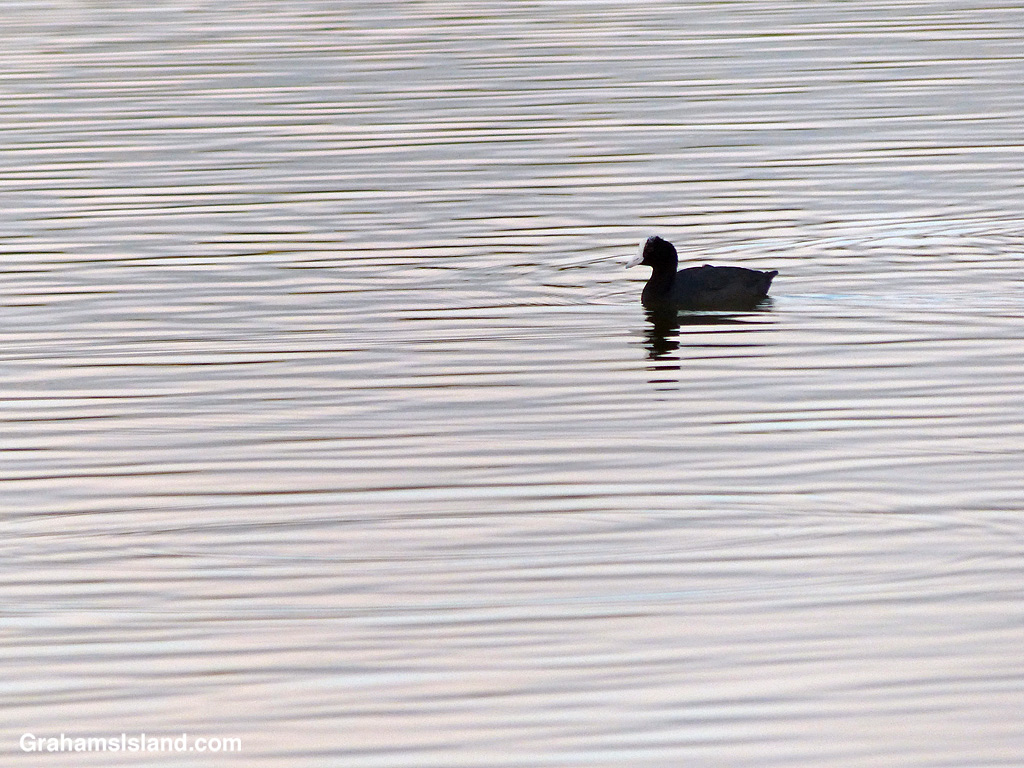
This Hawaiian Coot was cruising on the rippled waters of ʻAimakapā Fishpond at Kaloko-Honokōhau National Historical Park.

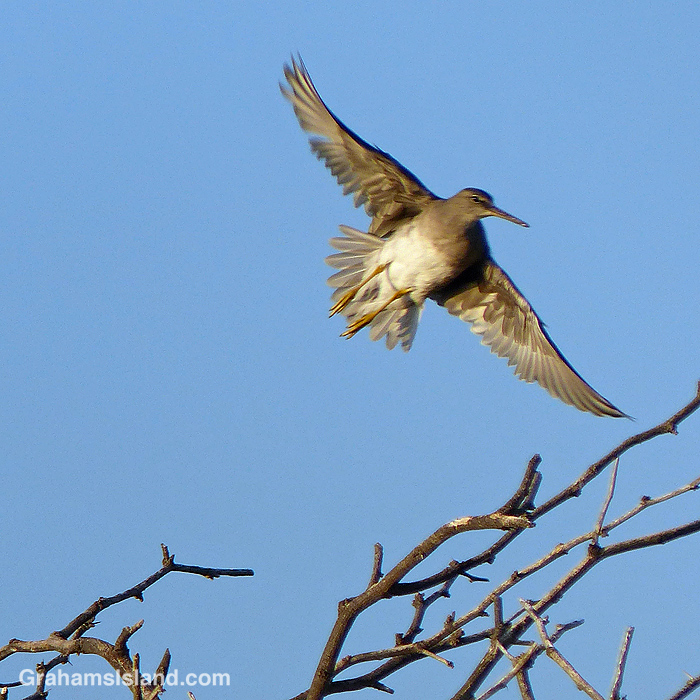
I saw this Wandering Tattler at Kaloko-Honokōhau National Historical Park and realized that I’d never seen one in a tree before. Usually I see them wandering over the rocks in search of food. I’m not sure what this one was up to, but it took off not long after I saw it, probably heading for the shoreline.

This week’s Sunday Stills challenge theme is ‘Meaningful Memories.’ See more responses here.
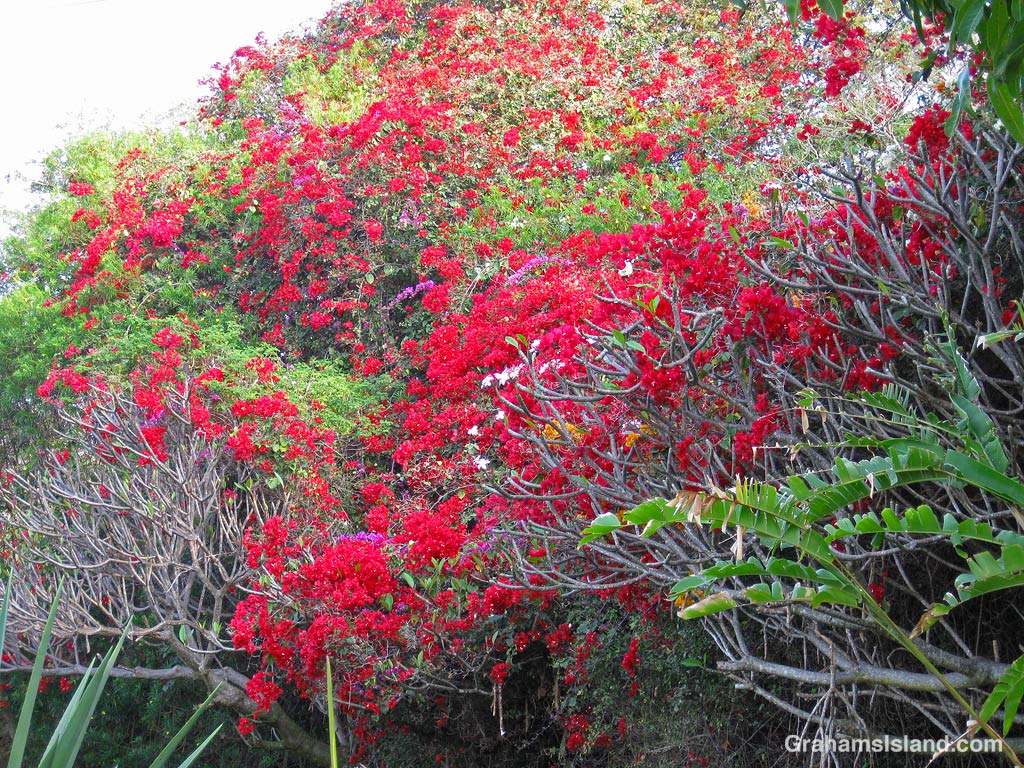
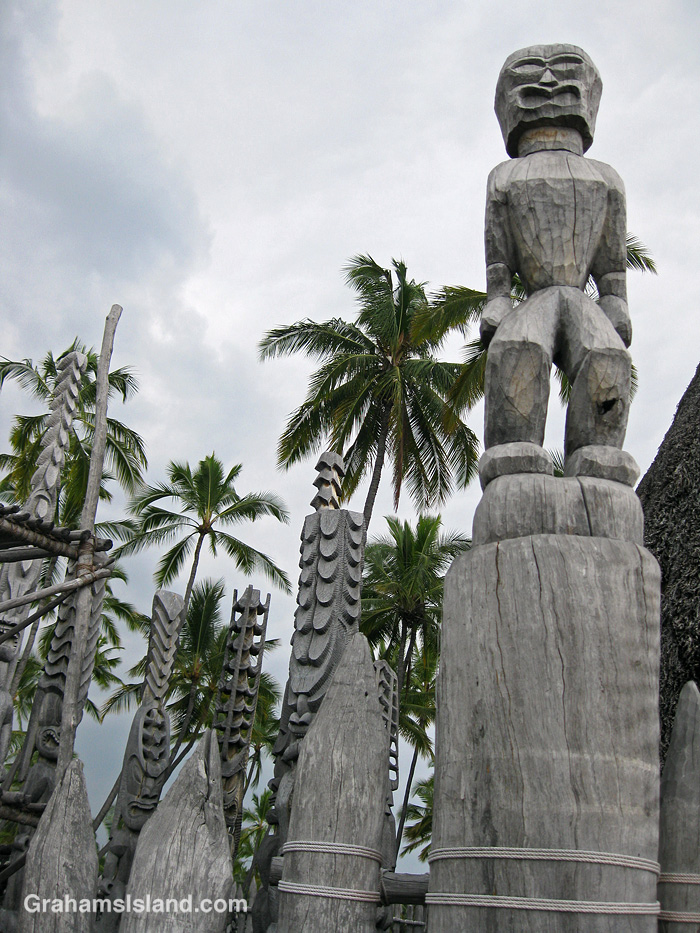
This seemed like an opportune time to revisit my first visit to Hawaii, back in 2010. My wife and I stayed in a vacation rental near Captain Cook, overlooking Kealakekua Bay. The sky was hazy with vog from Kilauea Volcano, but the place was awash with colorful flowers. Just down the road was the Painted Church and at the foot of the hill, Puʻuhonua o Hōnaunau National Historical Park celebrates Hawaiian culture and history with its wooden ki’i and towering palms.



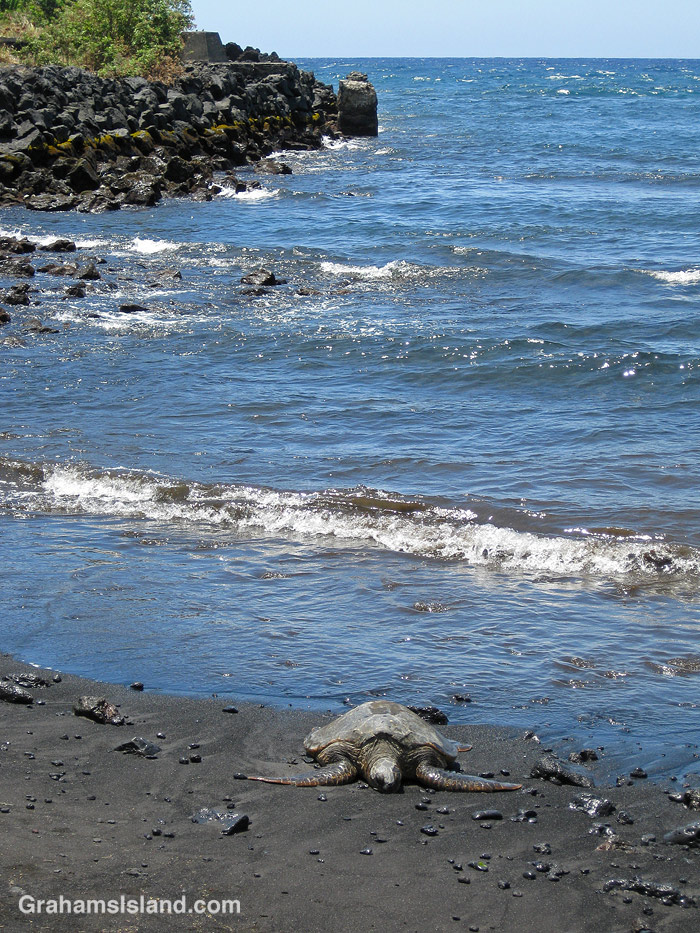
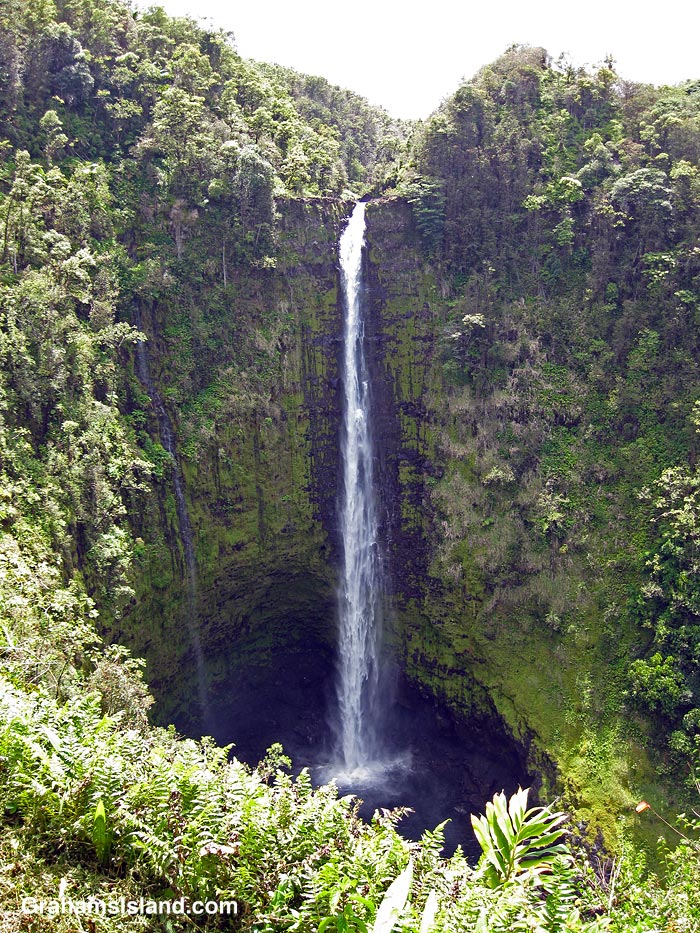
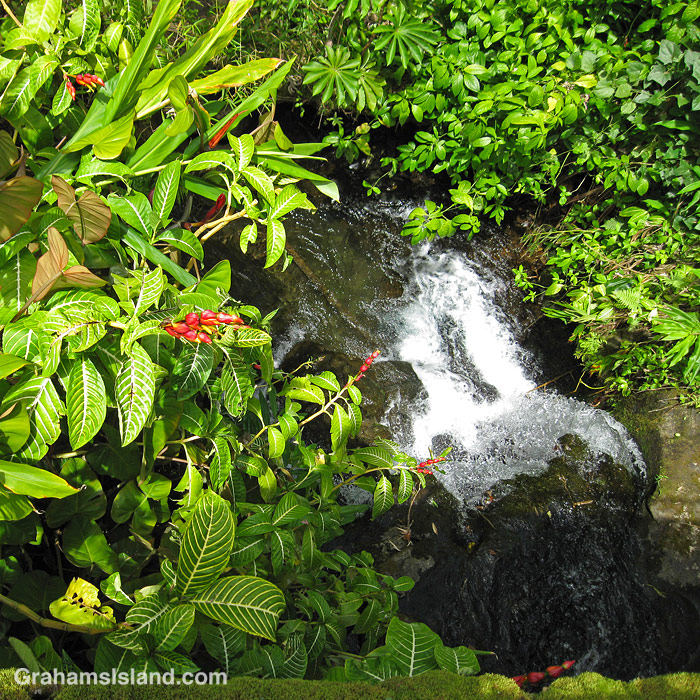
We traveled the whole island from the black sand beach at Pololu (even if we had to pass the carcass of a dead whale twice) to the black sand beach at Punalu’u, dotted with resting green turtles, and rocky surrounds. There were waterfalls big and small, and roads lined with tropical foliage leading to the active lava flow at that time.



There, signs warned that flowing lava is dangerous (who knew?), but we were still able to get within 10 feet of oozing tongues of red, and saw small fires still burning in nearby brush.


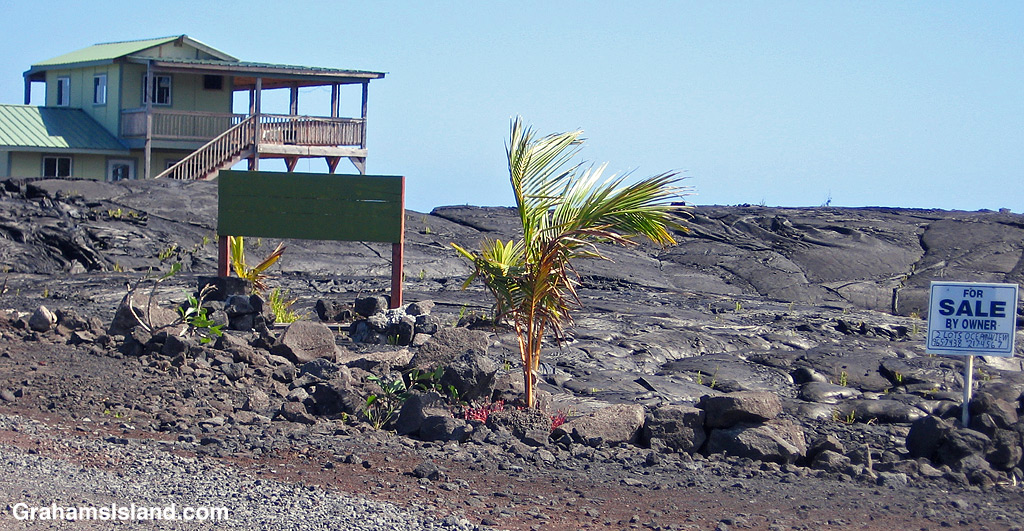
There was even a house for sale: ‘Buy now before it burns!’ We didn’t, though that house still stands while others, much farther from that scene, have since been consumed by subsequent flows.
It was this visit that prompted us to return permanently two years later. Hawaii isn’t paradise – it has its pros and cons like any place – but we haven’t regretted the move and are looking forward to the next 10 years.
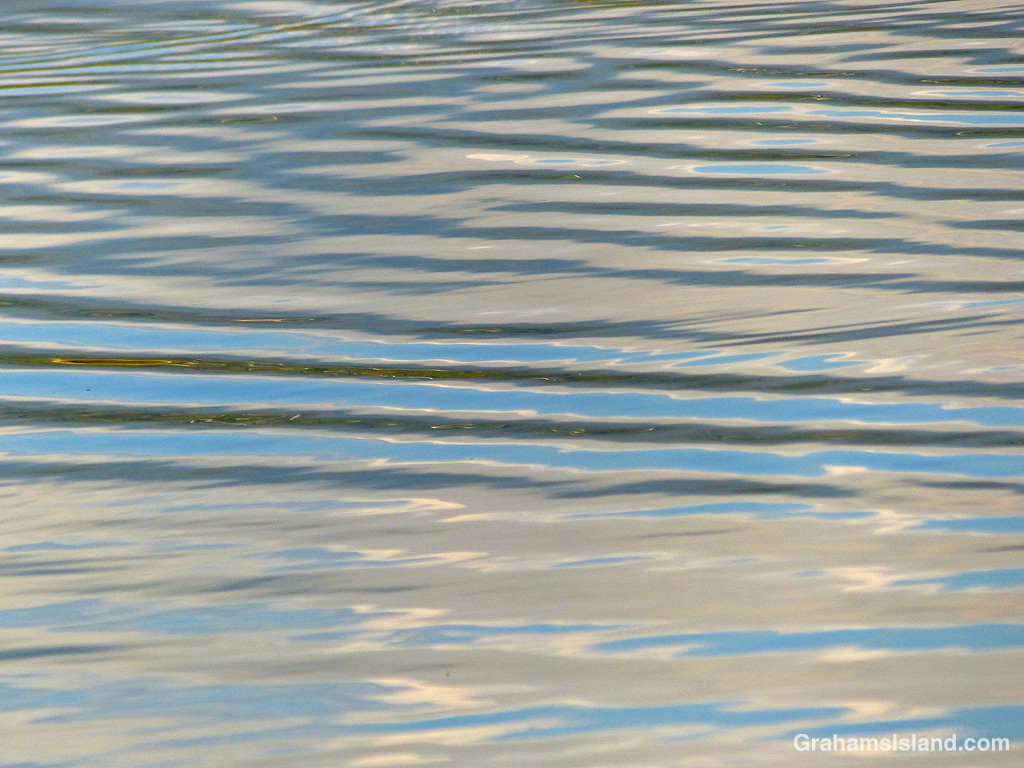
Ripples in the water of ʻAimakapā Fishpond at Kaloko-Honokōhau National Historical Park. It was a calm day and these weren’t wind generated, but rather from fish snatching insects off the surface of the pond.

One of the beaches at Kaloko-Honokōhau National Historical Park reveals that several people have passed this way, but none recently. I like that a lot.
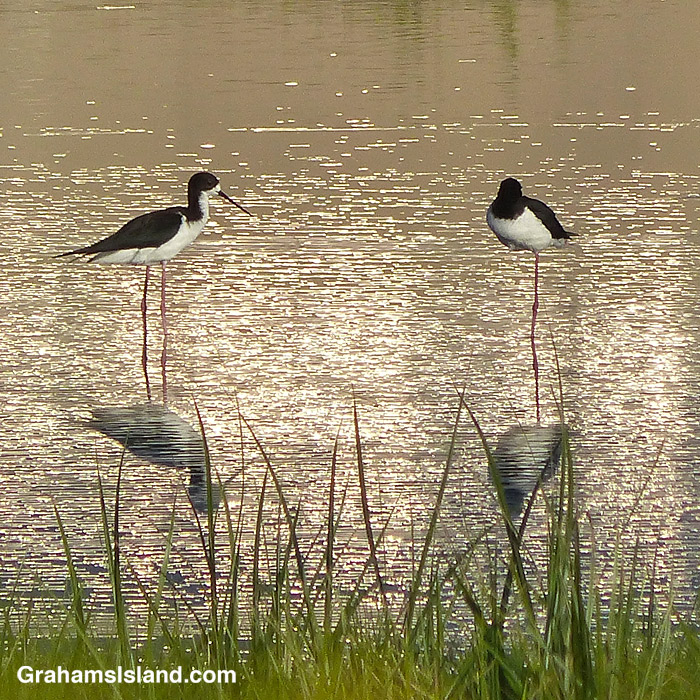
My final post in response to this month’s Becky’s Squares challenge theme of ‘Odd.’ See more responses here.
The stilts are odd enough in themselves, with their pink legs and long beaks, but it was the lighting in this image that got my attention. The sun was sinking and the shadows lengthening. But the distinctive lighting in this photo was due to the reflection from a cream-colored trailer parked beside the pond!

