Category Archives: Parks

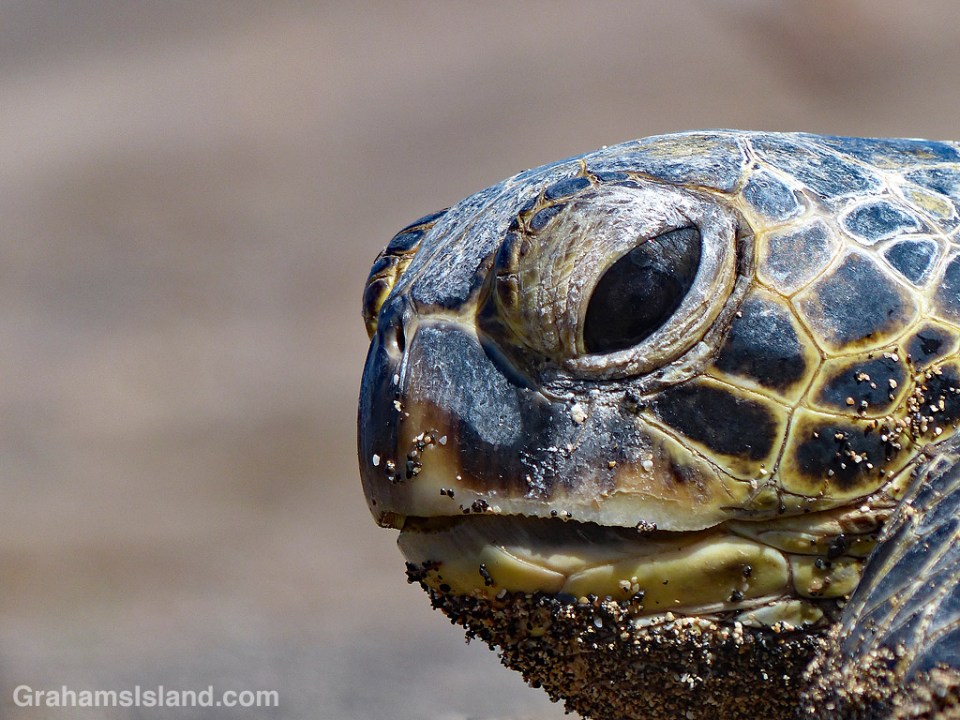
Green turtle closeup

Green Turtle closeup

A Hawaiian green turtle lifts its head after resting on the sand at Kaloko-Honokohau National Historical Park. The park is one of many good places on the island to see turtles, either on the beach or foraging in the shallow waters there.

For more information about Kaloko-Honokohau National Historical Park, go to https://www.nps.gov/kaho/index.htm or bigislandhikes.com/kaloko-honokohau-park/.

Place of Refuge from the water

Place of Refuge from the water

This is a view of Pu’uhonua o Hōnaunau National Historical Park, otherwise known as Place of Refuge. The pu’uhonua or place of refuge was a place that offered sanctuary to those who had broken laws or been defeated in battle. Reaching this spot meant they’d be spared and allowed to go home.

So this view is one that a young frightened warrior might see while trying to reach that spot. Hale o Keawe, the small structure with the steeply pitched roof, can be seen in the center of the photo. It sits on the edge of the pu’uhonua. To the right of it is safety; to the left death.

Fortunately that wasn’t my choice. I was just looking at fish.

Surfers

Surfers

SurferIn response to this week’s Sunday Stills challenge on the theme of ‘Water’ (more responses here) I thought I’d post something very Hawaiian. Most widely-seen surfing images feature a surfer cruising through a barrel of blue water or sliding down the face of a terrifyingly steep wave. But many people enjoy getting out on the water and having fun on whatever waves are available.

The Big Island isn’t known for its surfing spots in the same way as Maui and Oahu, but there are still plenty of surfing enthusiasts. Good, rideable surf often leads to an increase in people calling in sick to work.

These photos were taken at Honolii Beach Park north of Hilo, a popular surfing spot on the east side of the island and a good spot for kids to get to grips with the sport.

Signs: Boiling Pots

Signs-Boiling Pots dangers

Boiling Pots is part of Wailuku River State Park, in Hilo, along with Rainbow Falls. It features a series of small falls and pools. So why the name? When the river runs fast, those pools roil and bubble as if boiling.

The park overlooks these pools and access to the pools is forbidden, hence these signs. However, people go down there all the time and a few die every year. When people do get swept away, rescue divers usually spend 24 to 48 hours searching the river, at some considerable risk to themselves. Sometimes the body turns up several weeks later, swept into some unlikely spot. Sometimes it’s never found.

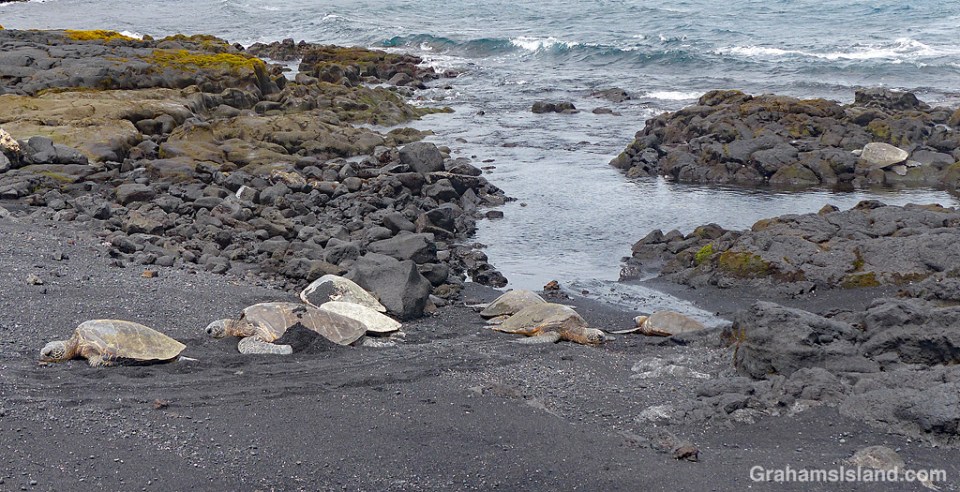
Punalu’u turtles

Punaluu turtles resting

Turtles are creatures of the water. The only reason they have to venture ashore is to lay eggs, but in Hawaii, green turtles like to find a beach and spend a lazy day basking in the sunshine. This helps them conserve energy and keeps them safe from sharks.

On the Big Island there are a number of places where turtles are frequently seen on shore. One of them is Punalu’u Beach Park, on the Kau coast, which has a lovely black sand beach ideal for getting a bit of rest. Well, it would be ideal except for that most annoying and obtuse of creatures, the human.

There are apparently large numbers of people who don’t know how to read the numerous signs telling them to keep their distance from the turtles. There are a fair number of people who think the world would be a better place if only there existed a photo of them sitting beside or on top of a turtle.

These days, park staff or volunteers tape off the area where the turtles are resting. This seems to help. The bottom photo was taken from behind the tape with a moderate telephoto lens so it’s not like anyone’s being deprived of getting a good view.

Posted in response to this week’s Sunday Stills challenge on the theme of ‘Lazy Days.’ See more responses here.

Punaluu turtle resting

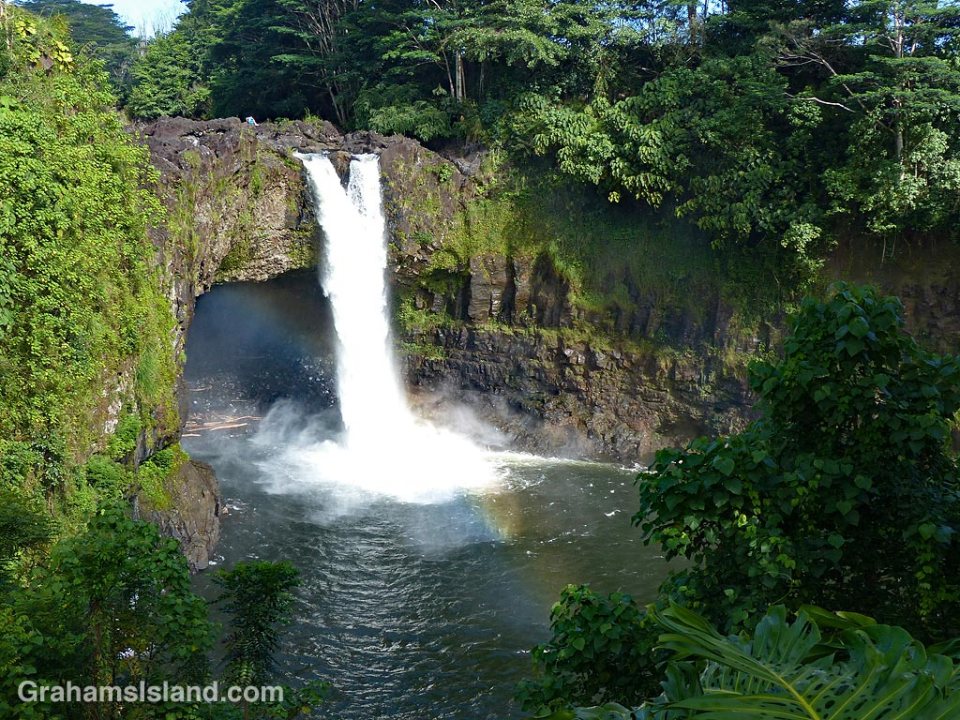
Rainbow Falls

Rainbow Falls and rainbow

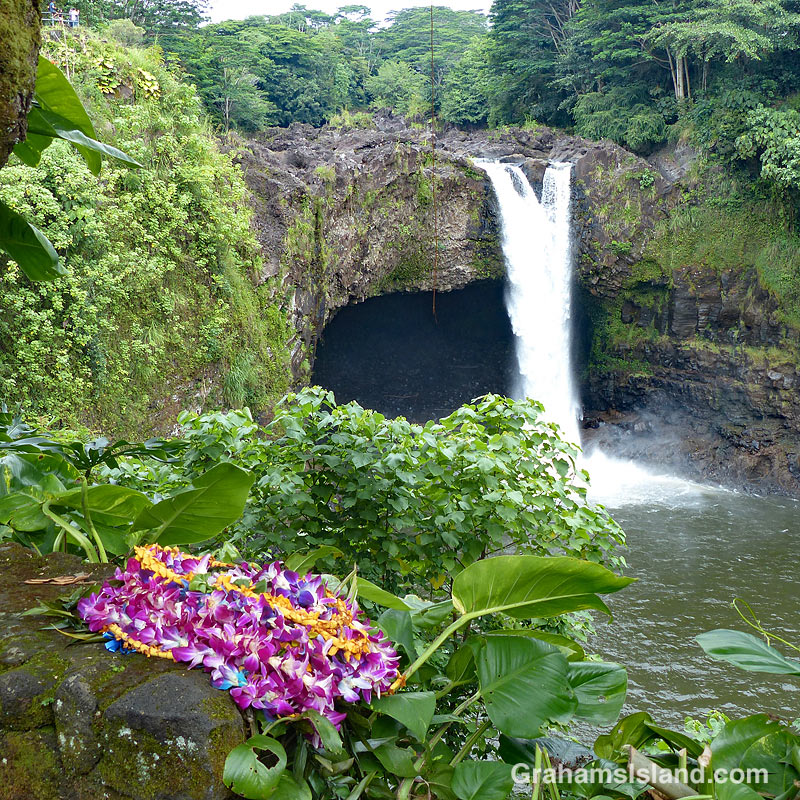
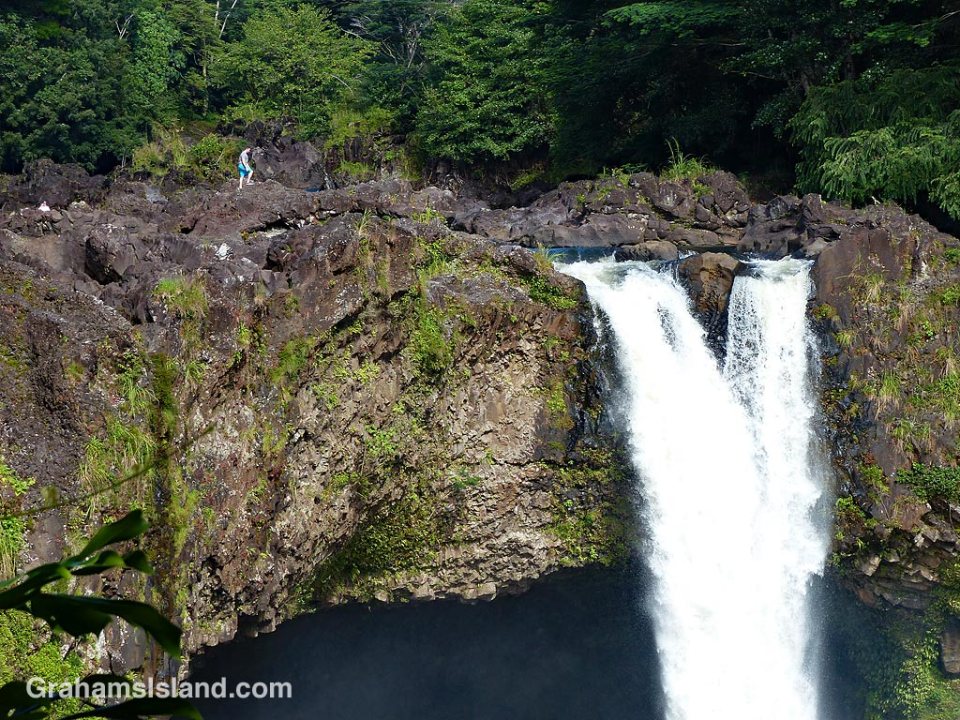
Rainbow Falls and offeringRainbow Falls are located in Wailuku River State Park, in Hilo. They get their name from the fact that, in the mornings, rainbows often form in the mist from the falls (above).

Center, someone left an offering, possibly to Hina, mother of the demigod Maui, who is said to have lived in the cave behind the falls.

And below, someone who has inadvertently walked past the 83,000 ‘Danger’ and ‘Warning’ signs to wander around at the top of the falls. Flash floods occur often and people die here every year.

Rainbow Falls

Abstracts: Rainbow Falls banyans

Abstracts-Rainbow Falls Banyans

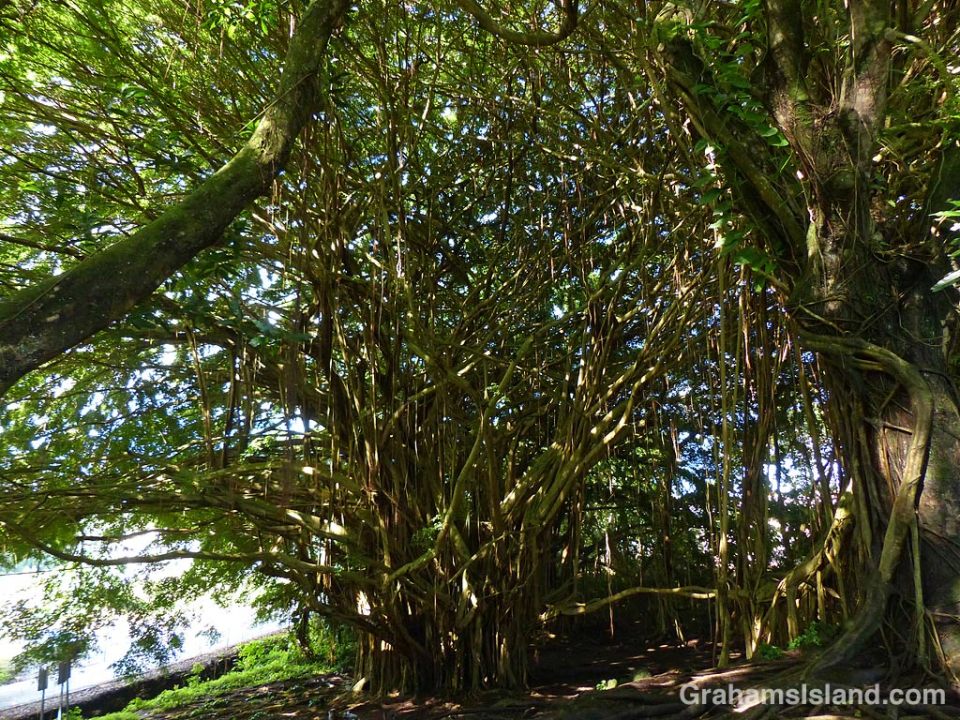
Abstracts-Rainbow Falls BanyanThe main attraction of Wailuku River State Park, in Hilo, is Rainbow Falls. But at the top of the hill are these huge banyan trees.

Banyans are not just a huge sprawl of branches, but a sprawl of roots, too. As epiphytes they begin life growing on other trees, from seeds dispersed there by birds. Over time, they send roots down to the ground, known as prop roots, which help support the mass of branches.

Banyan trees are also known as strangler figs because their roots and branches will ultimately overwhelm the host tree and kill it. Eventually, the dead host will decay and leave a hollow center to the banyan tree that’s left.

By continuing to send down prop roots, banyans grow out as well as up. Very old trees can cover a huge area. For example, the Great Banyan Tree in Kolkata, India is more than 250 years old. Its covers around four acres and has more than 3,500 prop roots. Here in Hawaii, the largest banyan grows in Lahaina on Maui. Planted in 1873, it now has 16 main trunks and covers two thirds of an acre.

The Rainbow Falls trees aren’t that large, but they’re coming along nicely.

Kaumana Caves

Kaumana Cave entrance

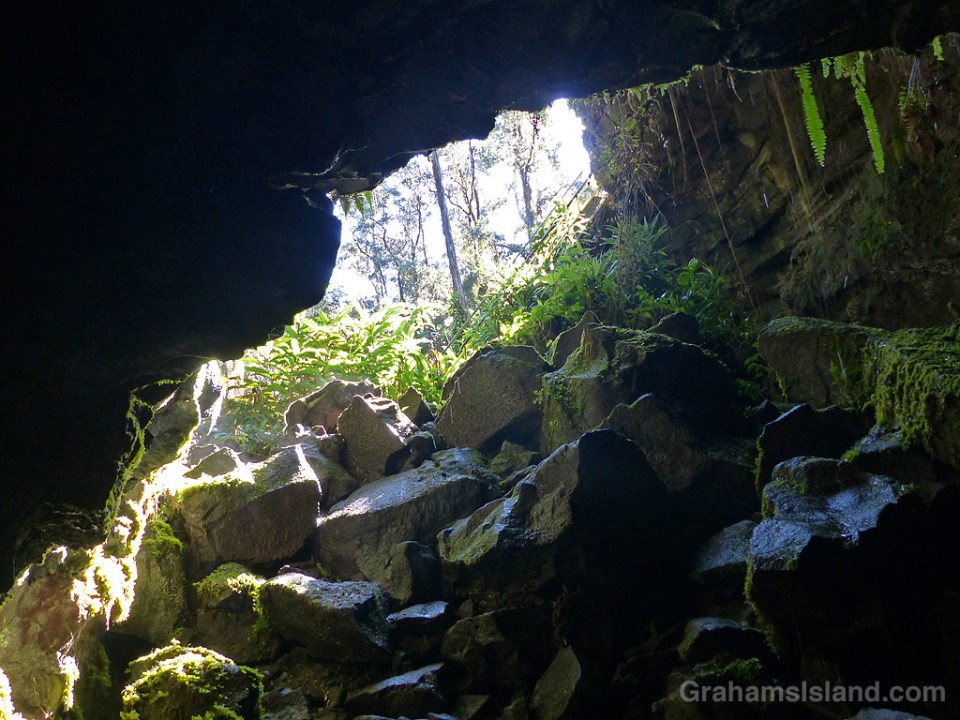
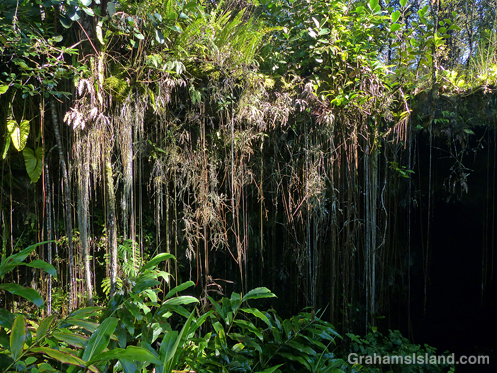
Kaumana Cave access stairsKaumana Caves State Park is a small park west of Hilo. Besides the usual park facilities, the main attraction is the caves. The caves are actually a lava tube, created by a flow from Mauna Loa in 1881. They’re accessed through the large opening where a section of the tube collapsed, so the two caves are at opposite ends of this opening.
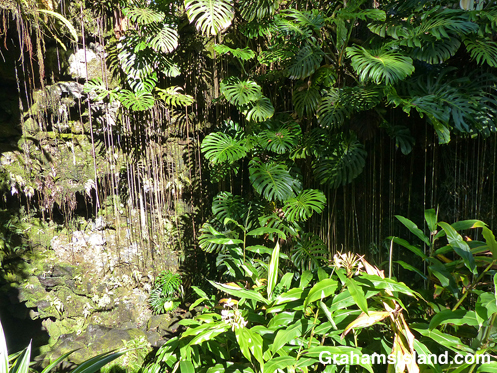
My understanding is that the caves go on for quite a way, but one is not supposed to go much beyond the entrances because it is, officially, private property after that. It’s also very dark and claustrophobic, so that was enough for me.

The photos show – Above: A view from mouth of the southern cave; Middle: The staircase down to the caves; Below: Foliage that’s grown in the open portion of the tube. The cave entrances are the dark areas at the edge of these photos.

Kaumana Cave tropical foliageKaumana Cave foliage