
A sailboat heads down Alenuihāhā Channel, between the Big Island and Maui.
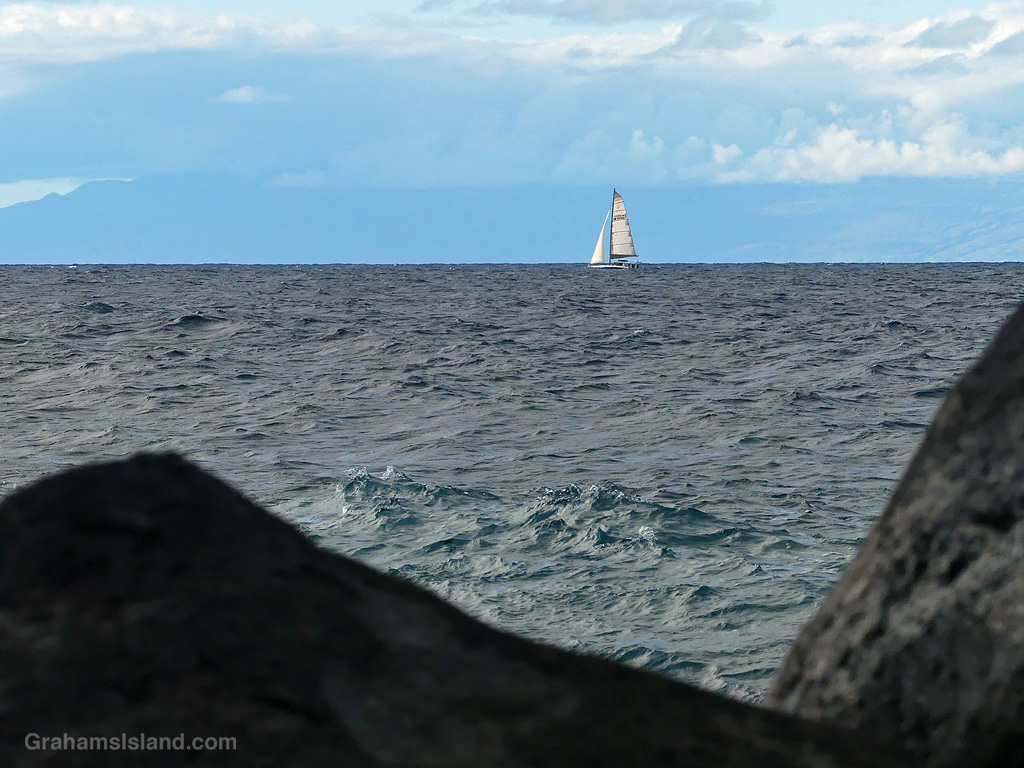

A sailboat heads down Alenuihāhā Channel, between the Big Island and Maui.
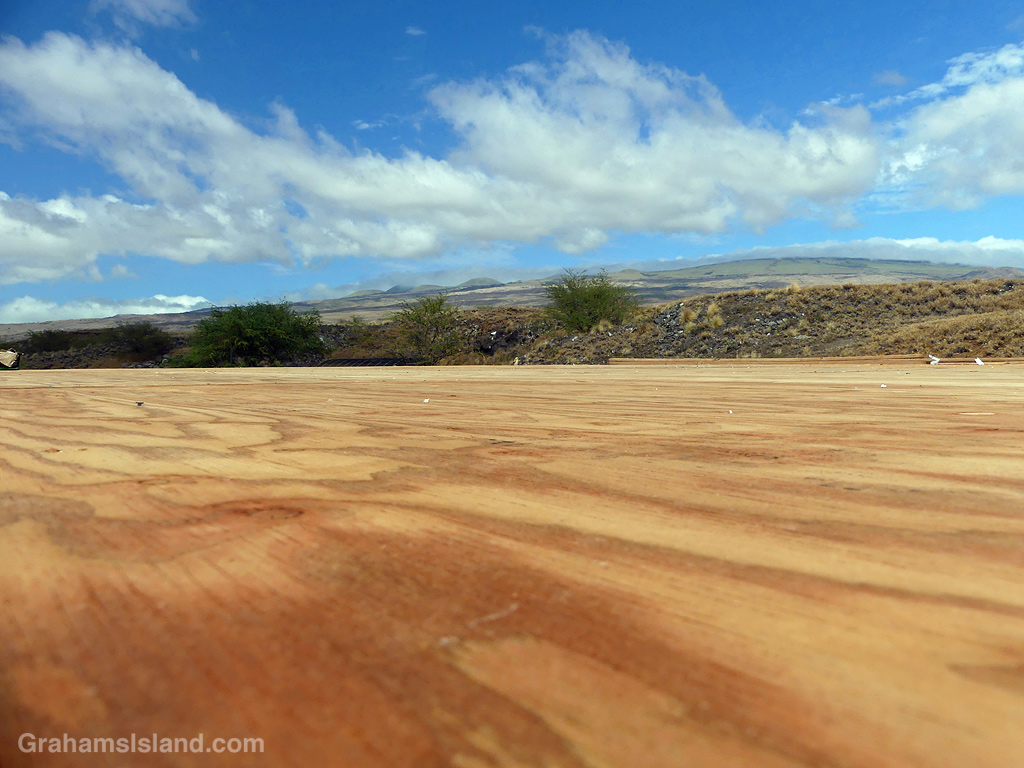
The top photo looks rather like a smooth Hawaiian beach, but it’s the plywood floor of a building under construction.
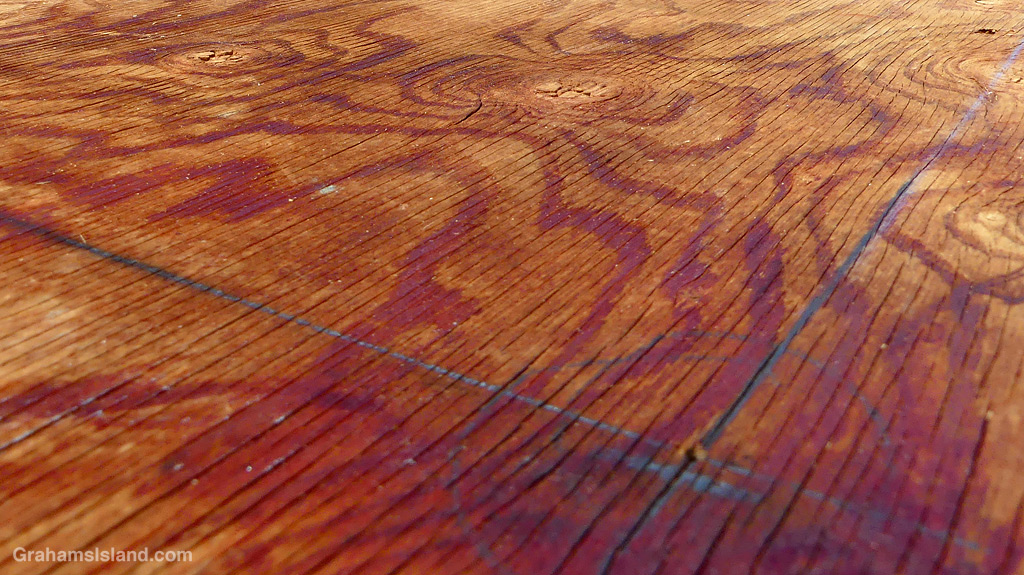
The bottom photo looks like someone lost control of their saw!
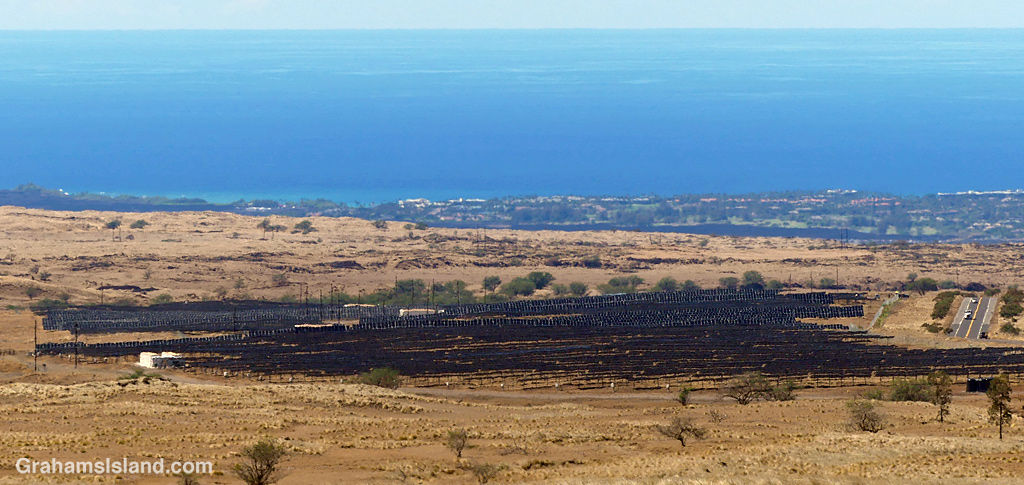
This photo looks a bit like a patch of land scarred by a brush fire, but it’s actually the Big Island’s largest solar power project, which began operations earlier this year. Situated just above Waikoloa Village, it occupies 300 acres and is expect to provide around 7% of the island’s energy needs.
Waikoloa is a good location for this because it’s dry and sunny. It is, however, also known as Waikoblowa because the winds are strong and the dry dirt flies, so they’ll have to keep those solar panels clean!
For more information about the Waikoloa Solar and Storage Project, go to https://www.aes-hawaii.com/waikoloa-solar-storage-project.
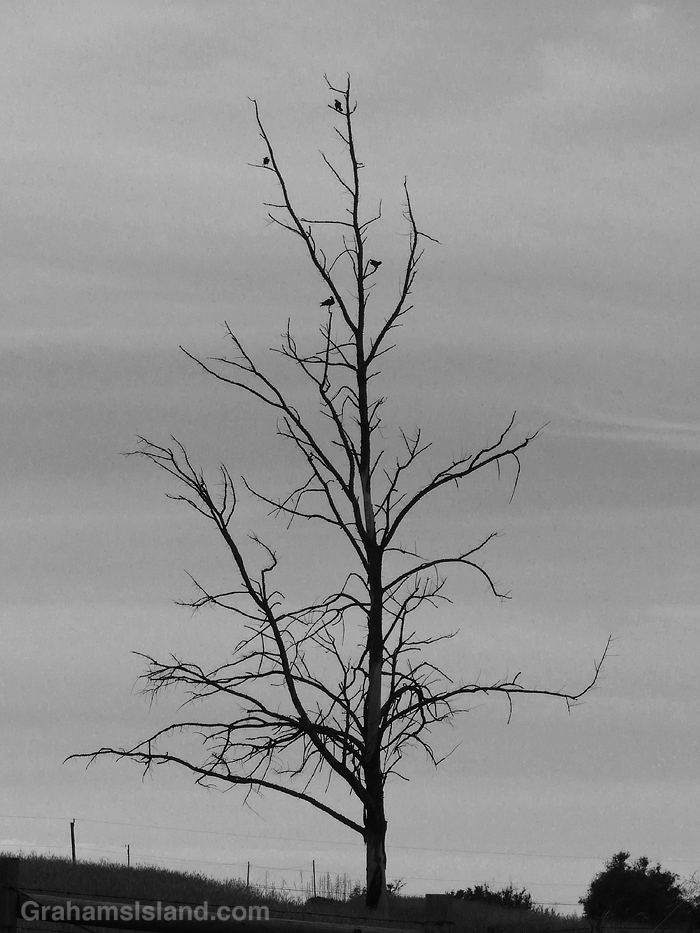
This photo doesn’t look much different in black and white than it does in color. Happy Halloween!

The Kohala Ditch was built in the early 1900s to carry water from the wet slopes of Kohala Mountain, to the sometimes drought-prone sugar cane fields of Kohala. A series of tunnels, flumes and ditches channeled water through ridges and over gullies for a distance of 14 miles.
After the sugar cane industry folded, ditch water continued to be used by other agricultural activities. But this valuable resource was always beset by difficulties. The challenging landscape was prone to landslides and flooding. Flumes were washed away, tunnels blocked. Increasingly expensive and time-consuming repairs did not provide the same economic benefit they once did.
After one such event, a few years ago, the operator of the ditch said it would no longer be repaired and maintained.
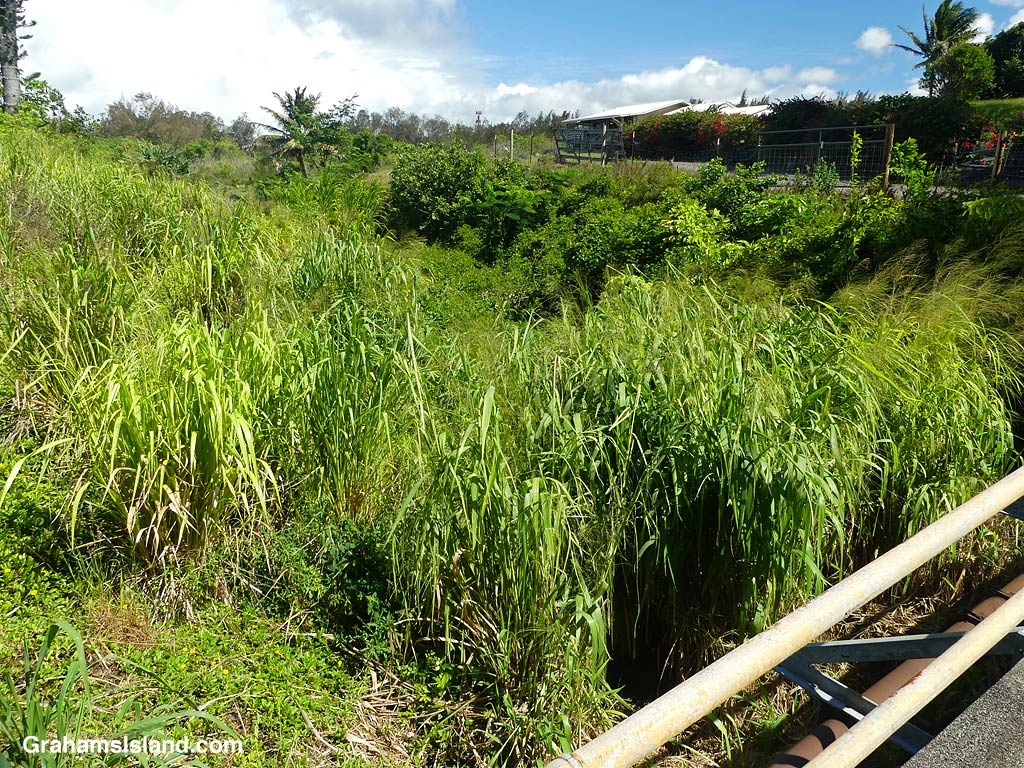

The top photo shows a section of the ditch in 2016. The others show how it looks today, in places, overgrown with weeds and even trees. In some areas it’s more manicured by those living next to it. In the meantime, access to water is a considerable problem, especially as dry weather is increasingly common in the area.
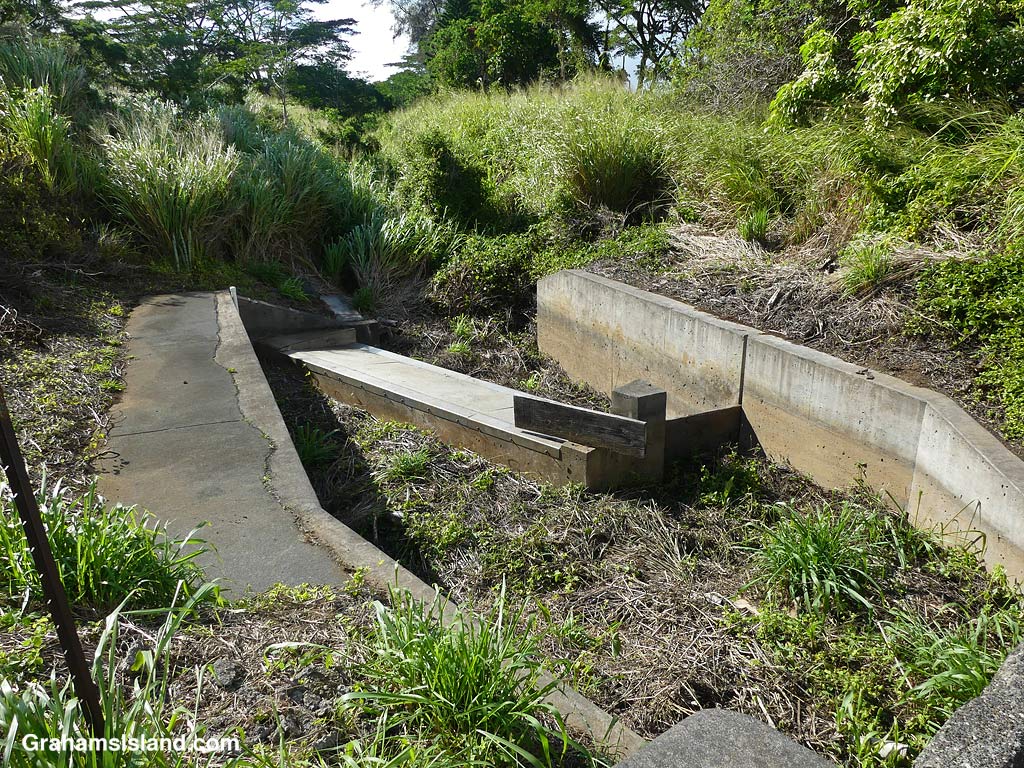

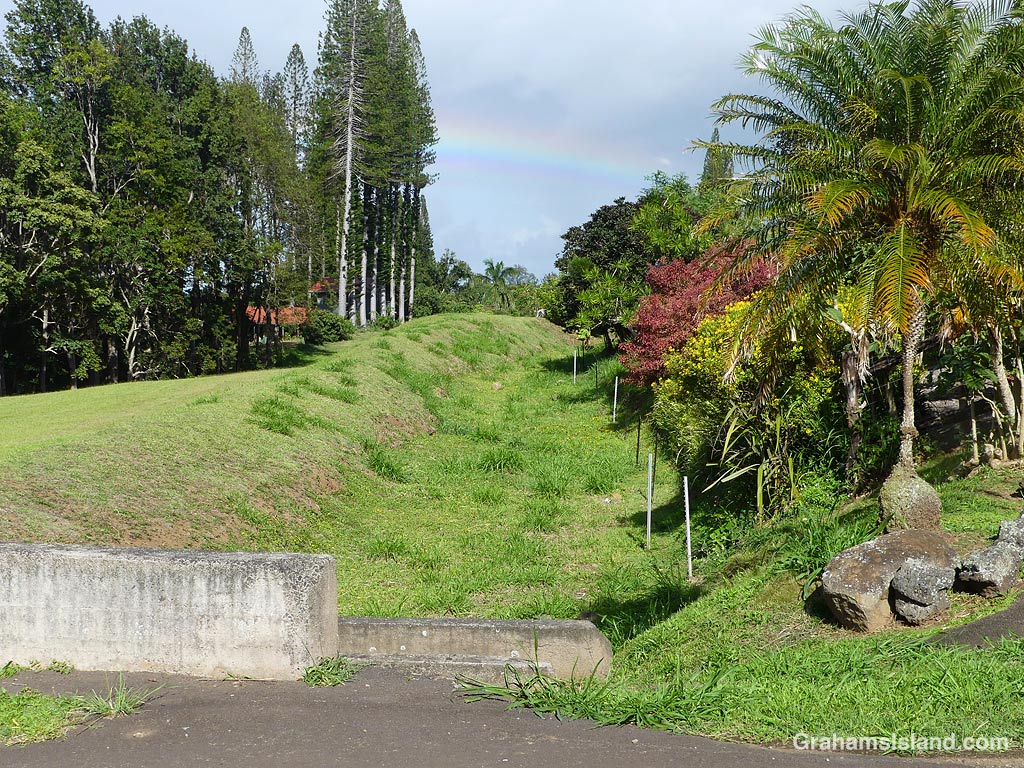
The current Governor of Hawaii knows this region well and money has been earmarked for finding a solution to the area’s water shortage, but when and how that happens is still very much in the pipeline!
For more information about the history of the Kohala Ditch, go to fluminkohala.com/the-kohala-ditch.

On my way to work recently, this sunrise promised much, then faded, then regrouped with this vibrant display. Mauna Loa and Hualalai provide the backdrop.
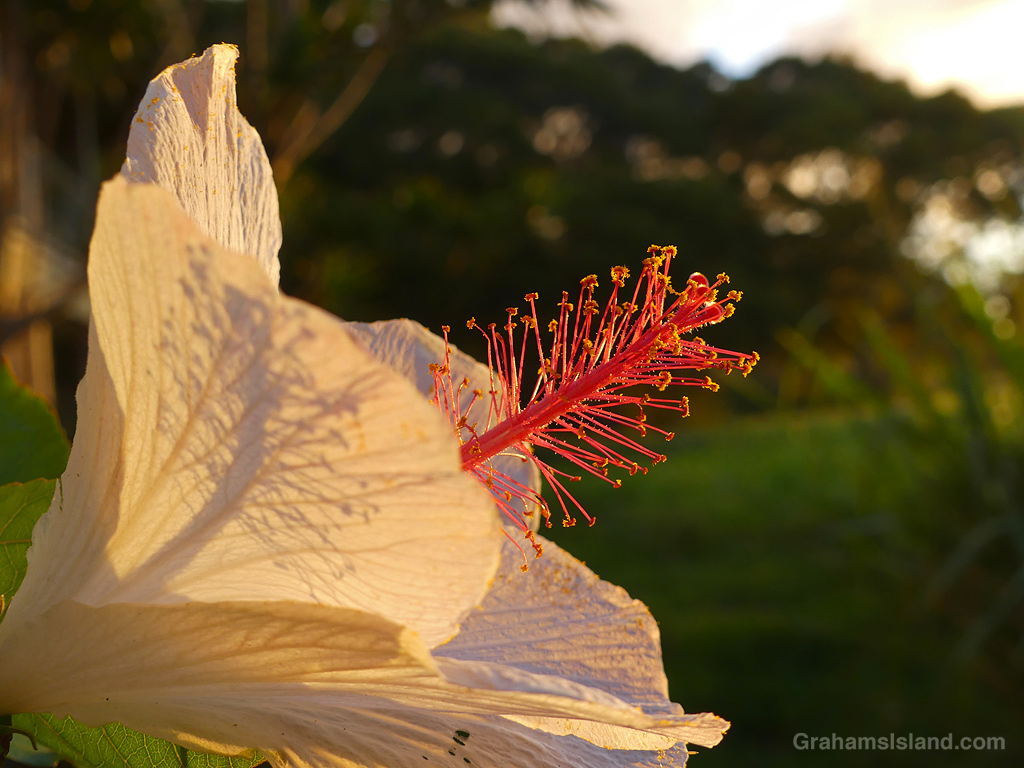
Late afternoon sun illuminates an hibiscus flower.
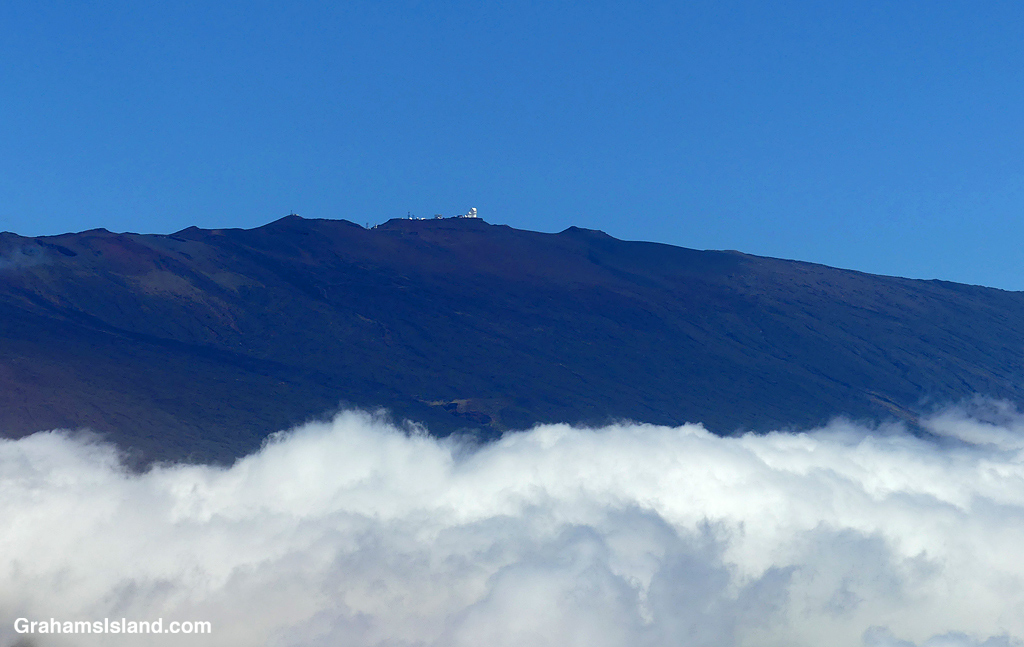
On my flight to Maui last month, I got this layered look at the observatory which sits atop Haleakala.

