I don’t have a Christmas tree, but if I did, I hope it would look as good as this!

I don’t have a Christmas tree, but if I did, I hope it would look as good as this!
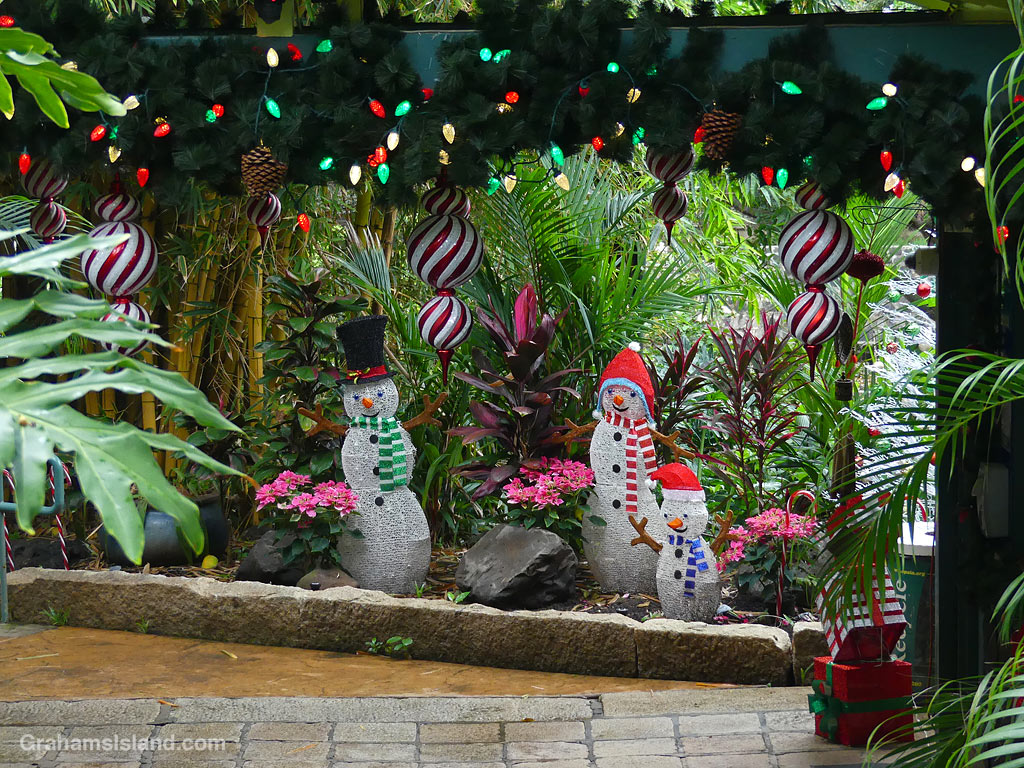

Got to have some Christmas displays before it’s too late. These were at Foster Botanical Garden in Honolulu. More on that trip soon!

The idea of The Numbers Game is to enter a number into the search bar of your computer and then post a selection of the photos that turn up. This week’s number is 226. Captions are on the photos. You can see more responses here.

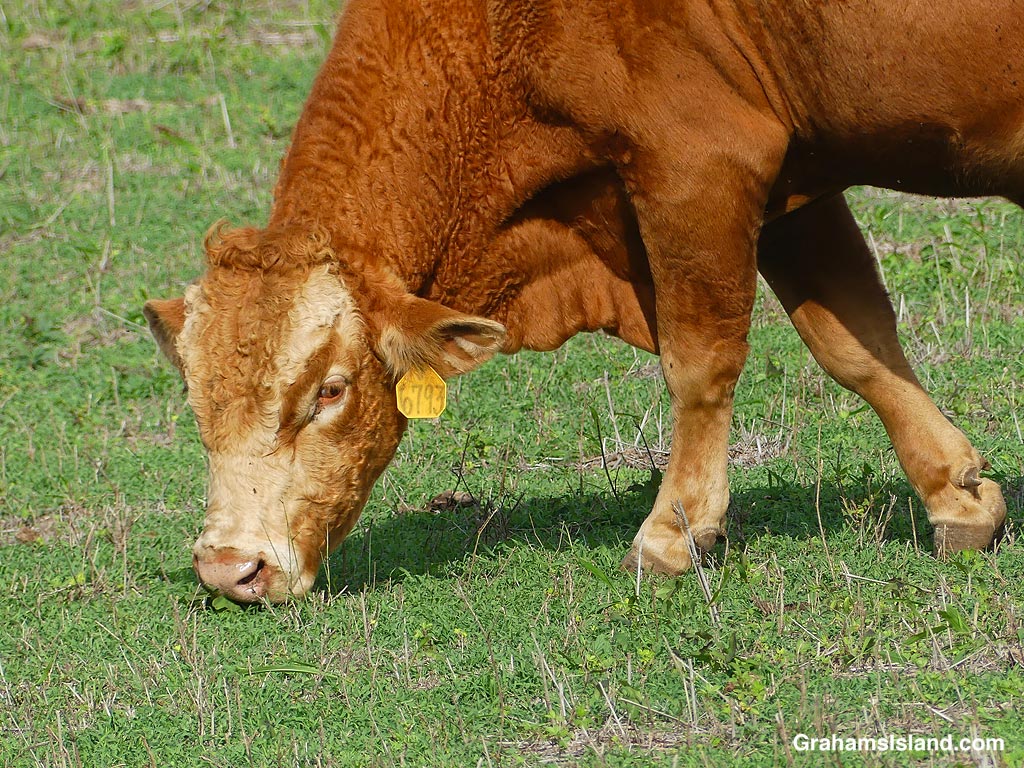
I was hoping this bull would come towards me and/or lift its head up. Instead it kept eating, kept its eye on me, and kept its distance.
This week’s Sunday Stills challenge theme is ‘Winter Wonderland.’ See more responses here. These photos were all taken during the winter months, which is wonderful when you think about it!



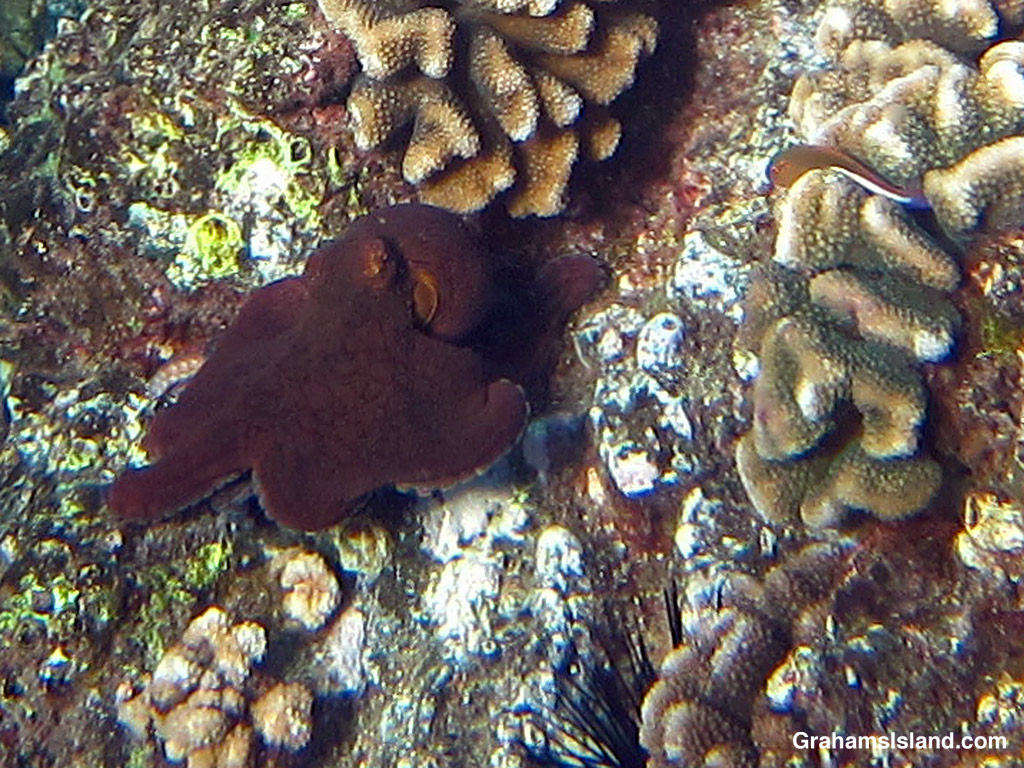
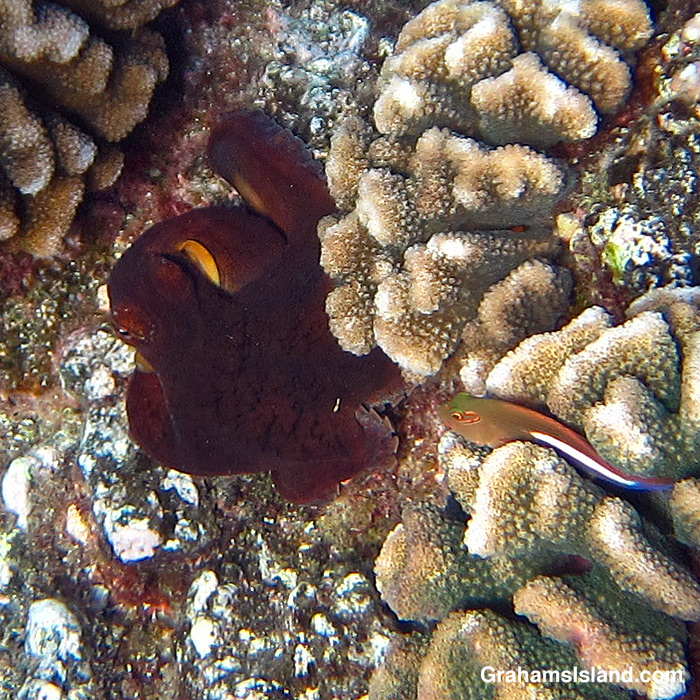
I spotted this small Pacific Day Octopus on the move and it quickly headed for a spot to settle down. The place it chose was just below a head of coral, which was occupied by an Arc-Eye Hawkfish. The hawkfish didn’t move, but didn’t look happy with its new neighbor.
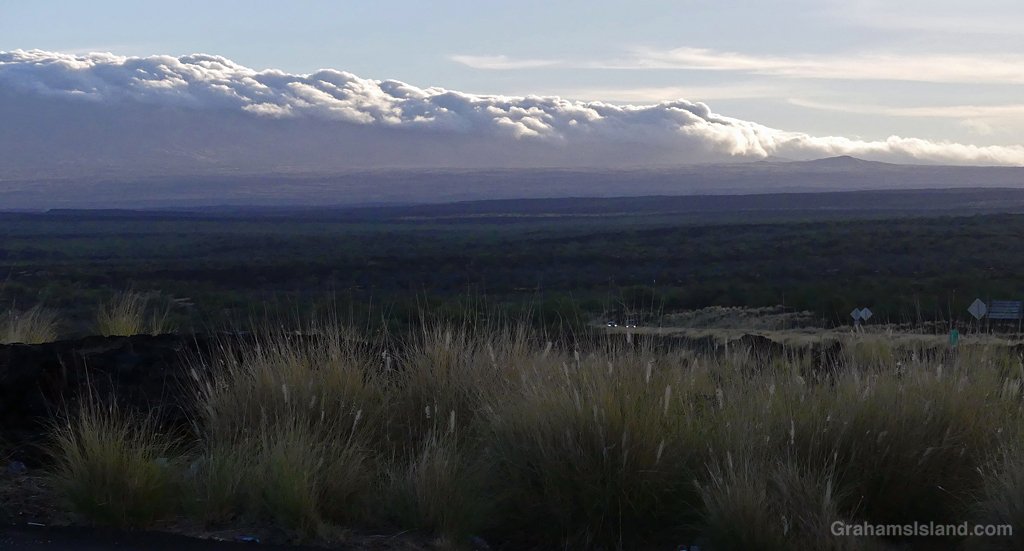
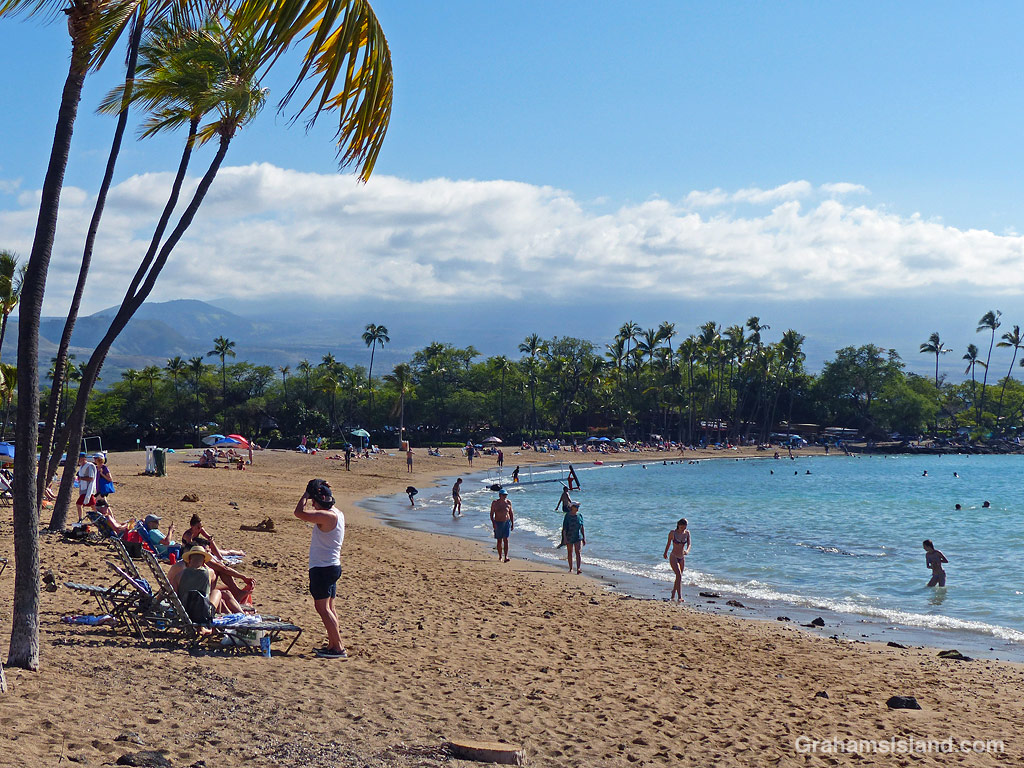
A view to the north with clouds covering Kohala Mountain.
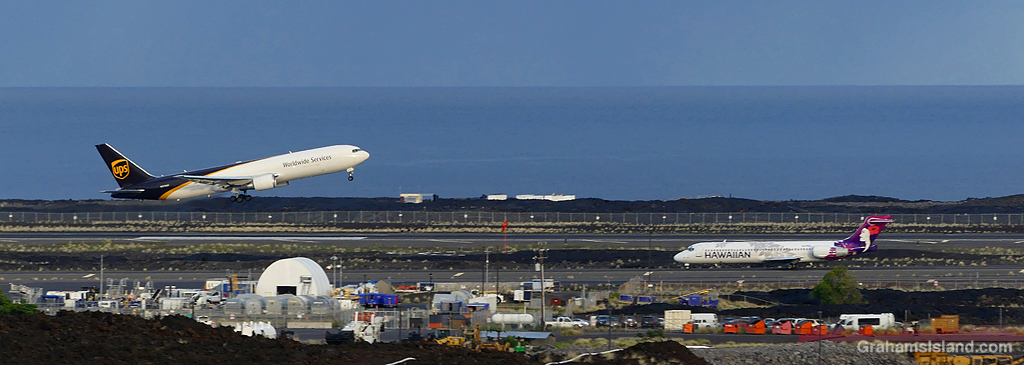
I’m off to Honolulu for the day, so this seemed appropriate. I won’t be flying with UPS though. It would actually be more expensive to fly with them since they charge by weight and/or size! I’ll be on the other plane or one very much like it.
 Graham's Island