
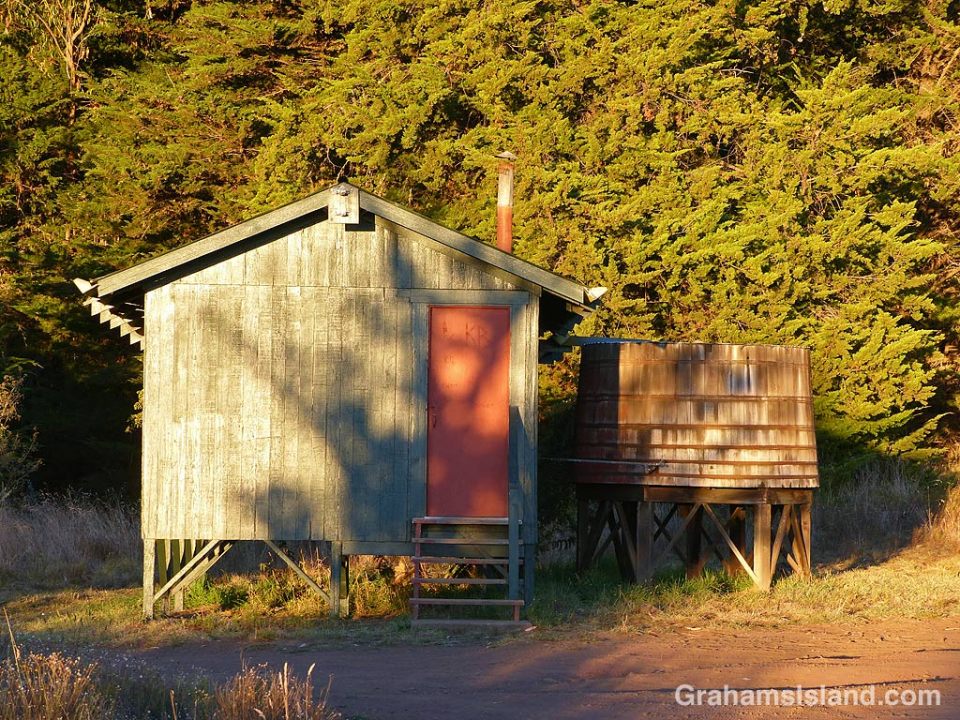
This Civilian Conservation Corps (CCC) Cabin is one of seven that were built around Mauna Kea in the 1930s. The CCC was a public work relief program to create jobs during the Great Depression. It focused on the conservation of resources on government-owned lands.
The seven cabins on Mauna Kea were used by crews working on the construction of sheep-proof fencing. The goal was to remove sheep from parts of Mauna Kea in order to protect the high-elevation dry forest which was rapidly being destroyed.
This cabin is just above the Palila Forest Discovery Trail on the southwest slopes of Mauna Kea.
Posted in response to this week’s Sunday Stills challenge on the theme of ‘Work.’ See more responses here.


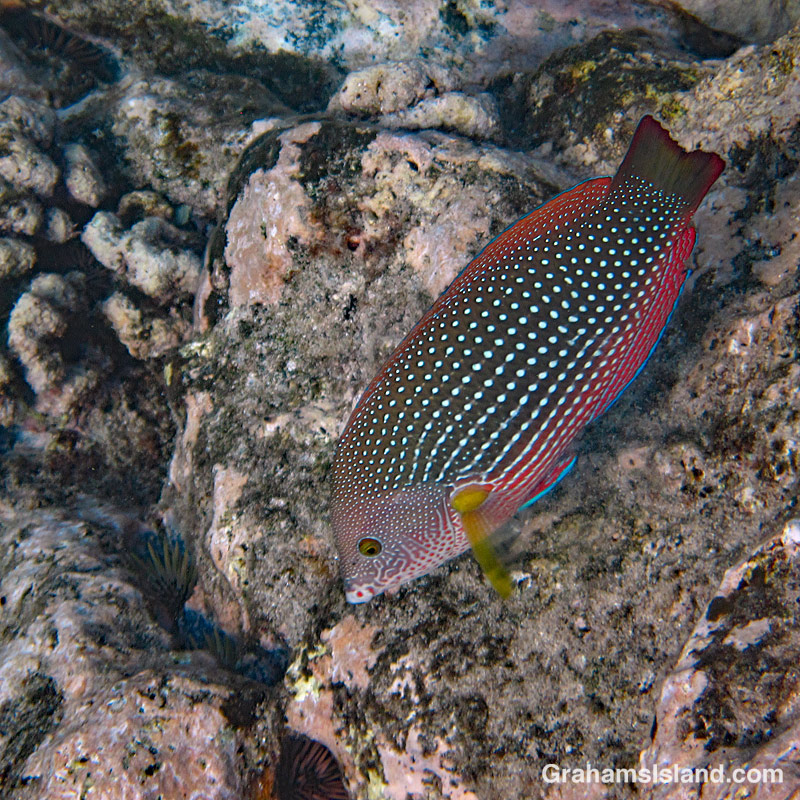 The pearl wrasse, which is endemic to Hawaii, gets its name from the markings of the female, which look like strings of pearls. The male pearl wrasse is predominantly green with fine blue lines.
 The top of Mauna Kea is dotted with telescopes, but Mauna Loa’s summit is bare save for some small pieces of equipment monitoring the volcano’s seismic activity and small changes in inflation and deflation.
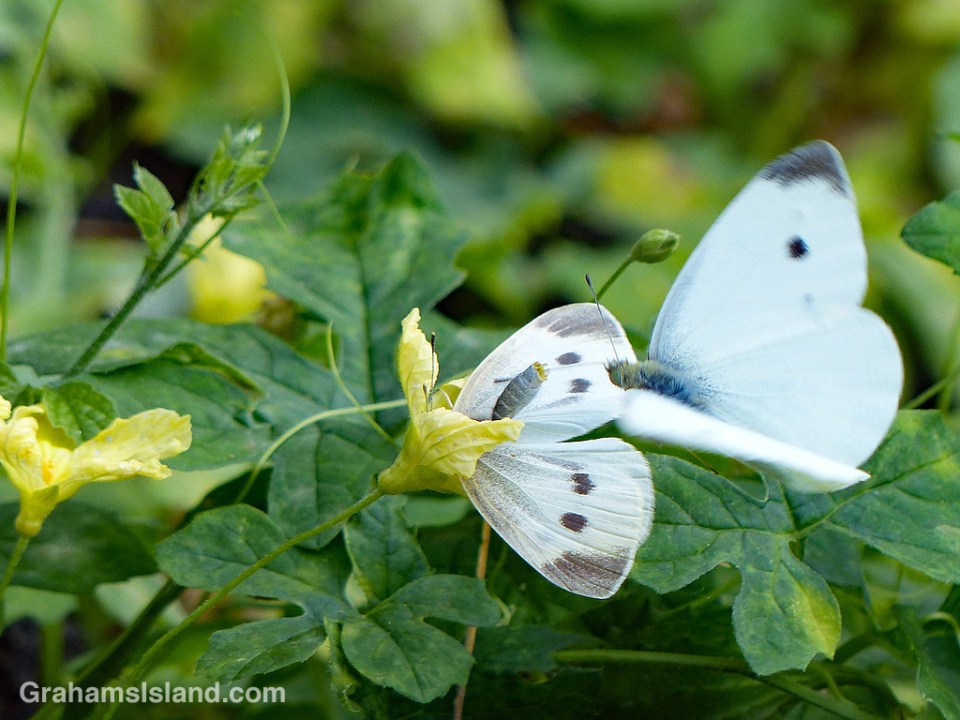
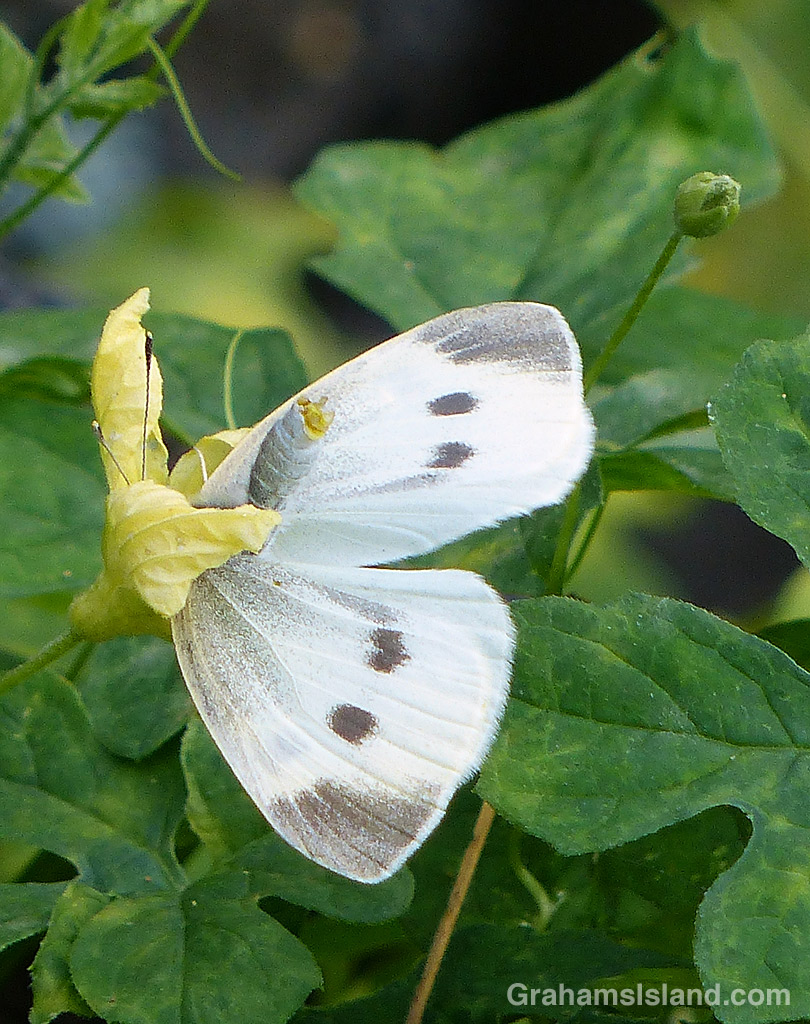 When I first saw these two cabbage butterflies I thought they were mating or about to mate. But I’ve since read that this posture, adopted by the female (identifiable by the two dark spots on each wing), is a signal that she’s already mated and is no longer available. In typical fashion, the male butterfly took a while to get the message before he gave up and left.

 In response to this week’s Sunday Stills challenge on the theme of ‘Water’ (more responses
