
This passion flower was drawing great attention from various bugs including a fiery skipper butterfly, a variable lady bug, and a host of flying ants, or possibly parasitic wasps.

This passion flower was drawing great attention from various bugs including a fiery skipper butterfly, a variable lady bug, and a host of flying ants, or possibly parasitic wasps.
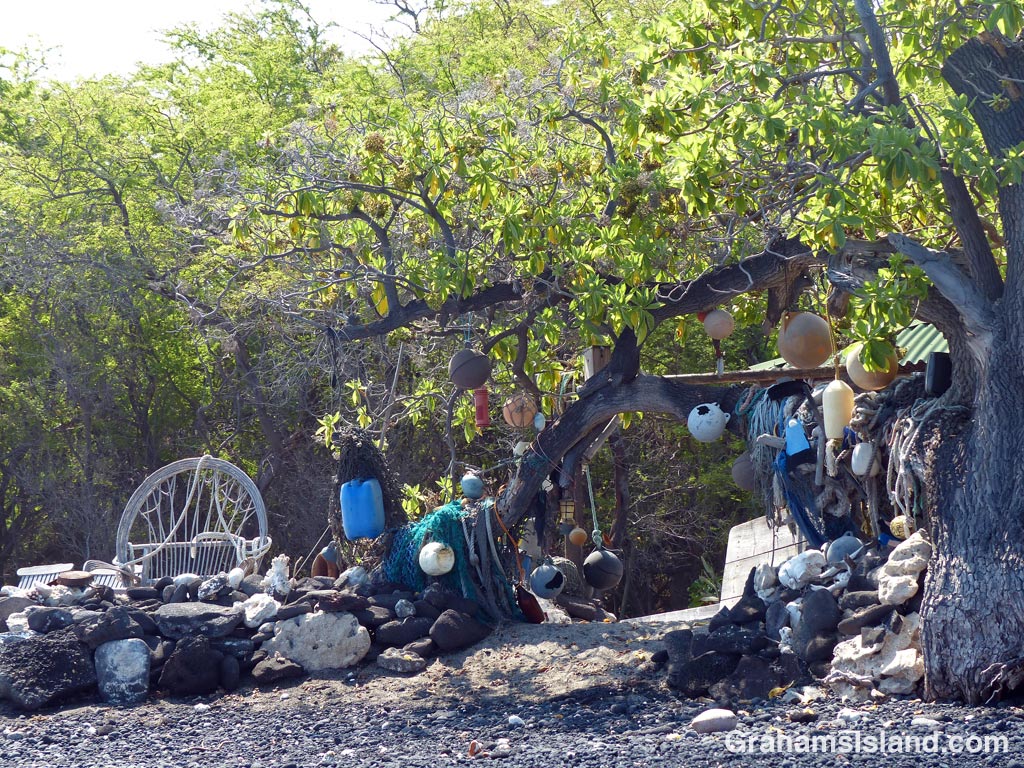
Just above the tide line at Kiholo is this collage of items. Floats, nets, ropes, bits of wood and foam, a plastic jerrycan form a collection that no doubt grows and changes with each passing tide.
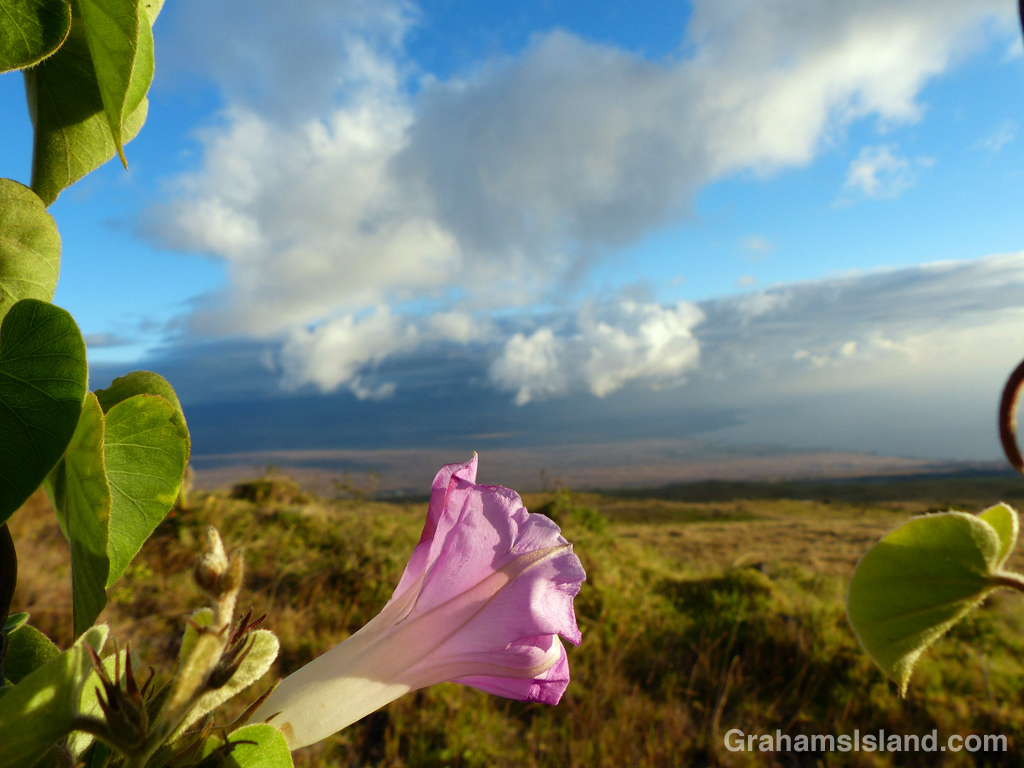
This common morning glory (Ipomoea purpurea) was twined on a fence alongside the mountain road, overlooking the Kohala coast.
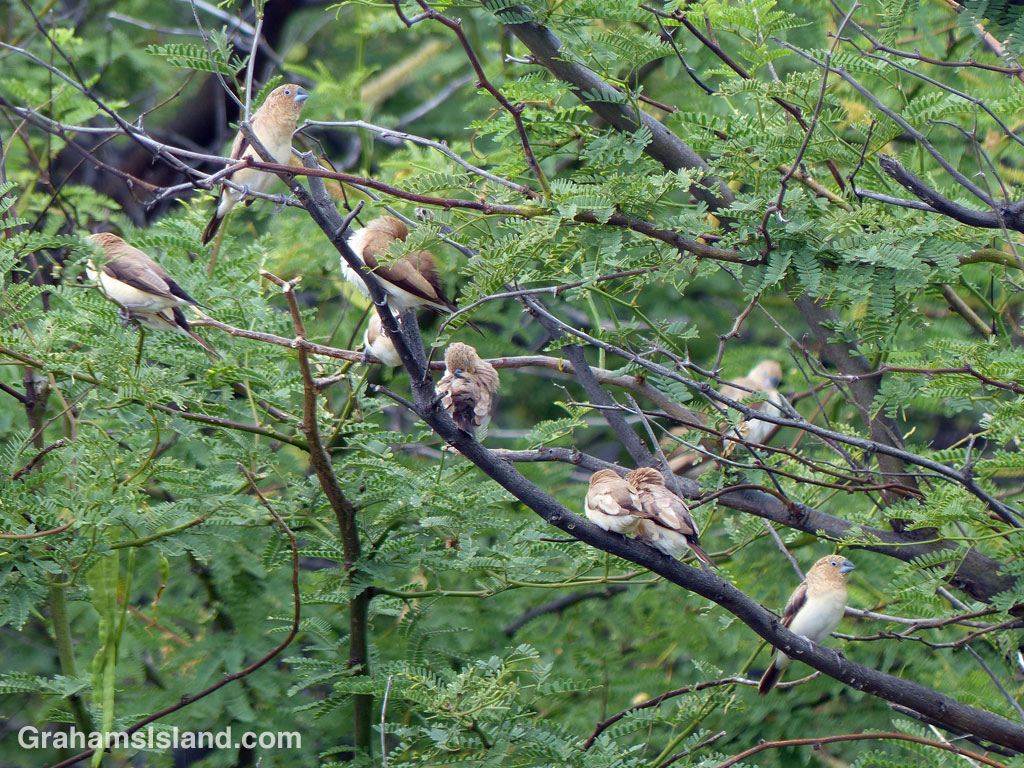
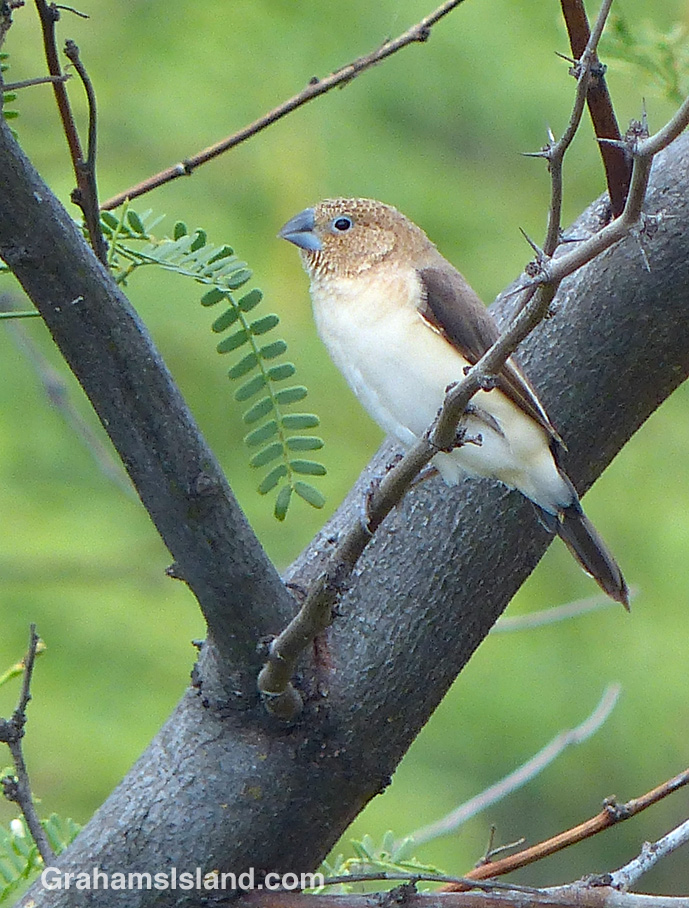
Small flocks of African silverbills can often be seen, flitting from tree to tree, on the dry side of the Big Island. Sometimes they’ll be mixed in with other birds such as nutmeg mannikins, but this group was all silverbills.

Miloli’i is an old Hawaiian fishing village near the southwest corner of the Big Island. A few miles north is Miloli’i Beach Lots Subdivision, a private community with an undeveloped park. Since the name includes the word ‘beach,’ it will come as no surprise to learn that there’s no beach of any description in the subdivision. There is, however, a reasonable spot to get in the water, at the park, which is accessed by crossing this little plank bridge. If you head straight out from there, in no time at all you’ll find yourself in Taiwan.

On a recent hike, I came on several of these passion flowers. I don’t know what kind they are; it’s often very hard to identify passion flowers. The flowers hung down, so this is a view from below. Not only did it have an exotic look to it, but it had a most wonderful fragrance.
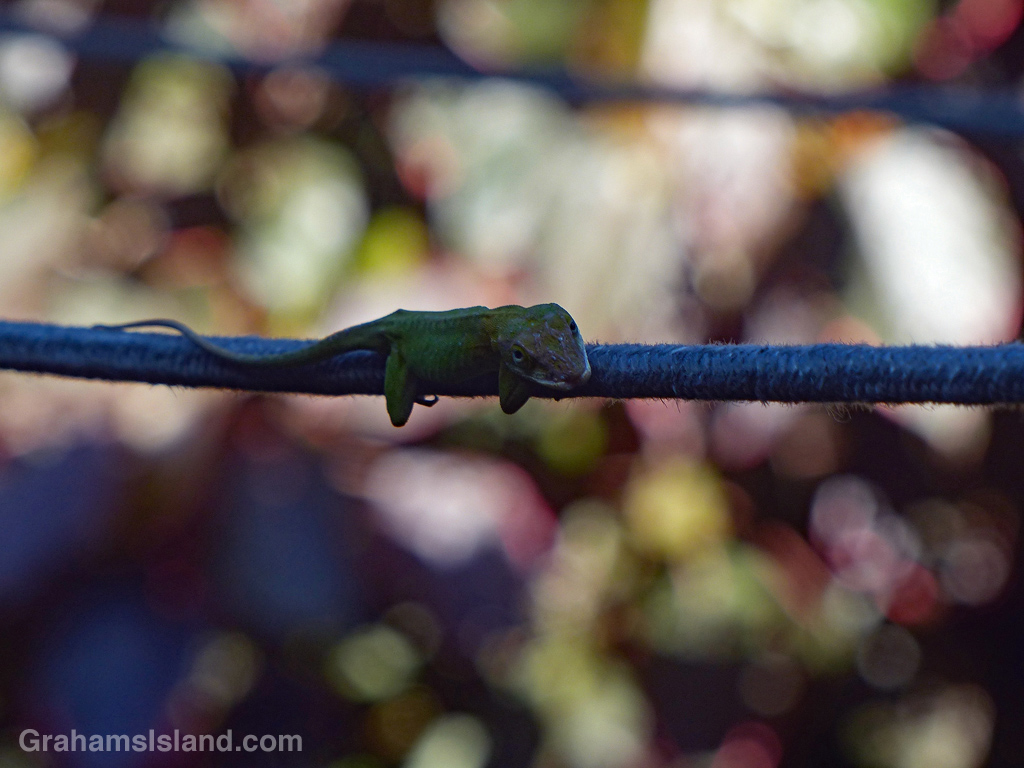
I have a laundry line strung up between the house and a tall hedge. Besides its intended purpose, it also serves as a bridge for geckos and anoles commuting between the house and hedge. They can scurry across the span in a hurry when they want to, but usually they go a little way, pause and look around, then repeat the process. They’re entertaining to watch, the experience sullied only slightly by the knowledge that this rope bridge could also serve as a freeway for rats.

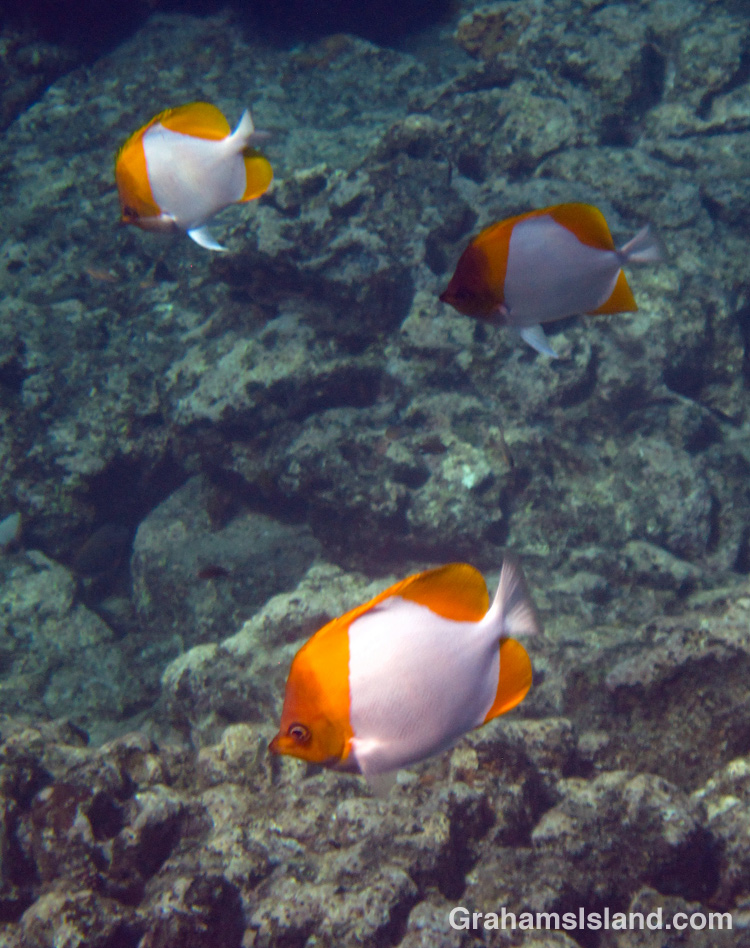
I kept hearing about a large school of pyramid butterflyfish that hung around in a particular area where I often snorkel. Trouble is, every time I went there, I never caught so much as a glimpse of one.
By the time I last swam in that direction, I’d forgotten all about pyramid butterflyfish and their alleged presence in the area. Naturally, that’s when I ran into a very large shoal of mixed fish including yellow tang, black triggerfish, filefish and other reef fish. In amongst them were a large number of pyramid butterflyfish, which stood out when the sunlight caught the large white triangles on their sides.

